REVIEW · PARIS
Historic Paris Walking Tour in English
Book on GetYourGuide →Operated by Walkative Tours · Bookable on GetYourGuide
Paris feels different when you walk it.
In 150 minutes, you get a fast, story-driven introduction to the city’s big symbols, with the Louvre and Notre-Dame Cathedral as anchors for what you’re seeing and what you’re hearing. I like the way the guide connects art, politics, and everyday Paris life into one line you can follow even after you leave the meeting point.
I also like the route rhythm: you start with monumental exteriors, then slip in calmer spaces like the Pont des Arts and the Tuileries Gardens so your brain can reset. The only drawback is time: this tour is built for seeing and understanding from the street, so you won’t get a long, sit-down museum experience inside the big sites.
And if you’re visiting solo or just want your bearings quickly, this is an especially good fit. I’ve seen multiple guides praised for keeping the group engaged, answering questions, and finishing on time, including guides like Tom, Yazid, Harry, Toto, and Victoria.
In This Review
- Key things you’ll like on this historic Paris walk
- Meeting at Hôtel de Ville and getting oriented fast
- Two and a half hours of Paris: what the route really covers
- The Louvre: palace ambition to world-famous museum
- Notre-Dame Cathedral and Quasimodo connections on the street
- Pont des Arts: why the bridge matters beyond photos
- Tuileries Gardens: the reset you’ll appreciate more than you think
- Eiffel Tower talk and the modernization debate
- Art, revolution, and darker chapters the guide ties together
- What makes the guide experience feel worth it
- Price and value: what $31 buys you in real terms
- Who should book this historic Paris walking tour
- Should you book this historic Paris walking tour?
- FAQ
- FAQ
- Where is the meeting point for this tour?
- How long is the Historic Paris Walking Tour?
- Is the tour offered in English?
- Is hotel pickup included?
- What are the main sights included?
- Can I cancel and get a full refund?
- Is there a reserve and pay later option?
Key things you’ll like on this historic Paris walk
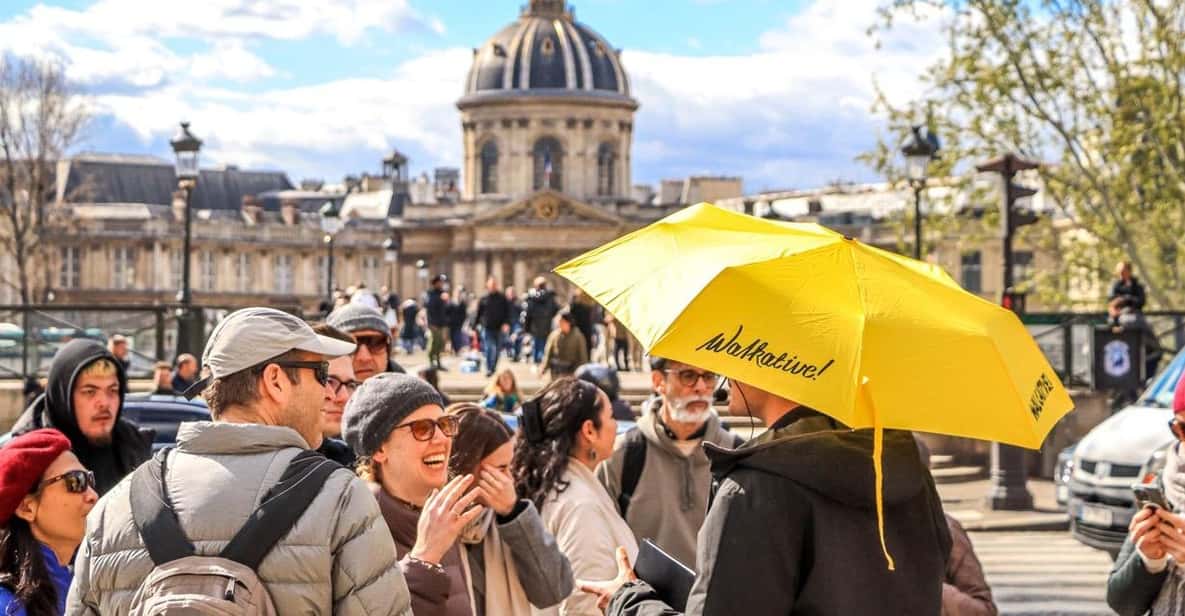
- A tight 2.5-hour loop that packs major sights without feeling like a marathon
- Louvre-to-revolution storytelling that explains why the palace and museum matter together
- Notre-Dame context you can actually use (including the Quasimodo link mentioned on tour)
- Pont des Arts and Tuileries Gardens for a breather between big monuments
- Guides with strong showmanship and a habit of answering questions (with humor and even illustrations in some cases)
Meeting at Hôtel de Ville and getting oriented fast
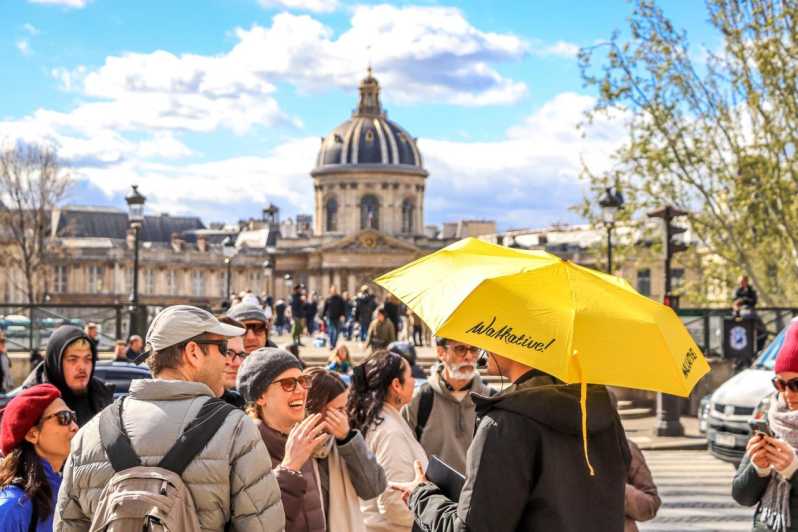
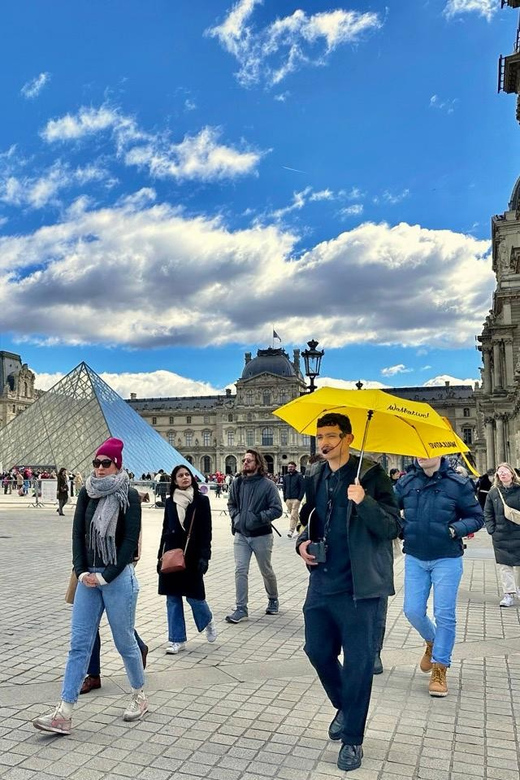
Your day starts at Hôtel de Ville, outside the metro at exit 5. Look for a yellow umbrella, and show up about 10 minutes early so the group can assemble without stress.
No hotel pickup here. That’s a good thing for most people: you’ll be in the heart of the action, not waiting around for transfers. It also means the tour begins on time and stays focused on the walking.
Price-wise, this one is set at $31 per person for a 150-minute English guided experience, and it’s designed as a “pay as you wish” style format in how it’s described. In plain terms: your ticket price includes a reservation fee and the guide’s payment, and you’ll still want to reward great guiding if the day really clicks for you.
You can also read our reviews of more walking tours in Paris



Two and a half hours of Paris: what the route really covers
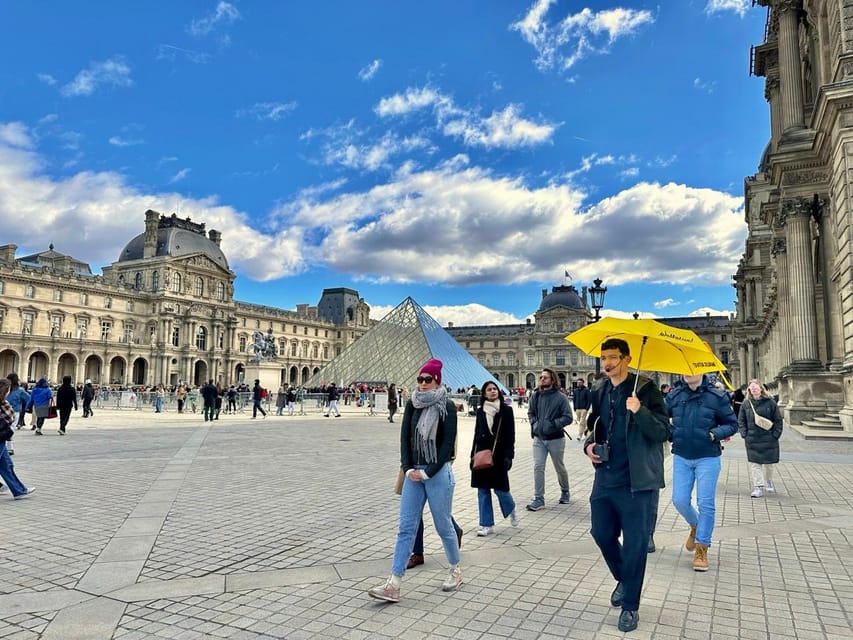
This walk is built around the idea that Paris is one city with many eras stacked on top of each other. You’ll move through areas that show:
- 19th-century grandeur, including elegant boulevard-style views
- medieval religious architecture, framed in the stories people still tell
- the modern city’s bridges and riverfront energy
- museum and palace symbolism, especially around the Louvre
The tour’s headline sights include the Louvre, Notre-Dame Cathedral, Pont des Arts, and Tuileries Gardens. It also includes other major landmarks you’ll recognize from postcard Paris, like Sainte-Chapelle and the Eiffel Tower. Even if you’ve seen photos already, I like that the guide doesn’t treat these as isolated icons. Instead, they become points on a timeline you can hold onto.
Because it’s only 150 minutes, the walking pace is purposeful. You’re not meant to get lost in long lines or sit for ages. You’re meant to see, understand, and leave with a cleaner mental map.
The Louvre: palace ambition to world-famous museum
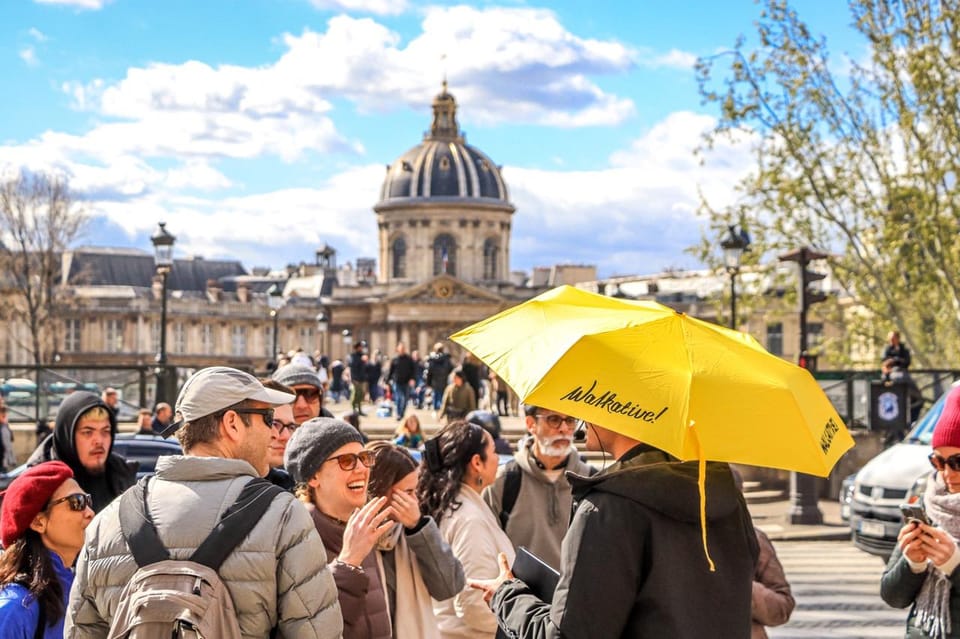
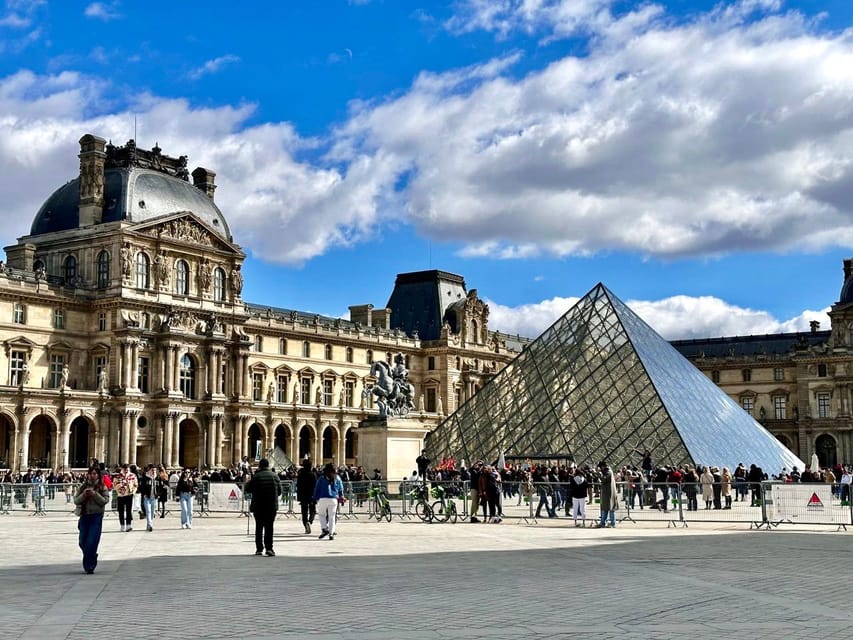
The Louvre part of the tour isn’t only about what’s inside the museum. You start by understanding the palace origins and why the Louvre evolved into something that holds the world’s art spotlight. The guide frames it like a transformation: power, art, and public life all pulling in different directions over time.
From a practical standpoint, this matters because it changes how you look at the building. The Louvre isn’t just a huge museum box. It’s a statement about how France wanted to define itself—first through royal space, later through public art and cultural prestige.
And since the tour story also touches major art-related moments (including the Mona Lisa and the idea of daring art theft), you’ll likely find yourself thinking about the Louvre as more than architecture. It becomes a stage where art, fame, and history collide.
If you love art but hate feeling overwhelmed, this approach is smart. It gives you context before you decide which gallery to chase later.
Notre-Dame Cathedral and Quasimodo connections on the street
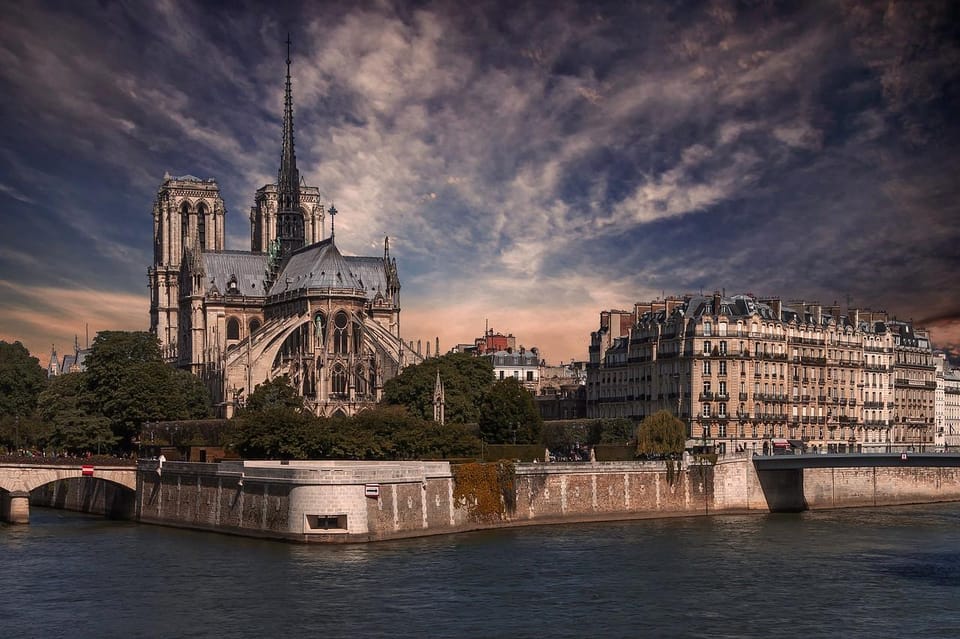
Notre-Dame is one of those places where you either rush past it or you want a guide to explain what you’re actually looking at. Here, you get that second option.
The guide focuses on Notre-Dame as a symbol that has lived through massive changes and huge public emotions. The tour also specifically calls out the Quasimodo story, so you’ll leave with a better sense of how literature and legend get tied to real stone and real design.
Even if you’ve already heard the name Quasimodo, hearing the story in front of the cathedral helps it stick. You’ll be able to connect the drama people associate with the cathedral to the physical scale and craftsmanship you see from the street.
One consideration: this is a walking tour, so your time at Notre-Dame is for viewing and listening, not for a long indoor visit. If you’re hoping for major cathedral interior time, plan for that as a separate stop later in your trip.
Pont des Arts: why the bridge matters beyond photos
Pont des Arts is famous for views, but the best value of this stop is the narrative attention. You’re not just ticking a bridge off a list. You’re learning what the bridge represents in the city’s flow—how Paris connects neighborhoods, how people move, and how the riverfront becomes part of daily life and romance.
This is one of those spots where you’ll likely want a quick photo, but you’ll get more out of it by listening to the story first. The guide’s themes—Paris as a city of art, desire, and rivalry—fit naturally here because bridges are where those stories meet physically.
Because the tour schedule includes both huge landmarks and calmer spaces, this stop also works as a pacing tool. It breaks up the heavier architecture so you can keep your energy for what comes next.
You can also read our reviews of more historical tours in Paris






Tuileries Gardens: the reset you’ll appreciate more than you think
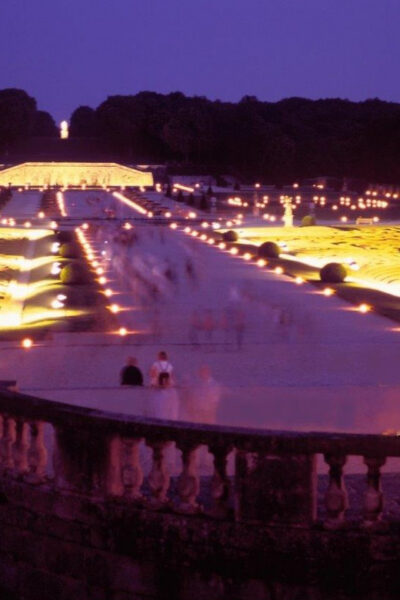
After monumental sights, the Tuileries Gardens act like a breather. They’re included for a reason: you need open space to process everything you just saw and heard.
What I like about garden stops on tours is that they change the pace without feeling like you’re wasting time. You can look around at scale, breathe, and keep moving without the fatigue that comes from only seeing buildings all day.
The tour also leans into a very Paris idea: food and leisure as part of the experience. You might be tempted to do this like the locals do it—by planning a simple picnic moment later, using the gardens as your mental signal that Paris is also about enjoying rather than just sightseeing.
Again, this is not a long hangout session. It’s designed to give you a real change of mood inside a compact schedule. Then you’re ready to wrap up with stronger context for the landmarks you’ll revisit on your own later.
Eiffel Tower talk and the modernization debate
Even if you’ve seen the Eiffel Tower already, hearing how it landed historically can be a surprise. The tour includes the Eiffel Tower and the story around how Parisians reacted when it was first built for the 1889 Universal Exposition.
The guide highlights that many people protested it for years before the city eventually grew to love it. That’s not just trivia. It teaches you something about Paris: taste and tradition don’t always block new ideas. Sometimes they fight them first, then adopt them once the city decides the object has earned its place.
This theme connects nicely with everything else in the walk: old religious forms, royal palace symbolism, and later cultural power. Paris keeps changing its mind, and that mindset helps you read the city instead of just memorizing monuments.
Art, revolution, and darker chapters the guide ties together
One of the more interesting parts of this tour is that the stories don’t stay neatly in the “pretty sights” lane. The guide weaves in big characters and big events linked to Paris, including stories about Napoleon and Hitler, and connections tied to art and public spectacle (including the Mona Lisa thread).
To be clear: this is a walking tour, not a classroom lecture, so the goal is not to drown you in dates. The goal is to give you story hooks so you can recognize themes when you see signs, statues, plaques, or museum headlines later.
Why it works: Paris history can feel abstract until someone tells it like a narrative. When it’s done well, you stop seeing history as something trapped in books and start seeing it as something living in the streets.
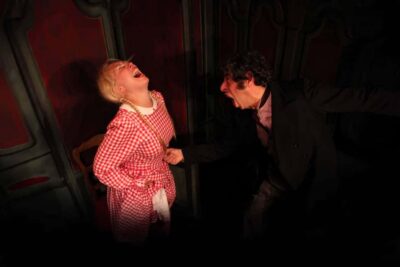
Based on the guide styles people praise, you’ll likely experience this as dramatic and human—sometimes with humor, sometimes with extra visuals. In one review, Cheryl mentioned her guide brought illustrations, and others praised guides like Thomas for a sense of humor and a wide range from art history to military history. That mix tends to help different kinds of travelers stay interested.
What makes the guide experience feel worth it
The strongest praise across guide mentions is consistent: guides are engaging, passionate, and good at holding attention for the full 150 minutes. Names that come up in reviews include Tom, Yazid, Harry, Toto, Victoria, Thomas, Gurvan (also called Jay), Dawie, and Tank.
If you’re wondering what that means for you, here’s the practical translation:
- You’ll likely get clear explanations, not just a recital of names.
- You’ll likely get good Q&A handling, since multiple reviews mention guides answering questions and making time for interaction.
- You’ll probably get storytelling, with some guides leaning dramatic and theatrical, which keeps the tour lively without rushing.
One more thing I like: people describe the day as not strenuous. That matters because “walking tour” can mean long, painful distances. Here, the structure seems to stay focused on route pacing and timing, and one review specifically notes it suited different interests, from history-focused to casual.
Even in a group, it seems to stay human-sized in practice. One person guessed it as fewer than 20, and the key point for you is this: you shouldn’t feel swallowed by a huge crowd.
Price and value: what $31 buys you in real terms
At $31 per person for 150 minutes, you’re paying for three things: a local guide, a structured narrative, and time efficiency. That’s where the value shows.
Most first-time visitors can spend hours trying to piece together Louvre facts, Notre-Dame context, and river-area connections on their own. With a guide, you’re paying to compress that into one coherent walk. You also get the “why this matters” framing, like why the Louvre palace-to-museum story helps you understand the city, or why modernization stories like the Eiffel Tower protest matter.
The pay-as-you-wish note is worth understanding so you feel comfortable. The information says your booking amount covers the reservation fee and the guide’s payment. If you loved the way your guide told the story, it’s reasonable to consider additional rewarding, but the important part for your decision is that the tour is not sold as a free-for-all. You’re buying real guiding time and a constructed narrative.
Who should book this historic Paris walking tour
I think this tour fits best if you:
- want a first-day orientation to Paris that isn’t just wandering
- like history, art, and stories, but don’t want a heavy, all-day museum plan
- enjoy photo stops that come with context (like Pont des Arts), not just quick snapshots
- are solo or traveling with friends who want a shared narrative thread
You might prefer a different plan if you:
- want long interior time inside major sites like Notre-Dame or the Louvre
- hate walking and would rather trade this for slower, sit-down experiences
- need a full-day deep-dive museum itinerary
Should you book this historic Paris walking tour?
Yes, I’d book it if your goal is to understand Paris quickly and then explore on your own with better instincts. The tour’s greatest strength is that it doesn’t treat the Louvre, Notre-Dame, Pont des Arts, and Tuileries Gardens as separate attractions. It ties them into stories about how Paris thinks, rebels, builds, and changes its mind.
I’d only skip it if you’re planning a museum-heavy trip where you already know exactly what you want to do inside each site. In that case, you might prefer separate tickets and a more independent plan.
If you’re unsure where to start, this is one of the cleaner, good-value ways to get oriented in Paris—guided, structured, and lively enough to keep you engaged from Hôtel de Ville to your final stop.
FAQ
FAQ
Where is the meeting point for this tour?
It meets at Hôtel de Ville, outside the metro at exit 5. You should look for a yellow umbrella.
How long is the Historic Paris Walking Tour?
The tour lasts 150 minutes.
Is the tour offered in English?
Yes, the tour is English.
Is hotel pickup included?
No, hotel pickup and drop-off are not included.
What are the main sights included?
Key highlights include the Louvre, Notre-Dame Cathedral, Pont des Arts, and Tuileries Gardens.
Can I cancel and get a full refund?
Yes. Free cancellation is available if you cancel up to 24 hours in advance.
Is there a reserve and pay later option?
Yes. You can reserve now & pay later, meaning you can book your spot and pay nothing today.