REVIEW · PARIS
Louvre Museum Masterpieces Guided Tour with Access
Book on Viator →Operated by City Wonders Ltd · Bookable on Viator
The Louvre can swallow a day. This guided tour uses skip-the-line entry and a tight plan to show you the museum’s best-known masterpieces and a few smart surprises. I especially like the audio headsets (so you’re not straining in a crowd), and the fact that the route is designed for what you can realistically see in about three hours.
Here’s the one thing to keep in mind: the day can still start a little slow at security, and you’ll want to follow the small-bag rules to avoid friction at the entrance.
In This Review
- Key highlights at a glance
- Why This Louvre Masterpieces Tour Gets You There Faster
- Meeting at Arc de Triomphe du Carrousel: Easy Start, Quick Orientation
- The 3-Hour Structure: How the Tour Actually Feels in the Louvre
- Inside the Louvre: What You’ll See and Why It Matters
- Mona Lisa, Venus de Milo, and Winged Victory: The Highlights Route
- More Than the Big Names: Renaissance and French Romantic Period Stops
- Price and Value: Is $86.89 Worth It?
- Practical Tips That Make or Break Your Visit
- Wear the right shoes
- Bring only a small bag
- Plan for security timing
- Use the meeting point correctly
- Take advantage of the after-tour linger time
- Locker-room storage might be possible
- Who This Tour Suits Best (And Who Might Skip It)
- Should You Book This Louvre Museum Masterpieces Guided Tour with Access?
Key highlights at a glance
- Guaranteed entry and advance ticket reservation so you spend time looking, not queuing
- Arc de Triomphe du Carrousel meeting point near the Jardin des Tuileries (easy to orient yourself fast)
- Audio headsets for clear commentary while you move between rooms
- Masterpieces included such as the Mona Lisa, Venus de Milo, and Winged Victory
- 2.5 hours in the museum with a guided route plus time to linger after the tour
- Optional upgrade with wine and cheese tasting in a high-end wine bar
Why This Louvre Masterpieces Tour Gets You There Faster
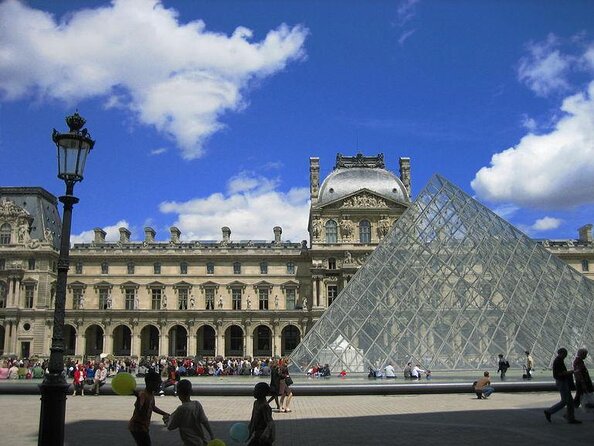
The Louvre is famous for a reason: it’s packed. That’s the problem. Without a plan, you waste precious energy bouncing between wings and ending up half-lost near the most crowded rooms.
This experience solves that with a guided route and reserved entry. You meet up near the entrance area, then use your prebooked ticket to bypass the general sales lines. Once you’re inside, you’re not just wandering. You’re moving room to room with commentary that explains what you’re seeing and why it mattered when it was made.
I also like the pacing. You get about 2 hours 30 minutes in the museum, which is long enough to get the big hits without turning your legs into pudding. And when the official tour ends, your ticket still lets you stay and look longer at your own speed. That flexibility matters, because the Louvre is one of those places where one painting can turn into 30 minutes of staring.
One more plus: you can choose a small-group or private option. If you prefer fewer people and more personal attention, that upgrade can help a lot—especially in rooms where everyone else is also trying to get a photo.
You can also read our reviews of more guided tours in Paris



Meeting at Arc de Triomphe du Carrousel: Easy Start, Quick Orientation
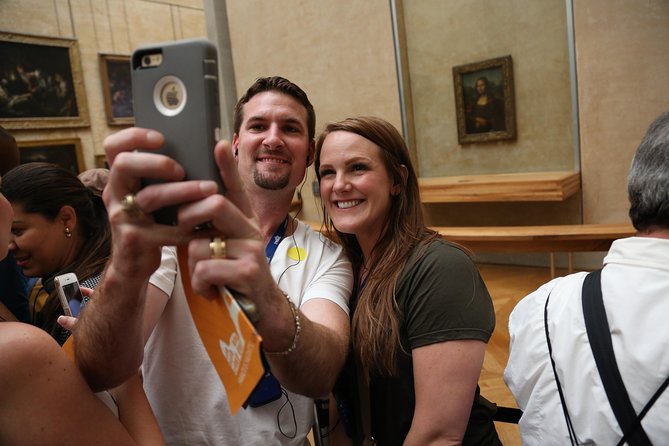
You start at Pl. du Carrousel by the Arc de Triomphe du Carrousel. This is a practical meeting point because it’s right near the Jardin des Tuileries, and you’ll recognize the area fast once you’re there.
You also get a short first stop right at the meeting point—around 10 minutes. It’s not just a formality. It gives you a moment to settle in and get your bearings before you enter the museum flow. In a place like the Louvre, that early orientation reduces the classic problem: arriving excited, then spending your first 20 minutes trying to figure out where to go.
Two practical notes to make the start smoother:
- Arrive 15 minutes early. If you miss departure, you can’t be accommodated and missed tickets can’t be refunded.
- Expect security checks and possible delays. Even with reserved access, security is security.
If you’re arriving by public transport, the area is well connected. The tour also notes that it’s near public transportation, which matters because getting stuck across town right before your entrance time is the last thing you want.
The 3-Hour Structure: How the Tour Actually Feels in the Louvre
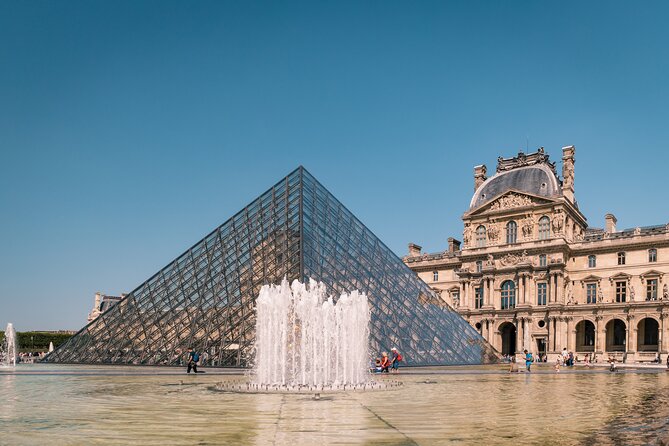
The tour runs about 3 hours total. The museum time is about 2 hours 30 minutes, which is the heart of it. Here’s what that length means for you.
First, you’re not trying to see everything in the Louvre (no one does). Instead, you’re getting a highlight route that hits the famous works and also points you toward a few less obvious stops. That balance is key. A highlight tour should do two jobs: help you recognize the major artworks, and show you where to look so you’re not just collecting names.
Second, the group size is capped at a maximum of 20 travelers. That’s big enough that you have energy, but small enough that the guide can keep moving you. If your group option is private or smaller, you’ll likely feel even more “guided” and less like you’re just following a herd.
Third, the audio headsets are a real quality-of-life upgrade. The Louvre is noisy—stone walls carry sound, crowds talk, and guides are human. With headsets, you keep hearing the commentary clearly as you move from room to room.
One small caution: if your party is 7 or more, you may be split into different groups on the day. That’s normal for crowd control, but it means you might not be walked together in one bundle if you’re traveling with a larger group.
Inside the Louvre: What You’ll See and Why It Matters
When your guided time begins inside the Louvre, you’ll follow a route that mixes major crowd magnets with stops that broaden your view beyond the obvious.
The Louvre guide’s commentary is the difference between seeing art and understanding it just enough to make it stick. You’ll get context as you go—especially around different periods and styles—so the museum doesn’t feel like a random collection of masterpieces.
Expect the tour to include:
- A strong overview of major sculpture and paintings
- Time spent on the big recognizable works
- Additional stops that help you understand how different eras connect
Then, near the end of your guided time, you’ll wrap up in the lobby under the pyramid area. After that, you’re free to linger using your ticket. That’s a smart design, because the Louvre rewards repeat attention. If you fall for a room, you can stay. If you’re done with a certain wing, you can move on.
Mona Lisa, Venus de Milo, and Winged Victory: The Highlights Route
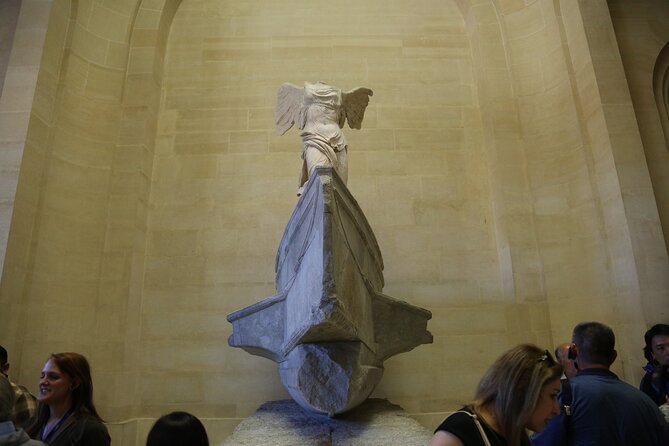
This tour is built around iconic anchor pieces. You’ll see staples that most people come for, including the Mona Lisa and Venus de Milo. You’ll also encounter sculpture highlights like the Winged Victory.
What makes those stops worth doing with a guide is not just that they’re famous. It’s how the guide frames what you’re looking at:
- The commentary helps explain what makes each piece significant for its time.
- You learn the basic visual cues to notice, so the artwork doesn’t feel like it’s hiding behind your own lack of context.
- You’re guided through the crowd rhythm, which is a real thing at the Louvre.
Crowds are especially brutal around the Mona Lisa. One very practical tip you’ll hear in this kind of tour is to avoid wasting time trapped in the heaviest cluster. I love that the tour is described as giving advice on how to reach the Mona Lisa without getting stuck in the densest flow. You’ll also see how the guide times movement so the group stays productive.
Venus de Milo adds a different flavor. The tour highlights include Ancient Greek storytelling, so the focus shifts from Renaissance painting drama to classical sculpture and the ideas behind them. That variety helps the 3 hours feel like a journey rather than a single photo stop.
And for something that feels more dramatic, the Winged Victory brings that grand, monumental scale that makes the Louvre feel almost theatrical. You’re not just reading labels; you’re standing in front of work that shaped taste and collecting for centuries.
You can also read our reviews of more museum experiences in Paris






More Than the Big Names: Renaissance and French Romantic Period Stops
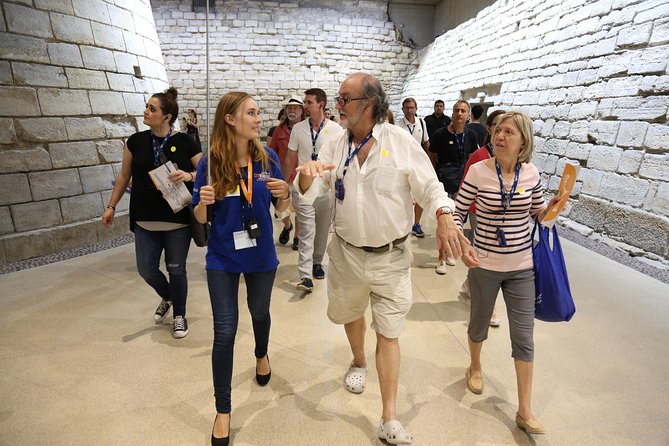
A good highlight tour shouldn’t stop at the postcard images. This one also points you toward major Renaissance artists like Michelangelo and Leonardo da Vinci, with the Leonardo focus naturally landing on the Mona Lisa.
You’ll also hear about French Romanticism as you move deeper into the museum. The Louvre isn’t only “old famous.” It spans art history in a way that can be overwhelming when you’re alone. By threading a few eras together, the guide makes the museum feel more coherent.
I think that’s one of the underappreciated values here. You don’t just tick off masterpieces. You start to understand what the Louvre collects and how tastes changed over time—so your second glance later in the museum is sharper, not slower.
Price and Value: Is $86.89 Worth It?

At $86.89 per person, this tour sits in the “worth it for most people” category, mainly because of what’s included.
Here’s what your money is really buying:
- Museum access (the tour notes an adult entrance ticket of €22 is part of what’s included)
- A reservation fee for the group
- An English-speaking expert guide
- Audio headsets, which are a practical tool, not a gimmick
- A structured route that hits the major artworks in about 3 hours
If you’ve tried to do the Louvre on your own, you know the hidden costs: time, stress, and decision fatigue. A guided route reduces all three. You pay to trade effort for focus.
There’s also optional value if you upgrade to include the wine and cheese tasting in a high-end wine bar. That’s not essential for enjoying the art, but if you like the idea of turning the day into a mini cultural break, it can be a fun add-on.
My rule for paying for a Louvre tour: if you care about seeing the big hits and you want help understanding what you’re looking at, the value is there. If you’re the type who loves wandering for hours without a plan, you might enjoy self-guided freedom more. For most visitors, guided is the efficient choice.
Practical Tips That Make or Break Your Visit
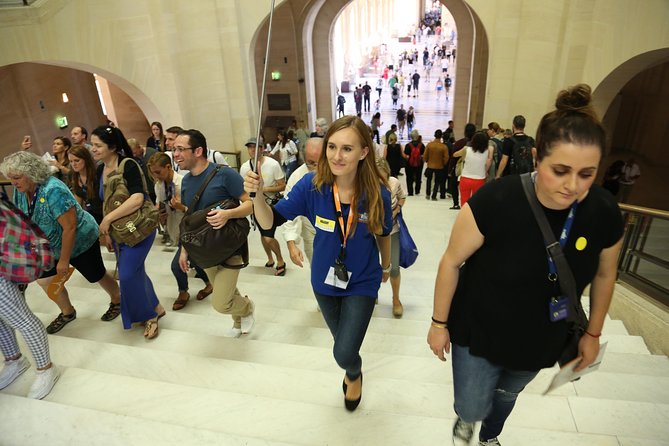
A few real-world details will help you have an easier time.
Wear the right shoes
You’ll be walking and moving between rooms for hours. Comfort matters more than style here.
Bring only a small bag
The tour specifies that only very small bags are allowed. If you’re traveling with backpacks or larger bags, you’ll want to plan ahead to avoid last-minute hassles.
Plan for security timing
Even with reserved access, the tour notes you may experience delays when clearing security checks. Build in a little patience. Showing up early helps.
Use the meeting point correctly
Meet at Arc de Triomphe du Carrousel, then head inside. This is one of those tours where the location is easy when you’re early, and stressful when you’re late.
Take advantage of the after-tour linger time
When your guided portion ends, you don’t have to sprint out. Your ticket allows you to stay longer. I like using that time for one of two strategies:
- Go back to the piece that grabbed you and see it longer
- Choose one quieter area your guide mentioned and enjoy it at a slower pace
Locker-room storage might be possible
One review notes a locker-room style option for storing coats or umbrellas. Since this isn’t guaranteed in the core tour description, I’d treat it as a possible convenience and ask when you check in.
Who This Tour Suits Best (And Who Might Skip It)
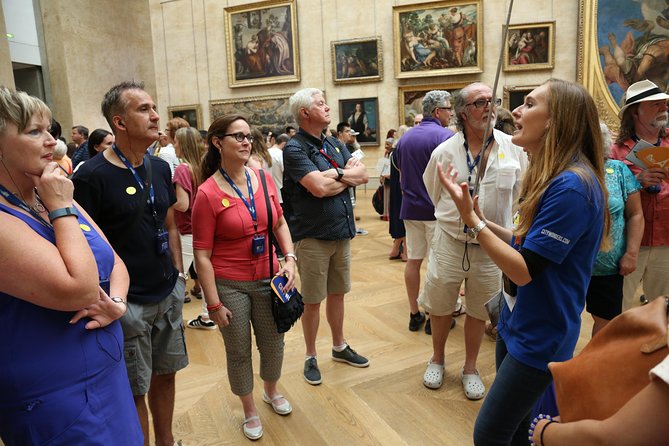
This is a strong match if:
- You want a clear route through the Louvre in about 3 hours
- You prefer hearing context with audio headsets
- You care most about the world-famous works like Mona Lisa and Venus de Milo
- You’d rather pay for structure than spend your day fighting crowds
You might consider a different approach if:
- You’re the kind of visitor who wants total freedom and doesn’t want a schedule
- You’re visiting with a large group that requires special coordination beyond splitting into multiple groups
- You dislike tours that keep you moving at a steady pace
Also, if you’re picky about guide style, you’re in luck: people consistently praise guides for humor and engaging explanations. Names you’ll see in the tour feedback include Florian, Eric, Claire, Natalia, Nazli, Omar, and Summer. Even if your guide is someone else, that pattern suggests you’re likely to get a lively, story-driven walkthrough—not a monotone recital.
Should You Book This Louvre Museum Masterpieces Guided Tour with Access?
Book it if you want the efficient Louvre plan: reserved entry, a guided route through the biggest masterpieces, and commentary you can hear clearly with audio headsets. The time-to-art ratio is the main reason to choose it. You’re not paying just to skip a line—you’re paying to have a coherent “what to notice and why” path through a museum that’s too large to figure out quickly.
I’d book early in the day if you can, bring comfy shoes, and keep your bag small. Arrive at the meeting point on time so security delays don’t eat your tour window.
If that sounds like your travel style—focused, curious, and allergic to standing around—this is a smart Louvre choice.