REVIEW · PARIS
Paris: Big Bus Hop-On Hop-Off Tour with Optional Cruise
Book on GetYourGuide →Operated by Big Bus Tours/LES CARS ROUGES · Bookable on GetYourGuide
Paris is easier when you sit upstairs.
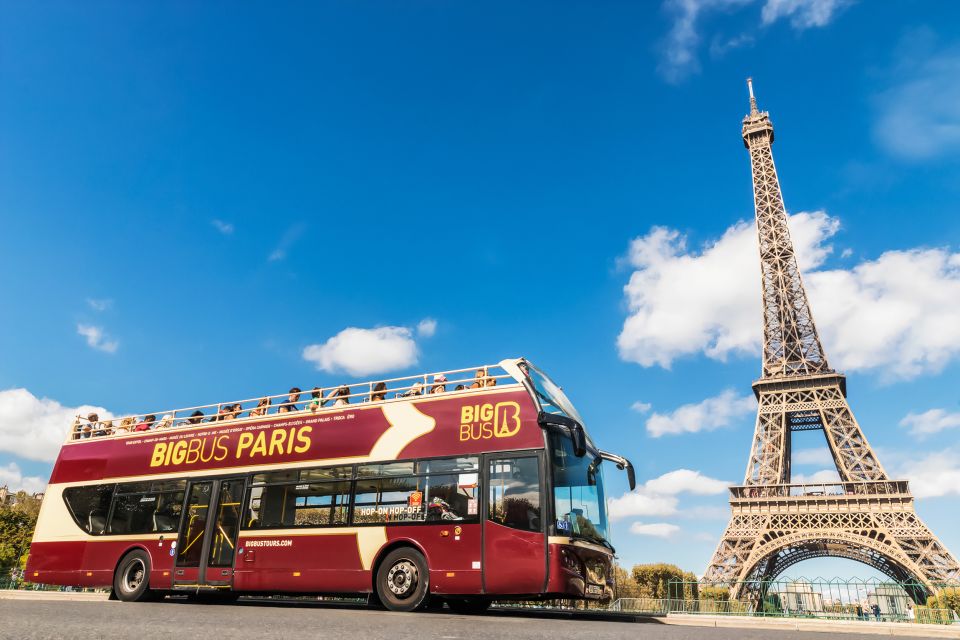
This hop-on hop-off Big Bus route is one of the simplest ways to see major landmarks without trying to time trains or dodge confusing crossings. I especially like the multilingual audio commentary (with souvenir headphones and an onboard app for live tracking) and the optional 1-hour Seine river cruise with live narration from the Eiffel Tower area.
The one thing to keep in mind is timing: Paris traffic can stretch the ride between stops, so you’ll want a little slack in your day if you’re racing to timed tickets.
In This Review
- Key things I’d pay attention to
- Why a Big Bus loop is a smart start in Paris
- How the route actually helps you save energy (and time)
- Louvre-Pyramide and Pont des Arts: fast access to the historic core
- Notre-Dame stop: best used for a focused walk
- Musée d’Orsay and the Left Bank “in-between” time
- Champs-Élysées and Arc de Triomphe corridor: your photo belt
- Grand Palais to Eiffel Tower: where the views turn into a memory
- Opéra Garnier and Invalides: classic Paris with fewer demands
- Timing: how to use 24 vs 48 hours without feeling rushed
- Seine river cruise from the Eiffel Tower area: calm scenery, clear narration
- Comfort and the small onboard details that make a difference
- Value check: does it make sense for your Paris days?
- A practical 2-day game plan you can copy
- Should you book the Big Bus hop-on hop-off with the Seine cruise?
Key things I’d pay attention to
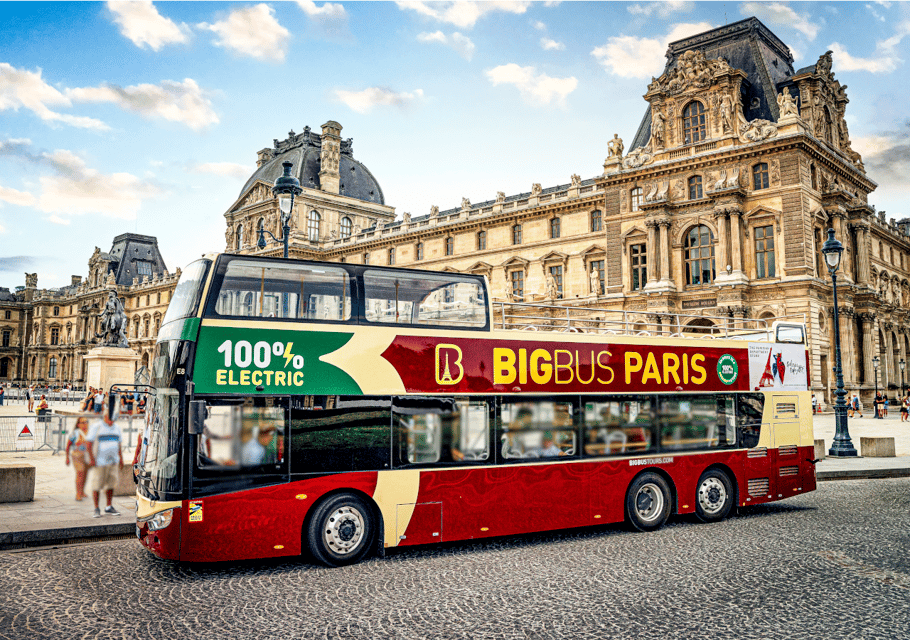
- Frequent departures (about every 10–20 minutes) so you’re not stuck waiting long.
- Real-time help from the Big Bus app, plus Wi‑Fi onboard.
- Audio in many languages, delivered clearly through provided headphones.
- Stops in the right neighborhoods, letting you hop off near icons like Notre-Dame and the Eiffel Tower.
- 1-hour Seine cruise (if you choose it) that adds a calm, scenic view in the middle of a busy visit.
- Flexible pass length (24 or 48 hours) so you can spread hop-offs over a full day or two.
Why a Big Bus loop is a smart start in Paris

If Paris feels like a game of “how do I get from that famous photo spot to the next one,” this style of tour helps. You’re basically buying a moving viewpoint plus a guided orientation layer, and then you decide how long you stay at each stop.
What makes this setup work is the balance: it’s not just a drive past monuments. The route is built around the sights most visitors want to see—Louvre area landmarks, Notre‑Dame, the Champs‑Élysées, Arc de Triomphe, the Eiffel Tower zone, plus big-name areas like Opéra Garnier and Les Invalides. The bus becomes your transportation backbone, while hop-offs turn it into your itinerary.
Also, the rhythm matters. The buses depart every 10–20 minutes, so you can treat the day like a choose-your-own-adventure. Skip a stop. Spend more time on a stop. Come back the next day. No stress, no sprinting every hour.
You can also read our reviews of more boat tours in Paris



How the route actually helps you save energy (and time)
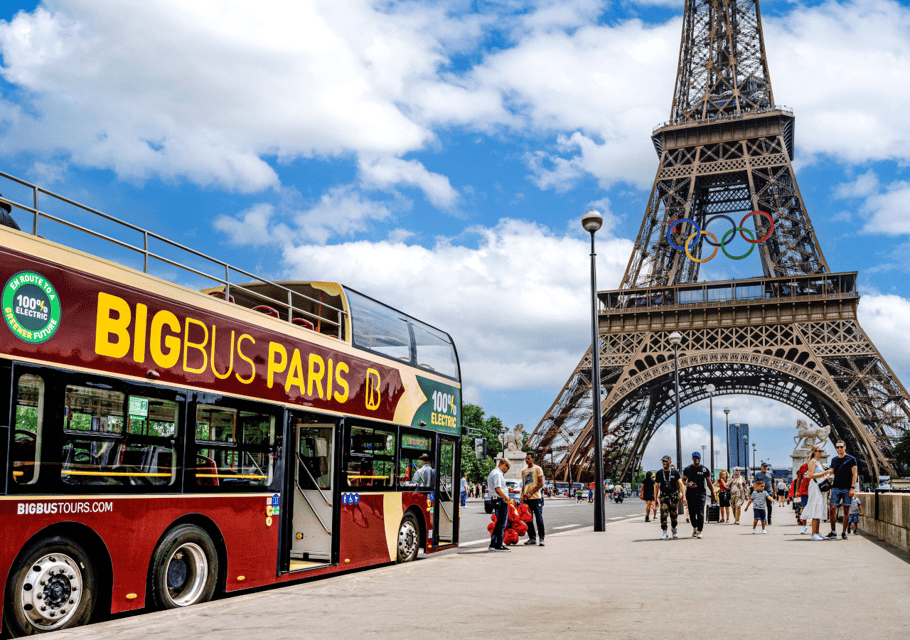
You can start from any Big Bus stop along the line, and the main pick-up hub is the Louvre-Pyramide / Big Bus Information Centre at 11 Avenue de l’Opéra. From there, the tour sweeps across central Paris in a way that connects a lot of the classic sights on one easy loop.
Here’s the practical advantage: you’re not doing a bunch of small travel decisions. You’re doing one. That matters in Paris, where traffic, pedestrian crossings, and “wait, which station is closer?” can eat up your energy fast.
The bus tour itself runs about 2 hours 15 minutes for the full circuit, but you’re not meant to ride it in one go. It’s meant to be chopped up. Hop off, walk around, get your photos, then hop back on when you’re ready.
Louvre-Pyramide and Pont des Arts: fast access to the historic core
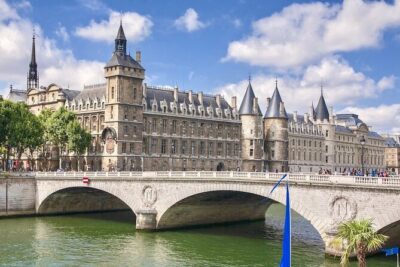
This route has two big starting points for the Left Bank and historic center: Louvre-Pyramide / Big Bus Information Centre and Louvre / Pont des Arts.
- Louvre-Pyramide area (Stop near 11 Av. de l’Opéra): This is where you get oriented quickly. Even if you don’t go inside the Louvre (entry is not included), you can understand where everything sits and plan what you want later.
- Pont des Arts (near the Louvre): This is a strong hop-off for river views and a stroll vibe. If you like walking along the Seine, this stop puts you close enough to make it easy.
A tip that saves time: decide early whether you want a quick “see-and-aim” walk or a longer dive into the museum district. The bus will carry you either way.
Possible downside to plan around: the bus stop is near the attraction, but it’s not the attraction’s front door. You’ll likely do a short walk. It’s normal for city tours, but it’s worth factoring if you’re moving slowly or have tight timing.
Notre-Dame stop: best used for a focused walk
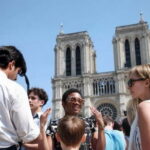
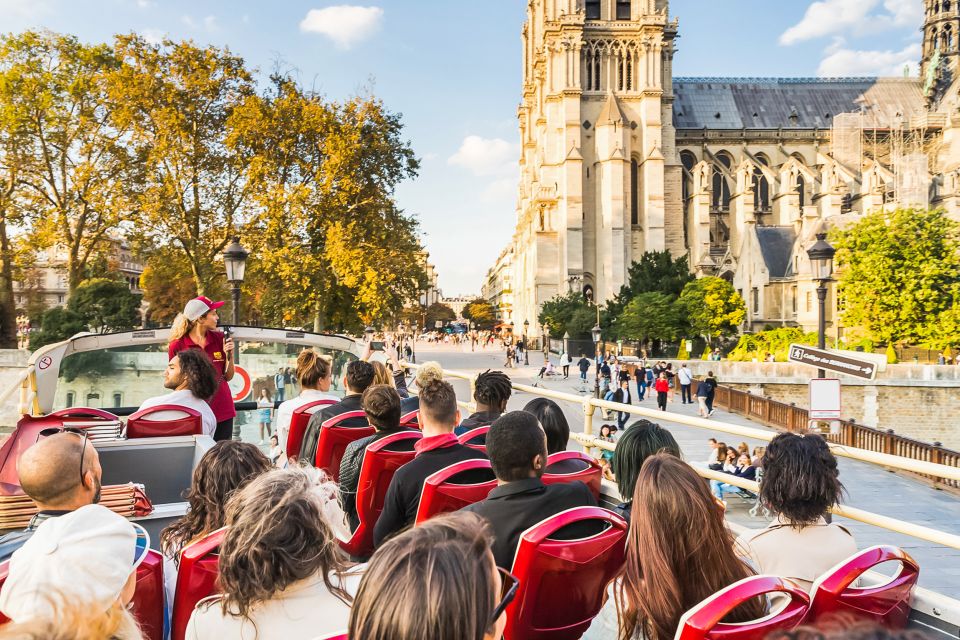
The Notre Dame Cathedral stop is 3 Rue Lagrange. This is a great place to hop off because it’s one of those sights you want to approach at walking speed, not just view from a passing bus.
What I like about this stop is how well it pairs with the rest of the central sightseeing flow. After Notre‑Dame, you’re set up for nearby strolling—especially if you’re already in the rhythm of the Left Bank.
Keep your expectations practical: the real win here is the chance to slow down for photos and the surrounding streets, then get back on when you’re done.
Musée d’Orsay and the Left Bank “in-between” time

The bus’s Musée d’Orsay stop is at 58 Place Henry de Montherlant. Orsay is a popular museum stop, but even if you’re not doing a ticketed visit, the area works well for a calmer walk and river-adjacent views.
This is also a good spot for a break. Instead of cramming another full attraction right away, hop off and let the city breathe for a bit. Then you can reboard and keep moving.
As the route goes, you also pass important nearby areas (like Tuileries Garden and Place de la Concorde). You’re not guaranteed you’ll want to hop off every time, but seeing the layout helps you understand where you are in Paris.





Champs-Élysées and Arc de Triomphe corridor: your photo belt
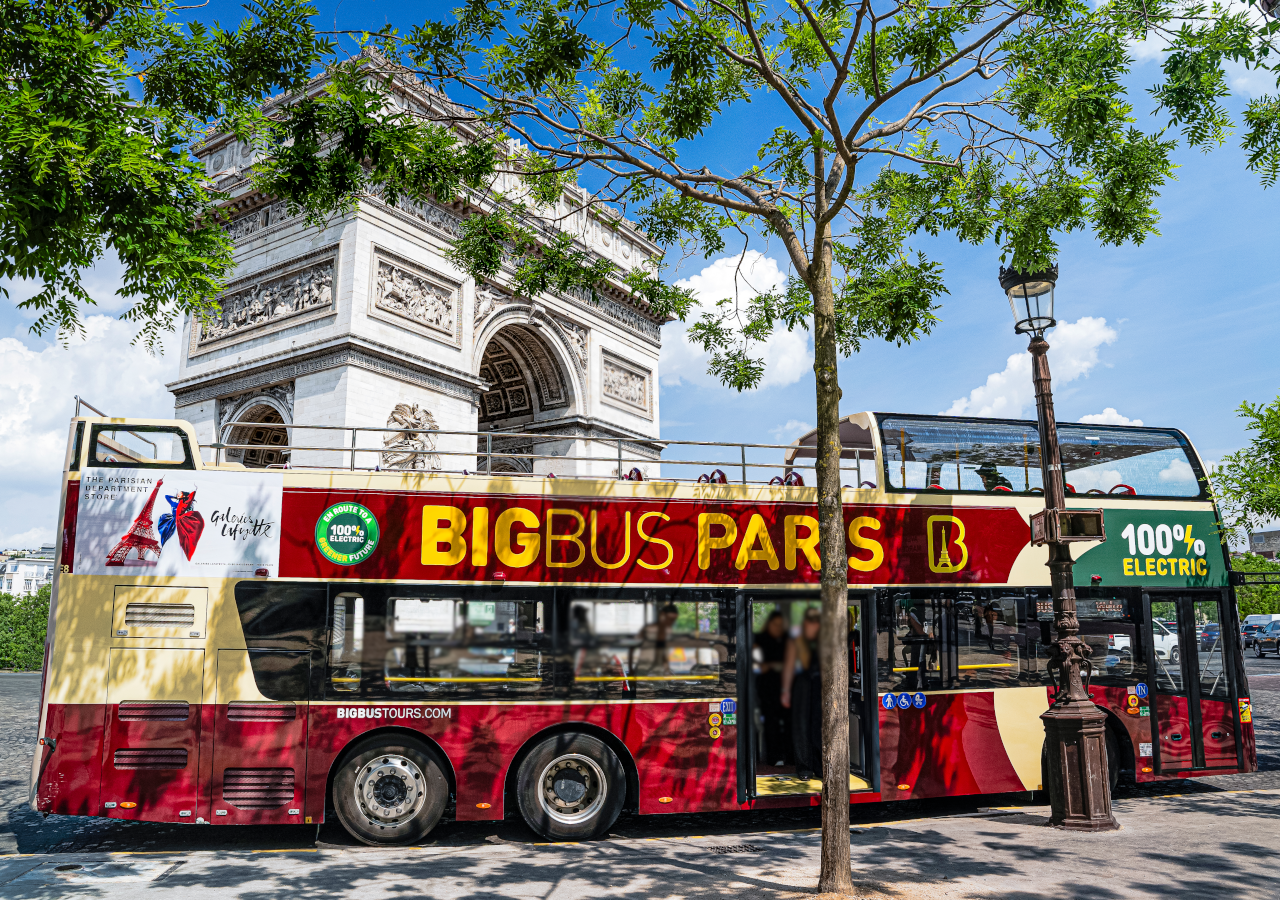
The Champs-Élysées stop is 156 Avenue des Champs-Élysées. This is the easiest way to reach the big, iconic stretch without guessing transit lines or crossing at the wrong moment.
From there, the route continues toward the Arc de Triomphe zone. The bus passes by it as part of the loop, so you get the “major landmark per ride” effect that’s the point of hop-on hop-off.
How to use this section smartly:
- If you’re chasing the classic Paris street look, hop off at Champs‑Élysées and walk a portion of it.
- If you only want one “big monument” moment, don’t over-plan. Pick Arc or Champs, not both, on the same hour.
Crowds are real on both streets, so having frequent buses nearby helps you time your reboarding instead of getting trapped waiting.
Grand Palais to Eiffel Tower: where the views turn into a memory

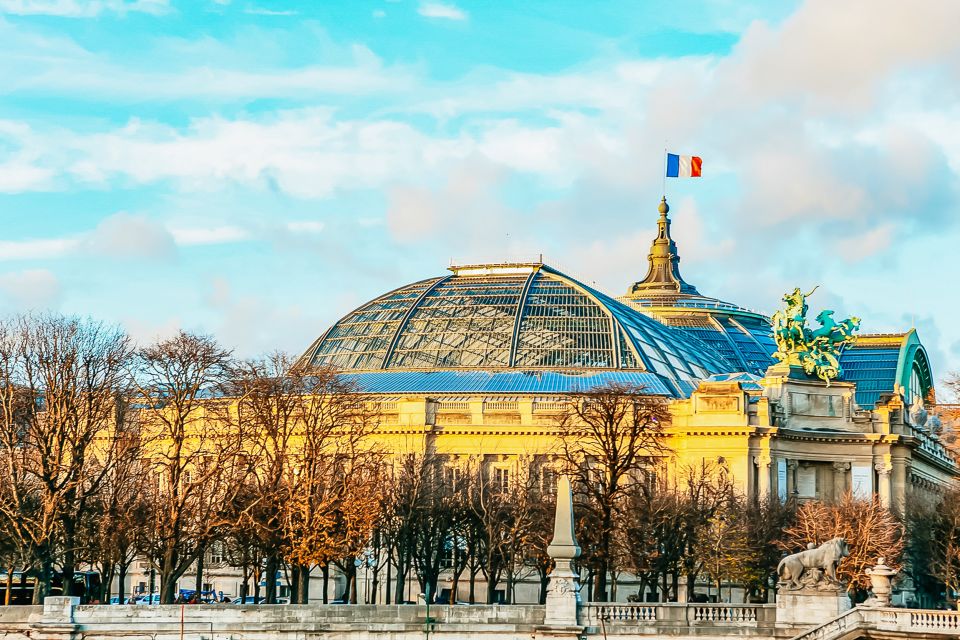
A big strength of this Big Bus route is the way it connects high-profile areas around the Seine. You’ll see the Grand Palais zone (stop at Avenue Winston Churchill) and then keep working toward the Eiffel Tower area.
The route includes:
- Iéna stop (near the viewpoints that many people aim for when they want the Eiffel Tower in frame)
- Eiffel Tower stop: Quai Branly, Entrée 2 Tour Eiffel
- Champ de Mars stop: Avenue Joseph Bouvard
If you’ve got limited time, this is the part of the day that usually feels most satisfying, because you get both the structure (getting there easily) and the reward (views).
One helpful move: when you hop near the Eiffel Tower zone, slow down and give yourself time to look at angles. Paris looks different from different corners along the river. The bus gets you close; your time on foot decides what kind of Eiffel moment you get.
Opéra Garnier and Invalides: classic Paris with fewer demands
Not every visitor makes it past the headline sights. This route gives you a way to cover those “next layer” neighborhoods without adding transit complexity.
Two key stops:
- Opéra Garnier (Facing 15 Rue Scribe): Great for spotting the grandeur of the building from the street and then choosing how long you stay.
- Invalides ( 2 Avenue de Tourville): Ideal if you want the big monumental presence and the chance to walk around the area instead of rushing.
These stops are best when you want variety. If you spent most of the day on the river and main boulevards, Opéra and Invalides give you a different kind of Paris experience—more architectural, more “city that keeps unfolding.”
Timing: how to use 24 vs 48 hours without feeling rushed
The ticket options are 24 or 48 hours, and the bus tour circuit is about 2 hours 15 minutes end-to-end. That math matters because you don’t want to burn your whole day on one loop if you can spread it out.
A practical approach for a 1-day (24-hour) pass:
- Ride enough of the loop to get your bearings.
- Pick only 2–3 hop-off stops for longer walks.
- Use the bus between them. Let the ride refresh you instead of exhausting you.
For a 2-day (48-hour) pass:
- Day 1: focus on the heavy hitters (Louvre/Notre‑Dame/Eiffel area, depending on your priorities).
- Day 2: come back for neighborhoods you want to revisit, plus one more “deeper” stop like Opéra or Invalides.
Also, buses don’t run all night. The last tour departs Stop 1 at 17:30, so plan to be closer to the starting side of the route if you’re hoping to catch that final loop.
Seine river cruise from the Eiffel Tower area: calm scenery, clear narration
If you choose the optional cruise, it’s a 1-hour Seine river cruise operated by Les Bateaux Parisiens. Departure is from Pontoon No. 3, Port de la Bourdonnais, which is near the Eiffel Tower stop zone.
Cruise schedule is frequent:
- Every 45 minutes from 10:30am to 9:00pm
- On weekends, it’s every 30 minutes
The cruise is where the pace changes. You’ve spent hours in cars and crowds; now you’re sliding past bridges and monuments with live commentary explaining what you’re seeing. For many visitors, this is the “most Paris part” because it ties the landmarks together visually.
Tip: aim to take the cruise when you’ve already seen a few key stops from the bus. Then the river becomes a connector, not just a ride. You’ll recognize more, and it will feel like the city is explaining itself.
Comfort and the small onboard details that make a difference
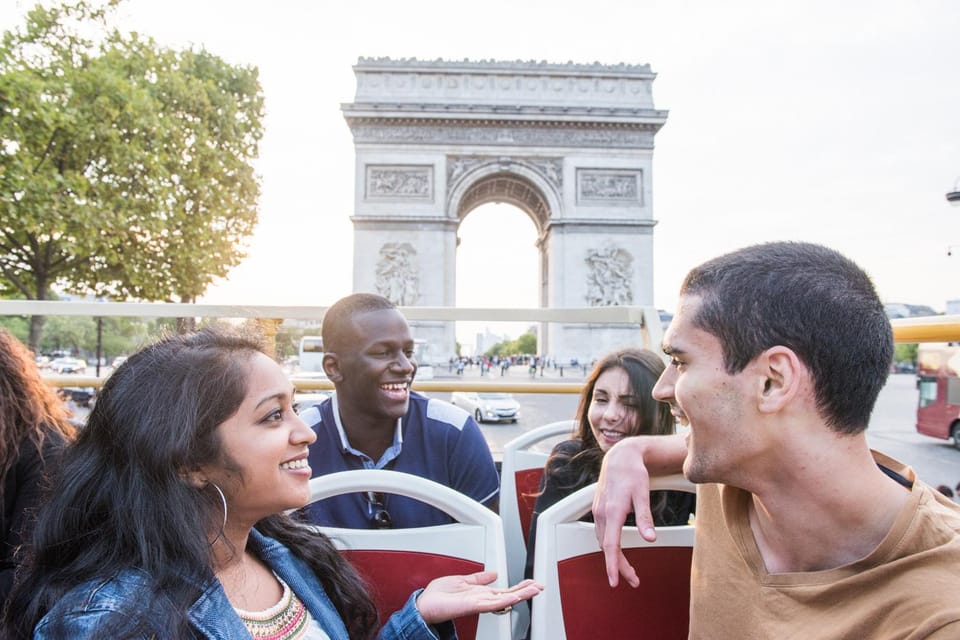
This isn’t a “stuff yourself in and suffer” tour. You get comfortable seating and a double-decker viewpoint, and you’re given souvenir headphones for the audio guide.
The audio guide is multilingual and includes: Chinese, English, French, German, Italian, Korean, Portuguese, Russian, and Spanish. That’s a lot of coverage, and it means you can keep moving even if you’re with friends who want different parts of the story.
A few onboard perks that matter in real life:
- Wi‑Fi onboard
- On the app: route info and real-time bus tracking
- Wheelchair accessibility, since the buses have a ramp
One review detail worth noting: some buses are reported as electric, which can make the ride feel cleaner and quieter than older diesel-style tours. Also, the upper deck can be cold depending on the season, so bring a layer if you’ll be sitting up top for long stretches.
Value check: does it make sense for your Paris days?
At $43 per person, this is priced like a “time-saver” choice rather than a budget sightseeing bargain. Here’s the honest value logic.
You’re paying for:
- Transportation between many major landmarks
- The convenience of frequent hop-on hop-off boarding
- Clear audio narration across multiple languages
- Optional upgrade to a 1-hour Seine cruise with live commentary
For a short stay, that can be excellent value because you reduce guesswork. Instead of spending your limited hours figuring out transit routes and walking long distances between far-apart sights, you compress the day into a series of easy decisions.
When it might not be the best buy: if you already know exactly which neighborhoods you want and you’re comfortable navigating metro plus walking, the bus is still convenient—but you might feel like you paid for transport you could DIY.
If you’re doing a first visit, or you want flexibility without turning your day into a spreadsheet, this tour is a strong fit.
A practical 2-day game plan you can copy
Here’s a simple strategy I’d use if I had one or two days and wanted maximum payoff.
Day 1:
- Start around 11 Avenue de l’Opéra so you kick off from a central hub.
- Hop off for Notre‑Dame, then move toward the Eiffel Tower / Champ de Mars area later.
- Save time in between by staying on the bus for longer segments instead of hopping every time.
Day 2:
- Focus on one museum-or-river pair like Pont des Arts and Musée d’Orsay (hop off based on your interests).
- Add Opéra Garnier or Les Invalides for architectural variety.
- If you want the cruise, schedule it after you’ve already seen the Eiffel Tower area so you can connect the dots.
This approach keeps you from sprinting. You get big icons, plus enough wandering to feel like Paris—not just a checklist.
Should you book the Big Bus hop-on hop-off with the Seine cruise?
I’d book this if:
- You want a low-stress way to hit major landmarks without wrestling transit.
- You like the flexibility of hopping off when something catches your eye.
- You’re doing a short visit and want quick orientation fast.
- You’re open to adding the Seine cruise for a calmer, scenic hour.
I might skip the cruise add-on if:
- Your day is already packed with timed museum visits.
- You’d rather spend that hour on foot where you can control every minute.
If you want an efficient Paris day with a built-in safety net—easy boarding, frequent buses, and audio that keeps you moving—this is a solid way to see the best parts without turning your trip into a nonstop commute.