REVIEW · PARIS
Paris: Montmartre. The old artist village+its unique charm.
Book on GetYourGuide →Operated by Paris through my eyes · Bookable on GetYourGuide
Montmartre still feels like an old artists village. The streets keep that creative energy alive, and this small-group walk threads you from the Moulin Rouge area up toward Sacré-Cœur with plenty of off-the-beaten-path moments. I like tours that show Paris as more than postcard stops, and this one leans into the real neighborhood feel.
Two things I especially like: first, the guide brings an insider/outsider perspective from having lived in Paris and speaking German, which makes explanations feel grounded. Second, you get a mix of short photo breaks and guided walking so you’re not stuck rushing or standing around—just long enough to notice details and move on.
One thing to consider: this is a walking-focused route and it’s not suitable for wheelchair users, so comfortable shoes and a steady pace matter.
In This Review
- Key highlights at a glance
- Montmartre’s artists village vibe, explained like a neighborhood
- From Moulin Rouge to Montmartre: the route that keeps you moving
- Stop 2: Montmartre photo breaks and the “look closer” streets
- Stop 3: The on-foot stretch where the neighborhood starts to change
- Stop 4: 18th arrondissement angles and a guided look off the main flow
- Stop 5 and the Sacré-Cœur finish: the view from Paris’s highest point
- Why the German guide and small group make real value
- What to wear and how to pace yourself
- Who this Montmartre walk fits best
- Should you book this Montmartre artists village walk?
- FAQ
- How long is the Montmartre walking tour?
- What’s the group size?
- Where does the tour start?
- Where does the tour end?
- What language is the tour guide?
- Is the tour wheelchair accessible?
- What should I wear?
- Is there a cancellation option with a full refund?
- Are there any restrictions on what I can bring?
Key highlights at a glance
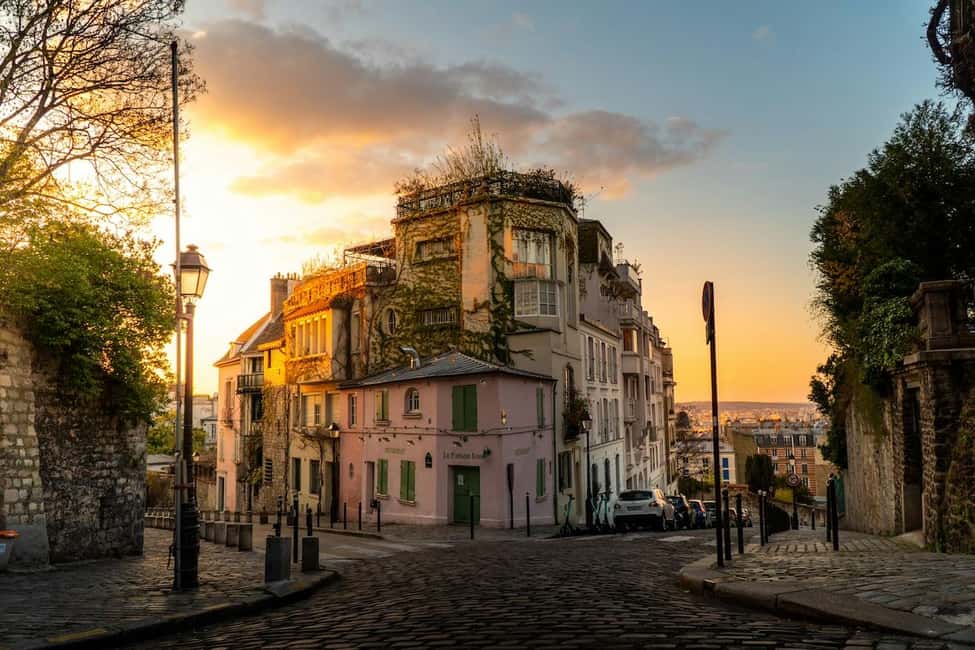
- Small group of up to 8 for a calmer, more personal walk
- German-speaking live guide, with a unique insider/outsider take
- Artists’ village streets tied to famous names and older Paris windmill lore
- Photo stops + guided viewpoints as you rise through Montmartre
- End at Sacré-Cœur area with a big city view from the highest point in Paris
Montmartre’s artists village vibe, explained like a neighborhood
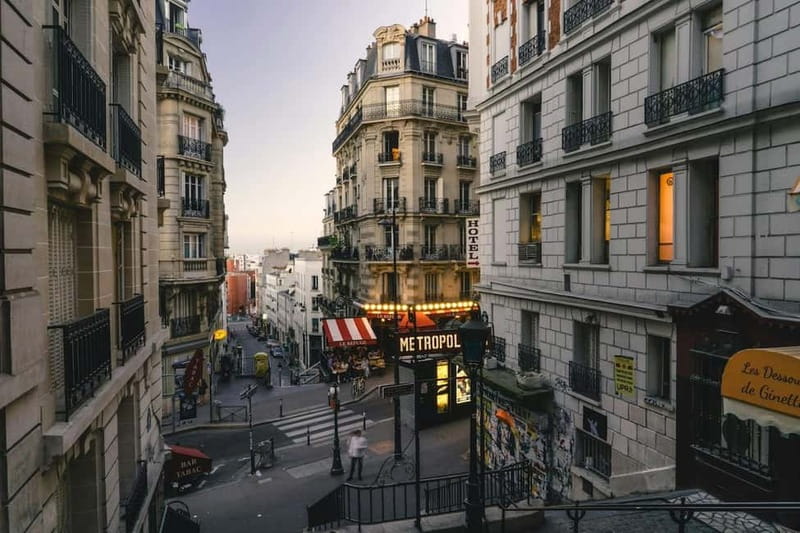
Montmartre is often described as the old artists village—and that name isn’t just marketing. This area still carries the “make art here” feeling because the streets, the angles, and the stubborn uphill layout all shape how you experience it. Even if you’ve seen photos of the basilica, the more interesting part is the slow change in atmosphere as you walk.
Here’s a detail worth holding onto: Montmartre is connected to artists like Pierre-Auguste Renoir, Edgar Degas, Pablo Picasso, Henri Matisse, Salvador Dalí, Van Gogh, and Toulouse-Lautrec, plus pop-culture music icon Dalida. Whether you’re an art fan or not, these names are useful because they explain why creative people kept gravitating here.
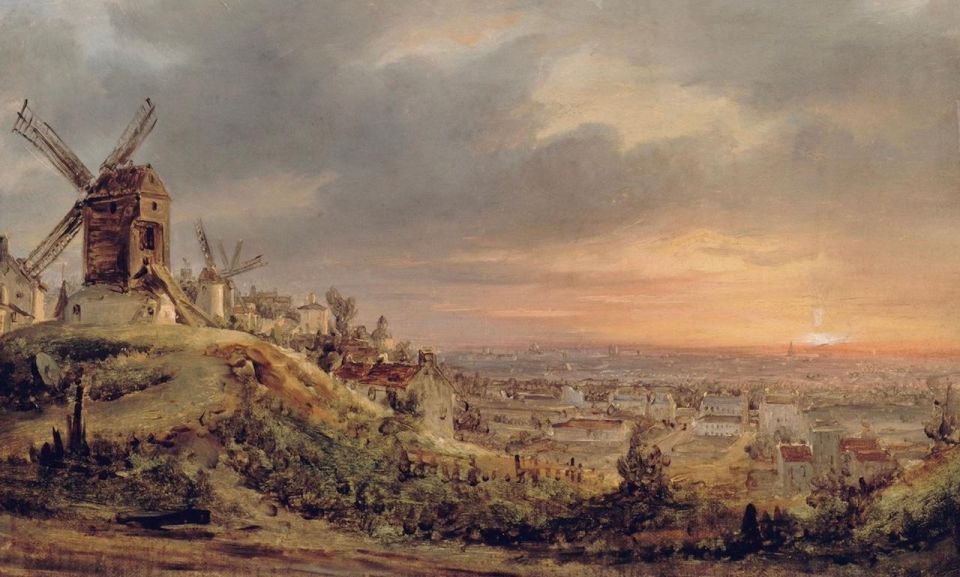
And there’s another historical note that makes the neighborhood feel older than you expect: up until 1900, Montmartre looked different, with more than 30 windmills on the hill. So as you stroll, you’re not just moving through modern streets—you’re walking on ground that used to be part workshop, part landscape.
You can also read our reviews of more tours and experiences in Paris.



From Moulin Rouge to Montmartre: the route that keeps you moving
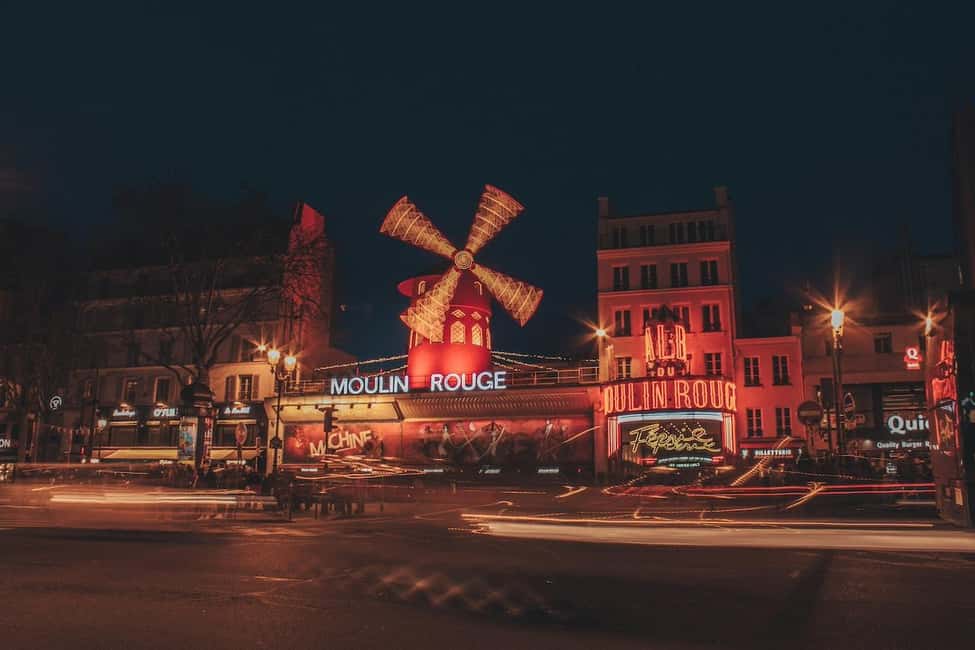
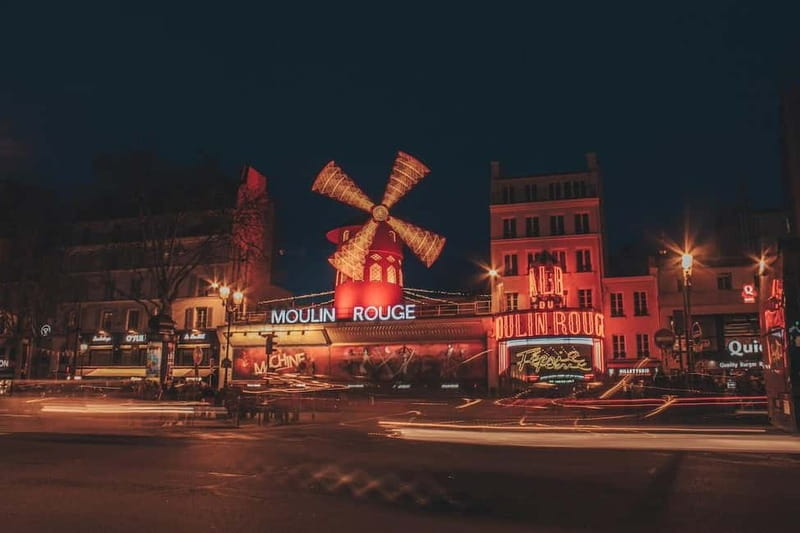
The tour starts right in front of Moulin Rouge at the ticket office (billetterie). That matters, because you’re not starting in a museum entry hall—you’re starting in the real Paris streetscape, where the tourist spectacle and the local neighborhood bump into each other.
Once the walk begins, the plan is simple: short guided moments, then you move on foot through neighborhoods that feel calmer than the main sights. The schedule is structured but not stiff, with time built in for photo stops and scenic pauses rather than nonstop marching.
One practical bonus of the small group (limited to 8): you usually get a better chance to hear explanations clearly, and the guide can slow down when the street turns into something worth noticing—like a tight lane, a perspective that suddenly opens, or a spot with a view.
Stop 2: Montmartre photo breaks and the “look closer” streets
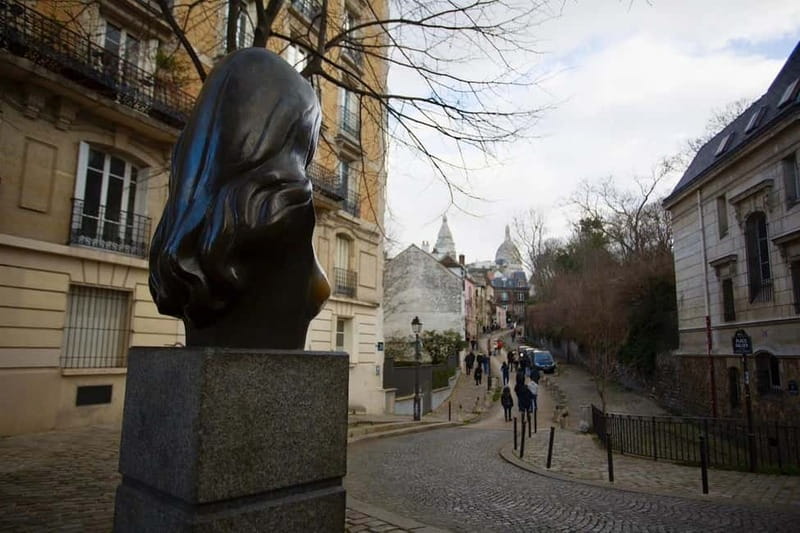
Your second stop is in the Montmartre area, with about 15 minutes that typically includes a photo stop plus guided sightseeing. This is where the tour starts shaping your “Montmartre brain.”
If you’ve only visited Montmartre once, you might remember the hills and the basilica silhouette. This stop helps you reset that memory. You’re guided through authentic little streets—exactly the kind where the buildings feel close enough to hear the street’s everyday rhythm. The key is that the guide points you toward what to notice rather than pushing you to memorize facts.
Even the short duration works: 15 minutes is enough to catch views and character without draining your energy before the more uphill parts.
Stop 3: The on-foot stretch where the neighborhood starts to change
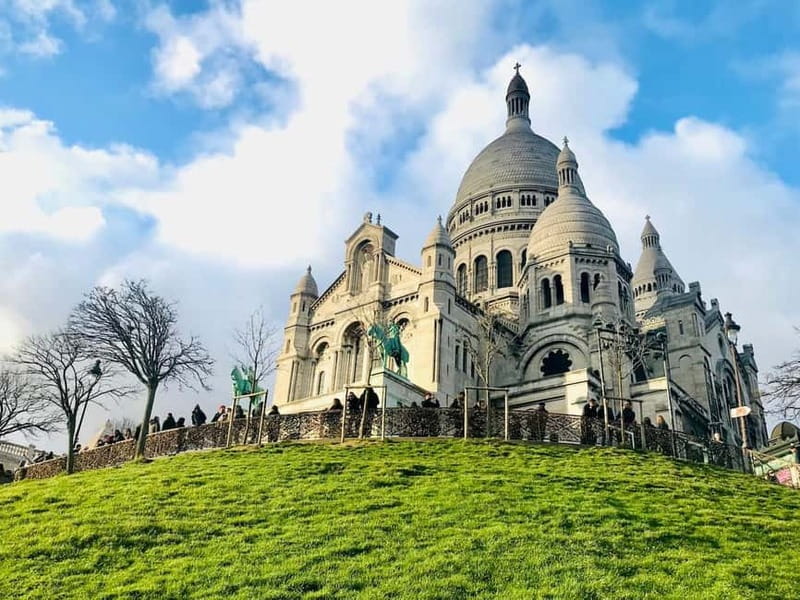
After the first Montmartre intro, you get about 30 minutes on foot. This is where the tour’s “local” feel kicks in. The street-by-street pacing lets you see how the neighborhood shifts as you climb, and it’s often the section where you’ll notice the offbeat details that don’t make it into most fast sightseeing plans.
Think of this as your breathing room. You’re not locked into a stop-and-go checklist. Instead, you’re walking through Paris in a way that feels closer to how people actually move through the city: turning corners, following the hill, and noticing the scene gradually come into focus.
If you’re the type who likes to take photos, this portion is a good moment to slow down your camera habits. Aim for fewer shots, but frame them like you’re composing a view, not just snapping a landmark.
Stop 4: 18th arrondissement angles and a guided look off the main flow
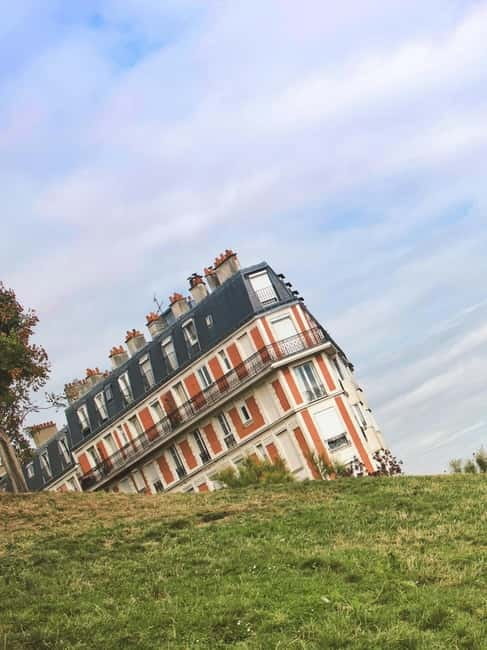
Next comes the 18th arrondissement segment, with about 20 minutes of sightseeing. You’ll get another photo stop, plus a guided walk and scenic views along the way.
This part is useful because it balances two sides of Montmartre. On one hand, you get close enough to feel the famous streetscape energy. On the other, you’re steered away from the most obvious crowd lines so you can experience Paris like a neighborhood, not a theme park.
The guide’s job here is important: they’ll help you understand why certain streets feel special—often it’s the angle of the road, how high you are, or where the city starts opening up below you. When you’re on foot, that kind of context is what turns a hill walk into a story you can picture later.





Stop 5 and the Sacré-Cœur finish: the view from Paris’s highest point
The tour ends near 1 Parv. du Sacré-Cœur, finishing back near the meeting point area. The big payoff is the approach up to Sacré-Cœur and the view afterward.
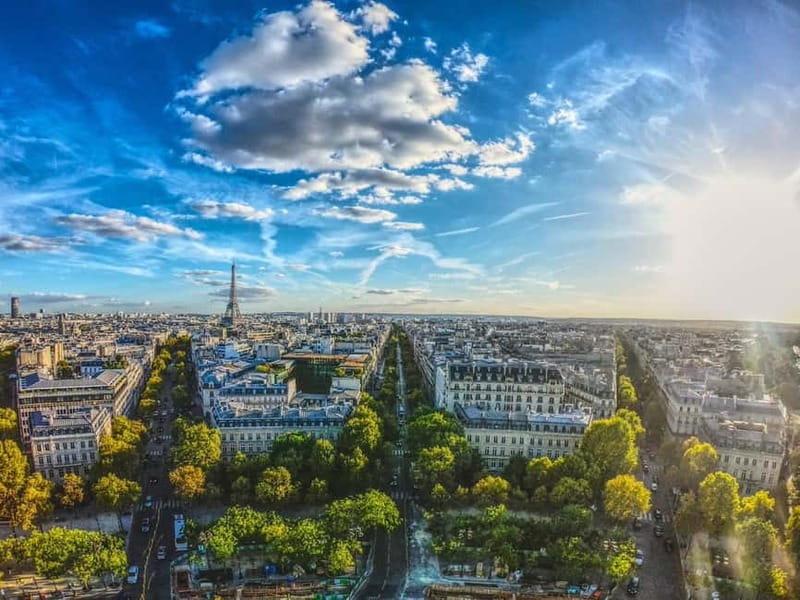
Here’s a key fact to anchor the moment: Sacré-Cœur sits 130 metres high, making it the highest point in the city. That changes everything about how the city looks. Streets that seem messy at ground level become patterns. Rooflines become layers. Even if you’ve visited before, a higher viewpoint makes Paris feel different—more readable, like the city is finally explaining itself.
You’ll also get the feeling of stepping into cleaner air at altitude, the kind of sensory reset you only get when you climb above street level. It’s not just a view for Instagram—it’s a moment where you can actually see how wide Paris spreads.
Why the German guide and small group make real value
This tour costs $40 per person and lasts about 2 hours. On paper, that’s easy to compare to other tours. In practice, the value comes from what you’re buying: time with a live guide plus a route designed for walking, not crowd-hopping.
A small group capped at 8 participants is a big part of that value. Fewer people means you can hear the guide without straining and you’re less likely to get stuck behind someone stopping every two steps for photos.
The guide is German, and the experience is framed with a unique insider/outsider perspective—someone who has lived in Paris for many years, but still sees it through a different lens. That’s the kind of perspective that helps you understand why Paris feels globally unique, not just what to photograph.
Also, the guide-led storytelling is part of what makes the time feel like it flies. Notes from past experiences highlight that the tour is interesting, and the guide’s delivery makes the walk move quickly because you’re engaged.
What to wear and how to pace yourself
This is a guided walking tour, and it’s not a shoes-off strolling experience. You’ll want comfortable shoes because the route climbs toward the Sacré-Cœur area and moves through old streets where the ground isn’t always flat.
You’ll also be happier if you pace yourself for the final stretch. Views tend to work better when you’re not sprinting. I recommend treating the uphill segments as part of the experience—not as something you endure to reach the basilica.
One more practical note: the tour is in German, so if you don’t read or speak German, you might feel limited to what you catch from general tone and visible landmarks. If German is comfortable for you, that language connection is a real advantage.
Who this Montmartre walk fits best
This tour is a good match if you want:
- a small-group walk instead of a large coach-style day
- a focus on local-feeling streets and off-the-main-flow Paris
- a guide-driven experience tied to the artist legacy of Montmartre
- an end point at Sacré-Cœur with a strong viewpoint payoff
It’s less ideal if you need wheelchair access, since it’s explicitly not suitable for wheelchair users. It also isn’t set up for people looking for a purely self-guided route. You’ll get the most out of it when you like hearing the story while you walk.
Should you book this Montmartre artists village walk?
Yes—if you want Montmartre to feel like a neighborhood, not a list of landmarks. The pricing makes sense for what you get: 2 hours with a live German guide, a small group capped at 8, and a route that climbs toward Sacré-Cœur without making you feel like you’re trapped in a rigid schedule.
Book it especially if you enjoy guided storytelling and want the “why” behind what you’re seeing—windmills that existed long ago, artist connections, and the way the hill shapes the views.
Skip it if you’re looking for an access-friendly route that avoids climbing, or if German-language narration would be a deal-breaker for you. Otherwise, this is a very practical way to experience the old artists village charm with a view that actually lands.
FAQ
How long is the Montmartre walking tour?
It lasts about 2 hours.
What’s the group size?
The group is limited to 8 participants.
Where does the tour start?
You meet right in front of Moulin Rouge at the ticket office (billetterie).
Where does the tour end?
The activity ends back at the meeting point, near the Moulin Rouge area.
What language is the tour guide?
The live tour guide speaks German.
Is the tour wheelchair accessible?
No, it is not suitable for wheelchair users.
What should I wear?
Comfortable shoes are recommended because it’s a walking tour.
Is there a cancellation option with a full refund?
Yes, you can cancel up to 24 hours in advance for a full refund.
Are there any restrictions on what I can bring?
Weapons or sharp objects are not allowed.