REVIEW · PARIS
The historic district of Montmartre
Book on GetYourGuide →Operated by Tours In Rose · Bookable on GetYourGuide
Montmartre has a way of making Paris feel personal. In a tight 90 minutes, you get a guide-led route through the neighborhood’s history, squares, and monuments, plus practical materials like maps and brochures. Two things I really like: the clear explanations (in English or French) and the fact that the tour includes admission to several spots in the area. One thing to keep in mind is you’re on foot the whole time, so it’s not built for wheelchair users and you’ll want solid shoes.
I also appreciate how this isn’t just a photo tour. You get stories about the artists who shaped Montmartre, and you’ll walk away with a better sense of why these streets and buildings matter. The meeting point is straightforward at Blanche metro, and the route ends at the Basilique du Sacré-Cœur, which makes for a satisfying finish to your morning or afternoon.
In This Review
- Key takeaways before you go
- Entering Montmartre from Blanche: fast start, real orientation
- The bakery stop: small time investment, big payoff
- Montmartre’s photo stop: learning how to read the hill
- Guided walks through squares and historic buildings
- A rhythm of guided time and free time (use it well)
- Site admission without the research headache
- Ending at Sacré-Cœur: a strong finish with meaning
- Price and value: why $35 for 90 minutes makes sense
- Language choice matters: English and French guides
- What to bring (and what to skip) for a smoother walk
- Who this Montmartre tour is best for
- Should you book this Montmartre historic district tour?
Key takeaways before you go
- Artist-focused context so you can connect names to places
- Clear guide explanations in English or French
- Admission to several Montmartre sites included in the price
- Maps and brochures to help you keep exploring after the tour
- Short guided segments + walking breaks for breathing room and questions
Entering Montmartre from Blanche: fast start, real orientation
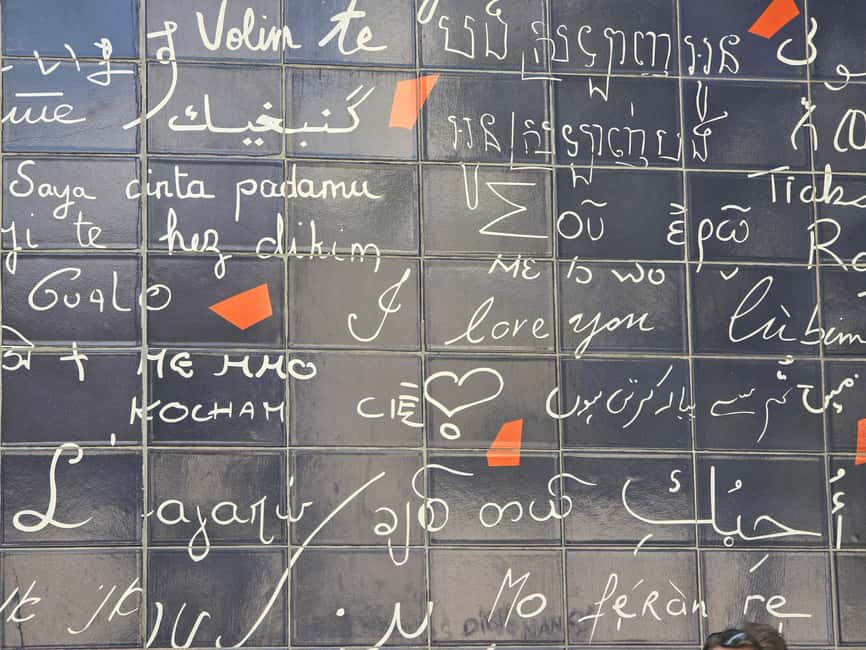
The tour kicks off at Blanche metro station (Line 2) at 59 Boulevard de Clichy, 75009 Paris. I like this kind of start because it’s easy to find and it gets you moving right away, without the usual “meet us somewhere vague” scramble.
Montmartre can feel like a maze when you first arrive. A good guided start helps you get your bearings quickly: where the neighborhood’s character comes from, how the streets and squares connect, and what to pay attention to as you walk. Even at the beginning, you’re being set up to understand what you’re seeing, not just pass it.
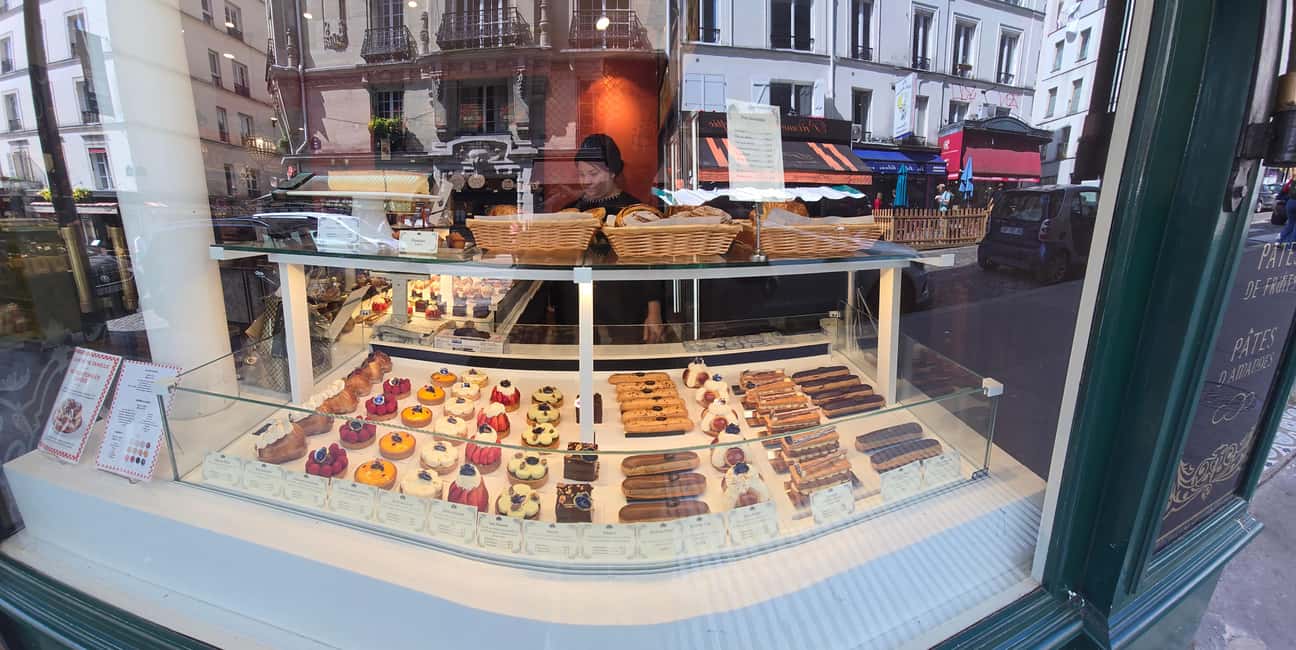
And yes, the tour begins with a quick stop that gives you a flavor for the area: a local bakery visit of about five minutes. It’s short, but it signals the tone of the tour. This isn’t a sterile museum-only day. It’s Montmartre as a living neighborhood with history baked in.
You can also read our reviews of more historical tours in Paris



The bakery stop: small time investment, big payoff

A five-minute bakery stop might sound minor, but it works. It gives you a quick local moment before you step into the main story of Montmartre. You also get a gentle warm-up for what’s ahead: walking, looking, and listening.
If you like your sightseeing with a little everyday texture, this is a nice touch. It also helps you settle into the route so you’re not mentally lost the moment you start climbing through the historic area.
Practical tip: treat this like a briefing moment. Have your water ready if you’re bringing it, and keep your hat handy if the weather is bright. (You’ll want it later.)
Montmartre’s photo stop: learning how to read the hill
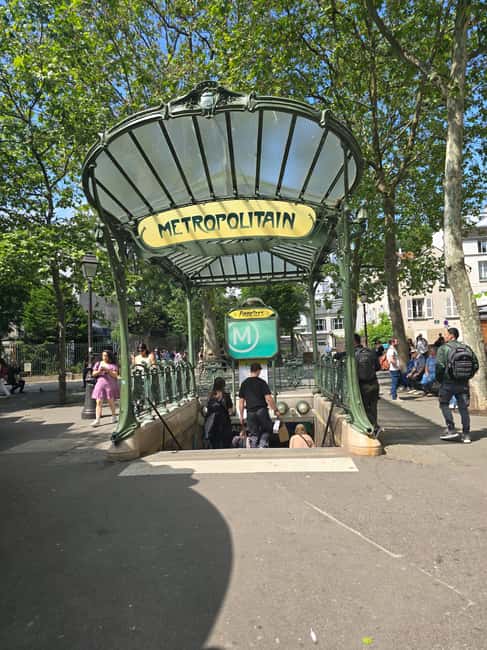
One of the first Montmartre segments includes a photo stop plus guided context. This is the moment where you start learning to “read” the neighborhood. Montmartre isn’t just pretty viewpoints. It’s a place with layers: how people lived here, why certain buildings became symbols, and how the area’s cultural identity formed over time.
I like that the tour uses short, focused guided moments rather than forcing you into one long lecture. In about ten minutes you should come away with a clearer idea of what you’re about to see next, and what you should pay attention to during the walk.
A helpful mindset: don’t just take photos of landmarks. Use the guide’s explanations to figure out what makes each space important—squares, monuments, and historic buildings—and then your photos stop being random snapshots.
Guided walks through squares and historic buildings
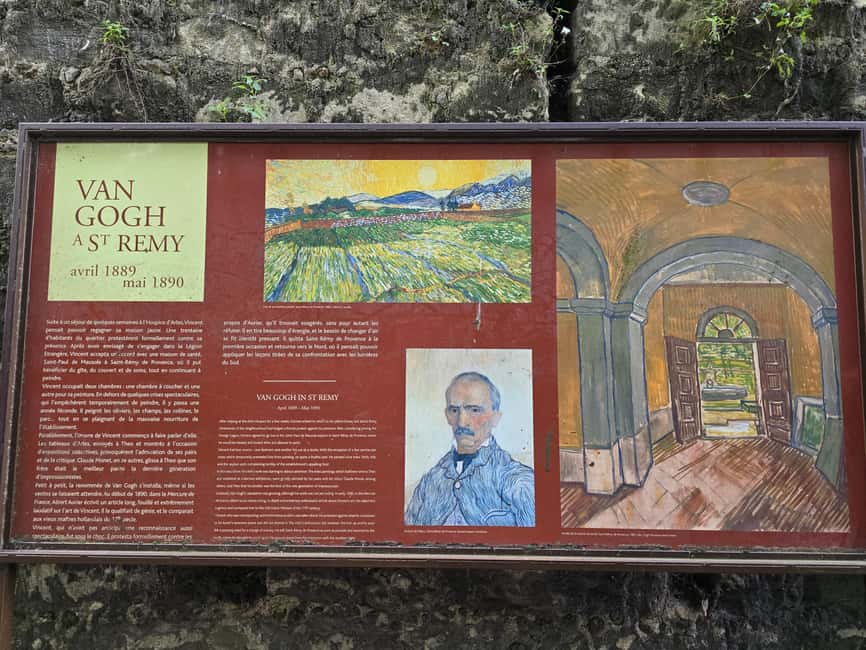
After the initial viewpoint, the tour shifts into guided time plus walking—multiple segments where you’ll learn about Montmartre’s history, characteristics, and cultural significance. This is where the tour becomes more than scenery.
You’ll hear about the area’s monuments and historical buildings, and the tour is designed around places like squares and cathedrals (along with other sites of historical and cultural interest). The guide also answers questions during the route, which matters more than you’d think. Montmartre is full of details that look meaningful, and you’ll probably have at least a couple of questions as you go.
This is also where the artist story kicks in. The tour focuses on the history of the artists who lived in Montmartre and how that shaped the neighborhood’s reputation. If you’re the kind of traveler who likes to understand why a place earned its fame, this section is a strong match. You’re connecting people to street-level reality.
A rhythm of guided time and free time (use it well)
The itinerary includes guided segments followed by free time—around twenty minutes at one point, plus additional walking later. Free time is great, but only if you walk with a plan.
Here’s how I’d use it: ask the guide one last question right before free time starts. Then you’ll know what to look for as you move around on your own. Maybe you want to find a specific view angle mentioned by the guide. Or you want to compare what you see on the ground to what you’ve been told about squares and buildings.
Because you’re given maps and brochures during the tour, you’re not left guessing. Use those materials like a mini guidebook for the remainder of your Montmartre browsing. The tour gives you the context; your free time is for catching the details at human speed.
One note: the tour involves walking and it’s not suited for wheelchair users. You’ll want to go slow if your legs feel it. Comfortable shoes aren’t optional here.






Site admission without the research headache
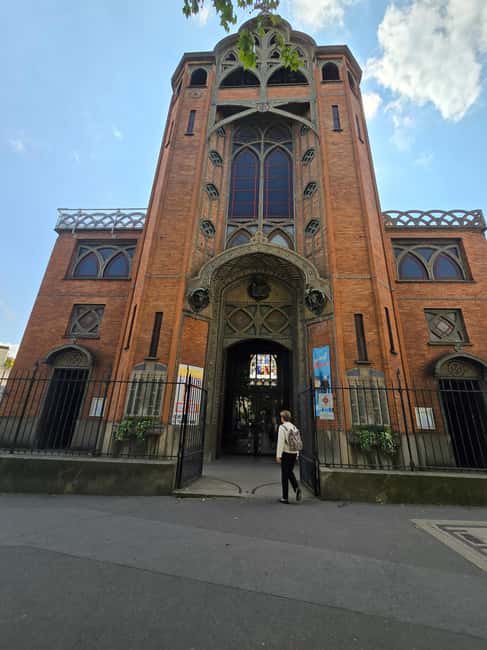
A big value point: the tour includes admission to several sites in Montmartre. The exact list isn’t spelled out in the details you provided, but what matters is the outcome—your ticketed moments are handled as part of the tour, so you’re not trying to figure out entrance fees and opening times on the fly.
This is one reason the experience feels good for a short window. In 90 minutes, you get both the narrative and the access. That combo is what often turns a “nice walk” into an actually satisfying introduction to a place.
Also, having a professional live guide matters when you’re visiting historic environments. Architecture and art history are full of symbols and references. A guide can point out what you would otherwise miss, and the tour is built around clear, understandable explanations about the city’s cultural heritage.
Ending at Sacré-Cœur: a strong finish with meaning
The tour finishes at the Basilique du Sacré-Cœur de Montmartre. Ending at a major landmark works because it gives you closure. You don’t feel like you’re abruptly dropped off mid-neighborhood; you’re brought to a place that acts like a visual and cultural anchor.
This finale also ties into the broader story you’ve heard during the tour. Montmartre’s identity has always been part inspiration, part legend, and part everyday life. By the time you reach Sacré-Cœur, you should have more “handles” on what you’re seeing: how the neighborhood’s past shaped its present image.
If you want to keep exploring afterward, bring your map and brochures into the mix. The tour experience is designed to help you understand what you’re seeing beyond the route, not just check off a list.
Price and value: why $35 for 90 minutes makes sense
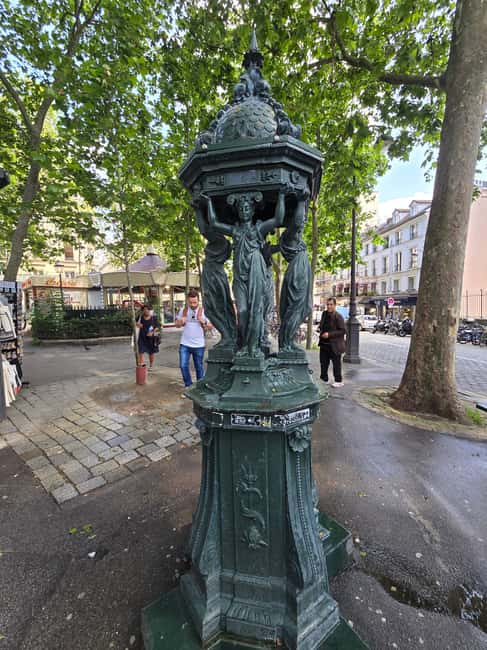
At $35 per person for about 90 minutes, this is priced like a short, guided cultural orientation with added value. Here’s what you’re really paying for:
- A professional live guide giving explanations throughout the walk
- Admission to several Montmartre sites included
- Maps and brochures so you can continue on your own
If you compare that to piecing together separate museum stops or paying for entry tickets without a guide, the math usually tilts in favor of a guided, ticketed format—especially when you only have a short time in Paris.
I also like that the tour’s structure is built for learning without draining your day. Ninety minutes is long enough to build context, but short enough that you can still explore Montmartre at your own pace afterward.
Language choice matters: English and French guides
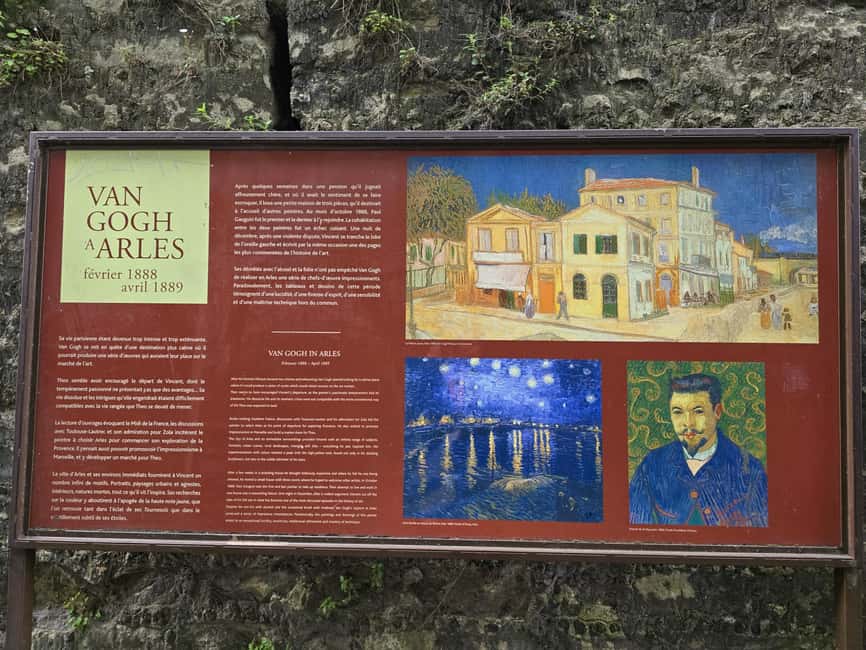
The tour operates with live guides in English or French. This is a big deal in Montmartre, where the history and artist references can get specific. When the explanations are clear, you feel like you’re keeping up instead of just sightseeing.
From guide feedback you’ll notice a pattern: people tend to appreciate guides who speak with clarity and friendliness. Names like Arthur and Julien show up in guide praise, and both are described as engaging and helpful with the kind of anecdotes that make the neighborhood feel human.
What to bring (and what to skip) for a smoother walk
Plan for a walk-heavy experience. You’ll be out for about 90 minutes with multiple guided sections and walking time.
Bring:
- Comfortable shoes
- A hat (especially in bright weather)
- Sunscreen
- Water
Skip:
- Backpacks
- Alcohol and drugs
- Touching plants
Those last rules sound strict, but they keep the group moving and protect the surroundings. Just travel light, and you’ll enjoy the tour more.
Who this Montmartre tour is best for
I’d book this if you want:
- A fast, guided introduction to Montmartre’s history and culture
- A tour that explains the “why” behind the monuments and squares
- An easy way to get access to several sites without planning headaches
- A friendly format with room for questions
It’s less ideal if you:
- Need wheelchair accessibility, since it’s not suitable for wheelchair users
- Prefer very slow, all-day wandering with no structure (this is 90 minutes, built for momentum)
This is a smart choice for first-timers to Paris who want Montmartre to feel understandable, not overwhelming.
Should you book this Montmartre historic district tour?
Yes, I’d recommend it if you want the kind of Montmartre experience that gives you context fast. For $35 and 90 minutes, you get a professional guide, access to multiple sites, and materials that help you keep learning after the walk. The biggest reason to book is the balance: history plus practical navigation, without turning your day into an endurance test.
If you’re excited to understand Montmartre through its artists, squares, and monuments, this tour hits the mark. Just show up with comfortable shoes, travel light, and use the free time to follow up on what your guide points out.