REVIEW · PARIS
From Paris: Guided Day Trip to Monet’s Garden in Giverny
Book on GetYourGuide →Operated by Blue Fox Travel · Bookable on GetYourGuide
Monet’s gardens feel like walking into a painting. This 5-hour guided day trip from Paris gets you into Claude Monet’s world in Giverny, with timed entry and smart pacing so you can actually enjoy the place instead of just surviving it.
I especially love how the tour blends the man and the work: the house and rooms show how he lived and created, and the gardens show why his art looked the way it did. The Japanese Garden and water-lily pond are the big pull, and the guide helps you see what to notice while you’re there.
One consideration: it runs rain or shine, so dress for weather and muddy paths. If crowds are a dealbreaker for you, go in with a plan to start at the right spots.
In This Review
- Key highlights at a glance
- Giverny Day Trip: What Makes Monet’s Home Worth the Ride
- Price and Logistics: What You’re Paying For (and Why It Can Be Worth It)
- Monet’s House in Giverny: Rooms That Explain the Art
- Two Gardens, One Goal: Seeing How Monet Built His Visual World
- Monet’s Flower Garden: The Crammed Color You Can Walk Through
- Japanese Garden and Water Lilies: Why That Pond Became 250+ Paintings
- Fondation Monet and Monet’s Tomb: The End of the Story (But Not the End of the Feeling)
- Your Guide Matters More Than You Think
- When to Go From Paris: Season, Crowds, and Getting That Calm Feeling
- Food and Breaks: How to Handle Your Own Lunch Timing
- Who This Tour Fits Best (and Who Might Prefer DIY)
- Should You Book This Monet’s Garden Day Trip?
- FAQ
- How long is the day trip from Paris to Monet’s garden?
- Where do I meet in Paris?
- Is hotel pickup included?
- What’s included in the ticket price?
- Do I need to worry about rain?
- What language is the guide?
- Is there an entry line shortcut?
- Can I cancel if my plans change?
Key highlights at a glance
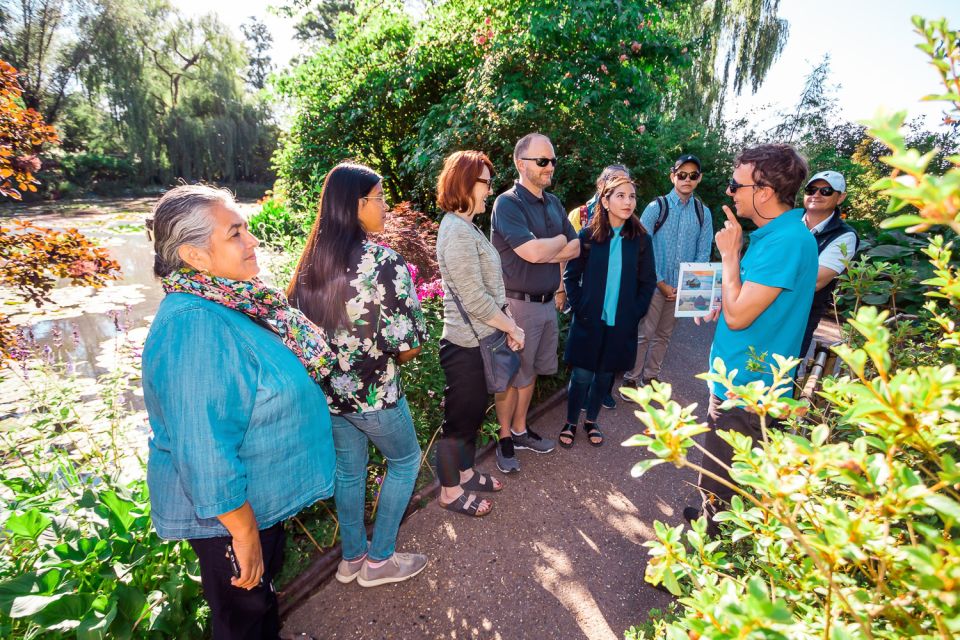
- Small-group entrance to the gardens helps you move through faster and enjoy more time where it matters.
- Monet’s House visit gives context for how his home and studio shaped his art.
- Flower Garden stroll with tons of plant variety, plus that signature tangle of foliage.
- Japanese Garden water-lily pond as the inspiration for over 250 paintings.
- A brief stop at Fondation Monet and Monet’s tomb, for the full arc of his legacy.
- The minibus transfer keeps things simple: you’re not wrangling trains and connections on a tight schedule.
Giverny Day Trip: What Makes Monet’s Home Worth the Ride
A lot of people come to Giverny for the pictures. That’s fair. But what surprised me is how quickly the day turns from sightseeing into understanding. Monet didn’t just decorate a garden—he worked the place, changed it, and kept returning to the same ideas until they became his visual language.
This is a day trip that gives you both sides of the story. You see Monet’s home and working spaces, then you step into the gardens that fed his paintings for the last 40 years of his life. Even if you’re not a die-hard art fan, the gardens do the heavy lifting: you feel the light, the colors, and the controlled chaos underfoot.
The tour also has a practical edge. You get a guided overview so you know what you’re looking at once you arrive, and you’re shuttled in a minibus rather than left to figure out local transport.
You can also read our reviews of more guided tours in Paris



Price and Logistics: What You’re Paying For (and Why It Can Be Worth It)
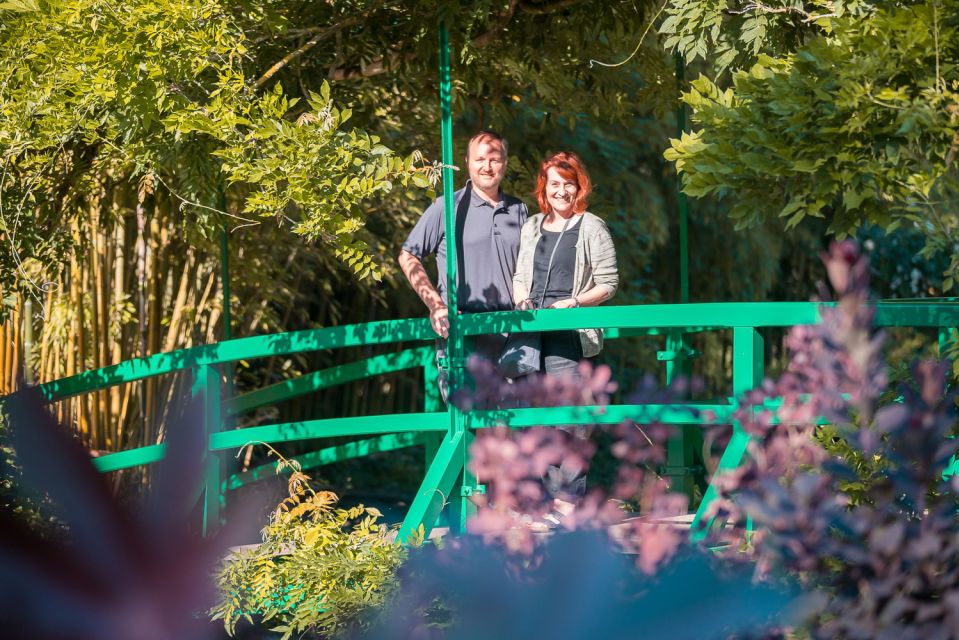
At $153 per person for about 5 hours, you’re paying for three things: transport, timed access, and a guide who can explain what you’re seeing in plain English.
The minibus transfer from Paris is about 1 hour each way, which matters. DIY can work, but with a short day, timing turns into a puzzle: trains, buses, walking, and then your schedule getting squeezed by entry lines. Here, the travel is handled, and you’re dropped into a planned rhythm.
Also, the group setup helps. The tours are described as small-group experiences, and multiple guides are mentioned by name across the feedback—people talk about small groups and early arrival, which usually means less standing around and more time wandering.
One more practical note: the meeting point is specific. You start at 6 Av. de Wagram, and you meet outside La Flamme café (with a black front). If you’re even slightly lost, you’ll lose minutes—so get there early and double-check the entrance before the van shows up.
Monet’s House in Giverny: Rooms That Explain the Art
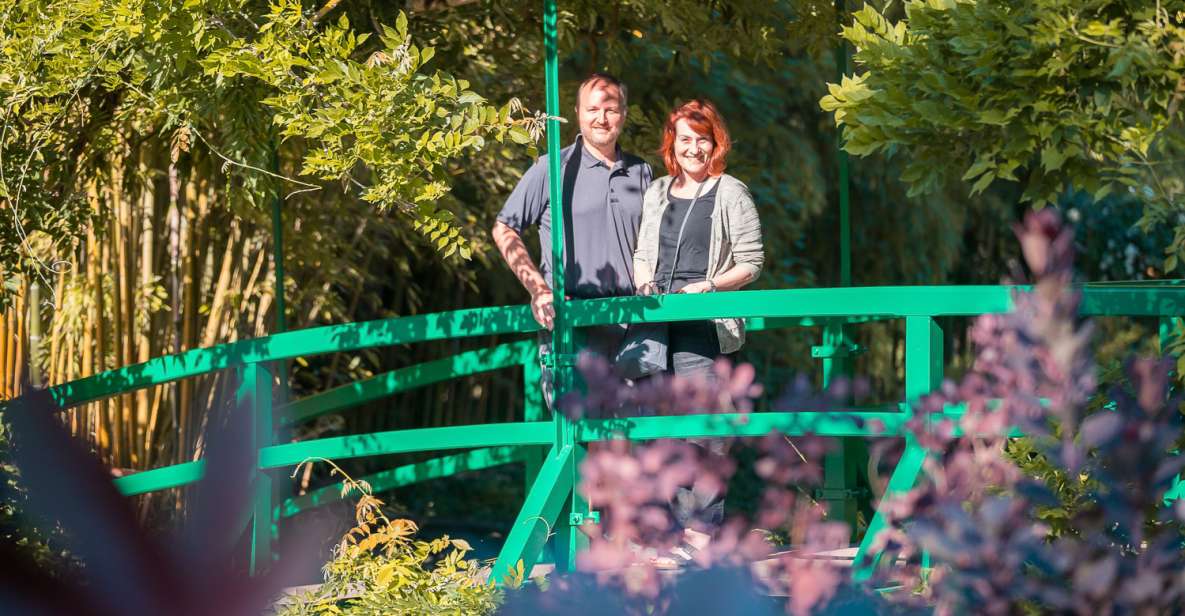
Monet’s house is where the day clicks into place. The guide focus here is usually on how Monet lived and worked, and why that matters for the art you’re going to see outside. The rooms aren’t just a museum stop—they’re context.
Plan for a slower flow when you enter. The house is known for crowding, and the tour includes entry for your group. The operator also references a separate entrance approach, so you should expect a smoother path than you’d get trying to tackle it solo, but you should still treat the house as the place where you might queue a bit.
Here’s the practical way to enjoy it:
- Move with purpose at first, then slow down once you’ve seen the main rooms.
- Don’t rush the “boring” corners. Monet’s working life is the point.
- Take a moment to connect what you see indoors with the garden imagery outside—light, water, and repetition all show up again later.
A lot of the best guides—names that show up in guest feedback include Laurent, Lucy, Tim, and Etienne—tend to give you an overview that makes the house feel like part of the same story as the gardens, not a detour.
Two Gardens, One Goal: Seeing How Monet Built His Visual World
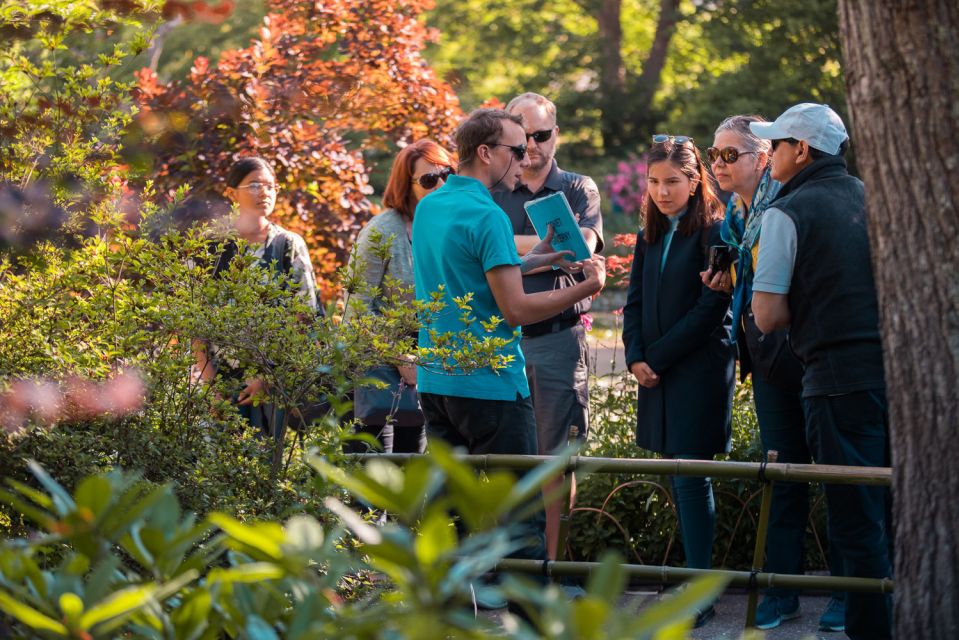
Giverny’s gardens are famous for beauty, yes. But the tour is most valuable when it helps you read the gardens like an artist’s draft. Monet kept refining his spaces over decades, and walking through them with a guide makes the changes feel meaningful instead of random.
The day splits into two garden experiences, each with a different mood and a different kind of “wow.”
First, you’ll have time for Monet’s Flower Garden. Second, you’ll step into the Japanese Garden and the water-lily pond—where Monet returned again and again as his subject.
You’ll want comfortable shoes. Even when it looks easy, the paths can feel busy and a bit slippery after rain.
Monet’s Flower Garden: The Crammed Color You Can Walk Through

The Flower Garden is the kind of place where your eyes don’t know where to rest. Monet designed and modified this garden across his lifetime, and the result is not a neat grid—it’s an intentional tangle.
The standout here is variety. You’ll see more than 100 different types of flowers, plus intertwined foliage that creates that signature Impressionist feel: not sharp edges, but living texture. If you’ve ever stared at a Monet and wondered how he got that soft, glowing effect, this is where you start to understand it.
What I like about having a guide for this stop is that they point you to what to notice:
- how plant choices shift the mood across seasons
- how layers of greenery create depth
- why the garden’s shape matters as much as its color
Timing helps, too. Many guests praised getting in before larger tour crowds took over, and that’s where you’ll feel the biggest payoff. Early access turns the garden from a photo line into an actual walk.
You can also read our reviews of more tours and experiences in Paris






Japanese Garden and Water Lilies: Why That Pond Became 250+ Paintings
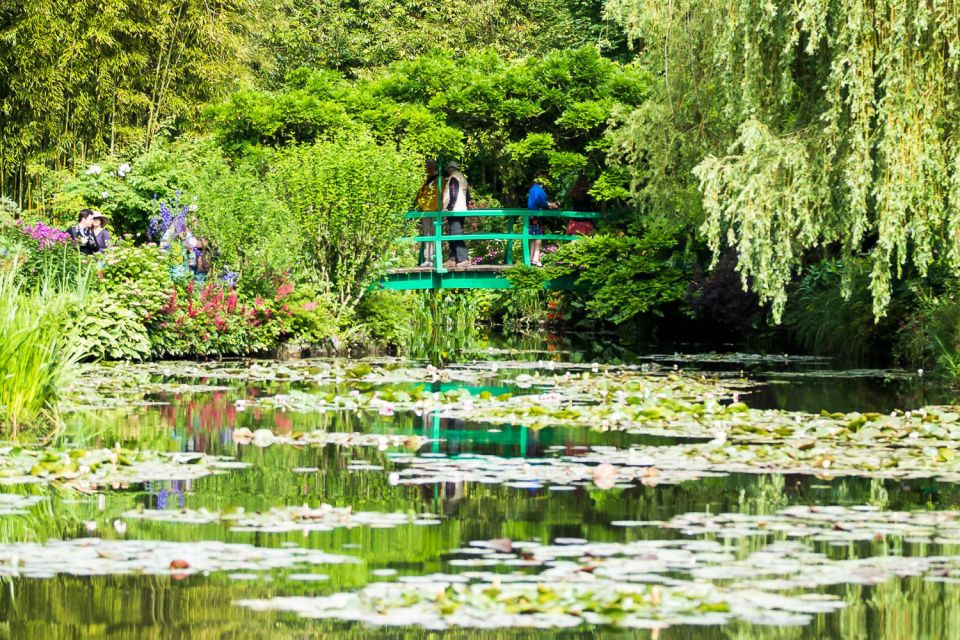
If the Flower Garden is about lush variety, the Japanese Garden is about atmosphere. This is where you feel like you’ve walked into a specific Monet scene.
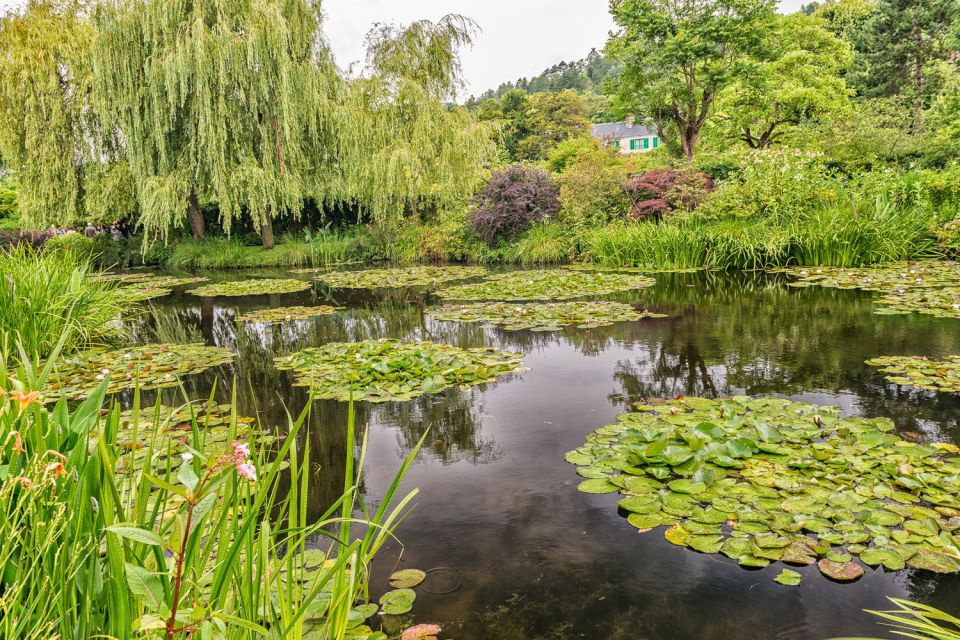
The tour takes you to the lake full of water lilies, and the guide shares why this pond became the inspiration for over 250 paintings. That number matters. It’s proof that Monet wasn’t just capturing a pretty view—he was studying light, reflection, weather, and time.
To make this stop work for you, don’t treat it like a quick look. Give yourself space to stand and watch. Reflections change as people move, clouds shift, and the water surface moves. Even if you’re not thinking about art theory, your eyes start doing what Monet did: comparing one moment to the next.
A practical tip: photo spots are popular. If your guide suggests a sequence to avoid the heaviest bottlenecks, follow it. Some guides start with the water garden early for calmer viewing, while others focus on the house first to get you through crowd hot spots more smoothly.
Fondation Monet and Monet’s Tomb: The End of the Story (But Not the End of the Feeling)
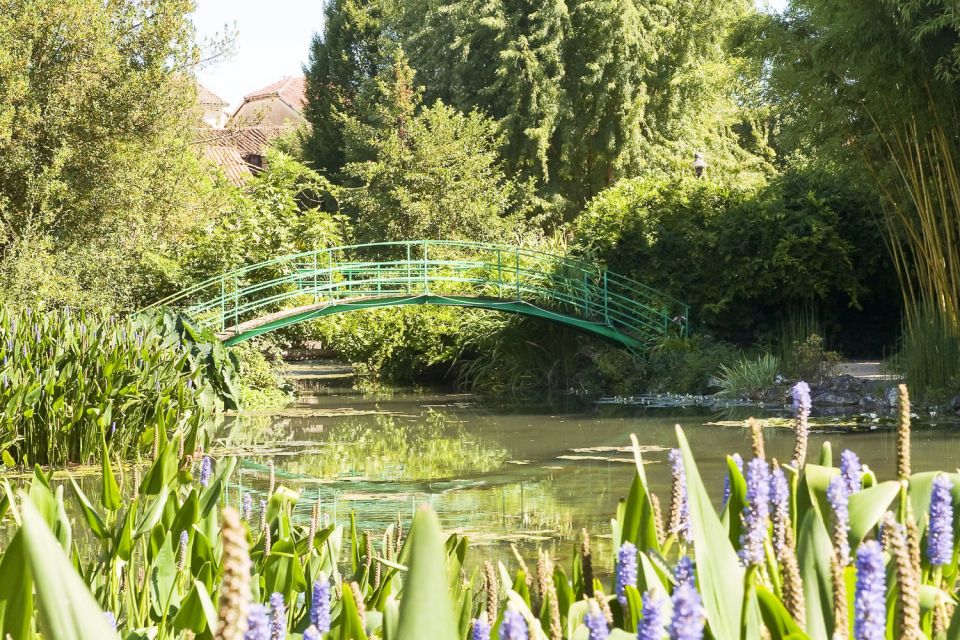
Near the gardens, you’ll also have time for Fondation Monet. It’s brief—think of it as a stop that ties together the garden experience with Monet’s wider impact.
Then comes a quieter part of the day: Claude Monet’s tomb, where you visit the modest grave. This isn’t a dramatic finale. It’s more like a pause that changes how the earlier stops feel. After walking through a place he shaped for decades, standing at his resting spot makes the whole visit land differently.
This is also a good moment to reset your expectations about crowds. By the time you reach the cemetery area, the flow tends to be calmer. You may find yourself with more breathing room to think and absorb.
Guides like Marceau, Frankie, and Marius are repeatedly praised for keeping the day smooth and engaging, and this is where good guiding really shows. You’re not just moving between points—you’re being helped to connect them.
Your Guide Matters More Than You Think
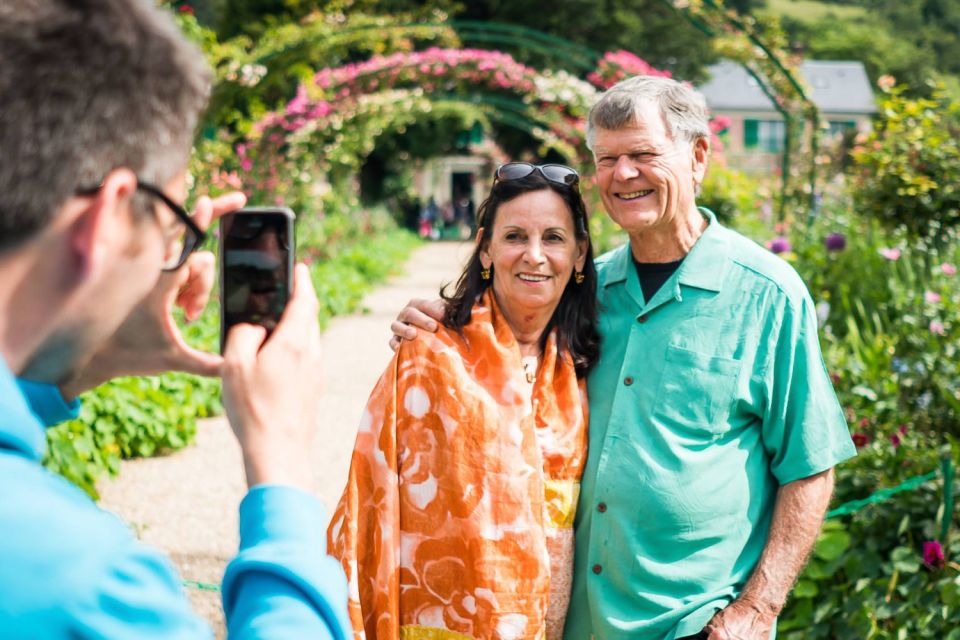
A guided day trip can easily turn into “transport plus talking.” This one doesn’t seem to. Guests mention guides who make the drive enjoyable, bring humor, and explain what matters without turning it into a lecture.
Names that come up often include Lucy, Laurent, Tim, Etienne, Frankie, Marius, and Valerie. What they seem to have in common is pacing: they don’t overload you with facts at every step. Instead, they give you a framework, then let you enjoy the gardens at human speed.
Here’s what to look for in the guide style, so you can judge your own experience:
- Clear direction on where to start so crowds don’t swallow your time
- Art context explained in normal language
- A sense of timing so you don’t feel rushed in the wrong places
If you’re deciding between this tour and doing it on your own, that guide component is a big part of the value. A well-run guide helps you see what you’d otherwise miss.
When to Go From Paris: Season, Crowds, and Getting That Calm Feeling
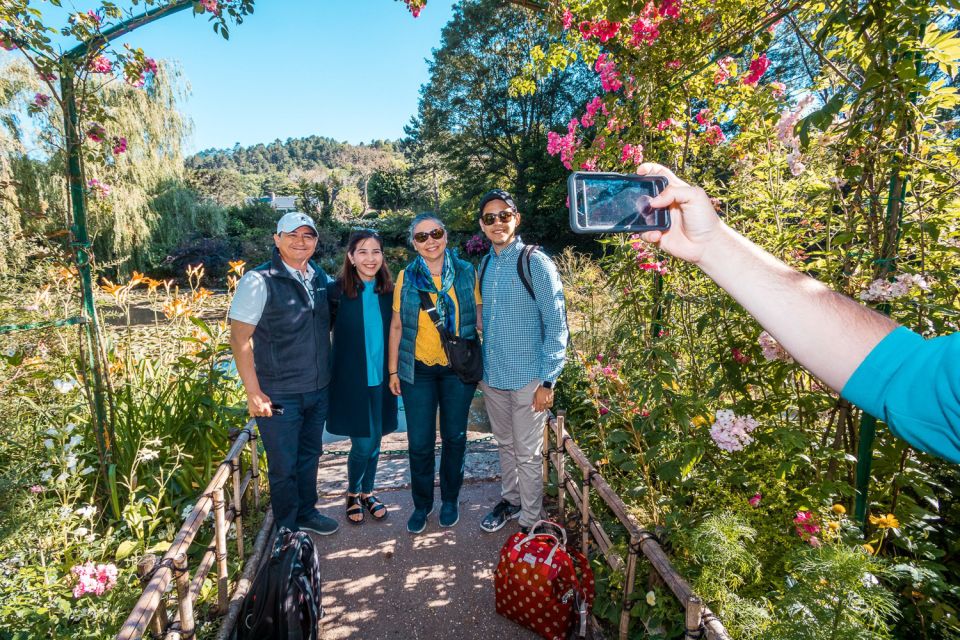
You don’t need a perfect forecast to enjoy Giverny. The tour runs rain or shine, so your job is simple: dress for the weather and accept that the gardens will look different day to day.
Season matters. Feedback includes strong mentions of October because there were still plenty of flowers, plus the “summer rush” had eased. May and June get praised too, especially for roses, irises, and peonies in spring growth.
Crowds are a real thing at Monet’s place. The good news is the tour is set up to help with that. Multiple guests celebrated getting in early and avoiding the largest tour groups, sometimes even having quieter moments in the gardens.
A smart approach for your own planning:
- Aim for the earliest available departure if you can
- Give your guide’s suggested sequence real attention
- If you care about water-lily photos, treat the water garden stop as your “slow down” moment
Food and Breaks: How to Handle Your Own Lunch Timing
No meal is listed as included. That means you should plan to handle snacks and lunch on your own.
The good part: the day is structured with breaks that make it possible to grab something. In feedback, people mention stopping at a café and buying takeaway options when they needed them. If you like to eat before you’re hungry, bring a small snack with you from Paris, then decide later.
Also, remember that time can feel tight in the house if you’re also trying to buy food. If you want lunch, keep your eye on timing and don’t drift too long in the most crowded rooms.
Who This Tour Fits Best (and Who Might Prefer DIY)
This trip is ideal if you want a smooth day with guided context and you don’t want to wrestle logistics. It’s a strong fit for:
- art lovers who want the “why” behind Monet’s subject matter
- first-timers to Giverny who want a guided route that avoids the worst crush
- couples and friends who like small-group pacing
It may not be perfect if you want total freedom with zero structure. The stops are set, the timing is fixed, and you’ll be moving with the group.
That said, the tour still gives you time to explore. People repeatedly praised the chance to wander the gardens and spend time by the pond pathways without feeling like they were getting herded through too fast.
Should You Book This Monet’s Garden Day Trip?
I’d book it if you want the most efficient way to see Monet’s home and gardens in a short window from Paris. The value isn’t just the entry—it’s the combination of transport, small-group flow, and a guide who helps you focus on the details that turn pretty scenery into meaning.
Skip it if you hate planned timing, or if you’re the type who enjoys figuring out local transit and building your own schedule at your own pace.
If you’re on the fence, here’s the simple decision rule: if you want a calm, guided visit with less time spent solving logistics, this tour fits. If you want full independence and you’re comfortable handling crowds yourself, DIY might suit you better.
FAQ
How long is the day trip from Paris to Monet’s garden?
The tour duration is 5 hours.
Where do I meet in Paris?
Meet outside La Flamme café (with a black front). The starting location is listed as 6 Av. de Wagram.
Is hotel pickup included?
No. Hotel pickup and drop-off are not included.
What’s included in the ticket price?
You get entry to the gardens (small group entrance), entry to Monet’s House, and transportation by minibus.
Do I need to worry about rain?
The tour runs rain or shine.
What language is the guide?
The live tour guide is English.
Is there an entry line shortcut?
The activity notes a separate entrance for smoother access. The included details also specify entry to the house as part of the ticket.
Can I cancel if my plans change?
Yes. There is free cancellation up to 24 hours in advance for a full refund.