REVIEW · PARIS
Paris: French Croissant Baking Class with a Chef
Book on GetYourGuide →Operated by Ateliers Parisiens · Bookable on GetYourGuide
Croissants start as dough, not magic. At Maison Fleuret on the Left Bank, you spend 150 minutes learning how to build that flaky, buttery pull-apart texture with small-group coaching.
What I like most: you get real technique, not vague tips, and the class is set up so you leave with pastries you made (not just crumbs of inspiration). One thing to consider: at $159 per person, it’s not the cheapest Paris activity, so it’s best if you genuinely want to practice laminated dough.
In This Review
- Key highlights at Maison Fleuret croissant class
- Where this class happens: Maison Fleuret on the Left Bank
- The 150-minute flow: from dough building to edible results
- What you actually learn: French laminated pastry that behaves
- The chef factor: the instruction style matters more than you think
- The Paris context: where the croissant story fits in
- Price and value: is $159 worth it for croissant beginners?
- Practical tips to get better results right away
- What you should bring home (besides croissants)
- Who this croissant class is best for
- Should you book Maison Fleuret’s French croissant class?
- FAQ
- How long is the croissant baking class?
- Where does the class take place?
- Is the class taught in English?
- How big is the group?
- Do I need hotel pickup or drop-off?
- What’s included in the price?
- Is the class accessible and can I cancel for a refund?
Key highlights at Maison Fleuret croissant class
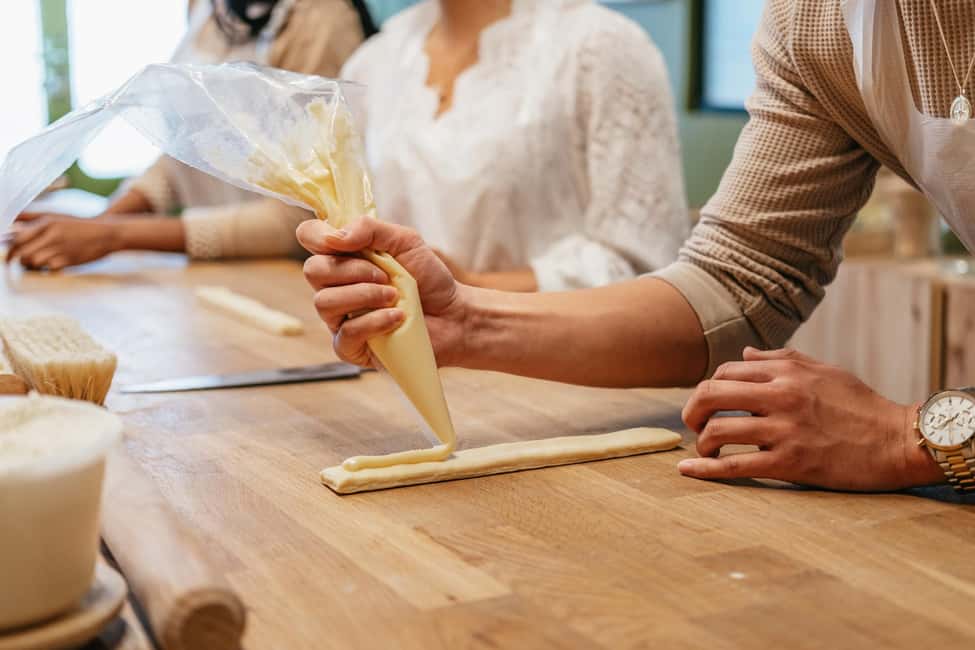
- Small group of up to 8 means you get hands-on attention during the full 150 minutes
- English instruction keeps the technique clear while you’re working with butter and timing
- Lamination training for authentic French puff pastry, built for that crisp bite and layered interior
- Chocolate croissants and chocolate snails so you go beyond plain originals
- Chefs you may cook with include Felix and Guillaume, with other instructors such as Alice, Erika, and Ines also noted
Where this class happens: Maison Fleuret on the Left Bank
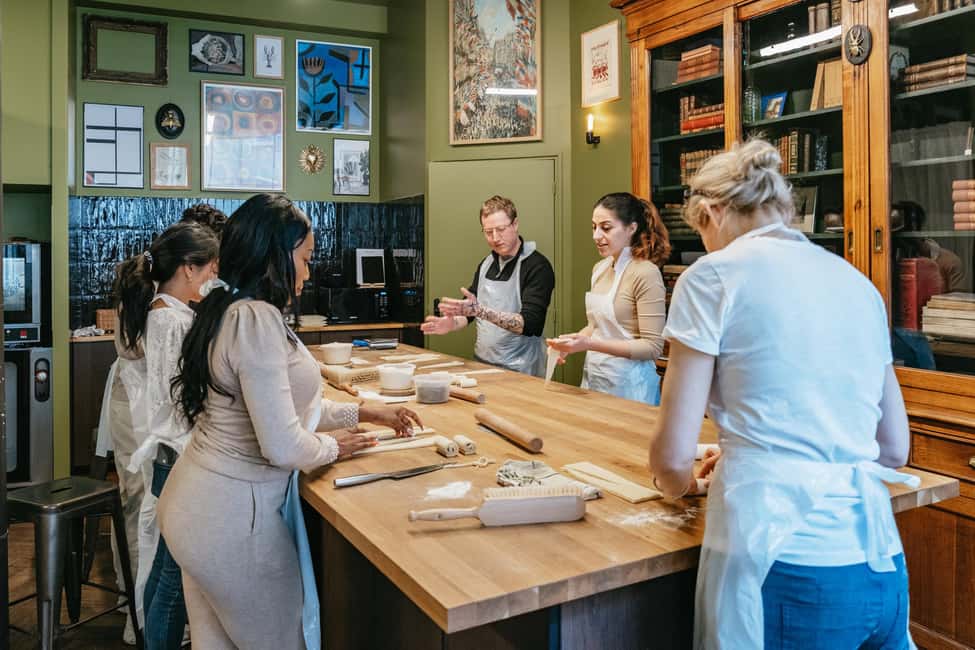
This croissant class takes place at Maison Fleuret’s Ateliers Parisiens area, on the Left Bank. Your meeting point is listed at 3 Rue des 3 Portes, which is a handy reference point for planning your day in Paris. And since there’s no hotel pickup, you’ll want to build in time to get there on your own—metro, walking, or a short taxi ride.
The vibe is part of the value. Instead of feeling like a demo show, the workshop is run like a real pastry school studio: you work, you get corrected, and you return to the bench to try again. That matters because croissant success depends on doing the steps right—especially the dough temperature and how you handle butter between folds.
Price-wise, $159 isn’t random. You’re paying for a structured lesson, professional chef instruction, and all the tools you need in a professional setting, plus you get pastries to bring home. If you’ve ever tried laminated dough at home, you know the difference between a recipe and real technique.
You can also read our reviews of more cooking classes in Paris
The 150-minute flow: from dough building to edible results
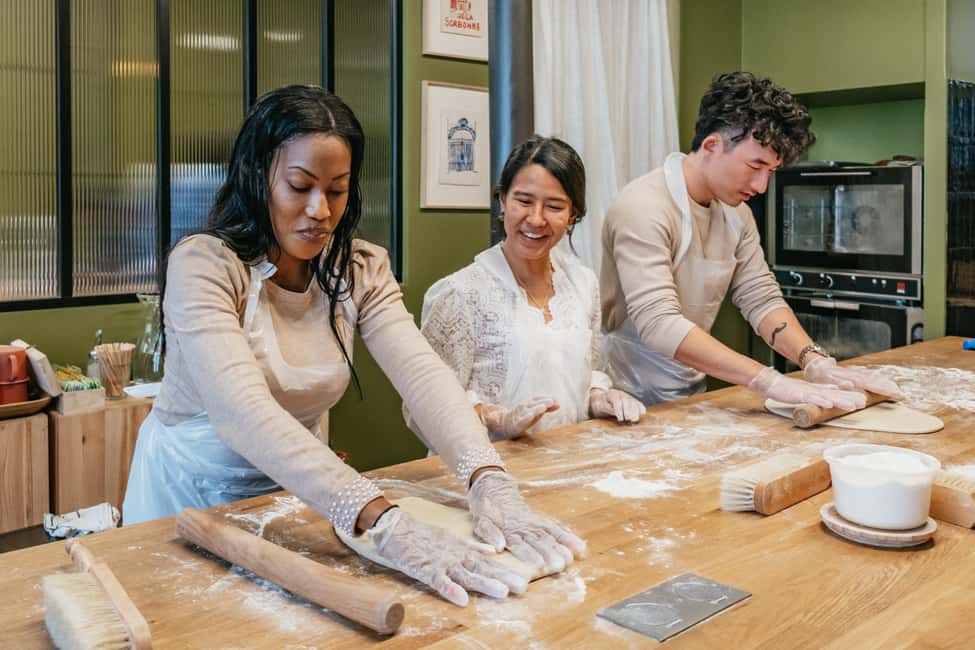
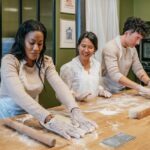
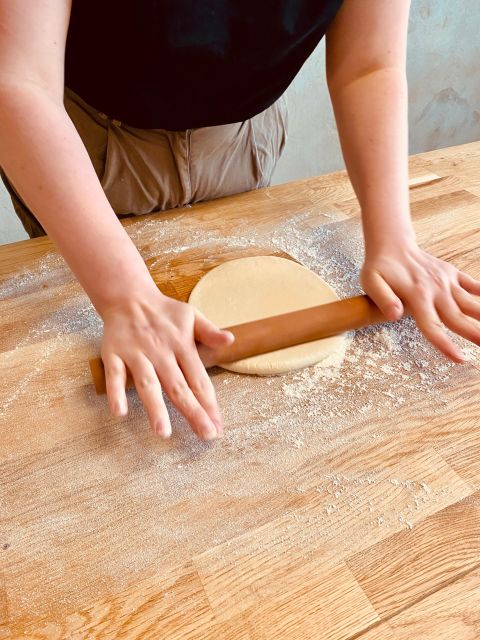
You’re in class for about 2.5 hours, which is long enough to learn process and produce finished pastries. The schedule is straightforward: you arrive, get oriented, start mixing and working the dough, then move through shaping and baking steps with guidance from your chef instructor.
In practice, laminated dough is all about sequencing:
- You work the dough so it’s strong enough to hold layers.
- You encase and manage butter without it breaking or melting away.
- You fold and rest so the layers form instead of smearing together.
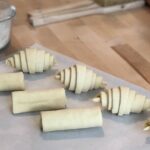
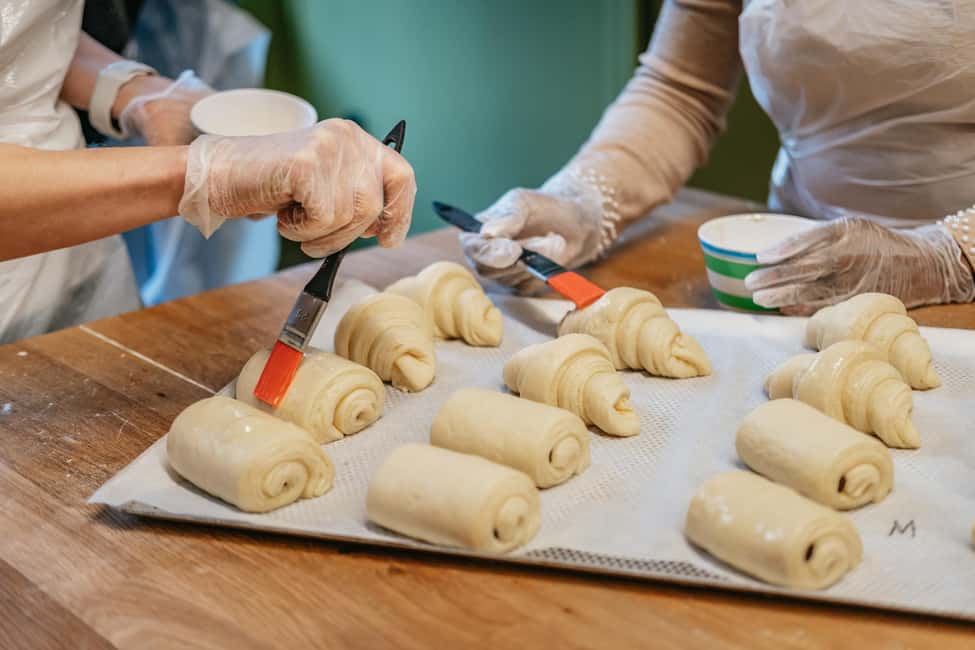
- You shape so the final croissant has the right spiral tension and definition.
This class is built around that reality. You’re not only learning what croissants look like; you’re learning the repeated motions and timing that create the texture—crisp outside, tender inside.
You’ll also get additional pastry variations, including chocolate croissants and chocolate snails. That’s a smart use of time, because once you understand the base dough and rolling/folding logic, adding fillings and shaping styles becomes much easier. It also makes the session more fun if you like choices at breakfast.
What you actually learn: French laminated pastry that behaves
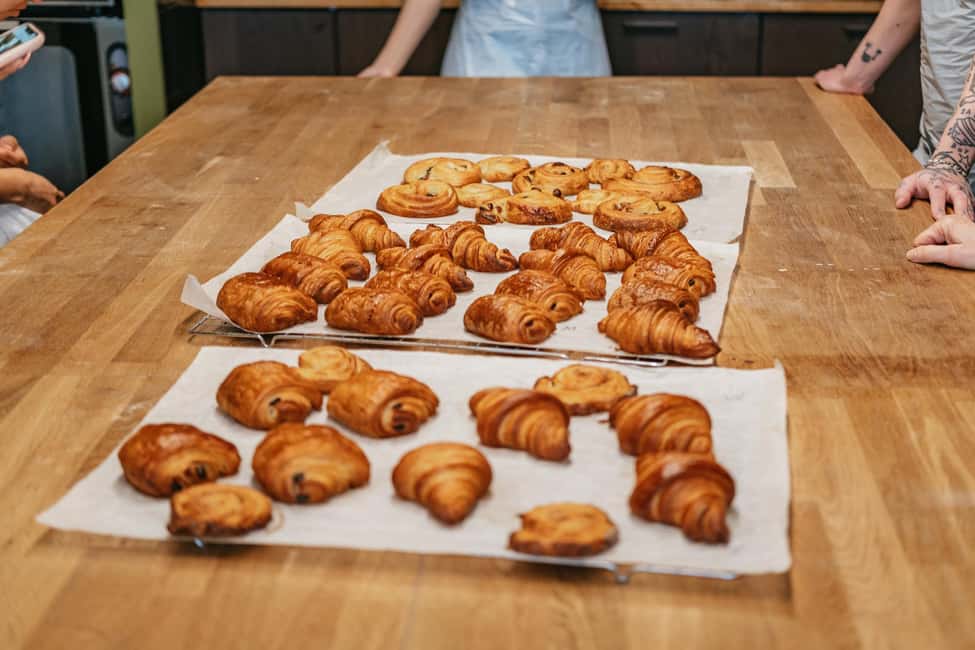
Croissant-making sounds simple until you’re standing over a bench with butter that either stays firm or quickly turns into a mess. That’s why this workshop emphasizes the “why” behind the technique—how to handle the dough so it behaves.
Here are the core skills you come away with:
- Buttery puff pastry construction: how layers form through folding and rest, not shortcuts
- Achieving the right texture: you learn what to look for so the final bake turns out crisp and flaky instead of dense
- Shaping for lift: how to form rolls/triangles so the spiral structure bakes with definition
- Chocolate variations: turning the base skills into pain au chocolat style pastries and snail shapes
The best part is that you’re taught like you’re going to make this again at home. Many instructors take time to explain decisions as you go, so you can troubleshoot later—like what to do if your dough feels too warm or your butter seems too soft.
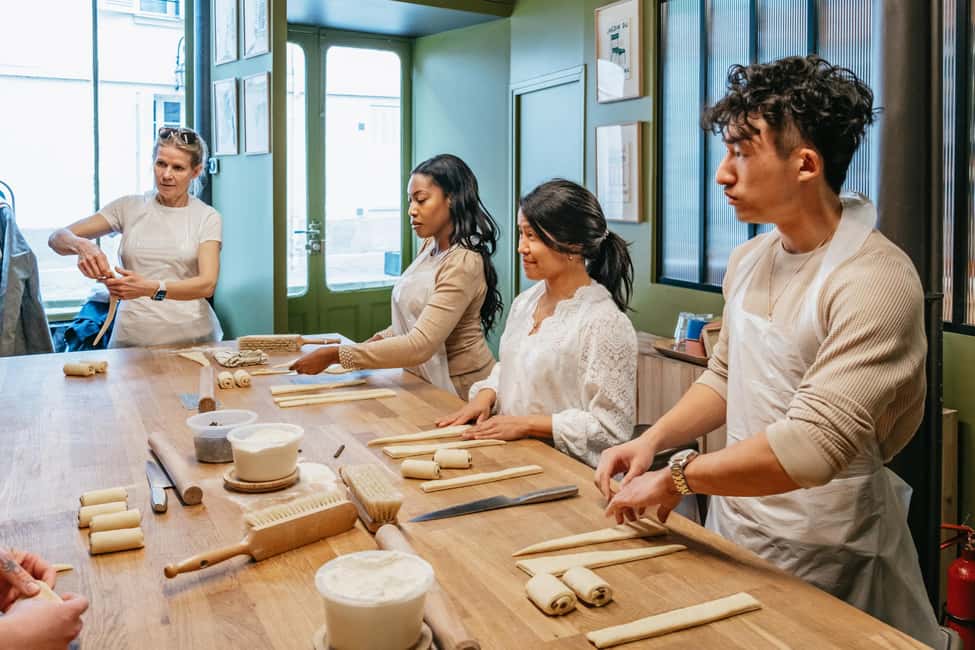
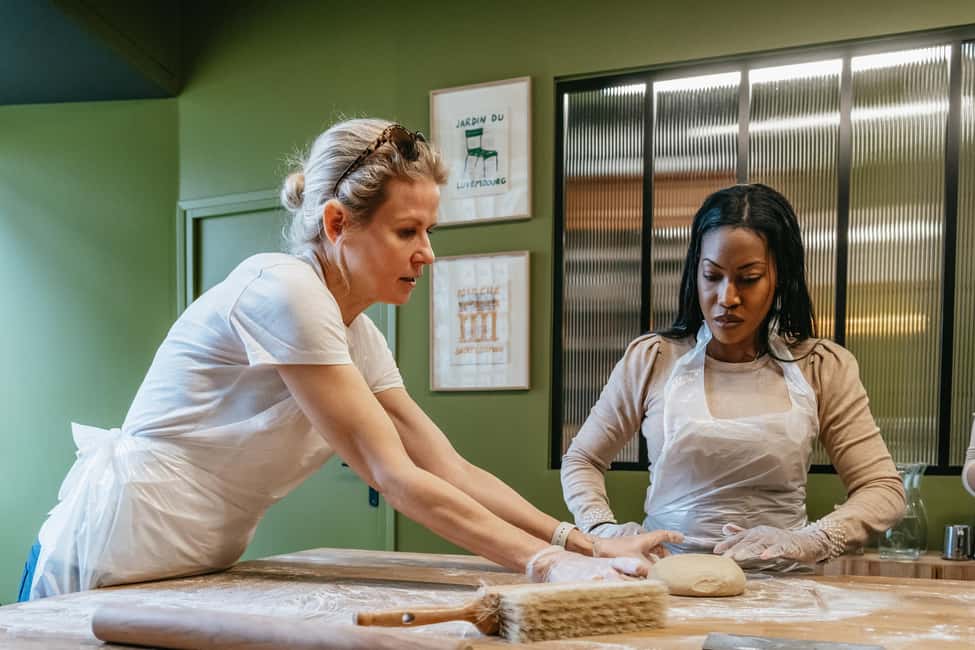
And yes, the experience includes small-group interaction. With a limit of 8 participants, you’re more likely to get direct corrections when your fold thickness or rolling pressure isn’t quite right.
The chef factor: the instruction style matters more than you think
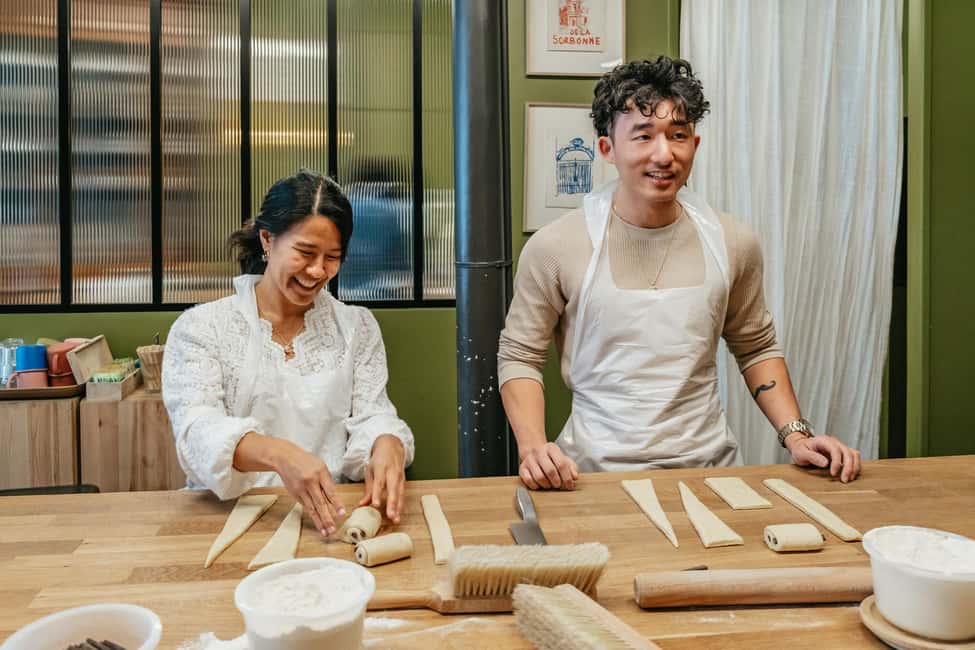
Croissant classes live or die on the teacher. This one is consistently praised for chef-led professionalism and a class atmosphere that feels both focused and fun.
A few chef names you might see associated with the experience include:
- Chef Felix (noted for professionalism with a playful touch)
- Chef Guillaume (praised for friendly, step-by-step coaching)
- Ke (mentioned as a chef with long pastry experience)
- Alice and Erika (praised for clear instruction and encouragement)
- Ines, Lauren, Selma, Leslie, and Manel (also cited for helpful, patient teaching)
You don’t need to memorize the names, but you should care about what they represent: consistent instruction that breaks down a complex process. If you’re a beginner, that’s the difference between learning “the steps” and learning “the technique.” And if you’re not new to baking, you’ll still benefit from the specific corrections that keep laminated dough on track.
One practical takeaway: the teaching style is described as step-by-step and easy to follow, including for people who had little to no baking background. That means you won’t be left to figure out the difficult parts alone.
The Paris context: where the croissant story fits in
This workshop also includes some context about the croissant—how it became popular with Parisians and the French in the early 20th century. That might sound like extra, but it’s useful. It helps you connect technique to tradition: the croissant isn’t only a pastry, it’s a cultural habit that grew in a modern Paris timeline.
You also get reminders that French gastronomy is about process and practice, not just the final look. If you love food history, you’ll enjoy this portion. If you don’t, you’ll still get something out of it because it frames why people treat laminated dough with such care.
You can also read our reviews of more tours and experiences in Paris





Price and value: is $159 worth it for croissant beginners?
Let’s talk money honestly. At $159 per person, you’re paying for:
- a professional chef instructor
- a controlled pastry-school setting at Maison Fleuret
- cooking equipment provided for you
- a full 150-minute hands-on session
- small-group attention (maximum 8)
- pastries you make and can take away
Is it expensive compared to buying a croissant and watching a YouTube tutorial? Yes. No question.
But it’s also different from a quick tasting. Croissants are labor-intensive and temperature-sensitive. If you try this at home, you’ll spend money on ingredients and still lose time to frustration. Here, the studio and teaching reduce both risk and guesswork. You’re basically buying an opportunity to practice the “hard parts” in the right environment.
Another value angle: many classes send people home with skills they can repeat. The goal isn’t just eating fresh pastries on the spot. It’s understanding how the dough should feel and how the folds should look, so your next batch improves instead of collapsing.
So who gets the best value? People who:
- want a guided skill (not just a meal)
- plan to bake again later
- like the idea of a rainy-day indoor activity that still feels very Paris
Practical tips to get better results right away
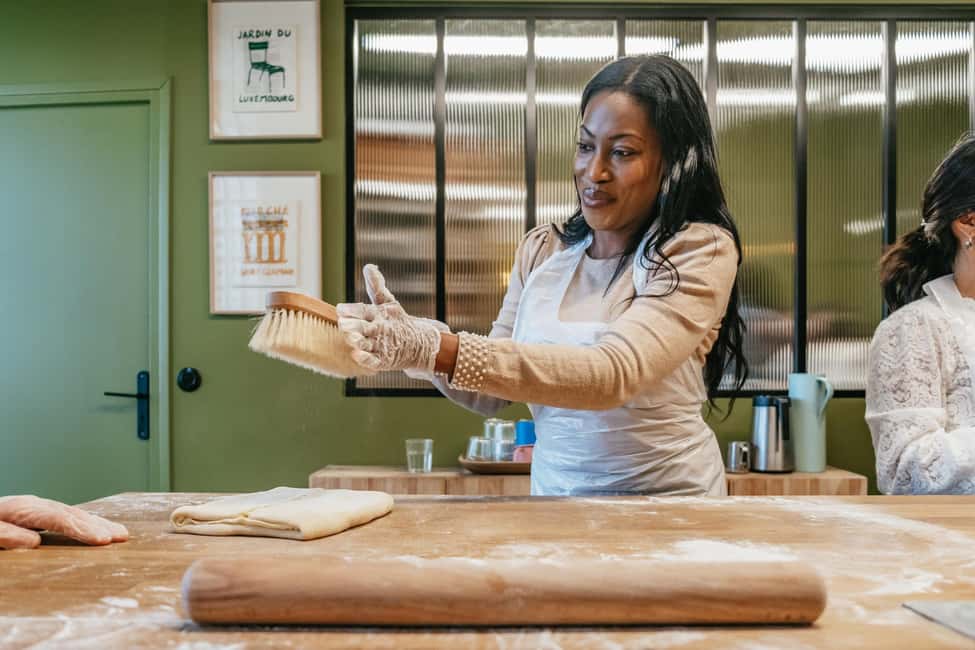
If you’re aiming to bring home pastries that look like they came from a bakery counter, keep these points in mind while you’re in the class.
First, take the temperature talk seriously. Croissant success is extremely sensitive to warmth. If the dough feels off, listen when your chef adjusts technique.
Second, treat shaping as part of the lesson. Don’t rush through it like it’s an afterthought. The way you shape affects how the layers open in the oven.
Third, ask questions while you’re working, not after you’ve cleaned up. The best instruction lands when you’re in the moment and can immediately correct your technique.
Finally, plan your day with comfort. The class is wheelchair accessible, but like any studio kitchen, you’ll be working at a bench. Wear comfortable shoes and come with a calm mindset. Laminated dough demands patience.
What you should bring home (besides croissants)
You’ll leave with practical confidence. People describe leaving with finished croissants and chocolate pastries that are fresh and rewarding—especially because you’re eating or tasting right after baking during the session. And many instructors provide guidance so you know what to do at home next.
You may also receive a recipe afterward. One person noted that a recipe was sent later, with ingredient lists that may vary depending on sourcing. So if you cook at home, compare what your recipe says with what you can find in Paris or back home, and adjust calmly.
Also, the class can become a “starter kit” for your broader Paris food trip. Some instructors share local suggestions for pastry shops and restaurants—handy if you want to keep exploring croissants after your lesson.
Who this croissant class is best for
This class is a strong fit for:
- Beginners who want guidance through a notoriously tricky dough
- Teenagers and families looking for a hands-on Paris activity that doesn’t feel like a museum
- Couples and friends who enjoy practical cooking over passive sightseeing
- Anyone who wants to take home a skill, not only a souvenir
It’s also a solid choice for a rainy morning in Paris. Since it’s indoors and structured, you don’t lose your day to weather.
If you’re the kind of person who enjoys baking but gets frustrated by steps that don’t work, this is where you’ll likely feel relief. You learn the method and the control points—so you can stop guessing.
Should you book Maison Fleuret’s French croissant class?
If you want to learn laminated pastry in a way that actually translates into home baking, I’d book it. The combination of small group size, English instruction, professional chefs (like Felix or Guillaume), and the full 150-minute hands-on format makes it feel like a real skill-building workshop.
Skip it only if you’re mainly looking for the cheapest Paris food experience or if you’re expecting a quick, no-effort activity. Croissant dough rewards patience, and this class is intentionally focused on technique. If that’s what you want, it’s a very satisfying way to spend time on the Left Bank.
FAQ
How long is the croissant baking class?
The class runs for 150 minutes (about 2.5 hours).
Where does the class take place?
It takes place in the Maison Fleuret space on the Left Bank. The meeting point is listed at 3 Rue des 3 Portes.
Is the class taught in English?
Yes. The instructor teaches in English.
How big is the group?
It’s a small group limited to up to 8 participants.
Do I need hotel pickup or drop-off?
No. Hotel pickup and drop-off are not included.
What’s included in the price?
You get the cooking class, cooking equipment, and a chef instructor.
Is the class accessible and can I cancel for a refund?
The experience is wheelchair accessible. You can cancel up to 24 hours in advance for a full refund.