REVIEW · PARIS
Louvre Museum: Skip-the-Line Small Group Guided Tour
Book on GetYourGuide →Operated by UTG EXPERIENCE · Bookable on GetYourGuide
Two hours can feel like a miracle at the Louvre. This small-group tour uses priority access and a planned route so you get the big hits without losing your day to chaos.
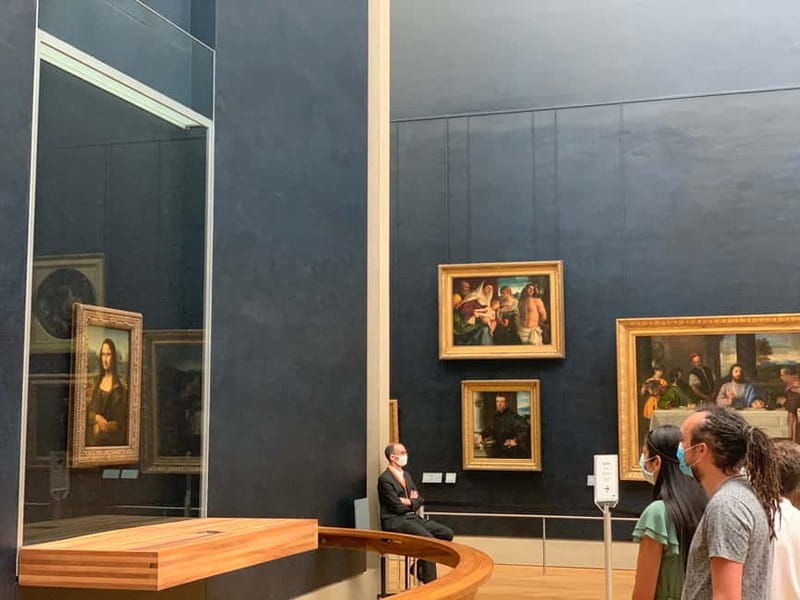
What I like most is the way the route links famous art with the Louvre’s power and purpose: you’ll look at Mona Lisa, hit Venus de Milo, and then zoom into the “wow” rooms tied to Napoleon. I also like that you get a licensed guide plus headsets, which helps when you’re navigating crowded galleries.
One thing to plan for: even with skip-the-line entry, you may still face a short wait at security, especially in peak season (up to about 20 minutes).
In This Review
- Key things to know before you go
- Priority Entry at the Louvre Pyramid: What Skip-the-Line Really Means
- The 2-Hour Route: Napoleon, Egypt, and Italian Masterpieces
- Venus de Milo Stop: Why It’s a Smart First Target
- Napoleon’s Apartments and Crown Jewels: Palace Decor in a Hurry
- From Mona Lisa to Masterworks: How the Highlights Connect
- Egyptian Department Sphinx and Mummies: A Different Kind of Wow
- Basement Foundations and the Louvre’s Original Footprint
- Guide, Headsets, and Group Size: The Practical Value
- Price and Timing: Is $114 Worth It?
- Who Should Book This Tour (and who might not)
- Should You Book This Louvre Skip-the-Line Tour?
- FAQ
- Is this tour worth it if I want to see only the biggest famous artworks?
- What does skip-the-line include?
- How long is the tour?
- What languages are available?
- Does the tour include entrance tickets?
- What should I bring?
- Are bags allowed inside?
- Where do I meet the guide?
- Is the Louvre open every day?
- What’s the group size like?
- Is there a cancellation option?
Key things to know before you go

- Priority access through a separate entrance to cut out ticket-line time
- Headsets included, so you can actually hear the guide in busy rooms
- Napoleon’s apartments are part of the route, not an afterthought
- Egyptian Room highlights include a sphinx and mummies
- A tight 2-hour route means you’ll see major works, not the whole museum
- Small-group handling: if your party is more than 6, you might be split
Priority Entry at the Louvre Pyramid: What Skip-the-Line Really Means
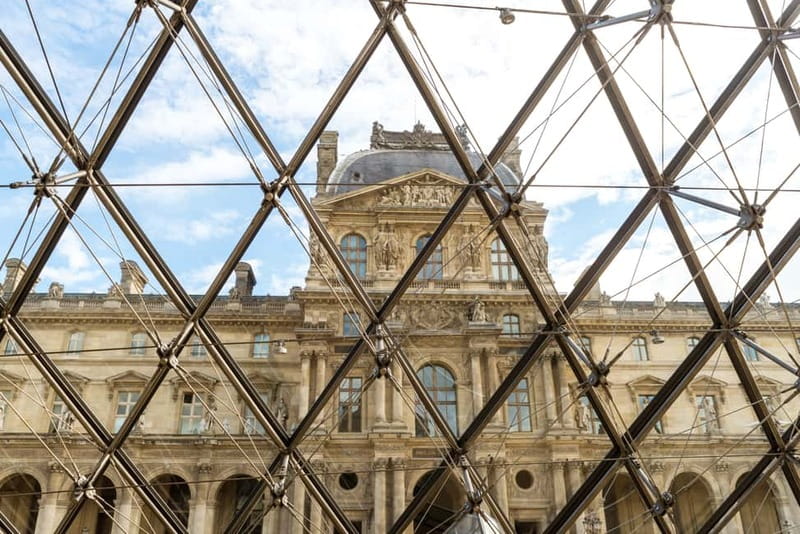
The Louvre is huge. The ticket line can be brutal. This tour helps by using a separate entrance with skip-the-ticket-line access, plus it includes the entrance ticket and a live licensed guide. That combination matters because time is your real currency here.
That said, skip-the-ticket-line doesn’t erase everything. Even with priority access, you still may have to wait at security. In peak season, that wait can run up to around 20 minutes. The good news is you’re not stuck in the long ticket queue, and your guide is there to keep you moving.
You’ll also start near an option-dependent meeting point and then head to the Louvre Pyramid area. You pass the Pyramid first—think of it as your visual “orientation moment”—before you start pulling art history into focus.
Practical tip: wear comfortable shoes. In two hours, you’ll walk more than you expect, and the Louvre’s surfaces don’t reward high heels.
You can also read our reviews of more guided tours in Paris



The 2-Hour Route: Napoleon, Egypt, and Italian Masterpieces

This is not a “see everything” tour. It’s built for impact. In about two hours, you’re guided through a sequence of highlights that stretches across eras—from Ancient Egypt to Renaissance and beyond—so you don’t leave with only the usual postcard names.
Here’s the type of mix you should expect:
- Major European masterpieces like Mona Lisa and key sculpture highlights
- The emotional, story-driven art side—pieces you can understand faster with narration
- A big pivot into Napoleon’s former apartments, where décor and power are the point
- A stop aimed at the Egyptian department, including a sphinx and mummies
The value of this route is the way it gives context. With a guide pointing out what you’re looking at—why it was made, who wanted it, and what it signaled—you spend less time “finding” meaning and more time actually seeing.
Venus de Milo Stop: Why It’s a Smart First Target
Early in the tour, you’ll visit Venus de Milo. It’s a strong choice because it’s iconic and visually immediate. Even if you don’t usually gravitate toward sculpture, the work reads fast once you’re told what to notice.
This stop also helps you settle into the museum rhythm. You start with something you can recognize instantly, then you’re better prepared for slower reads—paintings, symbolism, and the palace atmosphere later on.
The drawback of a tight schedule is that you won’t have hours in front of each masterpiece. If you want long, silent staring time, you may find this format a bit brisk. But if you want a curated route that hits the big emotional beats, this pacing works.
Napoleon’s Apartments and Crown Jewels: Palace Decor in a Hurry
One of the most compelling parts of this experience is the visit to Napoleon’s former apartments. The tour is designed to show you the décor that made the former palace feel grand—and it doesn’t treat it like a quick hallway stop.
Along the way, you’ll also see crown-jewel-style highlights connected to the palace setting. This matters because it changes how you read the rest of the Louvre. Instead of only thinking of the museum as “a building full of art,” you start seeing it as a former seat of ambition and rule.
A practical note: palace rooms can be visually busy, and crowds can compress the viewing space. That’s where headsets help. If you can hear the guide clearly, you can actually follow the story of what you’re seeing while you wait your turn to look.
If you’ve ever wondered why the Louvre feels like a stage set as much as a museum, this is the section that answers it.
From Mona Lisa to Masterworks: How the Highlights Connect
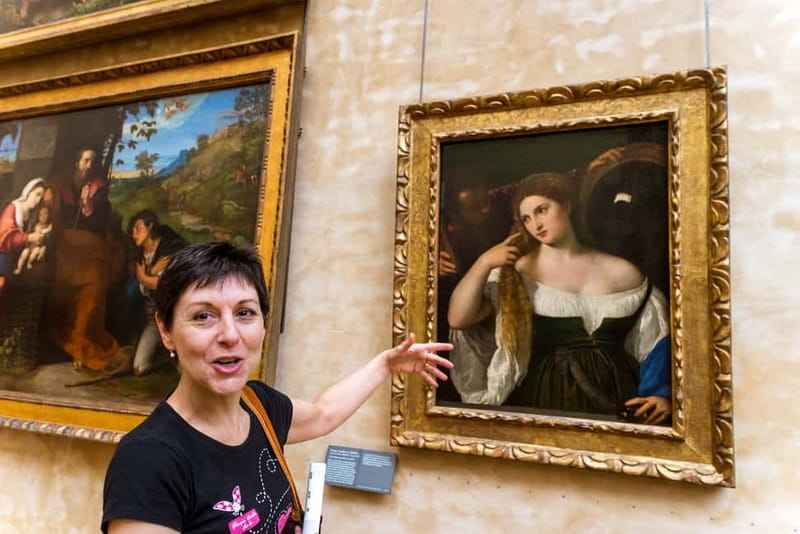
The tour’s highlight sequence includes major works like Mona Lisa and also branches into other memorable pieces and themes. You’ll also be guided toward Psyche Revived by Cupid’s Kiss (by Antonio Canova) and Raft of the Medusa (by Gericault).
Here’s why I think this lineup is smart for first-timers. It’s not only “pretty famous.” It’s variety:
- Sculpture that’s iconic at a glance
- Paintings where the story and emotion are the point
- Transitional perspective across styles and centuries
It also helps you understand that the Louvre isn’t one unified vibe. It’s a patchwork of collected power, artistic achievement, and political display—stacked into one place.
Quick reality check: the Louvre is crowded. Even with priority access, the museum itself is still the museum. Your best bet is to let the guide lead the order and focus on what you can see clearly in the moments you’re in front of each work.
You can also read our reviews of more museum experiences in Paris






Egyptian Department Sphinx and Mummies: A Different Kind of Wow
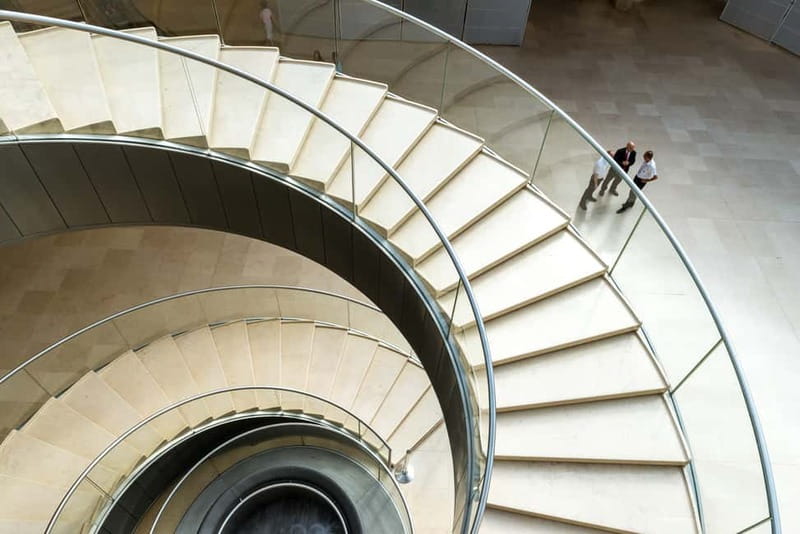
The Egyptian department stop is a big reason this tour feels more balanced than a “paintings only” plan. You’ll see highlights that include a sphinx and mummies.
This is a strong use of time because Ancient Egypt can feel distant if you don’t have context. A guide helps you connect what you’re looking at to the larger idea of belief, funerary practice, and how cultures preserve meaning.
Also, the tone shift is refreshing. After palace rooms and Renaissance drama, Egypt gives you a new set of visuals and a different kind of curiosity. In a short tour, that contrast is gold.
One thing to remember: you’re not touring the entire Egyptian collection. You’re catching key points. That’s what makes the tour feel doable in two hours.
Basement Foundations and the Louvre’s Original Footprint
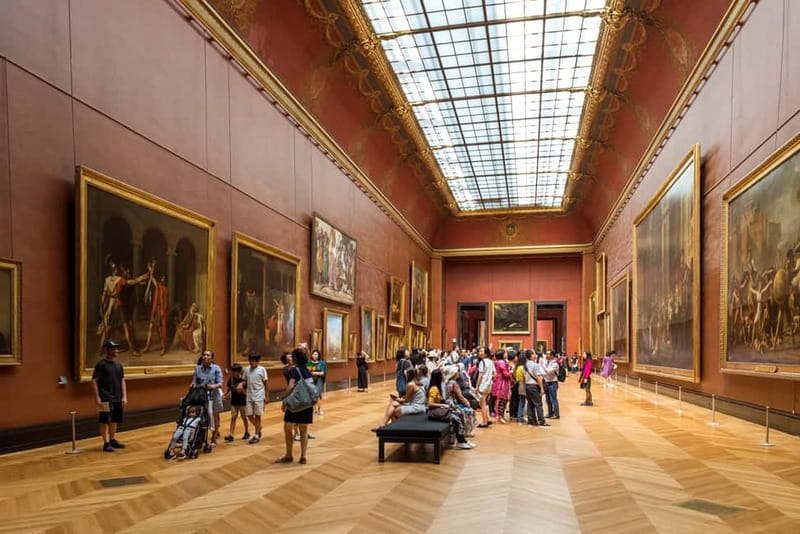
Another quietly interesting feature of this experience is that the route includes a look at the foundations of the castle that once stood on the site, seen in the basement of the Louvre Palace.
This can be a great “wait, this place is older than it looks” moment. It helps you understand why the Louvre’s layout feels layered. The museum isn’t only art added over time—it’s a site with its own past, literally under your feet.
If you’re the kind of visitor who likes architecture and hidden context, this stop adds texture beyond the famous galleries. Even if you’re mostly here for art, it gives your brain something new to hold onto during the walk.
Guide, Headsets, and Group Size: The Practical Value

The experience includes a licensed guide and headsets, which is honestly one of the best value upgrades in a museum tour. In the Louvre, you can’t control crowd noise. A headset makes the guide’s narration usable instead of faint.
Language options are also clearly stated: German, Spanish, Portuguese, and French. The tour can be bilingual, so if you’re lucky, you might get extra flexibility in how the story is explained.
Small-group format is another reason this works. In one of the common tour sizes, you may find it easier to follow and easier to ask questions. If your party has more than 6 people, you might be separated into different groups—so don’t assume you’ll all stay shoulder to shoulder.
You’ll likely appreciate this setup if you:
- Want a fast introduction to the Louvre’s major rooms
- Prefer structure over wandering
- Plan to cover multiple sites in Paris and can’t spare half a day
Price and Timing: Is $114 Worth It?
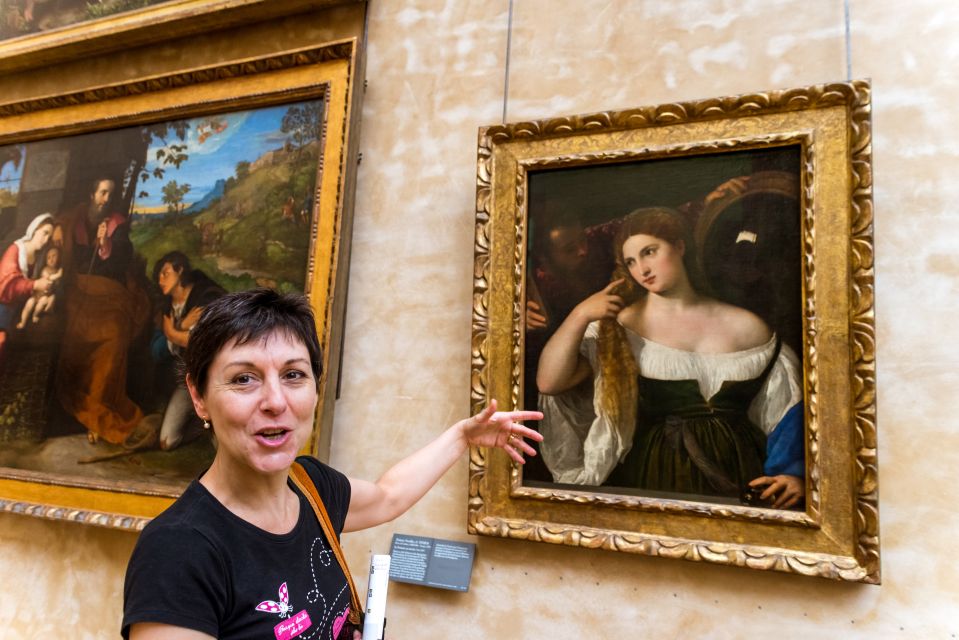
At $114 per person for a roughly two-hour tour, you’re paying for more than just someone to point at paintings. You’re buying:
- The guide’s route planning and interpretation
- Priority access that saves time at entry
- The entrance ticket included in the cost
- Headsets, which improve the experience immediately
If you’re the type who enjoys slow museum drifting and doesn’t mind waiting in lines, you could save money and go on your own. But if you’re on a tight schedule, hate wasting time at checkpoints, or want the “best of” route explained in real time, this price can start to make sense quickly.
For timing, also remember the Louvre is closed on Tuesdays. If your trip lands there, swap days.
Who Should Book This Tour (and who might not)
This tour is a great fit if you want an efficient first Louvre experience. It’s also ideal if you care about getting context for famous works rather than just taking photos.
It may be less ideal if:
- You want to linger at a single work for a long stretch
- You’re traveling with large luggage (the tour notes that luggage or large bags aren’t permitted)
- You’re hoping to avoid all waiting entirely (security waits can still happen)
If you’ve got one “anchor” museum day in Paris and you want to make it count, this is a solid way to do it.
Should You Book This Louvre Skip-the-Line Tour?
Yes—if you want a structured, high-impact Louvre visit in two hours. The priority access plus headsets are the big wins, and the route gives you variety: Napoleon’s apartments, Mona Lisa, sculpture, and Egypt in one guided loop.
Before booking, pick your day wisely. Avoid Tuesday, and if you’re going in peak season, be mentally ready for a possible security delay even with priority entry.
If your goal is to leave the Louvre feeling like you actually understood what you saw, this tour is built for that.
FAQ
Is this tour worth it if I want to see only the biggest famous artworks?
It’s designed for that. In about two hours you’ll focus on major highlights like Mona Lisa and Venus de Milo, plus other key works and themed stops such as Napoleon’s apartments and the Egyptian department.
What does skip-the-line include?
It includes skip-the-ticket-line access through a separate entrance. The tour also notes you may still wait at security.
How long is the tour?
The duration is listed as 2 hours. Starting times vary, so you’ll need to check availability.
What languages are available?
The tour offers German, Spanish, Portuguese, and French. It can be bilingual.
Does the tour include entrance tickets?
Yes. Entrance tickets are included, along with a licensed guide and headsets.
What should I bring?
Comfortable shoes are recommended.
Are bags allowed inside?
Luggage or large bags are not allowed. Items larger than 55x35x20 cm are not permitted.
Where do I meet the guide?
The meeting point may vary depending on the option booked. The tour ends back at the meeting point.
Is the Louvre open every day?
No. The Louvre is closed on Tuesdays.
What’s the group size like?
It’s described as a small-group tour. If you book more than 6 people, you might be separated into different groups.
Is there a cancellation option?
Yes, free cancellation is available up to 24 hours in advance for a full refund.