REVIEW · GIVERNY
Giverny: Monet’s House and Gardens Guided Tour
Book on GetYourGuide →Operated by guide-giverny · Bookable on GetYourGuide
Monet’s gardens feel like a moving museum. This small-group guided tour gets you into Monet’s world fast, with skip-the-line entry and a licensed local guide helping you understand what you’re actually seeing. You start at Les Nymphéas, meet your guide, and then move through the water garden and home at a pace that doesn’t feel rushed.
I especially love how the tour connects the flowers and layout to Monet’s paintings. You’ll first focus on the water garden (water lilies and the Japanese bridge), then head to the Clos Normand, where the design of the beds matters as much as the beauty. The guide also brings Monet’s life into the mix, with stories that make the house and gardens feel intentional, not just pretty.
One thing to plan for: the tour is in one language only, so double-check whether you’re booked for English or French. If you’re relying on audio clarity in a group, pick the language you’re most comfortable with.
In This Review
- Key highlights you’ll care about
- Meeting at Les Nymphéas: the easiest way to start right
- Skip-the-line entry: why it matters at Monet’s House
- Water Garden first: water lilies and the Japanese bridge
- Clos Normand: where Monet’s planting choices show up
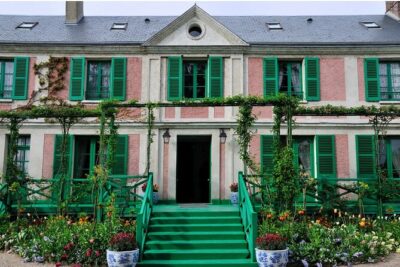
- Monet’s House: history in the rooms, not just outdoors
- Group size and pacing: interactive, not a lecture marathon
- Time on your own: linger in the gardens and shop for souvenirs
- Price and value: does $69 make sense for 2 hours?
- Best season and smart timing for a better experience
- Who this tour is best for
- Should you book this Monet’s House and Gardens guided tour?
- FAQ
- How long is the Monet’s House and Gardens guided tour?
- Where do I meet the guide?
- Does this tour include skip-the-line entry?
- What will I see during the tour?
- How big is the group?
- What languages are available?
- Is the tour wheelchair accessible?
- Is food or drinks included?
- Can I cancel for a full refund?
- Can I reserve now and pay later?
Key highlights you’ll care about
- Skip-the-line entry through a separate entrance so you don’t burn your morning in queues
- Limited to 10 participants, which makes questions and small moments much easier to catch
- Water garden focus first, including water lilies and the Japanese bridge that shaped many paintings
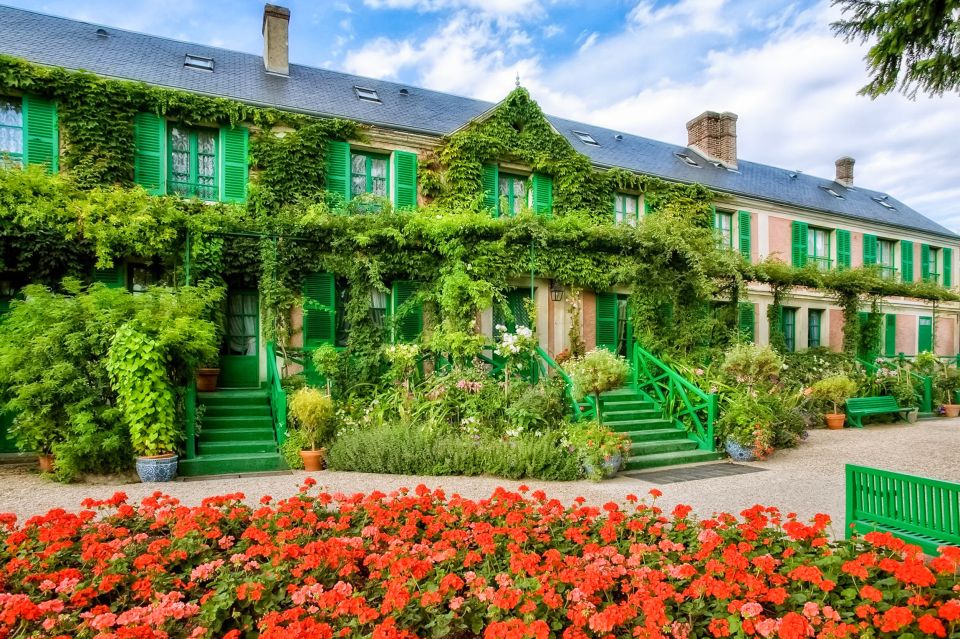
- Clos Normand time, with pointed explanations about plant species and garden design
- Monet’s house visit included, so you can connect the rooms to his working life and artistic choices
Meeting at Les Nymphéas: the easiest way to start right
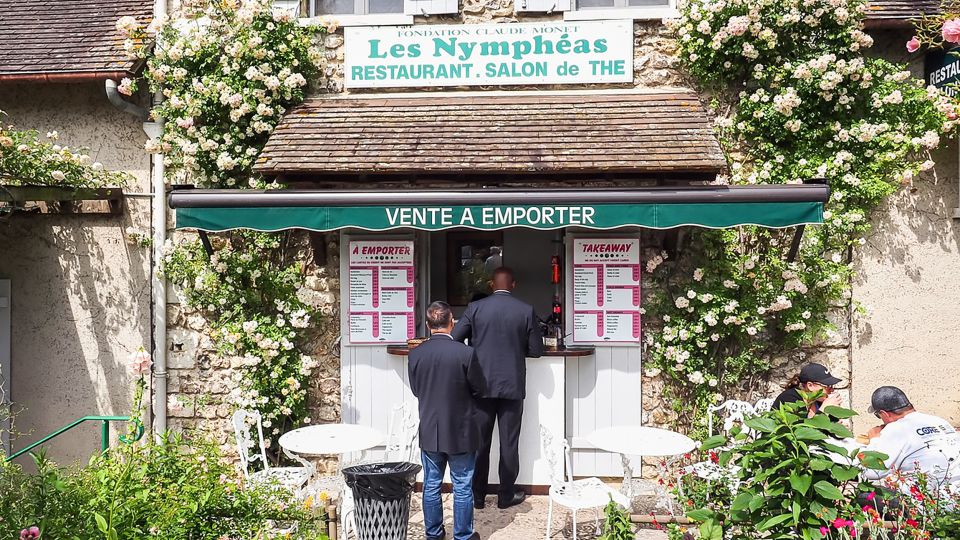
Giverny is popular, and that means timing matters. This tour starts at the Restaurant Les Nymphéas, which is the nearest easy landmark for reaching Monet’s House. When you arrive, look for your guide outside the café with a blue badge and a green folder marked written guided tour.
What I like about this setup is how it removes decision fatigue. You don’t need to figure out where the ticket lines split or how to coordinate entry on a crowded day. Your guide handles the prepaid tickets and directs you into the correct flow, which helps the whole visit feel smoother from minute one.
You can also read our reviews of more guided tours in Giverny



Skip-the-line entry: why it matters at Monet’s House
Monet’s House and Gardens can look compact on a map, but the real bottleneck is crowds at the entrance. Here, you get skip-the-ticket-line entry tickets and use a separate entrance so you avoid long waiting. That’s not just convenience. It gives you more “usable time” inside the gardens, when you’re actually walking, looking, and learning.
This is the kind of place where 30 extra minutes can change your experience. With fewer people in front of you, you’ll have better photo opportunities and more space to pause at the Japanese bridge view or along the flower beds without constantly weaving.
Water Garden first: water lilies and the Japanese bridge
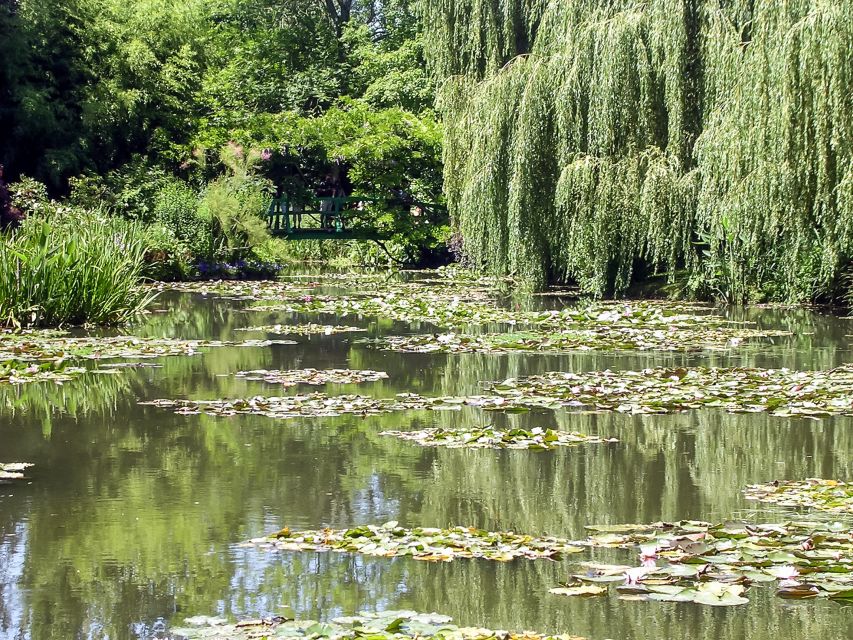
The tour’s first major garden stop is the water garden. Expect water lilies and the Japanese bridge—two elements that Monet clearly returned to in his painting. The guide’s job here is to help you see past the postcard view and understand why this scene worked so well for him.
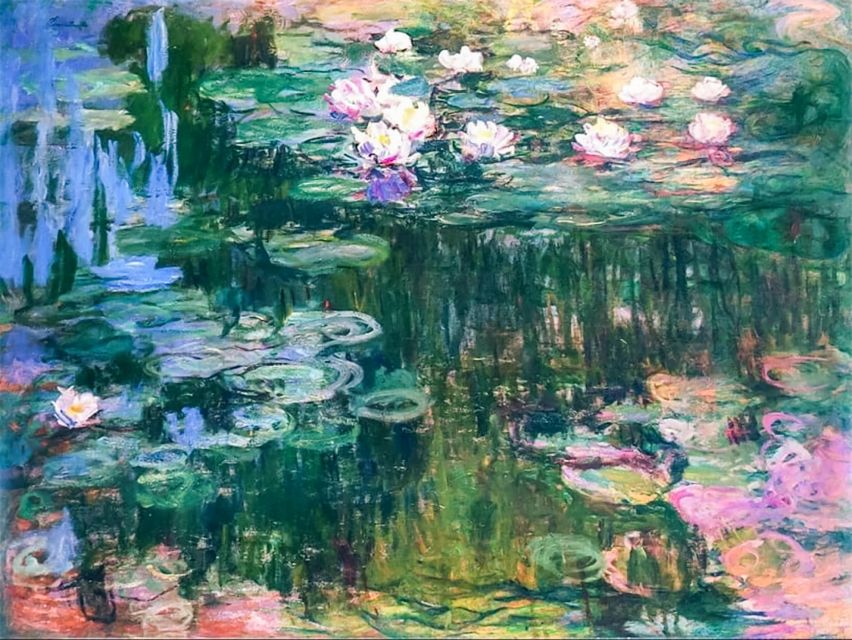
You’ll also get a guided walking rhythm that’s built for comprehension. Instead of wandering randomly, you move to the spots where the garden’s design creates the same visual effects Monet loved. It’s a good order too, because the water garden tends to set the tone for the rest of the visit: the light, reflections, and plant textures are the foundations of his most famous ideas.
Practical tip: water and reflective surfaces can make bright midday glare. If you’re thinking about photos, watch the sun direction and choose moments when the bridge and lilies aren’t washing out.
Clos Normand: where Monet’s planting choices show up
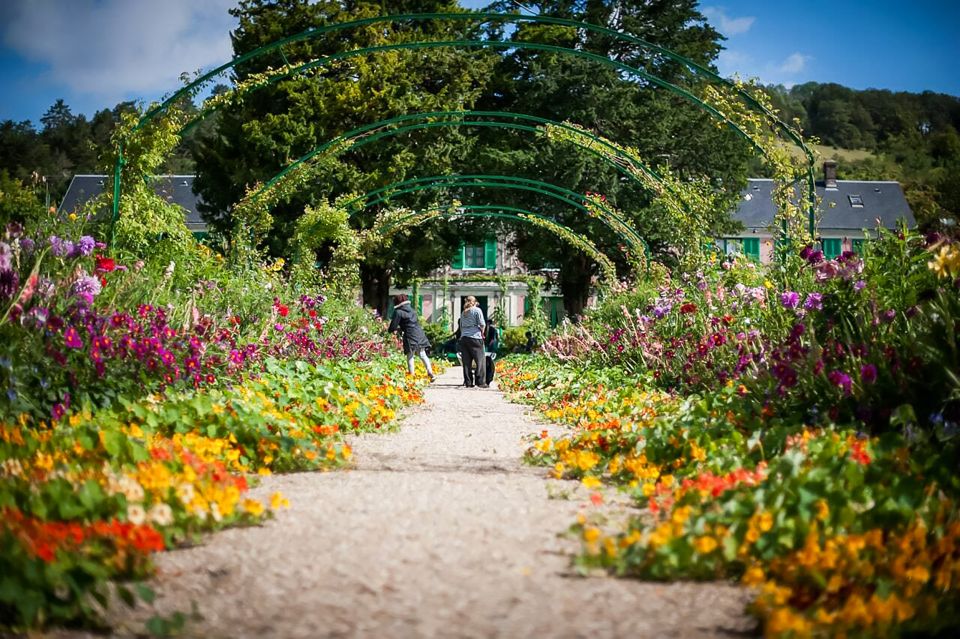
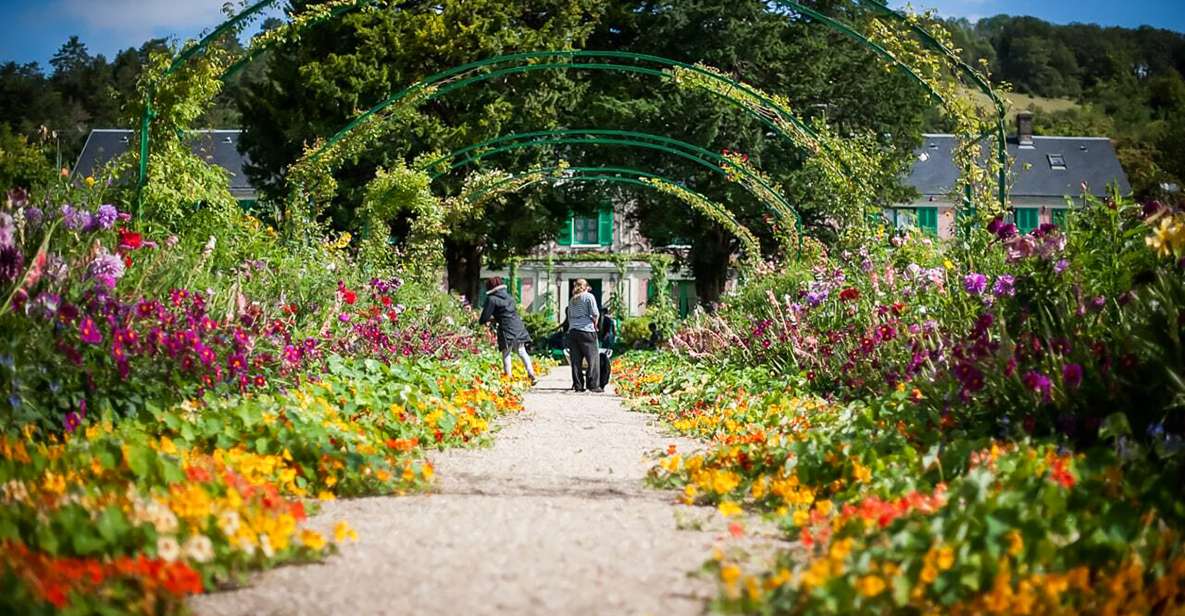
Next comes the Clos Normand, the enclosed garden space that feels more “garden as artwork.” This is where you’ll really notice the structure behind the beauty—bed shapes, flower placement, and the way the garden supports seasonal color.
Your guide points out different species of flowers and discusses why the garden layout mattered to Monet’s results on canvas. Even if you’re not a botany person, this part helps you understand something key: Monet wasn’t just painting pretty things. He was building a setting designed to change with light, time, and growth.
This is also where a small group shines. With a group limited to 10, you’re more likely to hear the garden explanations without losing the thread when you stop for photos or ask a question.
Monet’s House: history in the rooms, not just outdoors
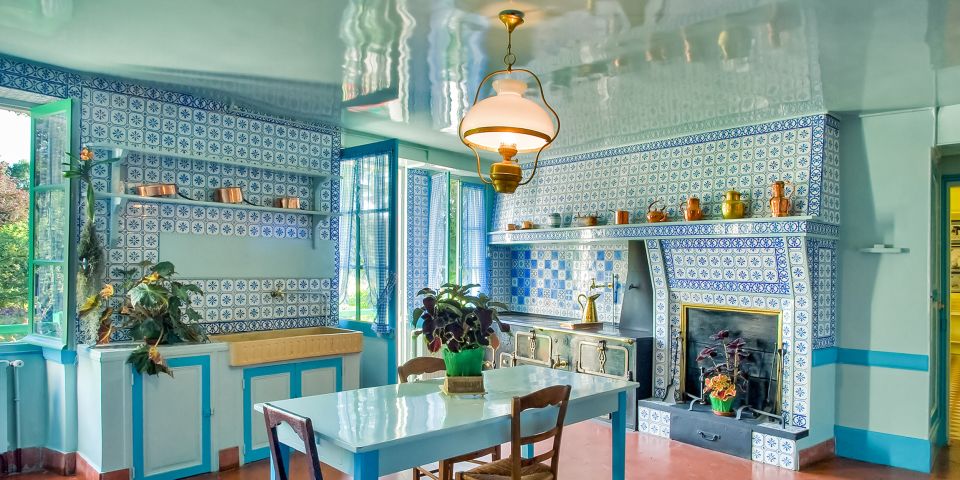
After the gardens, the tour moves inside Monet’s house. This is a different kind of payoff. Outdoors, you’re learning how the landscape supports a painting style. Indoors, you’re learning how Monet lived with his art and organized his world around it.
The guide ties Monet’s home to his life and career—why he became a master of Impressionism, how his family life fit into daily routines, and how his interest in light and color connects to what you just saw outside. Reviews consistently praise guides who can answer follow-up questions, and this tour is structured to allow that kind of interaction.
One practical benefit: you’ll usually have a chance to slow down and take a breath compared to constant garden walking. The house visit can also be a smart reset if the weather turns hot, since shade and indoor time can make the tour feel more comfortable.






Group size and pacing: interactive, not a lecture marathon
This is designed as an interactive small group tour limited to 10 participants. That matters because Monet’s House can attract big crowds, and large guided groups can feel like you’re being herded. Here, you’re more likely to keep up with the story while still having space to look closely.
The pacing is also meant to avoid the typical “checklist sprint” that leaves you with photos but no meaning. Expect a guided walk that builds in context—Monet’s life, why the garden looked the way it did, and how flowers connect to his paintings. In several accounts, guides like Brigitte are singled out for doing exactly this: keeping things organized, answering questions, and staying friendly without dragging it out.
If you’re the type who likes to ask why something looks the way it does, you’ll probably enjoy this format. If you prefer silent wandering, you might end up wanting more independent time—though you do get that after the tour.
Time on your own: linger in the gardens and shop for souvenirs
At the end of the guided portion, you’re free to stay longer and stroll on your own. This is a smart way to get the best of both worlds. You get the guided explanations first, then you can return to the water garden or Clos Normand with fresh eyes.
There’s also a big gift shop before you exit. If you like local art books, prints, or garden-themed souvenirs, plan your shopping after the tour rather than during it. You’ll enjoy the gardens more when you’re not mentally dividing your attention between looking and buying.
Price and value: does $69 make sense for 2 hours?
At $69 per person for a 2-hour tour, the value depends on what you’d otherwise do. If you go without a guide, you can still see Monet’s home and gardens, but you’ll miss the “why” behind the layout and plant choices. This tour includes skip-the-line entry tickets plus a licensed local guide, which is usually what turns a good visit into a memorable one.
For me, the price makes sense for three reasons:
- You buy time savings with skip-the-line entry, which matters at busy Giverny
- You buy context, especially for the water garden and Clos Normand design choices
- You buy a tighter experience, since the group is small and guided pacing helps you avoid getting stuck behind crowds
Is it expensive? Sure, compared to self-guided entry. But for many people, Monet’s House becomes worth it when the garden turns from a scenic stop into an art lesson you can walk through.
Best season and smart timing for a better experience
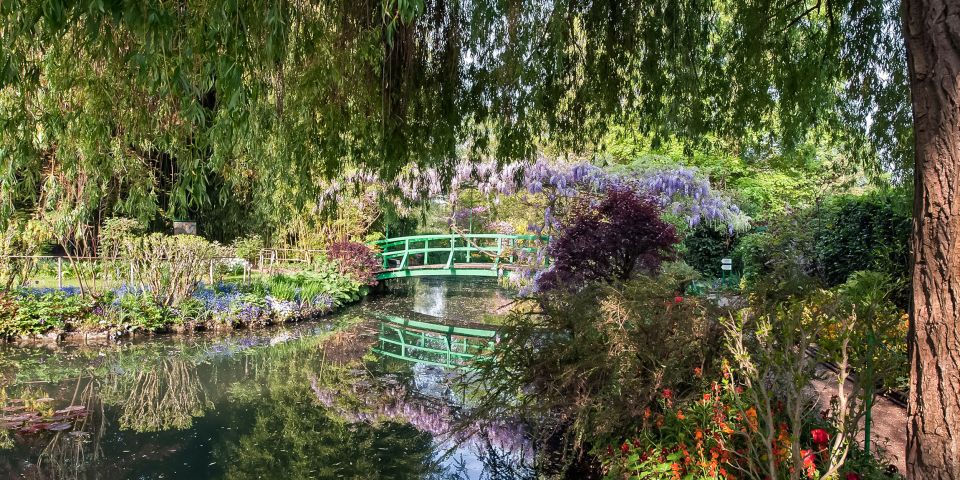
The gardens are at their most magical from early spring through the first days of November. If your travel window allows it, aim for that window for the best chance of color and fragrance.
Also think about time of day. One of the clearest practical tips is to consider entering early—morning usually means fewer people and easier photo moments. Some guidance you’ll hear for visiting includes timing around when the site is busier later in the day, and noting that the site closes to visitors during November and some part of spring. If your dates fall outside the main season, double-check opening times before you book anything.
Who this tour is best for
This guided tour is a strong match if you:
- Want to see Monet’s home and gardens with real context, not just scenery
- Enjoy small-group interaction and short answers to your questions
- Care about art history but prefer it tied to actual places, plants, and views
- Plan to be at Giverny for a limited time and want to make those hours count
If you’re totally uninterested in painting background or plant explanations, you might prefer a self-guided visit. But if you like connections—how art and garden design feed each other—this format fits well.
Should you book this Monet’s House and Gardens guided tour?
Yes, if you want the easiest way to get meaningful time at Monet’s House. The combination of skip-the-line entry, a licensed local guide, and a small group (10 max) is the recipe for a visit that feels organized and memorable instead of frantic.
Book it especially if you’ll be there during peak season and you don’t want to lose time in queues. If language is important to you, choose your session carefully since the tour runs in one language only. And if you get heat-sensitive, plan on using the house and shaded moments during the visit to stay comfortable.
FAQ
How long is the Monet’s House and Gardens guided tour?
The tour lasts about 2 hours, which is enough time to cover the key garden areas and Monet’s house without turning it into an all-day project.
Where do I meet the guide?
Meet your guide outside Les Nymphéas café/restaurant. Your guide will have a blue badge and a green folder labeled written guided tour.
Does this tour include skip-the-line entry?
Yes. You get skip-the-ticket-line entry tickets and you enter through a separate entrance.
What will I see during the tour?
You’ll visit Monet’s house and gardens, including the water garden with the water lilies and Japanese bridge, and then the Clos Normand.
How big is the group?
It’s a small group limited to 10 participants.
What languages are available?
The live tour guide is offered in French or English. The tour is operated in one language only for your session.
Is the tour wheelchair accessible?
Yes, the tour is wheelchair accessible.
Is food or drinks included?
No. Food and drinks are not included.
Can I cancel for a full refund?
Yes. You can cancel up to 24 hours in advance for a full refund.
Can I reserve now and pay later?
Yes. You can reserve your spot and pay nothing today, then pay later.