REVIEW · PARIS
The Père Lachaise Cemetery: Guided 2-Hour Small-Group Tour
Book on GetYourGuide →Operated by Nekovisit · Bookable on GetYourGuide
Famous graves, real Paris mood, fast. I love the small-group size, because your guide can slow down, answer questions, and steer you toward what you care about. I also love how the tour uses the cemetery as an outdoor lesson in design—architecture, sculptures, and symbolism—so you leave with more than a list of famous names.
That said, there’s a practical catch: Père Lachaise is big, hilly, and built for walking. This tour is not recommended for people with walking disabilities, and it’s not suitable for wheelchair users, so wear shoes that can handle uneven paths and a steady pace.
In 2 hours, you’ll cover a lot of ground and still get context. Expect stops tied to headline graves like Chopin and Jim Morrison, plus major literary and cultural figures such as Oscar Wilde, Edith Piaf, and Delacroix, along with legends like Heloise and Abelard and the story behind the cemetery’s name.
In This Review
- Key things that make this tour worth your time
- Finding your guide at Gambetta Square (and getting your bearings fast)
- What Père Lachaise feels like on the ground: huge, theatrical, and very human
- The Père Lachaise name and origin story (why the cemetery exists the way it does)
- Chopin, Jim Morrison, and the other headline graves—how the tour uses them
- Architecture and sculpture lessons you can actually see
- Legends, anecdotes, and the small moments that make it memorable
- How 2 hours works in a place this big (and how to get the most)
- Price and value: what you’re really paying for at $28
- Language notes: French guide, and what to do if your French is limited
- Who should book this tour, and who should skip it
- Should you book this 2-hour Père Lachaise guided tour?
- FAQ
- How long is the Père Lachaise Cemetery small-group tour?
- What is the price per person?
- Where do we meet the guide?
- What’s the nearest metro station?
- How big is the group?
- What language is the tour guide?
- What should I bring?
- Is the tour suitable for wheelchair users or mobility impairments?
- What’s not allowed during the tour?
- Is free cancellation possible?
- Is pay later an option?
Key things that make this tour worth your time
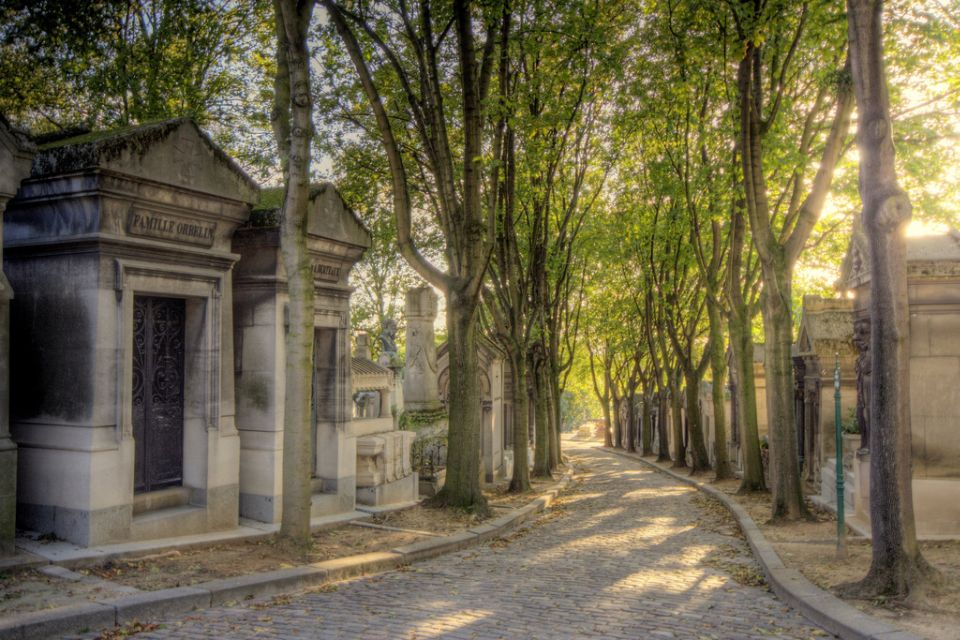
- Small group (up to 10): You get more attention and a route that can adjust to your must-sees.
- Licensed guide, live explanations: You’re not just reading plaques—you’re getting the why behind them.
- Real cemetery design work: Learn how tombs, architecture, and sculptures communicate status, faith, and family pride.
- The name origin + major legends: You’ll hear how Père Lachaise got its name and why certain stories are retold here.
- The famous-graves route fits 2 hours: Chopin and Jim Morrison are easy anchors, but you’ll also see plenty beyond them.
Finding your guide at Gambetta Square (and getting your bearings fast)
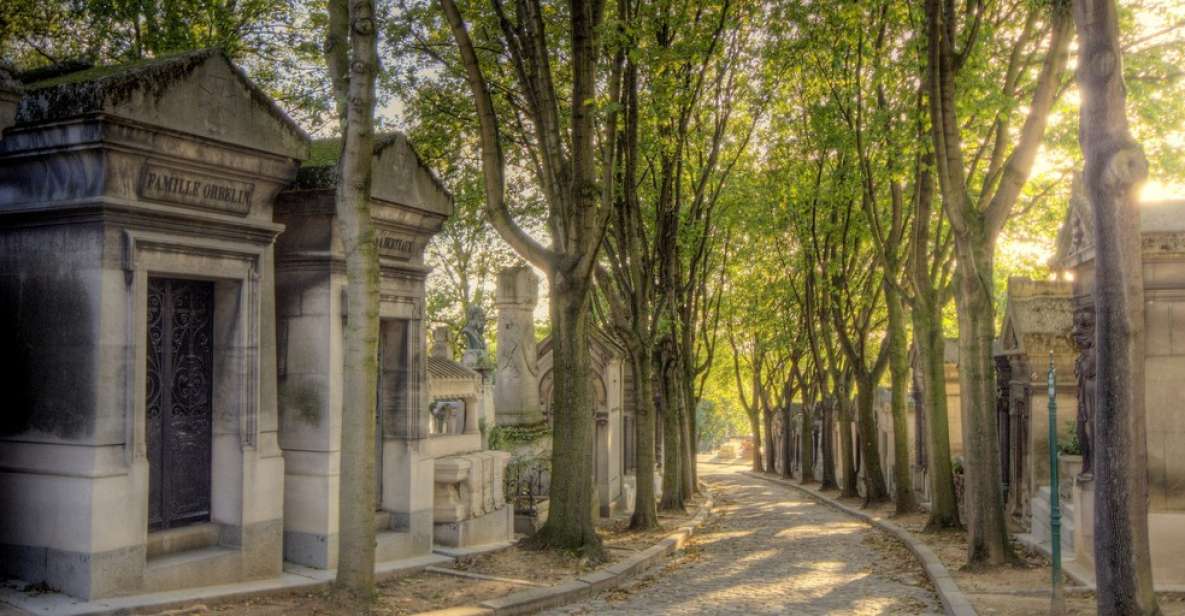
The tour starts in front of the Societe Generale bank on Gambetta Square. If you’re coming by metro, use Gambetta (Line 3). It’s a simple meeting point, but it matters because the cemetery is spread out and you’ll want to begin with a clear head.
Once you’re with the guide, the rhythm kicks in quickly: walk, look up, listen, and then walk again. This is not a sit-and-talk tour. In fact, one of the biggest values of hiring a guide here is that you don’t waste time second-guessing where to go next.
What I recommend: think of your visit as a mini itinerary. If you have a short list of graves (even 3–5 names), bring it. A good guide can steer the route around your list instead of forcing you into a generic “greatest hits” loop.
You can also read our reviews of more guided tours in Paris



What Père Lachaise feels like on the ground: huge, theatrical, and very human
Père Lachaise opened in Paris in 1804 and remains the city’s biggest cemetery today. That size is exactly why a guided route is useful: without one, you can wander for hours and still miss the context that makes the place click.
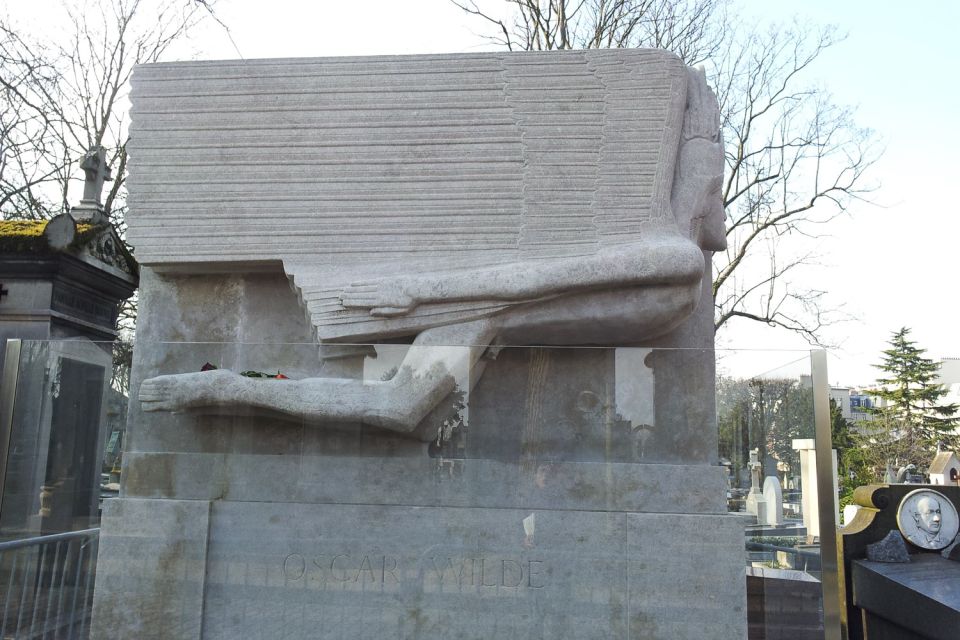
During the 2-hour walk, you’ll notice how the cemetery works like an outdoor gallery. Graves aren’t only markers; they’re miniature monuments. You’ll see different styles of stonework, sculpted details, and family vaults that look like they belong in a European art collection—not just a burial ground.
And yes, the famous names are here. But the tour’s real payoff is how the guide connects those names to what you’re seeing. When you understand the design choices—how sculptors and families used form and symbolism—it stops feeling like random stops and starts feeling like a coherent story you can walk through.
The Père Lachaise name and origin story (why the cemetery exists the way it does)
A big piece of what you’ll hear is the explanation of how the cemetery got its name and the origins behind Père Lachaise. That may sound like a trivia stop, but it’s actually the kind of context that changes your whole visit.
Once you know the origin, the cemetery stops being just a famous place for celebrity graves. It becomes part of how Paris organized space, memory, and public identity over time. Guides also tie in legends like Heloise and Abelard—the star-crossed lovers whose story is woven into the cemetery’s cultural identity.
This is where the tour’s pacing matters. In a cemetery, you don’t want to rush past the emotional weight of certain legends or famous memorials. A guide helps you slow down at the right moments—long enough to look, read, and understand what you’re seeing.
Chopin, Jim Morrison, and the other headline graves—how the tour uses them
If you’re coming for the obvious names, you’ll be happy. Père Lachaise is known for graves of major cultural figures, including Chopin, Jim Morrison, Oscar Wilde, Edith Piaf, and Delacroix.
Here’s the practical advantage: famous graves act like anchors. In two hours, anchors keep your visit from becoming a blur of stone. They give you a clear reason to look carefully—because once you stop at one superstar grave, the nearby details suddenly make sense too.
What’s smart about the guide approach is that you’re not limited to only the most famous markers. The tour is built to show you different kinds of architecture and sculptures along the way. So after you’ve seen the headline names, the rest of the cemetery feels less like background and more like a set of meaningful variations.
Also, don’t be surprised if your guide adjusts. One booking detail that stands out: guides have been willing to accommodate requests for specific graves, even when those are spread farther apart. That’s the benefit of paying for guidance in a place this large.
Architecture and sculpture lessons you can actually see
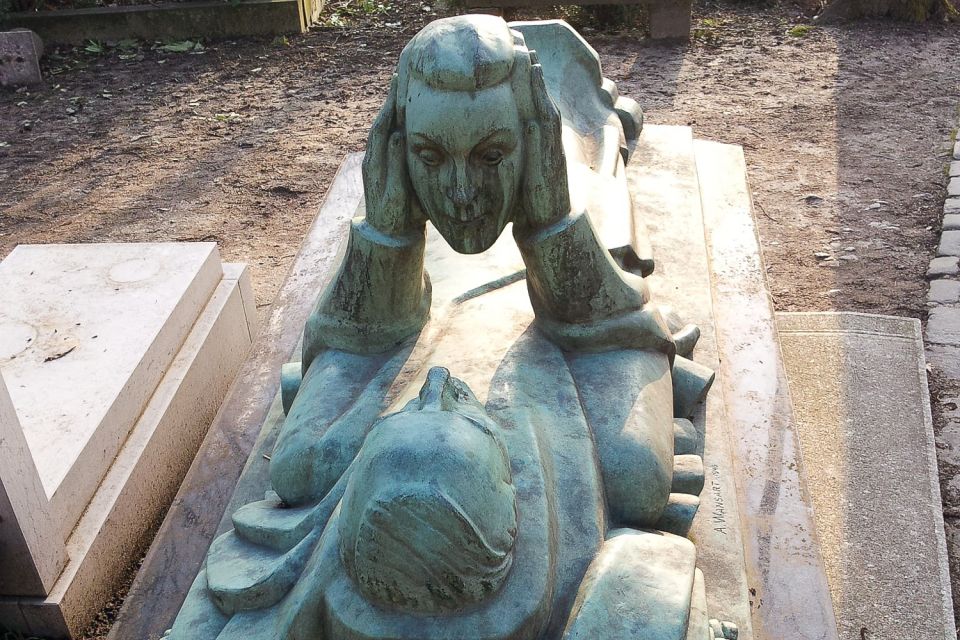
This is where Père Lachaise becomes more than a cemetery checklist. The guided portion highlights the different ways tombs are designed—how architecture and sculpture show meaning.
As you walk, you’ll pick up patterns quickly:
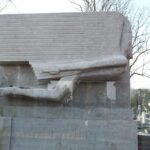
- Some graves feel like small buildings: strong lines, heavy stone, and a sense of permanence.
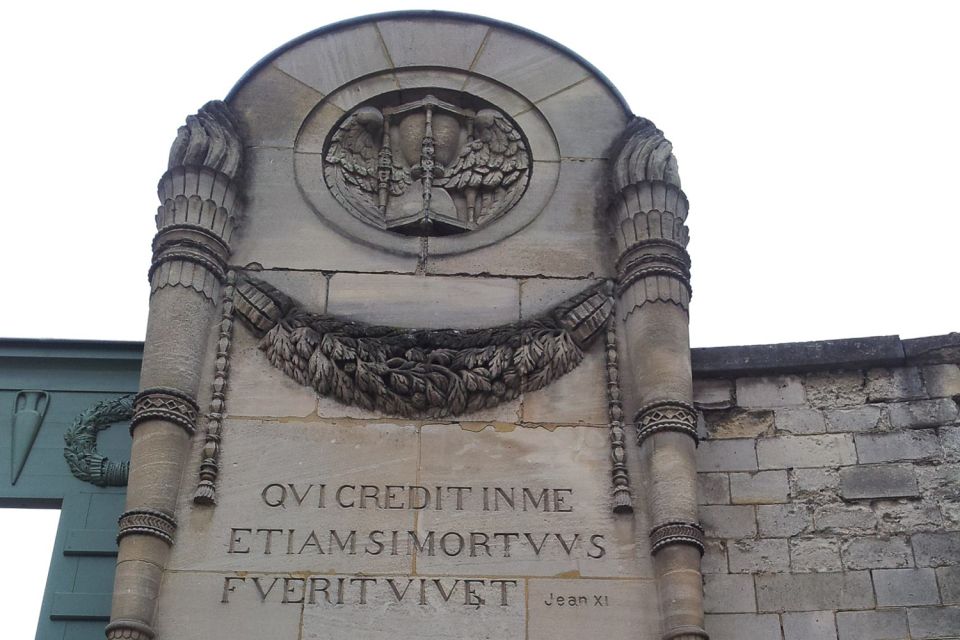
- Others rely on sculpted figures and symbolic ornament, meant to communicate personality, devotion, or legacy.
- You’ll also notice how families used the cemetery as a lasting public statement—something Paris literally built into the city’s map of remembrance.
A guide explains what you’re looking at, so you’re not stuck guessing why one tomb looks “ornate” and another looks “severe.” The point isn’t to memorize art history. The point is to learn the cemetery’s language, so you can interpret what you see in real time.
You can also read our reviews of more tours and experiences in Paris



Legends, anecdotes, and the small moments that make it memorable
Cemeteries can go one of two ways: either you rush through, or you get emotionally stuck and lose the thread. This tour aims for the best middle.
You’ll hear historical explanations plus stories and legends tied to specific places. Examples you should expect include the legend of Heloise and Abelard, and the tour’s focus on how certain stories became part of the cemetery’s reputation.
There’s also something quietly entertaining about this kind of place: the monument design is dramatic, and the cultural references can feel playful without becoming disrespectful. The best guides keep that balance—serious where it needs to be serious, light where it fits the tone of the story.
If you want a simple strategy, it’s this: let the guide’s anecdotes guide your eyes. When you hear a story tied to a grave, look at the details again. Often, the stonework starts telling you the story back.
How 2 hours works in a place this big (and how to get the most)
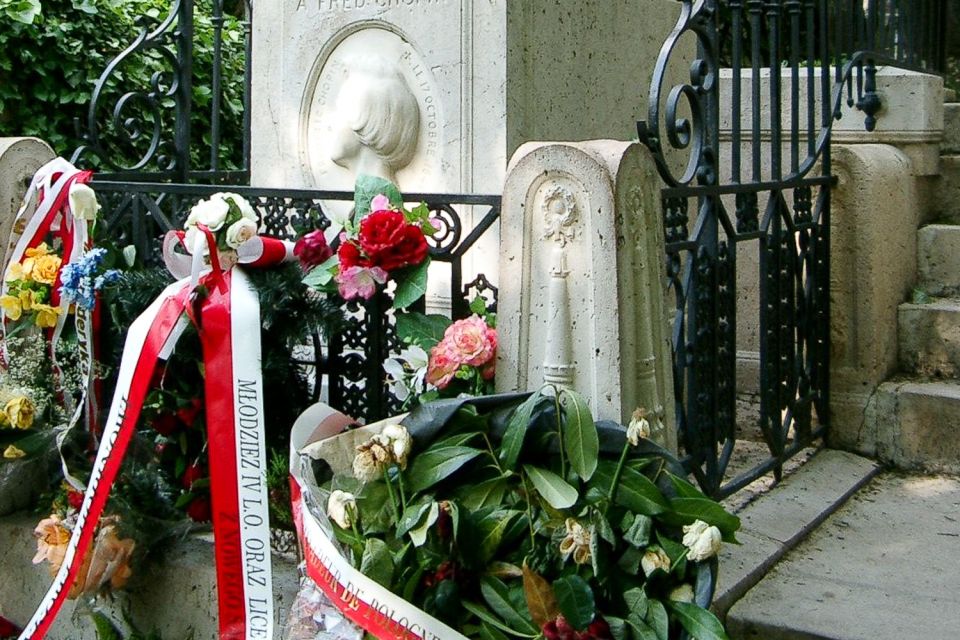
Père Lachaise is huge. In 2 hours, you’re not seeing everything. You’re choosing a smart slice—and learning how to read the slice.
The tour’s structure helps you do exactly that. You’ll move at a walking pace that fits a small group, and you’ll cover a route planned around key monuments and architectural variety. Many people find that 2 hours hits a sweet spot: long enough to feel you understood the place, short enough to not burn your legs out before the rest of Paris.
Still, be realistic. This is a cemetery with uneven paths and stairs in places. Bring comfortable shoes. If you’re hoping for an easy stroll, this probably won’t feel easy.
If you’re deciding what to request from your guide, go with a simple approach:
- List the names you most care about (Chopin, Morrison, Wilde, whoever)
- Add one wildcard interest (French literature, music, famous scandals, or just “architecture and sculpture”)
That’s the kind of input guides can work with, and it turns your 2-hour walk into your visit, not just a route you passively follow.
Price and value: what you’re really paying for at $28
At $28 per person for a 2-hour guided experience, you’re paying for more than someone walking alongside you. You’re paying for route efficiency, historical context, and interpretation of what you’d otherwise miss.
Think about the alternative: wandering without a guide. You can certainly see famous graves. But you’ll likely spend time finding them and then still wonder what makes the design choices matter. Here, the guide covers:
- origin and name context
- historical explanations tied to places you see
- help navigating the cemetery efficiently
- architectural and sculpture interpretation that turns markers into meaning
The small-group cap (limited to 10 participants) also matters. It keeps questions possible and helps the guide pace the group. In a place like this, that can be the difference between a rushed highlight tour and a walk you actually remember.
Language notes: French guide, and what to do if your French is limited
The tour is listed with a French live guide. That’s important if you rely heavily on understanding every word.
Still, a helpful real-world detail from one booking: a guide switched to English when someone had mistakenly booked the tour in French. So while French is the official language, there’s some flexibility depending on the guide and the group.
My advice: if your French is basic, you’re not doomed. You’ll still get a lot from visual context—names, monuments, and the way stories are tied to specific graves. If you want maximum comprehension, keep expectations realistic and focus on the places and themes you care about most.
Who should book this tour, and who should skip it
This is a great fit if you:
- want famous graves like Chopin and Jim Morrison with context
- like guided explanations that connect history to what you’re seeing
- prefer a small group over large crowds
- can handle steady walking for about 2 hours on cemetery paths
It’s not a great fit if you:
- have walking disabilities or need wheelchair access (this tour isn’t recommended for those situations)
- expect minimal walking or very flat terrain
One more “fit” note: if you’re the type who enjoys reading stone details and noticing sculpture styles, you’ll probably get extra satisfaction. If you’re only chasing a quick photo, the guide may feel slower than you want.
Should you book this 2-hour Père Lachaise guided tour?
If you want a smart way to experience one of Paris’s most famous cemeteries without losing your time to navigation, I’d book it. The combination of a licensed guide, a small group up to 10, and guided context around major graves and legends makes the experience feel focused instead of chaotic.
Just go in with two practical expectations: wear comfortable shoes, and accept that this is a walking tour in a place that’s physically demanding. If that works for you, you’ll leave with a better understanding of how Père Lachaise became a public memory machine—from its name origins to the design of the tombs you passed.
FAQ
How long is the Père Lachaise Cemetery small-group tour?
The tour lasts 2 hours.
What is the price per person?
The price is $28 per person.
Where do we meet the guide?
Meet your guide in front of the Societe Generale bank on Gambetta Square.
What’s the nearest metro station?
The nearest metro station is Gambetta (Line 3).
How big is the group?
The tour is a small group limited to 10 participants.
What language is the tour guide?
The live tour guide speaks French. In at least one case, the guide accommodated English when a guest had booked the French tour by mistake.
What should I bring?
Bring comfortable shoes for walking.
Is the tour suitable for wheelchair users or mobility impairments?
No. It is not recommended for people with walking disabilities, and it is not suitable for wheelchair users or mobility impairments.
What’s not allowed during the tour?
Pets, oversize luggage, and smoking are not allowed.
Is free cancellation possible?
Yes. You can cancel up to 24 hours in advance for a full refund.
Is pay later an option?
Yes. You can reserve now & pay later, meaning you can book your spot and pay nothing today.