REVIEW · PARIS
Paris Montmartre: 2-Hour City Tour in German
Book on GetYourGuide →Operated by HelpTourists · Bookable on GetYourGuide
Montmartre works best with a guide and a plan. This 2-hour walk through Paris’s artists’ hill pairs a German-speaking guide with stops at the big landmarks—Sacré-Cœur, Place du Tertre, and Moulin Rouge—plus calmer side streets you’d miss on your own. I love the way the guide connects Montmartre’s art legends to what you see in front of you, not just names on a wall, and I also love the mix of famous views and off-the-beaten-path moments away from the worst crowds.
One possible drawback: this tour is German only, so if you don’t feel comfortable in German, you’ll lose a lot of the value fast.
In This Review
- Key things you’ll notice on this Montmartre tour
- Why Montmartre still feels different from the rest of Paris
- Starting at Place Blanche and finding the right vibe fast
- Moulin Rouge: beyond the postcard façade
- Moulin de la Galette: the art-hill energy in a more local frame
- Place du Tertre: where artists perform for the present
- Sacré-Cœur Basilica: the view is only half the reason to go
- Lapin Agile: a quirky stop with real Montmartre character
- Vigne du Clos Montmartre: a calmer ending with a local touch
- About the guide experience: what makes it feel personal
- What’s the value of $91 for 2 hours?
- Who should book this Montmartre tour?
- Should you book Paris Montmartre: 2-Hour City Tour in German?
- FAQ
- Is the tour a walking tour?
- What language is the guide?
- How long is the Montmartre tour?
- Where do we meet for the tour?
- What is included in the price?
- Are entrance fees or food included?
Key things you’ll notice on this Montmartre tour
- German-first storytelling tied to real corners of Montmartre, not a generic script
- A tight 2-hour route that still hits major sights like Sacré-Cœur and Moulin Rouge
- Hidden streets and lesser-seen spots that help Montmartre feel less crowded
- Art-history landmarks like Place du Tertre and Lapin Agile in the same outing
- Scenic, uphill views as you work your way from the Blanche area toward Sacré-Cœur
Why Montmartre still feels different from the rest of Paris
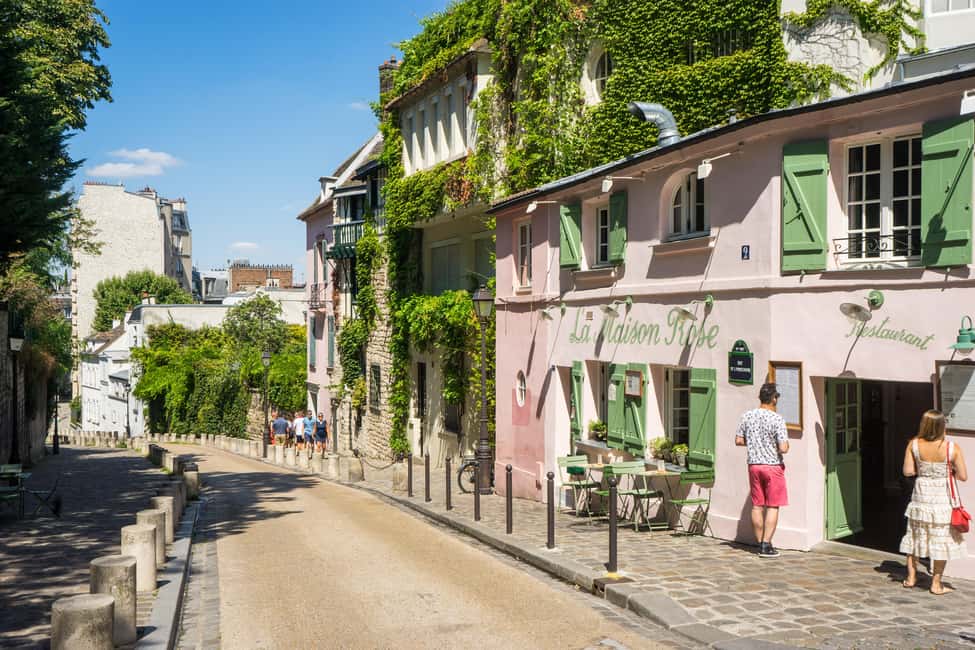
Montmartre sits high above the city, and you feel that elevation in the walk. It used to be outside the city gates—more retreat than destination—then it turned into the beating heart of Paris bohemia in the early 1900s. Today the hill still carries that “artists lived and worked here” energy, even when modern crowds surge into the same viewpoints.
The smartest part of this tour is that it treats Montmartre like a lived-in neighborhood, not just a photo list. I like how you’re shown both the headline landmarks and the smaller details around them: street layouts, working atmospheres, and the everyday rhythm of cafés and studios. When you learn why places mattered to painters and writers, the stones and staircases stop being scenery and start being context.
You also get a guide who knows the area well enough to steer you toward quieter angles. That matters in Montmartre, where it’s easy to spend your time dodging people at the most obvious stops. A focused route can make the district feel lighter and more personal.
You can also read our reviews of more city tours in Paris



Starting at Place Blanche and finding the right vibe fast
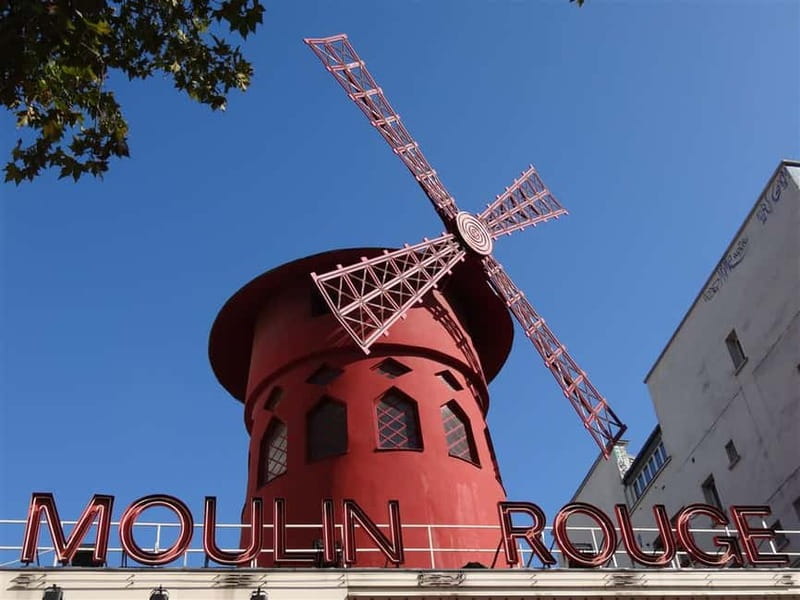
Your tour meeting point is at the Blanche metro area (M2), on the small traffic island in front of the Moulin Rouge cabaret. Practically speaking, that location is convenient because it anchors you right at the edge of the Montmartre story. You arrive already in the zone people associate with the hill—so the guide can set context immediately.
From the start, you’ll understand the contrast Montmartre offers. Moulin Rouge is famous for a reason, but it’s also a reminder of how theatrical the district became as art culture spread. Starting at Blanche keeps you from wasting time figuring out where to go first. You can just show up, meet the guide (they carry a bag with a HelpTourists logo), and start walking.
If you’re thinking about comfort: bring shoes you can trust on cobblestones and slopes. This is a walking tour through old streets, and even though it’s only two hours, the hill does add a little effort. The upside is that you’ll earn viewpoints as you go, instead of doing a flat, urban stroll.
Moulin Rouge: beyond the postcard façade
One of the first big stops is Moulin Rouge, which you’ll see as more than a name on a billboard. A good guide here should help you connect the landmark to the broader Montmartre story—how the hill became a stage where art, performance, and nightlife blended.
You’ll get a clear sense of why this area pulled in visitors and creators. Even if you know the basics already, it helps to hear the neighborhood logic: where people gathered, why the district drew attention, and how Montmartre’s artistic reputation grew over time.
This is also where I recommend you adjust expectations a little. Moulin Rouge is busy. You won’t turn it into a quiet museum. But with a guide, you can still make it meaningful—like understanding why this spot became such a recognizable symbol of the hill’s showy side.
Moulin de la Galette: the art-hill energy in a more local frame
Next up is Moulin de la Galette, another Montmartre landmark that feels more “neighborhood” once you’re there. The key value isn’t just seeing a building; it’s learning how this hill supported social life and creative life, not only grand monuments.
Montmartre’s magic is often in the slightly everyday scenes: the places where people met, worked, and watched one another. A guide can point out cues you might otherwise miss—how streets funnel movement, where the district’s layers show up, and what kinds of activities shaped the area’s reputation.
If you care about atmosphere, this stop is helpful. It bridges the gap between the theatrical reputation and the more grounded reality of Montmartre as a place people actually lived their days.
Place du Tertre: where artists perform for the present
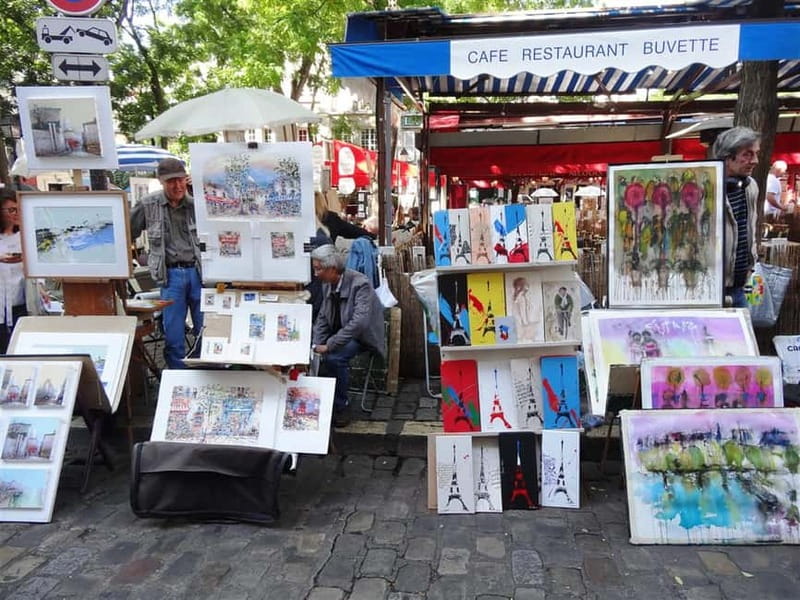
Place du Tertre is famous, and it’s famous for a reason. It’s lively, it’s visual, and it sits right at the center of Montmartre’s public-facing art culture. Here, the tour logic makes sense: you hit Place du Tertre after you’ve already established what Montmartre used to be and how its bohemian identity formed.
Your guide should help you understand why this square became such a magnet for artists and spectators. It’s not only about what’s there now; it’s about how Montmartre became a place where creativity was seen and shared in public spaces.
One smart move for this stop is to take a moment for orientation before you look at everything at once. Let the guide point out what to notice, then do a slow scan. Even in a busy square, you can find details worth your time: the way streets open onto views, and the little corners that feel like they’ve kept the hill’s personality.
You can also read our reviews of more tours and experiences in Paris





Sacré-Cœur Basilica: the view is only half the reason to go
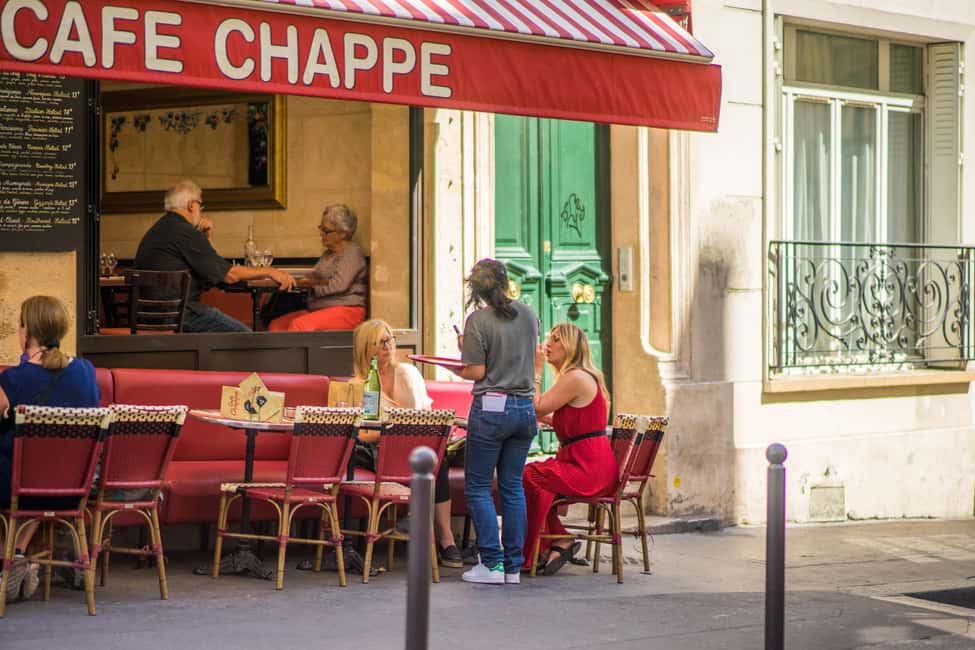
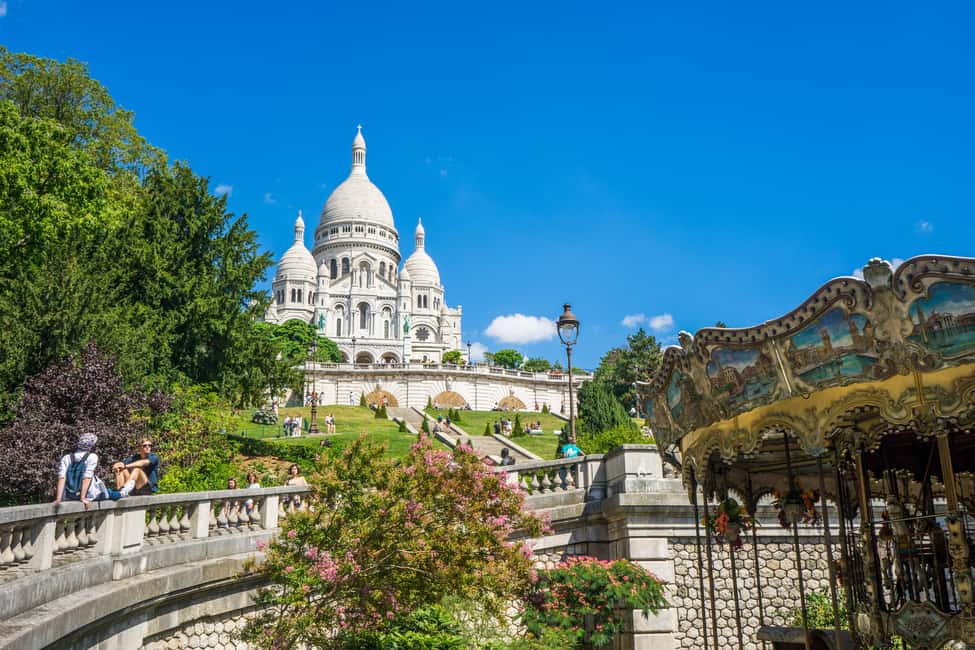
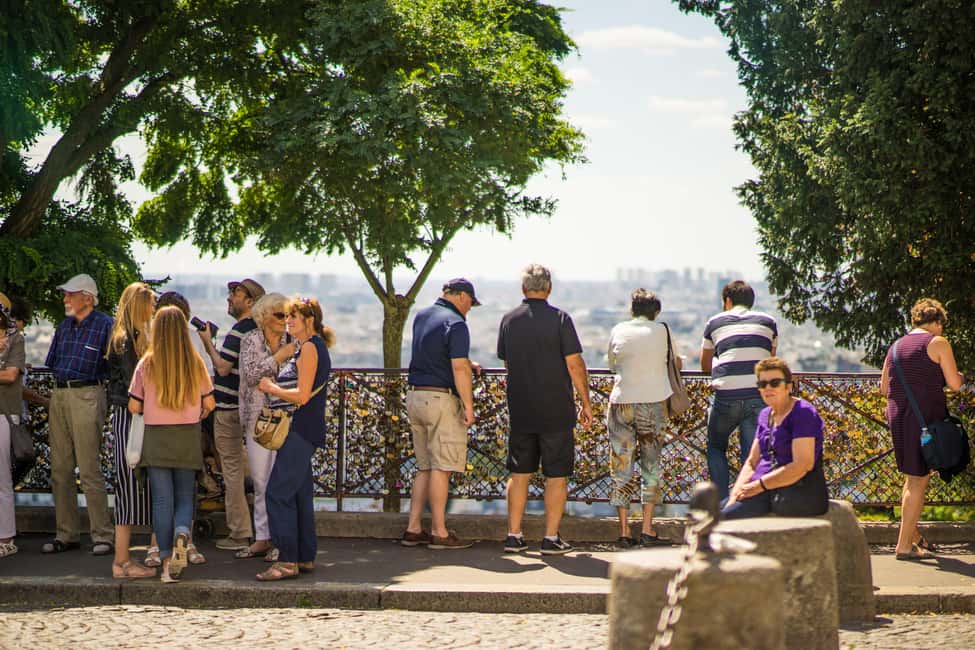
Sacré-Cœur Basilica is the iconic destination you expect, but you get more value when you reach it with context. The sheer white basilica is striking, and from here you understand why people historically came up to the hill. The district’s drama—its slope, its winding lanes, its “above the city” feeling—makes more sense when you’re looking out from the top.
This stop also works because it’s a natural reward after walking uphill. You’ve earned the space and the sights. Instead of treating Sacré-Cœur as a final checkmark, you can treat it as the capstone that ties together the hill’s artistic story and its role as a visitor landmark.
Keep your timing in mind. Because the tour is two hours, you’ll want to focus on what matters: quick viewpoint moments, then move on. The guide helps you avoid wasting that limited time on milling around where everyone else stands.
Lapin Agile: a quirky stop with real Montmartre character
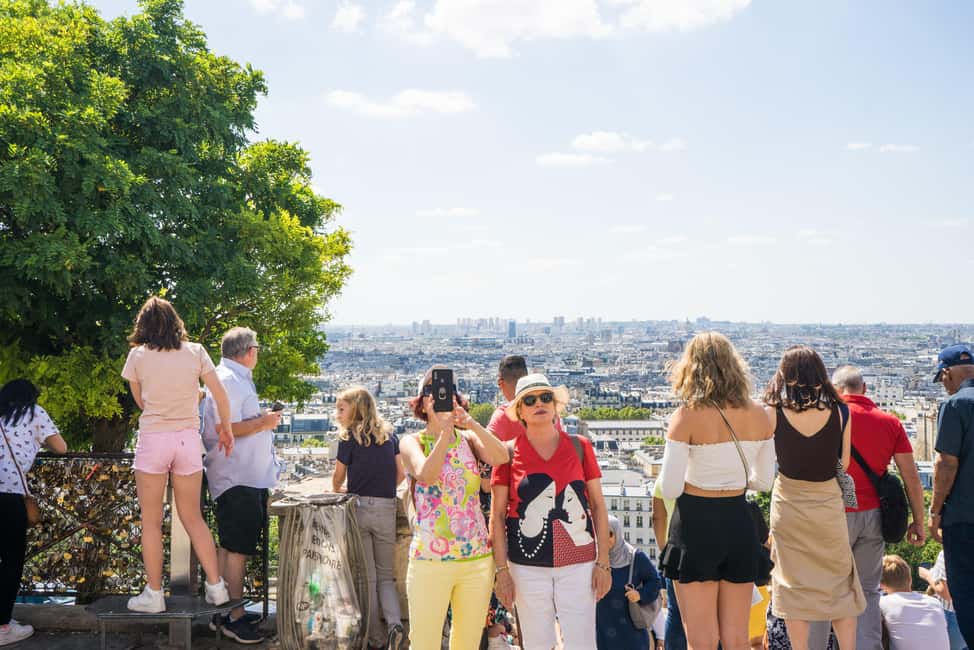
Lapin Agile is one of those stops that makes a tour feel like it has a point of view. It’s not as instantly recognizable as Sacré-Cœur, and that’s exactly why it’s valuable. You’re getting a slice of Montmartre that feels more like the hill’s personality than its monuments.
What I like about including Lapin Agile is that it supports the theme of Montmartre as a creative home. Places like this help you sense how art culture didn’t live only in galleries—it lived in meeting spots, conversation spaces, and informal venues where creativity could happen.
Even if you’re not there for a long visit, the guide’s stories make it land. The stop feels fun, but also purposeful.
Vigne du Clos Montmartre: a calmer ending with a local touch
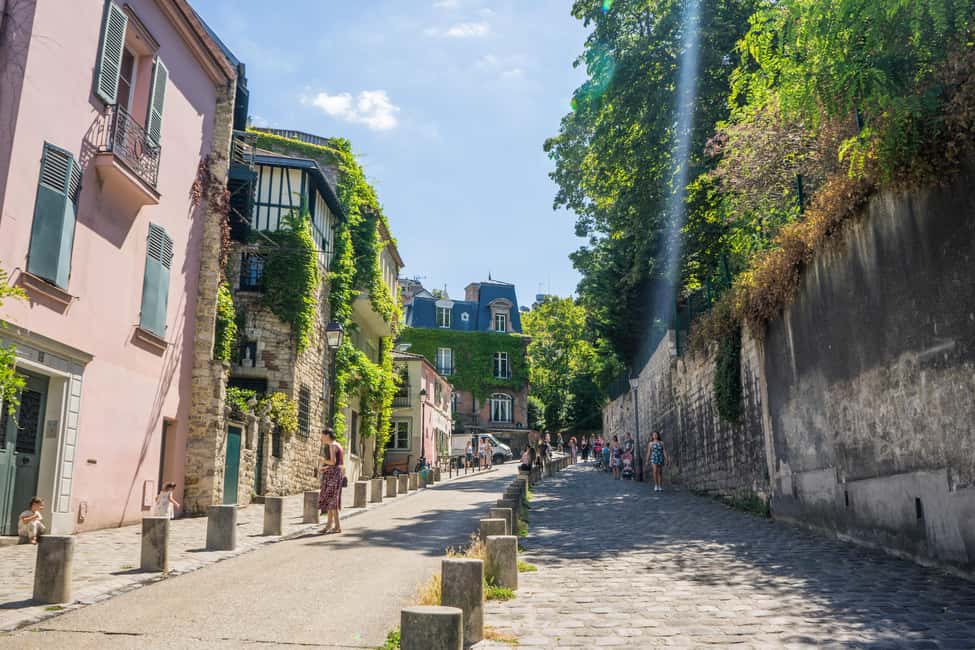
The walk also includes Vigne du Clos Montmartre, which adds a surprising angle to a “big sights” neighborhood. Vineyards on the hill make Montmartre feel more grounded in daily life and tradition, not only in performance and photography.
This stop is great if you like variety. After seeing the famous squares and iconic basilica, it’s refreshing to shift toward something quieter—something that feels like Montmartre still remembers its older roots.
The vineyard area can also be a good place to pause and reset your pacing. If you’ve been navigating crowds, this kind of calmer final segment helps the tour feel balanced rather than frantic.
About the guide experience: what makes it feel personal
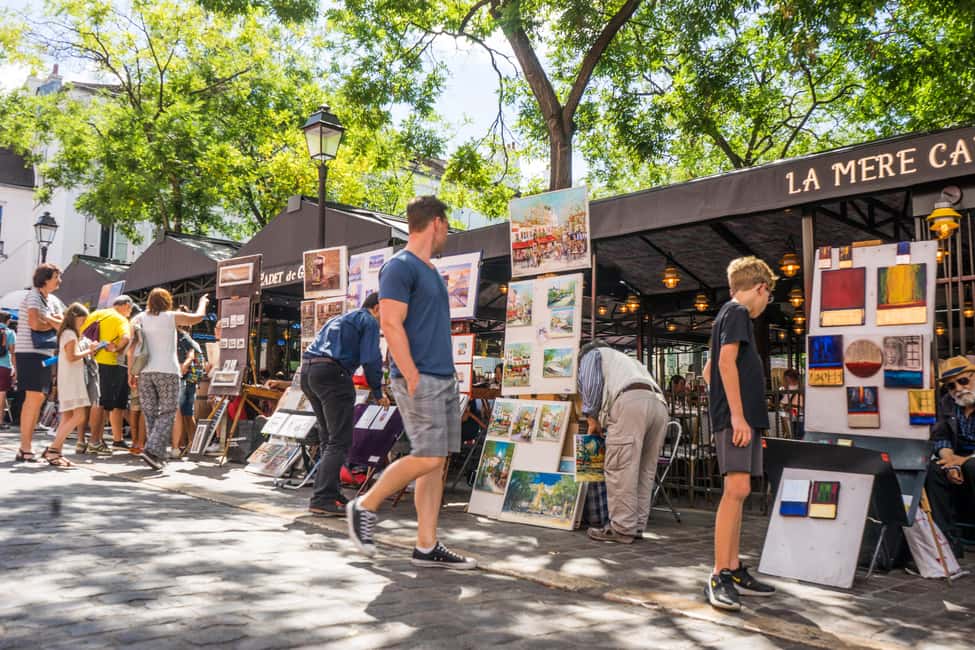
This is a private group walking tour with a German-speaking guide. That format changes the feel immediately. You’re not stuck listening while others chat through the window. You can ask questions, and the guide can tailor the storytelling to what your group actually cares about.
In the reviews, one guide name that comes up is Lucy, and the comments are consistent: she leads people through Montmartre effectively, points out great corners, and shares interesting stories. Even if you don’t meet Lucy, the point is clear—this isn’t just a route. It’s a guide-led narrative.
One practical note: since the language is German, your experience depends on comprehension. If you can follow German well enough, you’ll likely enjoy how much detail the guide weaves into each stop.
What’s the value of $91 for 2 hours?
At $91 per person for a two-hour guided walk, you’re paying for three things: a guide who speaks German, a curated route with multiple major landmarks, and local insight that saves you time.
If you were to do this independently, you’d still visit Sacré-Cœur and Place du Tertre—but you’d likely spend extra time figuring out the best sequence, then you’d miss the “why it matters” context. The value here is in direction and explanation. You’re not only seeing the hill; you’re learning the story behind it while you walk.
Two hours also means the tour stays efficient. You get enough stops to feel like you covered Montmartre’s core, without turning your day into a long slog. Just keep in mind that it’s still a walking experience on an uneven hill—so pack for comfort, not for speed.
Who should book this Montmartre tour?
I think this tour is a strong match if you:
- Speak or understand German and want the full benefit of the guided stories
- Like walking tours that mix big landmarks with less obvious corners
- Want a compact 2-hour overview of Montmartre’s artistic identity
- Prefer a private-group feel over a large, noisy group shuffle
If you’re traveling with kids, note that children up to 8 years can participate for free. That’s a meaningful cost saver.
If you’re not comfortable with German, it’s hard to recommend, because the main value is the guide’s narration. You’d miss too much and be left mostly with sightseeing.
Should you book Paris Montmartre: 2-Hour City Tour in German?
Book it if you want Montmartre with a story and you’ll understand German. For $91, you get a focused, landmark-to-landmark walk that also tries to break the crowd pattern with side streets and lesser-seen spots. It’s a good choice when you want quality over quantity—two hours that actually feels like Montmartre.
Skip it if German isn’t your strength, or if you prefer fully self-guided wandering with no narration. In Montmartre, you can absolutely explore on your own. But the whole point of this tour is that you’re paying for someone to connect the hill’s art past to what you’re seeing, stop by stop.
FAQ
Is the tour a walking tour?
Yes, it’s a walking tour with a live guide.
What language is the guide?
The tour is only available in German.
How long is the Montmartre tour?
The duration is 2 hours.
Where do we meet for the tour?
You meet at Blanche metro station (M2), on the small traffic island in front of the Moulin Rouge cabaret.
What is included in the price?
Included are the walking tour and the tour guide.
Are entrance fees or food included?
No. Food, drinks, and entrance fees are not included. The tour focuses on the sights along the route.