REVIEW · PARIS
Paris Occult and the History of the Dark Arts Private Tour
Book on Viator →Bookable on Viator
Paris has a second face, and it’s here. This private dark-arts tour turns famous Paris stops into a guided hunt for symbolism, from Nicolas Flamel’s legend to Saint-Sulpice’s pop-culture clues. I love the pace (about 2 hours) and the fact that you do not have to fight a map, and I especially like that you get a real local guide to keep the stories grounded and answer your questions. One consideration: you do not go inside Notre-Dame on this tour, so if you want lots of interior time, plan other stops separately.
I like that the route uses compact, iconic-but-not-overkill locations in central Paris. You start at Auberge Nicolas Flamel (51 Rue de Montmorency, 75003) and finish at Église Saint-Sulpice (2 Rue Palatine, 75006), which makes it easier to keep your day moving. Also, you’ll get a mobile ticket and you can expect the tour to run in English.
The guide I saw highlighted in the feedback is Shelley, praised for being excellent and for leading the group off the beaten path. The tour also stays flexible: at Shakespeare and Company, entry is only if time allows, since there’s often a wait. Expect short, high-impact stops where the guide does most of the explaining while you do the looking.
In This Review
- Key points worth your attention
- Paris Occult: Why These Landmarks Work So Well Together
- Starting at Auberge Nicolas Flamel: Set the Tone in the Right Neighborhood
- Maison de Nicolas Flamel: The Alchemist Myth You Can Walk Up To
- Eglise Saint-Merry: The Little Notre-Dame With a Different Mood
- Square de la Tour Saint-Jacques: A Mysterious Presence in Plain Sight
- Notre-Dame de Paris Outside Only: Symbol Hunting Without Going Inside
- Shakespeare and Company: When Literature Becomes the Occult Playground
- Eglise Saint-Sulpice: Da Vinci Code Meets a Reality Check
- How the Private Format Changes Everything
- What the Price Gets You (And When It Might Not)
- Practical Walk Notes You’ll Be Glad You Know
- Who Should Book This Dark Arts Private Tour?
- Should You Book Paris Occult and the History of the Dark Arts Private Tour?
- FAQ
- How long is the Paris Occult and the History of the Dark Arts Private Tour?
- Is this tour private?
- What language is the tour offered in?
- What is included in the price?
- Do I need tickets or pay entry fees at the stops?
- Will you go inside Notre-Dame?
- What is the cancellation policy?
Key points worth your attention
- Private means real Q&A: you can ask questions as you go, not after the tour.
- No map stress: your guide does the navigation and timing for you.
- Notre-Dame outside only: you’ll focus on meaning in the structure without entering.
- Alchemy to literature: the route connects Flamel, gothic churches, and Shakespeare-themed symbolism.
- Da Vinci Code, then reality: Saint-Sulpice includes a truth-vs-fiction approach.
- Admission is free at each stop: the tour notes free entry/ticket requirements for these locations.
Paris Occult: Why These Landmarks Work So Well Together
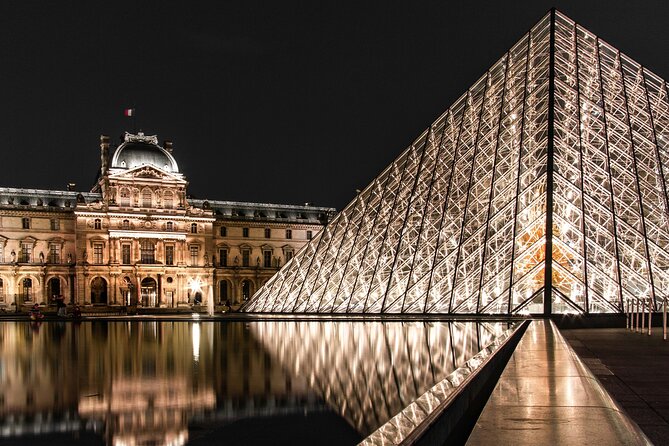
Paris already has mystery baked into the stone. What this tour does well is connect that mystery into a single story thread, instead of handing you random spooky facts.
You’ll walk between landmarks you probably know by sight, then get a guide-led reading of what may be hidden in the details. Some of it leans legend-heavy, but the best part is how the guide helps you separate what sounds like a myth from what you can support with the physical clues in front of you.
This is also a good format if you like history but do not want a lecture. The stops are short, and the guide keeps switching angles: symbols, architecture, and how stories spread through time.
You can also read our reviews of more private tours in Paris



Starting at Auberge Nicolas Flamel: Set the Tone in the Right Neighborhood
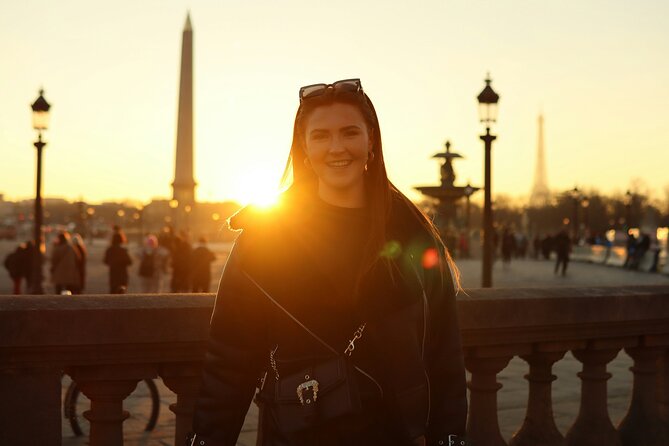
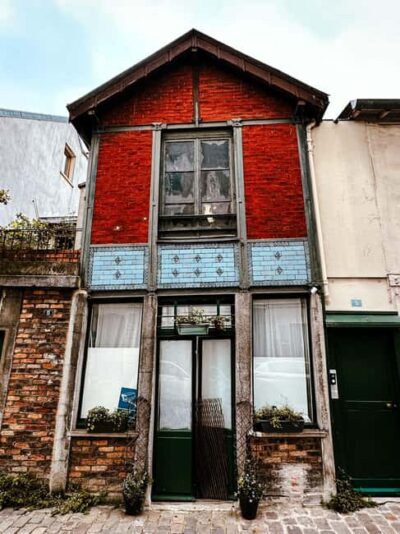
The tour begins at Auberge Nicolas Flamel on Rue de Montmorency in the 3rd arrondissement. That’s not a random starting point. The area is linked to Nicolas Flamel, the legendary alchemist tied to one of the tour’s first big themes: how people used symbolism to talk about transformation, knowledge, and power.
Starting here matters because you begin with a question. Not What is true? but How did people build a convincing story around a belief? From there, the walk moves into churches and public spaces where symbolism was meant to be seen and remembered.
You’ll also appreciate the practical side. This meeting point is near public transportation, and the route is designed so you do not waste time crossing town with no context.
Maison de Nicolas Flamel: The Alchemist Myth You Can Walk Up To
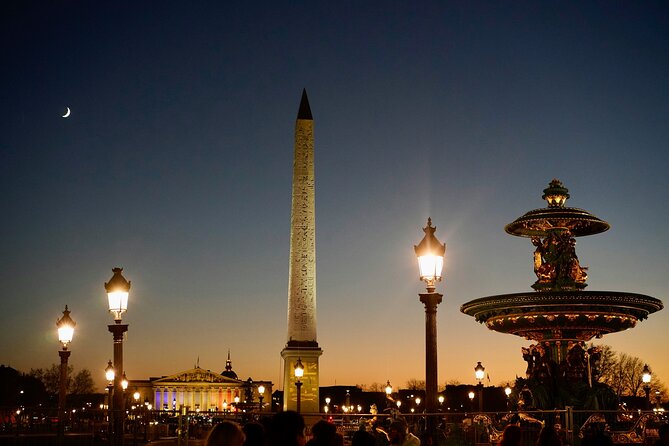
Stop one is at Maison de Nicolas Flamel, the old home of the man claimed to be the most famous and powerful alchemist who ever lived. Even if you know little about Flamel, this stop is a fast way to understand why Paris has such a strong occult reputation.
This works because it anchors the whole tour in something physical and local. You’re not just hearing a story in the abstract. You’re seeing the real neighborhood reference point that shaped later legends.
Practical upside: the stop is brief (around 10 minutes) and listed as free for admission. That means you can keep your energy for the later churches and the Notre-Dame exterior focus.
One small caution: if you’re expecting a deep academic timeline, you might find the first stop more legend-framing than proof-checking. Still, that framing sets you up to enjoy the symbolic “reading” you’ll do at each later stop.
Eglise Saint-Merry: The Little Notre-Dame With a Different Mood
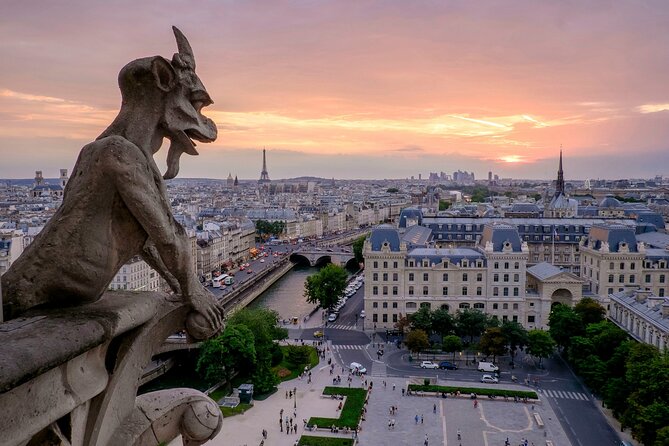
Next is Eglise Saint-merry, a medieval gothic church often nicknamed the Little Notre-Dame. That nickname is useful because it signals the kind of experience you’re getting: a big-canvas Gothic feel, but less dominated by mega-tour crowds.
From your guide, expect a more specific angle than you’d get by simply walking by. The tour format focuses on the hidden meanings people attach to places like this—how churches can function like storybooks made of stone.
This stop is about 20 minutes, so it gives you enough time to look up, notice details, and get the explanations attached to what you’re seeing. Admission is listed as free, so you’re paying for the guidance rather than entry fees.
If you like your mysteries anchored in architecture, Saint-merry is a strong early middle stop. If you dislike anything that borders on legend, keep your expectations tuned to the tour’s “symbol and story” approach.
Square de la Tour Saint-Jacques: A Mysterious Presence in Plain Sight
Square de la Tour Saint Jacques is a quieter pause in the middle of the walk, and it helps you reset your brain. What remains here was once part of a larger church, which already puts you in a mindset of ruins-as-clues.
This location is a neat reminder that Paris mystery doesn’t only live in the biggest landmarks. Sometimes it’s in what’s left behind—fragments, foundations, and the way the city reused space across centuries.
You’ll spend around 20 minutes here, long enough to understand the site’s layered history as the guide interprets its mystical presence. And again, it’s listed with free admission, so you can treat this as part of the tour experience, not another ticket hurdle.
The practical drawback: because you’re looking at remnants and public-space edges, you’ll benefit most if you actively watch and listen. If you wander off into your phone, you’ll miss the point the guide is making.
You can also read our reviews of more historical tours in Paris



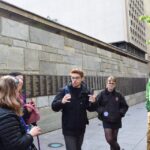

Notre-Dame de Paris Outside Only: Symbol Hunting Without Going Inside
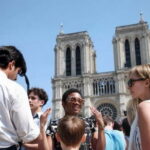
This is the big name in the route: Cathédrale Notre-Dame de Paris. The key detail is that the tour does not go inside. Instead, you’ll focus on what the guide calls the hidden metaphors and meaning woven into the structure.
For many people, this is the sweet spot. Notre-Dame inside can turn into a rush, and you might miss the micro-details. Outside, your guide can slow you down on the parts that matter for the tour’s theme: meaning through form.
The time here is short (about 10 minutes). That can sound fast, but in a tour built around symbolism, short can actually be better. You’ll get targeted attention rather than a long stop where you start scanning randomly.
If you’re hoping for cathedral interior time, you’ll need to schedule that separately. If you want a themed explanation of what you can see from the exterior, this format fits.
Shakespeare and Company: When Literature Becomes the Occult Playground
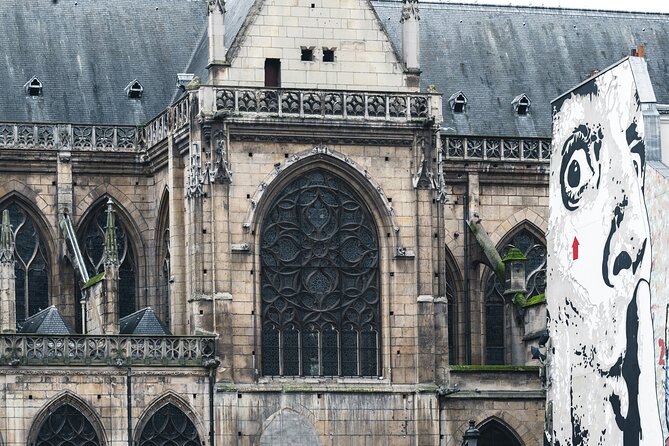
After the churches, you shift into words. Stop five is Shakespeare and Company. The tour description frames it in a fun way: a savant writer, playwright, and magician, then an exploration of what may be hidden in Shakespeare’s work.
That storyline is exactly why this tour feels different from a standard religious-history walk. You move from stone symbolism to literary symbolism. You start thinking about how narratives create meaning, and how people assign secret layers to famous texts.
The tour notes you will enter inside time permitting, since there’s usually a long time. So manage expectations: even if you do not get inside, the stop still functions as a thematic bridge for the rest of the walk.
This stop is about 10 minutes, and admission is listed as free. The real cost is time, meaning it’s worth arriving with curiosity and letting the guide steer your focus.
Eglise Saint-Sulpice: Da Vinci Code Meets a Reality Check
The last stop is Eglise Saint-sulpice. This is where pop-culture fans pay attention, because the church is written about in the Da Vinci Code. The tour’s promise here is practical for anyone who’s read the book or seen the film: learn more, then separate truth from fiction.
Spend around 20 minutes here, with the guide pointing out what the legends latch onto and what you can actually support. Even if you are not a conspiracy-story person, I think this is one of the most useful stops on the route. It trains you to ask better questions instead of accepting the loudest story.
Ending at Saint-Sulpice at 2 Rue Palatine (75006) is also a practical win. You finish near central transit options, which makes it easy to continue your day without backtracking.
If you want to leave the tour with a clearer head, this is the stop where that usually happens.
How the Private Format Changes Everything
A private tour is not just about exclusivity. It changes how you experience a themed walk like this.
Because it’s private—only your group—your guide can pace around questions and interests. If you’re focused on symbolism, you’ll get more pointing-and-explaining. If you’re skeptical, the guide can slow down and help you sort what’s interpretation versus what’s physically anchored in the site.
I also like that the tour is built to be question-friendly. You’re not stuck in a long group where everyone’s trying to keep up. Instead, you get that back-and-forth feel that makes short stops actually land.
The guide included is a professional and local expert, and the feedback highlights Shelley as an especially strong guide. That matters because on a tour about hidden meanings, your guide is the difference between spooky stories and meaningful stories.
What the Price Gets You (And When It Might Not)
At $210.27 per person for about 2 hours, this is not a budget impulse buy. But you are paying for more than walking.
You’re paying for:
- A professional, local expert guide who does the interpretation for you
- A route that saves time and navigation effort
- Free admission at each listed stop
- A private format so you can ask questions during the walk
- An English-language experience
If you enjoy themed interpretation and you value having someone translate Paris details for you, the value is easier to see. The tour is short, so you avoid the fatigue of long museum days while still getting a curated story arc across multiple major landmarks.
When it might feel less worth it: if you mostly want to wander independently, or if you only care about official art/history narratives and not symbolism and legend. This is very much a “meaning and story” style tour.
One more planning angle: this tour is often booked about 66 days in advance on average. If you’re traveling during a busy season or want a specific day, it’s smart to book earlier rather than rolling the dice.
Practical Walk Notes You’ll Be Glad You Know
This experience is described as near public transportation and available for English speakers. It’s also listed as something most people can participate in, which is helpful if you’re trying to avoid overly strenuous tours.
The route moves city blocks on foot between central stops, and the time at each stop is short. That means:
- Wear comfortable shoes.
- Give your eyes a little time to adjust when you look at church facades and details.
- Keep your expectations realistic: you’ll get key ideas at each location, not a full-site tour.
Also, Notre-Dame is outside only. At Shakespeare and Company, entry depends on time and usual lines. Those two details are the difference between a smooth day and feeling slightly rushed.
Who Should Book This Dark Arts Private Tour?
Book it if you want a guided, story-driven walk that connects alchemy, medieval churches, literary symbolism, and legend vs fiction in a single compact route.
It’s especially good for:
- People who like history but prefer narrative explanations
- Anyone interested in occult themes without needing a full conspiracy deep dive
- Travelers who want a guide to do the navigation and make short stops meaningful
- Couples or small groups who want real Q&A time
You might skip it if you strongly dislike legend framing, or if you mainly want to spend time inside major interiors like Notre-Dame.
Should You Book Paris Occult and the History of the Dark Arts Private Tour?
I’d book it if your idea of a great Paris day is: pick a theme, then have a guide point out what you would otherwise miss. The free-admission stops help keep it practical, and the private format helps the tour feel interactive instead of rigid.
The main thing to check is your expectations about interiors. Since Notre-Dame is outside only and Shakespeare and Company entry depends on time, you’re booking for the themed walk and explanation, not a stack of museum rooms.
If that matches what you want, this is a high-approval tour on the books, with a 4.8 rating and strong recommendation rates. And with guide Shelley highlighted for excellence, you’re likely to get a guide who can keep the tone intriguing without losing your trust.
FAQ
How long is the Paris Occult and the History of the Dark Arts Private Tour?
It lasts about 2 hours.
Is this tour private?
Yes. It’s a private tour/activity, and only your group participates.
What language is the tour offered in?
The tour is offered in English.
What is included in the price?
A professional and local expert guide is included.
Do I need tickets or pay entry fees at the stops?
Admission ticket is listed as free for each of the stops included on the tour.
Will you go inside Notre-Dame?
No. The tour specifically notes that you do not go inside Notre-Dame on this tour.
What is the cancellation policy?
Free cancellation is available up to 24 hours in advance for a full refund. If you cancel less than 24 hours before the start time, the amount paid is not refunded.