REVIEW · PARIS
Private Guided Tour in Champagne from Paris with Moet&Chandon visit.
Book on Viator →Operated by Le Tour de Vigne · Bookable on Viator
A Champagne day with no driving stress. This private tour from Paris mixes small-producer craft with a major house visit at Moët & Chandon, so you see both sides of Champagne in one long, well-paced day. I love that you get a wine-certified guide all day, not just a drive-by stop, and I also like the structured tastings that explain what you’re actually tasting. The one thing to consider is that lunch is only arranged, not included, so you’ll want to budget for it.
Your day starts early and runs about 9 to 11 hours, which is part of why it works so well. Expect a lot of “go, learn, taste, move,” plus some walking on Avenue de Champagne and around Hautvillers. If you’re not into wine education or you want a slower, more flexible day, this might feel like too much for a one-day escape.
In This Review
- Key things to know before you go
- Paris to Champagne: the point of doing it private
- Chatillon-sur-Marne: an independent winemaker and three cuvées
- The vineyard promenade: how the vine’s cycle shapes the wine
- Epernay and Avenue de Champagne: UNESCO prestige with a guided story
- Moët & Chandon: Gallo-Roman cellars and two tasting cuvées
- Hautvillers and Abbaye Saint-Pierre d’Hautvillers: the Dom Pérignon connection
- Lunch pairing reality check: table booked, Champagne budget required
- Price and value: what about $1,033 per person actually covers
- Who this tour suits best (and who should skip it)
- Should you book this Champagne day trip from Paris?
- FAQ
- What time is pickup in Paris?
- How long is the private Champagne tour?
- Is the tour private?
- Which Champagne tastings are included?
- Is lunch included in the tour price?
- What language is the guide?
- Does the price include admission and tasting fees?
- Is the cancellation policy free?
Key things to know before you go
- Wine-certified guide for the full day: you’re not just a passenger; you’re in learning mode.
- Two winery experiences with tastings: one independent producer plus Moët & Chandon.
- Avenue de Champagne focus: you’ll walk the street and hear the stories behind the big houses.
- Hautvillers “Cradle of Champagne” stops: village context and the Abbaye Saint-Pierre d’Hautvillers.
- UNESCO-listed Avenue de Champagne: prestige without needing a lot of guesswork.
- Private Mercedes van with WiFi: easy comfort from Paris, while someone else handles the roads.
Paris to Champagne: the point of doing it private
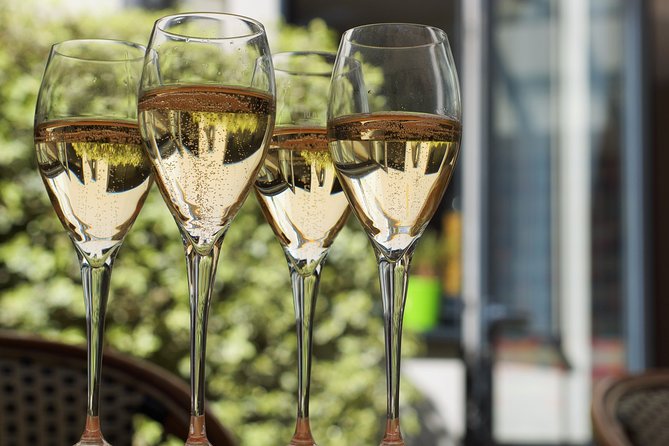
This is the kind of day trip that feels simple because the work is handled for you. You’re picked up at 8:00am from your accommodation (or airport/train station) in a luxury Mercedes van, then your wine-certified guide stays with you all day. That means you get context while riding, not just right at the tasting rooms.
I like that the guide also takes a moment early on to tune the day to your expectations. Some people want deep production talk; others want lighter explanations and more time for questions. Either way, the structure keeps things moving so you don’t waste the day on logistics.
You also get bottled water, air-conditioning, and WiFi onboard, which sounds small until it’s a 9+ hour day and everyone is trying to stay comfortable. One practical note: since Champagne involves tastings, plan for a day that’s intentionally not about driving or rushing.
You can also read our reviews of more guided tours in Paris
Chatillon-sur-Marne: an independent winemaker and three cuvées
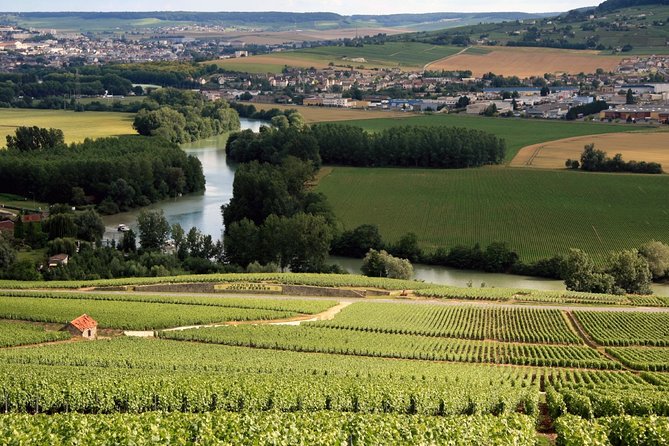
The first “real Champagne” lesson hits in Chatillon-sur-Marne with a family-owned independent producer. This isn’t a generic tour of a showroom. You learn about the estate story and the work of a sixth-generation winemaker, with explanations focused on how their terroir and choices show up in the glass.
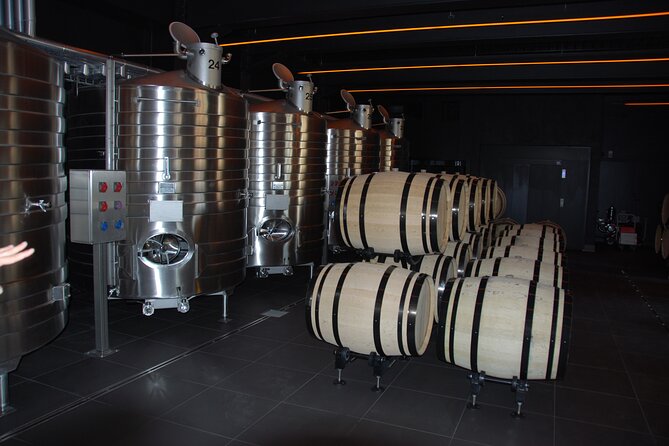
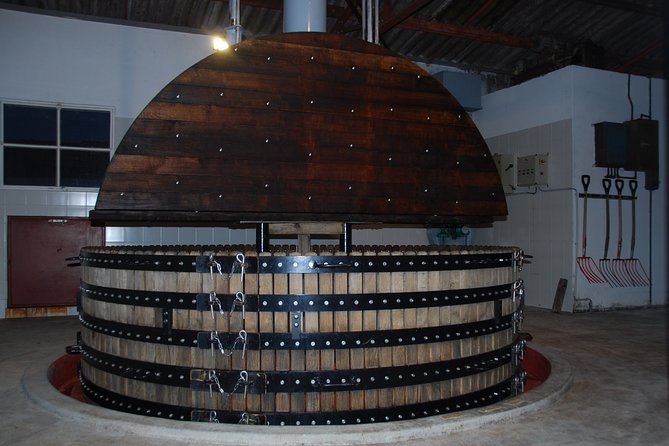
What makes this stop useful is that you’ll see both the human and the technical sides. You get time in the vineyards tied to the estate, then you move through the production site and cellar to understand how Champagne goes from grapes to finished bottles. If you’ve ever wondered why two bottles can both be labeled Champagne but taste completely different, this is where the tour starts making those differences feel real.
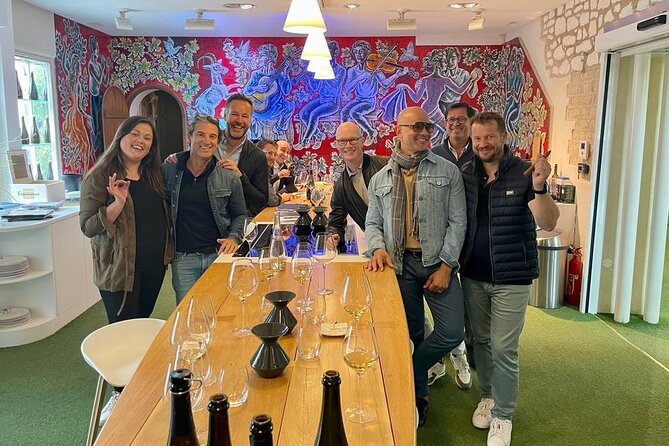
Then comes the tasting: three cuvées, with the guide explaining what makes each one distinct. I like this setup because you don’t just sample; you’re given a framework for comparing. It’s the best way to build your palate without turning the day into a class you can’t retain.
The vineyard promenade: how the vine’s cycle shapes the wine
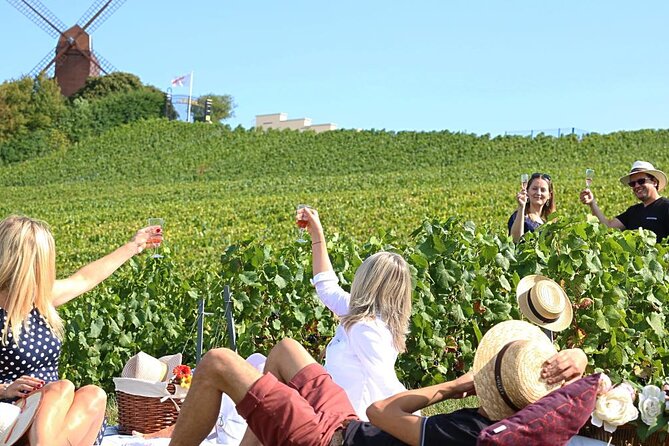
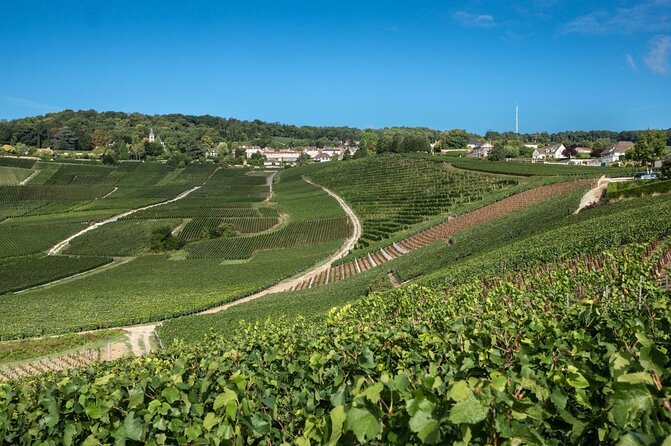
After the cellar and production talk, you slow down a touch with a vineyard promenade. This is a shorter section, but it’s a smart one: you get panoramic views of Champagne and you get to connect what you learned to what you’re actually seeing outside.
Your guide presents the terroir and also covers the vine’s vegetative cycle, then answers questions as you walk. That matters because Champagne isn’t just about fermentation and bubbles; it’s about timing in the vineyard and how the season shapes grape character. Seeing the vines and hearing the “why” makes later tastings easier to understand.
Even if you don’t consider yourself a wine person, this is the moment when Champagne stops being abstract. You start noticing the logic behind the taste differences you’ll run into the rest of the day.
Epernay and Avenue de Champagne: UNESCO prestige with a guided story
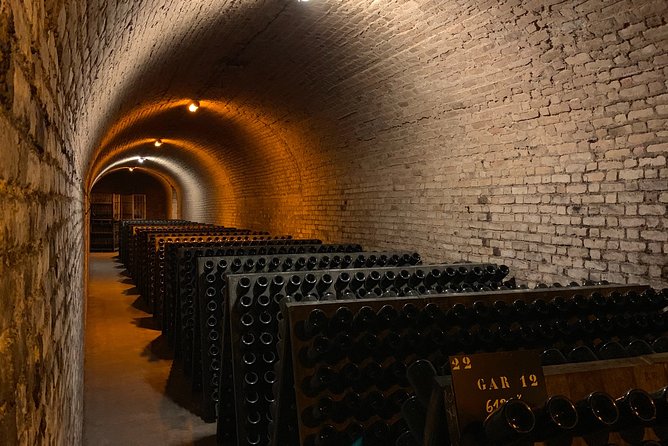
Next, you head toward Epernay and you’ll cross Champagne countryside with your guide still in full briefing mode. Once you reach Epernay, the tour shifts from learning production to understanding the Champagne economy and branding.
A big part of that is Avenue de Champagne, a UNESCO-listed street packed with some of the most prestigious Champagne houses. You’ll walk through it with your wine-certified guide, who shares history and stories about the avenue and the famous names along it. This walk is more than a photo stop. You’re learning what these houses represent and why they built here—both socially and commercially.
Lunch is planned in a bistronomic restaurant in this area, with a table booked for you. The catch is that lunch is not included in the tour price, even though the day suggests a paired menu concept (starter, main, dessert paired with Champagne). In practice, that means you should budget for lunch as an add-on if you want the full pairing experience.
This section gives you a nice middle step: you’ve already tasted at a smaller estate, and now you’re seeing how large producers operate in a place designed to celebrate them.
Moët & Chandon: Gallo-Roman cellars and two tasting cuvées
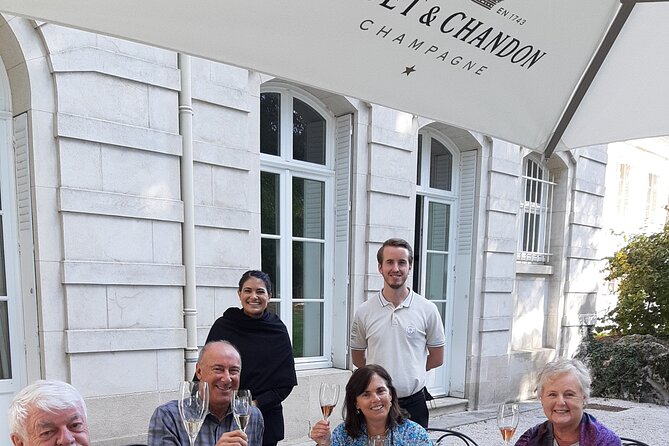
The headline stop for many people is Moët & Chandon, and the tour gives you the kind of access that makes it worth the trip. You’ll visit cellars described as Gallo-Roman, and they’re dug between the 4th and 15th centuries—so you’re not just touring a modern facility. You’ll be guided by a Moët & Chandon guide, which adds an extra layer of house-specific storytelling.
Then you taste two cuvées. This is where the day pays off if you came to compare styles. You tasted three cuvées earlier from an independent producer; now you get two from a major Champagne house with a different approach and different scale. With a guide interpreting both stops, you’re less likely to end up with a random set of sips and more likely to understand the pattern.
If you’re trying to decide which type of Champagne you like—lighter and crisp versus fuller and more structured—this Moët tasting is a big data point. Ask your guide what to focus on (fruit, acidity, texture, finish) so you can taste with purpose.
You can also read our reviews of more private tours in Paris


Hautvillers and Abbaye Saint-Pierre d’Hautvillers: the Dom Pérignon connection
After the Avenue de Champagne portion, you head to Hautvillers, still guided. This is often described as the place where Champagne truly has meaning, and the tour supports that claim with two targeted stops.
First, you spend time in Hautvillers itself. You’re positioned in the Champagne vineyard village called the cradle of Champagne, and you get the Dom Pérignon context: the tour explains that he perfected the champagne method here, transforming Champagne into the king of wines.
Next comes Abbaye Saint-Pierre d’Hautvillers, where you can connect place to story. The abbey is part of a former Benedictine complex founded in AD 650 by St Nivard, bishop of Reims. The church is decorated with 17th-century woodwork, and Dom Pérignon is buried here. That’s the sort of detail that makes your visit feel more grounded than another “pretty village” stop.
You also follow winding lanes and you can look up at original panels created by wine producers on the facades of their houses. It’s a small visual cue that tells you how deeply wine identity is woven into everyday life.
Lunch pairing reality check: table booked, Champagne budget required
Lunch is scheduled for you at a bistronomic restaurant, and your table is booked. But the tour price does not include lunch, so you’ll pay for your meal separately.
The sample menu concept you’ll be offered is built around Champagne pairing: a starter paired with Champagne, a main paired with Champagne, and a dessert paired with Champagne. If you want the full pairing effect, treat lunch as part of your Champagne budget rather than a bonus you might ignore.
This is also a good moment to pace your day. You’ll have done multiple tastings already, so use lunch to slow down, eat something substantial, and then reset for the final Heritage stop in Hautvillers.
Price and value: what about $1,033 per person actually covers
At about $1,033.31 per person, this is not a budget day trip. The value comes from the combination: private transport, a full-day guide, and tasting fees taken care of.
Here’s what you’re getting that you’d otherwise pay for separately:
- Private transportation in an air-conditioned luxury Mercedes van with WiFi
- Wine-certified English-speaking guide for the whole day
- All visit and tasting fees included, including Moët & Chandon tastings and the independent producer tasting
- Bottle of water during the tour
- A booked lunch table (but you still cover the meal cost)
The biggest “value lever” is time. A Champagne region day from Paris can be frustrating if you’re trying to coordinate transit, book tastings, and manage timing yourself. This tour compresses all of that into one plan with someone steering the day and translating Champagne choices into clear explanations.
The other value lever is education. You don’t only taste; you learn why you’re tasting. That makes the day more rewarding even if you already know a little about wine.
If you’re the kind of traveler who wants to sample Champagne and also understand how it’s made, you’ll usually feel this price makes sense. If you’re mostly after scenery and a single casual taste, it may feel like more than you need.
Who this tour suits best (and who should skip it)
This tour fits well if you want a guided Champagne education that moves at an efficient pace. It’s also a strong choice if you hate the stress part of day trips—early starts, driving, and figuring out which house is open when.
It’s especially good for:
- First-time Champagne visitors who want “small producer + big house” contrast
- Wine lovers who want tastings explained with production and terroir context
- Families who want a shared activity; the tour’s pace and guided explanations can work well for kids who enjoy learning, as long as they’re comfortable with the long day
Consider looking at something else if:
- You want zero wine education and just light sightseeing
- You’re sensitive to long days with multiple tastings
- Your idea of lunch is fixed on your own schedule rather than a booked restaurant plan
Should you book this Champagne day trip from Paris?
I’d book it if you want a private day that’s built around tastings with real explanations, plus two very different Champagne experiences. The independent winemaker stop gives you a hands-on view of craft and process, then Moët & Chandon brings you into the scale and historic cellars of a major house. Hautvillers seals the story with the Dom Pérignon connection and the Abbaye Saint-Pierre d’Hautvillers.
Book with a simple mindset: this is a full Champagne day, not a casual half-day. If you’re good with an early pickup, comfortable with a long itinerary, and excited to taste and learn, you’ll likely leave with a clearer sense of what Champagne style you personally enjoy.
FAQ
What time is pickup in Paris?
Pickup starts at 8:00am from your accommodation, airport, or train station.
How long is the private Champagne tour?
It runs about 9 to 11 hours.
Is the tour private?
Yes. It’s private, meaning only your group participates.
Which Champagne tastings are included?
You’ll taste three cuvées at an independent producer in Chatillon-sur-Marne, and you’ll taste two cuvées at Moët & Chandon. Tastings fees are included.
Is lunch included in the tour price?
No. A table is booked for lunch, but lunch itself is not included in the price.
What language is the guide?
The tour is offered in English, and the wine-certified guide speaks English all day.
Does the price include admission and tasting fees?
Yes. All visit and tasting fees are included, along with transportation, taxes, and fees.
Is the cancellation policy free?
Free cancellation is available up to 24 hours in advance for a full refund.
If you tell me your travel dates and whether you prefer lighter Champagne styles or richer ones, I can suggest how to approach the tastings during the day so you get more out of each stop.