REVIEW · PARIS
Paris: Entrance Ticket to the Chocolate Museum
Book on GetYourGuide →Operated by The gourmet Chocolate Museum · Bookable on GetYourGuide
Chocolate history has a sweet side. This museum turns 4,000 years of cacao into a self-guided visit with lots of tastings and hands-on moments. I like that the place doesn’t just show pretty displays. It keeps the story moving from ancient rituals to the way chocolate got made for mass audiences.
My second big win: the virtual demonstration featuring 2 Meilleurs Ouvriers de France, plus a demo room that explains chocolate-making techniques in a way that sticks. One thing to consider is that it’s self-guided, so you’ll get the most value if you’re willing to read (and maybe grab the optional audioguide).
In This Review
- Key Points You’ll Actually Use
- Chocolate Museum Paris: A Sweet Lesson From Olmecs to Columbus
- Before You Go: Timing, Audio Options, and the No-Large-Bags Rule
- Inside the Exhibits: 1,000+ Artifacts and the 4,000-Year Story
- Live and Virtual Demonstrations: From Chocolate Coats to How Sweets Are Made
- The Tasting Route: Praliné, Ganache, and Chocolate by Origin
- Kids’ Treasure Hunt and Family-Friendly Breaks
- Price and Value: What $21 Buys and Where It Might Cost Extra
- Practical Tips for a Smoother Visit
- Souvenirs and the Chocolate Museum Shop
- Should You Book This Chocolate Museum Ticket?
- FAQ
- How long does the Chocolate Museum visit last?
- Is the tour self-guided?
- Are chocolate samples included?
- Does it include a kids activity?
- What languages are available for information?
- Is there a time limit for entry?
Key Points You’ll Actually Use
- 4,000-year chocolate timeline across ancient Mesoamerica and the European chocolate trade
- 1,000+ chocolate-related artifacts spread across about 850 square meters
- Virtual demonstration with 2 Meilleurs Ouvriers de France
- Tastings built into the visit, including chocolate sweets and samples
- Kids get a treasure hunt / activity booklet, not just a coloring page
- Last admission is 4:30 PM, so plan to arrive earlier than you think
Chocolate Museum Paris: A Sweet Lesson From Olmecs to Columbus
If you like chocolate more than you like most museum subjects, you’re in the right place. The Chocolate Museum Paris (Le Musée Gourmand du Chocolat) is built around one idea: cacao isn’t just dessert. It’s history, technology, trade, and ritual, all rolled into one walk through the past.
I like how the museum frames chocolate’s journey as a series of cultural shifts, not a straight line of “then it got popular.” You start with ancient civilizations and their uses for cacao, then you hit the European turning point. The Columbus story is part of that shift too: he was the first European to taste the chocolate drink, and he didn’t take to it. It’s the kind of detail that makes the whole narrative feel human.
You’ll also notice the museum is tuned for variety. It has artifacts and panels, but it also has demonstrations and tastings. That mix matters in a city full of ticketed sights. Here, the ticket buys time plus flavor, not just photos.
You can also read our reviews of more tours and experiences in Paris


Before You Go: Timing, Audio Options, and the No-Large-Bags Rule
This is a self-guided experience, so your biggest decision is how you want to read and pace it. The museum’s last admission is 4:30 PM, which means you shouldn’t show up at the end of the day hoping to “fit it in.” If you want tastings and time to actually look, give yourself a cushion.
You also have an audio option at the welcome desk: an audioguide for 3 euros per person. It’s available in multiple languages (French, English, German, Dutch, Spanish, Italian, Portuguese). Even if you don’t get it, the descriptive panels are in English, French, and Spanish, so you won’t be stuck if you only know one language.
One practical rule: luggage or large bags aren’t allowed. If you’re carrying a big backpack or suitcase, plan to leave it elsewhere before you arrive. This is especially important if you’re doing museum days in the middle of sightseeing and transit.
Inside the Exhibits: 1,000+ Artifacts and the 4,000-Year Story
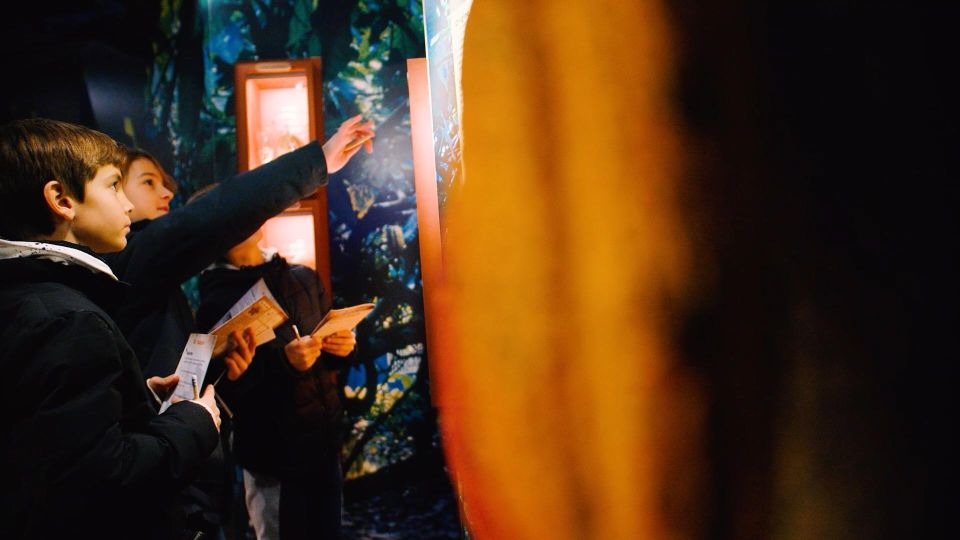
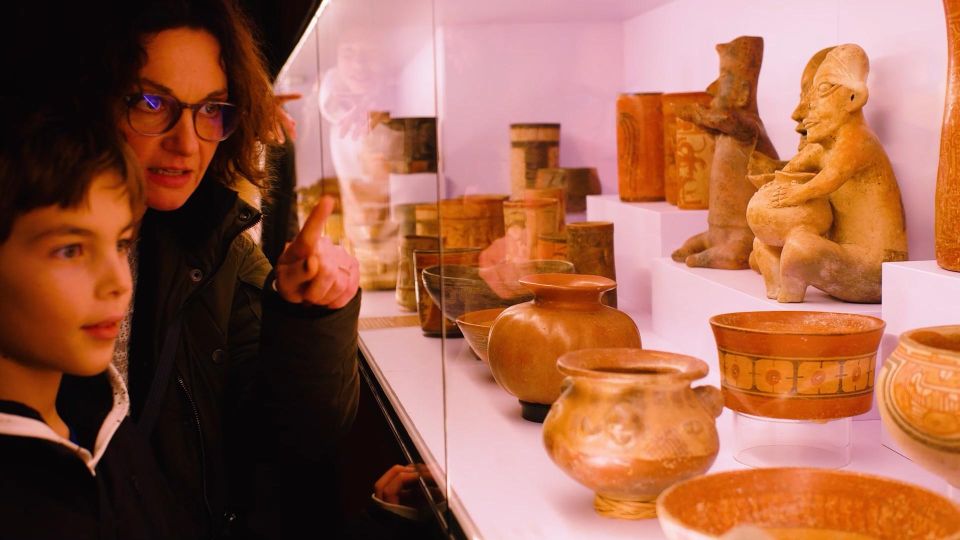
The museum’s footprint is about 2,789 square feet (850 square meters), and it’s packed with more than 1,000 chocolate-related artifacts. That sounds like a big number, but what you’ll feel inside is a steady flow of displays. The curators don’t treat chocolate history like a single timeline you’re supposed to memorize. They treat it like a changing set of tools, tastes, and beliefs.
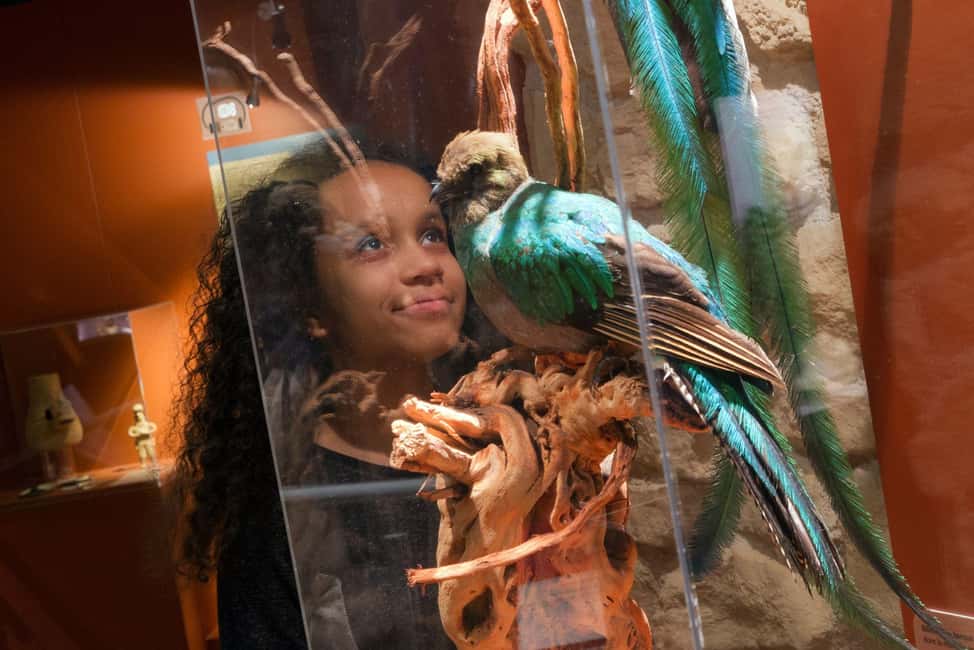
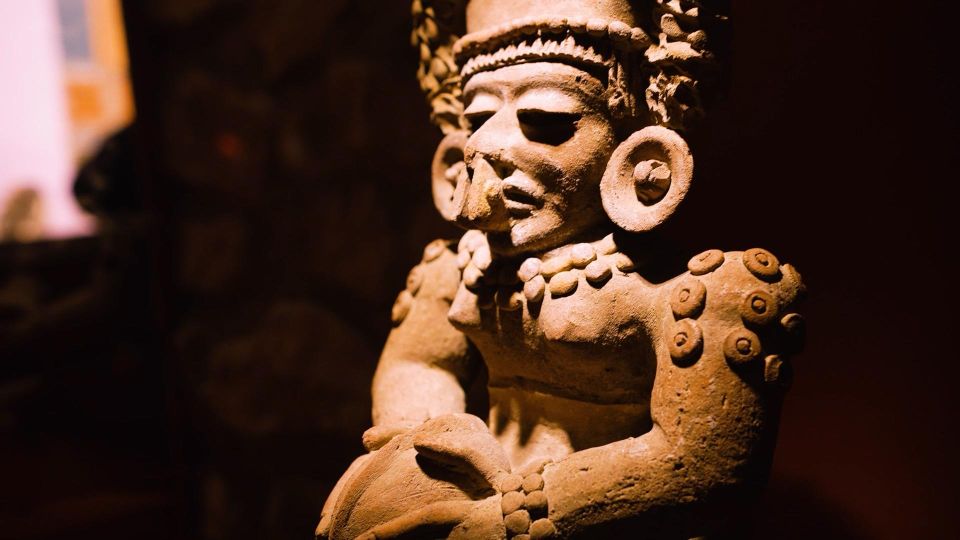
Expect the story to begin with ancient civilizations such as the Olmecs, Mayas, and Aztecs. You’ll see how cacao was tied to ancient rituals and cultural meaning, including the mystical angle of cacao’s role in ceremonies. This is one of the reasons the museum feels different from a “chocolate shop with posters.” It gives context for why cacao mattered before it was candy.
Then the narrative moves toward the 1500s, when the Aztec emperor Montezuma introduced cacao to Europe. After that, you get the Columbus moment and the slow shift in European acceptance. It’s a neat lesson in how tastes don’t spread on their own. People have to bring them, try them, and sometimes reject them first.
As you move forward into the modern era, you’ll see the transformation of chocolate trade and how the process became more streamlined. Even if you already know chocolate basics, this part helps you understand why today’s chocolate tastes the way it does—because production methods and ingredients aren’t static.
Live and Virtual Demonstrations: From Chocolate Coats to How Sweets Are Made
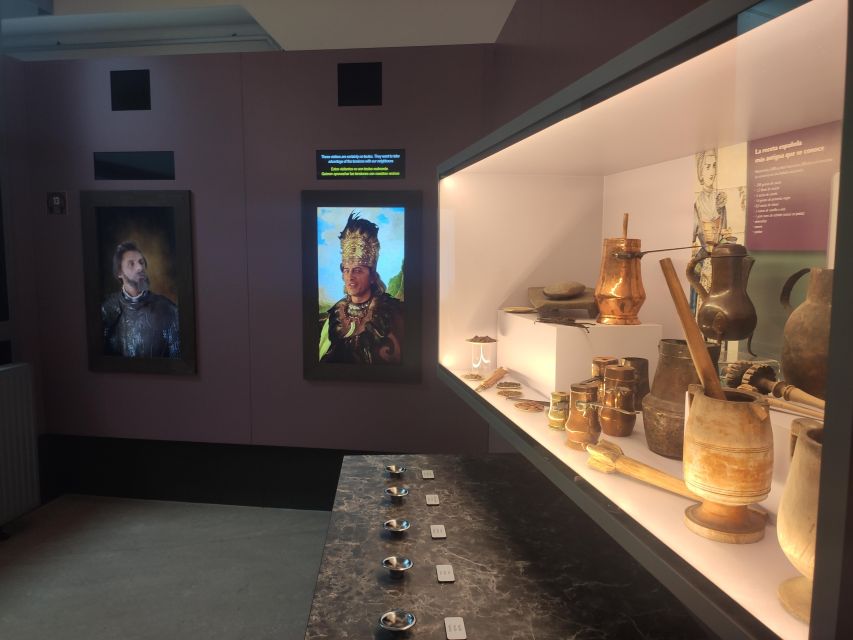
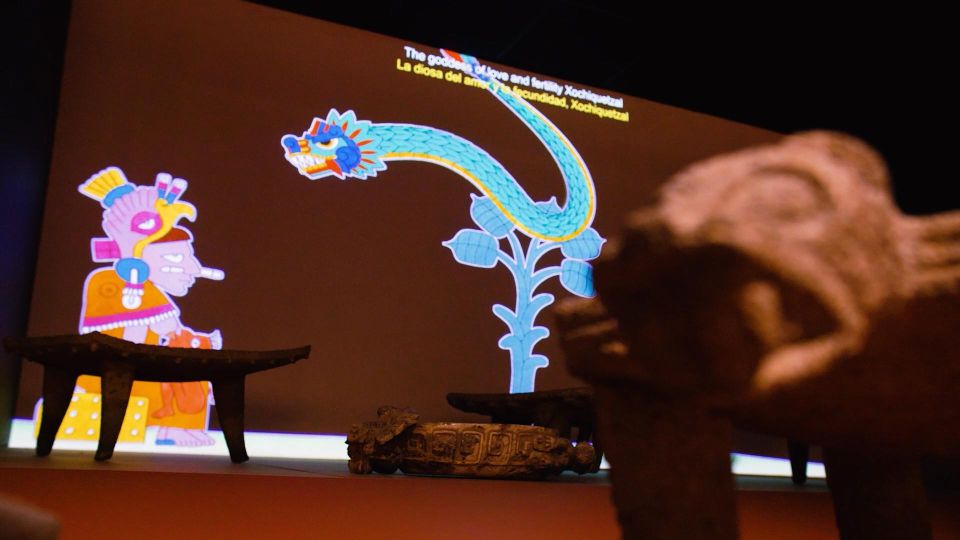
The museum includes a virtual demonstration with 2 Meilleurs Ouvriers de France. That’s a big deal if you care about craft. The focus isn’t just “watch someone make chocolate.” It’s framed as technique—especially around the shiny look you expect in finished chocolates.
You’ll also run into the kinds of demonstrations that explain how the process works. The visit includes learning how to make chocolate sweets and then tasting what you made or what’s presented alongside the technique. In other words, it’s not only visual. You’re meant to connect the method to what ends up in your mouth.
I like this approach because it doesn’t require you to be a chocolate expert. You can treat it like a science lesson for dessert. If you’re traveling with kids, it also gives them something to focus on besides the displays.
A heads-up: demonstrations can be busy at certain times. If you want to watch every part closely, arrive earlier in your day and don’t schedule tight connections right after.
The Tasting Route: Praliné, Ganache, and Chocolate by Origin
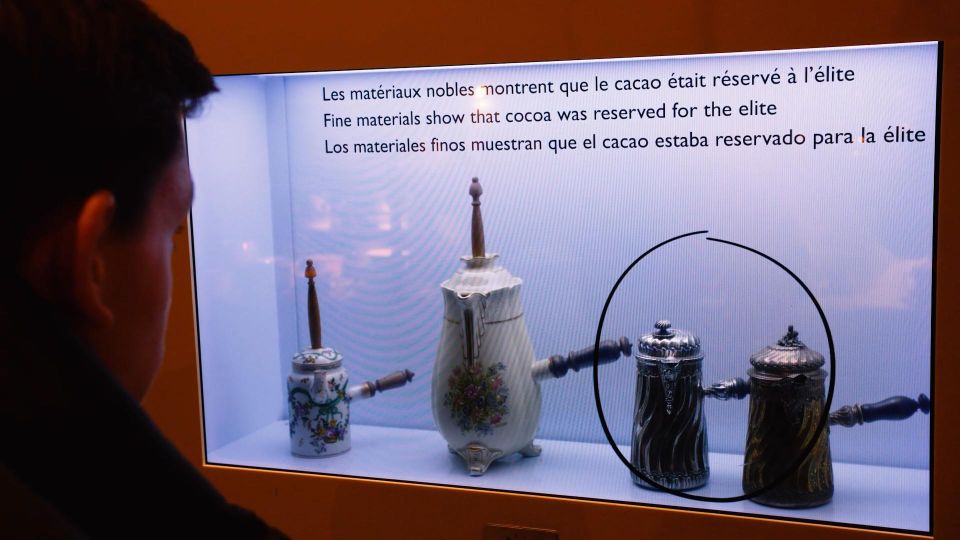
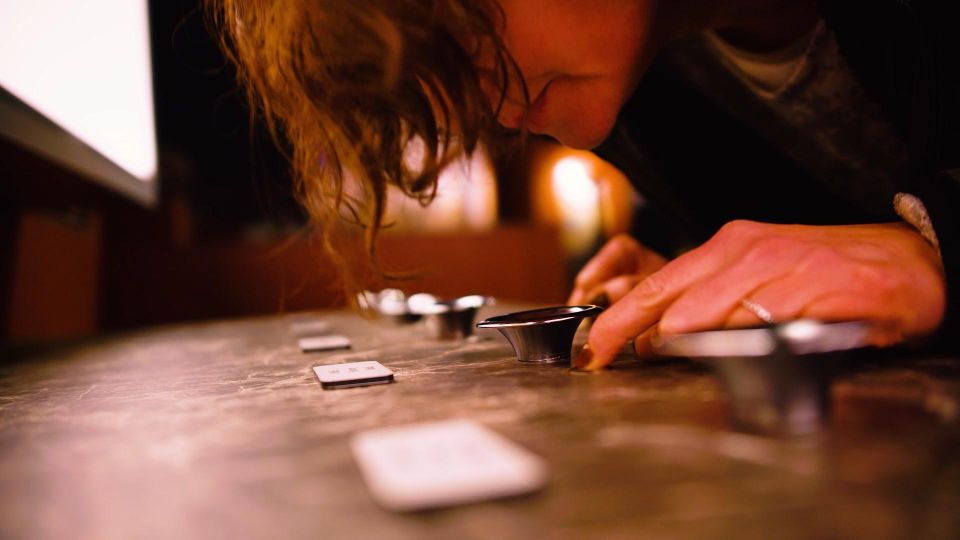
Tastings are the core reason many people buy a ticket here, and the museum leans into it. The experience includes chocolate samples, plus learning moments that pair with tasting. One of the key mentions is tasting praliné and ganache, which are perfect “anchor flavors” for understanding chocolate variety.
You’ll also encounter chocolates described by origin. The museum’s themes include examples like Costa Rican chocolate, Peruvian chocolate, and cocoa beans from places such as Vanuatu. The point isn’t to turn you into a sommelier. It’s to show that cacao isn’t one flavor. It’s a raw ingredient with different profiles depending on where it’s grown and how it’s processed.
You might see the museum connect indulgence with a lighter message about health benefits. Don’t expect a nutrition class with calorie math. But the museum’s tone is clearly meant to keep you from feeling like you have to justify eating chocolate.
One caution: the idea of included hot chocolate can be a little tricky depending on what’s offered during your visit. Some people note that hot chocolate at the end may require an extra payment per cup. Plan your budget with that in mind, so there are no surprise moments when you’re already full of tastings.
You can also read our reviews of more museum experiences in Paris






Kids’ Treasure Hunt and Family-Friendly Breaks
This museum is built to work for families, not just adults who like quiet galleries. Kids get a treasure hunt, and there are kid-focused activities such as an activity booklet. The hunt adds a game layer to the museum’s factual content, and that’s a smart tactic in a small attention-span world.
If you’re traveling with children, you’ll likely appreciate how the museum gives kids a reason to walk at a normal pace. Instead of kids tugging you toward exits, they’re looking for answers, stickers, or the next step in the hunt. It’s one of the easiest ways to keep everyone happy in Paris, where a lot of attractions are heavy on waiting and light on hands-on fun.
For teenagers, the “taste and compare” parts can also work. Chocolate is universal. Even if they hate reading panels, they’ll often pay attention when they realize they’re sampling different types.
Price and Value: What $21 Buys and Where It Might Cost Extra
The listed price is about $21 per person. For Paris, that’s not cheap, but the value question depends on what you expect.
Here’s how I’d judge it:
- The ticket includes entrance, chocolate samples, and a virtual demonstration.
- The experience is designed around tastings and learning together, so you’re not paying only for displays.
- If you’re traveling as a family, the kids’ treasure hunt adds real value because it keeps children engaged.
Where costs can shift is at the edges. The museum provides samples, but the hot drink situation may vary by what’s served and what’s counted as included versus extra. Since you might already be eating a lot of chocolate samples, I’d treat any hot cocoa add-on as optional unless it’s clearly marked as included during your visit.
If you love food museums and you want something different from the usual Eiffel Tower and cathedral loop, this ticket makes sense. If you prefer museums that are mostly quiet reading, you might find the experience less satisfying than a traditional historical exhibit—because the museum’s “wow” is in food, demos, and tasting moments.
Practical Tips for a Smoother Visit
A few small moves can make your time there feel better.
First, pace yourself around tastings. It’s easy to overdo it early, then struggle to enjoy later samples. I’d treat tastings like sections of a meal: try a little, then keep moving through the exhibits so you can come back later with a clearer palate.
Second, decide whether you’ll use the audio guide. If you’re strong in one of the museum’s displayed languages, you can skip it and still get a solid experience. If you want the story flow without stopping to read every label, the audioguide is a straightforward upgrade.
Third, plan your timing with the 4:30 PM last admission in mind. If you’re doing this after a long day of sightseeing, you may feel rushed. Go earlier, or accept that you’ll prioritize the tasting-heavy parts.
Lastly, remember the no-large-bags rule. Keep your daypack small so you don’t have to stress at the door.
Souvenirs and the Chocolate Museum Shop
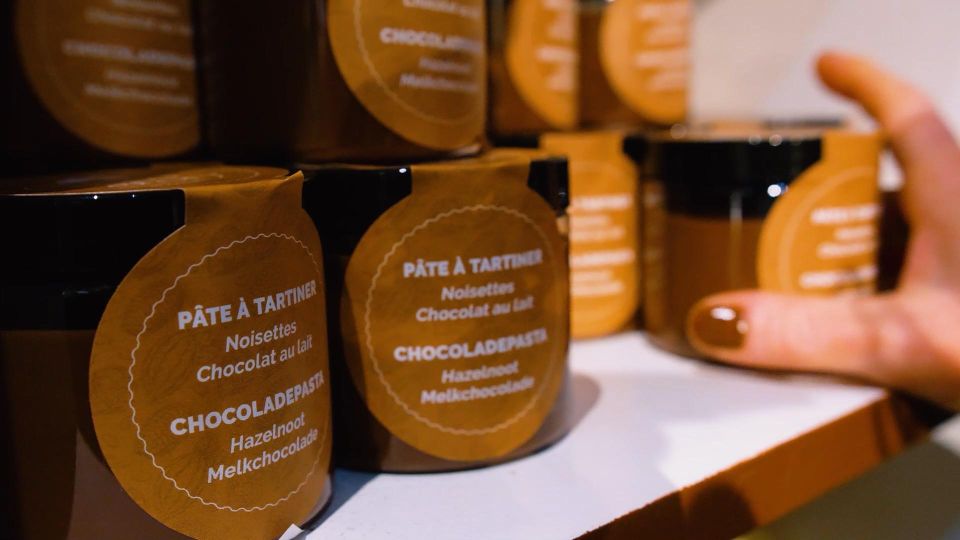
After your visit, the museum shop is where you can turn learning into a take-home reminder. Expect books, souvenirs, and chocolate-related products. People often like this part because you can buy something that fits your interest level, from edible gifts to decorative chocolate items.
Since you won’t be able to bring huge bags in, think about how you’ll carry your purchases. A small tote or planned hand-carry is usually the better option.
Should You Book This Chocolate Museum Ticket?
Book it if you want an easy, family-friendly break from classic Paris sights, with real tastings, a mix of history and craft, and demonstrations that explain the why behind chocolate. It’s also a strong choice if you’re traveling with kids or anyone who likes interactive food experiences.
Skip or reconsider if you’re allergic to sugar overload, hate self-guided museums, or you only have a short window and need something that’s mostly quick sightseeing without reading labels. The museum rewards attention and pacing. When you match that pace, the experience feels worth every euro.
If your idea of a great day includes learning while you snack, this is one of the better ticketed experiences in Paris for the money.
FAQ
How long does the Chocolate Museum visit last?
The experience is valid for 1 day. Most visitors end up staying for a couple of hours depending on how much of the exhibits and tastings you want to do.
Is the tour self-guided?
Yes. It’s a self-guided visit. An audioguide is available at the welcome desk for 3 euros per person.
Are chocolate samples included?
Yes. The ticket includes chocolate samples, and the experience also includes tastings connected to the chocolate-sweet learning moments.
Does it include a kids activity?
Yes. Kids get a treasure hunt as part of the experience.
What languages are available for information?
The descriptive panels are in English, French, and Spanish. The audioguide (available for 3 euros per person) is offered in multiple languages including English and French, plus several others.
Is there a time limit for entry?
Yes. The last admission is at 4:30 PM. Plan to arrive early enough to have time to see the exhibits and demonstrations.