REVIEW · PARIS
Paris: Montmartre Small Group Guided Walking Tour
Book on GetYourGuide →Operated by Exploring Tours and Services · Bookable on GetYourGuide
Montmartre feels different when you slow down. This small-group guided walk (up to 8 people) trades big-bus energy for a calmer pace, and you get an expert guide telling the story of how this hill became Paris’s art stage. I love that it mixes the famous stops with quieter streets, plus a proper Sacré Coeur visit and viewpoints on the climb. The main drawback? You’re walking uphill and back down, rain or shine, and it’s not wheelchair-friendly.
What makes this one worth your time is the way it connects art history to daily life on the hill. On some departures, the group can be tiny—people have even reported getting a near-private tour—so questions don’t get lost in the crowd. Expect a fun mix of church stops, painter hangouts at Place du Tertre, Montmartre landmarks like Lapin Agile and Moulin de la Gallette, and the Wall of Love near Abbesses—then a grand finale photo moment near Moulin Rouge.
In This Review
- Key points before you go
- Meeting at Anvers and setting the pace
- Climbing toward Sacré Coeur: the best kind of uphill
- Inside Sacré Coeur and what the guide helps you see
- Place du Tertre: the artists square with real context
- Lapin Agile and Montmartre’s cabaret side
- Vineyard time: Clos Montmartre and why it still matters
- Dalida statue and the human scale of the hill
- Moulin de la Galette: a landmark you’ll remember
- Le Bateau-Lavoir: the art space behind the fame
- Wall of Love and the Abbesses finish
- How the itinerary adds value (not just sightseeing)
- Price and whether it’s good value at $74
- Weather, shoes, and small practical notes
- Who this tour suits best
- Should you book this Montmartre small-group walk?
- FAQ
- Where is the meeting point for the tour?
- How long is the Montmartre walking tour?
- How big is the group?
- Which languages are available?
- What is included in the tour price?
- Are funicular tickets included?
- Is the tour outdoors, and does it run in bad weather?
- Is the tour suitable for wheelchairs or limited mobility?
Key points before you go
- Small group up to 8 keeps the walk personal, not rushed
- A guided climb from Anvers metro to Sacré Coeur, with city views
- You’ll hit Place du Tertre and the art-scene story behind it
- Photo stops across Montmartre’s art corridors, including Lapin Agile and Bateau-Lavoir
- The tour includes a look at vineyards and cabarets still tied to the neighborhood’s character
Meeting at Anvers and setting the pace
The tour meets at the exit of Anvers metro station (Line 2). The guide is holding a GetYourGuide sign, and you’ll want to arrive about 10 minutes early so you don’t get left behind. This matters on Montmartre walks—if you miss the first group move, you’ll be hiking to catch up later.
From the start, the vibe is built around flow: you’re not just ticking off landmarks. The guide sets a pace that lets you hear the stories while you move. That’s a big deal in Montmartre, because the crowds can be intense around the top. A group of 8 (or fewer) means you can step to the side for photos without feeling like you’re constantly blocking strangers.
One practical tip: wear shoes you trust on uneven stone. Even when the walking sounds short on paper (150 minutes), the hill changes the effort fast.
You can also read our reviews of more walking tours in Paris



Climbing toward Sacré Coeur: the best kind of uphill
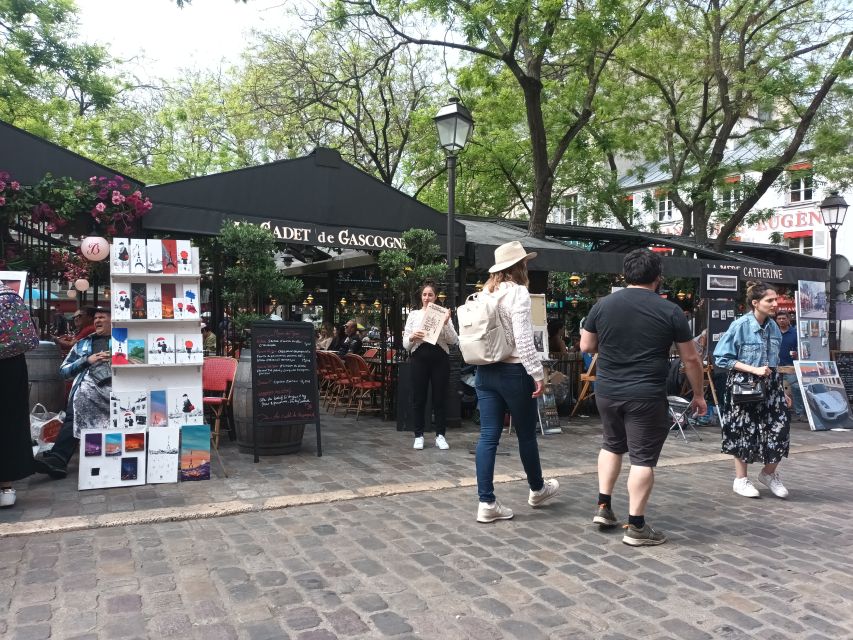
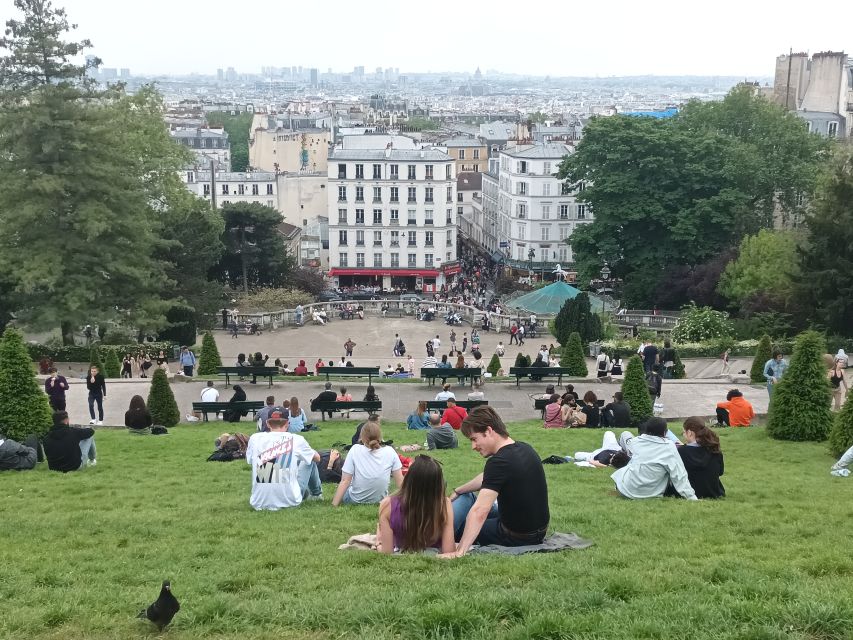
Your first real moment comes as you climb from Anvers up toward Sacré Coeur Basilica. The route is chosen for views, so you’re not just laboring upward—you’re pausing to look out over Paris. When the sky is clear, it’s a postcard. When it’s gray and chilly, you still get scale: the city stretches out and you understand why Montmartre mattered to artists.
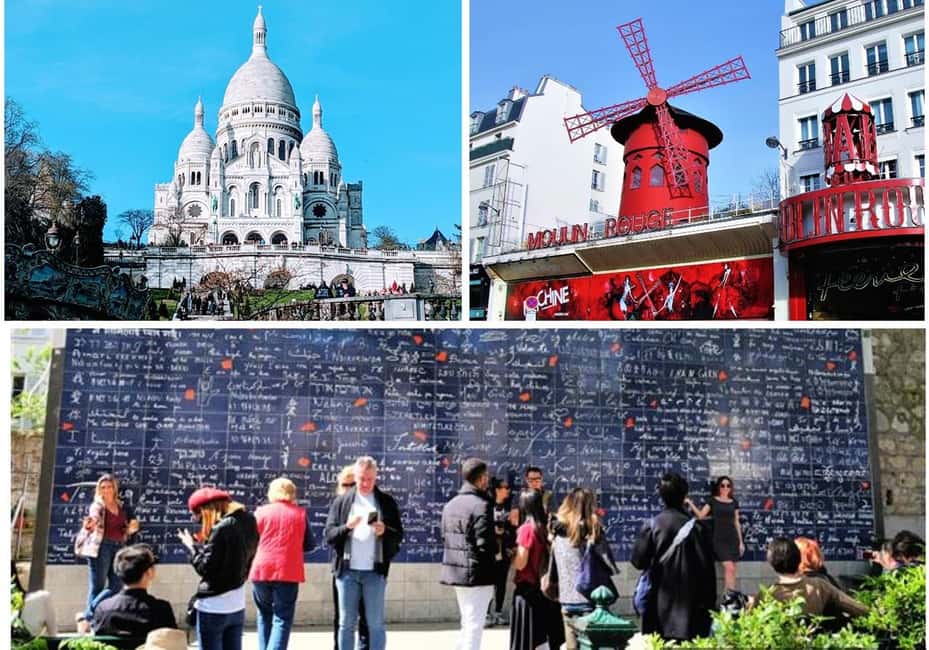
Then comes the main church visit. Sacré Coeur isn’t only famous for its look; it’s also a pivot point for Montmartre’s identity. Your guide walks you through what to notice so you’re not staring at the building like it’s a museum “in the abstract.” If your guide is the type who brings stories to life—some guides on this route are known for fun pacing and extra context—you’ll leave with a clear sense of why this hill became symbolic.
A small heads-up: the tour runs rain or shine, and there may not be a bathroom available during the walk. If weather looks rough, bring a compact layer you can handle while climbing, and plan your bathroom break before you meet.
Inside Sacré Coeur and what the guide helps you see
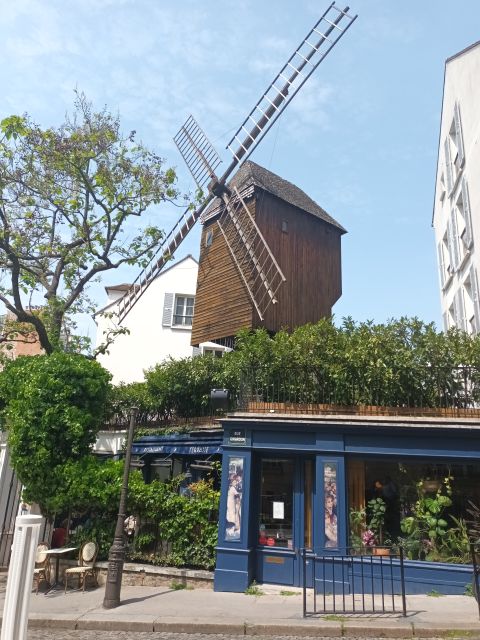
Sacré Coeur is the kind of place where you can easily lose time if you don’t know what to look at. The guided visit helps you focus on the details that connect architecture to mood—how the setting and the church’s presence shaped the hill’s cultural pull.
You also get some breathing room inside and around the basilica. That matters because Montmartre can be crowded even in off-peak seasons. A small group makes it easier to move in a way that doesn’t feel chaotic.
If you’re a photo person, you’ll appreciate the timing too. The tour includes time for views during the climb, then a stop at the artist square afterward. That sequence makes it easier to tell the story of the neighborhood in your photos: high point, artist hub, then the descent with landmarks and scenes.
Place du Tertre: the artists square with real context
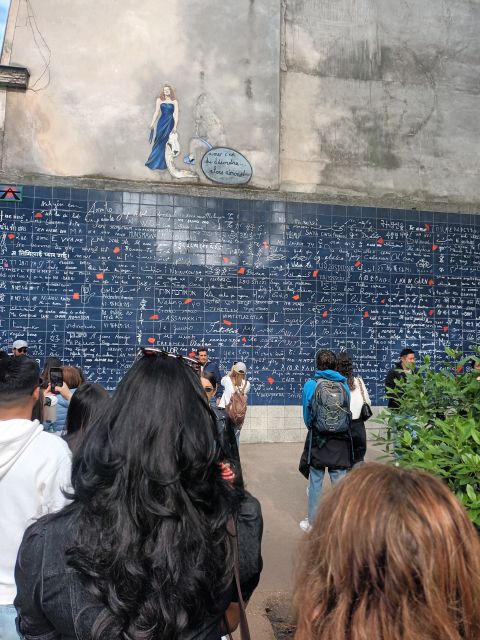
After Sacré Coeur, you reach Place du Tertre, the famous artist square. This is where you’ll see painters working and set up for visitors. The square can be busy, but the guide’s job here is to make it more than a souvenir stop.
What I like about this part is that it’s framed as a living tradition, not just a backdrop. Your guide explains the story of artists tied to Montmartre—who lived here, why they chose the hill, and how the neighborhood turned into an open-air stage for art.
You’ll also get time for photos and a little personal wandering. Just keep your expectations grounded: this is a popular public area. You’ll get the energy of Montmartre here, but the deeper payoff comes as you move away from the densest crowd zones.
Lapin Agile and Montmartre’s cabaret side
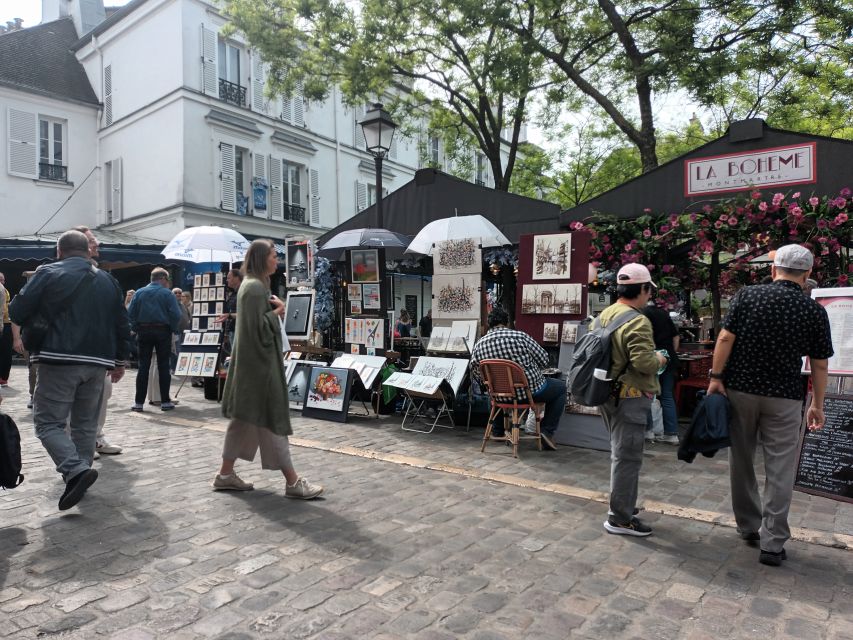
Once you leave Place du Tertre, the walk shifts into Montmartre’s more playful, theatrical side. You’ll make a photo stop at Lapin Agile, one of the classic cabarets associated with the neighborhood’s artistic reputation.
This is the kind of stop where a good guide changes everything. Without context, it’s just a name you’ve heard. With context, you start noticing how Montmartre wasn’t only about paintings and galleries—it was also about performance, music, and that bohemian mix of art and nightlife.
Even if you’re not the cabaret type, you’ll still enjoy the way the guide connects the dots between everyday streets and the bigger cultural myth. Expect a few minutes here for photos and brief explanations while you keep moving.
You can also read our reviews of more guided tours in Paris






Vineyard time: Clos Montmartre and why it still matters

Here’s one reason this tour feels more grounded than the typical Montmartre highlight shuffle: you’ll see Vigne du Clos Montmartre. It’s short, but it’s memorable because it breaks the “art only” stereotype.
The vineyard is a reminder that Montmartre isn’t just a themed neighborhood for visitors. Grapes, seasons, and production have shaped the hill too. And when the guide ties that reality to the artist story, you get a more complete picture of why the hill inspired so many creative people.
If you’re the type who likes learning how places actually function—not only how they look—this part is a satisfying reset.
Dalida statue and the human scale of the hill
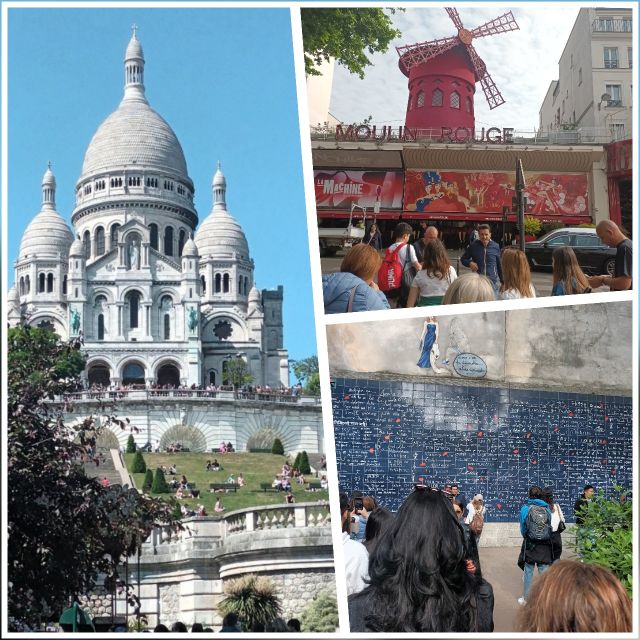
You’ll also stop at the Dalida statue for photos and a bit of guided context. This works well because it adds another layer beyond painters: music and celebrity culture became part of Montmartre’s story as the neighborhood evolved.
This is a quick moment, but it helps you understand Montmartre as a place that kept producing culture, not just preserving old fame. If your guide uses stories in a lively way (some guides are known for adding personal touches and humor), the Dalida stop can feel like a mini chapter rather than a roadside interruption.
Moulin de la Galette: a landmark you’ll remember
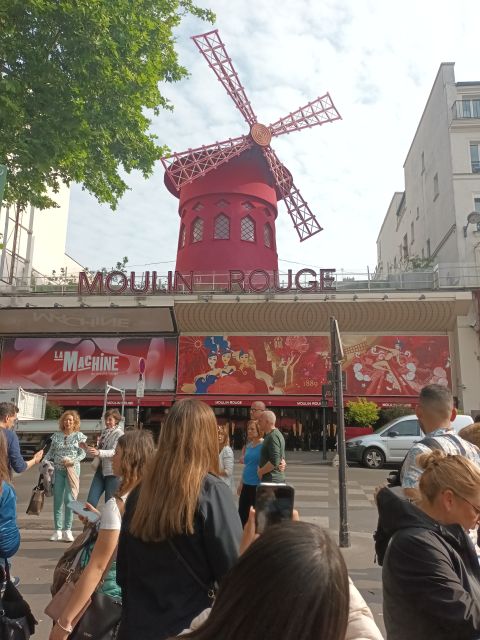
Next up is Moulin de la Galette. You’ll get a photo stop and guided notes. This windmill is one of the most recognizable Montmartre images, and seeing it during your walk makes it more real than if you just spot it from afar.
What makes this stop valuable is how it connects to the wider art narrative. The guide helps you connect the iconic views you’ve seen in paintings and photos to the actual streets and angles around you. That’s how Montmartre stops feeling like a postcard and starts feeling like a place with lines, streets, and views you can return to later on your own.
Even with crowds, the route keeps you moving so you don’t get trapped in slow tourist traffic.
Le Bateau-Lavoir: the art space behind the fame
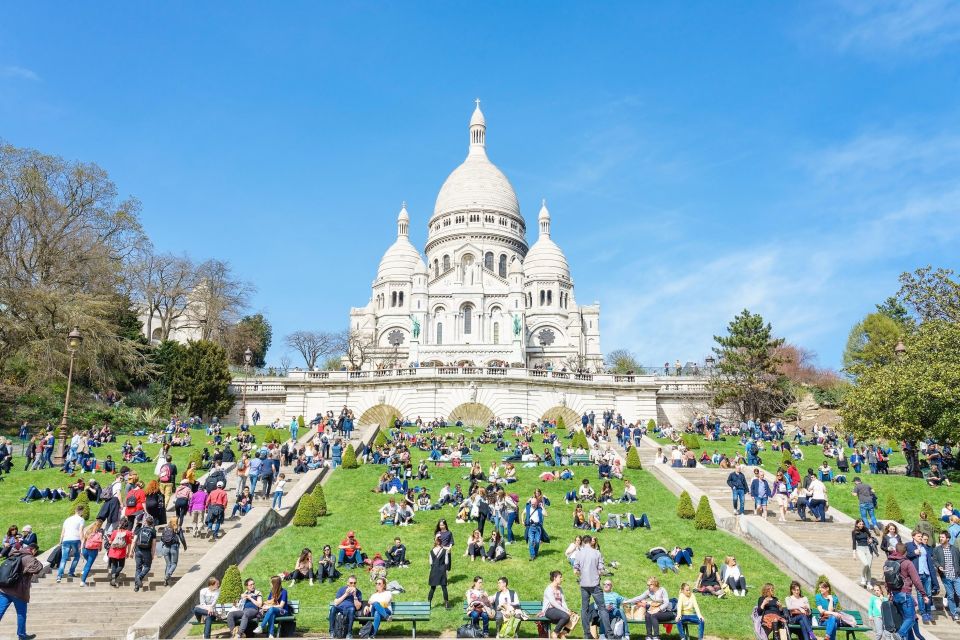
The next photo stop is Le Bateau-Lavoir. This is one of those locations where the name alone doesn’t fully explain its importance unless someone tells you what to notice.
This stop is especially good for anyone who wants the “how did it happen?” story. You’ll learn why Montmartre kept attracting artists and how spaces like this fit into the ecosystem of creation—studios, gathering points, and the practical reality of life on the hill.
If you enjoy architecture and urban history, you’ll likely love how the guide points out surrounding details while you’re still close enough to understand the layout. That’s where the neighborhood “clicks.”
Wall of Love and the Abbesses finish
As you near the descent, you’ll visit the Wall of Love (Je t’aime). It’s modern art in a spot that draws a steady crowd, but the guide’s explanation gives it meaning beyond the famous word art. You’ll have time for photos and a walk through the area.
Then you move through Place des Abbesses with additional guided context and some free time. Abbesses is where Montmartre starts to feel more like a neighborhood than a stage. If you want a sense of daily rhythms—where people actually pass through on foot—that’s where you’ll start sensing it.
Finally, you end at the base of the hill opposite Moulin Rouge, with a photo stop near Moulin Rouge to close the loop. This finish is ideal because it gives you a big-name landmark shot without turning the whole tour into a spectacle marathon.
How the itinerary adds value (not just sightseeing)
This tour is smart because it follows a storyline:
- Start high at Anvers and climb to Sacré Coeur, so you grasp the geography.
- Land on the artist square at Place du Tertre to meet the public-facing side of Montmartre.
- Move sideways and downward to cabarets, vineyards, and studios—places that explain how the art world fed on the neighborhood’s texture.
- End at the hub area near Moulin Rouge so you can reorient yourself for the rest of your trip.
That structure matters if you want to explore Montmartre later on your own. You won’t just know the names—you’ll understand the logic of where things sit and why the hill has so many layers.
And because the group stays small, the guide can actually adjust. If you pause for an extra photo or you have a question about a specific artist reference, you’re not shouting over background noise. That’s the biggest “quality of life” advantage of semi-private tours.
Price and whether it’s good value at $74
At $74 per person for about 150 minutes, you’re paying for an expert local guide plus a structured path that takes you from Anvers up to Sacré Coeur and through the artist corridor down toward Moulin Rouge.
Is it cheap? No. But it can be good value if you care about context. The guide visit to Sacré Coeur, the thoughtful stop selection, and the small-group size are what you’re really buying—not just a walk.
If you’re traveling solo and have zero interest in guided stories, you could “do Montmartre on your own.” But if you want the neighborhood explained in a way that helps your photos and your memory make sense, this is the kind of spend that pays you back during and after the walk.
A couple of cost-related realities to plan for:
- The tour does not include food or drink, so bring water or plan a post-walk snack.
- It does not include funicular tickets, though you might not need them since the walk includes climbing on foot.
Weather, shoes, and small practical notes
This tour happens rain or shine, and it’s a hill walk. The practical wins come from preparation:
- Wear comfortable shoes with good grip.
- Dress for cold wind on the hill. Even on mild days, Montmartre can feel breezy.
- There may not be a bathroom available during the tour, so plan ahead.
If you’re tempted to wear stylish shoes, don’t. This is one of those “look afterward, not during” walks.
Who this tour suits best
This is a strong match if you:
- Want a more personal Montmartre experience than large group tours
- Enjoy stories about artists and the places they lived
- Want famous landmarks plus streets that feel more like real neighborhood life
- Are okay with walking uphill and standing for short photo stops
It’s less suitable if you need wheelchair access or have mobility limitations, because the tour includes a climb and isn’t designed for accessibility.
Should you book this Montmartre small-group walk?
I think you should book it if you want to understand Montmartre instead of just visiting it. The combination of Sacré Coeur, Place du Tertre, cabarets like Lapin Agile and Moulin de la Gallette, plus stops like Le Bateau-Lavoir and the Wall of Love gives you a layered picture in a couple hours. And the small-group limit (up to 8) is the difference between hearing the guide and just moving with the crowd.
Book it even sooner if you’re trying to do Montmartre in one shot and you hate “wander and hope.” This tour gives you a plan, but still leaves room to look, pause, and take photos. If you’re fit enough for a hill walk and you’re traveling with curiosity, it’s an easy yes.
FAQ
Where is the meeting point for the tour?
The guide meets you at the exit of Anvers metro station (Line 2), holding a GetYourGuide sign.
How long is the Montmartre walking tour?
The total time is 2 hours to 150 minutes.
How big is the group?
It’s designed as a small-group experience limited to up to 8 people.
Which languages are available?
The tour is available in English, Spanish, Italian, and French.
What is included in the tour price?
It includes a guided walking tour, an expert local guide, and a visit to Sacré Coeur Basilica.
Are funicular tickets included?
No. Funicular tickets are not included.
Is the tour outdoors, and does it run in bad weather?
The tour takes place rain or shine.
Is the tour suitable for wheelchairs or limited mobility?
No. The walk up the hill is not accessible to wheelchairs and people with mobility issues.