REVIEW · PARIS
Craft a unique souvenir hat with Lady Gaga’s renowned hatmaker
Book on Viator →Operated by MiniMeParis Experiences · Bookable on Viator
A hat class in Paris can feel risky. Here, you’ll learn real shaping skills and make a take-home souvenir at a famed atelier. I like the hands-on hat-making process (steam, stretching, heat setting) and I like that you leave with something you can wear, not just a photo prop. One thing to consider: while the workshop is listed for about 3 hours, the hands-on work can run longer, and the decorating add-ons can push the final cost higher than the base price.
The vibe is very Paris atelier: you start by picking your material and hat style, then you work through the steps using tools and techniques meant for hatters, not tourists. The group is small (up to 10), and English is supported, though the level of English can depend on the instructor and the tools they use for translation. If you want a totally calm, no-stress experience, plan for some standing, noise, and a busy studio feel.
In This Review
- Key things to know before you go
- Stepping into the Chapellerie MiniMe Paris atelier
- Choosing your hat: colors, materials, and styles that feel personal
- The shaping part: steam, pins, hammers, and heat setting
- Taking control of your design with decorations
- Translation and instructor style: English support varies by person
- Price and value: what $175.36 covers, and why extras happen
- Timing, pacing, and what the studio day is like
- Practical tips so you leave with a great hat (and fewer regrets)
- Who this hat-making workshop fits best
- Should you book this Paris hat workshop?
- FAQ
- Is this workshop offered in English?
- How long is the hat-making workshop?
- Where does the workshop start?
- How many people are in the group?
- What will I make?
- Can I choose my materials and colors?
- Do I take the hat home the same day?
- What is the cancellation policy?
- Are there age requirements for children?
Key things to know before you go
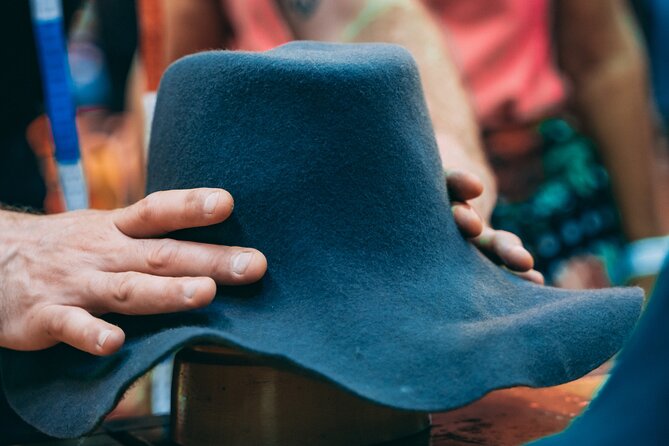
- You build the hat from scratch: color, material, shape, and finishing all happen during the session.
- Up to 10 people: small-group attention is realistic, especially when you hit tricky steps.
- English support exists: instruction is offered in English, and translation tools (like apps and Bluetooth) may be used when needed.
- You choose the “hat body” on a wooden block: your shape work starts with a form sized for your head.
- Decorations can cost extra: some ribbon/feather pieces may be included, while buttons, charms, scarves, and extra trims can add up.
- You take your hat home the same day: it’s built as a wearable souvenir, not something shipped later.
Stepping into the Chapellerie MiniMe Paris atelier
Your session begins at 25 R. de Turbigo, 75002 Paris. This area is handy for walking and transit, so you’re not stuck planning an awkward taxi-only trip. When you arrive, you’ll meet your hat designer/instructor directly in the workshop setting, where hats are treated like craft tools—not display objects.
The workshop is run through MiniMeParis Experiences, and the studio is part retail, part workroom. That matters because you’ll see the materials, sample hats, and decoration options in context as you make decisions. It’s not just a classroom where everything is hidden behind a curtain until the end.
Group size is capped at 10 travelers, which usually helps with pacing and getting help when you’re stretching or pressing. Still, this is active work. You’ll spend most of the time upright around your work station rather than lounging.
You can also read our reviews of more tours and experiences in Paris.



Choosing your hat: colors, materials, and styles that feel personal
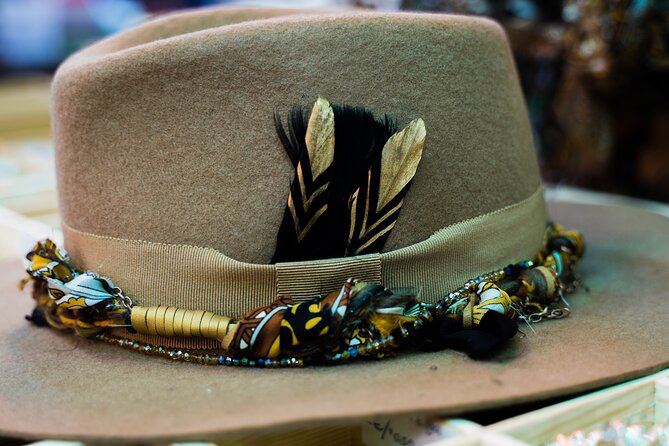
The first “real” decision is your base material and color. You can choose from 30 colors of merino wool or rabbit felt, plus other traditional or contemporary options like natural straw. That selection is more important than it sounds. Felt and wool behave differently under steam and stretching, so your final texture and finish will reflect what you picked.
Then you choose a hat shape—think classic options such as fedora, trilby, boater, capeline, or other similar styles. This is the point where the workshop becomes about taste, not just technique. If you know you want something practical for everyday wear, you can aim for a shape that sits comfortably and looks good without needing heavy decoration.
A small but smart detail: your instructor will guide you to a correct fit by using a form (often a wooden block) sized to you. That step helps the final hat feel less like a one-size souvenir and more like something you’ll actually keep wearing after the trip.
The shaping part: steam, pins, hammers, and heat setting
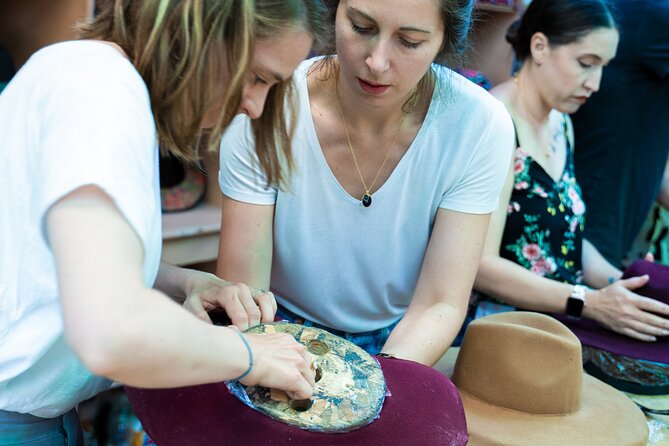
Once you’ve chosen material and style, you’ll move into the shaping sequence. You start by selecting a wood block and then molding and stretching your material over it. Expect to work the hat into the correct form using water, steam, hammers, and pins (and often a bit of elbow grease).
This is where the experience becomes genuinely educational. You’ll learn that hat-making is less about one magic moment and more about small, repeated adjustments. Steam softens the material so it can be shaped, and then the hat needs to be set and finished so the shape holds.
A few practical implications for you:
- Wear clothing you don’t mind getting warm in. Steam and heat can make the studio feel toasty.
- Be ready for physical work. Some participants described it as a bit of a workout because you’re standing and actively handling materials.
- Don’t plan a tight schedule right after. The workshop is listed at about 3 hours, but sessions have been reported as running longer.
If you’re the type who likes learning a craft step-by-step, this is the moment you’ll enjoy most. It’s not just picking a souvenir. It’s making something with your hands.
Taking control of your design with decorations
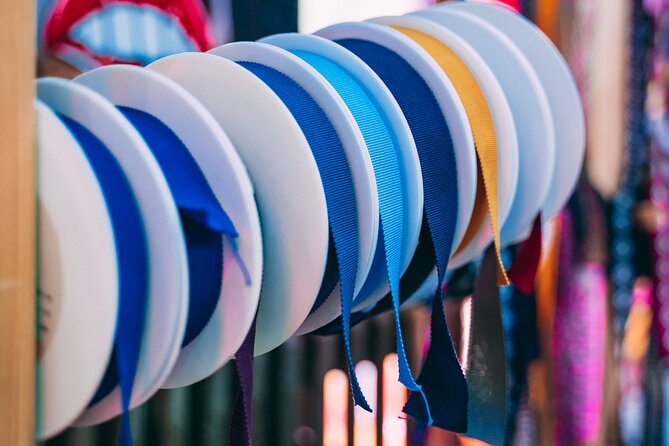
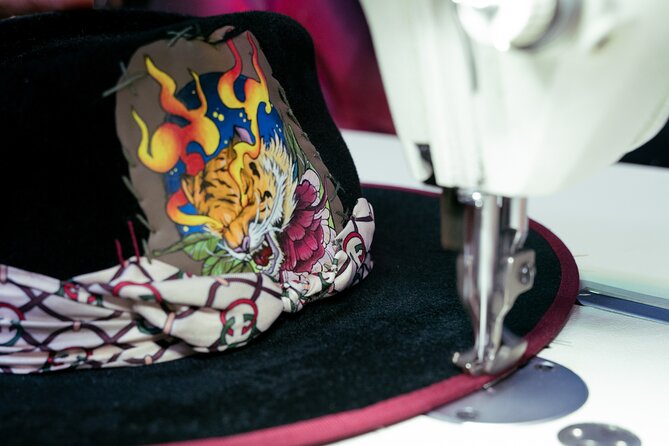
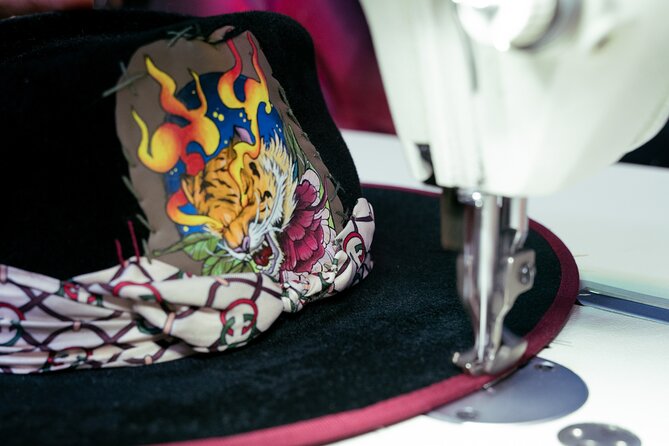
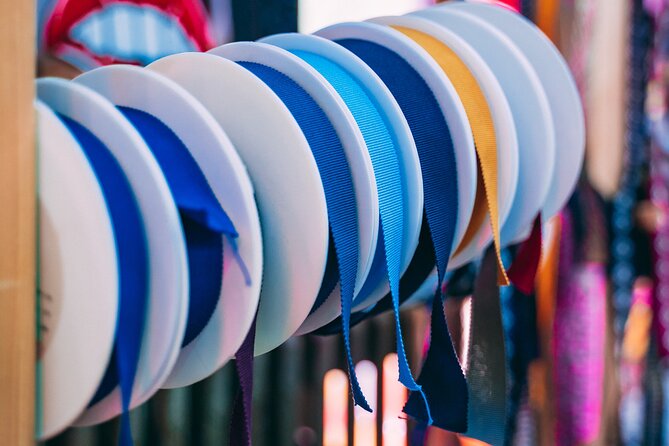
After shaping, you finish your hat with decorations—ribbons, feathers, charms, scarves, pins, and other adornments depending on what’s available that day. Many people come for the craft, then stay for the styling part. This is where your hat becomes yours.
Here’s the practical truth about cost: the base price covers the core workshop experience, but extras can add up. Some decoration elements (like a ribbon and feather) may be included, while other items—like buttons and more decorative trims—can be priced separately. One helpful warning from past participants: it’s possible to spend significantly more if you choose higher-end add-ons. Even items described as designer buttons were reported as very expensive.
Still, that doesn’t make the workshop a bad value. It makes it a choose-your-own-adventure. If you set a decoration budget in advance, you can keep the final cost reasonable and still end up with a hat that looks like it belongs in a stylish Paris photo.
Translation and instructor style: English support varies by person
The experience is offered in English, and participants have described different ways translation was handled. Some instructors used translation technology, such as an app and Bluetooth audio. In other cases, the instructor may speak mostly French, with translation support covering the key steps.
Names you may hear from instructors and assistants include Fabrice, Mary, Marie, and Sara, showing that different workshop leaders can run sessions. The good news: people have said communication works well when translation tools and extra help are in play.
What you should do to make the language part painless:
- Ask questions early, especially before you start stretching or setting heat.
- If something feels unclear, slow down and confirm what the instructor wants—hat shaping is not the place for guessing.
- Bring a flexible attitude. Craft workshops move at the pace of the hands, not the clock.






Price and value: what $175.36 covers, and why extras happen
At $175.36 per person, this workshop is not cheap. But it’s also not a passive souvenir purchase. You’re paying for instruction, tools, materials for the core hat-making, and the time of a professional hatter in a real atelier environment.
That said, the final cost can rise because decorations are a big part of the fun—and some items are priced separately. One participant guidance was clear: the price may not cover all add-ons, so the most expensive part of the experience can be the final styling choices.
Here’s how I’d think about value before you book:
- If you want a hat you’ll wear for years, you’ll likely feel it’s worth it. Multiple people described their finished hats as practical, not just cute.
- If you only want minimal decoration and aren’t tempted by charms/buttons/scarves, you’ll probably get the best value.
- If you’re drawn to premium decorative pieces, budget for upsells. You’re basically shopping while you craft.
Also note: studio time matters. Some people reported being on their feet longer than expected, which can feel like a workout. That extra effort can be a plus if you like hands-on learning.
Timing, pacing, and what the studio day is like
The listed duration is about 3 hours, but there are reports of sessions running longer. That usually makes sense: once your hat is in the steam/stretch stage, you can’t rush without risking the shape.
The studio setup can also affect your comfort. Some people mentioned standing most of the time, with limited seating. Others mentioned heat and a noisy, active workshop environment. On the flip side, small groups and hands-on help are often part of why the finished hat quality feels strong.
If you’re planning the rest of your day in Paris, build in buffer time. A hat is one souvenir you shouldn’t treat like a quick stop.
Practical tips so you leave with a great hat (and fewer regrets)
I’d plan this workshop like you’re doing a craft class in the real world, not a polished museum activity.
Wear and bring
- Wear comfortable clothes and shoes for standing.
- Bring a drink if you tend to run hot. Some participants mentioned needing hydration, and nothing is guaranteed beyond what’s provided on arrival.
- If you’re bringing a larger bag, note that participants have discussed locker concerns. Keep anything valuable (passports, wallets, electronics) on your person when possible.
During the workshop
- Focus first on shape and fit. Decorations are fun, but a good base is what makes the hat wearable later.
- If you’re deciding between similar styles, ask how each will hold its structure after heat setting.
- Don’t wait until the final minutes to choose decorations. You’ll enjoy the process more if you browse while your design decisions are fresh.
After
- Your hat is meant to travel home with you. Handle it carefully in your bag so your brim or crown doesn’t get crushed on the way to the next stop.
Who this hat-making workshop fits best
This is a great match if you love hands-on activities, style, and taking something home that feels like Paris craft rather than mass-market souvenirs. It’s also a strong option for people who like a small group setting where you can get direct help.
It may be less ideal if:
- You want a totally low-energy experience with lots of sitting.
- You’re very price-sensitive and want zero surprise costs for accessories.
- You’re scheduling a strict afternoon plan right after and can’t tolerate the possibility of running longer.
Children can participate, but must be accompanied by an adult, and the workshop is described as suitable for most travelers.
Should you book this Paris hat workshop?
Yes—if you want a wearable souvenir and you enjoy the idea of learning real craft steps, this is a memorable way to spend a few hours in Paris. The combination of choosing materials, shaping with steam and tools, and then personalizing your final look is exactly what makes the experience feel different from a typical shopping stop.
Book with two smart expectations: the work is active and the decorations can cost extra. If you go in with a clear budget for trims and you leave time in your schedule for the session to run at its own pace, you’ll likely walk out feeling like you made something with your hands—and not just bought something off a shelf.
FAQ
Is this workshop offered in English?
Yes. The experience is offered in English, and translation technology may be used to support understanding during the steps.
How long is the hat-making workshop?
It’s listed as about 3 hours. Some sessions have run longer due to the hands-on shaping and finishing process.
Where does the workshop start?
It starts at 25 R. de Turbigo, 75002 Paris, France, and ends back at the meeting point.
How many people are in the group?
The maximum group size is 10 travelers.
What will I make?
You’ll create your own personalized hat in a classic style (such as fedora, trilby, boater, or capeline) and decorate it with finishing accessories available in the workshop.
Can I choose my materials and colors?
Yes. You can choose among options including merino wool or rabbit felt (with multiple colors), and also other options like natural straw, with instructor guidance.
Do I take the hat home the same day?
Yes. You leave with your finished hat at the end of the workshop.
What is the cancellation policy?
Cancellation is free. You can cancel up to 24 hours in advance for a full refund, based on local time.
Are there age requirements for children?
Children must be accompanied by an adult.