Paris turns corners into stories fast. This 2-hour walk through Le Marais mixes Jewish Quarter history and LGBTQIA+ culture with a tour guide who puts places in context, not just on a map. I especially like the way you get medieval architecture moments like Saint Gervais church and then flow right into modern street art energy. One trade-off: you get a pastry included, but drinks and extra food are on your own, so plan a little extra if you want to keep tasting.
My other favorite part is the small-group size, capped at 12, which makes it easier to ask questions and actually hear the details instead of playing tourist on mute. Guides named Maxi, Paloma, Camila, and Cecelia are called out for pacing and for making the neighborhood feel personal, not like a script. Still, because it’s a walking tour, you’ll cover about 2 km, so comfy shoes matter more than you’d think.
Before you go, read the food note: it’s suitable for vegetarians, but it isn’t listed as lactose free, gluten free, or vegan. If you’re strict about dietary needs, you’ll want to plan around the included pastry and confirm what your tasting contains.
In This Review
- Key things you’ll notice on this Marais tour
- Where you start: Pompidou-to-Marais legs that feel manageable
- Stravinsky Fountain street style and the Hotel de Ville vibe
- Saint Gervais church: the kind of stop you’ll remember later
- A sweet break with merveilleux: worth it even if you’re not a pastry person
- Rue des Rosiers: Jewish Paris you can taste and see
- Place des Vosges and Victor Hugo’s footprint
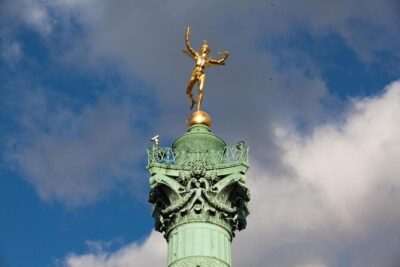
- Place de la Bastille: Revolution ground, with a drink option afterward
- LGBTQIA+ stories in the Marais: how community shaped the neighborhood
- How pacing really feels in a 2-hour, 2 km format
- Price and value: what you’re really paying for at $56
- Dietary notes: vegetarian-friendly, but not all restrictions are covered
- Best for first-timers, food lovers, and anyone who likes real neighborhood stories
- Tips to make your walk smoother
- Should you book this Marais tour?
- FAQ
- How long is the Marais walking tour?
- What is the walking distance?
- Where do I meet the guide?
- Where does the tour end?
- What’s included in the price?
- Is the tour vegetarian-friendly?
- Is the tour good for families?
- What should I bring?
- Is it carbon neutral?
Key things you’ll notice on this Marais tour
- Start by the Pompidou area: an easy meeting point, with your guide holding a sign nearby
- Hotel de Ville to Place de la Bastille pacing: big landmarks without feeling rushed
- Saint Gervais church stop: architectural focus plus a sense of how old Paris survived
- Merveilleux pastry break: a sweet pause built into the walk
- Rue des Rosiers and Jewish Quarter stories: food and history in the same lane
- LGBTQIA+ influence in the Marais: how community shaped the neighborhood’s identity
Where you start: Pompidou-to-Marais legs that feel manageable
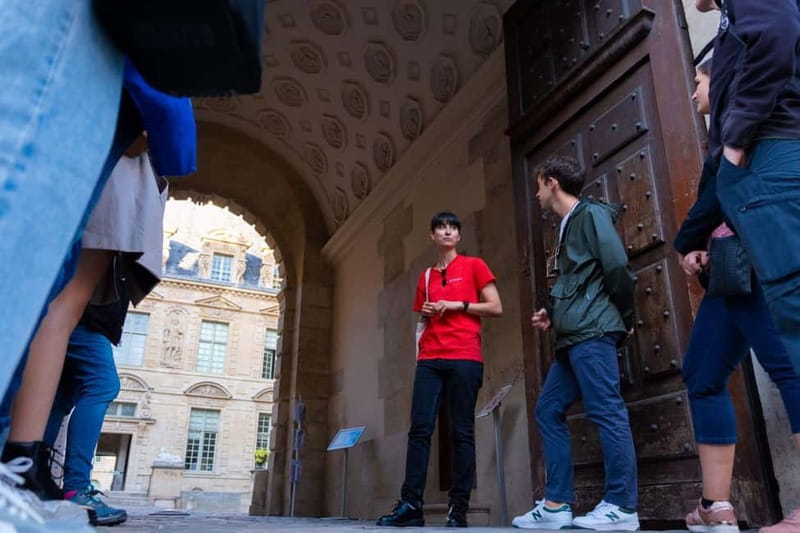
The tour meets near the Pompidou Center, opposite it by the Centre Culturel de Serbie. Your guide will be holding a sign with the local partner’s name, so it’s worth arriving a few minutes early and scanning the area rather than sprinting after the group.
Starting this way is smart. It’s central, it’s easy to reach on foot or by transit, and it gives you a smooth entry into the Marais rather than forcing you to line up somewhere inside a maze of tiny streets. Also, it keeps your first moments from feeling like museum queue time. You’re walking right away.
It’s only 2 hours, and you cover about 2 km. That’s not a casual stroll, but it’s also not a full-day endurance test. You’ll be stopping often enough to absorb what you’re seeing, yet you’ll still move through the neighborhood at a pace that makes sense.
You can also read our reviews of more historical tours in Paris



Stravinsky Fountain street style and the Hotel de Ville vibe
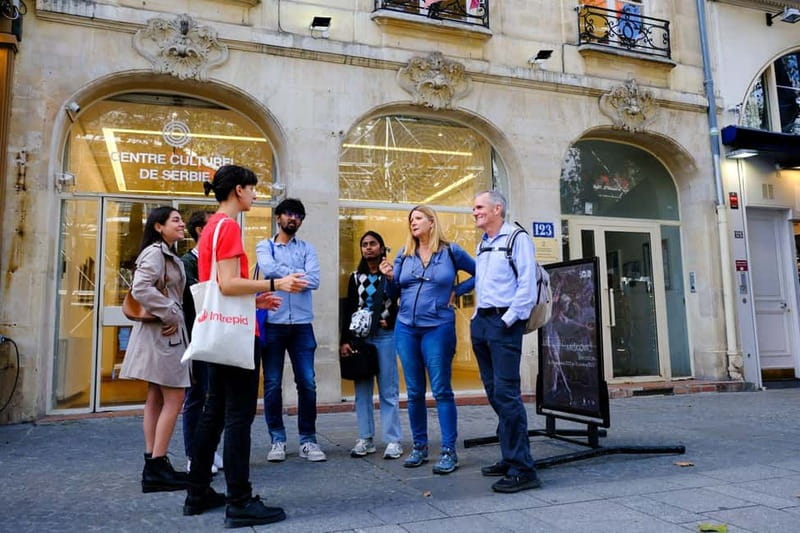
After meeting near Pompidou, the walk connects you to the Marais via the Hôtel de Ville area. On the way, you pass the Stravinsky Fountain and some street art. This is one of those Paris moments that can look random until somebody gives you the context—then it suddenly feels like part of a story about how the city keeps reinventing itself.
I like that the tour doesn’t treat the Marais as a single mood. It shows you a Paris that has layers: the official civic side near Hôtel de Ville, the playful modern touches like street art, and then the shift into the older, narrower streets where medieval shapes still guide your way.
This part works especially well if it’s your first day in Paris. You get a feel for the neighborhood’s layout and energy early, so when you go off on your own later, you’re not just drifting—you know what you’re looking at.
Saint Gervais church: the kind of stop you’ll remember later
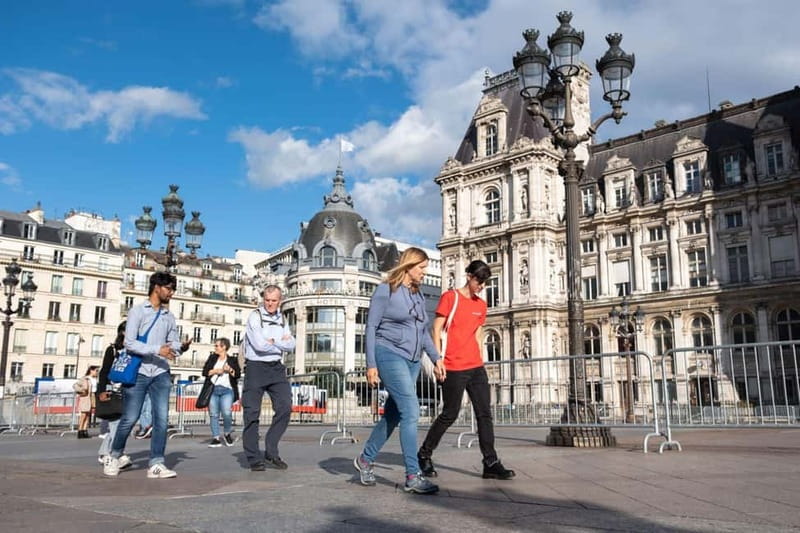
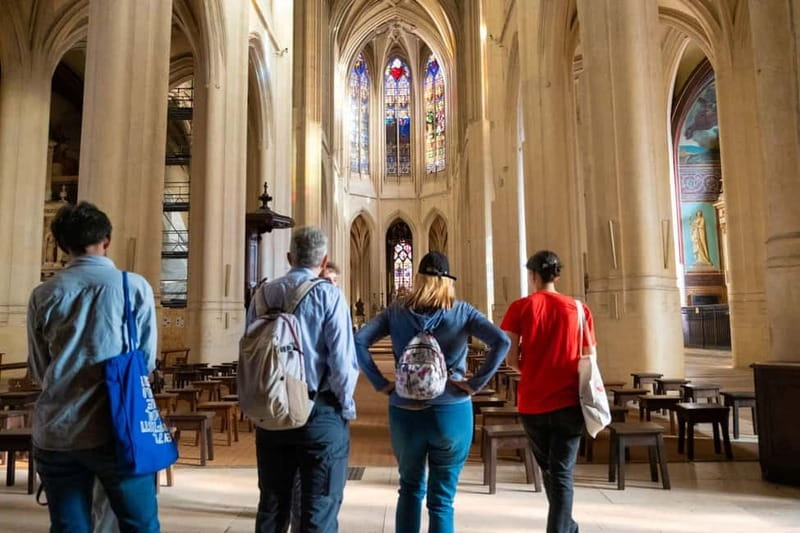
Saint Gervais church is a key stop, and it’s not only there for a photo. The tour frames it as part of the Marais’s long timeline—one reason it sticks in your head after the tour ends.
You also get a chance to look at quirky medieval side streets, including corbelled house shapes that you might walk past without a guide pointing out what you’re actually seeing. These details are small, but that’s the point. In a district like the Marais, the charm often lives in the leftovers: architecture that didn’t get flattened into uniform postcards.
If you like churches mainly for the human story inside them (who built, who changed, what survived), this stop is a strong payoff. And because the guide keeps the walking rhythm going, it doesn’t feel like you’re stuck standing around.
A sweet break with merveilleux: worth it even if you’re not a pastry person
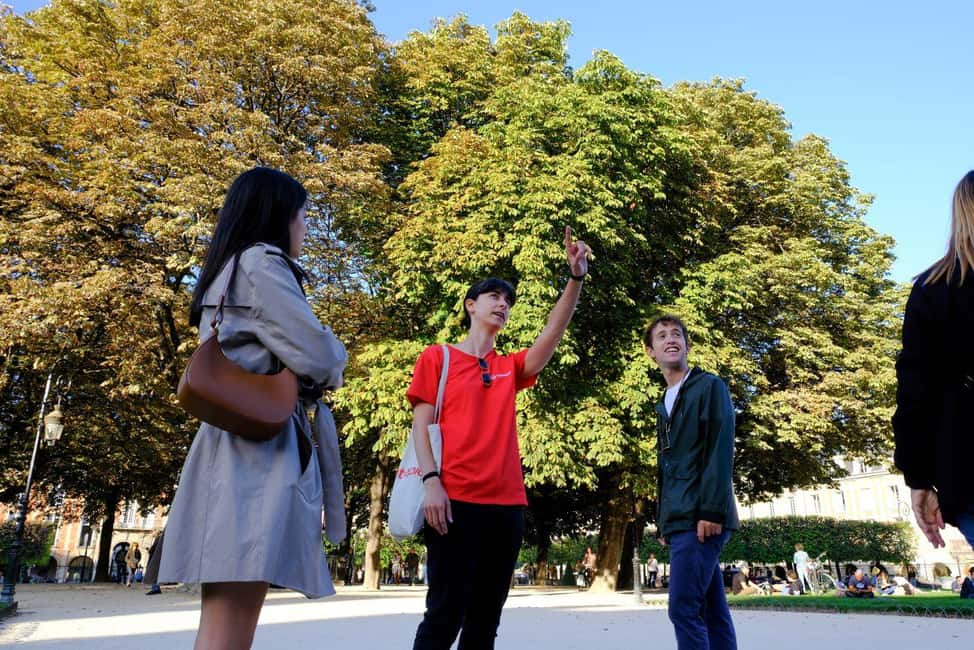
One of the more enjoyable moments is the pastry stop: a merveilleux—the famous meringue treat that’s light, crisp, and almost snackable in slow motion.
This is included, which matters for value. Paris can be expensive when you start adding small treats on top of attractions. Here, one planned bite is built into the tour flow, so you’re not guessing where the best sugary stop is while juggling directions, crowd levels, and your next train.
If you’re traveling with kids, this is also a smart checkpoint. It gives everyone a pause without killing the momentum. Just keep in mind it’s a pastry-based stop, and the tour notes vegetarian suitability while not listing lactose free, gluten free, or vegan options—so plan accordingly if you have strict dietary requirements.
Rue des Rosiers: Jewish Paris you can taste and see
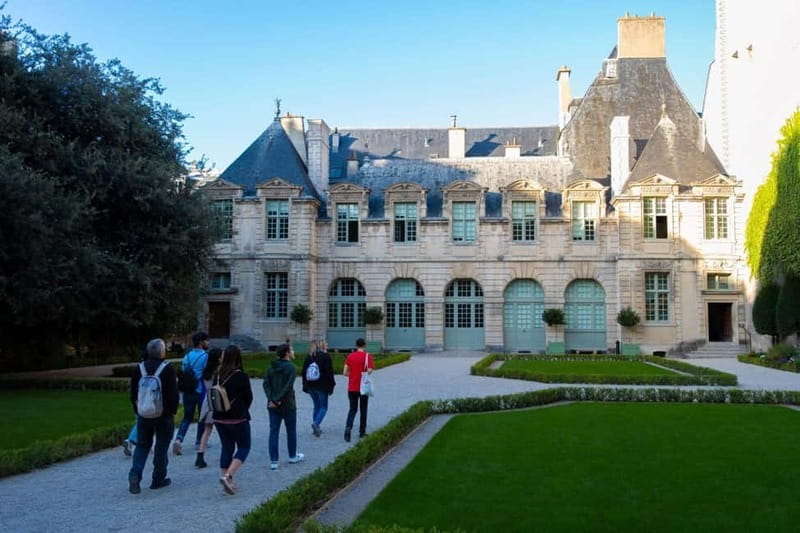
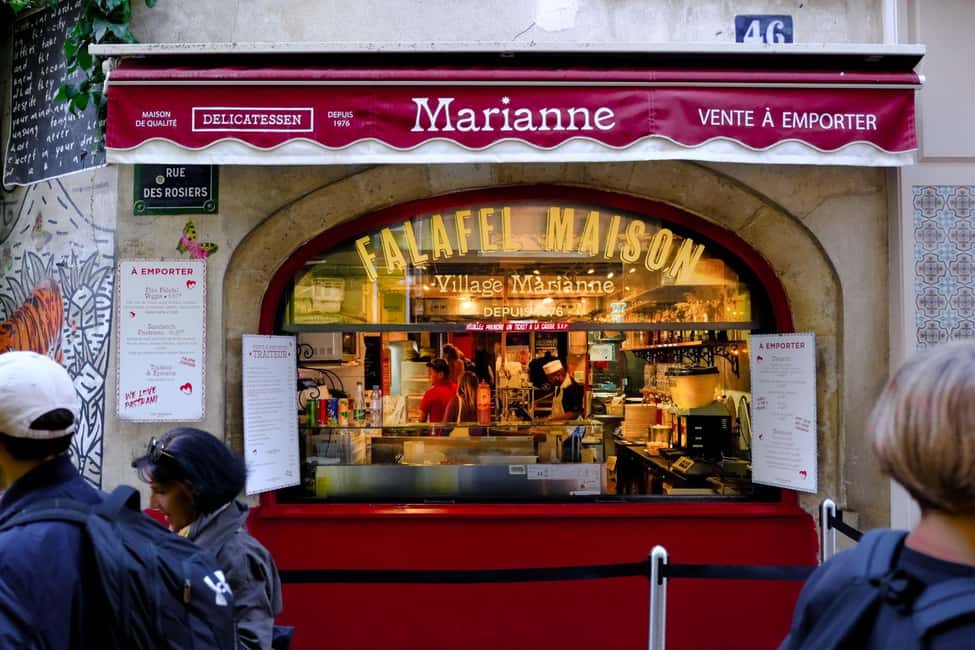
Then you head to Rue des Rosiers, often described as the heart of Paris’s Jewish community. The tour connects the neighborhood’s cultural influence with what you’re seeing on the street—especially through food like falafel, and the general mix of shops, signs, and daily life that makes the area feel lived-in rather than staged.
I like that the tour doesn’t treat Rue des Rosiers like a “one-item” stop. It’s placed in the middle of the day’s walking arc, so you’re not just arriving, grabbing food, and leaving. Instead, you’re learning why the streets look the way they do and how the community shaped local identity over time.
Practical tip: this is where you may want to linger if something catches your eye. You’ll already have context from the guide, so even casual browsing feels more meaningful.






Place des Vosges and Victor Hugo’s footprint
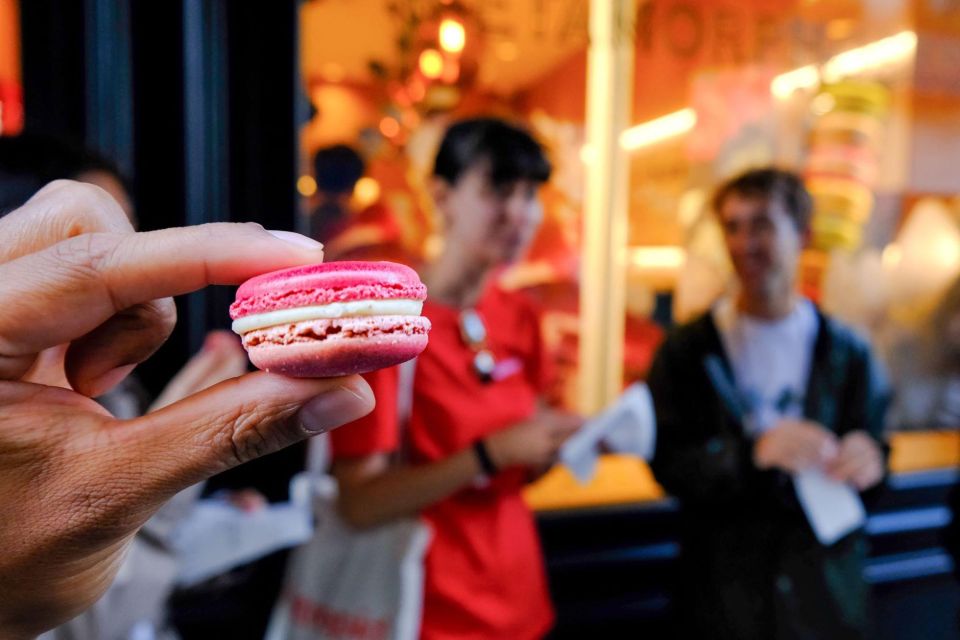
Place des Vosges is where the walk gives you that classic Paris geometry: a grand square with history in every line. It’s also a natural mental break after the narrow lanes of the Jewish Quarter.
The tour links this stop to Victor Hugo. If literature is your thing, you’ll appreciate the way the tour uses a famous name to anchor what you’re seeing. If literature isn’t your thing, the square still works because it’s visually strong and easy to appreciate from inside the tour flow.
This stop also helps you recalibrate. You’ve been walking, listening, tasting, and noticing smaller details. In Place des Vosges, the view opens up, and you can absorb the setting without constantly scanning sidewalks for the next turn.
Place de la Bastille: Revolution ground, with a drink option afterward
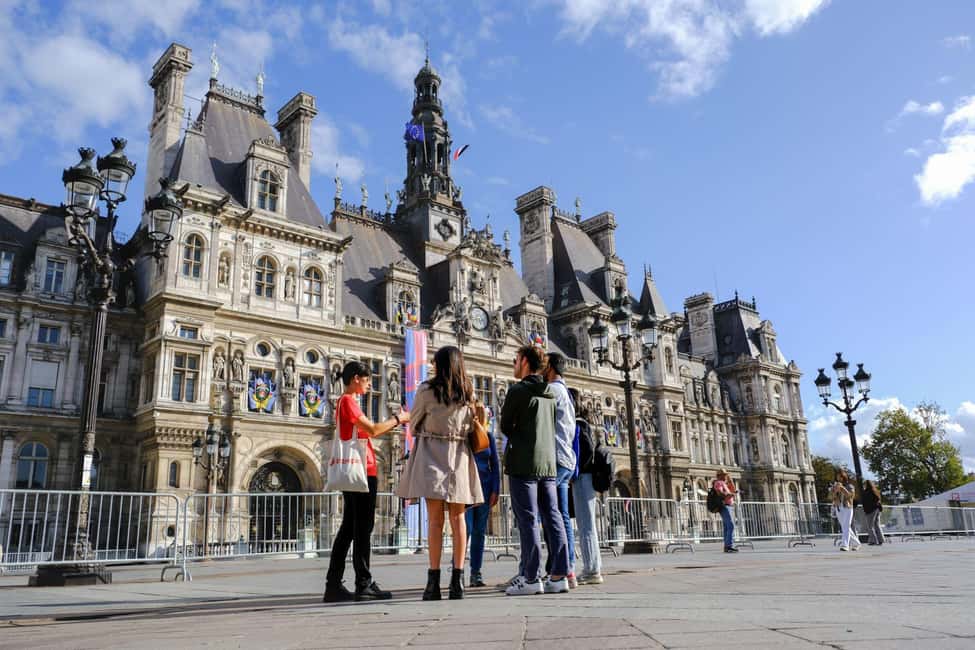
The final major sightseeing stop is Place de la Bastille, tied to the French Revolution. Even if you already know the basics, hearing it in the location makes the square feel more concrete. It’s also a good end point because it’s surrounded by places to continue your night.
The tour’s structure sets you up for that. It finishes after Bastille, with the idea that you’ll be near spots where you can grab a drink at a local bar. You’re not trapped in one more museum moment. You leave with energy still running.
One small note: this is also a big, public area. If you’re the type who hates crowd noise, expect a lively atmosphere compared with the quieter side streets earlier in the walk.
LGBTQIA+ stories in the Marais: how community shaped the neighborhood
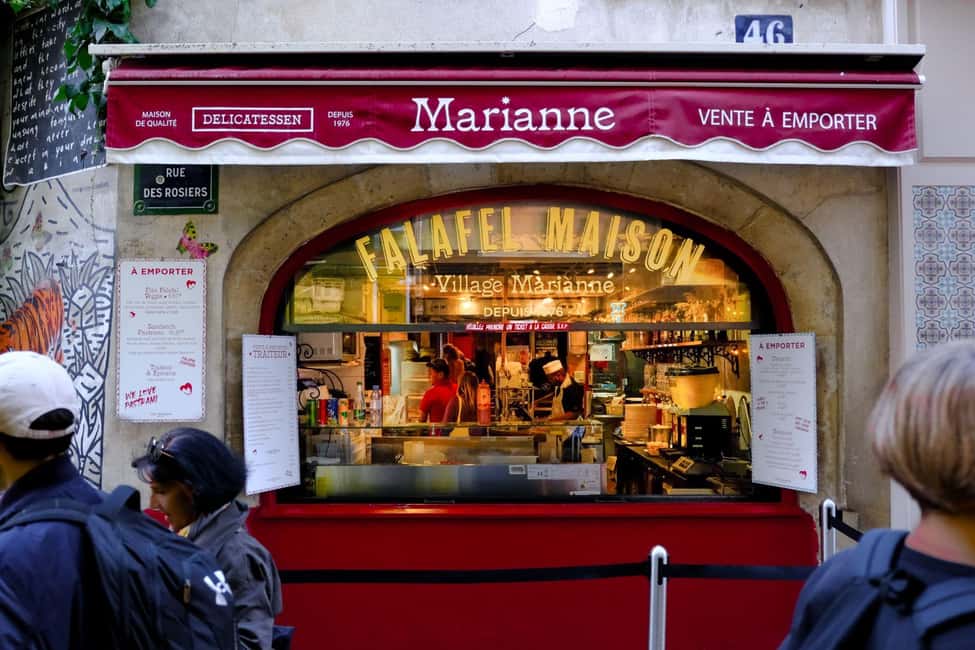
A standout feature here is the way the tour frames the Marais as a neighborhood where LGBTQIA+ life has had an influence, not just a presence. The guide ties the community to the area’s energy and identity, so you understand why the Marais has long been a place people come to feel visible, connected, and culturally at home.
I like this approach because it avoids stereotypes. Instead of reducing everything to nightlife, it places LGBTQIA+ impact alongside Jewish Quarter influence, medieval landmarks, and the modern street life around you. You’re walking through a district where multiple histories overlap, and the tour helps you see that.
This is also where a great guide makes a difference. Names mentioned in experiences include Paloma and Camila—both praised for sharing history in a way that feels human, with a good pace and room for questions. If you care about how neighborhoods evolve through community, this part will feel worth your time.
How pacing really feels in a 2-hour, 2 km format
The walk is built for a smart attention span. With 2 hours total and about 2 km of walking, you’re not stuck speed-walking nonstop. You get short guided segments at multiple stops, so your brain has time to process what you’re seeing.
Small-group size (maximum 12) matters more than you might think. In cities like Paris, big groups can turn into bottlenecks at every corner. Here, the setup aims to keep things conversational and manageable.
Also, it’s child-friendly, which suggests the pacing and tour length are kept within a range most families can handle. If you’re traveling with kids, that’s a practical benefit—not every adults-only tour is worth your time when you have little legs and short attention spans.
Price and value: what you’re really paying for at $56
At $56 per person for a 2-hour walking tour, you’re paying for three things: guided interpretation, time saved (you don’t have to self-research every corner), and one included tasting.
You get a local English-speaking guide and a pastry. That’s a solid base value because it turns “just walking around” into an experience with specific context: Saint Gervais church meaning, Rue des Rosiers cultural influence, and the connection from Hôtel de Ville to the Revolution-linked Bastille area.
Drinks and additional food aren’t included, so if you plan to turn the end into an extended tasting session, budget for it. But overall, the price feels fair for what you receive: a guided route through iconic and less-obvious Marais moments without requiring paid museum tickets.
One more “value” angle: the tour is described as carbon neutral and run by a B Corp-certified company committed to using travel as a force for good. That won’t change your enjoyment of Saint Gervais, but it is a nice filter if you care about how your travel choices are made.
Dietary notes: vegetarian-friendly, but not all restrictions are covered
The tour is suitable for vegetarians, but it’s not labeled as lactose free, gluten free, or vegan. That’s important because the included pastry stop could conflict with certain diets.
If your needs are flexible, you’ll likely be fine. If you’re strict—especially gluten or dairy—treat this as a tour where you might need to coordinate with your guide before the pastry moment. The best move is to ask in advance what’s in the included merveilleux tasting and whether any substitutions are possible.
Best for first-timers, food lovers, and anyone who likes real neighborhood stories
This tour fits well if:
- You want to get oriented in the Marais fast and then explore on your own.
- You care about Jewish Quarter and LGBTQIA+ cultural influence as part of the neighborhood story.
- You like mixing landmarks (church, squares) with everyday street life.
- You enjoy food stops that are short and guided rather than a full sit-down meal.
It might feel less ideal if you want a long, deep, museum-level experience or if you hate walking through city squares with crowds. It’s a guided walk, not a show.
Tips to make your walk smoother
- Wear comfortable shoes. You’ll cover about 2 km and you’ll want your feet to stay happy.
- Bring an umbrella. Weather in Paris can change quickly.
- Arrive a little early at the Pompidou-side meeting point. Your guide holds a sign, so early arrival reduces stress.
- Have one question ready. A good question makes the history stick, especially for community-driven topics like LGBTQIA+ influence and Jewish neighborhood heritage.
- Plan for spending after the tour. Drinks and extra food aren’t included, and Place de la Bastille is a natural place to keep the evening going.
Should you book this Marais tour?
I’d book it if you want a smart, human-sized Marais overview in just two hours. The mix of medieval architecture (Saint Gervais), Rue des Rosiers cultural context, and LGBTQIA+ neighborhood identity hits the kind of stories that turn a district into something you understand, not just something you pass through.
If you’re on strict lactose-free or gluten-free diets, or if you expect drinks or a bigger meal to be included, you may want to confirm the pastry details before committing. But for most people—especially first-timers and food-and-history lovers—this is a good-value way to walk the Marais with a guide who actually helps you see what’s in front of you.
FAQ
How long is the Marais walking tour?
The tour lasts about 2 hours.
What is the walking distance?
It covers about 2 km (around 1.2 miles).
Where do I meet the guide?
You meet opposite the Pompidou Center, by the Centre Culturel de Serbie. The guide will be holding a sign for the local partner.
Where does the tour end?
The tour ends at Place des Vosges, Paris.
What’s included in the price?
It includes a local English-speaking guide, a walking tour, and a pastry.
Is the tour vegetarian-friendly?
Yes, it is suitable for vegetarians, but it is not listed as lactose free, gluten free, or vegan.
Is the tour good for families?
Yes, it’s listed as child-friendly.
What should I bring?
Bring comfortable shoes and an umbrella.
Is it carbon neutral?
Yes, the tour is described as carbon neutral, operated by a B Corp-certified company committed to using travel as a force for good.