REVIEW · PARIS
Paris: Guided tour of Marais in German
Book on GetYourGuide →Operated by HelpTourists · Bookable on GetYourGuide
The Marais makes Paris feel personal. This German guided tour turns the Jewish Quarter into something you can actually picture, from Rue des Rosiers to the preserved streets of the 3rd and 4th arrondissements. I like how you also get big visual wow from 16th and 17th-century city palaces, plus stops that connect the area to Paris City Hall and Centre Pompidou. One thing to plan for: entrance tickets and food aren’t included, so you may need extra time or money if you want to go inside specific places beyond the guide’s walkthrough.
You’ll cover a lot in just 2 hours, and it stays focused because it’s private for your group (price per person, but you’re not stuck in a big crowd). You start at 31 Rue de Rivoli near Hôtel de Ville and end back there, which makes it easy to plug into the rest of your day.
In This Review
- Key takeaways
- Starting at Hôtel de Ville, right on Rue de Rivoli
- Why Marais works so well with a Jewish Quarter lens
- Centre Pompidou: how a modern icon fits this older neighborhood
- Place des Vosges: the oldest square in Paris, and what to notice
- Musée Carnavalet: learning Paris by learning the neighborhood
- Rue des Rosiers and Jewish life in the Marais
- 16th and 17th-century palaces, plus the district’s oldest corners
- Hôtel de Ville connection: why it’s included on a Marais tour
- How the German private format changes the experience
- Price value: is $94 per person worth it?
- Who should book this Marais tour?
- Should you book? My straight answer
- FAQ
- How long is the Marais guided tour in German?
- What is the tour price per person?
- Where do we meet for the tour?
- Which stops are included on the route?
- Is the tour entrance tickets included?
- Are food and drinks included?
- Is this tour private?
- Can kids join, and do they pay?
Key takeaways
- German-speaking live guide keeps history clear and answers easy to follow.
- Rue des Rosiers + Jewish Quarter focus gives Paris a human, community-based side.
- Place des Vosges is the oldest square in Paris, with architecture you can read while you walk.
- City palaces from the 16th and 17th centuries show how Marais grew from old edges of the city.
- Hôtel de Ville and Centre Pompidou connect classic Paris to modern landmarks in the same route.
- A short, efficient 2-hour loop works well even if you’re busy or just want a strong orientation.
Starting at Hôtel de Ville, right on Rue de Rivoli
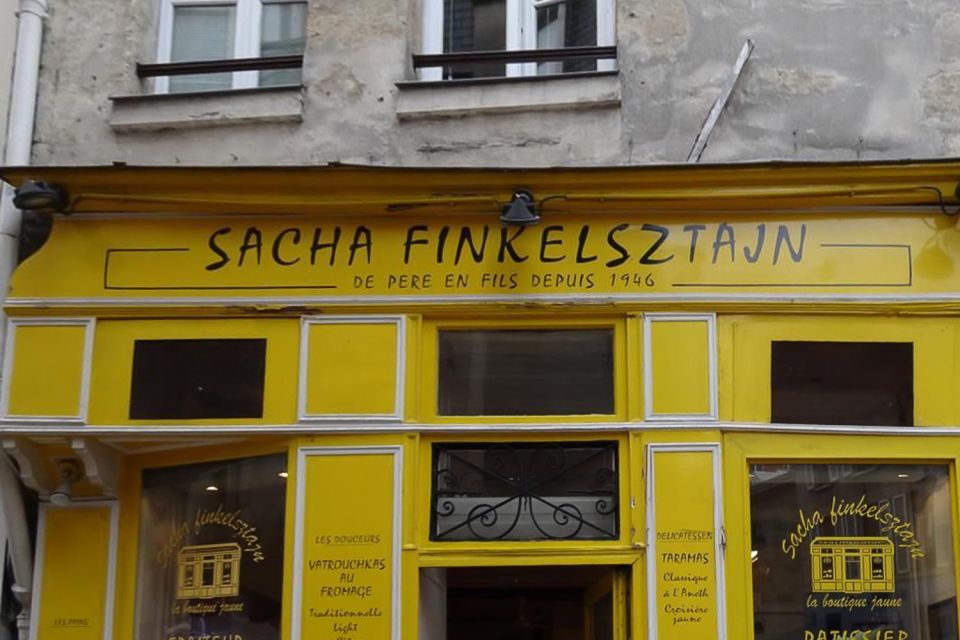
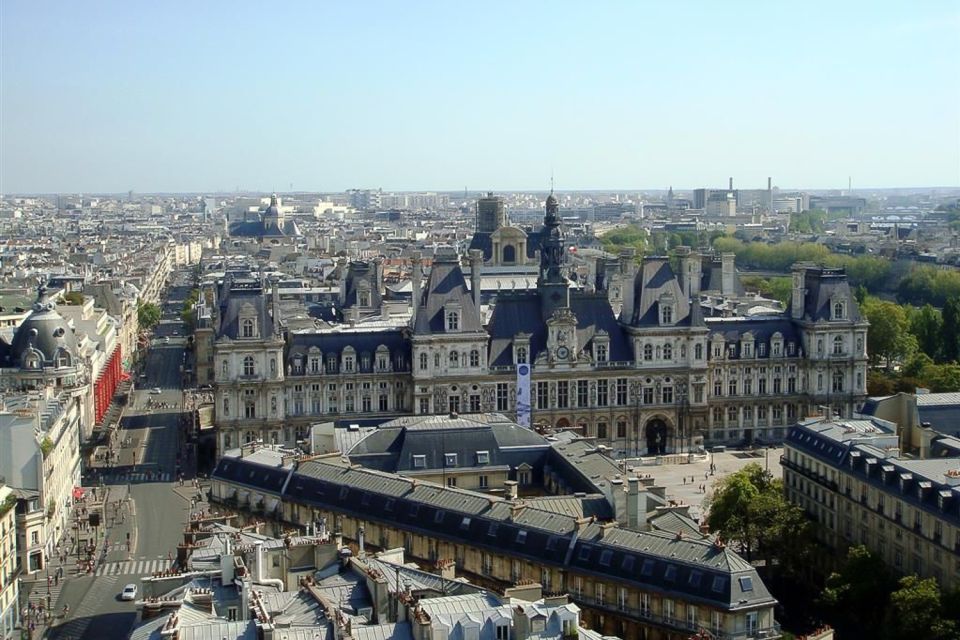
Your tour meets at Hôtel de Ville in front of Basket4Ballers, at 31 Rue de Rivoli. That’s a good location for two reasons. First, Hôtel de Ville is a natural anchor for the route, so you’re not wandering around hunting for a meeting point. Second, Rue de Rivoli is a convenient reference street if you’re mixing this with other plans in central Paris.
This is a private group tour, meaning you should feel comfortable asking questions and changing pace a bit if your group needs it. The tour is designed for walking, and it’s short enough that you won’t feel like you’re spending half your day in transit.
Practical note: you’ll want to wear shoes that handle a lot of street time. Marais is compact, but your feet will still do the work of seeing.
You can also read our reviews of more guided tours in Paris



Why Marais works so well with a Jewish Quarter lens
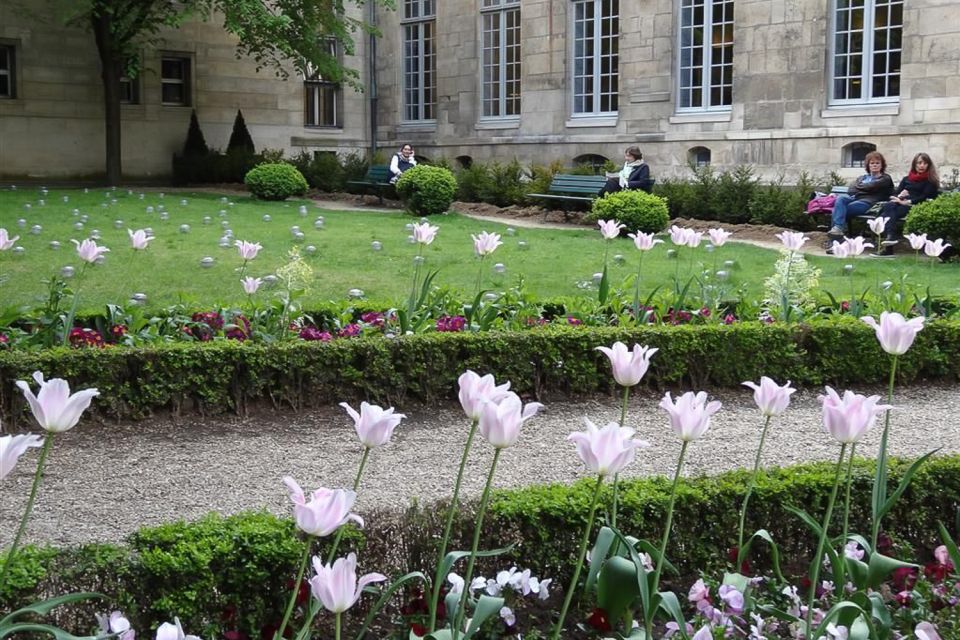
Marais is often described as charming, but what makes this tour smart is the angle. You’re not just looking at pretty buildings. You learn why the area became what it is, including the fact that this part of Paris was once swampland on the outskirts before it developed into a dense and important neighborhood.
That context changes how you see everything. When you understand that the neighborhood evolved from the city’s edge, those later grand structures from the 16th and 17th centuries feel earned, not random. And when the tour shifts toward Jewish life, you get a different kind of architecture lesson—one tied to community, street culture, and everyday history rather than only royal splendor.
If you’ve visited Paris before, this still works because it gives you a guided framework. If it’s your first time, it helps you build a map in your head fast: landmarks, streets, and the story tying them together.
Centre Pompidou: how a modern icon fits this older neighborhood
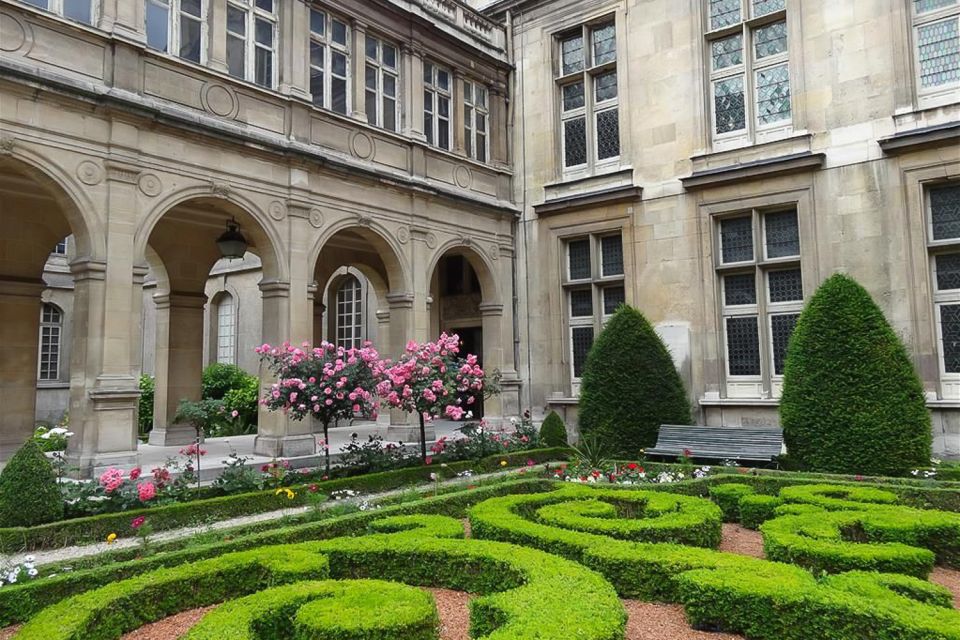
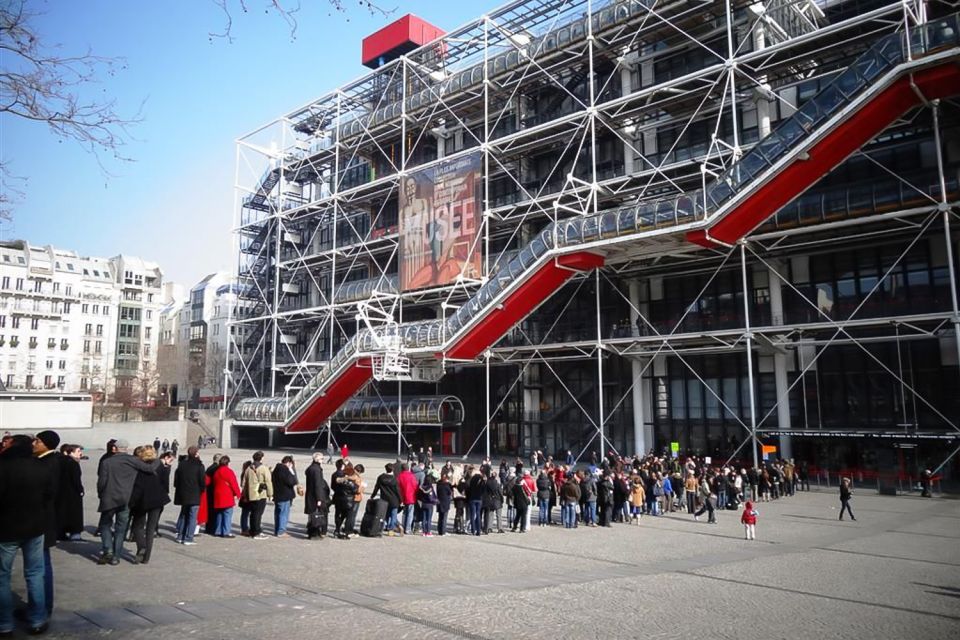
The route begins with a stop at Centre Pompidou for a guided segment. Even if you’re not going in for an exhibition, the point is the contrast: this modern cultural giant sits within walking distance of places tied to centuries of Paris growth.
Your guide helps you read that contrast. You get to understand the logic of the neighborhood and why this area stays important even as Paris modernizes. It’s also a handy way to orient yourself. By the time you leave Pompidou, you’re no longer thinking only in terms of museums—you’re thinking in terms of connections across time.
Consideration: since entrance tickets aren’t included, you should treat this as a guided viewing/understanding stop. If you want to go inside for a specific exhibit, plan for tickets and whatever wait time might come with them.
Place des Vosges: the oldest square in Paris, and what to notice
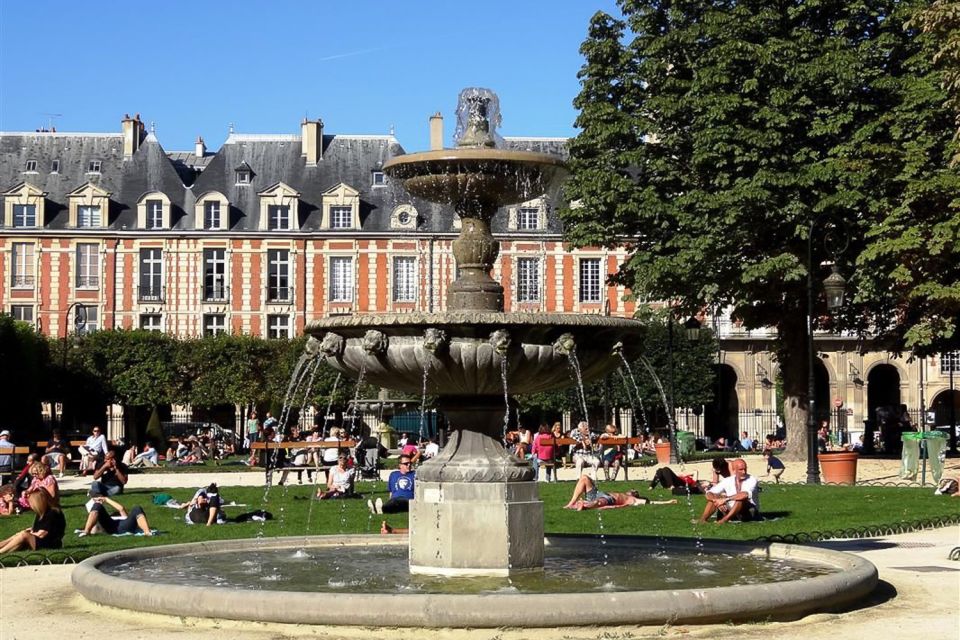
Next comes Place des Vosges. This stop is special for one simple reason: it’s not just a pretty square. It’s the oldest square in Paris, and your guide points out the architecture and history that make it legible.
When you walk a place like this with someone who can explain what you’re seeing, you start noticing the details yourself. You’ll learn how the square’s design and surroundings connect to the rise of the Marais as a wealthy district. And you’ll likely see the kind of visual symmetry that makes Place des Vosges feel orderly—almost like a stage set for old Paris.
If you’re the kind of traveler who likes to take photos but also wants meaning behind them, this is one of the strongest stops. It’s also a good moment to reset your brain before the tour shifts toward the Jewish Quarter streets.
Musée Carnavalet: learning Paris by learning the neighborhood
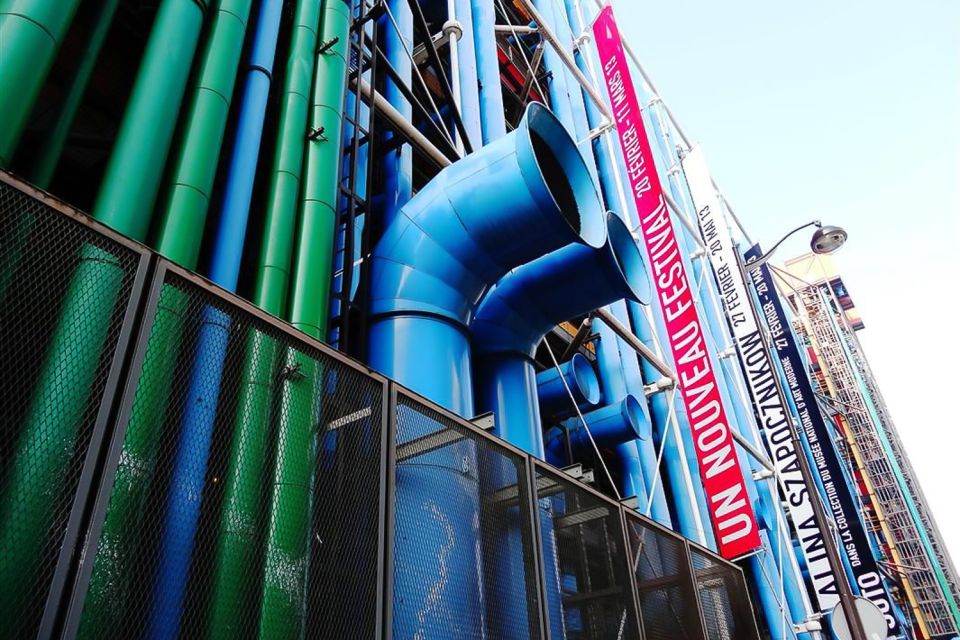
The tour includes Musée Carnavalet for a guided visit. Even if you only spend a short time here (since tickets aren’t included), the value is in how the guide uses the museum as a lens on the area around you.
This is where the story turns from landmarks into “how Paris works.” Carnavalet helps you connect what you’re seeing in the streets to how Paris has changed—politically, socially, and architecturally. The best part of a guided stop like this is that you don’t have to decide everything on your own. Your guide helps you focus on what matters for Marais.
Practical reality: museum entry may require tickets, depending on how the tour is structured that day. Don’t assume you’ll be able to wander freely inside for as long as you want. If museums are a top priority, it’s worth checking whether your guide plans an exterior-focused walkthrough or time inside.






Rue des Rosiers and Jewish life in the Marais
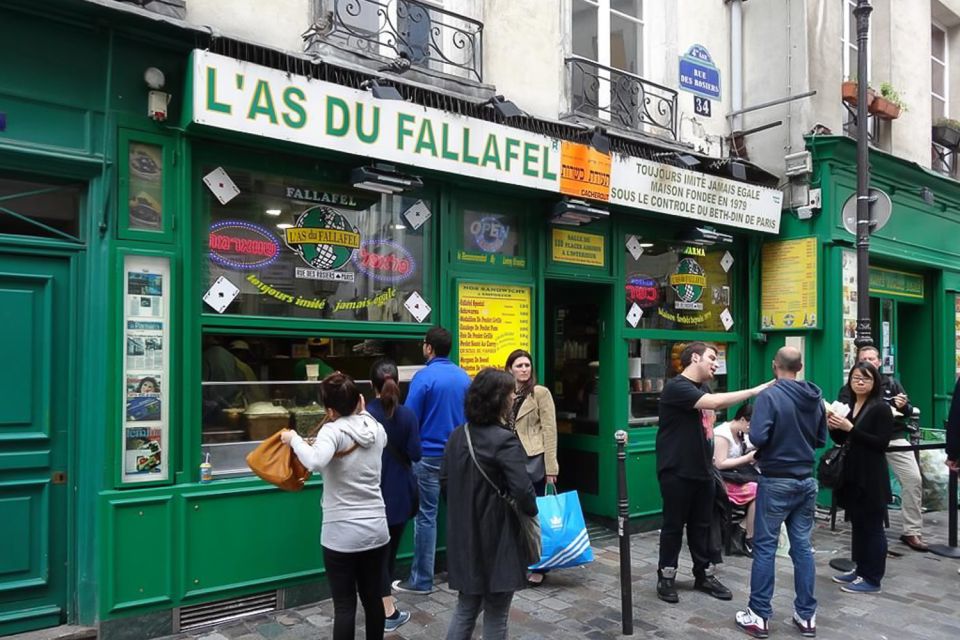
Then you hit Rue des Rosiers, which is one of the most famous streets tied to Jewish life in Paris. This is the “main event” for the tour’s theme, and it’s where the route earns its name.
What makes this stop feel different from a standard walking tour is that you learn it as a lived space, not only as a historic backdrop. Your guide shares the story of the quarter and why so much of it still looks remarkably intact. You’ll also get help connecting street-level details to bigger patterns: community presence, old building styles, and how the neighborhood kept its identity over time.
One nice detail from the tour style you can expect: short pauses that give you breathing room. Some guides also build in time for small purchases and even quick restroom breaks. That sounds minor until you’re the one standing in a crowded square later wishing you’d taken a two-minute break earlier.
If you prefer tours that respect the nuance of culture and don’t rush through people’s spaces, this is a good fit.
16th and 17th-century palaces, plus the district’s oldest corners
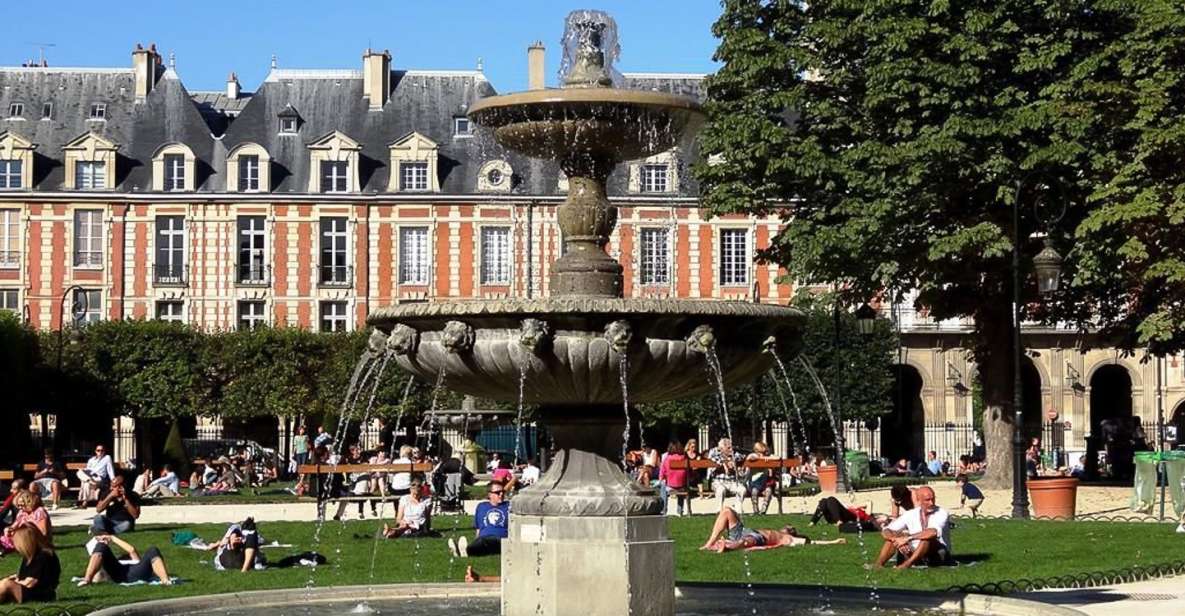
A big highlight is seeing the breathtaking city palaces from the 16th and 17th centuries. In Marais, these aren’t just “big buildings.” They show how wealth and power expressed themselves in urban form—how families shaped streets, courtyards, and the feel of a neighborhood.
Your guide also brings you to the oldest city palace in the area (as described in the tour). That matters because it gives you a benchmark. Once you see one of the earliest major residences, the later palaces start to make more sense. You can spot how design evolves while the overall identity stays consistent.
The tour doesn’t stop at Renaissance grandeur. It also ends with the last traces of medieval Paris. That’s a smart way to finish because medieval features tend to be subtle. With guidance, you’ll know what to look for instead of walking past it and thinking, well, that’s just an old wall.
Hôtel de Ville connection: why it’s included on a Marais tour
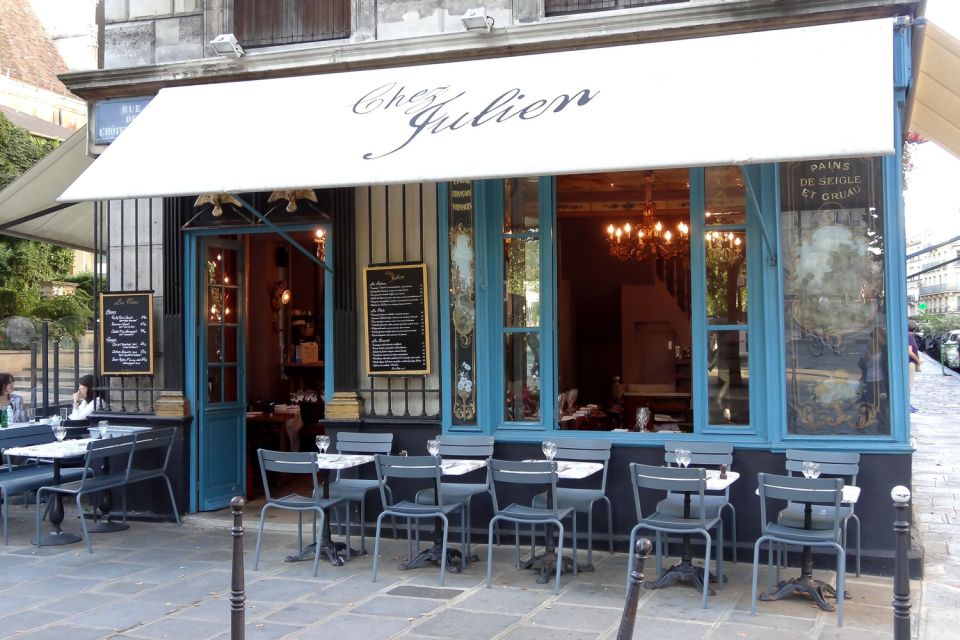
It’s easy to see why Hôtel de Ville makes sense as a meeting point. But the tour also treats it like a meaningful stop. You get to know Paris City Hall in the context of the Marais, which helps you see the district as part of a wider Paris story rather than a separate postcard zone.
This is also a practical benefit. When you’re learning a historic neighborhood, it helps to have a clear “anchor landmark” you can return to. Hôtel de Ville does that, and it keeps your navigation stress low.
How the German private format changes the experience
A lot of Paris tours get stuck in one of two modes: lots of facts, or lots of vagueness. This one is different because you get live German-language guidance, and the tour format is private for your group only.
That matters more than you might think. If you’re traveling with kids, you’ll often want slower pacing and more patience for questions. The tour format here supports that kind of back-and-forth. You can ask “why” without the guide acting rushed, and you’re not competing with other languages or other groups for time.
You’ll also get a smoother learning flow. Instead of piecing together notes in a secondhand way, you’re hearing the story in a language you can actually use. For many visitors, that turns a “nice walk” into a “now I get it” experience.
Price value: is $94 per person worth it?
At $94 per person for a 2-hour private guided tour, the value depends on how you like to travel.
You’re paying for:
- A live German-speaking guide (language makes a real difference)
- A private group route (less waiting, fewer distractions)
- A focused hit list across major Marais themes: Jewish Quarter life, historic squares, palaces, and major Paris anchors like Pompidou and City Hall
You’re not paying for:
- Entrance tickets
- Food and drinks
So here’s the honest math: if you’re the kind of traveler who wants to walk, ask questions, and build context without committing to multiple paid museum visits, this can be a strong value. If you plan to spend a lot of time inside museums and want tickets included, you’ll likely add extra costs on your own.
Also consider your group size. Private tours feel best when you’re splitting the experience among people who genuinely want the same pace and focus.
Who should book this Marais tour?
This is ideal if you:
- Want German-language historical storytelling
- Prefer a walking route that explains both Jewish life and old Paris architecture
- Like tours that are structured but still flexible enough for questions
- Are short on time and want a tight overview of Marais without losing the plot
It might be less ideal if you:
- Only care about museum ticket time and don’t want outdoor/streets focus
- Expect food to be part of the tour (it isn’t)
- Want a very long stop-and-stay itinerary (this one is 2 hours)
The sweet spot is travelers who want understanding, not just snapshots.
Should you book? My straight answer
Yes, I’d book this if you want a Marais walk with clarity and a strong theme. The combination of Rue des Rosiers, Place des Vosges, Musée Carnavalet, and major anchors like Hôtel de Ville and Centre Pompidou gives you both the human side of the neighborhood and the visual side of old Paris.
It’s also a smart choice when language matters. A guide who can answer in German makes the whole city feel less like a blur and more like a story you can follow.
Just go in knowing that entrances and food are not included, so if you want museum time or snacks, plan for that. Do that, and you’ll get a very satisfying 2-hour orientation to one of the most identity-rich parts of Paris.
FAQ
How long is the Marais guided tour in German?
It lasts 2 hours.
What is the tour price per person?
The price is $94 per person.
Where do we meet for the tour?
Meet at Hôtel de Ville, in front of the store Basket4Ballers, 31 Rue de Rivoli.
Which stops are included on the route?
The tour includes stops for guided time at Centre Pompidou, Place des Vosges, Musée Carnavalet, and Rue des Rosiers, plus time connected to Paris City Hall and medieval traces.
Is the tour entrance tickets included?
No. Entrance tickets are not included.
Are food and drinks included?
No. Food and drinks are not included.
Is this tour private?
Yes. It’s a private group tour for your group only, and the price is quoted as price per person.
Can kids join, and do they pay?
Children under 12 can participate for free.