REVIEW · PARIS
Paris: Musée d’Orsay Guided Tour with Ticket
Book on GetYourGuide →Operated by Babylon Tours LLC · Bookable on GetYourGuide
A famous museum can still feel overwhelming. This Orsay tour works because it turns the building and the art into a clear story you can follow fast. You’ll get an expert-led walkthrough of the museum’s 19th-century stars, plus context that makes the paintings easier to remember.
Two things I especially like: the small group size (max 6 per guide), and the way the tour focuses on both major hits and lesser-seen details. The other big draw is that museum entrance is included, so you spend your time looking at paintings instead of figuring out ticket logistics.
One drawback to plan for: the tour duration is only 2.5 hours, so it’s an introduction, not a whole-museum marathon. And you’ll need to keep your load light since luggage or large bags aren’t allowed.
In This Review
- Key takeaways before you book
- Why Musée d’Orsay is perfect for a guided primer
- Getting to the right start: meeting point tips that save time
- Stop 1: your orientation moment before the museum flow
- Stop 2: the main guided walk (about 2.25 hours) that links art together
- The short break and how guides keep you fresh (Stop 3)
- The Beaux-Arts station vibe: how the building adds meaning to what you see
- The art focus: what you’ll come away understanding
- Guide quality is the real “ticket”
- Price and value: is $128 worth it for Orsay?
- Who should choose this tour (and who should skip it)
- Practical expectations for a smooth visit
- Should you book this Musée d’Orsay guided tour?
- FAQ
- How long is the Musée d’Orsay guided tour?
- What’s included with the ticket?
- What group size should I expect?
- What languages are offered?
- Is luggage or a large bag allowed?
- Where do I meet, and where does the tour end?
- Is there free cancellation?
- Can I reserve now and pay later?
Key takeaways before you book
- Former rail station setting: the Beaux-Arts building isn’t just pretty; it adds meaning to the collection’s era.
- Highlight-and-context approach: you’ll see the famous names and learn what changed in the art world.
- Certified guides and tight groups: you get a quieter, more conversational pace with up to 6 guests per guide.
- Short photo breaks built in: the itinerary includes designated photo moments so you don’t lose the flow.
- Multi-language guide options: French, English, Italian, Russian, German, Spanish are available.
- Two-part touring rhythm: about 2.25 hours of guided time plus a brief break and a small wrap-up window.
Why Musée d’Orsay is perfect for a guided primer
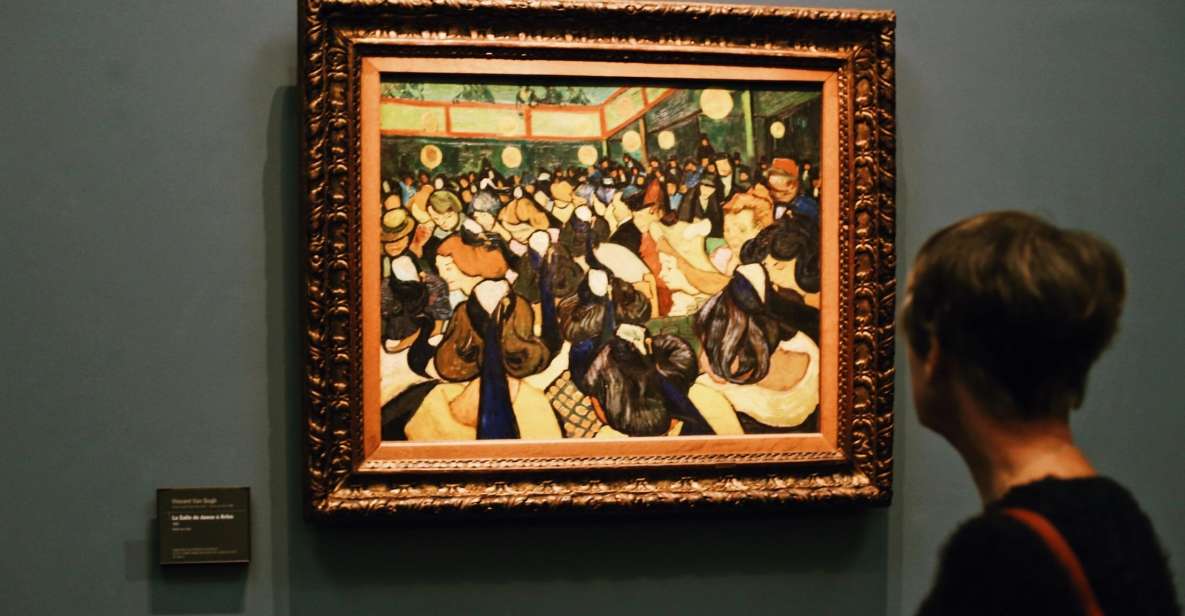
The Musée d’Orsay is popular for a reason: it holds some of the most famous paintings of the Impressionist and post-Impressionist worlds. But popularity can make people rush through. A good guide keeps you from turning it into a checklist and turns it into a narrative.
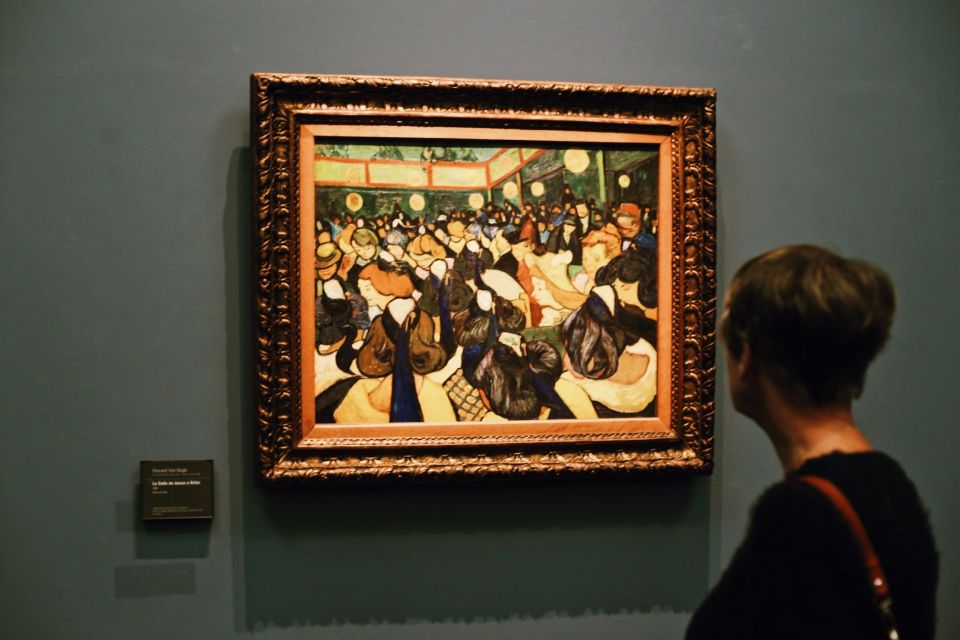
This tour is built for first-time visitors who want order. You’ll focus on 19th-century French art and the artists who reshaped how people painted modern life and modern light. You’ll leave with a stronger sense of why Manet, Renoir, Cézanne, Gauguin, Monet, and Van Gogh matter, not just what they look like.
And the setting helps. Orsay isn’t an old palace museum where you wander for hours in the same mood. It’s the Beaux-Arts train station turned art house—so even your entry feels like part of the story of modernization.
You can also read our reviews of more tours and experiences in Paris



Getting to the right start: meeting point tips that save time
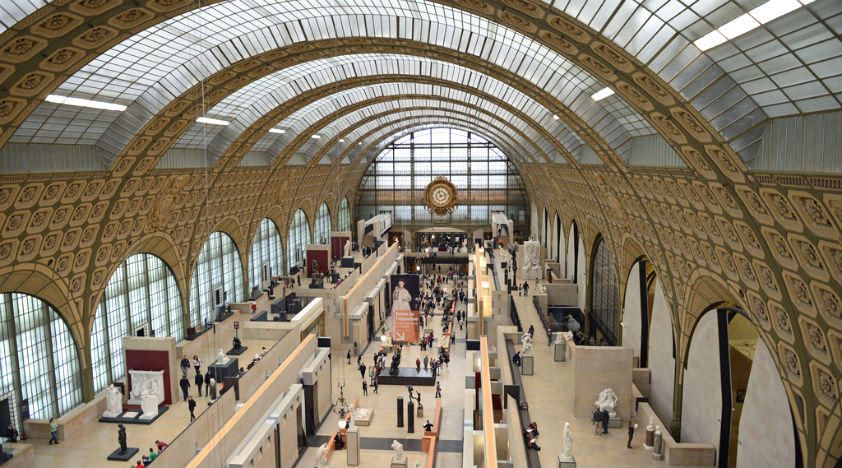
Your tour starts at a meeting point that can vary depending on the option you book, then it ends back at that same meeting point. One of the listed options is near 7 Quai Anatole France, which is helpful to know if you’re orienting by the Seine.
Here’s my practical advice: arrive early and give yourself a buffer to find the correct spot. One review story mentioned confusion at the beginning when a person went inside instead of waiting by the designated statue/meeting area. That’s exactly the kind of small mix-up that wastes energy when you’re excited to start.
If you’re traveling with teens or a group that needs momentum, this matters even more. A smooth start means you begin with art instead of searching.
Stop 1: your orientation moment before the museum flow
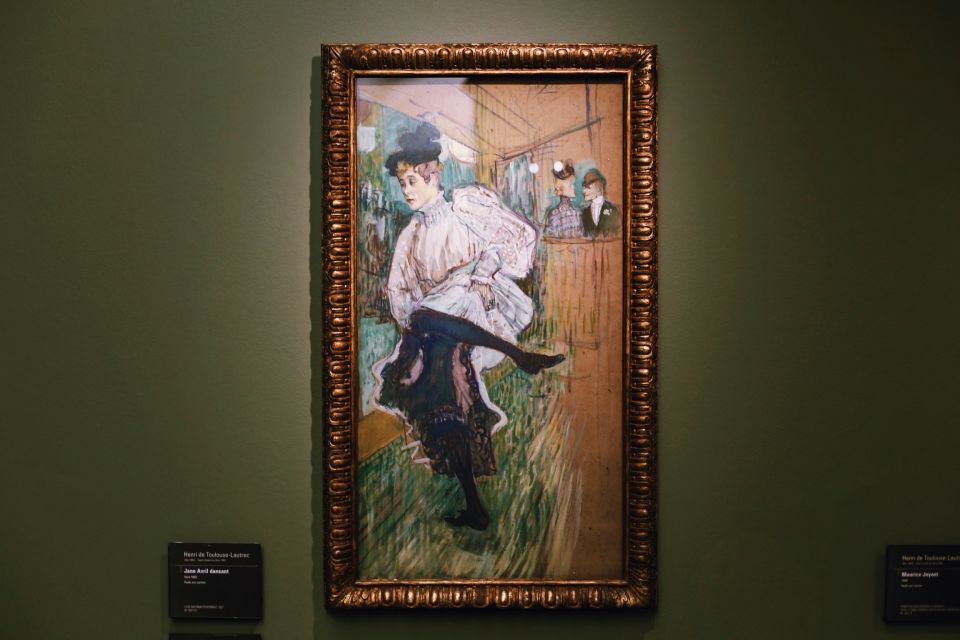
Stop 1 is essentially your “gather, confirm, and get moving” stage. With multiple possible starting locations, your first job is to locate your exact meeting spot and match up with your guide.
Why this matters: Orsay can feel like a maze if you’re walking in cold. Even before you see the first painting, a guide can frame what you’re about to see—how the museum’s layout supports a story across the late 1800s, when style shifted fast.
You may also get quick direction on how the day’s route will work. That’s a small thing that pays off because the time block is tight.
Stop 2: the main guided walk (about 2.25 hours) that links art together
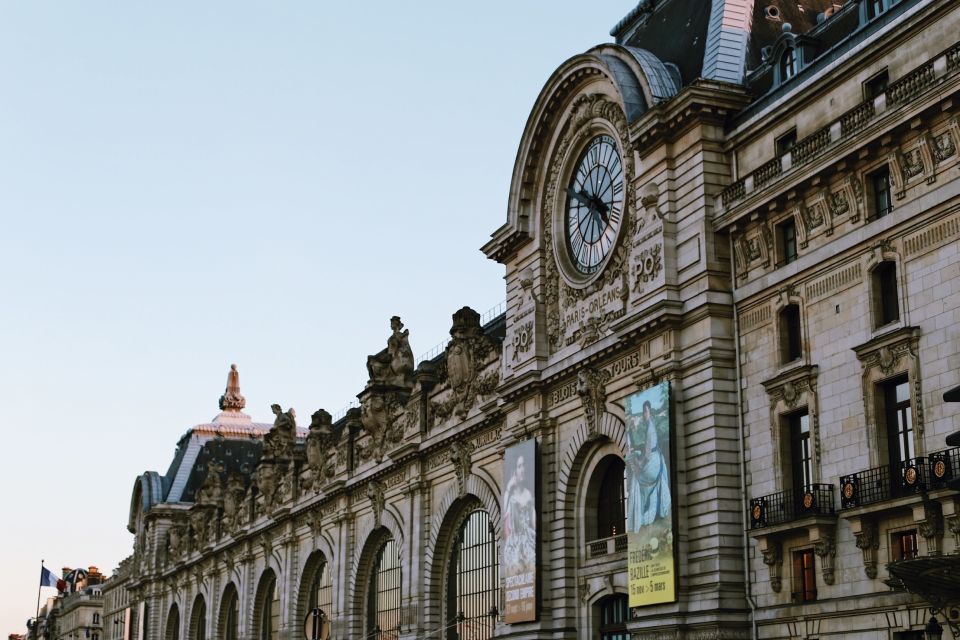
Stop 2 is where most of the magic happens: a guided visit with photo stops and free time mixed in. You get roughly 2.25 hours to move through major works and the supporting context that connects them.
Expect the guide to steer you through the museum by theme and era rather than random rooms. That’s how the big names become understandable. Instead of just seeing Monet and Van Gogh as famous names on walls, you’ll learn the background and the individual styles behind what you’re looking at.
A helpful theme in this tour is the story of Impressionists and post-Impressionists—especially the techniques and the reasons people were calling them rebels. Your guide should explain what changed and why it mattered, so the brushwork and the light effects don’t feel mysterious or random.
You’ll also get attention to “lesser known gems.” This is important because Orsay isn’t just about one or two masterpieces. The museum has enough variety that a guide can point you to works that reward slower looking—without taking you so far off track that you miss the headliners.
The short break and how guides keep you fresh (Stop 3)
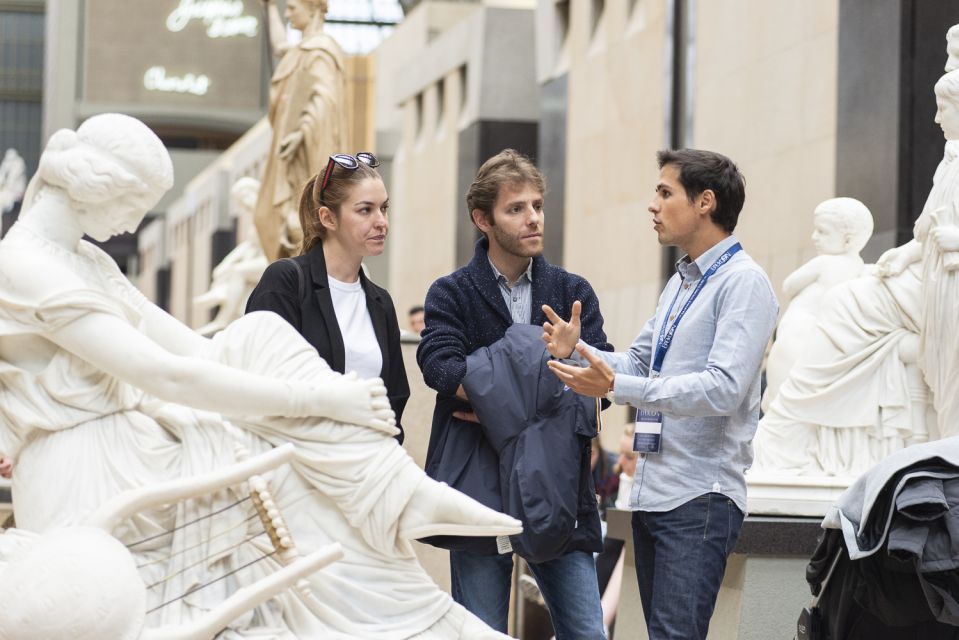
Stop 3 is built in as a reset: break time, another short photo stop, then a final guided segment and about 15 minutes of free time. This structure is smart. By the end of Stop 2, your eyes are tired and your brain is full.
A good guide uses the break to keep the story coherent. In practice, that means you don’t just wander; you regroup and then finish with a clearer sense of how the pieces fit together. Some guides also weave in social and cultural context so you can feel the art as a response to the time—not art floating in isolation.
That 15-minute free window is also a chance to circle back to a work you want to see again. If there’s one painting that really grabs you, that’s your moment.
You can also read our reviews of more guided tours in Paris






The Beaux-Arts station vibe: how the building adds meaning to what you see
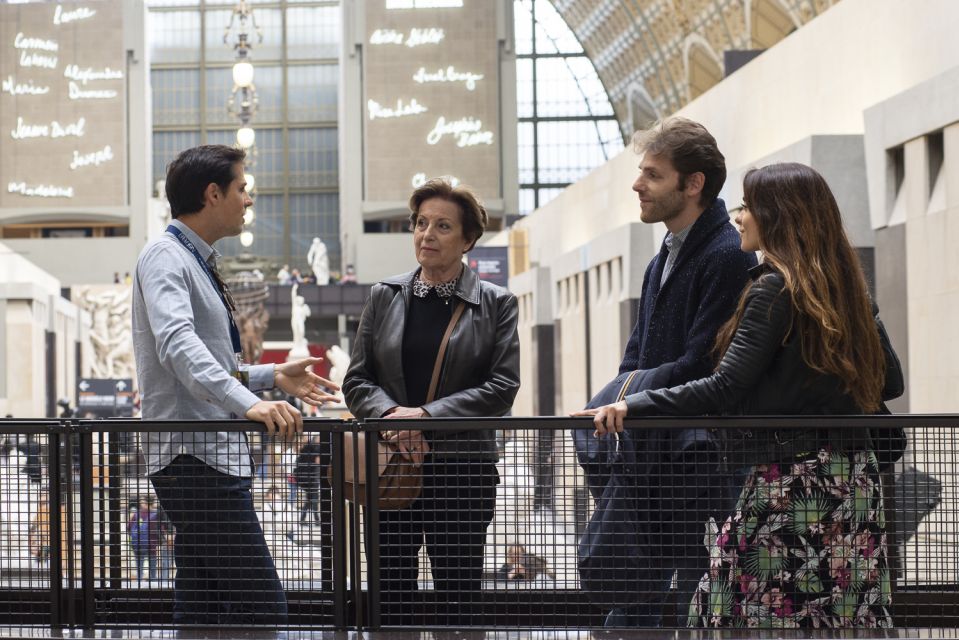
One of Orsay’s best features is that you’re not standing in a neutral box. You’re inside a former rail station that was reshaped into a museum. The architecture carries the feeling of modernization, industry, and change—the same forces that showed up in late 19th-century art.
A strong guide will point out how this setting fits the collection. It’s more than trivia. It makes the museum feel like a time machine rather than a warehouse of frames.
If you like places where the setting supports the subject, you’ll appreciate that this tour doesn’t treat the building as decoration. You’re learning inside a working “old/new” story.
The art focus: what you’ll come away understanding
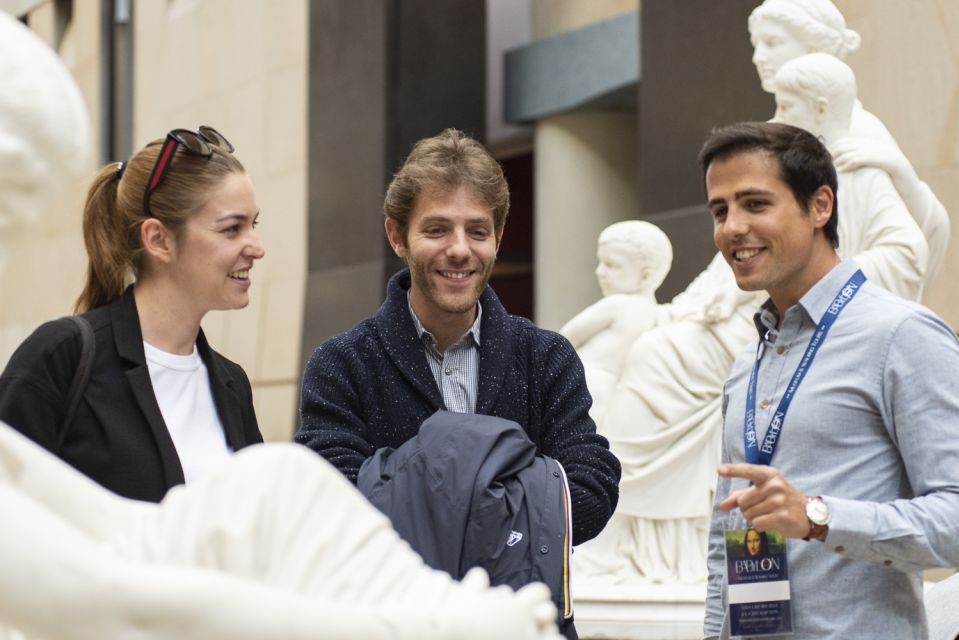
This tour is explicitly geared toward 19th-century French art and the evolution of styles. You’ll explore featured artists like Manet, Renoir, Cézanne, and Gauguin, and you’ll connect them to the Impressionist movement and the post-Impressionist shift that followed.
Here’s the kind of knowledge that tends to stick for me in a tight tour like this:
- You start to recognize how Impressionists leaned into light and momentary effects.
- You understand that post-Impressionists weren’t just “better”—they were different, pushing structure, color, and meaning in new ways.
- You learn how earlier “rules” were questioned, and how that paved the way for later modern art.
Some guides use extra tools, too. One review specifically mentioned a guide using an iPad to add information on key works. You can’t bank on that with every guide, but it’s a great reminder that the best-guided tours use visuals to explain what your eyes might not catch instantly.
Names you might meet through your guide rotation include Mathieu, Lilya, Miriam, Nadia, Tristan, Marcel, Alex, Taylor, and Malika. Even though your guide changes, the goal stays the same: make you leave with a mental map of what matters.
Guide quality is the real “ticket”
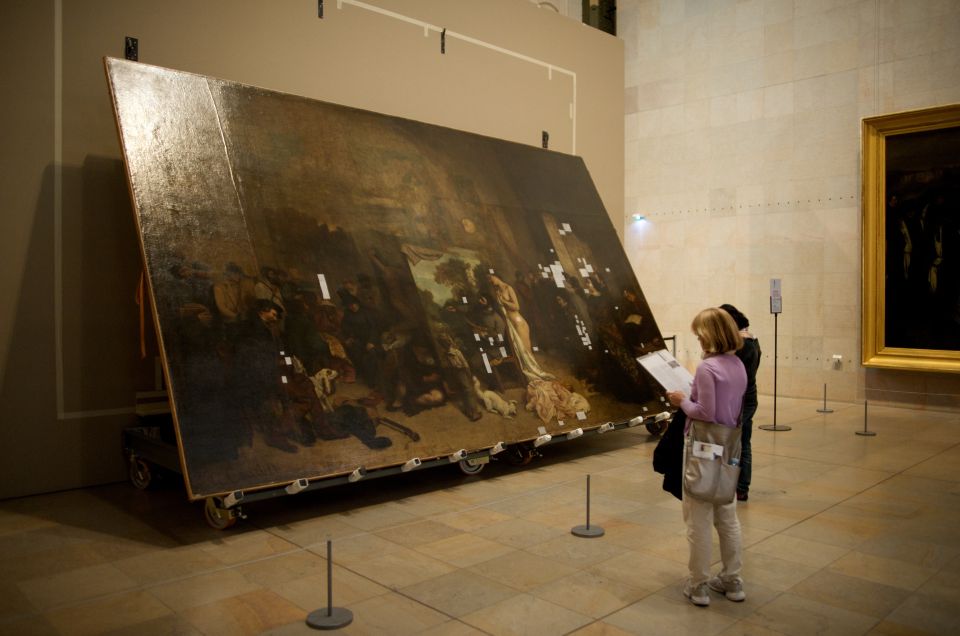
The included guide is the heart of this experience. You’re not buying only access to paintings; you’re buying someone’s ability to explain them clearly and at a pace that works.
This tour caps group size at 6 guests per guide, and that changes the whole feel. You’re more likely to get direct answers to questions and clearer transitions between artworks. You can also hear the guide without straining.
From the guide styles reflected in the experience, the best sessions tend to do three things:
- They talk with momentum (so you don’t get dragged).
- They explain with enough detail to make the next painting click.
- They keep the narrative coherent, linking artwork to artwork instead of listing facts.
So if you’ve ever left a museum tour thinking you saw a lot but didn’t really understand anything, this is the type of format that’s designed to fix that.
Price and value: is $128 worth it for Orsay?
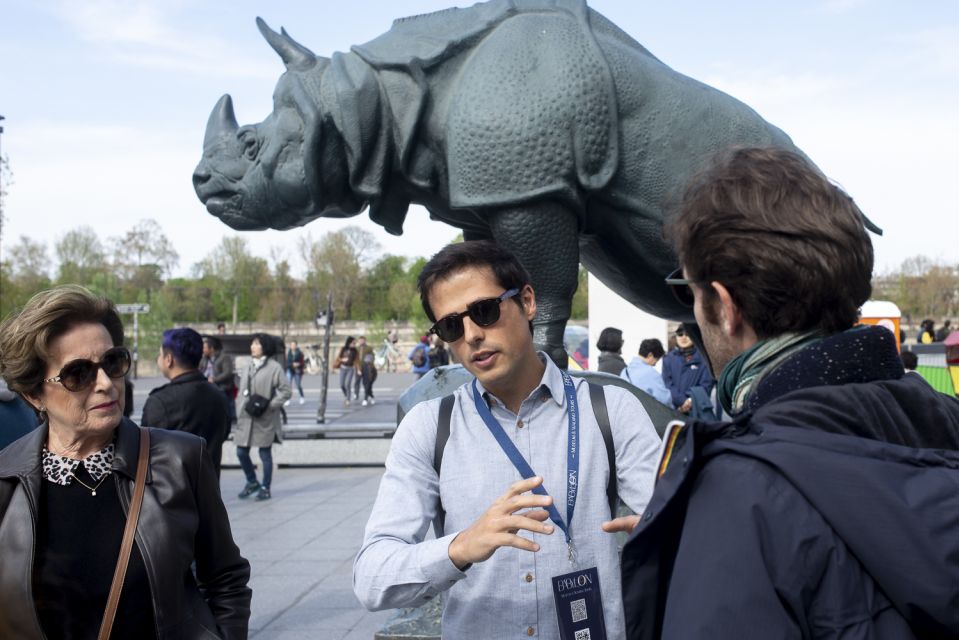
At $128 per person for about 2.5 hours, you’re paying for three things: entrance to the museum’s permanent collection, a professional guide, and a tight route that gets you oriented quickly.
Is it “cheap”? No. But it can be good value if you match the tour to your needs:
- You’re short on time and want the main story without wandering.
- You want a guided introduction that makes the museum easier for your future visits.
- You’d rather pay for an expert than spend your first hours figuring out what to prioritize.
A couple guides mentioned in feedback also helped people get in faster and avoid the worst waiting. While that’s not the only reason to do the tour, it matters if your schedule is tight and you’re trying to squeeze Orsay into a Paris itinerary.
Also, because luggage or large bags aren’t allowed (and storage isn’t included), the tour is best when you travel light. If you’re already carrying a small bag you can manage, you’ll enjoy the flow more.
Who should choose this tour (and who should skip it)
This is a great fit if you:
- are visiting Orsay for the first time and want a strong start,
- like stories that connect artists, technique, and the culture of the era,
- want a guided plan that keeps teens or mixed ages engaged,
- prefer small-group conversation rather than a crowded herd.
You might want to skip it if you:
- want to spend most of the day in the museum at your own pace,
- dislike structured routes and would rather wander room by room,
- plan to bring bulky luggage (since you can’t rely on storage being included).
Practical expectations for a smooth visit
The tour is designed as an introduction with minimal fuss and stress. That usually means you’ll move efficiently, with built-in photo moments and short pauses so you don’t burn out early.
Some rooms have rules about quiet or speaking restrictions. Your guide should guide you around those spaces appropriately, but it’s still good to know that not every area will feel like a chatty walking tour.
Finally, languages are covered. You can choose French, English, Italian, Russian, German, or Spanish depending on what’s available for your time slot.
Should you book this Musée d’Orsay guided tour?
If your goal is to understand Orsay—not just see it—then I think this tour is a smart buy. The small group size, the guide-led narrative, and the inclusion of museum entrance fees make it easy to commit. You’ll get the big masterpieces and the logic behind them, and you’ll spend your limited time well.
Book it if you’re a first-timer, art-curious, or trying to make Orsay click in a short Paris window. Skip it if you want a long, slow museum day with zero structure.
FAQ
How long is the Musée d’Orsay guided tour?
The tour duration is 2.5 hours. Starting times vary, so you’ll want to check availability for the time you want.
What’s included with the ticket?
The tour includes museum entrance fees for the permanent collection and a live guide.
What group size should I expect?
The tour has a maximum of 6 guests per guide, with private or small-group options available.
What languages are offered?
Guides are available in French, English, Italian, Russian, German, and Spanish.
Is luggage or a large bag allowed?
No. Luggage or large bags aren’t allowed, and luggage or coat storage is not included.
Where do I meet, and where does the tour end?
The meeting point may vary depending on the option booked, and the tour ends back at the meeting point.
Is there free cancellation?
Yes. You can cancel up to 24 hours in advance for a full refund.
Can I reserve now and pay later?
Yes. You can reserve your spot and pay nothing today, with a reserve-and-pay-later option available.
If you tell me your travel dates and what language you want, I can help you pick the best time slot and set expectations for how to pace the rest of your Orsay day.