Montmartre feels alive on foot. This 140-minute, small-group walk mixes Sacré-Cœur views with artist stories you’ll actually remember, from Picasso to the district’s surprising farm-and-mill past. One catch: it’s not a see-everything marathon, so if you want to maximize every single corner, you may wish you had more time.
What makes the experience work is the guide. In the praise you’ll find names like Yazid/Yadiz, Sylvia, Zoe, and Marcela/Marcella—consistently described as energetic, story-driven, and great at keeping questions moving. If you’re easily stuck waiting on cobblestones uphill, plan for some slower moments; one review notes extra uphill and uneven paving up toward the basilica.
In This Review
- Key Montmartre Details You’ll Care About
- Starting at Sacré-Cœur: The Right First Step for Montmartre
- The View from the Highest Hill: Why This Stop Isn’t Just a Photo Break
- Place du Tertre: The Artist Village Atmosphere with Real Context
- Moulin de la Galette: From Mills to Montmartre’s Artistic Identity
- Picasso’s Montmartre: Studio Stops and How Connections Matter
- Pink House, Vineyards, and the Small Details That Make Streets Feel Real
- How Long 140 Minutes Really Feels on a Hill Walk
- Small Groups and Kid-Friendly Ways of Learning
- Getting to the Meeting Point Without Stress
- So, Is This Montmartre Walking Tour Worth Booking?
- FAQ
- Where does the tour meet?
- How long is the Montmartre walking tour?
- What size is the group?
- Is the tour suitable for kids?
- Is the tour offered in English?
- What sights are included?
- Is free cancellation available?
- Is there a reserve and pay later option?
Key Montmartre Details You’ll Care About
- Sacré-Cœur start at La Place Saint Pierre, with the basilica’s famous Sacred Heart mosaic
- Panoramic Paris views from Montmartre’s high point, tied to the neighborhood’s artist identity
- Place du Tertre stops for the classic Montmartre “artist village” atmosphere
- Moulin de la Galette + mill history context beyond the postcard look
- Picasso studio area plus other artists like Van Gogh, Dalida, Aznavour, and Salvador Dali
- Up to 16 people means more interaction and easier picture-taking in tight streets
Starting at Sacré-Cœur: The Right First Step for Montmartre
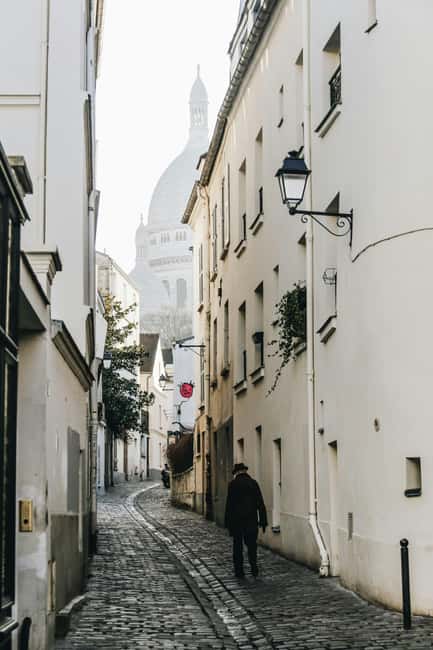
The tour begins at Sacré-Cœur, specifically around La Place Saint Pierre. That matters because you’re starting where the neighborhood’s views, legends, and layers of history all meet. Even before you move into the winding streets, you get oriented fast: this is a hill town, and Montmartre’s street plan is built for wandering up, down, and sideways.
You’ll also get a clear explanation of what makes the basilica special. The guide points out the largest mosaic in the world, featuring the Sacred Heart of Jesus, and ties it to devotional figures like the Virgin Mary, Joan d’Arc, and the Archangel Saint-Michel. It’s the kind of detail that turns a big building into something you can picture in your head later.
Practical note: this is a walking tour on cobblestones and hills. Reviews mention a stretch of uphill toward the basilica on uneven paving. Wear shoes you don’t mind walking in for 140 minutes.
You can also read our reviews of more walking tours in Paris



The View from the Highest Hill: Why This Stop Isn’t Just a Photo Break
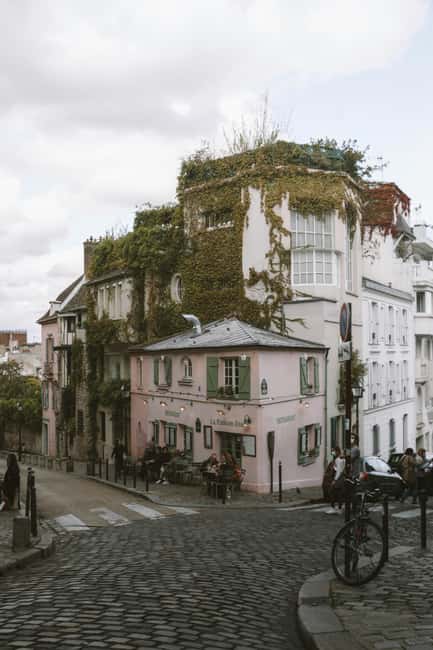
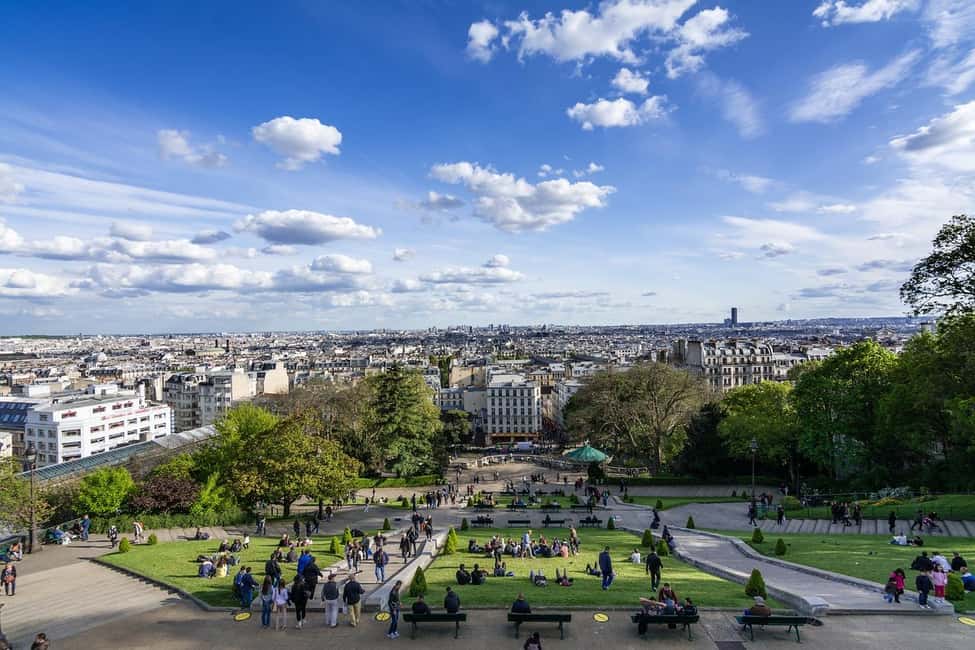
Montmartre’s big reputation is the views. Here, that promise is part of the program: you’ll admire a panoramic look over Paris from the neighborhood’s highest hill.
What I like about placing the view early (or weaving it into the basilica area) is that it gives you a visual map while the guide is talking. When you can see the city spread out, the stories about artists, neighborhoods, and historical change stop sounding abstract. You start linking names to geography instead of collecting facts.
And it’s not just a view-and-go. The guide connects what you’re seeing to why artists were drawn here in the first place—suddenly the hillside is not just pretty, it’s functional. A hill town with dramatic angles naturally turns into a stage, and Montmartre became one.
Place du Tertre: The Artist Village Atmosphere with Real Context
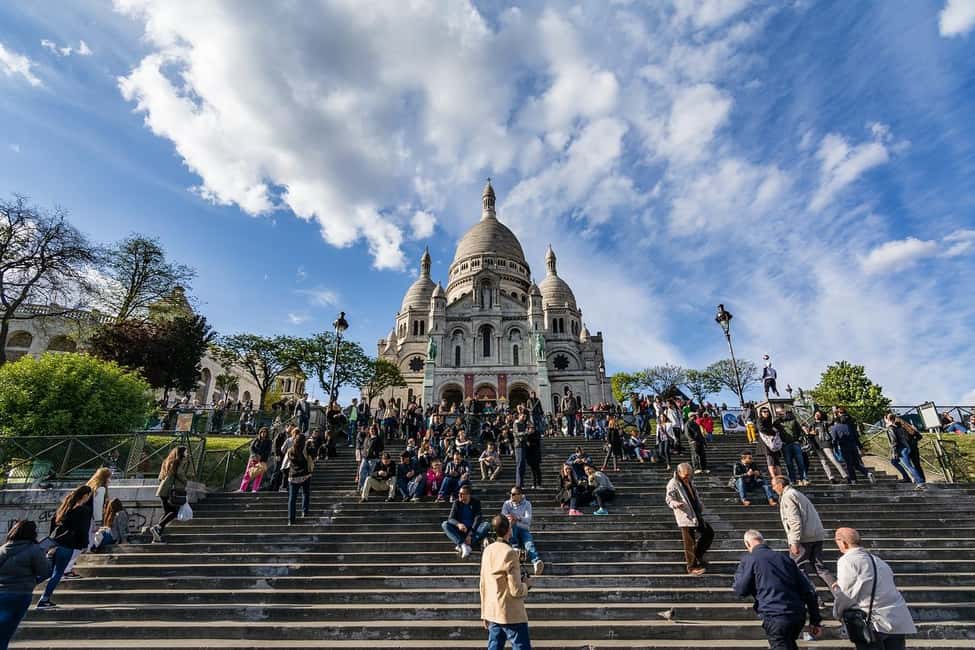
After Sacré-Cœur, you head into the artists’ streets. One of the core stops is Place du Tertre, which is the classic Montmartre square associated with art and performance culture.
Here’s the thing: it’s easy to treat Place du Tertre like a postcard stop. But with a good local guide, it becomes more useful. You’ll hear how Montmartre developed into a place where artists could work, meet, and build a public identity—then later how that identity evolved.
I also like that the tour doesn’t just point at landmarks. It frames them through the neighborhood’s personalities—artists, musicians, and historical figures who left their mark on what this district became.
Moulin de la Galette: From Mills to Montmartre’s Artistic Identity
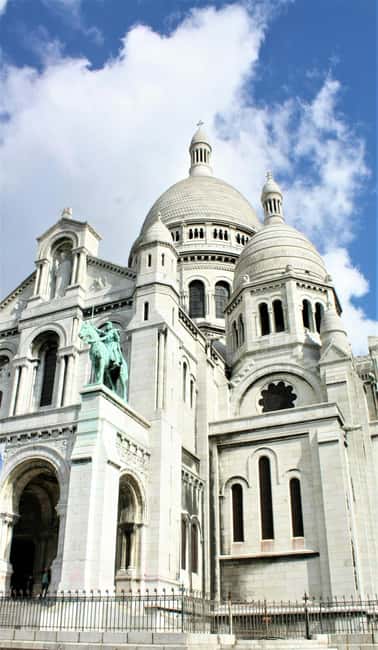
Montmartre’s history includes a practical, almost surprising side: it started as a more rural area. The tour explains how the district shifted from an agricultural village known for mills into the trendy artist quarter it’s famous for now.
That’s why Moulin de la Galette is more than a windmill name. It’s a symbol of the transformation. The guide helps you see the district as a place that changed its job over time—from working land to creative refuge—without pretending the modern atmosphere appeared overnight.
If you love the feel of old Paris but hate when tours skip the “how did it get that way” part, this section is a strong match. You get the sense of cause and effect: mills, hillside life, then art communities choosing this space.
Picasso’s Montmartre: Studio Stops and How Connections Matter
A highlight is learning about Picasso and the artist world around him. The walk includes stops connected to Picasso’s studio and surrounding Montmartre sites tied to artistic life.
This is where the guide-led storytelling earns its keep. In the feedback, guides like Yazid/Yadiz are repeatedly praised for weaving artist biographies into the street experience, including the way different creatives related to the area. You’re not just hearing that famous artists existed—you’re learning how Montmartre’s streets shaped their public and private lives.
The tour also names other major figures you might recognize from art history or music. You’ll hear about artists such as Van Gogh, Dalida, Aznavour, and Salvador Dali, and you’ll also hear about revolutionaries who played important roles in the city’s history. That mix is helpful: it shows Montmartre wasn’t only about painting. It was about culture, expression, and the wider Paris story.
You can also read our reviews of more guided tours in Paris






Pink House, Vineyards, and the Small Details That Make Streets Feel Real
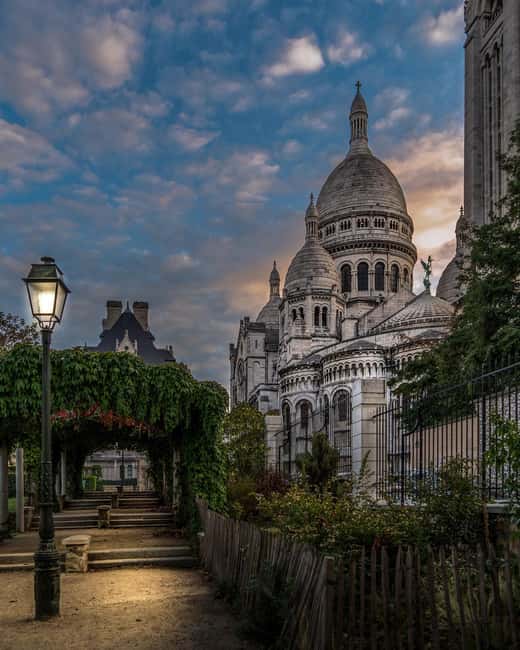
Montmartre’s best moments are often the ones that aren’t the biggest. This tour includes stops like the Pink House, plus vineyards and the smaller cabarets and alleyways that form the bohemian feel of the neighborhood.
What I appreciate here is the balance. You get the big-name attractions, but you also get the “why does this street look the way it does” details. A pink facade. A lane that narrows suddenly. A vineyard tucked into the hillside. These bits are what help you remember the walk after the photos fade.
And the guides often keep things practical. One review notes that the guide took pictures, which is a small service that makes a real difference when you’re in a tight group and want clean shots without passing your phone around.
How Long 140 Minutes Really Feels on a Hill Walk
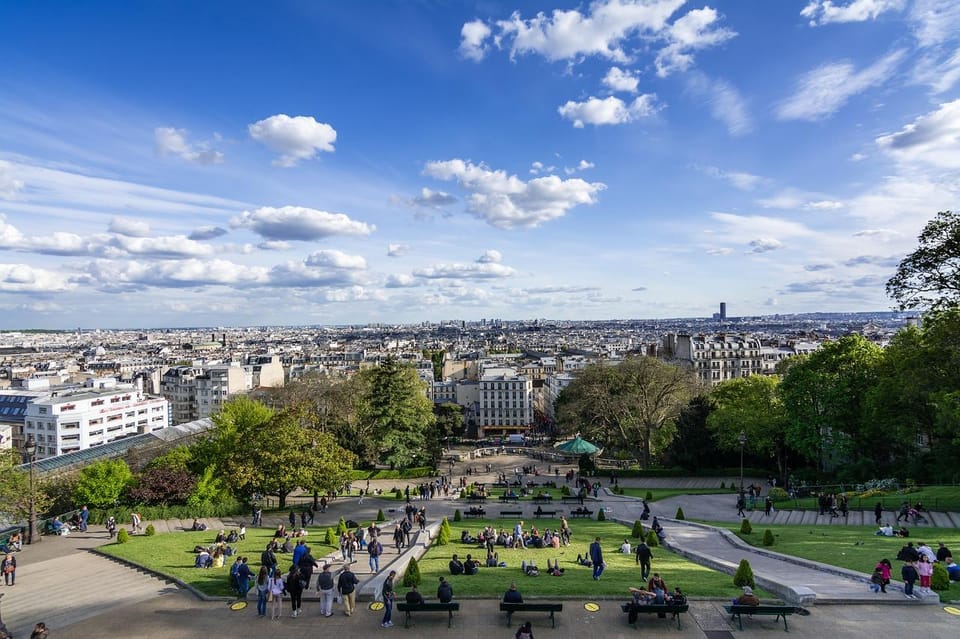
The tour runs 140 minutes. That’s enough time to cover several landmark clusters—Sacré-Cœur, key squares and landmarks, and artist-linked streets—without turning into a rushed sprint.
Still, set your expectations. One review mentions that the tour may not cover as many sites as some people would prefer. In plain terms: this is a focused guided walk, not a grab-bag scavenger hunt. If you want to stack major sights back-to-back all day, treat this as the “Montmartre story foundation,” then add your own extra exploration after.
Pace is also part of the value. Reviews mention frequent stopping for explanation and questions, which helps with both engagement and walking comfort. You’ll want to accept that you’re going uphill at least part of the time.
Small Groups and Kid-Friendly Ways of Learning
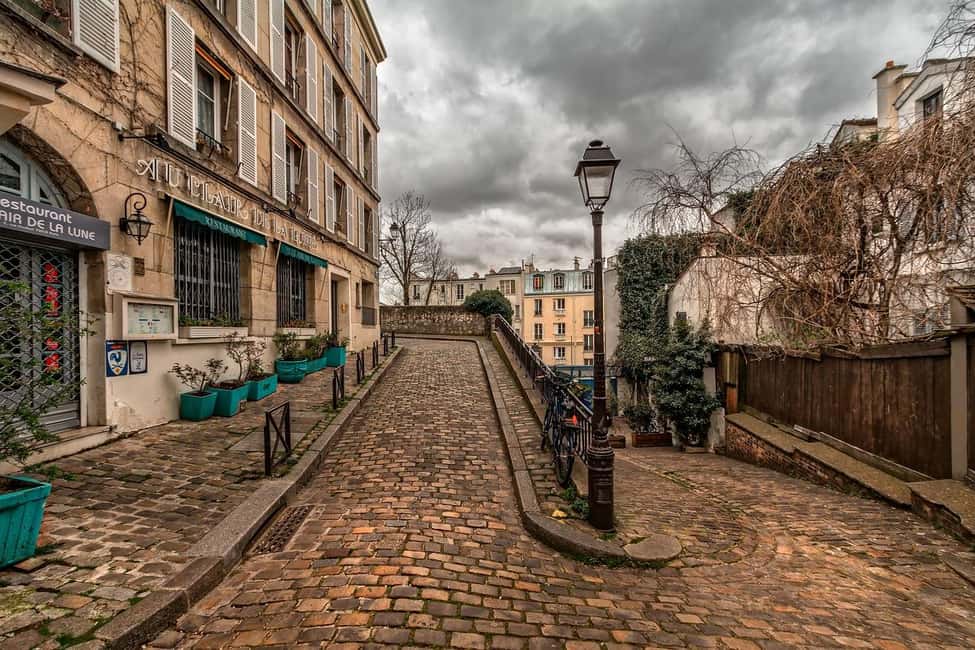
This is a live English walking tour with a small group size of up to 16 people. Smaller groups usually mean less time waiting and more time talking—especially in a place like Montmartre where space is tight and street turns happen fast.
It’s also adapted for kids, and one family review specifically says children enjoyed it. That suggests the guide’s style is explained in clear, story-based terms, not just a lecture. If you’re traveling with kids, this can be a smart way to see Montmartre without everyone melting down at every corner.
One tip from the vibe of the feedback: if your group isn’t super chatty, the guide can still keep energy up. Reviews mention guides staying engaging even when the group was quiet.
Getting to the Meeting Point Without Stress
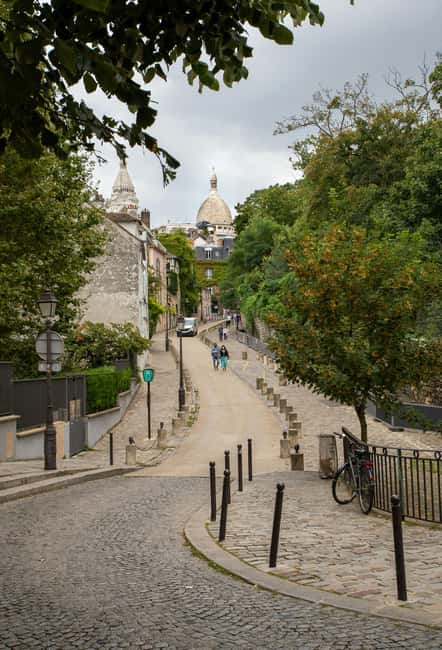
You’ll meet near the carrousel by Paris Tours Experiences, with your guide holding a name tag. The given coordinates are 48.88438415527344, 2.3435277938842773—which puts you in the Sacré-Cœur area.
If you’re arriving early, don’t wander too far. The meeting setup is straightforward, but Montmartre streets can make you feel like you’re moving in circles. Use the name tag as your anchor: once you find it, you’re set.
Also, if something goes wrong with timing, it can help to communicate. One review highlights excellent communication when someone was delayed due to a train issue, allowing them to catch up. If you’re running late, message the guide or operator so you’re not improvising in unfamiliar streets.
So, Is This Montmartre Walking Tour Worth Booking?
Book it if you want art-history storytelling that sticks, not just landmarks lined up for ticking boxes. This walk is strongest for people who enjoy learning how a neighborhood changes over time—how Montmartre moved from mills to artists, how famous names connect to specific streets, and how the view and atmosphere fit the story.
I’d skip it (or add extra time elsewhere) if you need a longer list of stops in a shorter walk. At 140 minutes, you’ll cover the essentials, but you won’t see every corner Montmartre offers.
My call: if Sacré-Cœur, Place du Tertre, and Picasso-linked streets are on your mental list—and you like a small-group, guide-led pace—this is a solid way to experience Montmartre with context you can’t easily get from wandering alone.
FAQ
Where does the tour meet?
You meet near the carrousel at the Sacré-Cœur area. Look for Paris Tours Experiences and your guide’s name tag. The coordinates provided are 48.88438415527344, 2.3435277938842773.
How long is the Montmartre walking tour?
The tour lasts 140 minutes.
What size is the group?
It’s a small group, with a maximum of 16 people.
Is the tour suitable for kids?
Yes. The walking tour is adapted for kids.
Is the tour offered in English?
Yes, the tour guide provides the experience in English.
What sights are included?
You’ll start at Sacré-Cœur and see the basilica, Place du Tertre, Moulin de la Galette, Picasso’s studio, the Pink House, vineyards, and the bohemian cabarets and alleyways of Montmartre.
Is free cancellation available?
Yes, you can cancel up to 24 hours in advance for a full refund.
Is there a reserve and pay later option?
Yes. The activity offers Reserve now & pay later, so you can book without paying today.