REVIEW · PARIS
Paris City Center Free Walking Tour (Tip-Based)
Book on Viator →Operated by StellarTours · Bookable on Viator
Paris hits you fast. This walk helps you get your bearings and keep them. Starting at Fontaine Saint-Michel, you’ll move through the real political and cultural core of the city, with stories that connect the French Revolution to the icons you came to see. I especially like the way the guides (from Alberto to Ezra) turn landmark walking into a clear timeline you can remember.
The second thing I love is the format: a short, steady route that’s easy to follow and doesn’t require museum lines or complicated ticketing. Many guides also use a microphone setup, which matters when the group is large and the streets get loud. That’s why even folks in the back can still catch the details from Sanna, Bruce, or others.
One possible drawback to plan for: you’ll see major sights like Notre-Dame and the Louvre from the outside only. Expect standing and street-level viewing, not inside time—plus it’s still a proper walking tour.
In This Review
- Key things that make this tour work
- A tip-based Paris intro that feels organized, not rushed
- Where you start at Fontaine Saint-Michel (and why it’s a smart choice)
- Île de la Cité: the “heart” stop that sets the timeline
- Notre-Dame from the outside: history, Revolution, and Napoleon context
- Fontaine Saint-Michel: the “rebuilt Paris” clue
- Pont Saint-Michel and the wartime scars you can still spot
- Place Dauphine: for when you want a calmer lunch-feel square
- Henri IV equestrian statue: the viewpoints that make the route feel worth it
- Pont Neuf: the oldest bridge and the stories behind the details
- The Louvre stop without entering: Mona Lisa context and glass pyramid views
- Arc de Triomphe du Carrousel: Napoleon’s rise in miniature
- Jardin des Tuileries: from tile factory roots to royal garden mood
- Eiffel Tower viewpoints without the ticket stress
- Price and value: why a low cost doesn’t mean a low effort
- What you’ll likely enjoy most (based on how guides teach it)
- How much walking is it, really?
- Weather and comfort: what to expect on a grey Paris day
- Should you book this Paris City Center Free Walking Tour?
- FAQ
- Where does the tour start and where does it end?
- Is it really free, and how do tips work?
- Do we enter Notre-Dame or the Louvre Museum?
- How long is the tour and what language is it in?
- How big are the groups?
- What happens if the weather is bad?
Key things that make this tour work
- Tip-based model with low entry cost: you pay a small booking amount, then tip the guide using card or electronic payment.
- Big-name Paris in one route: Île de la Cité, Notre-Dame area, Seine bridges, Tuileries, and the Eiffel Tower viewpoints.
- Revolution and Napoleon stories: history is threaded through the stops, not dumped in one lecture.
- Clear guiding, even for larger groups: microphones help you hear the guide in busy areas.
- No inside museum pressure: you focus on sights and context without entering Notre-Dame or the Louvre.
- End at Tuileries Gardens: it’s a strong place to split off for lunch, the Seine, or further sightseeing.
A tip-based Paris intro that feels organized, not rushed
Paris can be overwhelming on day one. This tour gives you a simple plan and a story to hang onto. You’re not just collecting photos—you’re learning why these streets and monuments look the way they do.
The tour runs about 2 hours 15 minutes, with an efficient set of stops. It’s designed for a classic city-center sweep, and the pacing is built around short explanations at each highlight. The group size is kept reasonable (up to 50 travelers), which helps the guide keep control while still letting you ask questions.
And because it’s tip-based, you’re encouraged to pay attention to how the guide works. If you get a strong storyteller like Alberto, Ezra, or Sanna, the whole experience clicks faster—humor, clear English, and a knack for making the past feel connected to the present.
You can also read our reviews of more walking tours in Paris



Where you start at Fontaine Saint-Michel (and why it’s a smart choice)
The tour begins at Fontaine Saint-Michel, at Pl. Saint-Michel (75005). This is one of those Paris meeting points that’s both central and easy to navigate. You’re starting near the Seine and right in the middle of the historic core.
From the start, the tour’s angle becomes clear: you’re not going to far-flung neighborhoods first. You’re going to the places where political power, religious influence, and Paris’s growth decisions all started stacking up.
If you want a practical tip: use the restroom before you head out. The route is compact, but it’s still a lot of walking and standing, and breaks won’t be built into the middle of it.
Île de la Cité: the “heart” stop that sets the timeline
Stop 1 is Île de la Cité, the island that became the real center of Paris. You’ll hear how it connects to early inhabitants and later to the big shifts—where spiritual sites and political power gradually gathered.
This stop works because it gives you context. Before you get to cathedrals and bridges, you understand that you’re standing where major eras overlapped. It’s the kind of start that makes later landmarks feel less random.
Notre-Dame from the outside: history, Revolution, and Napoleon context
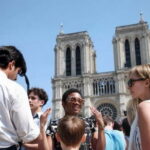
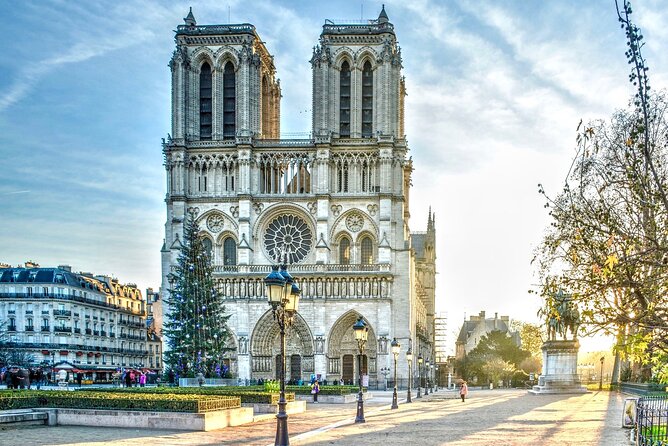
Next is Cathedrale Notre-Dame de Paris. Important detail: you do not enter the cathedral on this tour. Instead, you get the architecture and the timeline at street level.
You’ll also hear how major events—like the French Revolution and Napoleon’s coronation—fit into the broader story around the cathedral. That’s a good match for the way many guides teach this tour: they don’t treat Notre-Dame like a standalone postcard. They frame it as a character that kept changing roles as France changed.
You should plan for a bit of standing here. In crowds, it’s easier to lose your view if you’re not near the front. If you want photos, look for an angle that includes both facade details and the setting around the square.
Fontaine Saint-Michel: the “rebuilt Paris” clue
Stop 3 is the Fontaine Saint-Michel, tied to a period of major reconstruction in Paris. This is a smaller stop in time, but it matters because Paris didn’t always look like it does today.
What I like about this part of the walk is that it gently shifts from “ancient Paris” to “Paris that was rebuilt.” It helps explain why the city’s layers can feel like they were glued together quickly—even when the story took centuries.
You can also read our reviews of more city tours in Paris





Pont Saint-Michel and the wartime scars you can still spot
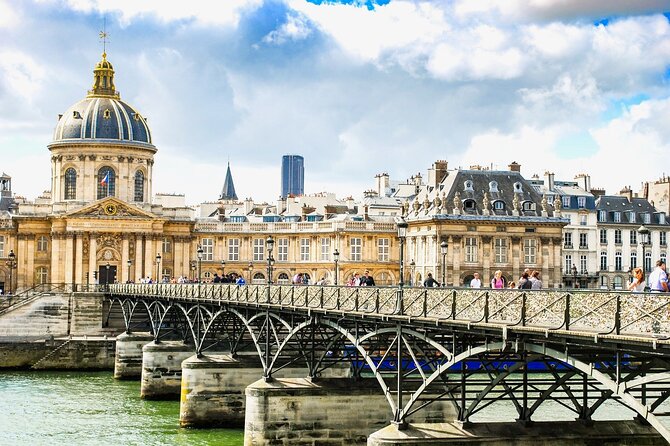
At Pont Saint-Michel, you’ll pause to look at bullet holes from World War II. The guide connects that to why Paris wasn’t destroyed the way many cities were in the war.
This is one of those moments where the tour stops being just pretty. It turns into a lesson in survival and compromise—how a city can be damaged, but not erased. If you care about 20th-century history, this is the stop that tends to make everything feel more real.
For photos, you’ll likely have limited angles depending on where the group clusters. Follow your guide’s cues so you’re looking at the right section of the bridge.
Place Dauphine: for when you want a calmer lunch-feel square
Stop 5 is Place Dauphine, a charming square known for restaurants and a more relaxed vibe than the surrounding streets. You’ll learn it’s one of the early projects associated with Henri IV.
This stop gives you a break. Even if you stay in “listening mode,” the square itself changes the pace: you can see why this area attracts people who want to eat without rushing to the next photo.
If you plan to grab food after the tour, this is a smart place to note mentally. You’ll be walking toward the Louvre and onward, but you’ll already have one good lunch reference in mind.
Henri IV equestrian statue: the viewpoints that make the route feel worth it
Next comes the Statue équestre d’Henri IV. You’ll also catch views over the Seine, and the guide shares how Henri IV’s reign mattered—short, but meaningful.
This is where the tour starts rewarding you visually again, not only historically. The statue stop works because it combines a key figure with a view you’ll remember later when you’re looking back at photos from the river.
Pont Neuf: the oldest bridge and the stories behind the details
Stop 7 is Pont Neuf, the oldest bridge in Paris. The guide ties it to Henry IV (and the bridge’s completion in 1607) and adds local folklore, including the famous tooth pullers of Paris.
This is a good example of what makes walking tours better than museum audio guides. Instead of just listing dates, you hear the “people stories” that make the past feel human.
If you’re the type who likes street-level history, you’ll probably linger here a little more than you expected—just listening closely.
The Louvre stop without entering: Mona Lisa context and glass pyramid views
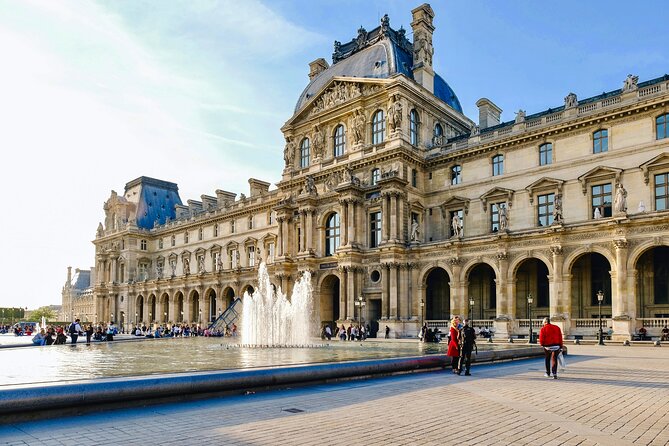
The tour includes a Louvre Museum stop, but you do not enter. You’ll hear the true story framing around Leonardo da Vinci and the reasons the Mona Lisa became so famous. You’ll also learn about Francis I, who built the foundations of the Louvre as a fortress and a palace.
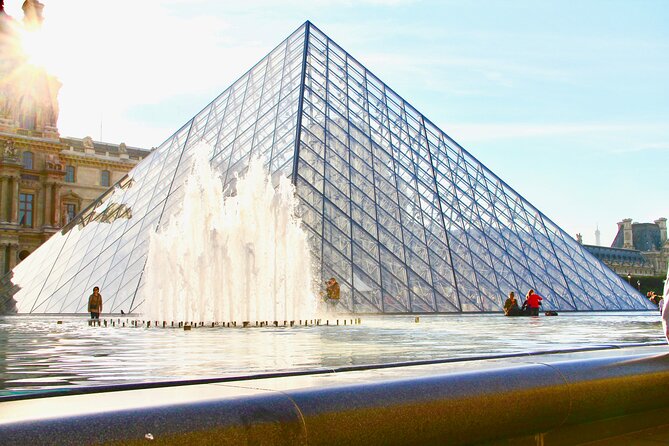
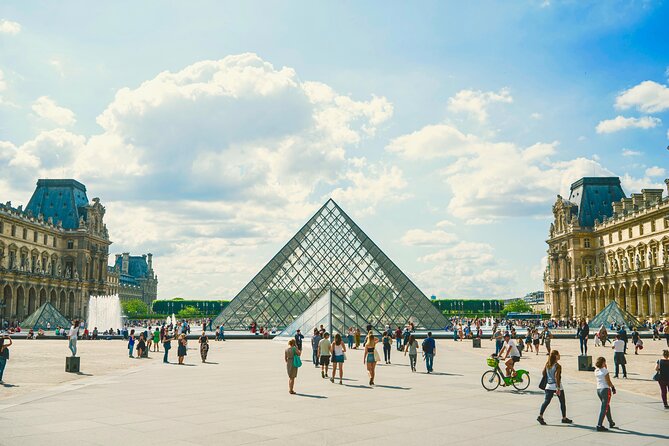
You’ll also look toward the glass pyramid and get a guided explanation of what you’re seeing there. This is a smart approach if your goal is to get orientation fast. You’re not committing to a timed-entry plan, and you’re not losing half a day to crowds.
A quick note: this stop still draws attention because people want their Louvre photos. If your goal is to listen, move with the group and let the guide choose the best viewing moment.
Arc de Triomphe du Carrousel: Napoleon’s rise in miniature
Stop 9 is the Arc de Triomphe du Carrousel, built by Napoleon. The guide explains it as a reflection of his ascension and Europe-wide ambitions.
This arc can be overlooked when you’re focused on the bigger one, so it’s a nice bonus. It also helps you understand that Napoleon’s influence appears in multiple places, not just the most famous monuments.
Jardin des Tuileries: from tile factory roots to royal garden mood
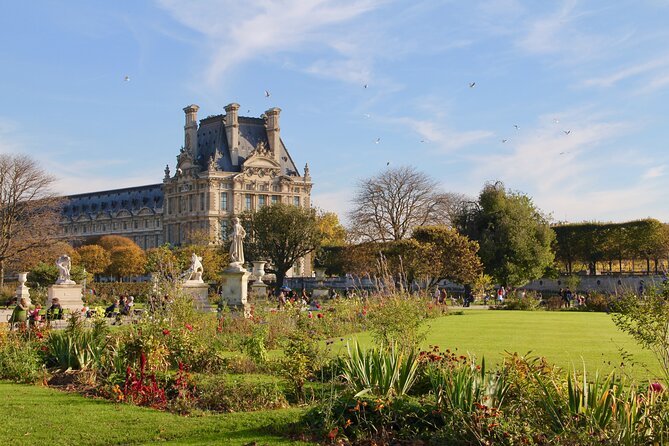
Next you’ll walk through the Jardin des Tuileries. You’ll learn how the site changed from tile factory origins into royal gardens, plus what to look for in the statues, sculptures, and fountains.
One thing I like here is how the tour connects design to feeling. The Tuileries can look formal and controlled, but the guide’s explanation makes it clear it was meant to create a certain mood—especially in how it aligns with the larger royal landscape around it.
If you’re tired, this is also a decent “breathing” stretch. It’s still movement, but the pace feels gentler than the bridge-and-crowd segments.
Eiffel Tower viewpoints without the ticket stress
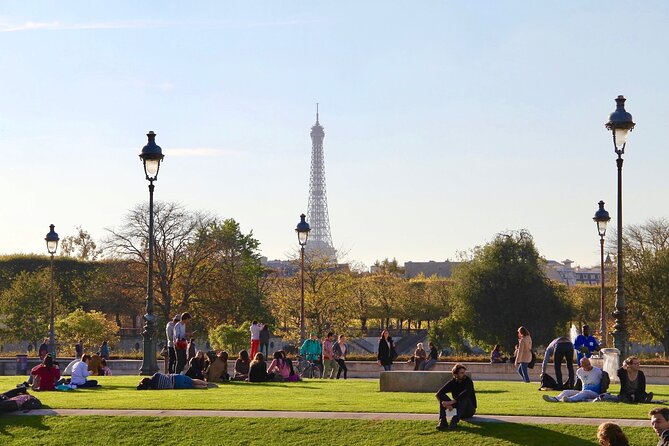
The last big sight on the walk is the Eiffel Tower area, seen from the Tuileries-side viewpoints. You’ll get the story of Gustave Eiffel and how the construction pulled off its feat in 1889.
You don’t need an official tower ticket to enjoy this moment. In fact, many people find it easier to take in the tower here because you’re seeing it in a wider context—your eyes can compare distance, geometry, and the river axis instead of only focusing on one level of the tower.
When you’re ready to move on, the tour ends at the Tuileries Garden (75001). That’s a convenient finish line if you want to head to museums nearby, grab a coffee, or continue wandering toward the Seine.
Price and value: why a low cost doesn’t mean a low effort
The listed booking price is $3.62 per group (up to 9), and you’re buying a guided walking experience that lasts a little over two hours. Even if you’re used to paying more for private tours, tip-based models can be good value when the guide is excellent—which you can tell from the strong track record of guides like Alberto and Sanna.
Tips matter here. The tour accepts tips only via credit/debit cards and electronic payments, and VAT is added to contributions. So plan for that ahead of time. If you only carry cash, you might be stuck unless you can use a card.
Practically: this is the kind of tour that works well as a first introduction. You’ll learn where the landmarks relate to each other, which can save you time later when you decide what to revisit.
What you’ll likely enjoy most (based on how guides teach it)
A lot of the praise centers on the same qualities: crisp storytelling, clear delivery, and good pacing.
- When you get a guide like Ezra, the style tends to be friendly and funny, with questions handled well and the pace kept engaging.
- When you get Sanna, the explanations tend to be easy to follow, with a strong ability to answer questions and keep the whole group included.
- When you get Alberto (who also pops up again and again in feedback), the guiding often uses a microphone/body mic setup so the back of the group can still hear clearly.
That microphone detail sounds small until you’re standing on a busy Paris street with traffic noise. Clear audio is part of the value.
And it’s not only adults. The tour is described as teen-friendly and family-friendly in practice, with history presented in a way that doesn’t feel like a school lecture.
How much walking is it, really?
Plan for a real walking tour. Even with short stops, you’ll spend your time moving between sights and then standing for explanations.
The terrain is mostly flat, and you’re not climbing hills. That said, “mostly flat” still means you should wear comfortable shoes. If you’re traveling with seniors or anyone with walking limits, tell yourself that you’re going to be standing in place at several major photo points.
Also keep in mind the tour ends somewhere else from where you start. You’ll finish in the Tuileries area, so plan your return plans accordingly.
Weather and comfort: what to expect on a grey Paris day
This experience requires good weather. If it’s canceled because of poor weather, you’ll be offered another date or a full refund.
That matters because Paris rain can change the whole feel of a walking tour. Bring a light rain layer, and don’t count on finding dry shelter right when you need it. If it’s cold, consider a scarf or gloves—standing in open air while listening gets uncomfortable fast.
Should you book this Paris City Center Free Walking Tour?
Book it if you want:
- A fast, readable history timeline across central Paris
- The main landmarks without committing to museum entry tickets
- A guide-led route that ends in a convenient spot near the Tuileries
Skip it (or choose a different format) if:
- You need indoor access to Notre-Dame or the Louvre on the same day
- You don’t want any standing or slow photo stops
- You rely on cash only for tipping, since tips are handled via card or electronic payments
If you’re doing Paris for the first time, this is a smart way to get oriented—and if you get a strong guide, it can make later museum visits feel much more connected.
FAQ
Where does the tour start and where does it end?
The tour starts at Fontaine Saint-Michel, Pl. Saint-Michel, 75005 Paris and ends at the Tuileries Garden, 75001 Paris.
Is it really free, and how do tips work?
It’s tip-based. Tips are accepted only via credit/debit cards and electronic payments, and VAT is added to contributions.
Do we enter Notre-Dame or the Louvre Museum?
No. The tour does not enter Notre-Dame de Paris or the Louvre Museum. You’ll learn from the outside and view the sights.
How long is the tour and what language is it in?
The tour lasts about 2 hours 15 minutes and is offered in English.
How big are the groups?
There is a maximum of 50 travelers.
What happens if the weather is bad?
This tour requires good weather. If it’s canceled due to poor weather, you’ll be offered a different date or a full refund. You can also cancel for a full refund up to 24 hours in advance.