REVIEW · PARIS
Parrot World Immersive Wildlife Park Entry Ticket next to Paris
Book on Viator →Operated by Parrot World · Bookable on Viator
Parrots and tropical trees near Paris. This is a self-guided walk through a tropical forest setting, built around South America wildlife, with about 80 species you can spot at your pace. It’s a great pick for families and nature lovers, but if weather turns wild, the keeper learning moments can shift—so plan to stay flexible.
I like that the park is designed as an easy half-day outing: you follow the Amazonia and Patagonia treks, then take breaks at the playground or picnic area without a complicated schedule. You’ll use a mobile ticket (English available), and the whole visit typically lands around 2 to 3 hours—easy to fit between Paris sights or alongside a Disneyland Paris day.
In This Review
- Quick Highlights to Plan Your Visit Around
- Getting There: 45 Minutes From Central Paris, Easy Day Add-On
- The Self-Guided Tropical Walk: What You’ll Do In Parrot World
- The Amazonia and Patagonia Treks: Why Two Routes Feel Easier Than One
- About 80 Species From South America: How to Spot Animals Without Getting Rushed
- Keeper Talks and Weather Changes: Make It Work for You
- Kids, Picnic Breaks, and Food Choices: The Best Part for Families
- Ticket Value at $24.20: What You’re Really Paying For
- Timing and Comfort Tips: Footwear, Pacing, and Day-of Planning
- Who Should Book Parrot World Near Paris?
- Should You Book Parrot World?
- FAQ
- What’s the duration of the Parrot World entry ticket next to Paris?
- Is the ticket mobile, and is English offered?
- What’s included with the ticket?
- Are lunch or transport included in the price?
- Where is the park located relative to Paris and Disneyland Paris?
- What are the opening hours?
- Can service animals enter the park?
- How does free cancellation work?
Quick Highlights to Plan Your Visit Around
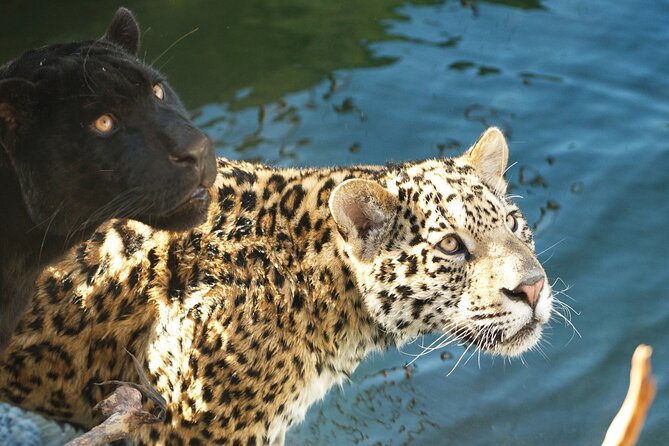
- Amazonia and Patagonia treks: Two themed walking routes to guide what you see and keep the timing simple.
- Araucaria and monkey puzzle trees: Look for the South American feel in the plant life, not just the birds.
- About 80 South America animal species: You get variety without needing an all-day commitment.
- Keepers’ learning sessions: Pedagogic talks can add context, though weather may affect timing.
- Giant playground + picnic area: Built-in downtime for kids and for you when legs need a break.
- Free car park: Handy if you’re driving from central Paris or combining with Disneyland Paris.
Getting There: 45 Minutes From Central Paris, Easy Day Add-On

Parrot World sits about 45 minutes by car from central Paris and roughly 20 minutes from Disneyland Paris. That makes it one of those rare attractions that fits naturally into real life: you can add it to a family day, or use it as a calmer counterbalance to city crowds.
For timing, the park runs daily from 10:00 AM to 6:30 PM. Since most visits take 2 to 3 hours, you don’t need an early-morning start. If you’re doing this on a day when you also want a big Paris stop, a late morning or early afternoon entry usually works best—especially because you’re outside much of the time.
Parking is a plus. The park offers a free car park, which can save you time and stress compared with city logistics. And once you arrive, you’ll have food options on-site (three restaurants plus a picnic area), so you’re not forced into leaving for lunch.
Bottom line: if you want a break from museums and lines, this is a straightforward trip that doesn’t swallow your entire day.
You can also read our reviews of more tours and experiences in Paris



The Self-Guided Tropical Walk: What You’ll Do In Parrot World

This is a self-guided visit built around a tropical forest feel. That matters because it’s not dependent on a strict group pace. You can slow down where the animals are most active, then move on when you want to catch the next themed area.
Your visit naturally centers on the park’s South America-inspired setup. As you walk, the path is shaded and filled with plant types meant to suggest tropical regions. The park leans into that theme with recognizable trees such as the Araucaria (evergreen, needle-like leaves) and “monkey puzzle” trees. You’ll also see palms and banana plants as part of the overall visual story.
This kind of design does more than look pretty. It helps you stay oriented. Instead of thinking, where do I go next?, you follow the treks and let the environment steer you. And because the total time is usually 2 to 3 hours, you’re not stuck looping endlessly if you’re tired. You can get the full experience without feeling like you owe the park your whole afternoon.
A helpful mindset: treat it like a calm walk with stops, not a checklist. If you want to linger for photos or bird watching, you can. If your group is restless, you can shorten the route and still see plenty.
The Amazonia and Patagonia Treks: Why Two Routes Feel Easier Than One
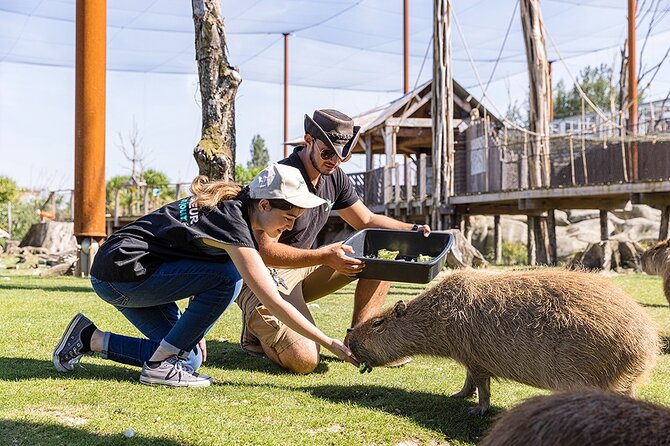
The park is organized around two themed walking routes: Amazonia and Patagonia. That split is practical. It gives you a sense of structure, even though the visit is self-guided.
On the route, you’ll experience that “South American forest” idea in layers. The tree choices—needle-like conifers like Araucaria and monkey puzzle trees, plus palms and banana trees—work like a backdrop that changes how the place feels as you move. Even if you’re not a plant person, you’ll notice the park is trying to create a believable tropical setting rather than just holding cages in a garden.
Here’s how to use this structure to your advantage:
- Start with the trek that matches your group’s interest. If you’re chasing birds, you’ll still see lots across the park, but you can bias your route by where animals seem most active when you arrive.
- Expect the experience to flow. The treks are meant to carry you from one area to the next without you constantly guessing.
And because the park is not huge, you can typically finish comfortably within that 2h30 to 3h window people often aim for. That short footprint is ideal if you’re visiting alongside Disneyland Paris or want a break that doesn’t require a half-day sacrifice.
About 80 Species From South America: How to Spot Animals Without Getting Rushed
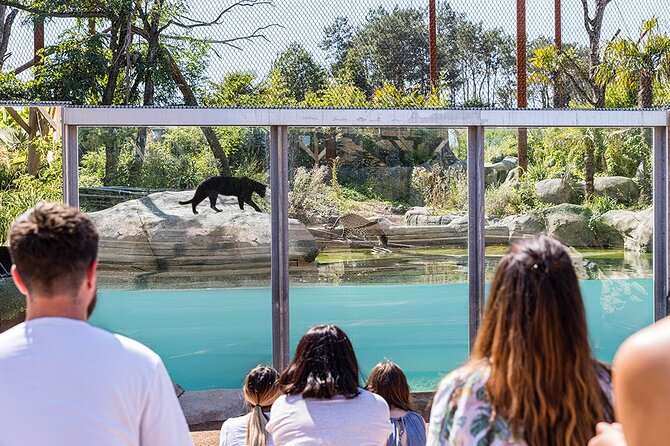
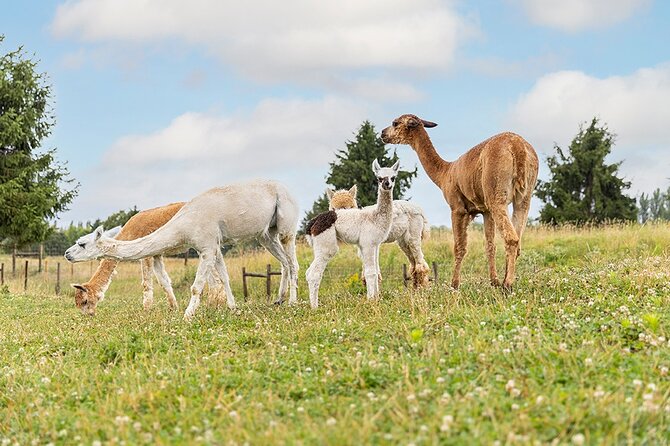
The big promise here is variety: you’ll discover around 80 species of animals from South America. That’s the difference between a quick petting zoo and a place that feels genuinely worth your ticket. You’ll have multiple chances to spot different animals rather than seeing just one main exhibit.
One thing I appreciate is that the experience isn’t just animal viewing. It’s also about context. The park includes pedagogic learning with animal keepers, which can help you connect what you’re seeing to natural behaviors and habitats.
Timing matters for that learning piece. The learning sessions may be subject to changes based on weather conditions, so don’t lock your whole mood on one specific talk slot. If conditions are rough, check with the team on the day. If sessions do happen, take them. They’re the part that can turn a pretty walk into something you actually remember.
Practical tip for spotting animals: move slowly, but don’t get stuck in one spot for too long. If you’re watching and nothing changes for a while, shift your angle or walk to the next section of the trek. Many animals are easiest to see when you approach from the right direction and allow time for them to settle.
Keeper Talks and Weather Changes: Make It Work for You
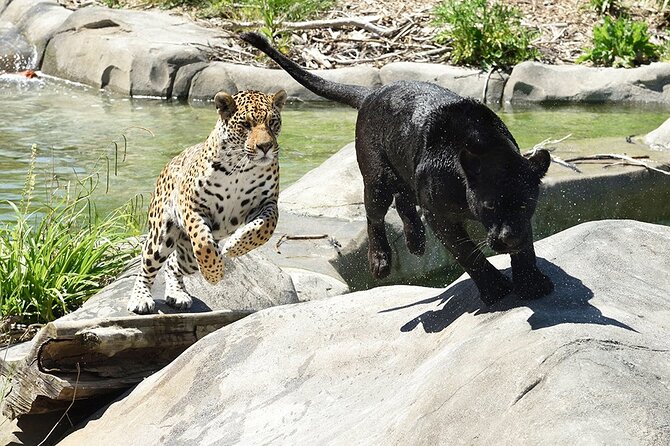
I like that the park doesn’t pretend nature runs on a perfect schedule. The pedagogic learning sessions can change due to weather, and that’s exactly the kind of detail that affects your day.
So how do you make this work?
- Plan your visit as a walk first, learning second. If a session is canceled or shortened, you’re not losing the core experience.
- Keep an eye on the day-of guidance from the team. Since sessions can shift, that on-site information is your best source.
- If you’re visiting in rainy or windy conditions, bring a light rain layer and expect some areas to feel damp or slippery.
One more angle: since the park runs most of the day, you’re not forced into a single time window. If the weather is temporarily bad, you can wait it out rather than losing the entire trip.





Kids, Picnic Breaks, and Food Choices: The Best Part for Families
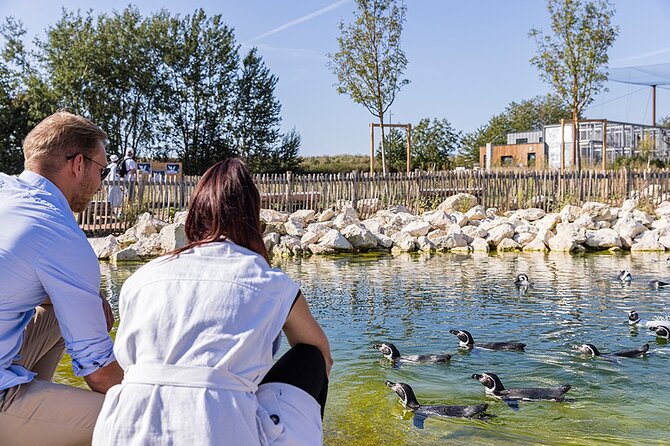
If you’re bringing kids, this is set up in a very practical way. There’s a giant playground for kids plus a picnic area. That combination is a big deal because it prevents the classic family problem: everyone is done walking, but you still need to finish the outing.
You also have three restaurants available on-site. The ticket covers entry, but food is not included. Still, having multiple dining options means you’re not stuck with one overpriced choice, and you can match your meal timing to the kids’ energy.
My advice: pack light if you want flexibility. Use the picnic area as your “reset button.” Kids can burn energy on the playground, then come back hungry. Adults get that break too.
And if you’re planning a family half-day from Disneyland Paris, this is a smoother transition than heading back into busy city dinner routines right away.
Ticket Value at $24.20: What You’re Really Paying For
The price is $24.20 per person, and the entry ticket includes the admission for a self-guided wildlife park visit. For a 2 to 3 hour outing, that’s often the kind of pricing that makes sense when you compare it to other single-attraction tickets in the Paris area.
Here’s the value logic I use:
- You’re paying for entry plus a built-in route through animal areas and themed treks.
- You also have access to on-site downtime (playground + picnic area).
- And learning sessions with keepers can add extra value when they run.
What’s not included matters too:
- Lunch isn’t included.
- Transport to/from the park isn’t included.
So the real cost isn’t just the ticket. It’s ticket plus food plus your transport plan. If you’re driving and taking advantage of the free car park, that helps keep your total spend more predictable. If you’re relying on taxis or rideshare from central Paris, consider that extra cost when budgeting.
All things considered: for a focused nature visit near Paris that lasts under half a day, this is strong value—especially if you’re traveling with children who need movement.
Timing and Comfort Tips: Footwear, Pacing, and Day-of Planning

Because your visit is mostly a walk, comfort matters. Wear shoes you can handle on outdoor paths—especially if it’s damp after rain. If weather is poor, you don’t need panic. The park is still worth it, but adjust your pace and bring a light waterproof layer.
For pacing, aim to give yourself enough time to actually enjoy the animals. A common trap is rushing because you assume it will be quick. But the park’s appeal is in slow looking—watching movements, watching feeding behaviors if they happen, and letting the treks guide you.
Also, keep your schedule flexible around keeper learning sessions. Those may change with weather, so don’t treat them like an appointment you can’t miss. If sessions are running, great—take them. If not, you still get the core walk and animal viewing.
Good strategy: arrive earlier in the day if you can, so you have choices if weather shifts later. If you’re arriving mid-day, stay patient and focus on what’s visible and active at that moment.
Who Should Book Parrot World Near Paris?
This is a great fit if you want a calmer change of pace from big-city tourism. It also works especially well for:
- Families with kids, thanks to the giant playground and built-in break spots.
- Animal and nature lovers who like learning, not just looking.
- People combining days, since it’s close to Disneyland Paris and reachable from central Paris.
If you’re traveling solo or as a couple, you’ll still have a good time. The park’s themed treks make it feel like an outing with a storyline, and the self-guided format lets you go at your preferred pace.
Should You Book Parrot World?
Yes, I’d book Parrot World if your goal is a short, nature-focused break near Paris. The ticket price makes sense for a 2 to 3 hour self-guided visit, and the mix of about 80 South America animal species, tropical plant theming, playground downtime, and keeper learning moments can make it a genuinely satisfying half-day.
I’d hesitate only if you’re the type who needs guaranteed scheduled talks in all weather. Since pedagogic sessions can shift, plan for the visit as a walk first. If you do that, you’ll get what matters most: a fun, easy outing with lots to see.
FAQ
What’s the duration of the Parrot World entry ticket next to Paris?
The visit typically takes about 2 to 3 hours.
Is the ticket mobile, and is English offered?
Yes. You’ll get a mobile ticket, and the experience is offered in English.
What’s included with the ticket?
The ticket includes a self-guided visit, access to landscapes and around 80 species of animals, and pedagogic learning with animal keepers (subject to change with weather). It also includes a giant playground, a picnic area, and free car parking.
Are lunch or transport included in the price?
No. Lunch and transport to/from the park are not included.
Where is the park located relative to Paris and Disneyland Paris?
The park is about 45 minutes by driving from central Paris and about 20 minutes from Disneyland Paris.
What are the opening hours?
In both 2025 and 2026, it’s open daily from 10:00 AM to 6:30 PM.
Can service animals enter the park?
Yes. Service animals are allowed.
How does free cancellation work?
You can cancel for a full refund up to 24 hours in advance of the experience start time.