REVIEW · PARIS
Paris: Père Lachaise Cemetery Guided by the Great Sibylle
Book on GetYourGuide →Operated by Epok'Tour · Bookable on GetYourGuide
Death has stories, and this tour tells them. I like the theatrical guidance by Marie-Anne Lenormand and the way the route links major names with specific places inside Père Lachaise. One thing to consider: this is a walking tour through a cemetery with uneven ground, so it’s not a fit for everyone.
You’ll meet your “Great Sibyl” guide in period costume and follow her through the cemetery’s two moods: the more romantic side and the modern sections with cremation and memorial spaces. I especially enjoy how the story stays playful but still points you to what’s actually there—so you’re not just hearing names, you’re seeing the setting.
Plan for practical comfort. Wear comfortable shoes, because it runs rain or shine, and it’s geared to kids over 7 (not under 7) and people who can handle steady walking without step-free access. The tour is in French, but even if you’re not fluent, you’ll get a lot from the clear historical character and the guided pacing.
In This Review
- Key things you should know before you go
- Finding Père Lachaise: the Eastern Entrance and Gambetta access
- Marie-Anne Lenormand’s theatrical style: why it works for a cemetery
- The romantic route: Eloise and Abelard and the pull of famous names
- Crematorium and columbarium: the modern face of memory
- The Wall of the Fédérés: where memorial meets political memory
- Cultural sections: Muslim and Jewish areas at Père Lachaise
- The big-name stops: Piaf, Morrison, Chopin, and the power of context
- Two hours well spent: how to prepare and what pacing feels like
- Value for $28: what you’re really paying for in this experience
- Should you book Père Lachaise Guided by the Great Sibyl?
- FAQ
- How long is the tour?
- What is the meeting point?
- What language is the tour in?
- Does the tour run in bad weather?
- What’s included in the price?
- Is it suitable for children?
- Is it wheelchair accessible?
Key things you should know before you go
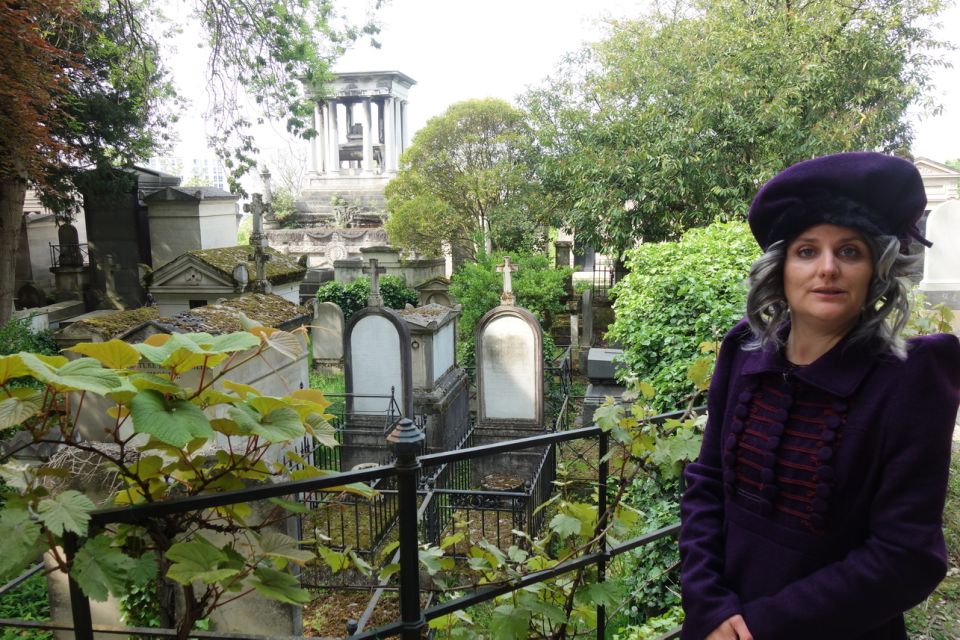
- Marie-Anne Lenormand in costume brings a Revolution-era spirit to the cemetery walk
- Two cemetery “faces”: romantic corners plus modern memorial spaces like the crematorium and columbarium
- Famous graves with context across big cultural figures, not just one monument after another
- Humor mixed with history keeps the tone light while staying informative
- Question time matters thanks to a guide who’s attentive and takes time to answer
- Rain or shine means you’ll want a weather-ready outfit and grippy footwear
Finding Père Lachaise: the Eastern Entrance and Gambetta access
The tour starts at the eastern entrance of Père Lachaise, near number 56 Rue des Rondeaux. The nearest metro stop is Gambetta, which makes it an easy add-on to a day in eastern Paris.
This is one of those tours where being a few minutes early helps your day. You’ll be looking for the guide at the start point, and once you’re in costume character mode, the tour moves with energy. Since the itinerary depends on an orderly walk, arriving on time keeps the pacing smooth for everyone.
And yes, it’s a cemetery. Even if it feels like a normal city walk at first, you’ll want to shift into respectful mode—slow down near the memorials, keep your voice low, and treat the stop points as part of a guided reading, not a photo safari.
You can also read our reviews of more guided tours in Paris



Marie-Anne Lenormand’s theatrical style: why it works for a cemetery
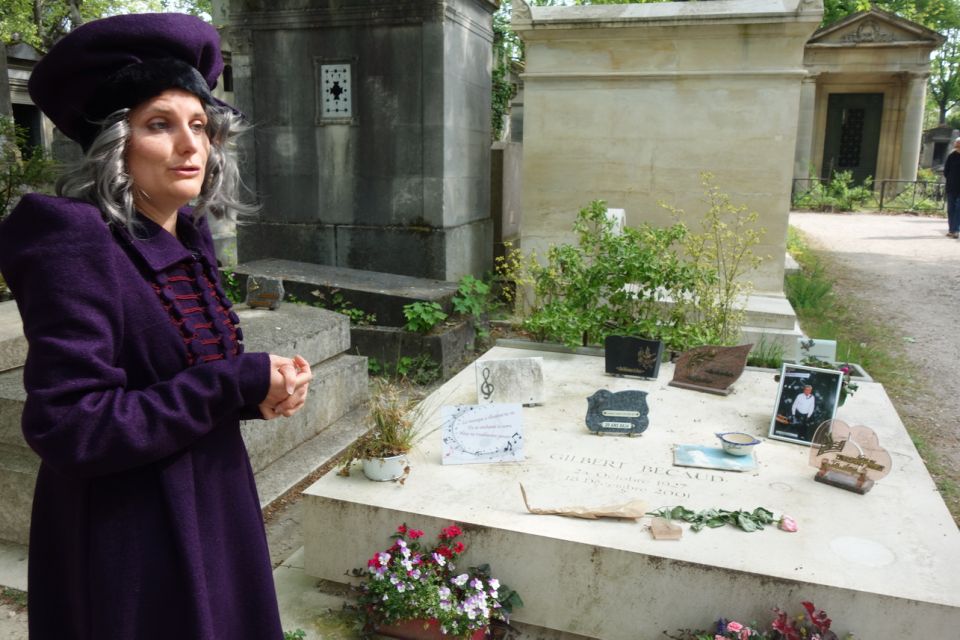
Your guide is presented as Marie-Anne Lenormand, a historic figure tied to the French Revolution era, known for divination. The performance isn’t just costume for costume’s sake; it’s a storytelling mechanism that makes you look at specific graves and sections and think about why people remember.
I like the tone because it blends humor and mystery. It’s entertaining without turning history into a costume party. The result is that the cemetery stops feeling like a place you simply pass through on your own. Instead, you get a guided narrative thread that carries you from one part of Père Lachaise to the next.
From the reviews, one theme keeps showing up: the guide’s timing and personality make the walk feel alive. People mention surprise-filled anecdotes, and that matches what you’ll want from a tour like this. In a cemetery, attention can drift fast—good storytelling keeps it anchored.
One practical note: the tour is in French. You don’t need to be perfect, but if you’re a beginner, you’ll still benefit most if you’re comfortable catching names, place references, and a few key explanations. Bring curiosity, not expectations of English narration.
The romantic route: Eloise and Abelard and the pull of famous names
Père Lachaise has a romantic side, and your guide keeps the atmosphere moving that direction early on. You’ll spend time around the kinds of graves that people recognize instantly—plus a few that land harder when you understand the story style guiding you there.
A highlight is Eloise and Abelard. Their presence gives the tour a literary, legend-shaped feeling. Even if you only know their story in broad terms, the guide’s approach helps you see why their names keep resurfacing in cultural memory. It’s the sort of stop where the monument turns into a narrative checkpoint.
You’ll also encounter major figures including Oscar Wilde, Frédéric Chopin, and Théodore Géricault. These are not random celebrity picks. They represent different ways Paris culture left marks, whether through literature, music, or art. What makes a guided cemetery visit valuable is this exact connection: the name is one thing, but the setting is what makes it feel real.
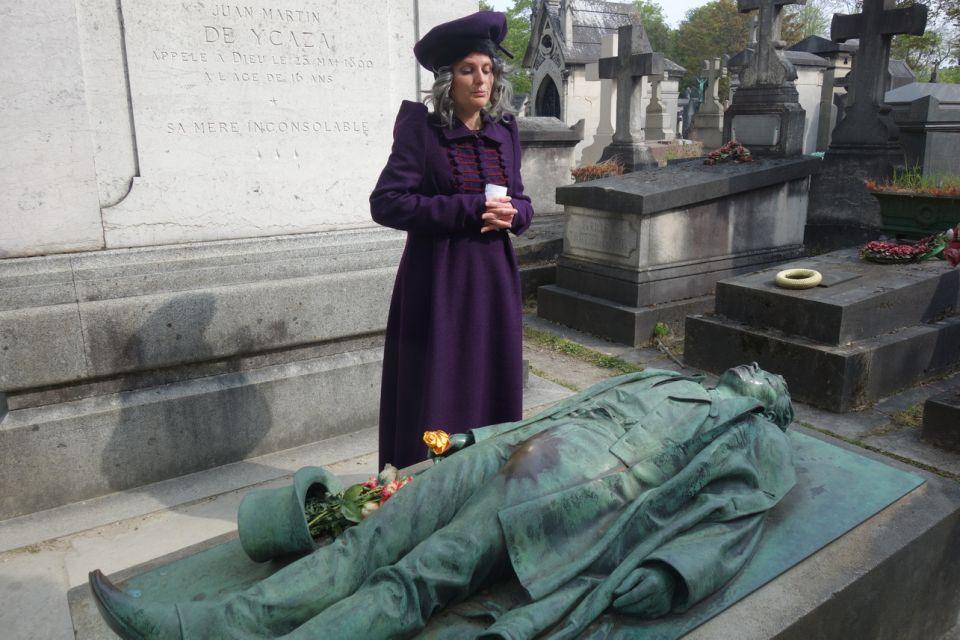
Another stop you’ll likely recognize is Victor Noir. Even without inventing details, you’ll feel why he matters as a reference point inside the cemetery’s wider story. It’s the kind of grave that people use as a way to understand how public events can echo in memorial form.
The “romantic side” isn’t only about poetic names. It’s also about how the paths guide your eyes. Expect the walk to feel like you’re moving through a curated experience of remembrance—less like a checklist, more like a guided stroll where the guide helps you notice what you might otherwise miss.
Crematorium and columbarium: the modern face of memory
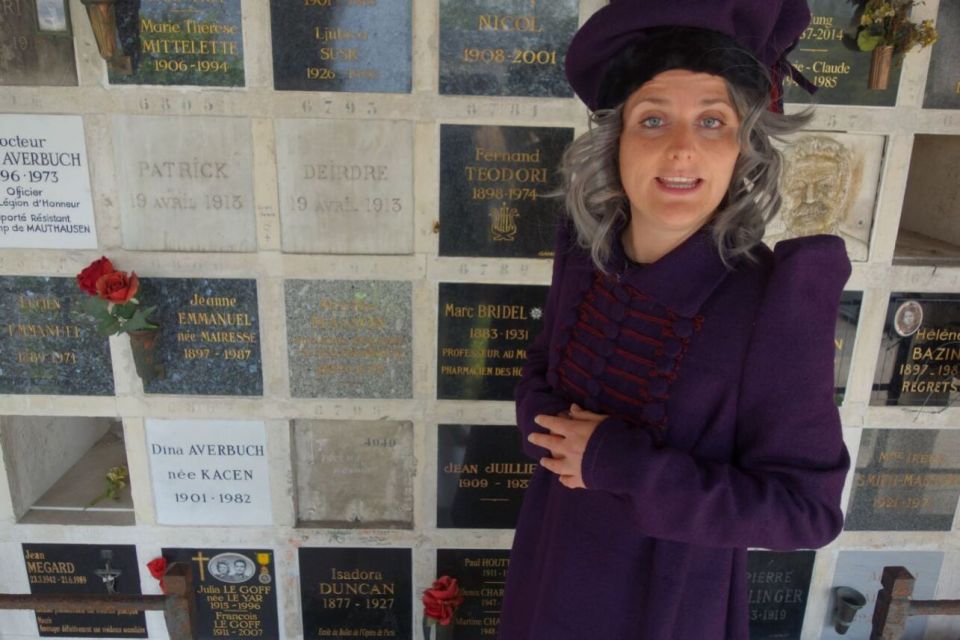
After the more sentimental corners, the tour shifts to what you can think of as Père Lachaise’s modern side. You’ll visit the crematorium and columbarium, which changes the mood immediately.
This part matters because it shows you that cemeteries aren’t frozen in the past. People change how they grieve, how they store remains, and how they design public remembrance. Seeing both cremation-related spaces and memorial walls gives you a broader view than “traditional grave” monuments alone.
The guide helps you read these areas, not just pass through them. Without getting overly technical, you’ll get the sense that these spaces are built for long-term, shared memory—an approach that feels different from individual statues or big carved tombs. If you came thinking Père Lachaise would be only ornate and old-world, this segment quietly corrects that.
It also helps that this tour is timed well. Since it’s two hours, you’re not stuck wandering for ages. You get the major types of spaces, plus story context, without the fatigue that can come from a self-guided day-long cemetery loop.
The Wall of the Fédérés: where memorial meets political memory
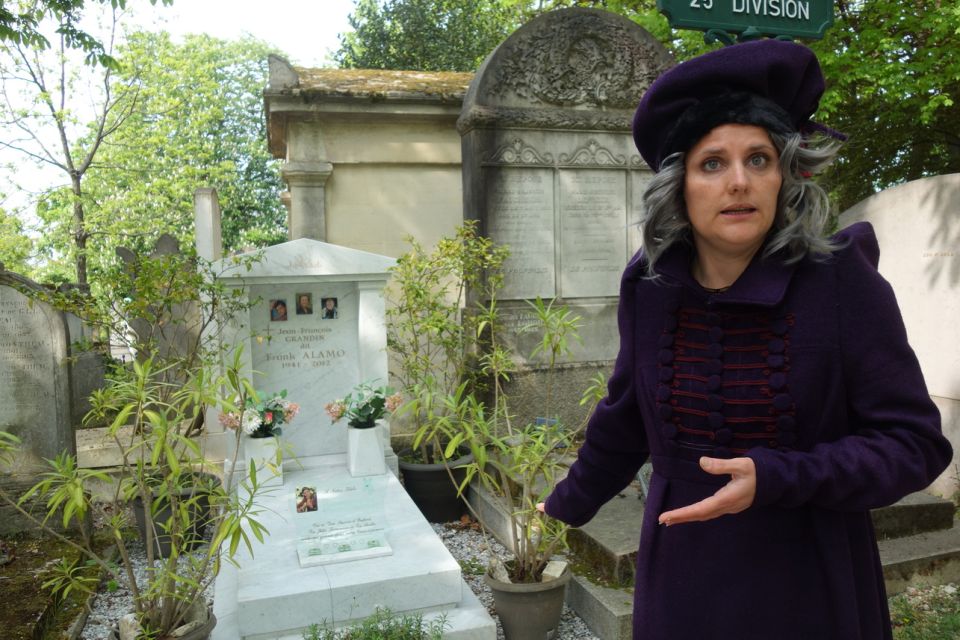
You’ll also see the Wall of the Federates. This stop shifts the feeling again, because it’s the kind of memorial that connects personal loss to public history.
What I like about having this on a guided route is that it prevents the memorial from being “just another wall.” A good guide explains how this place fits into wider French history, and your Marie-Anne Lenormand guide does exactly that through her narrative voice and the historical framing of the cemetery’s sections.
This is the section where the theatrical approach can actually be most useful. When the subject matter is heavier, a strong storyteller keeps the tone respectful while still giving you enough meaning to understand why the stop matters. You end up leaving with memory, not confusion.






Cultural sections: Muslim and Jewish areas at Père Lachaise
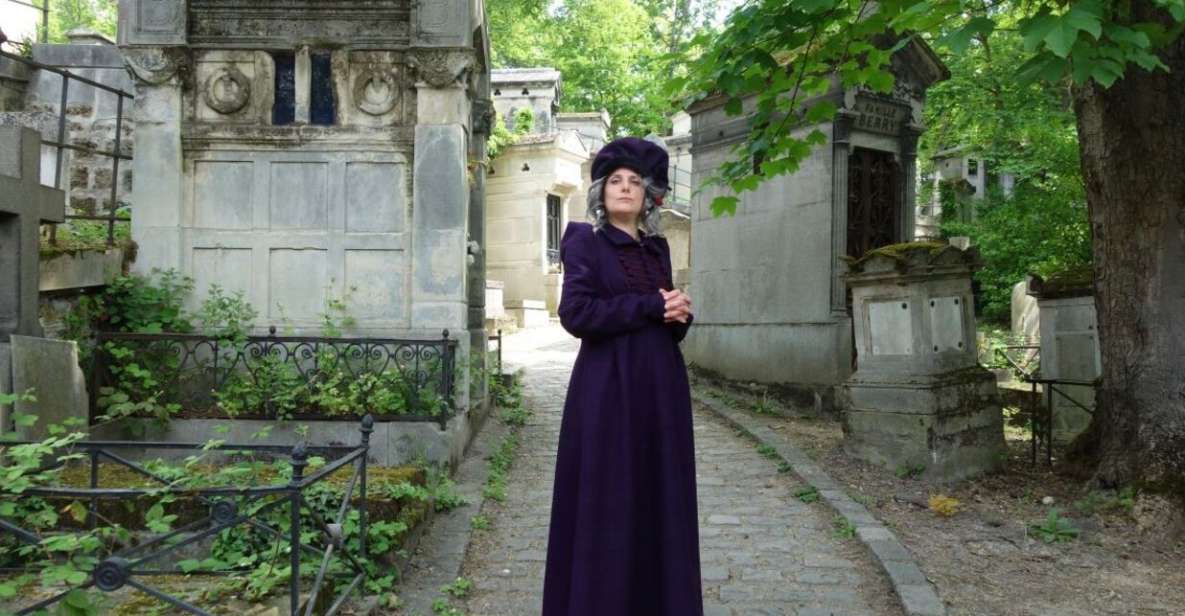
Père Lachaise includes cultural and religious sections, and your route includes both the Muslim section and the Jewish section.
This is a key value of a guided cemetery visit. Without context, it can be easy to treat different sections as separate “zones” with no link to the broader story. With a guide, you get a sense of how Paris history and community life shape how people are remembered.
I found this part especially useful for understanding that a cemetery isn’t only about famous people. It’s also about families, communities, and long-term local memory. Seeing these sections during a single guided walk helps you notice how a city can hold many cultures inside one shared public space.
Expect a respectful pace here. Your guide’s job is to keep the tour coherent while also encouraging you to slow down. Treat the moment like a conversation with place, not like a photo stop.
The big-name stops: Piaf, Morrison, Chopin, and the power of context
Some graves on this route are so famous you might think you already know them. Edith Piaf and Jim Morrison are perfect examples. When you see their memorials in the real place where people actually remember them, the celebrity names feel less like trivia and more like cultural footprints.
Your guide ties these names back to the emotional logic of the cemetery—how fame, art, and personal stories become part of public memory. That’s the difference between a quick stop and a guided stop. With the right narration, you’re not just reading dates and names. You’re learning what the cemetery does with cultural identity.
Other major names included in your walk help round out the effect: Oscar Wilde (literature), Frédéric Chopin (music), and Théodore Géricault (painting). Having several artistic figures side-by-side gives the cemetery a stronger sense of “Paris as a creative engine,” not only “Paris as a sightseeing city.”
Even Jim Morrison works in this framework. You get the feeling that Père Lachaise doesn’t only preserve the 19th century. It also holds 20th-century cultural memory and keeps it visible in a place known for longevity.
Two hours well spent: how to prepare and what pacing feels like
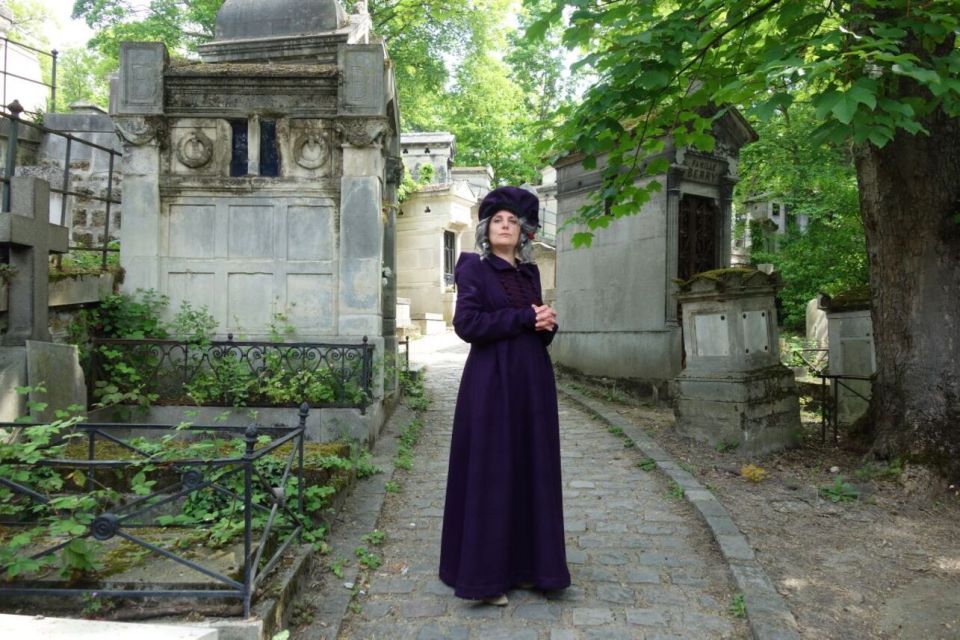
This tour lasts 2 hours, which is an ideal length for a cemetery experience. Long enough to cover the major sections you’ll care about—romantic areas, modern cremation/memorial spaces, a political memorial wall, and key famous graves—without dragging you through endless paths.
Bring comfortable shoes, and keep your outfit ready for weather since it runs rain or shine. Cemeteries aren’t flat parks. If your shoes grip, you’ll enjoy the walking more and take better time at each stop.
Also, plan your expectations around the language. The guide is French, and the stories are delivered live. You’ll get the most if you’re okay with listening and absorbing, even if you miss a few words.
For families: it’s suitable for children over 7. If you’re traveling with younger kids, you’ll likely find the pacing and tone don’t match them. For adults, this is a fun choice because it’s not dry. You’ll get humor, period costume, and a story structure that keeps you engaged.
Value for $28: what you’re really paying for in this experience
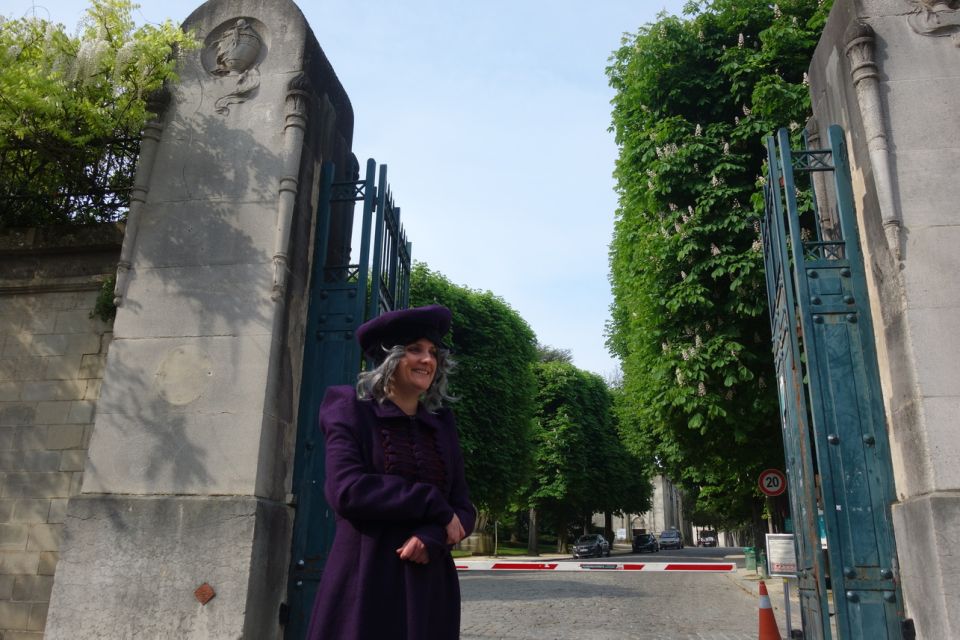
At $28 per person for a 2-hour guided visit, the value comes from something simple: someone gives you a clear route and a narrative voice. In a cemetery, that’s not a luxury detail. It’s what turns a place you could wander into a place you understand.
You’re also paying for the specific style of guide performance: the professional guide in historical outfit as Marie-Anne Lenormand, with a storytelling approach that mixes mystery and humor. That theatrical element matters because it helps you remember what you see. You’re more likely to leave with names, sections, and meaning connected in your mind.
And you’re not just buying entry into a famous cemetery. You’re buying a guided reading of multiple parts of Père Lachaise: crematorium and columbarium, the Wall of the Federates, cultural sections, and a set of standout graves like Oscar Wilde, Edith Piaf, Victor Noir, Frédéric Chopin, Théodore Géricault, Jim Morrison, plus Eloise and Abelard.
If you want a straightforward self-guided walk, you can do that. But if you want the cemetery to feel like a story with momentum, this is exactly the kind of structured experience that makes the price feel reasonable.
Should you book Père Lachaise Guided by the Great Sibyl?
Book it if you want Père Lachaise to feel like more than a list of famous tombs. This tour’s best strength is the combination of theatrical storytelling and real stops in both romantic and modern cemetery areas, including the crematorium, columbarium, and the Wall of the Federates.
Skip it if you need wheelchair accessibility or if your group includes kids under 7. Also consider your comfort with French-only narration. If you’re fluent, you’ll enjoy every layer. If not, you’ll still likely get a good experience thanks to the guide’s character and the physical clarity of the route.
If you’re the type of traveler who likes history served with humor and a bit of mystery, you’ll probably love how the Great Sibyl ties it all together over the full two hours. And if you’re deciding between “quick photos” and “slow understanding,” choose the slow understanding.
FAQ
How long is the tour?
It lasts 2 hours.
What is the meeting point?
The tour starts at the eastern entrance of Père Lachaise, near number 56 Rue des Rondeaux. Gambetta is the nearest metro stop.
What language is the tour in?
The live tour guide speaks French.
Does the tour run in bad weather?
Yes, it takes place rain or shine.
What’s included in the price?
You get a 2-hour guided tour of Père Lachaise cemetery and a professional guide wearing historical outfit.
Is it suitable for children?
It is not suitable for children under 7.
Is it wheelchair accessible?
No, it is not suitable for wheelchair users.