REVIEW · PARIS
Paris Macaron baking class with a Chef Patissier
Book on Viator →Operated by Studio Pâtisserie · Bookable on Viator
Macarons get easier when you learn the technique. This Paris workshop turns the intimidating parts of macarons into clear steps, with a small group (max 10) and a Chef Patissier-style focus on the details that make the shells turn out right. I especially like the step-by-step coaching from chefs such as Chef Vivian and Chef Maria, and the fact that you leave with both macarons and a home recipe. One drawback to plan around: the class has a strict start time, and if you’re late, you may not be admitted once baking has begun.
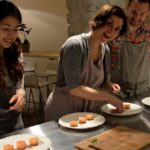
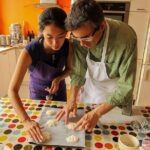
You’ll work in English, bake hands-on for about 2 hours 30 minutes, and get coffee or tea plus soda. I like that you’re not stuck watching from the sidelines—you actually mix, pipe, and assemble.
This costs $113.20 per person, which can feel steep until you realize ingredients, utensils, drinks, and a chef’s secret recipe are included, plus you typically leave with a couple dozen macarons to share (or hoard). If you want the real French “how” behind macarons, this is one of the more practical food experiences in Paris.
In This Review
- Key Highlights You’ll Actually Care About
- Macaron Cooking at 85 Rue de Rome: Why Getting There Matters
- A 2-Hour-30-Minute Workshop That Doesn’t Waste Your Time
- Picking Flavors and Setting Up Like a Pro
- Macaronage: The Technique That Makes the Difference
- Piping and Baking: Timing Cues You’ll Use Again
- Fillings, Assembly, and That First Bite
- Price and Value: Is $113.20 Worth It?
- Who Should Book This (and Who Might Not)
- Should You Book This Paris Macaron Class?
- FAQ
- How long is the Paris macaron baking class?
- What’s the group size?
- Is the class offered in English?
- What’s included in the price?
- Where does the class start?
- What’s your cancellation policy?
Key Highlights You’ll Actually Care About
- Max 10 participants means you get real attention while you’re working, not just a lecture.
- Macaronage technique is taught as a skill, not as a mysterious recipe step.
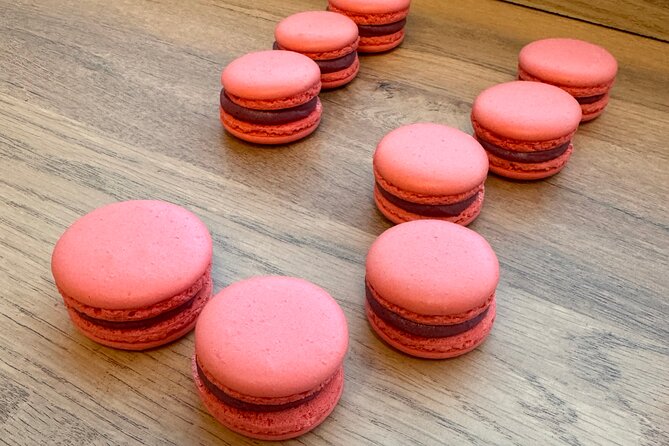
- Flavor choices and fillings can include options like black currant and white chocolate.
- You take macarons home (often around 15 to 22 per person, depending on the session).
- Chef-led secrets for home: you leave with a recipe plus the key timing/texture cues.
- Arrive early near 85 Rue de Rome, since late arrivals can mean missing the class.
Macaron Cooking at 85 Rue de Rome: Why Getting There Matters
The action starts at 85 Rue de Rome, 75017 Paris. It’s not a “wander and then maybe you’ll find it” kind of experience—you’ll want to show up with time to spare, because once the workshop begins, the pace gets serious.
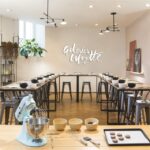
This location also matters for another reason: you’ll be in a real working kitchen. That sounds basic, but it changes the whole vibe. You’re not doing a demo with a camera angle; you’re using utensils, weighing/combining ingredients, and following timing cues while the batter changes as it sits. Plan to take public transportation and then walk the last stretch slowly. If you’ve got a map link, double-check the address text.
The experience is run by Studio Pâtisserie, with instruction offered in English. Service animals are allowed, and the group size stays small, with a cap of 10 travelers. That small number is a big part of why people rate this so highly—less waiting around, more hands-on help.
You can also read our reviews of more cooking classes in Paris
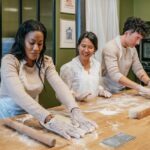
A 2-Hour-30-Minute Workshop That Doesn’t Waste Your Time
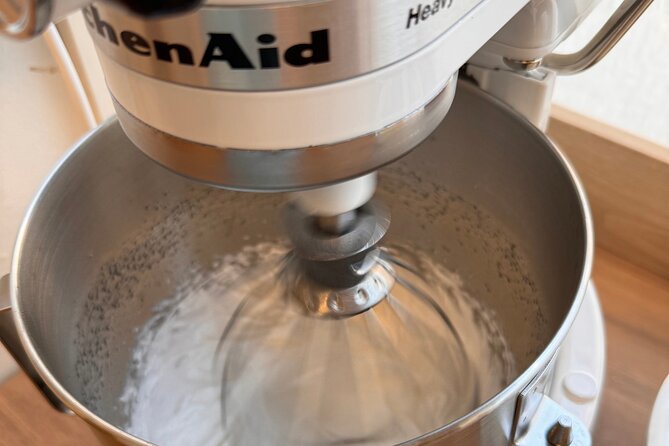
You’re looking at about 2 hours 30 minutes from start to finish, and the class is built around doing every key step yourself. The flow is simple:
- Start with prep and ingredient use
- Learn the shell-making technique (including macaronage)
- Pipe and bake with timing control
- Make the filling and assemble
- Pack up your box, plus take-home instructions
I like this format because macarons punish guesswork. If the batter is too stiff or too runny, you’ll see it quickly. If you rush the shell rest or bake time, the outcome changes. By keeping everything in one workshop window, you practice the whole chain—so you don’t leave with a recipe that only works on paper.
You also get coffee and/or tea and soda/pop. It’s not a big dining moment, but it keeps things comfortable. After all, you’ll be standing at a counter and focusing, so a warm drink helps.
Picking Flavors and Setting Up Like a Pro
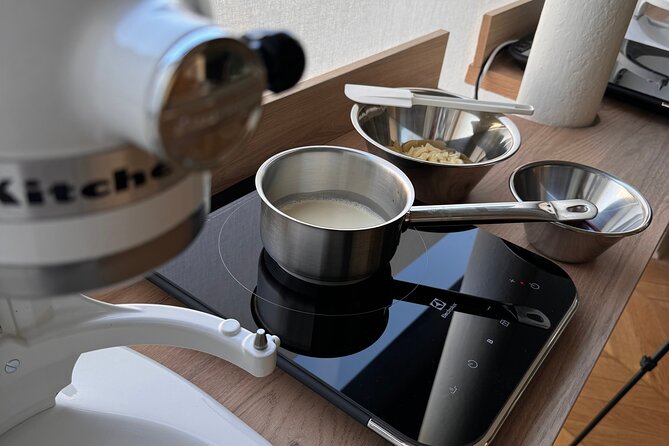
At the start, the kitchen is set up for you with all baking ingredients and utensils provided. That’s more valuable than it sounds, because macarons need specific ingredients and consistent measurements. You shouldn’t have to hunt for almond flour texture, fresh eggs, or the right kind of sugar at Paris prices.
A common perk is that you get to choose your flavors and fillings. Some sessions include options like black currant and white chocolate, and multiple flavor choices are mentioned as part of the experience. I see this as more than fun variety. Flavor choice affects your final balance: tart fillings can cut sweetness, and chocolate fillings can make the shell taste richer even if the shells are identical.
If you’re going solo or your group number is odd, they’ll pair you with another participant or with the chef. That matters because macarons are hands-on, and pairing keeps the work moving without leaving you waiting.
One small practical note: if you’re sensitive about hygiene or sharing food, it’s worth asking how the class handles anything “exchange” related. In the feedback I saw, a small number of people felt uncomfortable with being pressured to trade macarons. You’ll enjoy this more if you’re clear up front about what’s optional.
Macaronage: The Technique That Makes the Difference
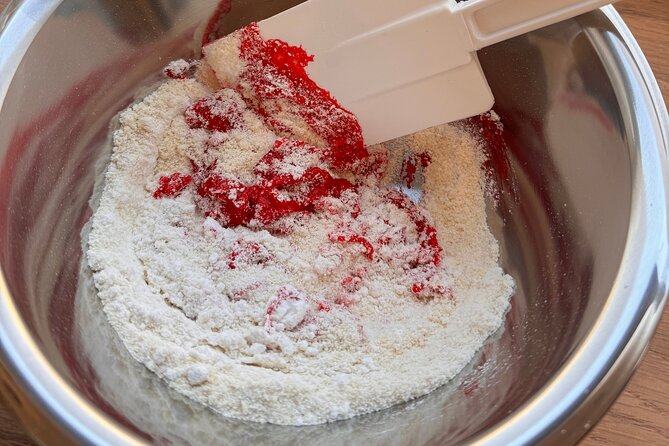
The most praised part of this class is the teaching of technique, especially macaronage. Macaronage is the stage where you mix the batter until it flows correctly. The goal is a texture that’s smooth and pipeable—no lumps, but also not watery.
This is where the chef names come up often. People call out chefs like Chef Vivian, Chef Marie, Chef Leo, and Chef Maria for step-by-step guidance and for explaining the small details that recipes often skip. That’s the whole point of booking a workshop instead of just buying a book: you learn what the batter should look like and how to adjust without guessing.
Here’s what you’re trying to internalize while you mix:
- The batter should fold/mix into a consistent flow, not stay stubborn.
- You learn to watch texture changes, not just follow a clock.
- You get correction in real time, which prevents you from baking bad shells and hoping filling saves them.
This is also why non-bakers often do well. The class is designed for all skill levels, and the best reviews mention feeling supported. If you can follow instructions and pay attention to the batter’s look and feel, you’re in the right place.
Piping and Baking: Timing Cues You’ll Use Again
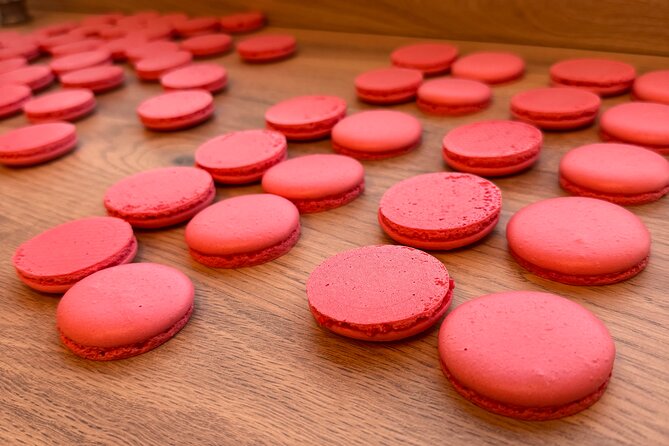
Once your shells are mixed, you pipe them. Piping sounds simple until you realize macaron batter can behave differently depending on how it was mixed. In a class like this, you’re learning the rhythm while you’re doing it.
After piping, you rest and bake, and that’s where technique turns into the final look:
- The shell develops the right structure and surface
- The “foot” and rise depend on proper batter consistency and baking timing
- Overbaking can dry them out; underbaking can leave them fragile
People describe the class as well paced and not stressful. That makes sense if the chef is watching you and giving small cues as you go. When a class is taught well, you’re not just learning macarons—you’re learning how to read your own results.
One extra comfort: the workshop is run cleanly. Reviews mention that the setup is organized and that cleanup is handled while you cook. In other words, you’re focusing on baking, not turning into the dishwasher.
You can also read our reviews of more tours and experiences in Paris



Fillings, Assembly, and That First Bite
The final stage is where macarons stop being science and start being dessert.
You’ll learn the filling process—making ganache and assembling the sandwich cookies. This is also the stage where flavor choice shows up in real taste. If you choose something like black currant, you’ll notice how tartness wakes up the sweetness of the shell. With white chocolate, the macaron can feel smoother and richer.
The class also includes the chef’s secret recipe for you to make at home. In practical terms, this means you’re not only leaving with a box of macarons. You’re leaving with a pathway to repeat the technique at your own pace.
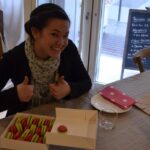
As for what you take home: multiple reviews mention results like about two dozen macarons per person, or around 15 pastries per person depending on the session. Even if the exact number varies, the takeaway is consistent: you’re not just getting a single cookie or a small taste. You get enough to share.
And yes, you’ll want to bring your “I’m not eating these on the walk” discipline. People talk about how hard it is not to snack as soon as they’re packed.
Price and Value: Is $113.20 Worth It?
Let’s look at value, not just cost.
At $113.20 per person, you’re paying for:
- A small group setting (max 10)
- An English-speaking chef who teaches technique like macaronage
- All ingredients and utensils included
- Coffee/tea and soda/pop
- A recipe you can use at home
- A take-home box with a meaningful batch size
If you tried to learn macarons on your own in Paris, you’d quickly spend money on ingredients and still risk wasting batches while you figure out the right batter texture. This class compresses the learning curve. You pay for guidance, corrections, and the feedback you’d otherwise only get after multiple failed attempts.
In the reviews, the common theme is that people felt they learned technique and left with macarons they could be proud of. The high rating supports that this isn’t just a “cute food activity.” It’s a skill-building workshop with real output.
Who Should Book This (and Who Might Not)
This class is a great fit if you:
- Want hands-on instruction, not just tasting
- Care about learning how macarons actually work
- Like small group classes where you can ask questions
- Are traveling with a teen or family member who enjoys baking
It’s also a good option even if you’re not a confident baker. Several comments mention first-timers and parents doing well because the process is explained clearly and paced for beginners.
You might reconsider if:
- You’re very strict about arriving exactly on time and can’t manage travel buffers
- You don’t like any “sharing or swapping” norms during workshops
- You only want a quick bite without cooking (this is an active kitchen session)
The class is at its best when you’re ready to work with your hands and learn from the chef’s corrections.
Should You Book This Paris Macaron Class?
I think it’s an easy yes if you want an authentic Paris food skill and a structured way to make macarons that aren’t just for show. The strongest reasons to book are the small group size, the repeated praise for technique-focused teaching, and the fact that you leave with both a take-home box and a chef’s secret recipe.
If you hate the idea of strict start times, build in buffer time and arrive early. And if you have concerns about sharing anything you made, ask how that part works before you start piping.
Book this when you want a hands-on souvenir made of buttercream and confidence.
FAQ
How long is the Paris macaron baking class?
The class runs for about 2 hours 30 minutes.
What’s the group size?
The workshop has a maximum of 10 travelers.
Is the class offered in English?
Yes, the experience is offered in English.
What’s included in the price?
Coffee and/or tea, soda/pop, all baking ingredients and utensils, and the chef’s secret recipe for you to make at home.
Where does the class start?
It starts at 85 Rue de Rome, 75017 Paris, France, and ends back at the meeting point.
What’s your cancellation policy?
You can cancel for a full refund up to 24 hours in advance of the start time. If you cancel less than 24 hours before, the amount you paid isn’t refunded.