REVIEW · PARIS
Paris: French Macaron Culinary Class with a Chef
Book on GetYourGuide →Operated by Ateliers Parisiens · Bookable on GetYourGuide
Macarons are tricky. This chef class makes them learnable. I especially like the small-group setup and the hands-on focus on meringue basics that lead to real results, not guesswork.
You’ll work with a pastry chef in a friendly room, then leave with macarons you made, boxed up and ready to share.
One thing to consider: if you’re chasing very advanced pastry theory, the session may feel more practical than deep or technical, even though it’s well taught.
In This Review
- Key things I’d plan around
- Finding Maison Fleuret School and the Grey Door
- 150 Minutes of Macaron Making: Meringue, Shells, and Ganache
- The Crispy Shell Secret and the Soft Center You’re Aiming For
- Personalization That Feels Fun, Not Fluffy
- The Chef Factor: Friendly, Organized, and Ready to Coach
- Small Group Size: Why Up-To-Six Matters for Your Results
- Who This Class Suits Best (and Who Might Want Something Else)
- Value in a Chef-Led Workshop: What You’re Actually Buying
- Should You Book This Paris Macaron Class?
- FAQ
- How long is the French macaron culinary class in Paris?
- Where do we meet for the workshop?
- Is the chef instructor teaching in English?
- How large is the class?
- Is the activity wheelchair accessible?
- What is included in the class fee?
- Is hotel pickup or drop-off included?
- Is there free cancellation?
- Is there a way to pay later?
Key things I’d plan around
- Small group (up to 6): you get help while you’re mixing, piping, and troubleshooting.
- Meringue-to-ganache flow: you learn the core building blocks in one continuous lesson.
- Crispy shell technique: you practice what makes the outer layer set while the inside stays soft.
- Flavor and color choices: you can personalize your macarons for a take-home box that feels like yours.
- Chef guidance in English: instructions are delivered in English, with support during the process.
Finding Maison Fleuret School and the Grey Door
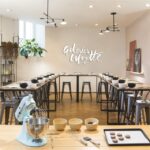
This class is centered on one main thing: making macarons under a chef’s watchful eye, in a kitchen setting that feels built for learning. You start at Maison Fleuret School (the provider is Ateliers Parisiens), and you meet the group in front of the grey door at your reservation time.
No pickup means you’ll want to show up a bit early, just to get your bearings and settle in. Since this is a food workshop, I’d treat it like a show-up-and-cook moment, not a sightseeing stop. Once you’re inside, you’ll meet the other people in your lesson, and the chef will get the room organized before you begin any mixing.
A detail I appreciate here is the limit of six participants. That number matters in macarons, because small issues snowball quickly. Too runny batter, uneven piping, or a rushed bake can lead to hollow shells or cracked tops. A tiny group helps keep the lesson calm and focused.
Also, it’s an English-instruction workshop and is wheelchair accessible. If you want to do something hands-on in Paris without worrying about language barriers or access, this fits the bill better than many cooking experiences that assume fluency or tight stairs.
You can also read our reviews of more tours and experiences in Paris

150 Minutes of Macaron Making: Meringue, Shells, and Ganache
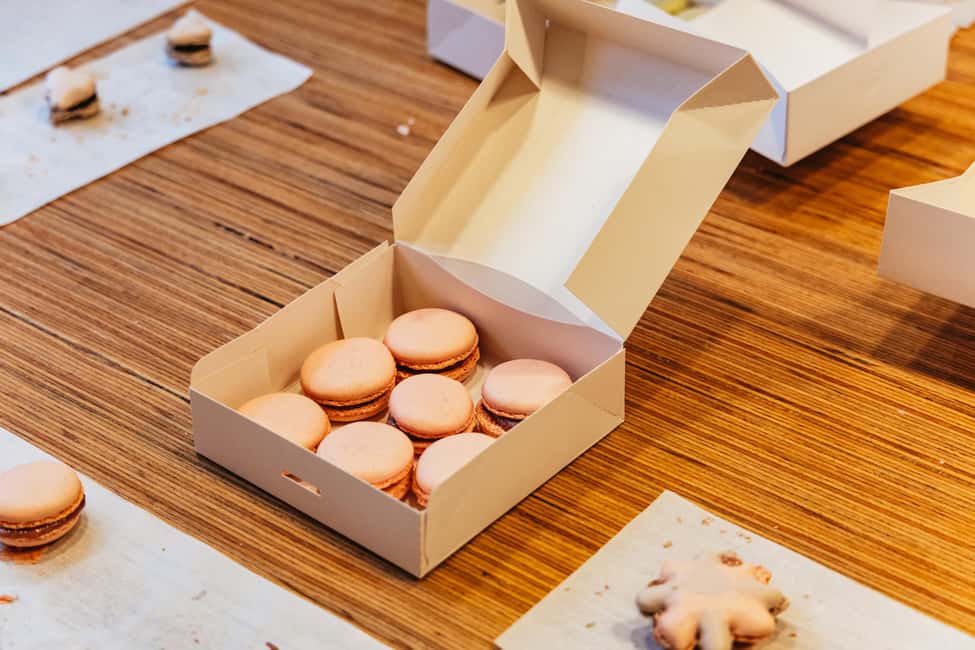
The heart of the class is a step-by-step pass through the macaron workflow, from meringue to filling. Your timeline is long enough to actually do the work (not just watch), and short enough to keep the energy up.
You’ll begin with the meringue, because this is where macarons are won or lost. Your chef will explain how the texture should look and feel before you move on. Expect the focus to be practical: what to watch for as the mixture thickens, how to manage speed and consistency, and what “done” looks like in real life.
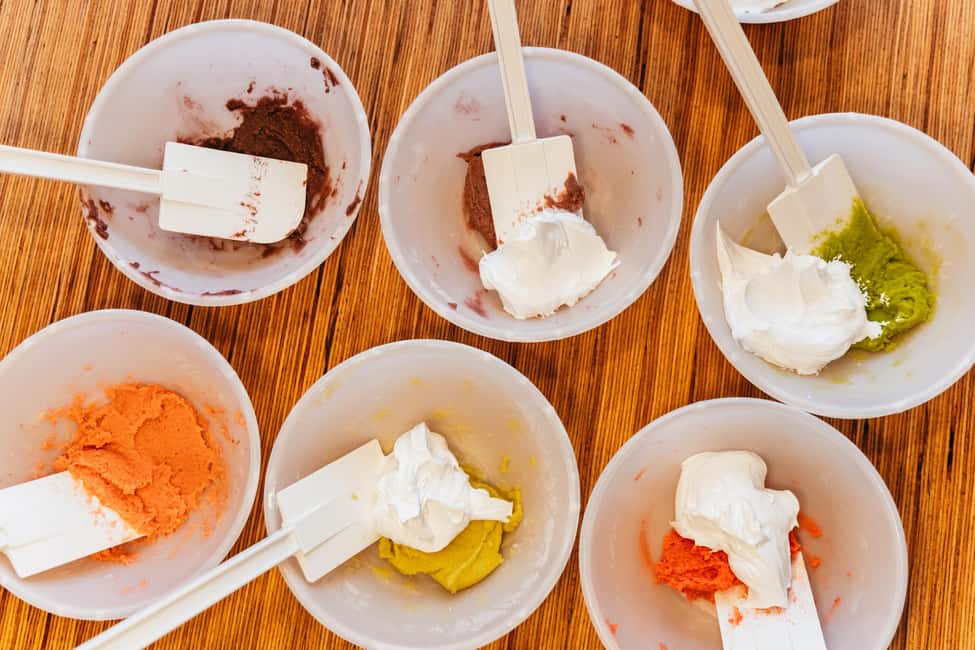
Next comes the ganache-making part. Ganache sounds simple, but ratios and temperatures affect how it spreads and sets. In the class, you’ll learn the technique for making a filling that pairs well with the macaron shell: flavorful, smooth, and workable for sandwiching.
The third big step is the shell: the outer layer that bakes into that signature crisp surface while the center stays tender. You’ll learn the technique for getting the crispy shell effect, not by magic, but by controlling batter consistency and bake readiness. This is also where chef feedback helps most. If your batter looks slightly off, your chef can steer you back before you pipe and ruin a whole tray.
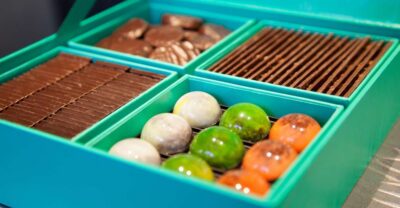
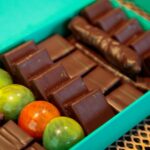
By the end, you’ll have macarons you made yourself, assembled into a take-home box. And yes, the box matters. It’s the difference between tasting your results during class and actually sharing them later.
The Crispy Shell Secret and the Soft Center You’re Aiming For
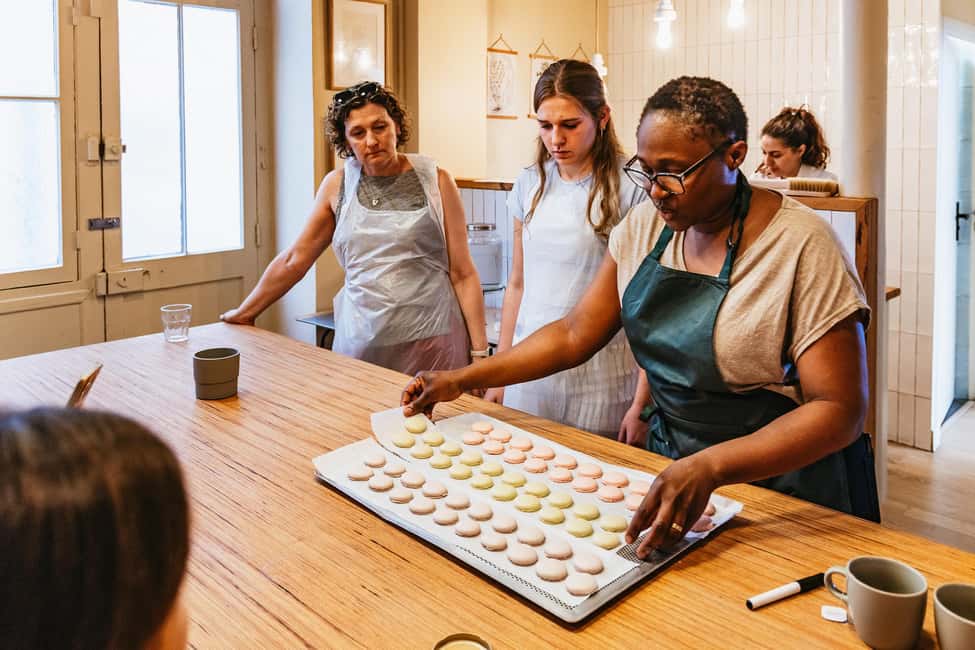
If macarons have a “moment,” it’s that contrast between a delicate crunch outside and a soft interior. In this class, you’re taught how to aim for exactly that result, which is more useful than learning a recipe alone.
Here’s what you can expect to practice during the shell-building phase:
- Consistency checks: your batter should flow, but not spread into thin pancakes.
- Piping control: portioning affects how shells rise and set.
- Baking readiness: the shell’s surface needs the right set before oven time.
- Filled balance: the final cookie should feel complete when you sandwich with ganache.
Why I like this approach for you: it turns macarons from a mysterious French dessert into a set of controllable steps. Once you understand what each stage contributes, troubleshooting becomes less emotional. If your first batch isn’t right at home, you’ll know where to look: meringue texture, batter flow, piping size, or drying readiness.
This is also where the small group becomes a big deal. When you’re standing in front of a tray, it’s hard to self-diagnose. A chef can point out differences immediately, like whether your batter needs a bit more mixing time or whether the shell is drying too long.
Personalization That Feels Fun, Not Fluffy
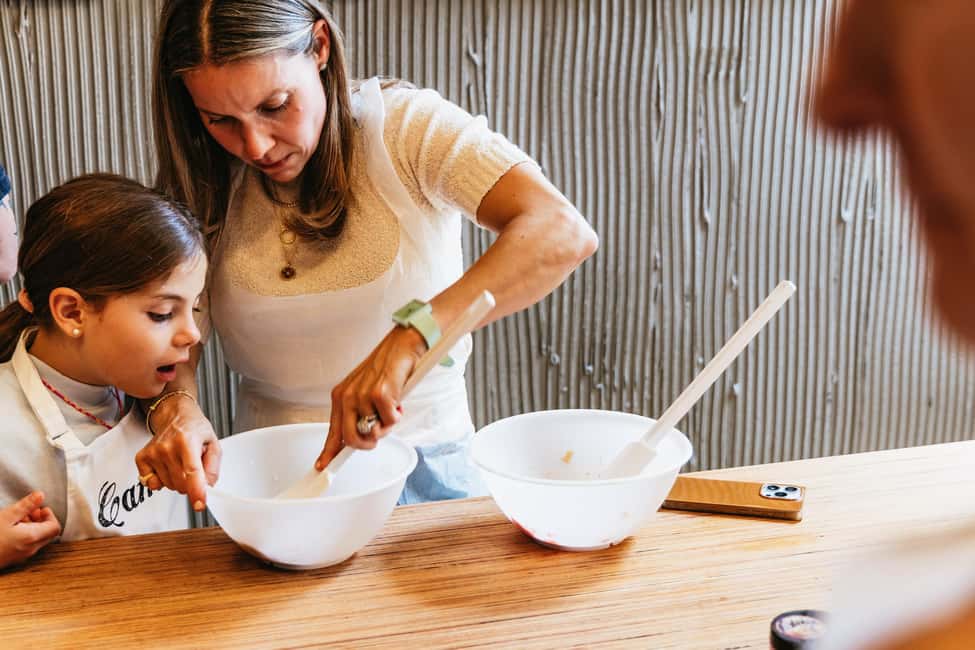
A macaron class should be more than a technical workshop. You want a little creativity, because you’re the one eating (and gifting) the results.
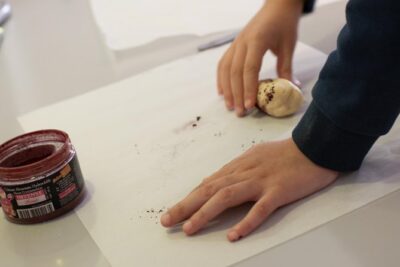
In this experience, you’ll be able to choose flavors and colors for your macarons. That detail shows up in how people describe their class days: they pick combinations they actually want to taste later, including options that can look especially fun on the finished tray. It’s not just about learning the method; it’s about leaving with a box that looks like your trip.
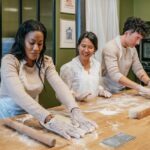
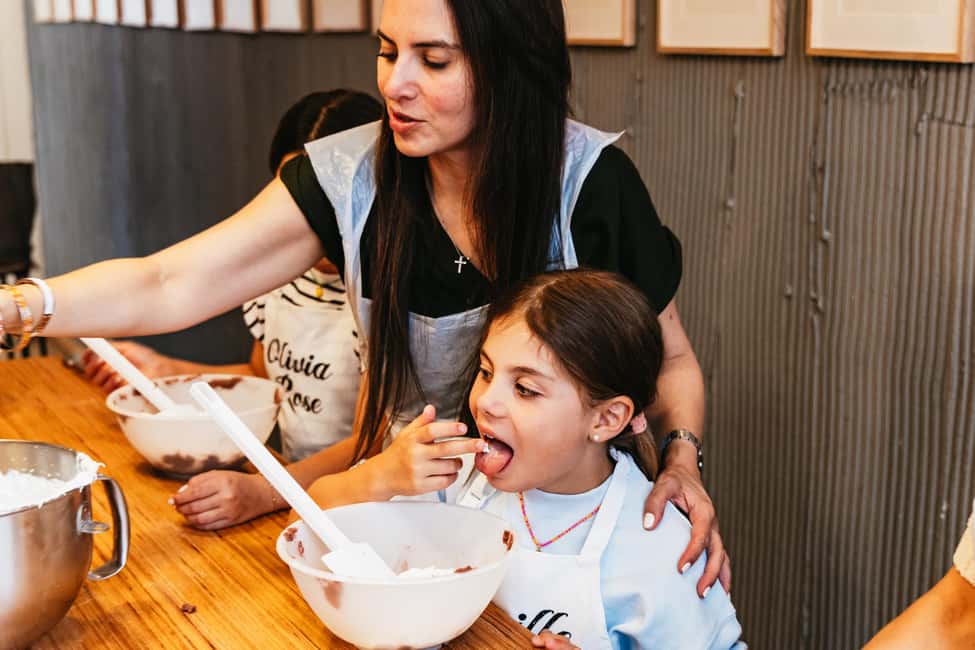
You’ll also get to connect with other participants during the session. For many people, this is what makes a food class memorable. You’re doing something hands-on together, so conversation starts naturally while you wait between steps, compare piping sizes, and laugh when someone’s first shells come out a little different.
And there’s another practical angle: the more you care about the flavors, the more motivation you’ll have to repeat the process later. Even if your home macarons don’t come out perfect on attempt one, you’ll want to keep trying because you already tasted how great they can be.
The Chef Factor: Friendly, Organized, and Ready to Coach
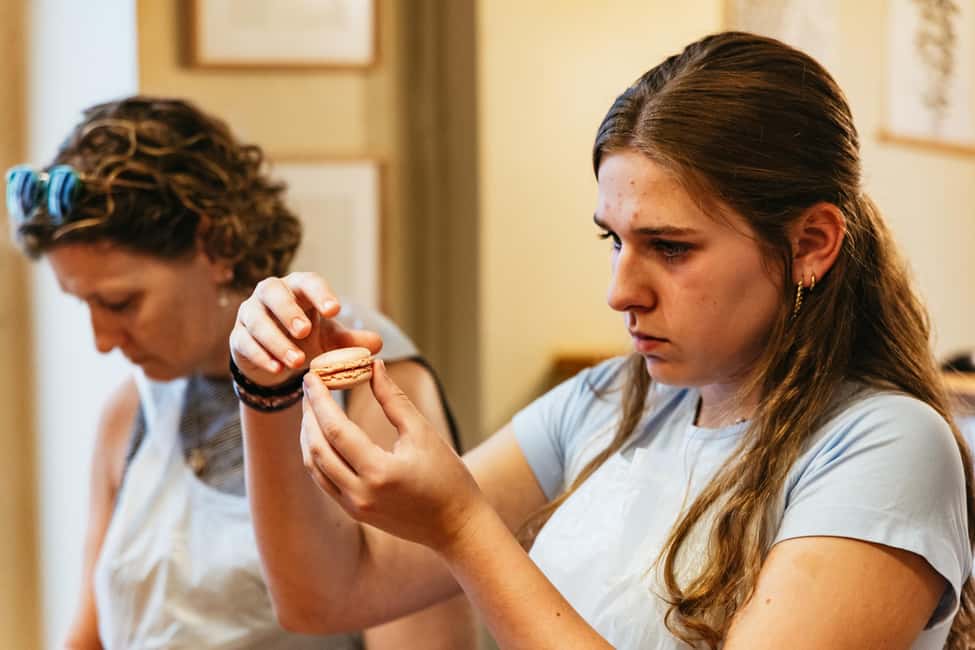
What consistently rises to the top is the quality of the instruction. People describe a classroom environment that’s organized and low pressure, with chefs who explain clearly and help one-on-one when needed.
You’ll meet a chef instructor during the class, and recent sessions have included instructors such as Alice, Delphine, Matteo, Amélie, William, Christian, Felix, and Pauline. That name list matters for you only in one way: it signals that the teaching style is consistent across different instructors. You’re not relying on one lucky guide. The format is designed so the room can learn, even if your baking experience level is zero.
What you’re likely to experience:
- clear demonstrations before you start
- practical coaching while you work
- humor and encouragement when something goes slightly off-plan
- tips that help you replicate results later
This class is also set up to include kids at times, and some people bring teenagers because it’s hands-on and not overly technical in a scary way. If you’ve got family members who get bored in museums, this is often a better fit because everyone gets to do real work.





Small Group Size: Why Up-To-Six Matters for Your Results
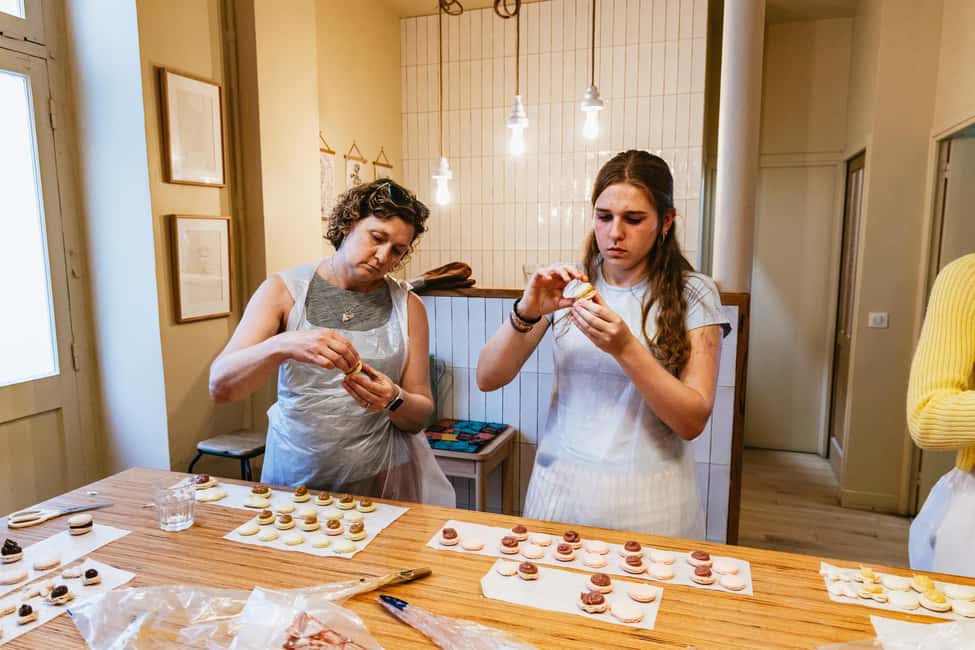
A macaron lesson is one of those activities where group size affects success. Up to six participants is not a marketing talking point here; it’s a performance requirement.
In a group that small:
- your chef can watch your batter texture as you mix
- you can get quick corrections before you pipe
- you’re less likely to feel ignored when you ask a question
- the room stays calm, which helps you focus
You also tend to get more individualized pacing. If you’re moving slower, the chef can help without making you feel rushed. If you’re ahead, you don’t just stand around waiting for everyone else to catch up.
And since the workshop includes a box of macarons to take home, you’re not leaving empty-handed or with only a photo. You’ll have something edible that reflects what you learned, even if it’s not identical to a perfect patisserie display.
Who This Class Suits Best (and Who Might Want Something Else)
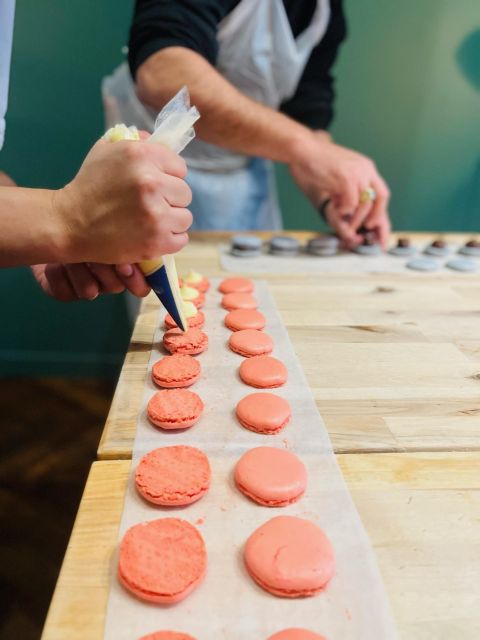
This is a strong match if:
- you want a hands-on baking activity in Paris
- you’re curious about the mechanics behind the famous French macaron
- you prefer a guided class over trying solo from a book
- you want a fun, shareable take-home dessert
It’s also a good choice for first-timers. Many people come in nervous because macarons have a reputation for being finicky. The class format helps you learn the key steps in the right order, so you’re not guessing. You’ll leave with a sense of what to control and what signs to look for.
It may be less ideal if you’re advanced and looking for heavier pastry theory, ingredient chemistry, or pro-level troubleshooting beyond the basics. In that case, you might find the lesson more supportive than intensely technical.
Value in a Chef-Led Workshop: What You’re Actually Buying
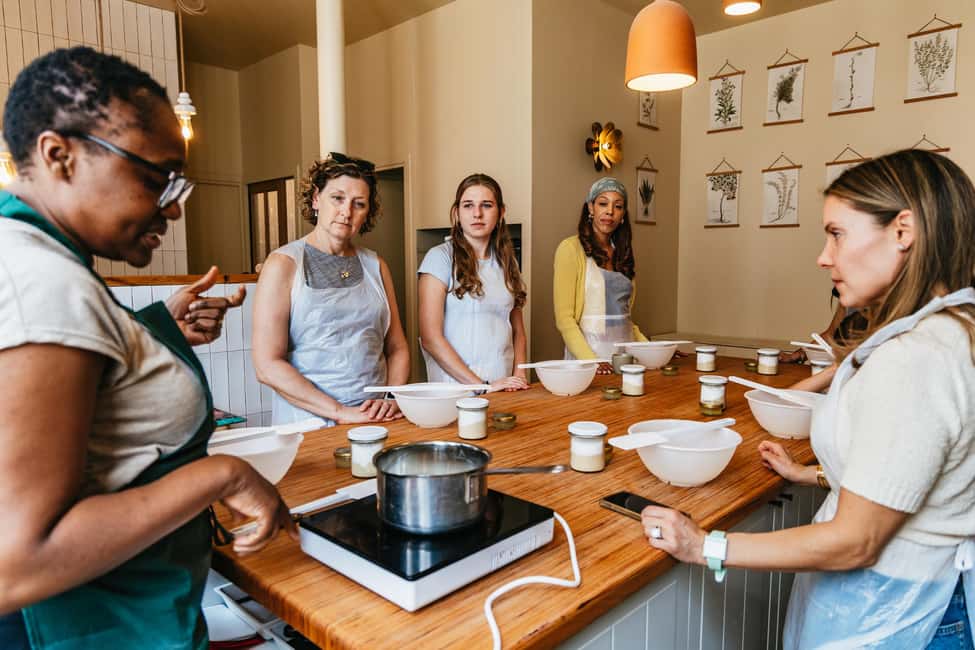
There’s a simple way to think about value here. You’re not just paying for time. You’re paying for:
- chef-led instruction while you’re actively mixing and shaping
- a structured walkthrough of the core macaron steps (meringue, ganache, shell)
- the ability to ask questions in real time
- ingredients and equipment needed for the batch
- a take-home box of macarons you can share right away
Because this lasts 150 minutes and caps at six participants, the chef attention is meaningful. If you’ve ever tried to learn baking from scratch, you know that the frustrating part isn’t making the dough. It’s figuring out what went wrong when the result doesn’t match the goal.
Also, the class is taught in English, which can be a real value upgrade if your French is limited. You still get the French pastry vibe, but you’re not stuck translating everything in your head while you cook.
One practical note: you might see the class run a bit shorter than the description, depending on timing and how quickly the group progresses. The good news is that because you’re working on multiple steps, the key learning still lands even if the session ends promptly.
Should You Book This Paris Macaron Class?
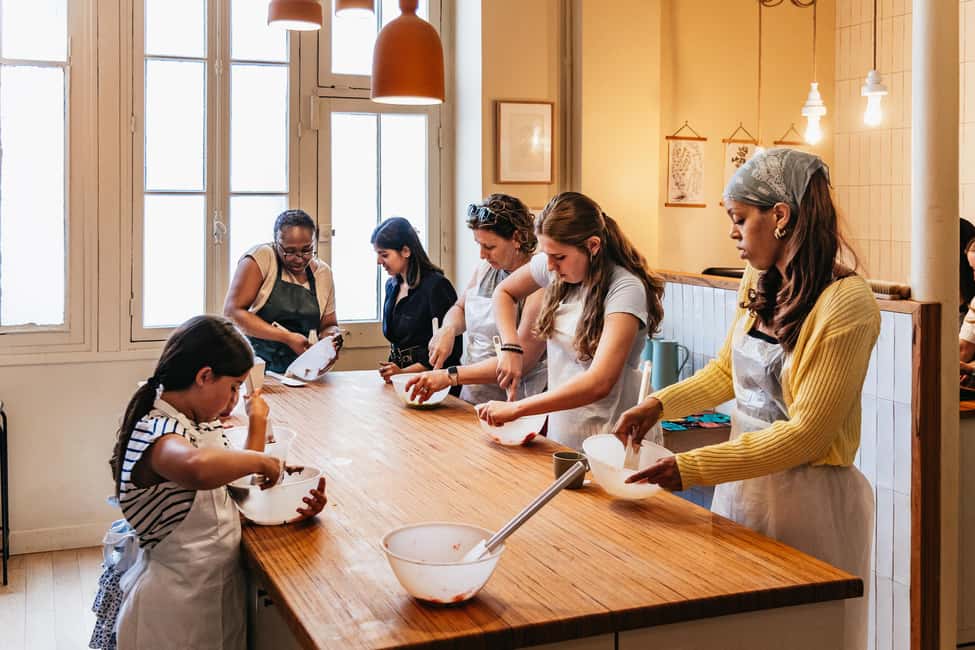
I’d book it if you want a fun afternoon in Paris that turns into a skill you can reuse at home. The format is built for learning: small group size, step-by-step chef coaching, and a clear target result (crispy shell, soft center, paired with ganache). You also get the payoff instantly through the take-home box.
I’d think twice only if you’re chasing very advanced pastry depth or you’re the type who needs a super rigid schedule. Otherwise, this is one of those Paris experiences that’s both entertaining and genuinely useful.
FAQ
How long is the French macaron culinary class in Paris?
The class duration is 150 minutes.
Where do we meet for the workshop?
Meet at the time of your reservation in front of the grey door.
Is the chef instructor teaching in English?
Yes, the instructor provides instruction in English.
How large is the class?
It’s a small group limited to 6 participants.
Is the activity wheelchair accessible?
Yes, the workshop is wheelchair accessible.
What is included in the class fee?
Included are the macaron cooking class, the chef instructor, and a box of macarons to take home.
Is hotel pickup or drop-off included?
No, hotel pickup and drop-off are not included.
Is there free cancellation?
Yes, you can cancel up to 24 hours in advance for a full refund.
Is there a way to pay later?
Yes, you can reserve now and pay later.