REVIEW · PARIS
Paris Museum Pass: 2, 4, or 6 Days
Book on GetYourGuide →Operated by Mon Petit Paris · Bookable on GetYourGuide
Paris can feel like a queue simulator. The Paris Museum Pass turns that chaos into a simple rhythm: you buy one pass for skip-the-line access and priority entry at 60+ museums and monuments, including the Louvre and Orsay. I especially like the way you can mix big-ticket classics with smaller museum stops without doing ticket math all day.
The main catch is planning: some top venues still require advance reservations, and with the Louvre you still can’t rely on guaranteed entry in busy periods. If you want a totally casual, no-planning trip, you’ll need to adjust expectations.
In This Review
- Quick take: what’s great and what to watch
- Paris Museum Pass: how it earns its keep
- Choosing 2, 4, or 6 days (and how the calendar rule bites)
- Pick up near the Louvre: start with the logistics, not stress
- Louvre and Orsay priority access: what you can realistically expect
- The reservation trap: Orangerie and other required timeslots
- Arc de Triomphe and the Paris monuments that group well
- Museum-hopping strategy: don’t try to do everything the same way
- A few Paris museums worth planning around
- Outside Paris day trips: Versailles and the rest of the region
- The big draw: Versailles
- Other region options that change your rhythm
- Seine River cruise option: best as an evening reset
- Value math: when the pass beats paying one ticket at a time
- Common problems to avoid (so you don’t waste pass days)
- 1) Crowds can still win
- 2) Reservations are not optional for some venues
- 3) Your pass days run on calendar days
- 4) The pickup office hours matter
- 5) Free admission for young people doesn’t remove tickets
- Should you book the Paris Museum Pass?
- FAQ
- How long is the Paris Museum Pass valid?
- Do I need a timeslot for the Louvre?
- Which other museums require advance reservations?
- Where do I pick up the pass?
- Is entrance to the Louvre guaranteed with the pass?
- Does the pass include a Seine River cruise?
Quick take: what’s great and what to watch
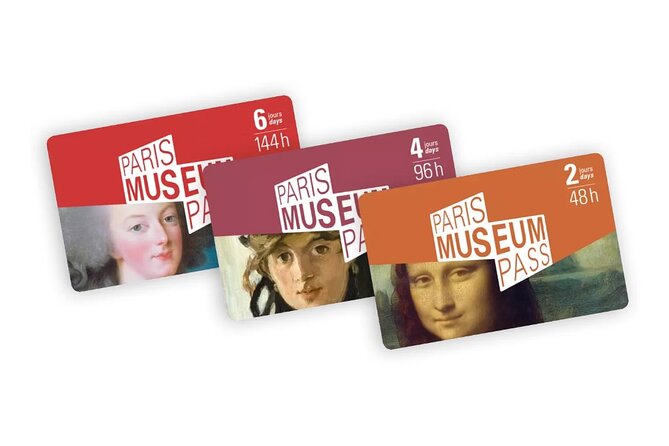
- 60+ included museums and monuments across Paris and the wider Ile-de-France region, so you can choose by mood
- Priority entry / skip-the ticket line to cut time at many stops (big deal in peak season)
- 2, 4, or 6 consecutive calendar days for flexibility, with rules that can surprise you
- Louvre timeslot required for entry, plus extra reservation needs for a handful of other major sites
- Optional Seine River cruise if you add that option to your pass days
- Value improves fast once you stack several museums in the same day
Paris Museum Pass: how it earns its keep
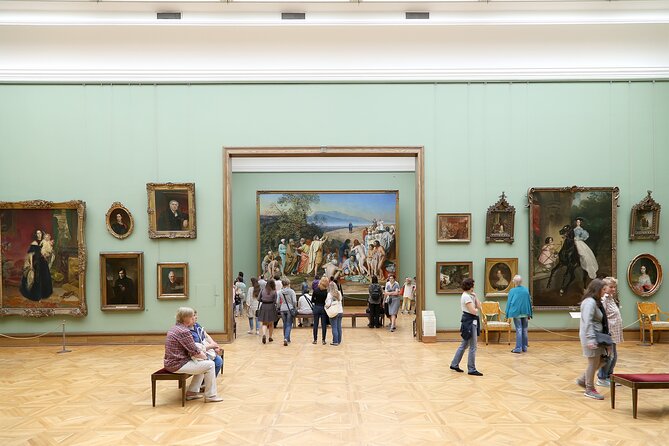
The Paris Museum Pass is built for one job: helping you see a lot without getting stuck buying and scanning tickets all day. You get free admission to over 60 museums and monuments in and around Paris, plus priority access at many of the sites.
For art and museum lovers, this matters because the bottleneck in Paris is rarely the “where” and almost always the “time.” When you can move from place to place with one pass, you can spend your energy deciding what to see next, not figuring out ticket counters and which lines move.
You can also read our reviews of more museum experiences in Paris



Choosing 2, 4, or 6 days (and how the calendar rule bites)
You choose a pass valid for 2, 4, or 6 days. The important detail is that the pass days are counted by calendar days, not 24-hour blocks. If you start using it at 14:00, that calendar day becomes day 1.
So I recommend matching the pass to your real schedule, not your dream schedule. If your travel days are messy (late arrivals, travel days full of “nothing starts on time”), you might end up wasting a portion of the pass by starting too late.
A 2-day pass can work if you’re laser-focused on a few priorities (think Louvre plus Orsay plus one extra). A 4-day pass is usually where the value really starts to show because you can fit in more variety—often 5+ museums/monuments without feeling rushed.
Pick up near the Louvre: start with the logistics, not stress

You collect the pass at a tour office near the Louvre area. The office is open 7 days a week from 9:00 to 16:00, and the pickup/information point is about a 10-minute walk from the Louvre.
This is one of those small practical details that changes the whole trip. If you can pick it up on a day when you’re already near the center, your first museum day is smoother. If you start searching for the office while your first timeslot is approaching, you’ll feel rushed.
Also note that meeting point can vary depending on the option booked, but pass pickup itself stays near the Louvre.
Louvre and Orsay priority access: what you can realistically expect
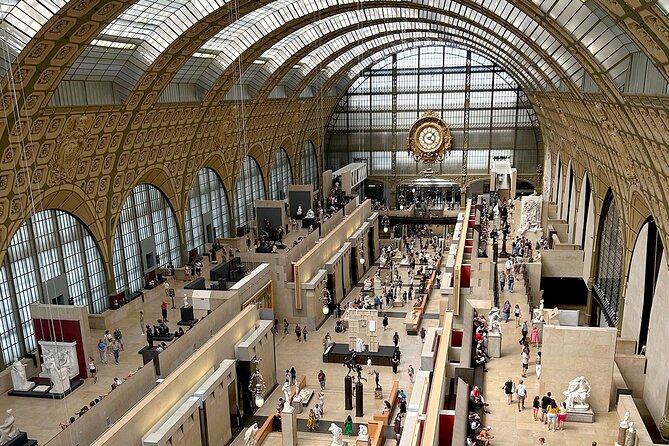
The headline draw is clear: the pass covers the Musée du Louvre and Musée d’Orsay. In theory, that means less time waiting at ticket lines and easier access to major collections.
In practice, the Louvre is still the Louvre. Even with a pass, entry can be hard during renovations and high-visitor periods, and the pass does not remove the need for a plan. Your voucher includes a link to book a Louvre timeslot in advance, and that timeslot is required for entry.
Orsay is similar but often less brutal than the Louvre. You’ll still want realistic expectations for peak summer and weekends. The pass helps with the ticket line, but crowding inside can still slow you down.
The reservation trap: Orangerie and other required timeslots
This is the part that separates easy days from frustrating ones. The pass includes access, but for some major venues you must book a reservation (timeslot) in advance.
From the information you have here, reservations are mandatory for:
- Musée de l’Orangerie
- Museum of the Art and History of Judaism
- Hotel de la Marine
- Cité de l’architecture et du patrimoine
Two takeaways. First, make a short list of which museums are non-negotiable for you, then check which ones need reservations. Second, don’t treat reservations as optional add-ons—your schedule can hinge on them.
You can also read our reviews of more tours and experiences in Paris

Arc de Triomphe and the Paris monuments that group well
Beyond museums, you also have access to important monuments. The big one here is Arc de Triomphe, included with the pass and designed for priority entry.
What I like about monuments in a pass like this is how they fit into neighborhood walking routes. You can treat the Arc as the center of a mini-route (nearby viewpoints, classic avenues, and post-museum “stretch your legs” time). It’s also a good anchor when your museum plans shift due to crowds.
Other included Paris stops include:
- Panthéon
- Sainte-Chapelle
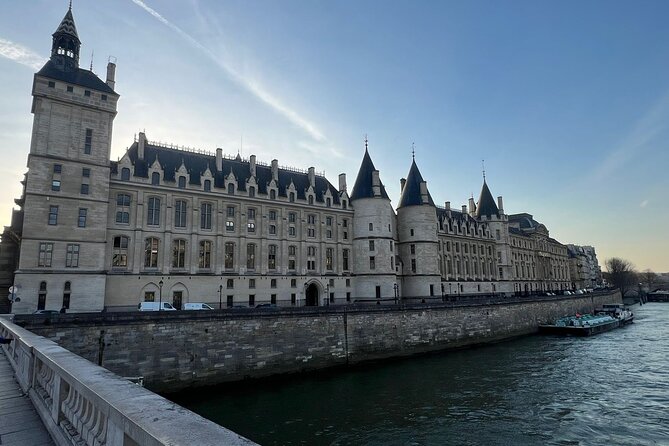
- Conciergerie
- Musée des Égouts de Paris
- Crypte archéologique de Notre-Dame (with Notre-Dame area access via the included program)
You don’t have to do all of these. The pass gives you options, so you can choose the one that matches the day’s energy.
Museum-hopping strategy: don’t try to do everything the same way
The included Paris list is broad—art, design, science, architecture, film, and more. That’s great, but it also tempts you into packing in too many similar experiences.
Here’s how I’d structure your days so they feel good, not chaotic:
- Pair a major art museum with a slower thematic stop nearby (or with a museum that’s smaller in scale).
- Mix big buildings with an interior collection. For example, follow an exterior landmark with something like Musée Rodin or Musée Picasso Paris.
- Save your “time-and-thought” museum for a morning slot when you can focus.
A few Paris museums worth planning around
- Musée national de l’Orangerie: mandatory reservation, and it’s a famous one—plan this early if it matters to you.
- Musée du quai Branly: strong choice if you want a museum that feels different from the Louvre/Orsay type of browsing.
- Musée national des Arts asiatiques Guimet: good when you want a calmer contrast to Western art highlights.
- Musée des Arts et métiers: perfect if you like inventions and tech-history vibes.
- Cité des Sciences et de l’Industrie: a smart choice for visitors who want interactive, family-friendly energy (even if you’re traveling solo or as a couple).
Also included are film-related experiences like La Cinémathèque française and Musée du Cinéma, plus design and craft stops such as Les Arts décoratifs.
Outside Paris day trips: Versailles and the rest of the region
One of the most practical advantages here is that your pass isn’t trapped inside the city border. Included options outside Paris can turn your 4-day or 6-day trip into something more than just “museum after museum.”
The big draw: Versailles
You have access to:
- Châteaux de Versailles et de Trianon (included)
- Musée national des Châteaux de Versailles et de Trianon is part of the broader included set
Versailles is popular for a reason, but it’s also timed and crowded. If Versailles is on your must-do list, build your day around it and treat it like the centerpiece.
Other region options that change your rhythm
If you want less famous (but still very worthwhile) experiences, the included outside-Paris options cover a wide range:
- Château de Chantilly (Musée Condé, Château de Chantilly)
- Château de Fontainebleau
- Château de Rambouillet
- Château de Maisons-Laffitte
- Château de Vincennes
- Basilique cathédrale de Saint-Denis
- Villa Savoye (important modern architecture visit)
- Abaye royale de Chaalis
- Château de Malmaison (listed as part of the national châteaux set)
- Musée de l’Air et de l’Espace
- Musée national de Port-Royal des Champs
- Musée national de la Renaissance (in Écouen)
How to choose? I’d pick one outside-Paris day trip for a 4-day pass, or two for a 6-day pass. Otherwise you risk turning the day trip into travel time instead of sightseeing time.
Seine River cruise option: best as an evening reset
If you select the river cruise option, it’s included. In a city full of walking, a boat ride can be a smart reset: you see the monuments from a different angle, and you stop thinking about the next line.
When to schedule it? I’d do it as an evening activity, so you get Paris lights and a slower pace after museums. Some people also like timing it near the end of the day so you don’t feel rushed.
One practical note from experience with this kind of add-on: cruise meeting points can be confusing because there can be different operators. Double-check the specific company details shown for your booking before you go stand in the wrong place.
Value math: when the pass beats paying one ticket at a time
Price info here lists $129 per person, and you choose 2, 4, or 6 days. The exact money math depends on which museums you pick, but the logic is consistent.
The pass becomes cost-effective when you do two things:
- You visit several included museums/monuments rather than only 1-2 top attractions.
- You stack your visits so you actually use the time savings from skipping ticket lines and using priority entry.
Even when the pass doesn’t eliminate crowding (especially at the Louvre and during peak season), it can still be worth it because your biggest time wins are often about ticket friction. If you’re trying to see a lot in a limited number of days, those hours add up fast.
A good rule of thumb: if you’re aiming for fewer than about 3-4 paid museum admissions, the pass might feel like it’s not doing enough. If you’re aiming for 5+ admissions, you’re in the zone where the pass usually shines.
Common problems to avoid (so you don’t waste pass days)
The biggest issues with a museum pass in Paris are usually predictable. Here’s how to protect your time.
1) Crowds can still win
The pass gives priority entry and helps with ticket lines, but it does not guarantee quick entry everywhere. In high season, you might still wait even with the pass.
2) Reservations are not optional for some venues
If you want Louvre access, book the timeslot using the link on your voucher. If you want Orangerie (and the other mandatory reservation venues), book those too.
3) Your pass days run on calendar days
If you start late on day 1, you still lose the rest of that calendar day. Plan your first “must-do” museum early enough to use the pass fully.
4) The pickup office hours matter
Pickup is limited to 9:00-16:00 at the near-Louvre office. Don’t count on last-minute pickup late in the day.
5) Free admission for young people doesn’t remove tickets
Children under 18 and EU citizens under 26 can have free museum entrance, so the pass might not be needed for those people. Still, museums may request a ticket with a time slot booked for entrance.
Should you book the Paris Museum Pass?
Book it if you:
- Want to see multiple major museums (not just one)
- Like having options and flexibility built into your trip
- Are willing to do a small amount of planning for required timeslots (Louvre, Orangerie, and the other mandatory reservation sites)
Skip it if you:
- Only care about one or two attractions and you’re fine with buying those tickets on their own
- Want a purely spontaneous trip with zero reservation work
- Are traveling with a schedule that’s likely to miss the pass’s consecutive calendar-day window
If you’re on a 4-day or 6-day Paris plan and museums are central to your trip, this pass can be a clean, efficient way to save time and simplify decision-making.
FAQ
How long is the Paris Museum Pass valid?
It’s available for 2, 4, or 6 days, and the days are counted as consecutive calendar days. If you begin using it partway through a day, that day still counts as day 1.
Do I need a timeslot for the Louvre?
Yes. To ensure entrance to the Louvre, you need to book a timeslot in advance, and the link to do so is found on your voucher.
Which other museums require advance reservations?
Reservations are mandatory for Musée de l’Orangerie, the Museum of the Art and History of Judaism, Hotel de la Marine, and Cité de l’architecture et du patrimoine.
Where do I pick up the pass?
You collect the pass at the tour office near the Louvre, which is open 7 days a week from 9:00 to 16:00. The exact pickup meeting point can vary by option.
Is entrance to the Louvre guaranteed with the pass?
No. Due to renovations and visitor volume, entrance to the Louvre cannot be guaranteed.
Does the pass include a Seine River cruise?
It can include a river cruise if you select that option.