REVIEW · PARIS
Paris: Guided City Tour by Electric Bike
Book on GetYourGuide →Operated by XL Tour Paris · Bookable on GetYourGuide
Paris on two wheels changes the whole pace. This electric-bike tour is built for seeing major sights fast, with a guide telling the stories as you roll past Louvre, Notre-Dame, and the Eiffel Tower area. The motor helps on the hills and wind, so you spend your energy looking, not surviving.
I especially love the way the route stays mostly on bike lanes and sidewalks, which makes a city ride feel far less stressful. And the guides I saw highlighted in feedback (Roman, Thomas, and Romain) are clear about safety and fun with history, which keeps the group moving smoothly without feeling rushed.
One thing to weigh: you need to be comfortable riding close to city flow at times, and the tour has a minimum height of 155 cm. It’s also not set up for wheelchairs or mobility impairments, so it may not work for everyone.
In This Review
- Why This Electric-Bike Route Works So Well
- The Meeting Point: Rue de la Paix and a Real Safety Briefing
- E-Bikes, Helmets, Gloves, and a Raincoat That Actually Helps
- Louvre Area to Tuileries Gardens: Paris Classics in Motion
- Louvre Museum stop: quick orientation + iconic views
- Tuileries Gardens: greenery break from the streets
- Pont Neuf: the oldest bridge feeling
- Pont des Arts and Île de la Cité: Bridges, Love Locks, and Gothic Drama
- Pont des Arts: the love-lock tradition
- Conciergerie and Cité Island: palace views from the river
- Sainte-Chapelle: Gothic architecture right where you can see it
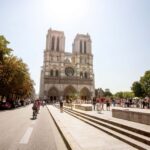
- Notre-Dame Cathedral area: rose window impact
- Institut de France to Musée d’Orsay: Art and the Former Train Station Feel
- Institut de France: a quick but useful context stop
- Musée d’Orsay: a museum inside a former train station
- Orsay Docks: watch ships pass
- Pont Alexandre III to Grand and Petit Palais: The Big-Small Paris Contrast
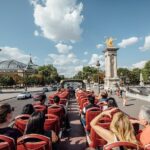
- Pont Alexandre III: arched bridge, space well used
- Grand Palais and Petit Palais: the Great and small contrast
- Eiffel Tower and Trocadéro: Up Close Without Burning Out
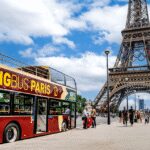
- Eiffel Tower stop: the perspective from across Trocadéro Gardens
- Palais de Chaillot and Tokyo area: architecture and modern art stops
- Lady Diana Square, Les Invalides, and the Final Seine-to-Classic Squares Run
- Liberty Flame in Lady Diana square: US-France connection
- Les Invalides: a classic end-zone stop
- Place de la Concorde and Place Vendôme: space and axes
- Back to Rue de la Paix
- How the Guide Changes the Whole Ride
- Price and Value: Why $76 Can Feel Fair
- Who Should Book This E-Bike Tour (and Who Should Skip)
- Should You Book XL Tour Paris?
- FAQ
- How long is the Paris electric bike tour?
- How much does it cost per person?
- Where do I meet the tour?
- What languages are available for the guide and audio?
- What’s included in the tour?
- What should I bring or wear?
- Are there rules about shoes?
- Is there a minimum height requirement?
- Who is the tour not suitable for?
Why This Electric-Bike Route Works So Well
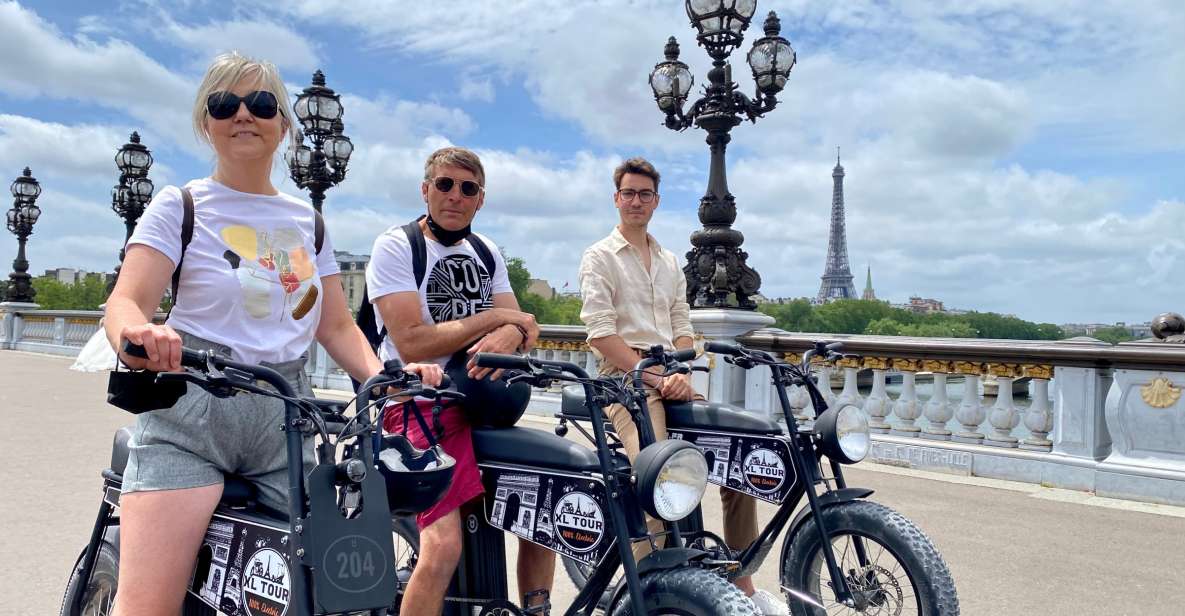
This isn’t a one-stop photo sprint. It’s a focused loop that strings together the Seine highlights you’ll keep hearing about, then packages them into a ride that lasts about 2 hours. That duration is key. In a short stay, you still get variety: grand museums, classic bridges, and cathedral views, all in one morning or afternoon.
You’re also not stuck planning your own route through chaos. The guide leads, explains, and makes stops short enough to keep momentum. You get a quick orientation to the city, plus enough context to know what you’re looking at when you return on your own.
And yes, the assist matters. Even if you’re a strong cyclist, Paris can feel like a lot of braking, starting, and weaving. Here, the e-bike does the hard work so you can stay relaxed, upright, and looking forward.
The Meeting Point: Rue de la Paix and a Real Safety Briefing
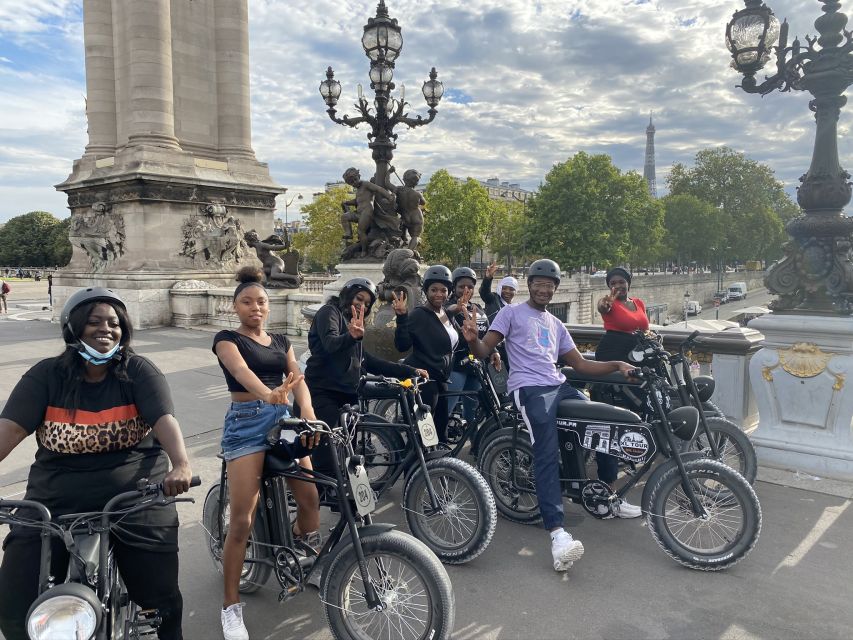
Your day starts at 10 Rue de la Paix. Plan to arrive about 10 minutes before your scheduled time. The team will only receive you at the exact time on your reservation, and being more than 10 minutes late can mean you lose your spot.
When you arrive, don’t be surprised if you don’t see bikes right away. The start area for the briefing is inside the parking area. A staff member comes upstairs to begin the briefing, so you just wait and follow their direction.
Before you roll, expect a 15-minute safety briefing, helmet fitting, and bike setup. Then there’s a short test drive to make sure you can handle the electric assistance and braking confidently. That step sounds basic, but it’s a big deal once you’re threading through real streets.
You can also read our reviews of more cycling tours in Paris

E-Bikes, Helmets, Gloves, and a Raincoat That Actually Helps
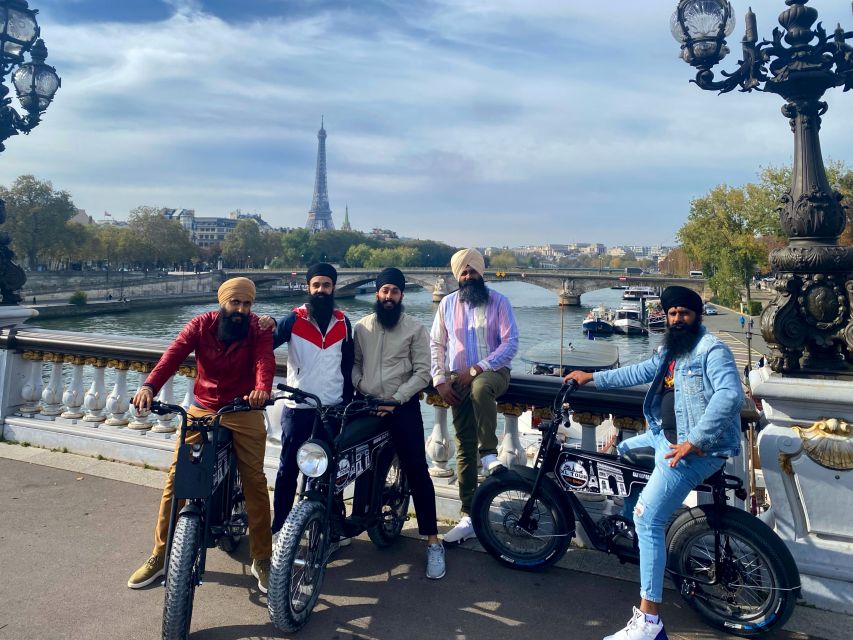
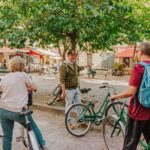
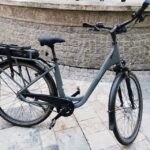
This tour includes the gear that makes a city cycle practical: electric bikes, helmets and gloves, and a raincoat. That means a drizzle doesn’t automatically turn your plan into a museum-only day.
The e-bikes also tend to be sturdy and stable, which matters for confidence. In feedback, riders noted the bikes feel heavy-duty and easy to control. The group has to stay together, and stable bikes let everyone keep a steady line without panicking.
One more practical point: bring comfortable shoes and comfortable clothes. The tour rules don’t allow high heels or sandals/flip-flops, which is smart. You’ll be standing on and off the bike and braking more than you expect.
Louvre Area to Tuileries Gardens: Paris Classics in Motion
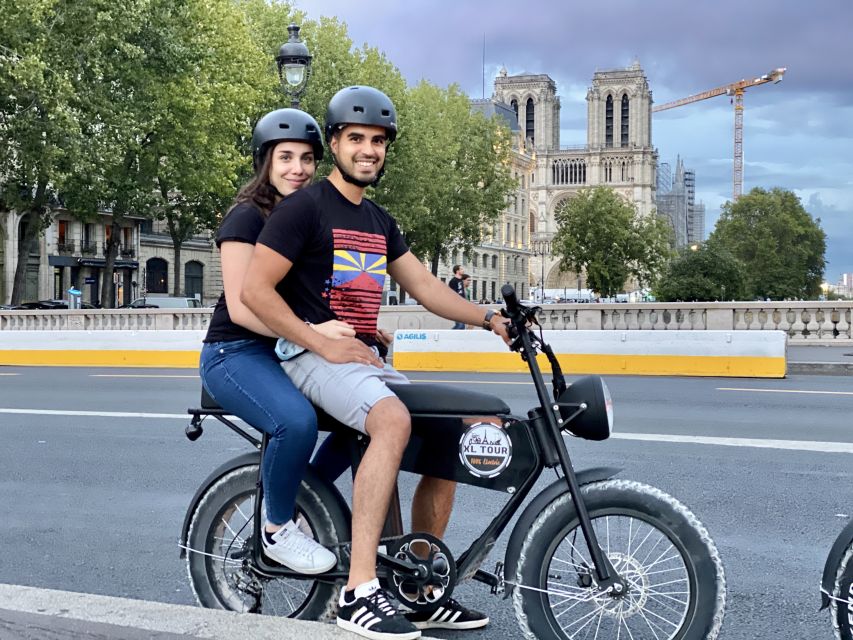
You begin near the Louvre Museum zone and head out from Rue de la Paix toward the first big concentration of monuments.
Louvre Museum stop: quick orientation + iconic views
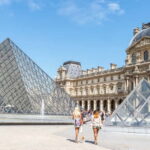
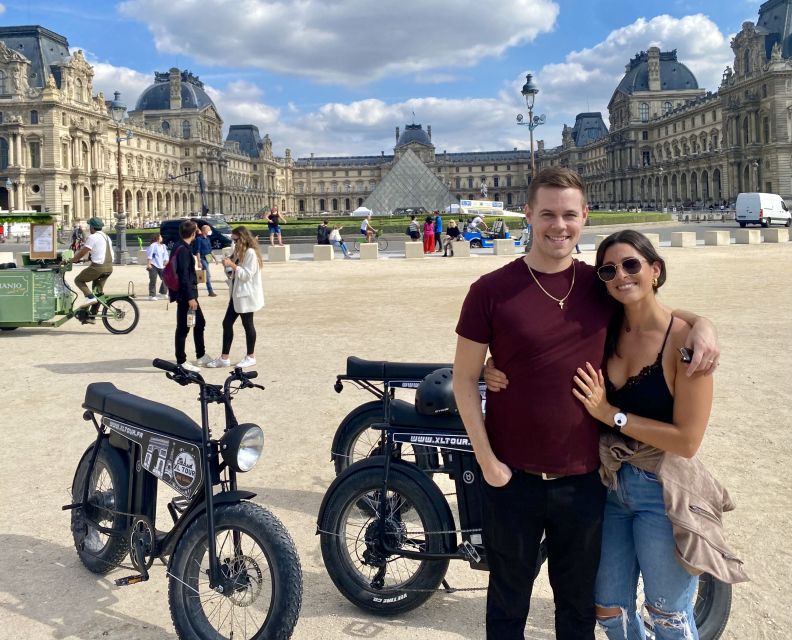
The Louvre stop is short but packed. You’ll get a guided look as you cycle past the Louvre Palace area, then continue along toward the Carrousel shopping center. You even get the chance to wave at the Mona Lisa as you pass the museum area.
Why this works: in just a few minutes, you learn how Louvre fits into Paris’s grand museum axis, and you spot the angles you’d want later if you decide to go inside.
A drawback: if you’re hoping for a full Louvre visit, this isn’t that. Think of this as a launch pad. You’re building context, not doing the full ticketed experience.
Tuileries Gardens: greenery break from the streets
Next comes a breath of green at the Tuileries Gardens. It’s a guided stop designed for sightseeing on wheels. Expect quick commentary, plus time to enjoy the gardens as a visual reset after the museum-heavy area.
This stop is also a good reminder that Paris isn’t just stone and arches. You get the parks and tree-lined views that locals use daily, not just the postcard monuments.
You can also read our reviews of more guided tours in Paris





Pont Neuf: the oldest bridge feeling
Then you roll to Pont Neuf, highlighted as the oldest bridge in Paris. It’s a short stop with a historical frame, but the bridge itself does a lot for your mental map of the city.
The practical value here is simple: bridges define movement. When you learn what you’re crossing, you start understanding where you are on the Seine and how neighborhoods connect.
Pont des Arts and Île de la Cité: Bridges, Love Locks, and Gothic Drama
After Pont Neuf, you keep working your way across the central river zone.
Pont des Arts: the love-lock tradition
At Pont des Arts, you’ll see the love locks on the Arts Bridge. It’s a quick stop, but it’s one of those Paris details that makes the city feel human and contemporary, not frozen in time.
If you want one tip: don’t treat it like a museum artifact. Look at it as a living habit that people still attach meaning to.
Conciergerie and Cité Island: palace views from the river
From there, you pass by the Conciergerie, then ride onward to Cité Island to view the Cité Palace. Even from a bike, these stops help you connect the Seine’s bends to the medieval core.
This section is where the tour starts feeling like more than just a ride. You’re building a story: Paris grew in layers, and the river is the thread.
Sainte-Chapelle: Gothic architecture right where you can see it
Next: Sainte-Chapelle. The tour focuses on the Gothic architecture, with guided commentary designed to help you understand what you’re looking at rather than just spotting pretty stone.
If you’re short on time, this is a great use of it. You get a meaningful snapshot without committing to a long indoor visit.
Notre-Dame Cathedral area: rose window impact
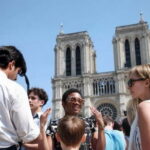
Then the tour heads toward Notre-Dame Cathedral, with time for guided sightseeing and the standout detail: the rose window. Even if Notre-Dame has limited access depending on current conditions, the tour’s value is that you learn what makes it so famous and where to look.
This stop can be a highlight for people who like architecture details, especially when the guide points out what to notice.
Institut de France to Musée d’Orsay: Art and the Former Train Station Feel
You continue along the river-culture corridor.
Institut de France: a quick but useful context stop
At the Institut de France, your guided stop is brief. Even so, it helps connect Paris’s major institutions into a single map in your head.
Think of this as the connective tissue between the famous landmarks. It makes the city less like separate attractions and more like one system.
Musée d’Orsay: a museum inside a former train station
At Musée d’Orsay, the tour draws attention to something that makes this building special: it was once a train station. That detail changes how you read the space. It’s not only art. It’s architecture with industrial bones.
Orsay Docks: watch ships pass
You also pass by the Orsay Docks, with time to watch ships pass by. It’s a small moment, but it’s a very Paris moment. The Seine isn’t background. It’s active.
This is also a reminder that an e-bike tour gives you motion plus perspective. You’re not locked into one viewpoint for an hour.
Pont Alexandre III to Grand and Petit Palais: The Big-Small Paris Contrast
Now you move deeper into the grandeur stretch along the river.
Pont Alexandre III: arched bridge, space well used
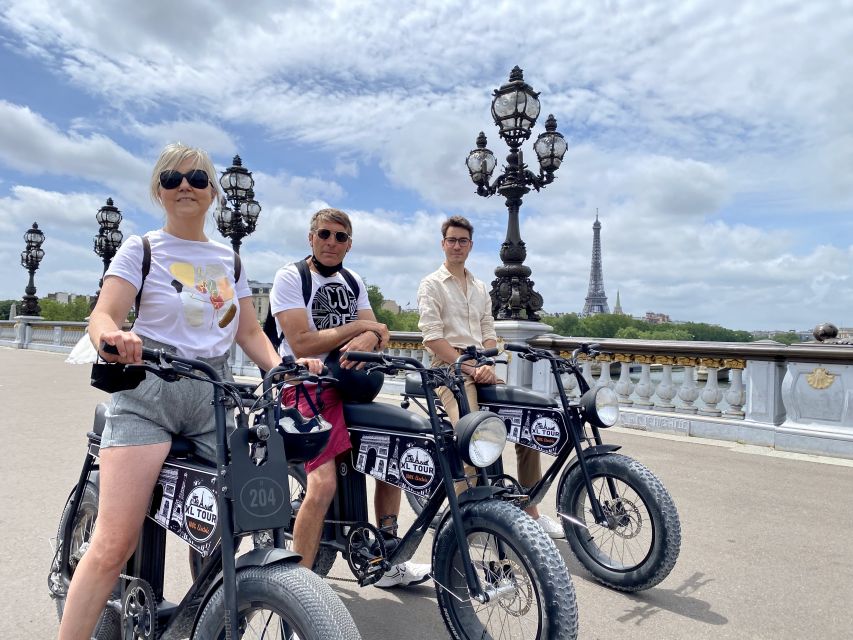
At Pont Alexandre III, you’ll see the arched structure up close. A bridge is a geometry lesson and a camera angle maker, so this stop helps you understand how Paris uses scale.
Grand Palais and Petit Palais: the Great and small contrast
Then come Grand Palais and Petit Palais, with guided stops that match the theme hinted by their names. The tour leans into the contrast between the two, so you don’t just walk past them. You learn what makes each one feel different.
Even if you don’t go inside, the outside view helps you appreciate Paris’s habit of turning public buildings into statements.
Eiffel Tower and Trocadéro: Up Close Without Burning Out
When the tour reaches the Eiffel Tower area, it’s built to give you both intimacy and viewpoint variety.
Eiffel Tower stop: the perspective from across Trocadéro Gardens
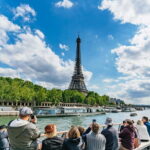
You get time near the Eiffel Tower, plus guided cycling that includes the view from across Trocadero Gardens. The tour highlights the moment where you see it with scale and drama rather than just as a single straight-on icon.
In practical terms, this stop is valuable because it gives you a benchmark. Later, when you seek your own photo spot, you’ll know what angle you liked and what you want to repeat.
Palais de Chaillot and Tokyo area: architecture and modern art stops
After that, you cycle through Palais de Chaillot, with commentary focused on the building’s immensity and its two wings. Then you pass by Palais de Tokyo, where the tour points out the chance to see modern art and enjoy the contrast between the grand and the smaller palace concept.
This part of the route is how you avoid the common mistake of Paris sightseeing that turns into repetition. You’re not only doing old stone over and over. You’re also getting the city’s modern cultural face.
Lady Diana Square, Les Invalides, and the Final Seine-to-Classic Squares Run
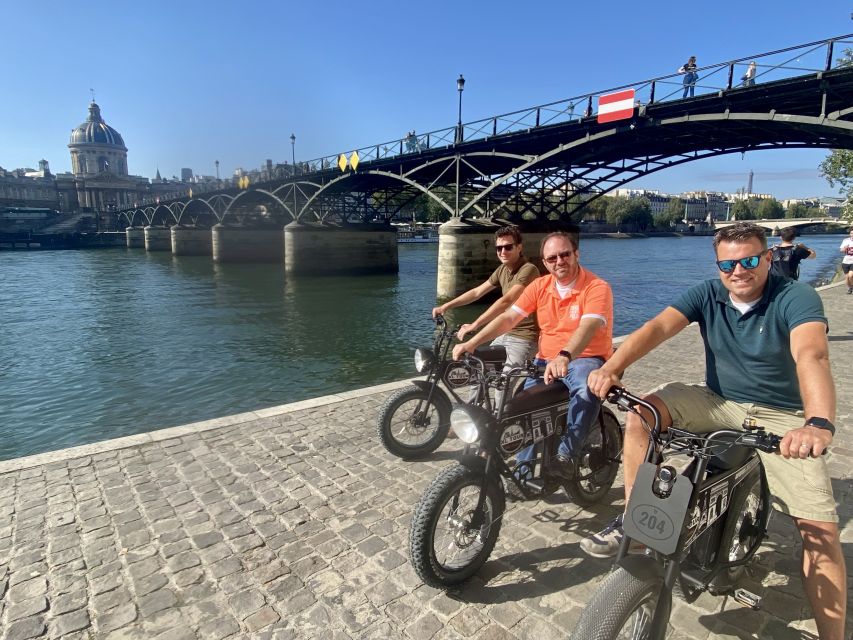
The tour continues through the final set of stops that keep the story moving across eras.
Liberty Flame in Lady Diana square: US-France connection
At Place Diana, the tour stops for the Liberty Flame in Lady Diana square, highlighting the connection between the US and France. It’s a fast stop, but it adds a layer beyond architecture and art: how nations build shared memory in public space.
Les Invalides: a classic end-zone stop
Then you pass Les Invalides, guided for sightseeing and context. The tour doesn’t treat it like a long detour. It’s a final anchor point before you return toward the starting area.
Place de la Concorde and Place Vendôme: space and axes
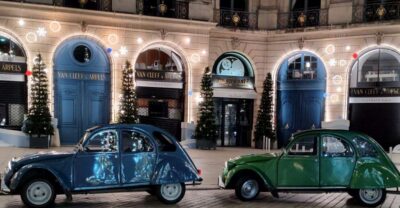
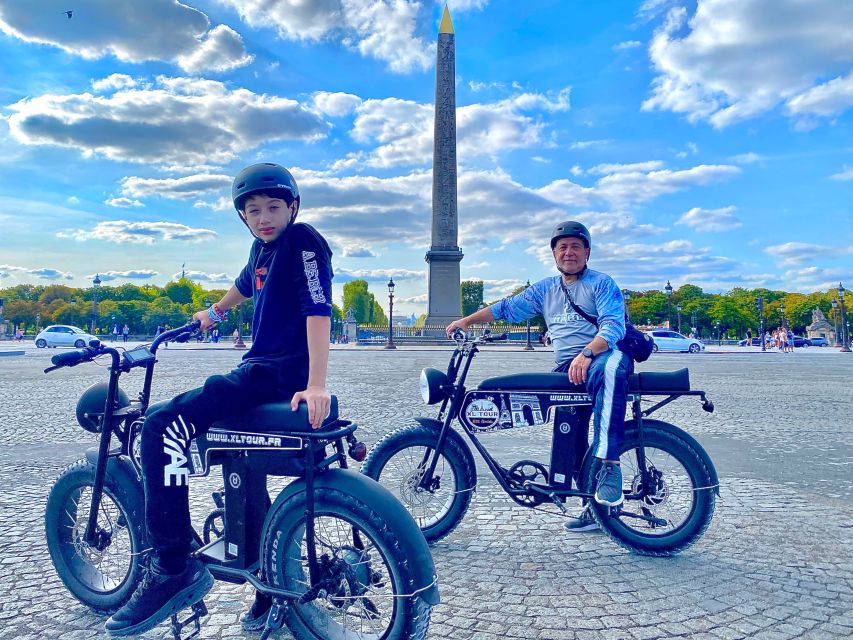
From there you ride through Place de la Concorde and Place Vendôme. The guided commentary focuses on how Paris uses space and layout in these squares.
If you like city planning, this is where your brain tends to wake up. You start noticing sight lines and how people move through open areas compared to narrower historic streets.
Back to Rue de la Paix
The tour finishes where it began at 10 Rue de la Paix. That loop matters. You don’t end up stuck far from transit or your lodging.
How the Guide Changes the Whole Ride
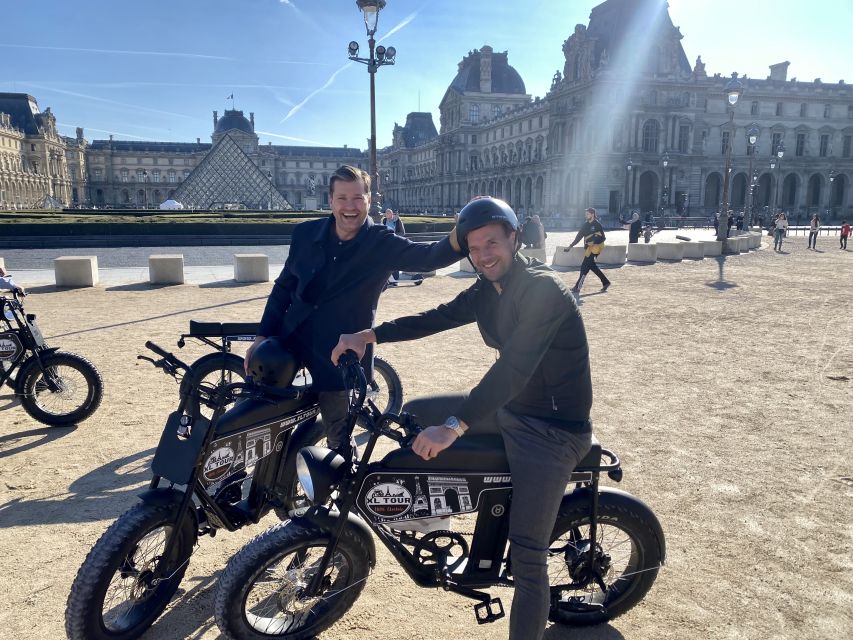
This is the main reason people call it a highlight. The e-bike is fun, sure. But the guide makes it stick.
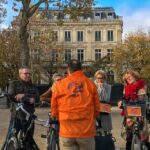
In feedback, guides like Roman and Thomas are singled out for being safety-focused and keeping riders confident in city traffic. Another common theme: guides are patient about pace, and they keep the group together without yanking people forward.
You can also get bonus media. Some riders describe a guide taking photos and video during stops, which becomes a nice souvenir after a quick day.
Price and Value: Why $76 Can Feel Fair
At about $76 per person for 2 hours, you’re paying for convenience, structure, and friction-free mobility.
What you get for that price:
- A curated loop that hits major icons in one go
- A live guide with history and entertaining anecdotes
- Electric bikes plus helmets, gloves, and a raincoat
- A route built to be manageable for non-cyclists
What’s not included:
- Food and drinks
- Hotel pickup/drop-off
So here’s the value logic. If you’d otherwise spend a chunk of a day figuring out transit, walking fatigue, or trying to self-navigate between landmarks, the e-bike tour can save you time and stress. It’s a practical way to see a lot and then decide what deserves a second visit.
If you’re the type who likes a flexible day, the rain gear helps a lot. And if you’re short on time, this tour gives you a map in your head, not just a list of places.
Who Should Book This E-Bike Tour (and Who Should Skip)
This works well if:
- You want a fast overview of Paris icons in a limited time window
- You’re okay riding in a guided group and want help with route logic
- You like architecture, bridges, and short historical explanations
- You’re traveling with teens who still need fun momentum to stay engaged
It’s not a great fit if:
- You’re pregnant, use a wheelchair, or have mobility impairments
- You’re not comfortable meeting the 155 cm minimum height requirement
- You want a slow, in-depth museum experience (this is sightseeing by bike, not a long indoor day)
Should You Book XL Tour Paris?
I’d book this if you want an efficient, good-feeling introduction to Paris that doesn’t depend on you being a strong cyclist or a navigation expert. The e-bike support, raincoat, and helmets turn it into an easy yes for many people, and the stops are chosen to cover the landmarks that define first-time Paris.
I’d hesitate only if your comfort level with riding near busy streets is low, or if you need a fully accessible setup. Otherwise, this is a smart use of time: you’ll leave with a stronger sense of where everything sits along the Seine—and you’ll know what to chase later.
FAQ
How long is the Paris electric bike tour?
The tour duration is 2 hours.
How much does it cost per person?
The price is listed at $76 per person.
Where do I meet the tour?
Meet at 10 Rue de la Paix.
What languages are available for the guide and audio?
The live guide is available in French, English, and Spanish. Audio is included in Dutch, Japanese, German, Hebrew, Arabic, Chinese, Italian, and Portuguese.
What’s included in the tour?
Included are the electric bikes, helmets and gloves, and a raincoat.
What should I bring or wear?
Wear comfortable shoes and comfortable clothes. Bring yourself in closed-toe footwear.
Are there rules about shoes?
Yes. High-heeled shoes and sandals or flip-flops are not allowed.
Is there a minimum height requirement?
Yes. Adults need to be at least 155 cm (5’01”) tall to ride.
Who is the tour not suitable for?
It’s not suitable for pregnant women, people with mobility impairments, or wheelchair users.
If you want, tell me your travel month and whether you prefer early or late tours, and I’ll suggest the best way to pair this with one or two museum visits on the same day.