REVIEW · PARIS
Craft a Unique Parisian luxury bag
Book on Viator →Operated by MiniMeParis Experiences · Bookable on Viator
A warm little atelier in Paris, with glittery fabrics and real craft. This small-group workshop lets you design your own luxury bag, guided by fashion experts and supported by skilled sewers who help make the tricky parts look easy. You’ll pick the shape, fabric, and stitching, then assemble your custom creation at a working Paris studio.
I especially like the hands-on guidance from the fashion team (often instructors such as Mona/Muna or Odélia, plus sewing support like Alex). And I like the variety of fabric and accessory choices, including more than just one look or one price lane, so you can steer your bag toward your style without being forced into a single design.
One real consideration: the workshop time is “about 3 hours,” but it can run longer depending on your material choices and the bag style. Also, your base payment acts like a credit toward the bag, and upgrades can add up fast if you’re not watching the running total.
In This Review
- Key highlights at a glance
- Entering the MiniMeLand atelier on Rue de Turbigo
- Building your bag: choices you actually get to make
- Expect hands-on moments, but with expert backup
- The craft team: who guides and who sews
- Price and value: the base fee is only the start
- A practical budgeting move
- Timing: why 3 hours can feel like 4.5 (or more)
- What to do with your time there: how to shop the studio
- Who should book this workshop?
- The bottom line: should you book this Paris bag workshop?
- FAQ
- Where is the workshop meeting point?
- How long does the workshop last?
- How big is the group?
- Do I need sewing experience?
- Is the workshop offered in English?
- Will I make my own bag?
- Is it near public transportation?
- What if I need to cancel?
- Is it good for most people to participate?
Key highlights at a glance
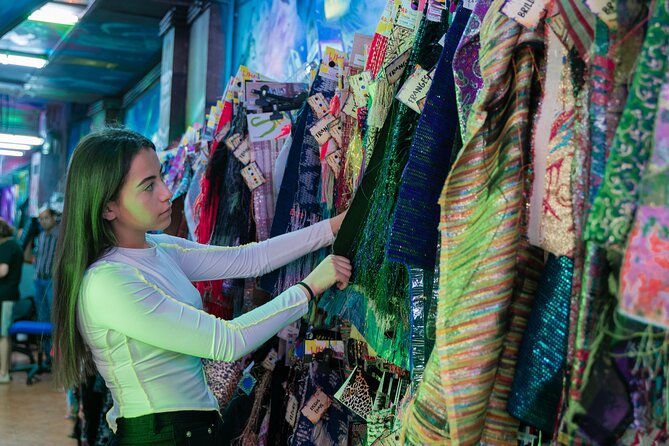
- Designer fabric choices in a sparkly, whimsical atelier setting
- Small-group attention, with a cap listed as up to 8 (and an overall small-team feel)
- Hands-on work without sewing experience required, plus expert help for assembly
- A truly custom bag: you choose shape, fabric, stitching, and optional accessories
- Budget reality check: add-ons and special-handling fabrics can extend time and cost
Entering the MiniMeLand atelier on Rue de Turbigo
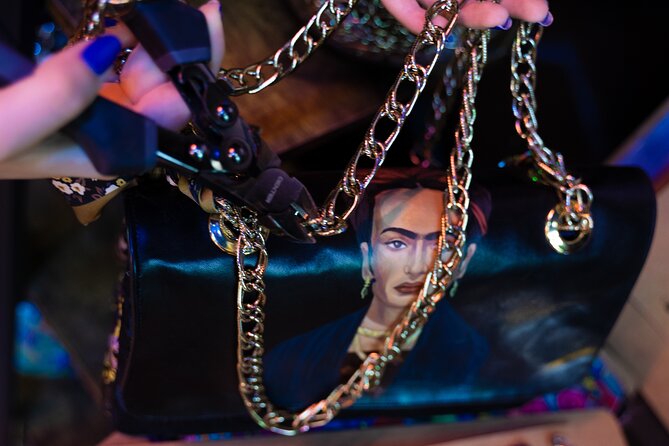
Your workshop starts at MiniMeLand Paris25, Rue de Turbigo (75002) in central Paris. This area is convenient for getting around, and the location is described as near public transportation, so you’re not stuck with a long metro shuffle before you even begin.
Inside, the place has that fashion-store energy: lots to look at, with display pieces that show what can be made—bags, accessories, and other statement items. One helpful thing is that you’ll see samples and options before you commit, which makes the whole process feel less like guessing and more like designing.
Do note this setting is popular. On busier moments, some people describe it as warm and a bit chaotic when many clients are in the same area. If you’re the type who gets frazzled easily, arrive a little early so you can settle in, pick your vibe, and start calm.
You can also read our reviews of more tours and experiences in Paris



Building your bag: choices you actually get to make
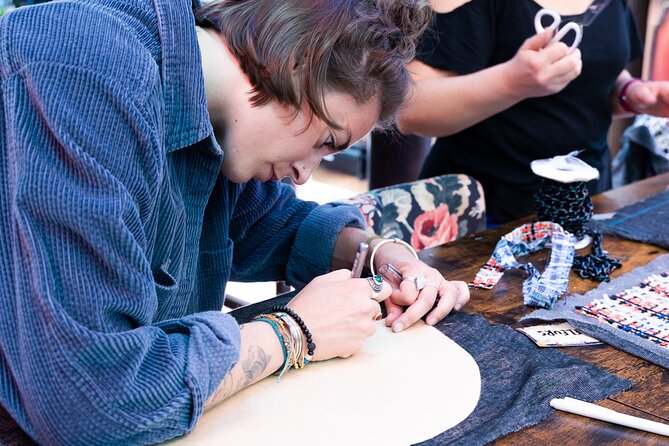
The core of the experience is straightforward: you’re guided through making a one-of-a-kind custom purse or bag. You don’t need sewing experience. Instead, you get instruction for the steps you’ll do yourself (like cutting pieces and preparing components) while the team handles the parts that require extra speed or specialized finishing.
You’ll choose:
- Bag shape and style
- Fabric
- Stitching details
- Optional accessories and add-ons (with extra costs that may apply)
If you’re imagining a full “everyone sews everything” class, you might be surprised. Several accounts point out that staff and tailors often do the heavier assembly work so you walk out with a clean, finished result. That’s a good thing when you’re not a sewer, but it also means the experience is part design and part assisted craft.
Expect hands-on moments, but with expert backup
From the way the workshop is described, you can expect practical steps such as cutting fabric to pattern pieces, and working with interfacing. Hardware and final assembly are typically where the professionals’ time matters most—especially for a finished look that holds up to real life.
One useful detail for planning: certain fabrics can need special handling. For example, if you fall in love with a fabric with beadwork, there may be extra time involved because the team may need to adjust how they sew so the beads don’t get damaged or tangled. If you’re trying to keep your schedule tight, pick your most time-friendly fabric first, then add sparkle later in smaller ways.
The craft team: who guides and who sews
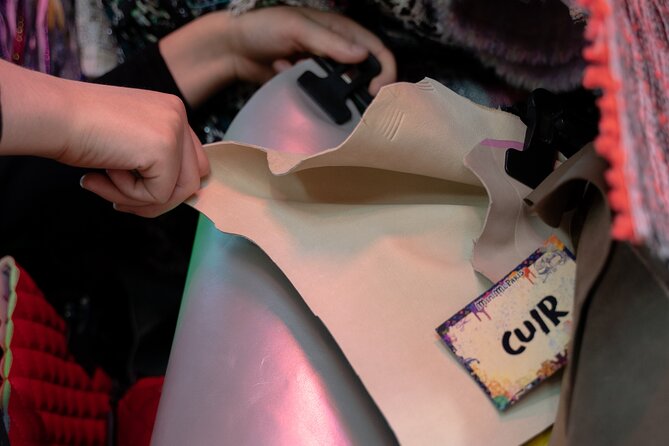
The “fashion-expert guide” is central to the whole flow. People mention team members by name—guides such as Mona/Moon/Muna and Odélia show up in the credits, and sewing/assembly support is often described as coming from people like Alex (and other tailoring staff depending on the session).
What matters for you isn’t the exact name; it’s the support style. The better-run sessions are the ones where the guide explains the steps clearly and the tailor team steps in at the right moments. That combo helps you avoid the two classic workshop problems: confusion about what happens next, and uneven results when the final assembly is rushed.
To get the best help, come ready with questions about the process and the pricing categories before you commit to cutting fabric. If you’re unsure, ask for the “plan from here” moment—what you’ll do, what the sewing team will do, and what might cause delays.
Price and value: the base fee is only the start
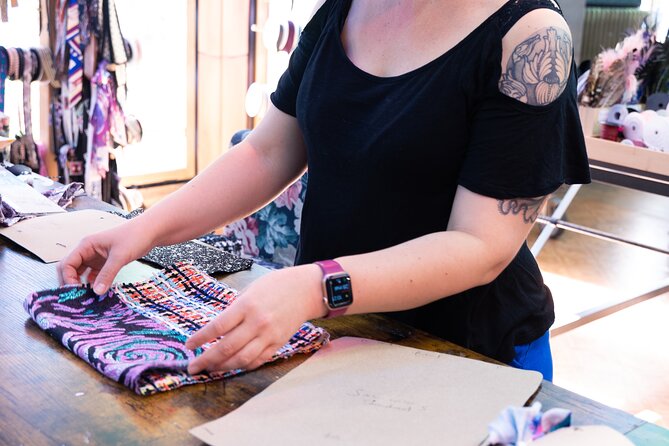
The advertised price is $173.75 per person, and the workshop lasts about 3 hours. That sounds like a clear deal—until you look closely at how the bag is priced.
Multiple accounts describe the base payment as a credit toward the bag materials. One common detail: you may get around €145 taken off your material costs, but then you still pay for the parts you choose—often measured by sections and add-ons. That’s why some people end up spending a lot more than they expected, even though the concept is genuinely fun.
Here’s how to think about value:
- You’re not buying a pre-made bag. You’re paying for guided craft time, custom design decisions, and expert assembly.
- You’re also buying a finished item that comes out of a real atelier process, not a craft-store kit.
- The trade-off is that luxury materials and hardware upgrades can push your total quickly.
Some people say the staff are transparent about cost before they start cutting. Others wished they had seen a clearer total earlier. Either way, you’ll protect your budget by treating this like a design studio: ask for the running total early and often.






A practical budgeting move
Before you cut anything, do this:
- Choose your base bag style and fabric first.
- Ask what’s already covered by your credit and what parts are priced separately (panels, lining, hardware, handles/chain, accessories).
- Build a “max budget” in your head and stick to it before you get dazzled by the sparkling extras.
If you’re tempted by beaded or highly detailed fabrics, remember those can add both time and cost. It’s not a bad choice—it just needs a plan.
Timing: why 3 hours can feel like 4.5 (or more)
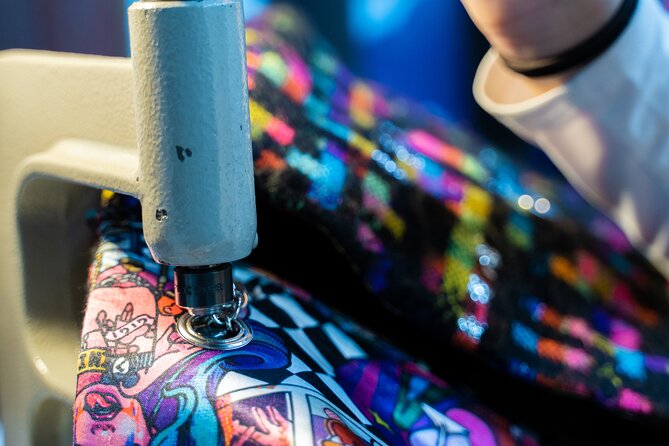
The workshop duration is listed at about 3 hours, with sessions offered in the morning or afternoon. In real life, timing can stretch.
Some accounts describe finishing in a normal time window, but others report 4 to 4.5 hours, and a few mention much longer days when delays piled up or when the process got reworked.
The most common timing drivers you can control:
- Your fabric selection, especially special-handling materials
- Choosing a harder bag style versus a softer one
- How quickly you move through cutting and assembly steps
- Whether you need to redo any part (mistakes can happen even when staff are trying to help)
My advice is simple: don’t stack other important plans right after. If this is your main activity of the day, give yourself breathing room. If you have dinner reservations, aim for something flexible—or at least be ready to push the time.
What to do with your time there: how to shop the studio
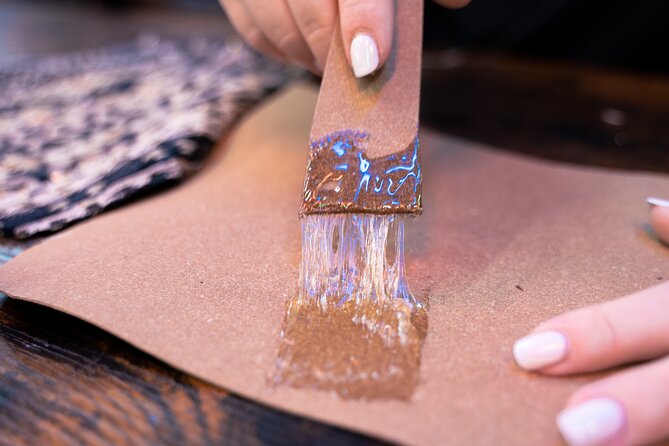
You’ll likely spend a chunk of your time deciding:
- Bag design choices (shape/style)
- Fabric category choices
- Stitching and optional embellishments
This is where the experience becomes memorable. The atelier is full of samples and “what if” possibilities, and you’ll feel the fun of designing in real materials—color, texture, weight, and sparkle. That’s also why it’s easy to overspend. If you’re not careful, the extras multiply fast.
A strategy that works:
- Pick a fabric that you love first and commit to it early.
- Limit the number of competing colors or materials. Several accounts recommend focusing, because expensive fabrics make mistakes hurt and changeovers costly.
- If you want sparkle, add it through small, controlled choices instead of going all-in everywhere.
Who should book this workshop?
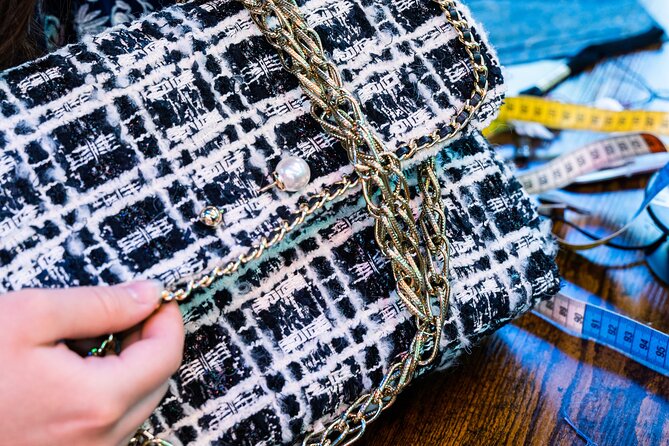
This is best for people who love fashion details and enjoy making choices. It fits well for:
- Fashion lovers who want a souvenir that isn’t mass-produced
- People who like accessories and want something conversation-worthy
- Families and mixed-age groups, including mother/daughter visits and multi-generation parties
- Anyone who wants hands-on craft time without needing sewing skills
It may be less ideal if you:
- Have a strict schedule and no flexibility for delays
- Are trying to keep spending very close to the advertised price
- Want a fully independent sewing class where you control every stitch end-to-end
If you’re in the second group, you can still enjoy it—just go in with a realistic mindset about cost and time.
The bottom line: should you book this Paris bag workshop?
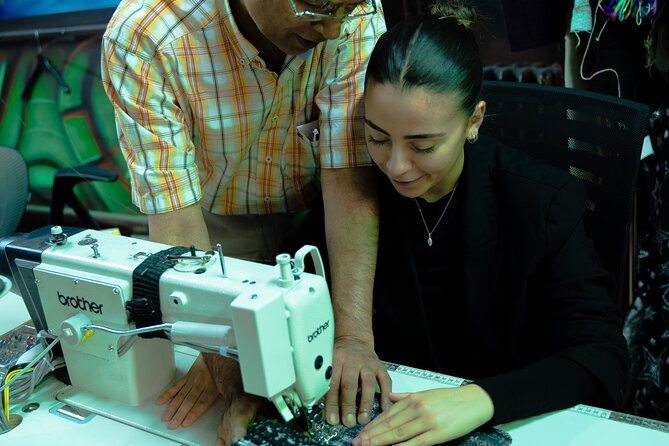
I’d book it if you want a genuine Paris-style design day: fabric browsing, choosing details, and leaving with a custom-made handmade bag that’s about your taste. The team support (including patient guide and sewing help you can rely on) is a big part of why people call it a highlight.
I would hesitate only if you can’t handle budget surprises or if your schedule is tight. In this workshop, the “about 3 hours” label is more of a starting point than a promise. And the final cost depends heavily on the fabric and accessory route you take.
If you do book, set yourself up for success: decide your bag style and budget ceiling early, ask for the running total before cutting, and give yourself extra time so you can enjoy the choices rather than rush them.
FAQ
Where is the workshop meeting point?
The start point is MiniMeLand Paris25, Rue de Turbigo, 75002 Paris, France. The activity ends back at the meeting point.
How long does the workshop last?
It’s listed as about 3 hours.
How big is the group?
The maximum is listed as up to 8 travelers.
Do I need sewing experience?
No. The experience is set up for people who do not have sewing experience, with instructions and support from the fashion expert and sewing team.
Is the workshop offered in English?
Yes, the workshop is offered in English.
Will I make my own bag?
Yes. You design and create a custom-made purse or bag, choosing the shape, fabric, and stitching, with help assembling it.
Is it near public transportation?
Yes, it’s described as near public transportation.
What if I need to cancel?
You can cancel for a full refund if you cancel at least 24 hours in advance. If you cancel less than 24 hours before the start time, the amount paid won’t be refunded.
Is it good for most people to participate?
It’s listed as most travelers can participate.