REVIEW · PARIS
Paris: Wine and Cheese Tasting
Book on GetYourGuide →Operated by Meeting the French · Bookable on GetYourGuide
Paris wine tasting can feel a bit staged—this one feels taught. You’ll start in a boutique wine cellar setting, then get guided through how French wine varies by region and even by the dirt beneath the vines. I especially like the small group size and the way the tasting gets tailored to your preferences, not forced into a one-size-fits-all script. One thing to consider: it’s not a sit-down restaurant, so you’ll want to plan around basics like limited toilet access.
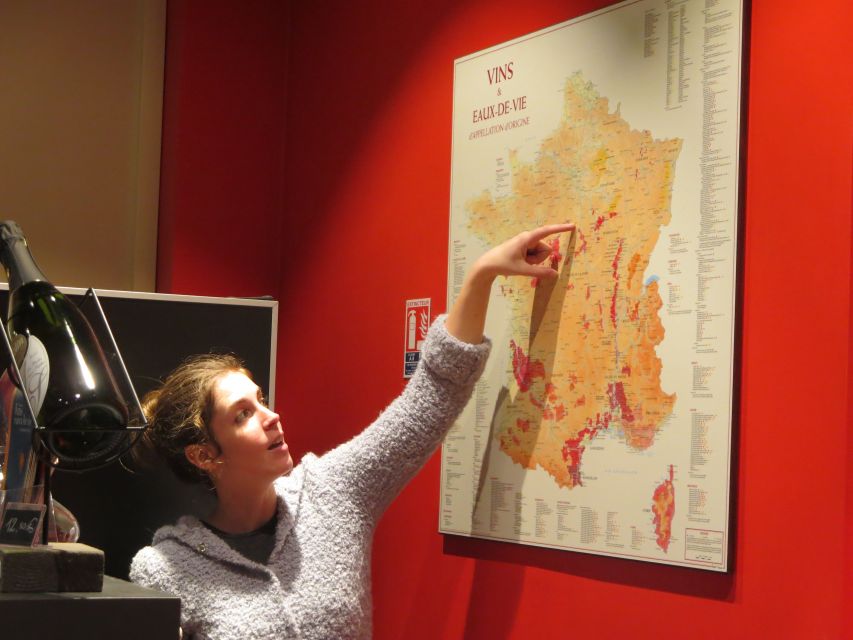
What really sold me here is how the guide makes the learning practical. They’ll show you wine regions of France with maps, and they’ll even use soil samples to explain terroir without turning it into a lecture. If you get one of the standout hosts mentioned in past groups—people like Camille, Constance, Julian, or Leia—you’re in for a friendly, confident session where questions are welcome.
In This Review
- Key highlights you’ll feel right away
- Inside the cave à vin: why the setting matters
- Your 90 minutes, mapped out: what happens step by step
- The real lesson: terroir, soil samples, and why France is so diverse
- Wine tasting and pairing: how the cheese actually changes the flavors
- Why the guide makes or breaks this experience
- Price and value: is $76 actually a good deal?
- Timing and comfort: practical notes before you go
- Who should book this Paris wine and cheese tasting
- Should you book? My honest recommendation
- FAQ
- How long is the wine and cheese tasting in Paris?
- What is included in the tasting?
- How many people are in the group?
- Are there English and French guide options?
- Do you offer a spittoon?
- Is this a restaurant meal?
- Will there be a place to use the toilets?
- Do you taste wines from independent producers?
- What is the price per person?
- Is free cancellation available?
Key highlights you’ll feel right away
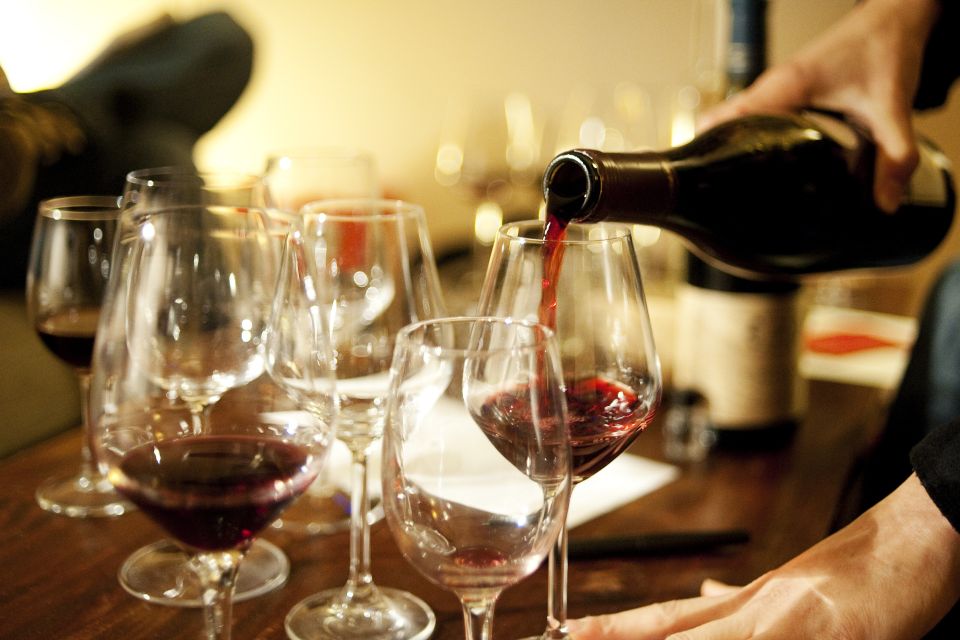
- A guided, small-group tasting (up to 8): easier conversation, quicker feedback, better pacing for everyone
- Three wines from independent producers: focused selection instead of a mass-production lineup
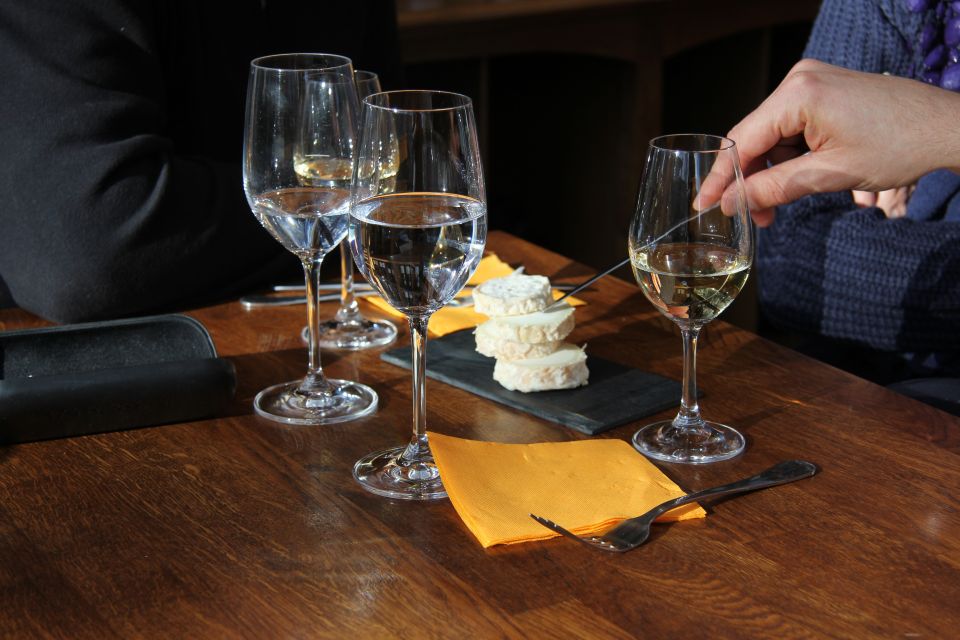
- Two cheese pairings you actually taste together: hard cheese plus soft cheese to hear the contrast
- Terroir explained with maps and real soil samples: it clicks fast when you can see the point
- Water, bread, and a spittoon option: you can taste thoughtfully, not just power through
Inside the cave à vin: why the setting matters
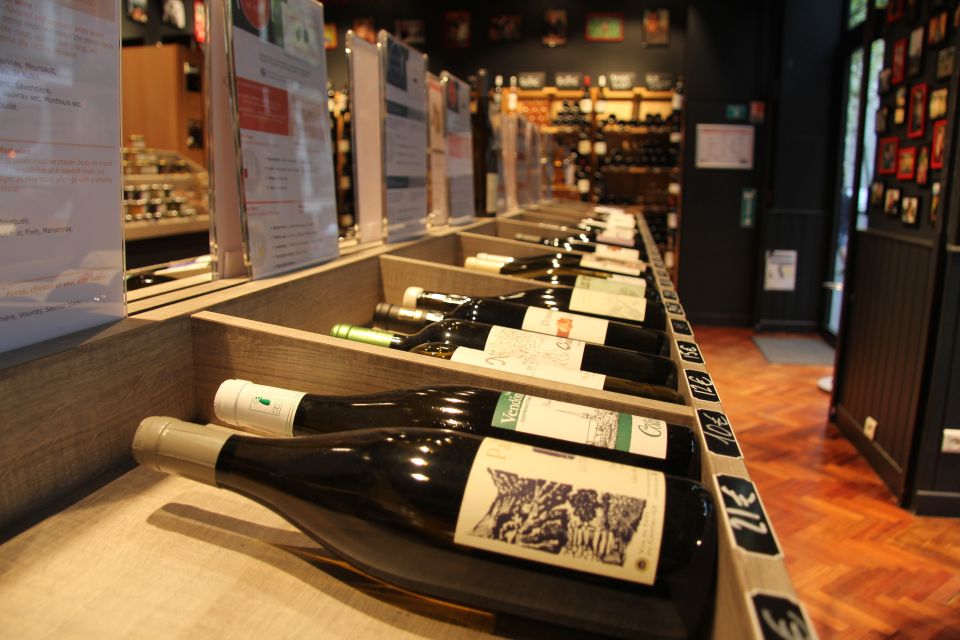
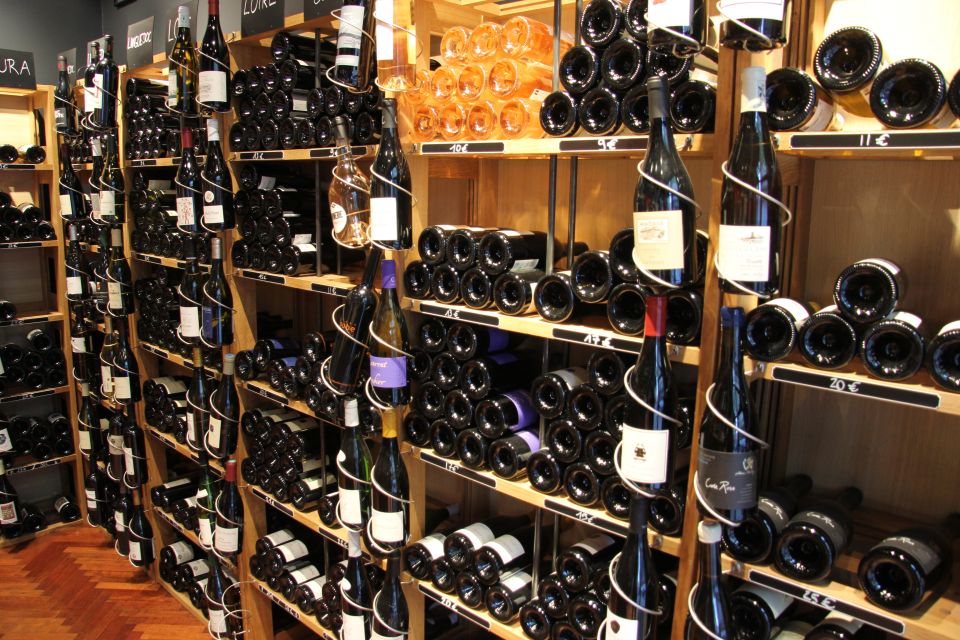
You don’t start this experience at a café table. You enter a cave à vin style boutique, with shelves and wall-to-wall bottles arranged by category—reds, whites, and rosés. That matters because it changes your mindset. Instead of thinking about wine as one big category, you start seeing it as choices with logic behind them.
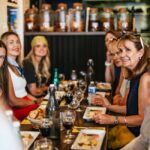
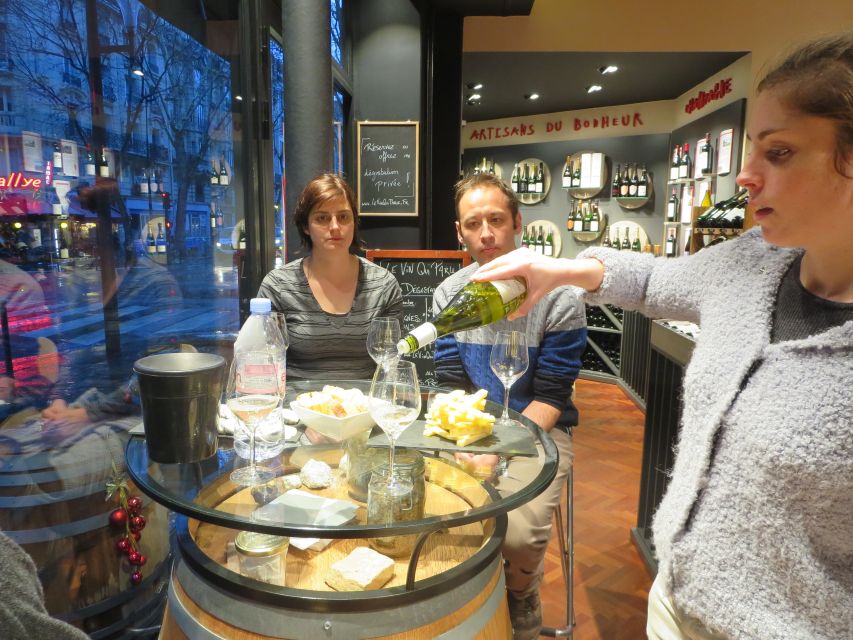
Once you’re greeted and settled in the prepared tasting area, the host brings you up to speed. This is where the tone shifts from shopping-by-the-glass to learning with a purpose. I like that the staff are described as warm and helpful, and that the tasting space feels relaxed rather than formal.
Also, since you’re in a boutique, you’re close to the products. Several past participants came away with bottles to take home, which is always the sign of a tasting that wasn’t just for show.
You can also read our reviews of more food & drink experiences in Paris

Your 90 minutes, mapped out: what happens step by step
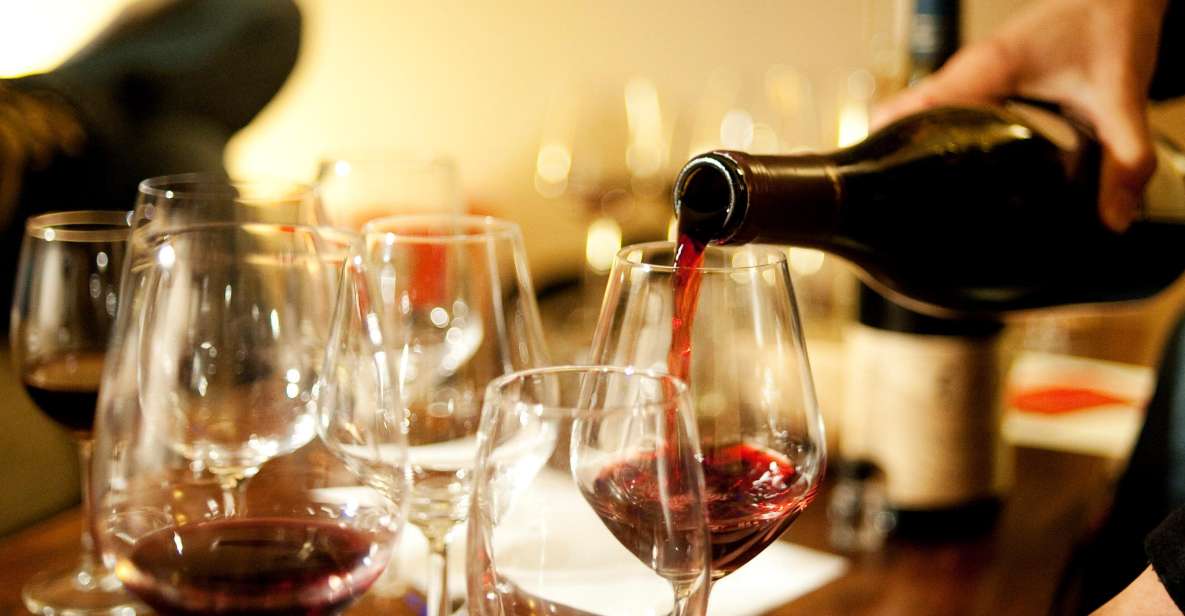
This runs about 90 minutes, which is long enough to taste with attention but short enough that the afternoon doesn’t disappear. You’ll move through a structured flow, but the host can adjust based on what your group wants to drink and learn.
First comes a welcome and the initial setup. You get oriented in the boutique space, then meet your wine expert (English and French are available). The guide then sets the foundation: the big wine regions of France and what changes between them.
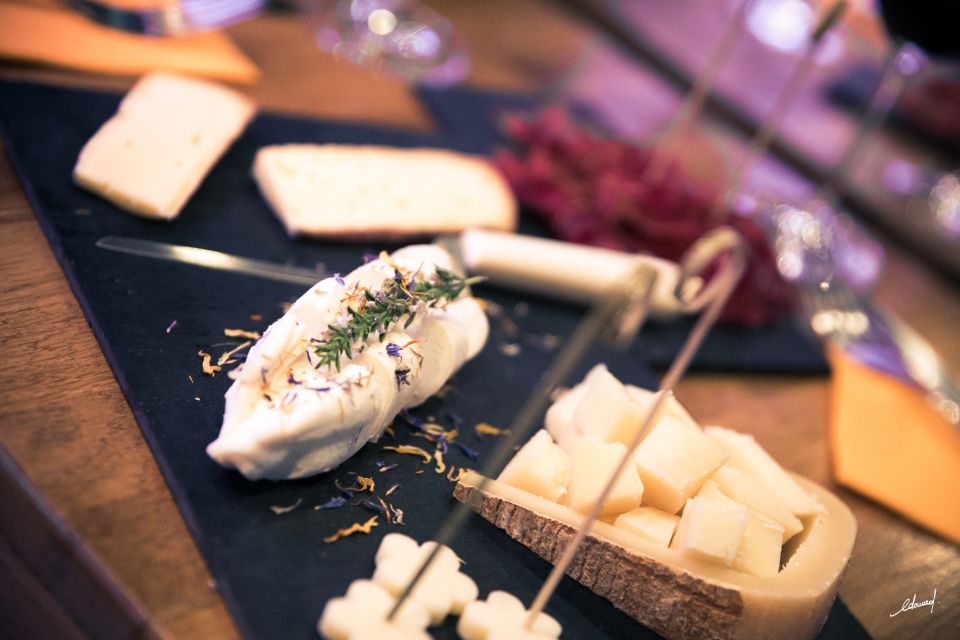
Next, you’ll taste. The included experience is three types of wine, selected from small, independent producers. Then you’ll pair those wines with two French cheeses—one hard and one soft—so you can notice how flavor changes when you switch the pairing.
Finally, you finish with confidence. The goal is that you leave knowing what you like and why. One of the most common reactions in past sessions is that people felt more capable at choosing wine after the tasting, even if they were first-timers.
One extra note from real sessions: in at least one group, participants reported sampling four wines and getting a surprise tasting at the end. That suggests some hosts may add a bonus pour depending on the group flow and the producers available.
The real lesson: terroir, soil samples, and why France is so diverse
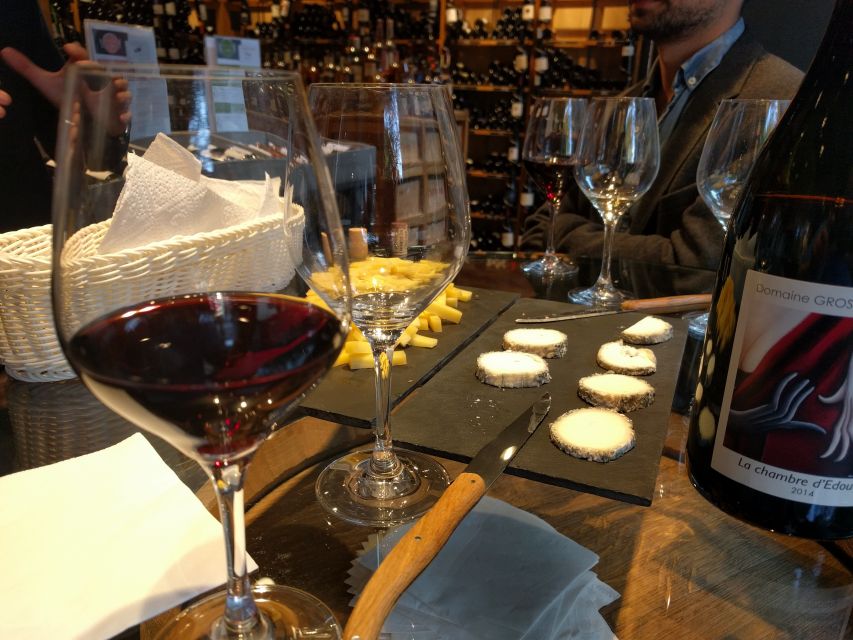
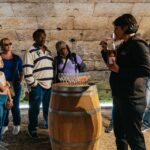
If you’ve ever wondered why French wine can taste totally different even when the bottle label looks similar, this is the part that makes it click. The guide uses maps and authentic soil samples to explain terroir—the mix of land, climate, and growing conditions that shapes grapes before they even reach the winery.
Soil samples are a clever teaching tool. You don’t need to be a scientist to understand the concept; you just need the reminder that grapes aren’t grown in a vacuum. When the guide connects what you’re seeing on the map to what you’re tasting in the glass, you start tasting with a framework instead of random guessing.
And because the boutique stocks wines from across France, you can compare styles without traveling that day. You’ll learn how differences in terrain lead to different grapes and, in turn, different flavors in the glass.
This matters for value. You’re not paying just to taste. You’re paying to learn a system that helps you keep tasting well after the session ends—at a shop, a restaurant, or even back home.
Wine tasting and pairing: how the cheese actually changes the flavors
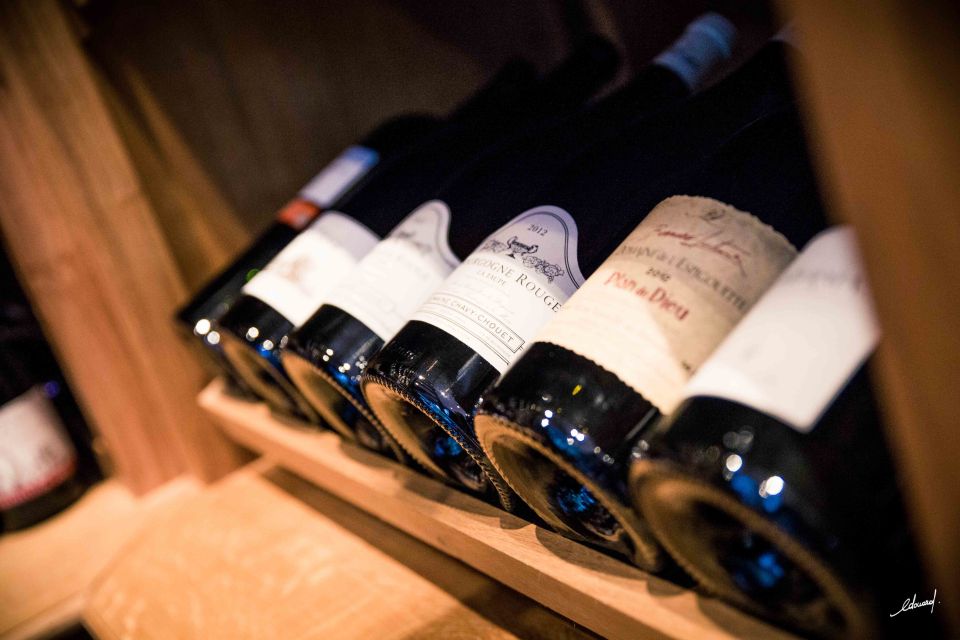
Here’s the part you’ll probably remember when you get to dinner later: the cheeses aren’t an afterthought. You’re guided through wine and cheese pairings, and that pairing is set up to show contrast.
You’ll try:
- A hard cheese
- A soft cheese
The point of using both is simple. Hard cheeses tend to bring more intensity and a sharper texture, while soft cheeses often add creaminess and a rounder mouthfeel. When you pair those with different wines, you can hear the differences in acidity, fruitiness, and how tannins feel in your mouth.
Water and bread are included for a reason too. They help you reset your palate so you don’t carry one flavor decision into the next. That’s especially useful in a tasting that lasts 90 minutes and includes multiple pours.
One more practical detail: a spittoon is provided if you prefer not to swallow everything. That’s a small comfort, but it’s also smart. You’ll taste better when you can slow down instead of rushing because you’re worried about drinking too much.
Why the guide makes or breaks this experience
The format works because the host can actually teach. Past sessions highlight friendly, helpful guides who know how to explain wine in normal human language. People named Camille, Constance, Julian, and Leia show up across different bookings, and the pattern is consistent: strong guidance, lots of openness to questions, and a relaxed pace.
This matters because wine tasting can go two ways:
1) You taste and it’s fine.
2) You taste and you learn how to taste.
Here, the aim is option two. That’s why you’ll get an overview of regions, guidance on how to taste, and pairing direction. Even someone who isn’t a big wine drinker can find this fun and not intimidating, especially if the guide tailors the session to the group.
If you care about learning without stress, a small group of up to 8 participants makes a difference. It’s easier to hear explanations, and you’re more likely to get answers to your specific questions instead of waiting your turn behind a crowd.
You can also read our reviews of more wine tours in Paris



Price and value: is $76 actually a good deal?
At $76 per person for 90 minutes, you’re paying for three things: wine, cheese, and guided instruction. On price alone, wine tastings in Paris can swing wildly depending on whether you’re paying for a bottle-shop style experience, a restaurant setting, or a formal class.
This one feels like a fair middle ground. You’re not buying a fancy multi-course meal, but you are getting:
- Three wine samples (and possibly an extra pour in some sessions)
- Two cheese pairings
- Water and bread
- A live guide in English or French
- A teaching component centered on terroir and why wines differ
The “value” isn’t just that you taste a few things. It’s that the structure helps you connect what you taste to why it tastes that way. If you like shopping with a purpose—then buying one or two bottles you understand—you’ll likely feel the money was used well.
Timing and comfort: practical notes before you go
This is a boutique, not a restaurant. That’s part of the charm, but you should know what comes with it.
- Toilets may not be readily available or easily accessible. Plan accordingly before you arrive.
- It’s about 90 minutes, so wear clothes that are fine for standing or shifting positions in a small tasting area.
- Since it’s a wine tasting, the included water and bread are there to keep you comfortable and help you reset.
Also, the meeting point may vary depending on the option booked. So double-check your specific start location when you book.
Who should book this Paris wine and cheese tasting
Book this if you want a Paris experience that’s:
- Hands-on (you taste and pair, not just listen)
- Small group friendly (up to 8)
- Built for learning (terroir with maps and soil samples)
- Approachable for first-timers (guides explain how to taste and what you’re noticing)
It’s also a great choice if you like independent producers and want to avoid the feeling of pouring your money into a mass-market brand wall.
Skip it—or pick a different option—if you strongly prefer a sit-down meal setting, because this is designed as a tasting in a wine boutique. You’ll also want to be comfortable moving around for short periods during the session.
Should you book? My honest recommendation
I think you should book this if you want a calm, friendly way to understand French wine in a short window. The price feels reasonable for what you get: multiple pours, real cheese pairings, and a guide who can explain terroir in a way that changes how you taste afterward.
If you love learning by doing, the soil-sample lesson plus the guided pairings are exactly the kind of detail that makes a tasting worth repeating. And if you’re nervous about wine, that small-group setup plus a good host—think Constance, Camille, Julian, or Leia—can make it feel easy and fun.
FAQ
How long is the wine and cheese tasting in Paris?
The experience lasts 90 minutes.
What is included in the tasting?
You’ll have three wine tastings and three cheese tastings, plus water and bread.
How many people are in the group?
The group is limited to up to 8 participants.
Are there English and French guide options?
Yes. The live guide is available in English and French.
Do you offer a spittoon?
Yes. A spittoon is provided if you want to use it.
Is this a restaurant meal?
No. It takes place in a wine boutique, not in a restaurant.
Will there be a place to use the toilets?
Because the tasting is not in a restaurant, the boutique’s toilets may not be readily available or easily accessible.
Do you taste wines from independent producers?
Yes. The wines offered are from small, independent producers.
What is the price per person?
The price is $76 per person.
Is free cancellation available?
Yes. You can cancel up to 24 hours in advance for a full refund.