REVIEW · PARIS
Paris Gourmet: Food Tour in South Montmartre
Book on GetYourGuide →Operated by PARIS A DREAM · Bookable on GetYourGuide
A tasty stroll in Montmartre beats a museum day. This Paris gourmet food tour turns South Montmartre into a food-and-people story, with stops built around French flavors, craft producers, and the neighborhood’s artsy past.
What I like most is the small group setup (up to 6), which makes it easier to ask questions and actually hear the guide’s food details. I also love how the tastings are staged like a meal in chapters, starting with chocolates and ending with sweet-and-savory shop samples.
One thing to keep in mind: the tastings can vary by season and by day of the week, so you’re booking the experience and timing, not a fixed menu.
In This Review
- Key Points I’d Plan Around
- South Montmartre With Food As The Main Plot
- Where You’ll Start (And How To Avoid Start-Line Stress)
- Chocolates First: The Grand Crus Start That Sets The Tone
- Wine + Cold Cuts: A Classic Montmartre Pairing Moment
- The 100-Year Cheese Cellar: Where Craft Takes Over
- A Stop in On an 18th-Century Street: Shopkeepers, Not Just Sights
- Emily in Paris Footsteps: One Famous Address, No Overload
- Iconic Nearby Spots You’ll Pass While You Eat
- Food Tour Price: Is $153 Worth It?
- Small Group, Multiple Languages, and The Guide Factor
- What To Wear, Eat Beforehand, and Actually Enjoy The Walk
- Dietary Requirements
- The Biggest Drawbacks To Know Before You Go
- Should You Book This South Montmartre Food Tour?
- FAQ
- How long is the Paris Gourmet food tour in South Montmartre?
- How big is the group?
- What languages are the guides available in?
- Where do I meet the guide?
- Is outside food allowed?
- Do I need to tell the company about dietary requirements?
- What should I bring with me?
- Do the tastings stay the same every day?
- What’s the minimum number of participants for the tour?
Key Points I’d Plan Around
- South Montmartre, guided like a story: cabarets, theaters, painters, and musicians tied to what you eat.
- Grand crus chocolate first: you begin with sweets before wine and savory bites take over.
- Wine + cold cuts at a charming store stop: a straightforward pairing moment that sets the pace.
- A 100-year cheese cellar: you get cheese tasting focused on craft, not just samples.
- Emily in Paris connection: you’ll see one famous address from the series while walking the area.
- Up to 6 people: smaller groups usually mean better guide attention and more relaxed questions.
South Montmartre With Food As The Main Plot
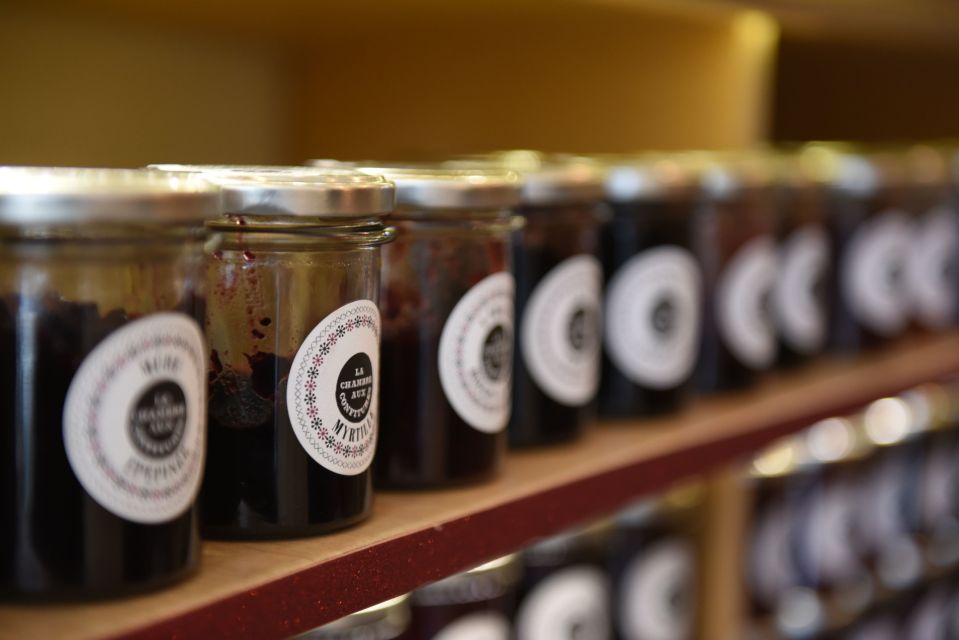
South Montmartre has that romantic, show-business vibe you picture when you think of Paris. This tour leans into that atmosphere, but it doesn’t treat food like an add-on. Instead, the guide uses food history as the thread that holds the neighborhood together. You’ll hear anecdotes about the area and the artists who used to live there, and it all ties back to why certain tastes became so Parisian in the first place.
I like the way the walk stays practical while still feeling like you’re seeing the neighborhood through new eyes. You’ll also move past landmarks in the general area—think Moulin Rouge and nearby museum stops like Musée Grévin and Musée de la vie romantique—so even if you don’t stop inside, you’re getting your bearings as you go.
The tour runs about 3 hours, which is a sweet spot. Long enough to get multiple tastings and real context, short enough that you can still plan an evening without rushing. The pace also benefits from the small group, and the guide being active in Spanish, English, or French (depending on the tour) helps a lot if you want to ask follow-up questions about what you’re tasting.
You can also read our reviews of more food & drink experiences in Paris

Where You’ll Start (And How To Avoid Start-Line Stress)
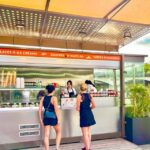
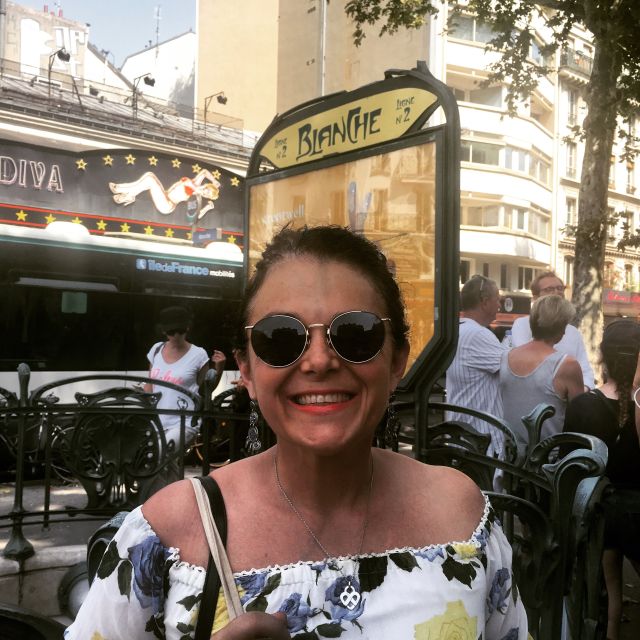
You meet at Metro Blanche (Line 2), near the Kiosque. That’s close to the heart of the area, but it’s still smart to arrive a few minutes early and confirm you’re at the right “near the Kiosque” spot. One past participant said they were nervous about finding the guide, so I’d treat the first 5–10 minutes as your only “tight” moment of the trip.
Wear comfortable shoes. This is a walking experience with tastings, not a sit-down dinner.
Chocolates First: The Grand Crus Start That Sets The Tone
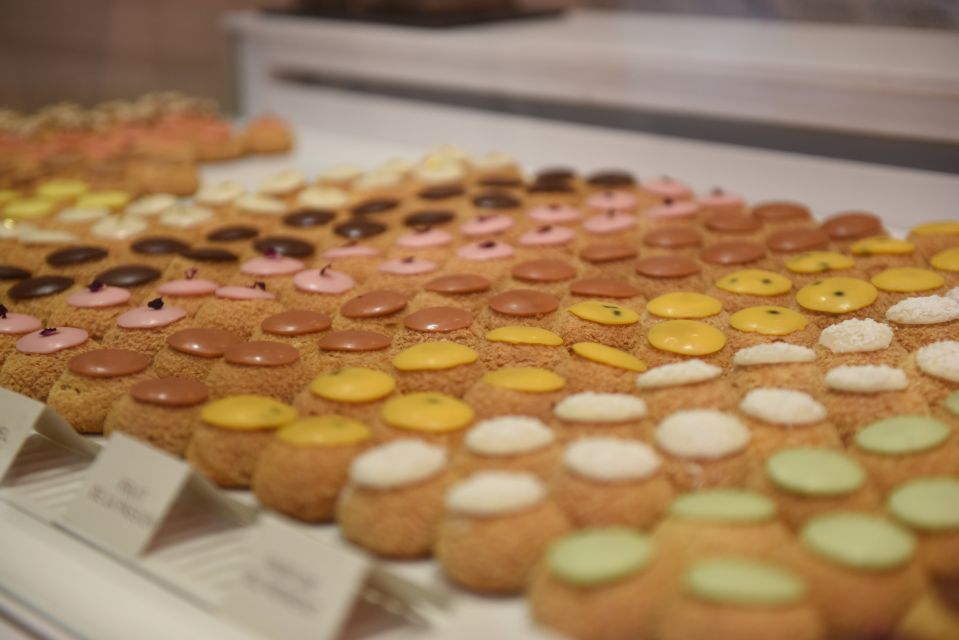
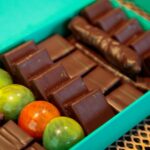
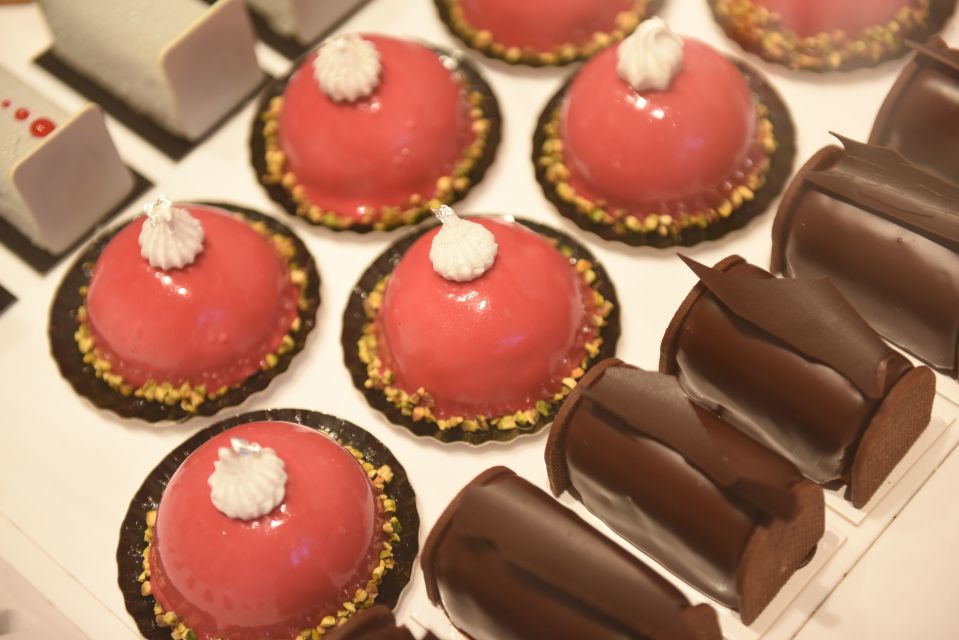
The tour kicks off with a grands crus chocolates tasting. Starting with chocolate is clever because it works like a warm-up for your palate. You’re not just eating sweets for the sake of sweets—you’re training your taste buds to notice cacao character, texture, and how flavors shift as you move from one sample to the next.
This first stop also helps you settle into the tour’s style: the guide doesn’t just hand you bites and move on. The emphasis is on French food culture and the reasons behind choices—how traditions formed, how products became known, and how these flavors are treated in everyday Paris.
If you’ve been thinking chocolate is all about sweetness, this opening can challenge that assumption. The better chocolates usually make you pay attention to bitterness, aroma, and that little “finish” you taste after swallowing.
Wine + Cold Cuts: A Classic Montmartre Pairing Moment
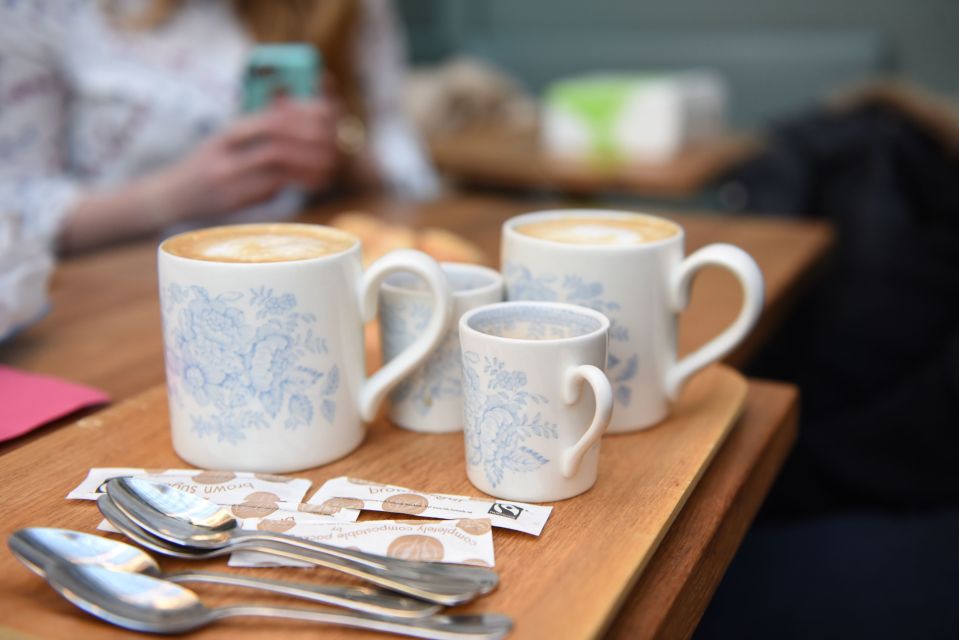
Next you’ll head to a wine store for a platter of cold cuts with a glass of wine. This is the part where the tour shifts from sweet-first tasting to savory-and-structured flavors.
Here’s why this stop matters: French charcuterie is about craft and balance. Salt, fat, spice, and texture each do a job, and the wine pairing brings out details you might miss if you just ate the meats by themselves. You’ll also get the kind of relaxed, local-shop atmosphere that’s hard to recreate on your own unless you already know where to look.
A practical note: the tour includes food and beverages, but only what the guide orders is included. That keeps the pacing clean. It also means you shouldn’t plan to snack off-menu during the tour.
The 100-Year Cheese Cellar: Where Craft Takes Over
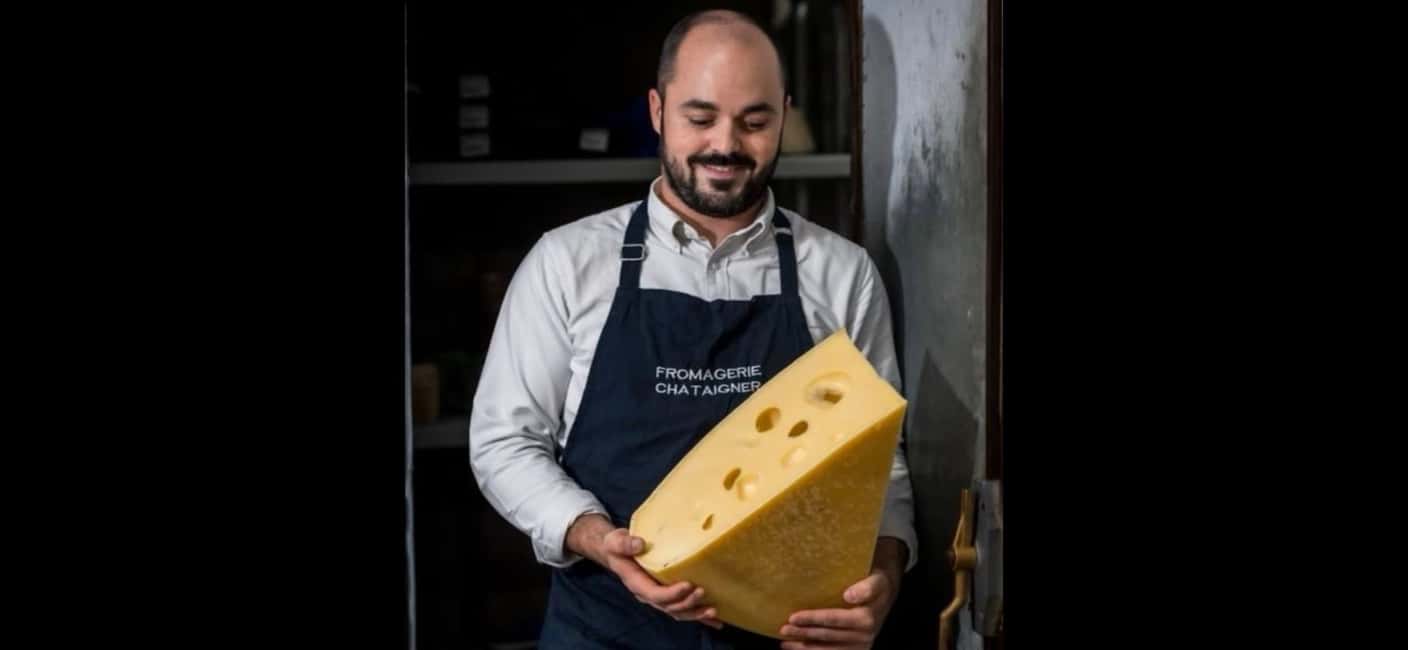
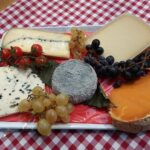
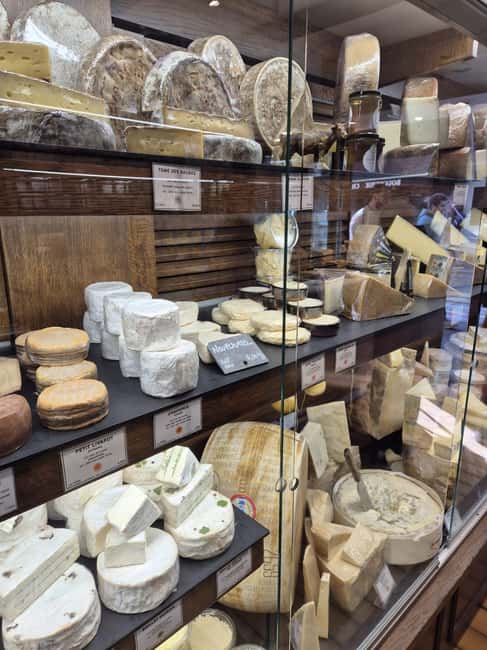
Then comes one of the highlights: a passage through a 100-year cheese cellar, with a cheese tasting built around how the product is made and how it’s handled.
A cellar visit does two things at once. First, it gives you a physical sense of how cheese changes over time. Second, it turns cheese tasting into something more educational than casual nibbling. You’re learning how aging and storage affect taste, and you’re meeting French food tradition in a setting built for it.
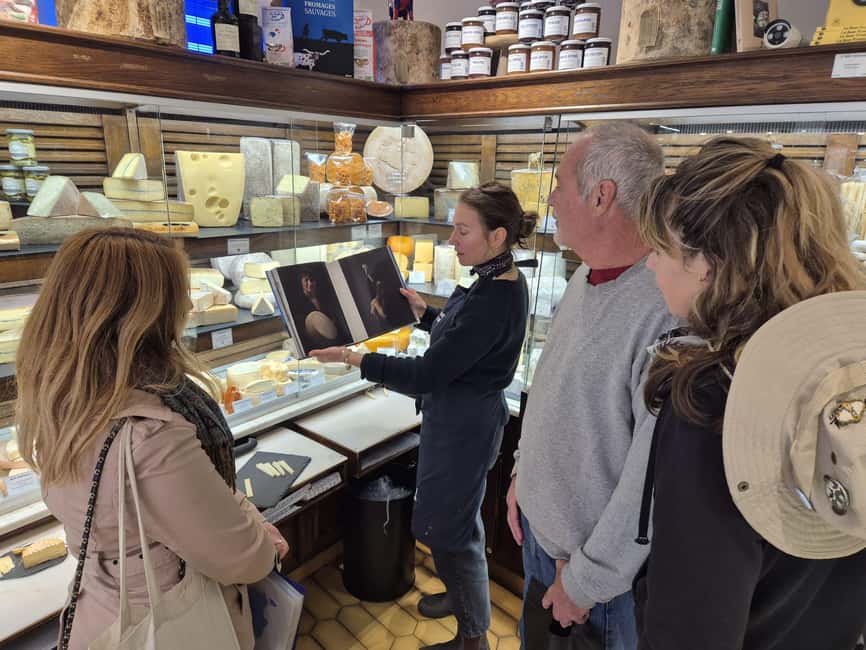
This is also a great moment for questions. Cheese producers and shop people tend to have strong opinions about flavor profiles and how to pair. The tour’s guide is there to translate that into a story you can actually use later, whether you’re ordering in a café or buying from a fromage counter.
One of the tour’s selling points is the guide’s focus on gastronomy, and past participants highlighted guides who were well informed and fun. In plain terms: you’re more likely to get real explanations here than you would on a generic “taste-and-quit” tour.
You can also read our reviews of more tours and experiences in Paris


A Stop in On an 18th-Century Street: Shopkeepers, Not Just Sights
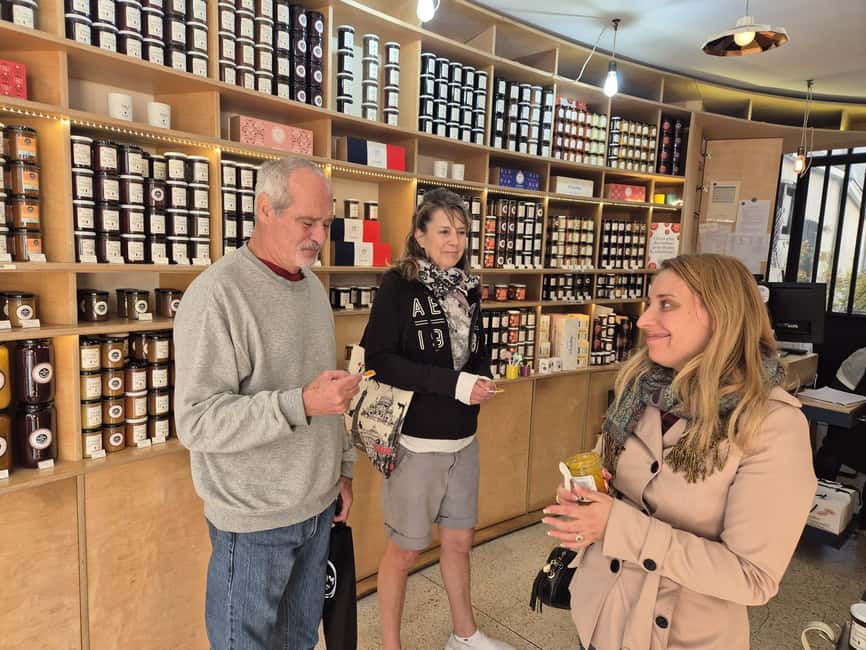
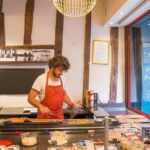
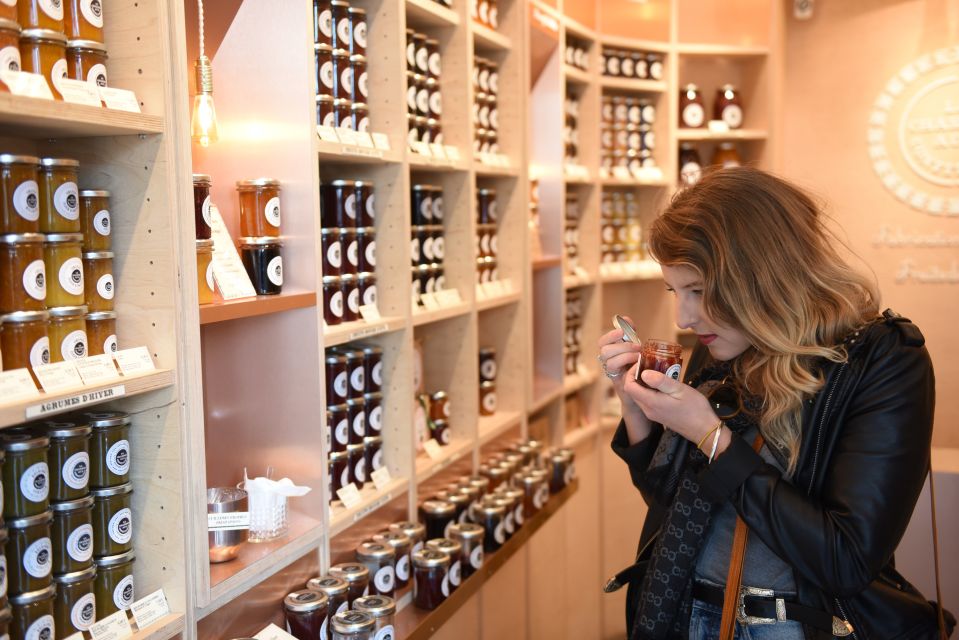
After the cellar, you’ll keep walking and reach a more old-world feeling stretch: an 18th-century street where you meet the shopkeepers and sample sweet and savory local products.
This part is what makes the tour feel like Montmartre and not just a string of food stops. You’re seeing how small shops fit into the neighborhood’s rhythm. You also get to taste products you might not think to search for yourself—especially the kinds of everyday French items that are common locally but easy to overlook as a visitor.
The tasting variety here matters, too. You don’t want every stop to taste like the same flavor wheel. Sweet-and-savory sampling helps you understand the range of the region’s food personality.
Emily in Paris Footsteps: One Famous Address, No Overload
A tour called Paris Gourmet could easily stay in purely food territory. This one doesn’t. While you’re walking, you’ll see one of the famous Emily in Paris addresses.
Why that’s worth something: it gives you a recognizable moment that doesn’t require you to chase a photo spot all alone. You get it as part of the flow—moving through streets, seeing storefronts, hearing why this area has long attracted artists and performers.
Just don’t expect a full filming-tour day. The point is the walking connection plus food context, not a deep production-focused itinerary.
Iconic Nearby Spots You’ll Pass While You Eat
You’re in an area with heavy tourist gravity, and the tour is designed so you still feel like you’re eating your way through the neighborhood rather than teleporting between far-away sights. Along the route, you’ll be close to places like:
- Moulin Rouge
- Musée Gustave Moreau
- Musée Grévin
- Musée de la vie romantique
- Palais Garnier
You might not go inside these spots on the tour, but you’ll get the location sense fast. That’s especially helpful if it’s your first time in this part of Paris and you want to map your later days.
Food Tour Price: Is $153 Worth It?
At $153 per person for a 3-hour small-group tour, this isn’t a budget snack crawl. But value comes from where the money goes: expert guidance, multiple tastings, and a route designed for atmosphere (not just calories).
Here’s how I’d think about it:
- You’re paying for food + beverage tastings rather than only “walking and vibes.”
- The small group limit of 6 increases the chances you’ll get actual interaction and good explanations.
- The 100-year cheese cellar and the structured chocolate-to-wine-to-cheese flow are higher-effort stops than generic storefront tastings.
- The guide’s gastronomy angle matters. If you enjoy learning how and why foods became staples, this price starts to make sense.
If you mainly want to eat without explanations, you could probably do cheaper on your own. But if you want the context and the local craft angle, $153 buys you more than taste—it buys you interpretation and a guided route through South Montmartre.
Small Group, Multiple Languages, and The Guide Factor
This tour caps at up to 6 participants, and it runs with a live guide in Spanish, English, or French. That’s a big deal in practice. Smaller groups mean less time waiting, more time asking, and better pacing through crowded streets.
Guide quality is also a real part of the experience. One participant specifically praised Victor for being excellent and enjoyable over several hours. Another called Marcela a top host—warm, cultured, entertaining, and a strong guide. That’s a pattern worth paying attention to: you’re not just buying tastings; you’re buying communication.
If you’re the kind of person who likes to understand what you’re eating—how cheese is aged, how charcuterie is selected, how chocolate differences show up—this tour’s guide approach tends to pay off quickly.
What To Wear, Eat Beforehand, and Actually Enjoy The Walk
Plan for walking and standing. Bring comfortable shoes and water (recommended). Paris streets can be uneven, and you’ll enjoy the experience more if your feet aren’t angry by stop two.
Also, try to have a light breakfast or lunch before the tour. Since the tour is built around tastings across multiple categories (chocolate, wine and cold cuts, cheese, then sweet and savory shop items), you’ll get more pleasure out of the flavors if you’re not starting totally empty.
Dietary Requirements
When you book, advise of any dietary requirements. The tour provides food and beverages, but it’s not stated that it can instantly swap everything for allergies or strict diets. The safest move is to tell the team up front so they can guide you toward what will work.
The Biggest Drawbacks To Know Before You Go
I’d only flag two considerations:
1) Tastings vary by season and day
You won’t get a guaranteed exact lineup every time. If you’re visiting during a peak season and obsess over exact items, adjust your expectations to “this is the tasting style and the stops.”
2) It’s a tasting route, not a full sit-down meal
You’ll eat enough for a satisfying food-focused morning or afternoon, but the overall goal is sampling plus learning. If you want a big plated dinner right after, plan the rest of your day accordingly.
Should You Book This South Montmartre Food Tour?
If you want a real Montmartre walk powered by French food culture, this is a strong choice. Book it if you like guided context, you enjoy chocolate/wine/cheese, and you’d rather hear anecdotes about local history than just collect landmarks.
Skip it (or at least compare it with other food tours) if you’re strictly budget-focused, hate walking, or you need an extremely specific menu for dietary reasons and haven’t had a chance to confirm what can be provided.
FAQ
How long is the Paris Gourmet food tour in South Montmartre?
It lasts 3 hours.
How big is the group?
The tour is a small group limited to up to 6 people.
What languages are the guides available in?
The live guide speaks Spanish, English, and French.
Where do I meet the guide?
You meet at Metro Blanche (Line 2) near the Kiosque.
Is outside food allowed?
No. The activity notes that food is not allowed.
Do I need to tell the company about dietary requirements?
Yes. You should advise them of any dietary requirements when booking.
What should I bring with me?
Wear comfortable shoes, and it’s recommended to bring water.
Do the tastings stay the same every day?
Not always. Tastings may vary depending on the season and the day of the week.
What’s the minimum number of participants for the tour?
A minimum of 2 participants is required.
If you’d like, tell me when you’re going and what you eat (vegetarian, no pork, allergy, etc.), and I’ll help you sanity-check whether this format fits your preferences.