REVIEW · PARIS
Paris 6-Hour Private Guided Walking Tour
Book on GetYourGuide →Operated by Paris in person private tours · Bookable on GetYourGuide
Paris clicks in six hours. This private guided walking tour strings together the city’s big moments—Notre-Dame through the late 1800s—and explains what you’re looking at instead of just pointing. It’s a practical way to get bearings fast, even if you’re only in Paris for a short stay.
Two things I’d prioritize if you’re weighing this: you get a clear architecture storyline (medieval to Renaissance to 17th-century to 19th-century), and you also hit cultural stops like Shakespeare and Co. One consideration: the route includes several major church sights, so if you want light commentary on churches, tell your guide early and set expectations about balance and pacing.
In This Review
- Key things to know before you go
- Why a 6-Hour Private Walk Works in Paris
- Meeting Your Guide: Pickup, Language, and the Red Tote Bag
- Notre-Dame and the Medieval Core: Getting the Timeline Right
- Shakespeare and Co. and the Latin Quarter: Paris Beyond Monuments
- Hotel de Ville, Tour St. Jacques, Les Halles, and Saint Eustache
- Cour Carré and the Louvre: Courtyards, Power, and Architecture
- Place Vendôme and 17th-Century Grandeur
- Place de la Concorde and the Champs-Élysées Finish
- What You Learn From Architecture When Someone Explains It
- Pace, Comfort, and Rain-or-Shine Reality
- Price and Value: Is $285 Per Person Worth It?
- Who This Tour Suits Best
- Should You Book This 6-Hour Private Paris Walk?
- FAQ
- FAQ
- How long is the Paris 6-Hour Private Guided Walking Tour?
- Is this tour private?
- What’s included in the price?
- Which languages are available?
- Where does the tour pick up?
- Is the tour wheelchair accessible?
- Does the tour run in bad weather?
- What major sights will I see?
- Can I cancel if plans change?
Key things to know before you go
- Hotel reception pickup with your guide carrying a red canvas tote bag
- Private group pace (more time for your questions, less rushing)
- Architecture-focused route from Notre-Dame to Cour Carré and the Louvre
- Classics plus literary detours like Shakespeare and Co. and the Latin Quarter
- Landmarks down to 19th-century Paris with Place Vendôme, Place de la Concorde, and the Champs-Élysées
Why a 6-Hour Private Walk Works in Paris
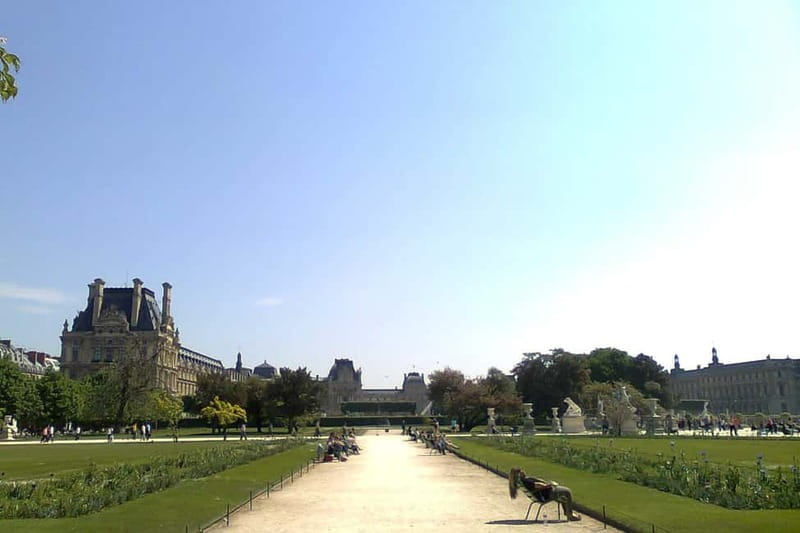
Six hours is long enough to make sense of Paris, but short enough that you don’t burn a whole day just getting oriented. The best value here is the way the guide connects streets and buildings into a story, so you’re not just collecting photos—you’re learning how Paris grew and why certain styles show up where they do.
You’ll also benefit from the private format. Instead of merging into a big group, you can steer the pace toward the parts that matter most to you—architecture, art history, or the city’s timeline from medieval Paris to today.
One more practical upside: if you’re only in town briefly, you’ll hit many of the “you should see this” landmarks without trying to stitch together a complicated self-guided route.
You can also read our reviews of more walking tours in Paris



Meeting Your Guide: Pickup, Language, and the Red Tote Bag
This tour starts with pickup from your hotel reception area. Your guide will be carrying a red canvas tote bag, so you can spot them without guesswork. That’s genuinely useful in Paris, where finding the right starting point can eat time.
The tour runs with a live guide in English, French, or Serbo-Croatian. So if you’re traveling with someone who prefers another language, you’re not locked into a single option.
Also, it’s described as a private group and wheelchair accessible, and it operates rain or shine. That means you should think ahead about comfort (comfortable shoes and a plan for weather), because the walking is the core of the experience.
Notre-Dame and the Medieval Core: Getting the Timeline Right
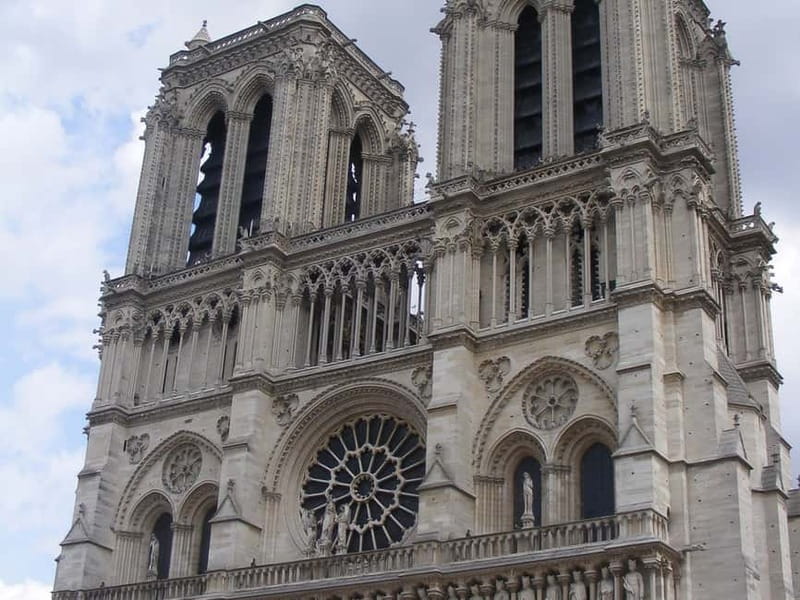
The tour begins with Notre-Dame Cathedral, and that choice matters. Notre-Dame isn’t only famous; it’s a strong anchor for understanding how Paris made its architectural marks during the medieval era. You’ll get more than surface-level facts—you’ll see how the city’s earlier identity shaped what came next.
From there, the route is built to carry you out of the medieval story and into later periods. This is the part where a guide earns their keep. When you know what period you’re standing in, details like layout, style, and the purpose of buildings start to click.
If you’re a first-time visitor, I’d treat this opening as your “key” to the rest of the city. Even if you later revisit neighborhoods on your own, you’ll recognize the shift from older Paris to newer design language.
Shakespeare and Co. and the Latin Quarter: Paris Beyond Monuments
One of the smartest inclusions is Shakespeare and Co., the famous bookstore associated with the Latin Quarter. It breaks up the landmark rhythm and gives you a cultural stop that feels like Paris-as-a-city, not Paris-as-a-museum.
Right after that, you’ll be in the Latin Quarter, the area tied to student life and intellectual culture. The value here isn’t just nostalgia for books—it’s context. When your guide frames why this district matters, you start to understand why certain streets and institutions became part of Paris’s identity.
This section is also a reminder that Paris isn’t only stone and skyline. Literature, ideas, and city life shaped how people used public spaces. If your ideal tour is a blend of visual sights and human stories, this is where you’ll feel it most.
Hotel de Ville, Tour St. Jacques, Les Halles, and Saint Eustache
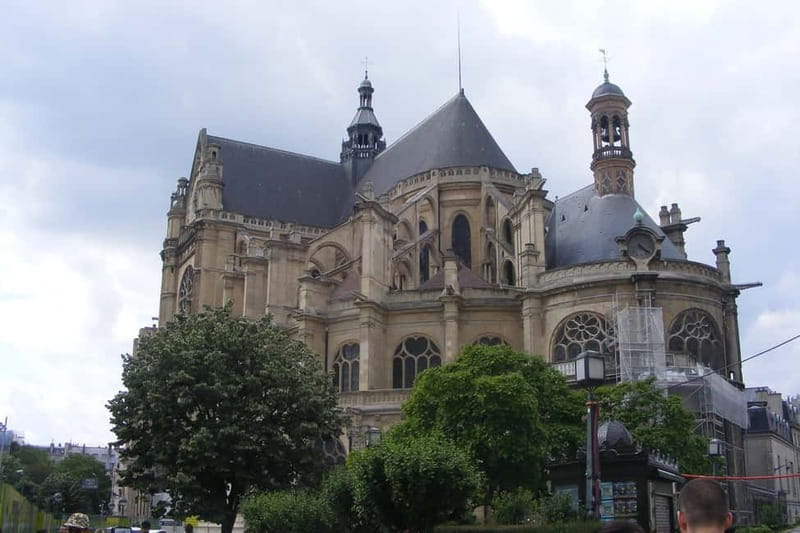
As the walk continues, you’ll move through key urban layers. You’ll see the Hotel de Ville (city hall), the Tour St. Jacques, Les Halles, and the Cathedral of Saint Eustache. Taken together, these stops help show how Paris kept reinventing itself while staying recognizable.
The Tour St. Jacques and Saint Eustache are both strong examples of how religious architecture adds texture to the city. Still, here’s the consideration: the tour includes multiple church-related sights, so if you’re not looking for heavy church commentary, speak up early. One traveler’s feedback flagged the need for balance and less focus on churches in favor of broader city history and other elements.
Les Halles is important for a different reason. Even without going deep into a single building, it helps connect you to how Paris treated markets and daily life as part of its public story, not an afterthought.
You can also read our reviews of more guided tours in Paris






Cour Carré and the Louvre: Courtyards, Power, and Architecture
Then the tour turns toward the Louvre complex, starting with the Cour Carré. This is where the architectural conversation becomes very “useful.” The Cour Carré is a guided example of how different design eras and building functions can sit side by side.
If you care about architecture, this is likely one of the most satisfying segments. The description emphasizes medieval/Renaissance style, so you’re not only staring at a famous museum—you’re learning to recognize the design logic around it.
The tour also highlights the Louvre connection as part of the bigger European art and history picture. That’s a key reason this kind of walk is valuable: you’re not just sightseeing inside one city block. You’re being shown how Paris influenced European history and why its art and architecture spread its reputation.
Place Vendôme and 17th-Century Grandeur
Next comes Place Vendôme, described as a jewel of 17th-century architecture. This square is a useful contrast to what you saw earlier. Instead of medieval intensity, you get a more controlled, formal urban design that reflects how power and style wanted to look.
A guided approach matters here because squares like this are all about proportion. When you know what to look for—how the space frames buildings, how the symmetry works, and what the architecture is doing—you’ll see more than a postcard.
This stop also helps keep the tour’s timeline feeling organized. After the Louvre area, Place Vendôme adds a clear step into another era, so your internal map of Paris stays coherent.
Place de la Concorde and the Champs-Élysées Finish
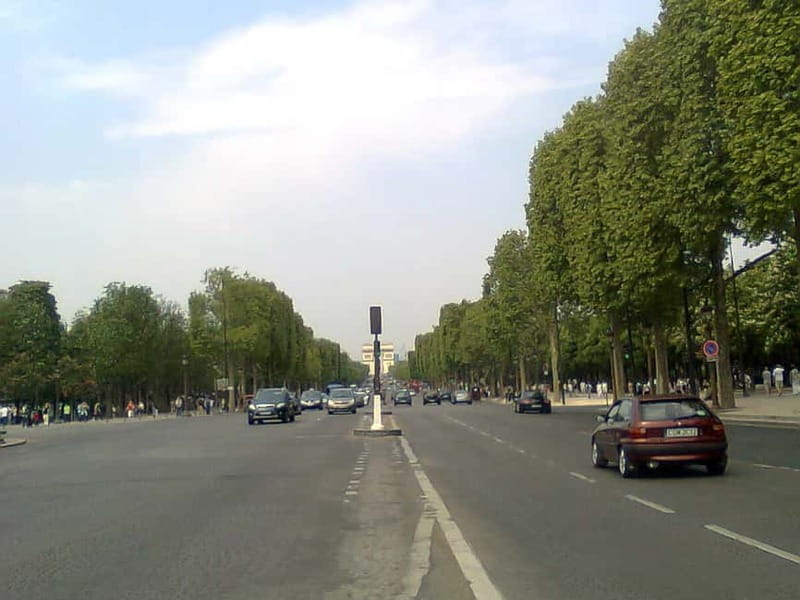
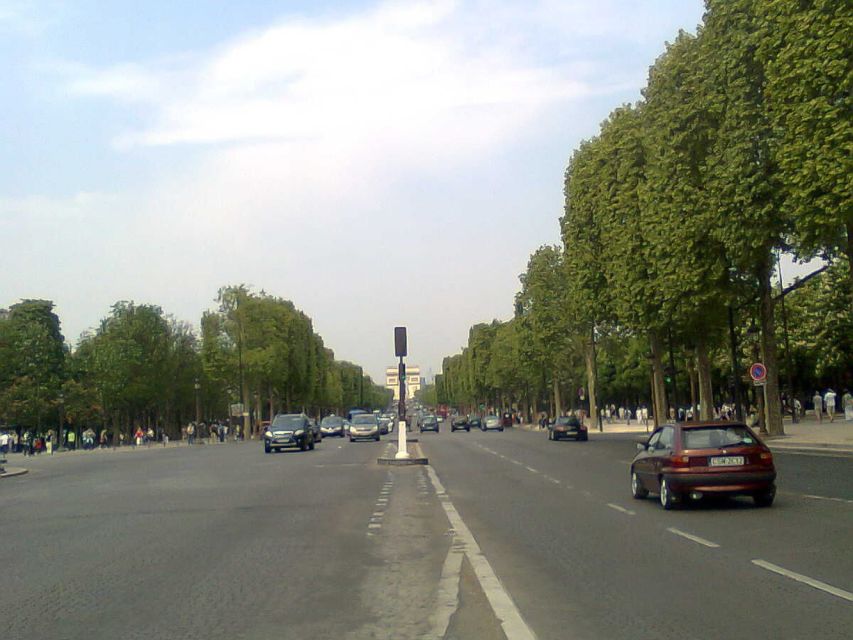
For the finale, you’ll head to Place de la Concorde and the Champs-Élysées, including the feel of one of the world’s best-known avenues. The Champs-Élysées can be visually overwhelming if you’re trying to figure it out alone, but with a guide, it becomes a “wrap-up” moment—how 19th-century Paris presented itself to the world.
This ending works well for most visitors because it’s easy to recognize and easy to keep enjoying after the tour. Even if you later take metros or walk on your own, you’ll have a clear sense of where this iconic avenue sits in the city’s wider narrative.
You also get a sense of how Paris turned monumental streets and landmark squares into public stages. In other words: it’s not only what you see—it’s how the city wanted to be seen.
What You Learn From Architecture When Someone Explains It
A great tour doesn’t just list sights. It gives you a framework. This one is built around the role of architecture in telling European history through Paris, moving from medieval origins to Renaissance influences and onward to later centuries.
Here’s what that means for you on the ground: when you pause at Notre-Dame, Cour Carré, or Place Vendôme, the guide can connect details you’d otherwise miss to the bigger “why.” That turns the walk from random looking into purposeful looking.
The best reviews for this kind of tour tend to focus on two things: knowing the route well and helping you handle the rest of your trip more confidently afterward. One guide named Anja was specifically praised for knowing Paris deeply and making the whole city feel easier to navigate after the tour.
Pace, Comfort, and Rain-or-Shine Reality
This is a walking tour with a set duration of 6 hours, rain or shine. So you should plan for time on your feet, not just time at each stop. Private guides can adjust pacing slightly, but the core structure remains a walking day.
Because food and beverages aren’t included, build in a plan for your own breaks. If you want a café stop, treat it as a bonus you add yourself rather than something that’s automatically part of the schedule.
Weather matters too. Since the tour runs in all conditions, think about layers and a rain plan that won’t make you miserable halfway through. The tour is wheelchair accessible, but that also signals you should expect walking surfaces and city crossings to be part of the day.
Price and Value: Is $285 Per Person Worth It?
At $285 per person for six hours, you’re paying for three things: a private live guide, a planned route connecting major landmarks, and the ability to customize based on your interests. That’s not the cheapest way to see Paris, but it can be a very efficient one.
The best value is for travelers who want structure without spending hours building an itinerary. If your time is limited, paying for someone to connect the dots can save you from wandering, re-crossing the city, or missing context at major sites.
Also, the route isn’t only big-name landmarks. It includes stops like Shakespeare and Co., the Latin Quarter, and other well-placed city features. That variety helps justify the price because the tour feels more like a real guided day than a checklist sprint.
Who This Tour Suits Best
This private walking tour is a good match if:
- you have a short Paris visit and want to hit key areas without overplanning
- you care about architecture and art history more than just photos
- you like asking questions and adjusting the pace in real time
- you want a foundation you can build on later, with a clearer mental map of where things are
It may be less perfect if you dislike church-focused commentary. Since the route includes several major religious sites, you’ll want to steer your guide early toward the balance you prefer—more city history at the start, more secular context, and a clearer itinerary plan.
If you do want a more scripted plan, ask your guide to outline the order of stops before you start walking. One piece of feedback emphasized the value of starting with broad city history and using a map early, so you can request that kind of kickoff.
Should You Book This 6-Hour Private Paris Walk?
I think it’s worth booking if you want a guided day that helps you understand Paris, not just see it. The mix of Notre-Dame, the Louvre-area Cour Carré, Place Vendôme, and the Champs-Élysées gives you a strong sweep, and the private format makes it easier to follow along.
Book it if you’ll use the guide’s explanations to shape the rest of your stay. You’ll likely feel more confident exploring afterward because you’ll have the city’s timeline in your head.
If you’re sensitive to spending too much time on church talk or you want a very pre-set itinerary feel, message your preferences at the start and ask for a clear order. Get that alignment right, and this can be an efficient, enjoyable way to understand Paris in one day.
FAQ
FAQ
How long is the Paris 6-Hour Private Guided Walking Tour?
The tour duration is 6 hours.
Is this tour private?
Yes, it’s a private group tour.
What’s included in the price?
The tour guide is included. Food and beverages are not included.
Which languages are available?
The live guide is available in English, French, and Serbo-Croatian.
Where does the tour pick up?
You’re picked up in the reception area of your hotel, and your guide will be carrying a red canvas tote bag.
Is the tour wheelchair accessible?
Yes, the tour is wheelchair accessible.
Does the tour run in bad weather?
The tour operates rain or shine.
What major sights will I see?
You’ll see Notre-Dame Cathedral, the Cour Carré and Louvre area, Place Vendôme, Place de la Concorde, and the Champs-Élysées, plus stops such as Shakespeare and Co., the Latin Quarter, Hotel de Ville, Tour St. Jacques, Les Halles, and the Cathedral of Saint Eustache.
Can I cancel if plans change?
Yes. You can cancel up to 24 hours in advance for a full refund.