REVIEW · PARIS
Paris: French Revolution Walking Tour
Book on GetYourGuide →Operated by Mon Petit Paris · Bookable on GetYourGuide
Paris turns deadly fast, on foot. This French Revolution walking tour uses the streets around Place du Châtelet to tell a tight, dramatic story of conspiracy, intrigue, and the mechanics of revolution. It’s history you can point at, not a slideshow of dates.
Two things I like a lot. First, the guide-led format turns the 1789 Revolution into a walkable timeline, including the long lead-up to major moments like the storming of the Bastille. Second, the tour doesn’t dodge the heavy stuff, from the guillotine era to a famous dark prophecy about a key revolutionary.
One drawback to keep in mind: because it’s only 2 hours, it moves fast and can’t cover every major site you might associate with July 1789 in detail. If you want a full, stop-by-stop monument tour, you may want to pair it with another focused visit.
In This Review
- Key Things You’ll Notice on This Walk
- Why This 2-Hour French Revolution Walk Works Better Than “Dates and Names”
- Starting at the Fontaine au Sphinx: Getting Your Bearings in Châtelet
- The Revolution as a Street-Level Mystery: Conspiracy, Intrigue, and the Guillotine
- Following the Lead-Up to 14 July 1789 Without the Dry Class Notes
- The “Big Finish” Moment: How the Story Lands Near the Bastille
- Pace, Stops, and the Reality of Central Paris Walking
- English-Language Delivery: Guides Who Answer and Adjust
- Price and Value: Is $46 Worth It for a 2-Hour Story Walk?
- Who This Tour Is Best For (and Who Might Want Something Else)
- Quick Practical Tips Before You Go
- Should You Book the Paris French Revolution Walking Tour?
- FAQ
- Where do I meet the guide?
- How long is the tour?
- Is the tour in English?
- What’s included in the price?
- What should I bring since there’s no hotel pickup?
- Is there free cancellation?
- Is this tour wheelchair accessible?
Key Things You’ll Notice on This Walk
- Start at Place du Châtelet by the Fontaine au Sphinx, a very central launching point for revolutionary-era Paris.
- A story-first approach that condenses major events into a clear, street-level narrative.
- The big turning points come last, building toward the storming of the Bastille rather than starting there and racing away.
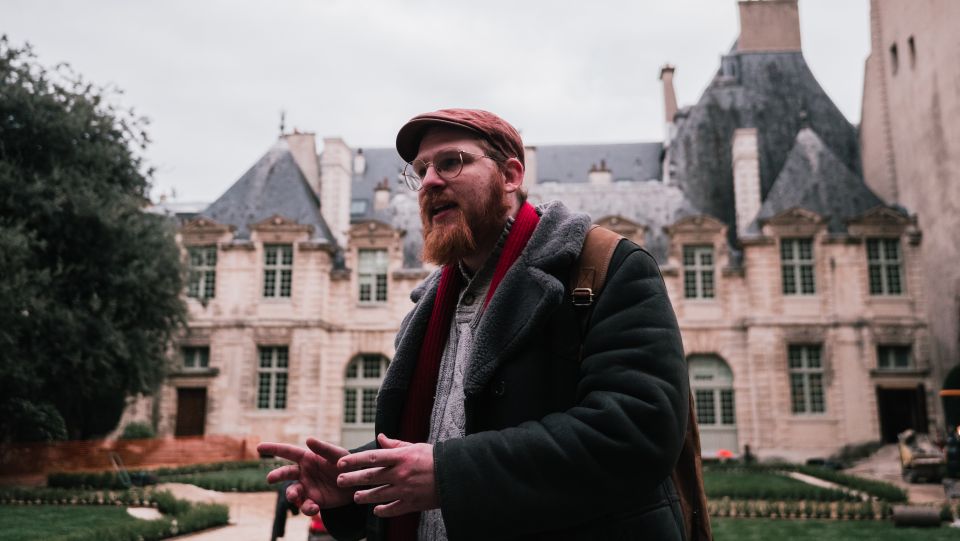
- Guides bring the scenes to life with vivid, in-context explanations (often with a first-person storytelling style).
- Varied stops and small details help you notice what you’d normally walk past.
- A built-in rest moment shows up mid-tour on some days, which matters on a longer central-city walk.
Why This 2-Hour French Revolution Walk Works Better Than “Dates and Names”
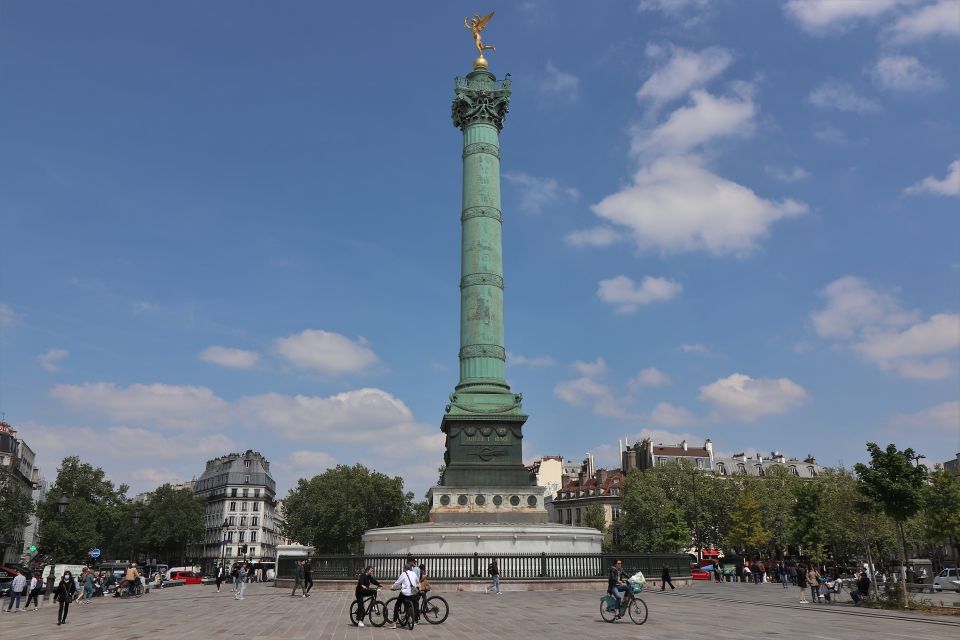
French Revolution tours often suffer from the same problem: they turn into a classroom, and your feet get bored. This one keeps the focus on what the revolution felt like as it accelerated—fear, rumor, power grabs, and sudden reversals—while still anchoring you to real places.
You also get a practical advantage. Paris is big, and the story is huge. In 2 hours, you’re not trying to master every figure and faction. Instead, you’re learning enough to understand why the revolution took the turn it did—and why the streets around central Paris mattered.
Another plus: the tour is offered in English with a live guide, so you’re not stuck piecing together fragments from signage. And because it’s a walking tour, you’re always orienting yourself. You leave with a mental map of the events, not just a list of names.
You can also read our reviews of more walking tours in Paris



Starting at the Fontaine au Sphinx: Getting Your Bearings in Châtelet
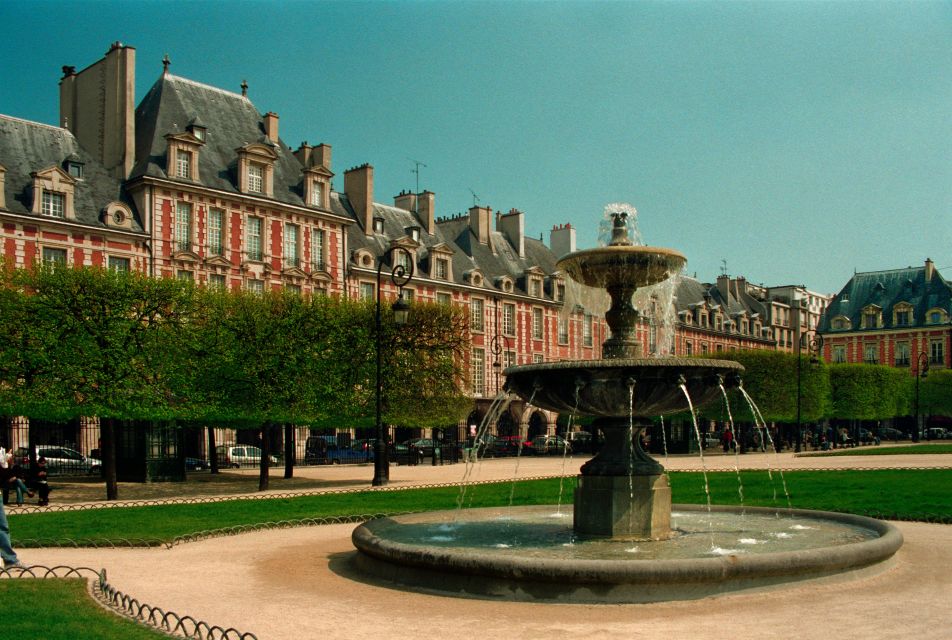
You meet your guide in front of the Fontaine au Sphinx on Place du Châtelet. That matters more than it sounds. Châtelet sits right in the “this is where Paris connects” zone—so you can actually build a route in your head as the walk progresses.
Place du Châtelet also acts like a story reset button. Instead of starting at a museum, you start in the kind of public square where crowds, messengers, and rumors would have traveled quickly. Even if the exact street life today is different, the logic of public space is the same.
Here’s what I recommend for your first minute: take a breath, look around, and get your bearings fast. Then listen for the guide’s framing. The best guides on this tour (people like Louis and Francois are named frequently) set expectations early: what you’ll understand by the end, and which themes will matter most as the story tightens.
The Revolution as a Street-Level Mystery: Conspiracy, Intrigue, and the Guillotine
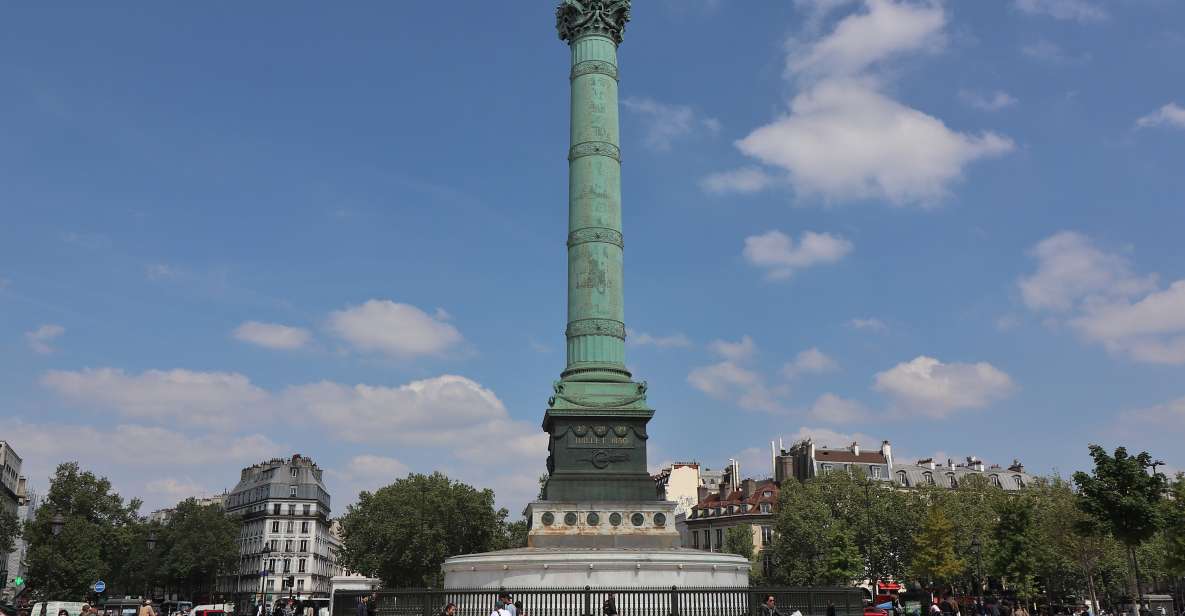
The headline theme is the revolution’s darkest side: conspiracy, intrigue, mystery, and mass murder. That’s not light entertainment, but the tour’s strength is that it gives context without losing momentum.
A highlight built into the tour is the way the story connects high-profile royal figures to the machinery of punishment. You’ll hear how moments involving Louis XVI and Marie Antoinette connect to the broader shift in power. This isn’t just courtroom drama. It’s a lesson in how quickly “justice” can become political theater.
The tour also includes a storyline built around a dark prophecy that leads to the demise of a key revolutionary. Even if you already know the broad outline, you’ll appreciate how the guide positions it—why it mattered to contemporaries, and how rumor and expectation shaped decisions in the moment.
If you’re the type who worries that dark topics will turn into grim lectures, don’t. The best guides keep it human: who wanted what, who feared what, and how that pressure showed up in public life. People often mention guides condensing a complicated subject into a form that fits a 2-hour walk, which is exactly what you need here.
Following the Lead-Up to 14 July 1789 Without the Dry Class Notes
One of the tour’s most satisfying strengths is the sense of a step-by-step buildup. You’re not just dropped into the final explosion. You get a day-by-day feel for the lead-up to the storming of the Bastille, which is where many history books jump ahead.
This is where the “walking” element does real work. As you move from stop to stop, the revolution stops feeling like a timeline in a textbook. It starts feeling like a chain reaction happening in real space—streets where people gathered, argued, and reacted.
You may also notice attention paid to everyday Parisian settings like churches and surrounding areas. One guide-style note that comes up: walking past religious architecture while explaining the revolution’s impact on institutions and public life. That contrast helps you see that the revolution wasn’t only about politics; it also reshaped culture and authority.
Is it perfectly chronological? Not always, and that’s not necessarily a dealbreaker. The better approach on a short tour is sometimes thematic: the guide keeps the story coherent even if the route bends slightly. You’ll still come away understanding the arc.
The “Big Finish” Moment: How the Story Lands Near the Bastille
Tours that start with the climax and then rewind often feel anti-climactic. This one tends to build toward the end. People describe the final stretch as a strong setup leading into the storming of the Bastille, which is exactly how you want your memory to work.
Think of it like pacing a thriller. Early stops give you characters and motives. Middle stops explain how the system cracked. The closing section then connects the dots so you can feel why that final breaking point happened.
In a 2-hour format, the guides also have to manage sound and street noise. Central Paris can be loud. The tour’s structure still works because the guide’s job is to keep you oriented—what you’re looking at and why it matters to the story right there, not three stops later.






Pace, Stops, and the Reality of Central Paris Walking
A walking tour is only as good as its pace. This tour generally keeps things moving so you don’t feel like you’re watching the Revolution from a curb. At the same time, it’s paced to fit the time—so you’re not stuck sprinting between stops.
You’ll likely find stops varied and story-driven, with small objects and details used as triggers for bigger explanations. That technique is smart in a place like Paris, where it’s easy to walk past history without noticing it.
Some groups also mention a comfort break in the middle, which I’m glad exists. Two hours in central Paris can add up fast, even when you’re enjoying it.
Here’s the practical takeaway: wear shoes you’d actually walk in for two hours without bargaining with blisters. And if you’re sensitive to crowds, go in with the expectation that you’ll share space with normal city life.
English-Language Delivery: Guides Who Answer and Adjust
The tour is led by a live guide in English, and that’s a big deal for this topic. The French Revolution is filled with names, ranks, slogans, and shifting alliances. A good guide doesn’t just translate—they explain.
From the variety of guides named in different bookings—Fran, Guillaume, Ilan, Sam, and others—you can see a pattern in delivery style: clear speaking, strong structure, and frequent room for questions. People also note that guides aim to be accurate while still telling a compelling story, and that they’ll answer tangents when time allows.
If you’re the kind of traveler who likes to ask, this tour tends to work well. The guide can steer you back to the central narrative without shutting down curiosity. That keeps the walk feeling like conversation, not a monologue.
Price and Value: Is $46 Worth It for a 2-Hour Story Walk?
At $46 per person for a 2-hour guided walking tour (with a guide included), you’re paying for two things: interpretation and time efficiency.
Interpretation is the big one. You could spend days reading about the French Revolution and still struggle to connect it to specific streets. Here, you’re buying a guide who makes the connections for you in real time.
Time efficiency is the second one. Paris has so many museums and major sights that it’s hard to add history in a way that doesn’t feel like homework. A short walk like this gives you a high return on time: you leave with context and a mental map you can use later when you see other sites.
Does it cover everything? No. That’s the trade. But if your goal is to understand the arc—especially the build toward the Bastille—this price feels in line with what you’re getting: a structured story, multiple stops, and a guide who keeps the pace.
If your schedule is flexible, you also get peace of mind with the free cancellation up to 24 hours in advance, so you can book without panicking if plans shift.
Who This Tour Is Best For (and Who Might Want Something Else)
This is a great pick if:
- You want the French Revolution explained in plain language, with street-level context.
- You like narrative history—stories with cause and effect.
- You’re short on time and want one focused experience around the 1789 upheaval.
It’s less ideal if:
- You want a deep, monument-by-monument itinerary with every associated landmark discussed in detail.
- You prefer history that stays mostly political and avoids the brutal realities of the era.
For families and mixed-age groups, the tour also has appeal. Some bookings include teenagers and adults together, and the common thread is engagement. The pacing and story approach help keep different attention spans hooked.
If you’re traveling with mobility needs, the tour is marked wheelchair accessible. Still, it’s a walking tour in a real city, so you’ll want to consider sidewalks and street conditions on the day.
Quick Practical Tips Before You Go
- Arrive a few minutes early so you don’t have to scramble near the meeting point at Fontaine au Sphinx, Place du Châtelet.
- Since it’s a walk, plan for city sounds and normal crowd movement around central Paris.
- Bring water if you’re traveling in warmer months. Even a short tour can feel long without a sip break.
- If you care about accuracy and nuance, ask your guide questions early. The best guides keep explanations tight and respond well.
- If you’re sensitive to heavy topics, mentally prep for the guillotine and mass-murder realities. The guide frames them as part of the revolution’s mechanisms, not shock value.
Should You Book the Paris French Revolution Walking Tour?
Yes, if you want a high-impact introduction to the French Revolution that connects the story to real Paris streets. This is the kind of tour that helps you understand why people acted the way they did, not just what happened.
Book it especially if you’re the type who likes to leave a tour with something you can use immediately—like a clearer timeline of the lead-up to the Bastille and a better sense of how central Paris shaped events.
Skip it only if you want a full, exhaustive site-by-site checklist. For that, you’d need more time and more specialized stops. But for many first-time Paris visitors, this 2-hour walk is exactly the right hit of history.
FAQ
Where do I meet the guide?
Meet your guide in front of the Fontaine au Sphinx on Place du Châtelet before the tour starts.
How long is the tour?
The tour lasts 2 hours.
Is the tour in English?
Yes, the live tour guide speaks English.
What’s included in the price?
The price includes a walking tour and a guide.
What should I bring since there’s no hotel pickup?
You’ll need to get yourself to the meeting point. The tour does not include hotel pickup and drop-off.
Is there free cancellation?
Yes. You can cancel up to 24 hours in advance for a full refund.
Is this tour wheelchair accessible?
Yes, it’s listed as wheelchair accessible.