REVIEW · PARIS
Montmartre Guided Walking Tour: Famous Artists and Cabarets
Book on Viator →Operated by StellarTours · Bookable on Viator
Montmartre feels like a stage set with real history underneath. This private walking tour strings together the neighborhood’s most famous names—Moulin Rouge, Van Gogh, Picasso, and Sacré-Cœur—plus the quieter spots that explain how artists and performers shaped Paris. I like that it’s private, so you’re not stuck with a slow group shuffle, and I also like that you get the stories behind the buildings, not just photos on a phone.
Second, the pace is adjustable. Guides like Alberto and Florence are known for clear, easy-to-follow explanations, and they’ll often help you understand what you’re actually looking at as you walk.
One consideration: this is still a walking route, and it finishes at Sacré-Cœur on the hill. Plan for some uphill steps, and remember there’s no hotel pickup, so you’ll need to get yourself to the meeting point near Starbucks.
In This Review
- Key highlights worth your time
- Montmartre’s art-and-cabaret story in just 2 hours
- Meeting at Place Blanche: start where the neighborhood opens up
- Moulin Rouge first: the Can-Can legend and the names behind it
- Van Gogh’s house stop: Vincent and Theo in context
- Le Moulin de la Galette: windmills that inspired art
- Le Bateau-Lavoir and Picasso: where a style shift begins
- The Dalida statue: a surprising Louvre pyramid link
- La Maison Rose: the coffee-and-writers angle
- Au Lapin Agile: old cabaret tales, including Lolo the donkey
- Clos Montmartre vineyard: Roman-era roots and a viewpoint break
- Place du Tertre: the center of the artist square
- Finishing at Sacré-Cœur: the hilltop payoff and inside visit
- Price and value: what $152.97 buys you
- Who this tour suits best (and who might want another plan)
- Should you book this Montmartre guided walking tour?
- FAQ
- How long is the Montmartre guided walking tour?
- What does the tour cost?
- Is this tour private?
- Where does the tour start and end?
- What’s included, and what isn’t?
- Are there admission tickets needed for the stops?
- Can I get a full refund if I cancel?
Key highlights worth your time
- Skip the map and focus on what matters with a private, guided route through Montmartre
- Moulin Rouge + Can-Can stories tied to the regulars who made the cabaret famous
- Van Gogh and Theo Van Gogh’s apartment connection, explained where you can see the context
- Picasso’s Montmartre chapter, including Bateau-Lavoir and the shift toward Cubism
- Place du Tertre’s living artist square, where portrait work happens in real time
- Sacré-Cœur views at the end, with the option to go inside after the walk
Montmartre’s art-and-cabaret story in just 2 hours
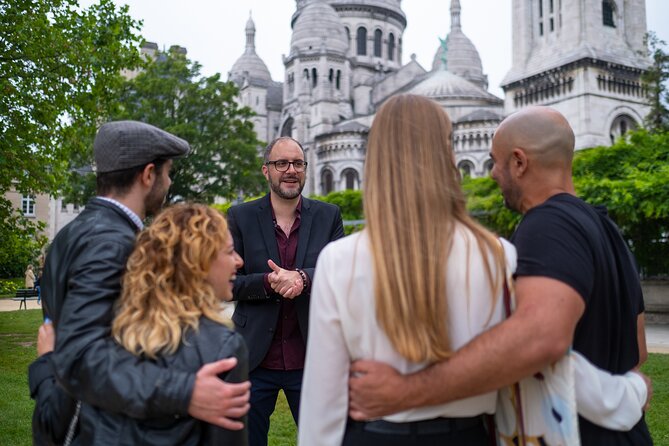
Montmartre can feel like it’s all about landmarks, but this tour keeps the emphasis on how the area became a magnet for artists and performers. You’ll move through places tied to painters, writers, and nightlife—so the neighborhood starts to make sense fast.
Because it’s a private walking tour, you’re not rushing through a checklist while everyone else lags. Your guide can slow down when something clicks, or move quicker if you’re hungry for more street views.
And yes, the famous spots are here. But the real win is that the guide connects them—Moulin Rouge, windmills, and the little corners where big art ideas got sparked.
You can also read our reviews of more walking tours in Paris



Meeting at Place Blanche: start where the neighborhood opens up
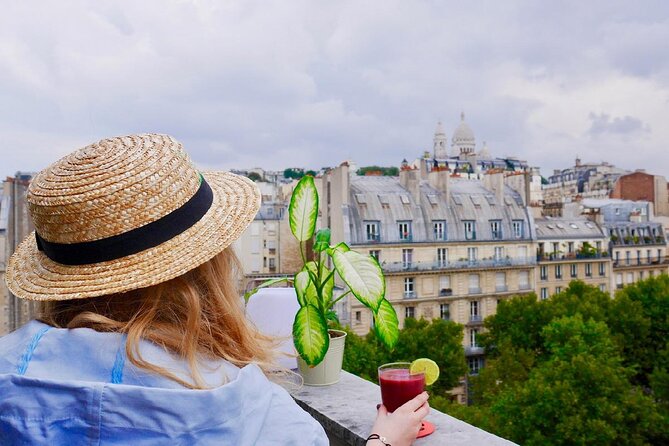
The tour starts at Starbucks, 5 Pl. Blanche (75009). It’s a simple, easy-to-find meeting point, and it helps you get going without hunting for a specific street corner.
Since hotel pickup isn’t included, I recommend planning how you’ll get there ahead of time. Montmartre can be confusing on foot, and having the route start anchored at a familiar place makes a difference.
You’ll also finish at Sacré-Cœur Basilica, 35 Rue du Chevalier de la Barre (75018). That matters because you end where the views are, which also means you’ll want a plan for getting back down after.
Moulin Rouge first: the Can-Can legend and the names behind it
You begin with the Moulin Rouge area. You’re not paying for entry here; the stop is marked as free. Instead, your guide focuses on the cabaret’s stories—especially the Can-Can dancers and the artists who were regulars.
This is a smart opening stop. Moulin Rouge is one of those places people know from posters and movies, but it can feel like a blur from the outside. Starting here gives you a framework for everything you’ll see next.
It’s also a good moment to orient yourself. The neighborhood gets steep and twisty, so the earlier the guide explains the layout, the less you’ll feel like you’re wandering.
Van Gogh’s house stop: Vincent and Theo in context
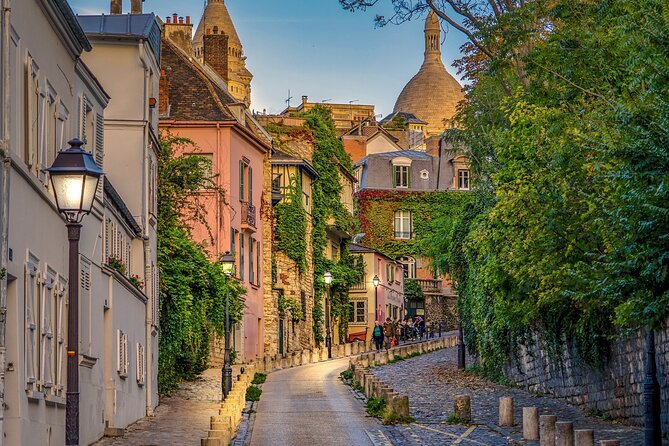
Next is Van Gogh’s house. The tour points you toward the connection to Vincent and Theo Van Gogh’s apartment. Your guide ties their story to what was happening around them, not just the artist’s famous works.
Why this works: Van Gogh is often taught as a standalone genius. Here, you see him as part of a place—Montmartre as a creative ecosystem where artists rubbed shoulders and ideas traveled.
The stop stays quick, about 15 minutes. That keeps the tour moving while still giving you enough time to understand what you’re looking at.
Le Moulin de la Galette: windmills that inspired art
You then head to Le Moulin de la Galette, a Montmartre spot tied to windmills. Your guide explains how these windmills inspired artists and show up in their work.
This stop is valuable because it adds texture. After the big names (Moulin Rouge, Van Gogh), the windmills remind you that Montmartre wasn’t only galleries and cabarets—it had working landmarks that shaped the look of the neighborhood.
If you like connecting art to real geography, this is one of the most satisfying stops. It also helps when you’re later at viewpoints, because you can picture how the area used to look.
You can also read our reviews of more guided tours in Paris






Le Bateau-Lavoir and Picasso: where a style shift begins
Picasso’s Montmartre story is front and center at Le Bateau-Lavoir. The tour has you see where Picasso lived for many years, and your guide explains how his Parisian story helped transition toward Cubism.
What I like about this stop is the cause-and-effect approach. Instead of treating Cubism like an isolated breakthrough, you get a sense of how place, community, and experimentation supported it.
This is also a good moment to slow down mentally. Bateau-Lavoir is one of those names that sounds famous, but the real value is understanding why it mattered.
The Dalida statue: a surprising Louvre pyramid link
You’ll also stop at the Dalida statue. The explanation here is memorable: the famous singer is said to have inspired the construction of the Louvre pyramids.
This is the kind of detail that makes walking tours worth it. You’re not just collecting culture facts; you’re collecting weird connections that make Paris feel like one big web.
It’s a short stop, around 10 minutes, but the story sticks.
La Maison Rose: the coffee-and-writers angle
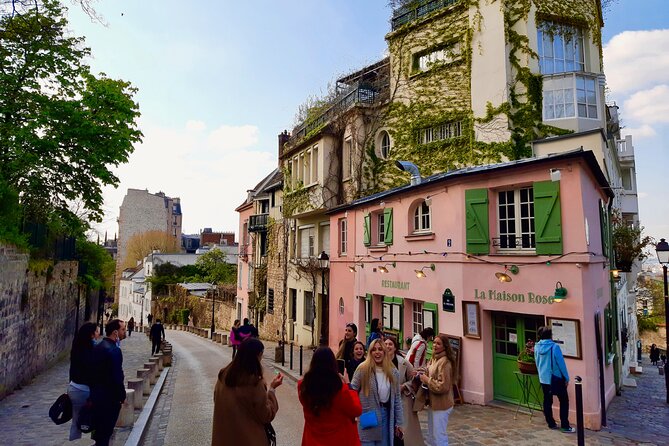
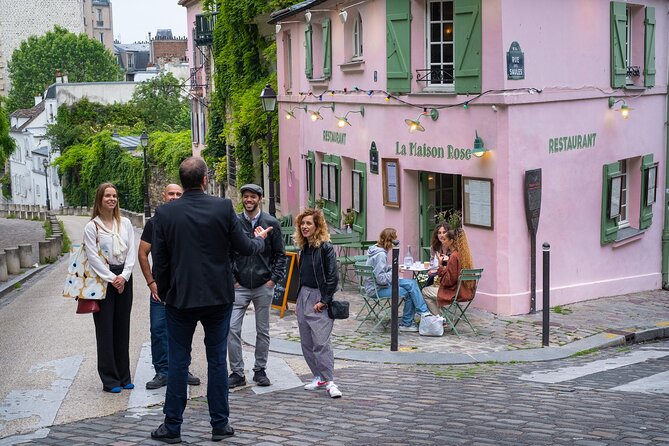
La Maison Rose comes next, the charming pink house known for serving coffee and food for over 100 years. Your guide also mentions its older role as a boarding house where writers and artists sought refuge.
This stop is a good reminder that art doesn’t only happen in studios. People need meeting places, late conversations, and a steady supply of caffeine.
It’s quick—about 5 minutes—but it gives you a real human scale to the neighborhood’s creative past.
Au Lapin Agile: old cabaret tales, including Lolo the donkey
Then you get to Au Lapin Agile, one of Montmartre’s oldest cabarets. The guide shares stories linked to figures like Picasso and Hemingway, and yes, even a donkey called Lolo.
This is a fun stop when you want Montmartre to feel like theater again. The place is famous, but your guide gives it personality by leaning into the eccentric legends that grew up around it.
It’s about 15 minutes, which is enough to hear the stories without turning it into a long detour.
Clos Montmartre vineyard: Roman-era roots and a viewpoint break
You’ll visit the Vigne du Clos Montmartre. Montmartre having its own vineyard is already a neat fact, but the tour also shares the lands wine-producing story dating back to the Roman Empire.
This stop works well as a breather. After the dense street scenes of cabarets and art squares, a vineyard and a view reset your eyes.
It also builds context for the final climb. When you later reach Sacré-Cœur, you’re not seeing Paris as a distant postcard—you’re seeing the place Montmartre overlooks from its own historic roots.
Place du Tertre: the center of the artist square
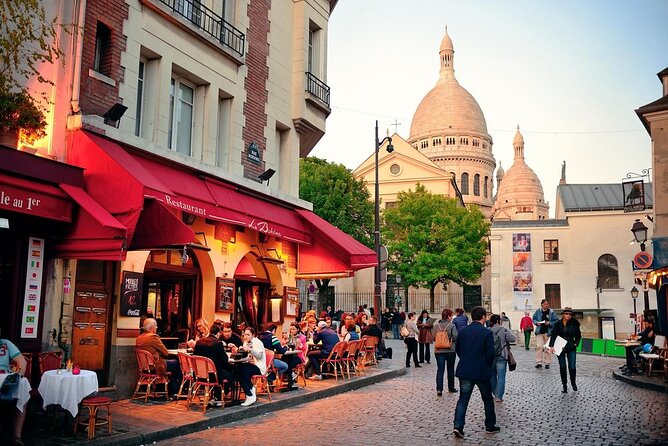
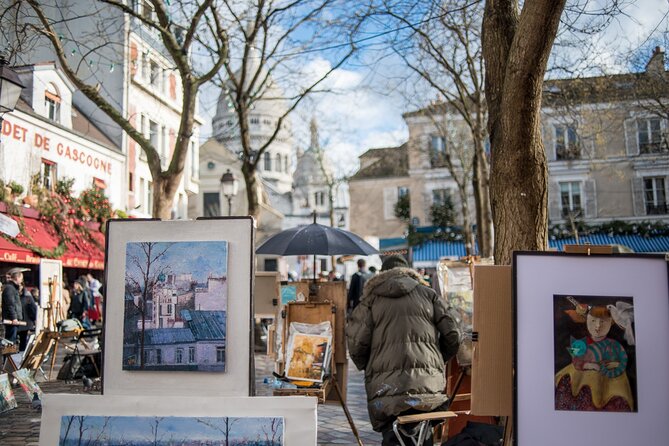
Place du Tertre is the neighborhood’s heart. Historically, artists painted nude models there, and today you’ll still see artists working in the square—portrait art and original pieces created right in front of you.
This stop is short (around 5 minutes), but it’s timed perfectly if you want to feel the atmosphere without losing your momentum. It’s also a great place to plan a meal or drink afterward, since the area is packed with restaurants and bars.
If you want souvenirs, this is where you’ll notice options first. Just keep your expectations realistic: you’re watching art get made, not buying a museum piece.
Finishing at Sacré-Cœur: the hilltop payoff and inside visit
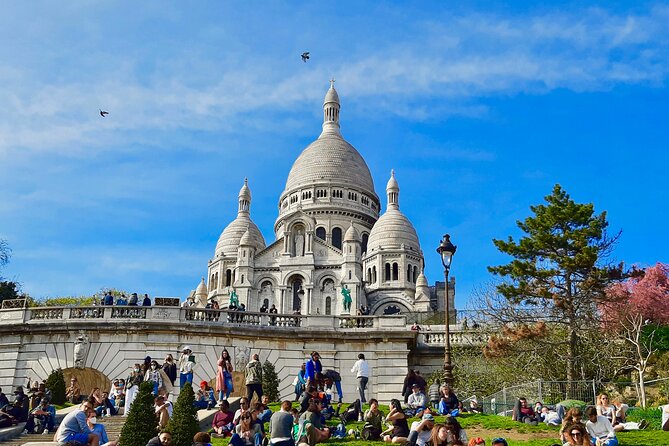
The last stop is Basilique du Sacré-Cœur de Montmartre. The tour ends in front of the basilica, with some of the best panoramic views over Paris from the hill. Your guide explains what you need to know about the landmark.
The time here is about 15 minutes, and then you can go inside after the tour. That inside visit is worth it if you enjoy architecture and want the atmosphere to shift from street energy to church calm.
This is also the toughest part physically. Even if the pace is flexible, you’ll feel the slope. If you’re managing mobility issues or you’re traveling with someone who tires quickly, this is the moment to think ahead.
Price and value: what $152.97 buys you
At $152.97 per person for about 2 hours and 15 minutes, this isn’t a bargain-basement option. But for a private walking tour with a certified expert guide, it starts to look fair.
Here’s why the value can be real for you:
- You’re paying for interpretation, not just movement between stops. The guide’s job is turning names like Van Gogh, Picasso, and Dalida into a coherent Montmartre story.
- You get a tighter route than you’d likely manage alone, especially in a neighborhood that can feel like it doubles back on itself.
- You can customize the pace and itinerary within the tour structure, which helps if you want photos, slower looking, or extra explanation at your favorite artist stops.
Also, the tour includes a mobile ticket, and the experience lists group discounts. If you’re traveling with a partner or small group, the cost per person may feel less painful.
Who this tour suits best (and who might want another plan)
This tour is a strong match if you like:
- Famous artists and cabarets, but you want the why behind the fame
- Walking routes where you learn as you go, not just read plaques
- A guided path through Montmartre that helps you connect the dots
It may be less ideal if:
- You want a purely self-guided experience with no storytelling
- You hate walking on hills and steps, since you finish at Sacré-Cœur
- You need hotel pickup, because that’s not part of the deal
If you’re comfortable using public transport and walking a bit, this is one of the more efficient ways to see Montmartre without turning your day into a map battle.
Should you book this Montmartre guided walking tour?
I’d book it if your goal is to understand Montmartre quickly: Moulin Rouge cabaret culture, Van Gogh and Theo’s connection, Picasso at Bateau-Lavoir, and the artist working square at Place du Tertre, capped by Sacré-Cœur views.
I’d think twice if you’re very price-sensitive or you want minimal walking uphill. In that case, you might prefer a shorter or more transit-assisted option.
Also, if you like personality in guiding, this company’s tours have shown they can be both relaxed and clear, with guides such as Alberto and Florence delivering explanations you can follow even if your French isn’t perfect. That alone can be a big part of making Montmartre feel worth your time.
FAQ
How long is the Montmartre guided walking tour?
It runs for about 2 hours and 15 minutes.
What does the tour cost?
The price is $152.97 per person.
Is this tour private?
Yes. It’s a private walking tour, and only your group participates.
Where does the tour start and end?
It starts at Starbucks, 5 Pl. Blanche, 75009 Paris. It ends at Sacré-Cœur Basilica, 35 Rue du Chevalier de la Barre, 75018 Paris.
What’s included, and what isn’t?
Included: a certified expert guide and a private walking tour. Not included: hotel pick-up or drop-off.
Are there admission tickets needed for the stops?
The stops listed are marked as admission ticket free. After the tour, you can also go inside the Sacré-Cœur basilica.
Can I get a full refund if I cancel?
You can cancel for a full refund up to 24 hours in advance of the experience start time. Canceling less than 24 hours before won’t be refunded.