Morning light in Paris changes everything. This private dawn running tour is a smart way to see top landmarks while you actually move, and your guide keeps the route practical so you spend less time stuck in crowds and more time enjoying the city’s early rhythm.
I especially love two things: you get a personal running guide who points out what to look for (not just where to stand for photos), and you pass major sights in a single loop so the day starts with momentum, not planning. You also get complimentary snacks and bottled water, which feels like a small luxury when you’ve been up early.
One possible drawback: this is a real jog in central streets, so you’ll want to be comfortable with sustained running and quick turns as the pace of the morning mixes with traffic and pedestrians.
In This Review
- Key Things to Know Before You Go
- Why Dawn Jogging Beats Regular Sightseeing in Paris
- The Route: Eiffel Tower, Louvre, and the Paris Between Them
- What you’ll notice at running speed
- The Tour Style: How a Personal Running Guide Changes Everything
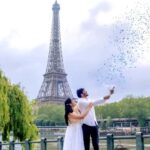
- Eiffel Tower First: What to Watch For on Your Approach
- Louvre Area to Seine Views: Fast History, Real Spatial Sense
- Grand Palais, Petit Palais, Concorde: Big-Entry Monuments Without the Big Crowds
- Invalides, Musée d’Orsay, Notre-Dame: The Route Turns Emotional
- Place des Vosges and the Town Hall Area: A Softer Landing
- Fuel, Water, and Pace: The Practical Side of Enjoyable Running
- Price and Value: Is $84.11 Worth It?
- Who This Sunrise Run Fits Best
- Weather and the Real-World Timing Factor
- Should You Book This Tour?
- FAQ
- FAQ
- How long is the running tour?
- Where does the tour start and end?
- Is this a private tour?
- What language is the guide in?
- What sights will we run near?
- Are snacks and water included?
Key Things to Know Before You Go
- Private, early morning pace: you only share the tour with your group, and you’re moving through Paris when it’s calm.
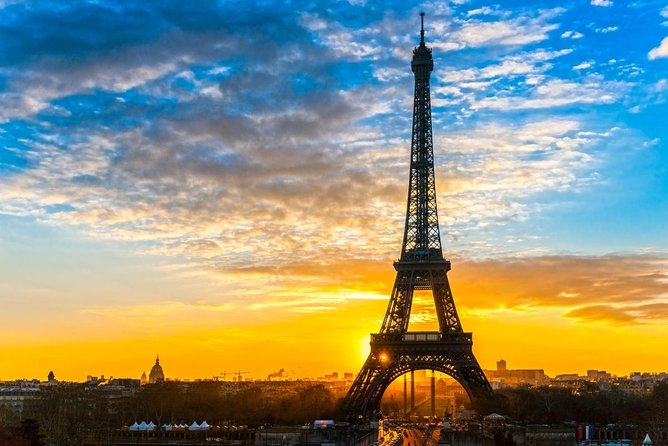
- Guide-led sight focus: your route hits famous landmarks like the Eiffel Tower and the Louvre, with context about what you’re seeing.
- Central Paris route: you’ll run near a long list of landmarks, including the Seine, Musée d’Orsay, Notre-Dame, and Place des Vosges.
- Fuel included: complimentary snacks and bottled water keep you comfortable after the run.
- Best when you like structure: this is ideal if you want a plan for your workout that also teaches you how to read the city.
Why Dawn Jogging Beats Regular Sightseeing in Paris
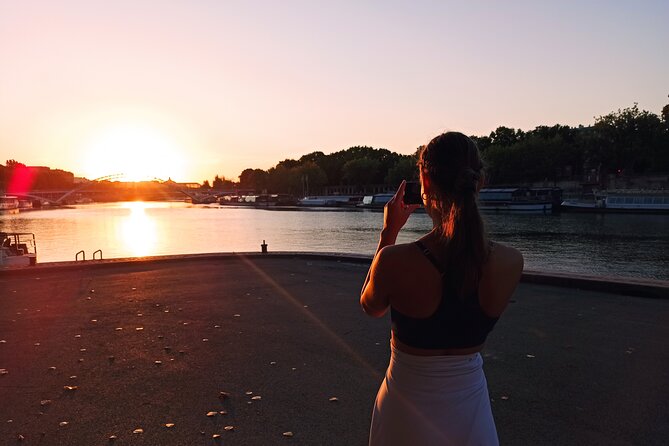
Paris is gorgeous in the morning, but it’s also easier. At dawn, street noise is lower, sidewalks feel less crowded, and you’re less likely to lose time waiting behind groups. You still get the big-ticket sights, just with breathing room.
What makes this tour work is that it’s built around movement. You’re not “touring” like a museum line; you’re running through neighborhoods and monuments, so you naturally connect landmarks to streets, bridges, and viewpoints. That connection sticks with you longer than a quick photo stop.
It also helps that the guide sets the tone. In the reviews, Ludovic comes through as the person who makes the experience fun and full of small surprises, while still keeping pace and safety in mind. You’ll feel like you’re training, but also learning how Paris works.
You can also read our reviews of more tours and experiences in Paris.

The Route: Eiffel Tower, Louvre, and the Paris Between Them
You start in central Paris near 2 Rue Brisemiche, 75004. From there, your run shapes into a classic Paris arc, with landmark after landmark sliding by at runner speed. You end back at the meeting point, which makes it easy to plan the rest of your day.
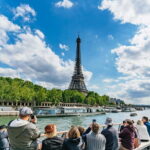
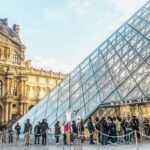
The tour’s “greatest hits” run is designed to pack a lot into about two hours. You’ll be near the Eiffel Tower early on and then sweep across major cultural and historic zones. Along the way you run past or beside major sites such as the Pompidou area, the Louvre, the Tuileries Gardens, Place de la Concorde, the Grand Palais, the Petit Palais, and the Seine.
As you keep moving, the route widens into a full central-city loop. Expect to pass the Trocadéro area, the Museum Branly area, the Russian Orthodox Church, and the Invalides area. Then you’ll run near the National Assembly, the Musée d’Orsay, Notre-Dame de Paris, and the Town Hall area, with Place des Vosges on the route too.
What you’ll notice at running speed
When you’re jogging, you see different details than you would standing still. You catch how buildings frame streets, how bridges line up with viewpoints, and how crowds thicken as the morning progresses. That’s the quiet value here: you’re learning Paris as a place to move through, not just a place to look at.
The Tour Style: How a Personal Running Guide Changes Everything
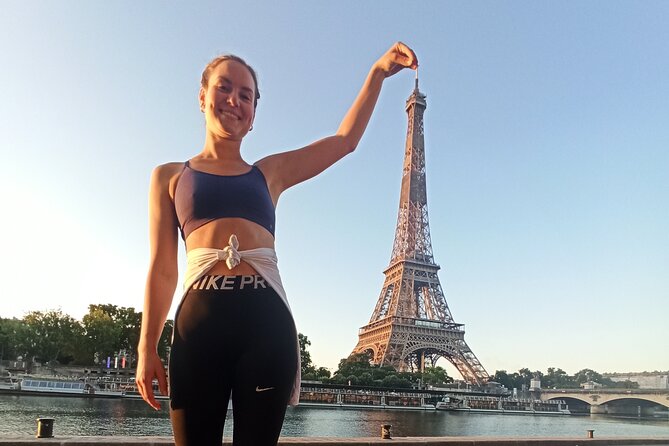
This tour isn’t just about exercise. The guide is there to translate the city into something useful while you move.
Ludovic’s style, as reflected in the feedback, is part coaching and part local storytelling. You’re likely to get tips that help you later, like how to structure your sightseeing days, where to look for key landmarks, and how to slow down for photos without falling behind. There’s also mention of sharing helpful guidance on WhatsApp, which can be a practical way to keep your questions answered while you’re still in Paris.
If you like to travel with a plan, this guide format is ideal. Instead of wandering and guessing, you run a route that’s already chosen for you. If you’re more independent, you’ll still appreciate the structure because it keeps you from spending your limited time in transit.
Eiffel Tower First: What to Watch For on Your Approach
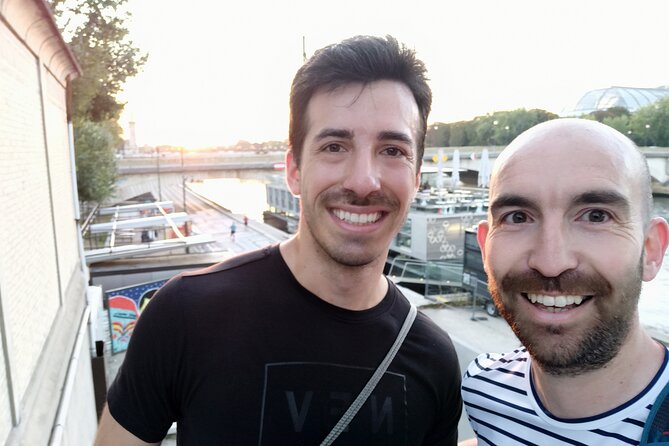
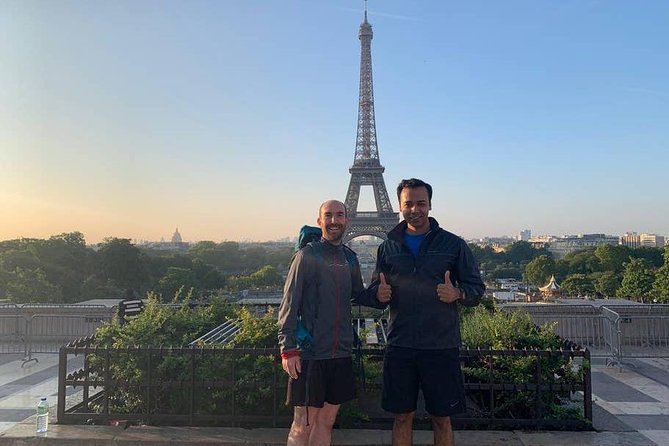
The Eiffel Tower is the obvious headline, and it’s also a smart first landmark. Hitting it early gives you a sense of arrival before the city gets busy. Even if you’ve seen it before in pictures, the scale reads differently when you’re moving along the streets beneath it.
As you run near the Eiffel Tower area, pay attention to how the tower lines up with the river and the main boulevards around it. The morning light can make those lines crisp, and your runner pace lets you notice building layers that you’d miss from a single static viewpoint.
If you want to turn this into a mini-photo moment, do it quickly. The goal is to keep your jog going, then take a short look as you pass. You’re not losing the tour by skipping long stops; you’re just saving your energy for later sightseeing.


Louvre Area to Seine Views: Fast History, Real Spatial Sense
The Louvre Museum is another natural anchor point. It’s not just about the museum itself; it’s about what surrounds it. The central corridor from the Louvre toward the Tuileries Gardens is where Paris feels like it’s organized around grand axis views.
As you run near the Louvre and the Tuileries Gardens area, watch for the way the palace space opens and closes as streets intersect. At dawn, the park edges feel calmer, and you can often get a better sense of the geometry than you would later.
Then you swing toward the Seine and the stretch that includes the Trocadéro area. This is where running through Paris starts to feel like moving through postcard layers. You’ll be near viewpoints that connect the river to major monuments, and it’s a good moment to mentally map where you’ll want to return later—maybe for a longer walk in the afternoon.
Grand Palais, Petit Palais, Concorde: Big-Entry Monuments Without the Big Crowds
Places like Place de la Concorde and the Grand Palais area are huge signals that you’re in the heart of the city’s grand architecture. Running near them gives you a quick education in scale and design language—columns, facades, and the way streets funnel toward major civic spaces.
The upside of jogging here is the rhythm. You’re moving through a sequence of landmarks, so you learn how the city’s “important spaces” connect. The drawback is that you won’t have time for deep museum-level details. If you want close-up art history, you’ll still need separate time later. The tour is about orientation and context.
Also, morning light helps. Those long facades and open squares tend to look more defined when the sun is lower. You’re basically getting a first draft of the city’s visual identity before your brain gets overloaded with later impressions.
Invalides, Musée d’Orsay, Notre-Dame: The Route Turns Emotional
When the run heads toward the Invalides area and then toward Musée d’Orsay, the vibe shifts from “grand official spaces” to “story spaces.” That’s when it starts to feel like Paris has moods, not just sights.
Running near the Invalides area gives you a sense of how the city organizes ceremonial buildings. Then Musée d’Orsay and the wider central river zone help you connect art and architecture to actual streets and bridges.
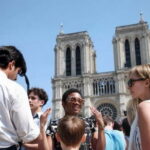
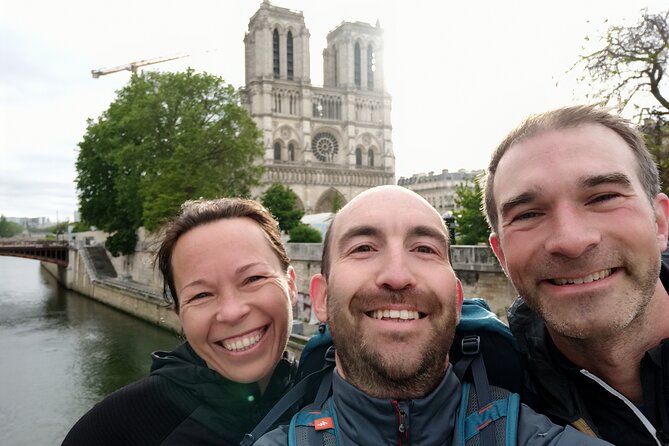
Notre-Dame de Paris on the route is another emotional checkpoint. Seeing it from the move—rather than from a single photo spot—helps you understand how it sits within the city. You get a better mental model for where viewpoints come from and how the surrounding streets feed into it.
One practical note: because this part of the route is central and landmark-heavy, expect more foot traffic as the morning progresses. That’s normal, and the guide’s job is to manage it, but your pace may feel a touch more stop-and-go near dense areas.
Place des Vosges and the Town Hall Area: A Softer Landing
Not every great sight run needs to end with more monument intensity. Near the Town Hall area and Place des Vosges, the route turns into something more human-scaled and charming.
Place des Vosges is known for its balanced, symmetrical design. Jogging near it helps you appreciate why people love lingering there. The streets feel calmer in comparison to the ultra-broad avenues earlier in the route, and you can sense the change without needing to slow down.
You’re still running, but this is a good emotional “landing strip” before you return to the meeting point. If you plan a later walk, this is a great mental cue for where you might want to circle back.
Fuel, Water, and Pace: The Practical Side of Enjoyable Running
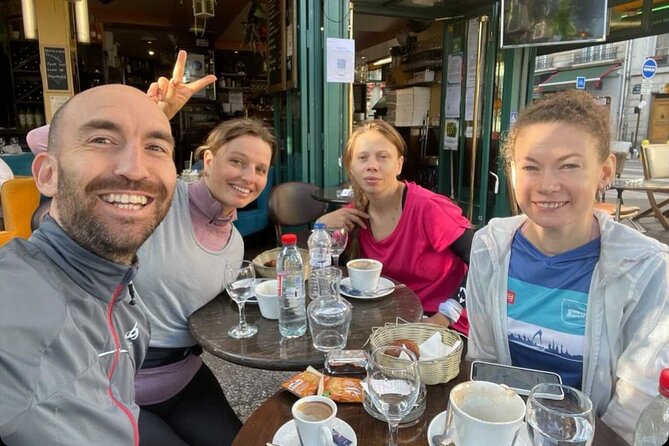
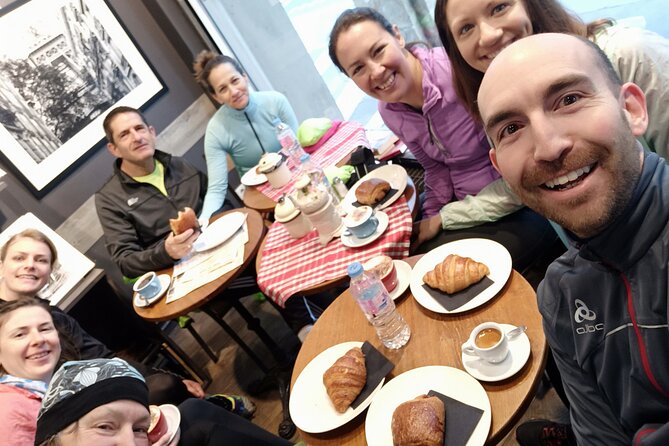
A tour like this can be either inspiring or draining depending on pacing. The best part here is that you get snacks and bottled water included. That means you’re less likely to feel shaky right after the run, and you can keep moving through your day afterward.
The tour runs for about two hours, which is long enough to feel like real exercise but short enough that you can still enjoy the rest of Paris without collapsing. Based on the feedback, the experience works well if you enjoy running about a 10K or more worth of effort, even if you’re not a hardcore racer.
If you’re new to jogging while traveling, keep it simple: pick a comfortable pace you can maintain through landmarks. The tour is private, so there’s no need to sprint to stay with a group. Your guide also tends to pay attention to pace and the needs of guests, so you should feel supported.
Price and Value: Is $84.11 Worth It?
At $84.11 per person for roughly two hours, you’re paying for three things at once: a private guide, a curated early-morning route, and included refreshments. That combination is the real value.
If you were to try to do this on your own, you’d have to solve for two problems. First, you’d spend time mapping a good loop through central monuments. Second, you’d lose the benefit of someone pointing out what to look for and giving tips that make your whole trip easier.
With a private format, the guide can keep the experience tailored to your group’s needs. That matters on a day where you’re trying to run hard enough to feel good, but not so hard that sightseeing becomes stressful. For many people, paying a bit more here means saving a lot of time and decision-making later.
So, is it worth it? If you want a workout plus a guided orientation of major Paris sights in the morning, yes. If you only want museum-level details, you’ll likely want separate attractions later.
Who This Sunrise Run Fits Best
This is a great match if you:
- like running and want your workout to feel like an experience, not just exercise
- want a first-map of central Paris without the chaos of later hours
- enjoy learning small practical travel tips while you’re moving
- prefer a private group format instead of a large bus-style tour
It’s also a good fit if you’re the kind of traveler who returns to places later. The route helps you decide what deserves a longer look after you’re back on foot.
If you’re not comfortable jogging or you want lots of long stops, you might find the pace limiting. The tour is designed for momentum.
Weather and the Real-World Timing Factor
This experience requires good weather. Paris can be unpredictable, so if conditions aren’t right, your schedule may shift or you may get a different date or a full refund. It’s worth thinking of this like a morning window, not a guaranteed routine.
Also, because the run is early, plan your day around it. After the two-hour workout, you’ll likely be hungry, then ready to explore. Snacks and water help, but your appetite still catches up with your ambition.
Should You Book This Tour?
I recommend booking this if you want to start your trip with a workout that also teaches you how Paris connects. The biggest strength is the blend: a private dawn jog through famous landmarks, guided by Ludovic with local tips, plus practical fuel afterward.
Don’t book it if you want slow, linger-everywhere sightseeing or if you’re not comfortable with a sustained run. For the right traveler, though, this is one of the best “two birds, one run” ideas in Paris—exercise now, orientation for the rest of the trip, and a morning you’ll remember.
FAQ
FAQ
How long is the running tour?
The tour lasts about 2 hours.
Where does the tour start and end?
The tour starts at 2 Rue Brisemiche, 75004 Paris, France, and it ends back at the same meeting point.
Is this a private tour?
Yes. It is a private tour/activity, and only your group will participate.
What language is the guide in?
The tour is offered in English.
What sights will we run near?
You’ll run next to many central Paris landmarks, including the Pompidou center, the Louvre Museum, the Tuileries Gardens, Place de la Concorde, the Grand Palais, the Seine, the Trocadéro, the Eiffel Tower, Musée d’Orsay, Notre-Dame de Paris, and Place des Vosges, among others.
Are snacks and water included?
Yes. Complimentary snacks and bottled water are included.