REVIEW · PARIS
Bastille’s Architecture & Artisans Self-Guided Walking Tour
Book on Viator →Operated by Vidi Guides · Bookable on Viator
A walk through Bastille feels like a shortcut to context. This self-guided audio route helps you connect Revolution-era landmarks with today’s artisan neighborhood, with narration recorded by a local historian (and anchored by Juan’s on-the-ground commentary). I especially like that it’s flexible—you can pause and wander—and that the route is short enough to fit a half-day. One drawback to watch for: you’ll want your phone set up in advance, including downloading the audio, since you need your own mobile device and earphones.
If you want Paris beyond the postcard stuff, Bastille is a smart pick. The stops run from Place de la Bastille to the Bastille Market area, then end at Coulée Verte René-Dumont, so you’re not bouncing all over town. The route is designed for a calm pace (about 45 minutes to 1 hour), and it works well even if you only have one chunk of time.
In This Review
- Key things I’d bet on
- Bastille in 60 minutes: where this route shines
- Starting at Place de la Bastille: the revolution anchor
- Rue du Faubourg Saint-Antoine: artisan roots you can still see
- Passage du Chantier: old-style architecture that rewards attention
- Fontaine de Charonne: history that blends, not freezes
- Square Trousseau: the green pause in the middle
- Bastille Market (Market d’Aligre/Beauvau): brocante-to-snack energy
- Coulée Verte René-Dumont: finishing with a forward-looking walk
- How to make the self-guided audio actually work
- When to go and how long to stay loose
- Price and value: why $17.88 isn’t just a bargain—it’s useful
- Who this tour fits best
- Should you book Bastille’s Architecture & Artisans Self-Guided Tour?
- FAQ
- How long does the Bastille Architecture & Artisans self-guided tour take?
- What is the starting and ending point?
- Is there an option to listen without Wi‑Fi?
- What language is the audio guide available in?
- Do I need to bring anything?
- Are the stops free to enter?
Key things I’d bet on
- Local-history audio recorded by a historian, with Juan explaining what to notice in each spot
- Free admission at the listed stops, so your budget stays in check
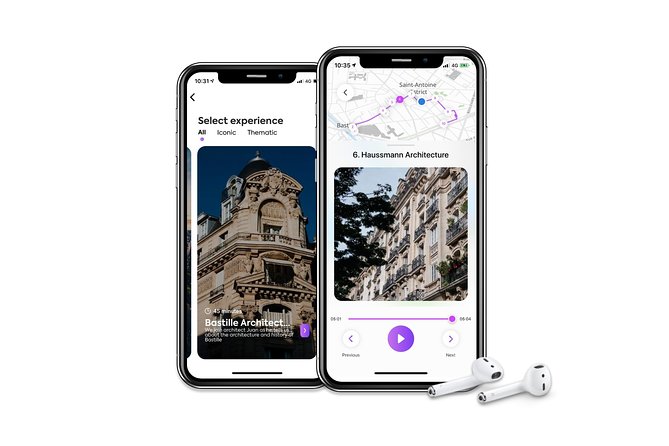
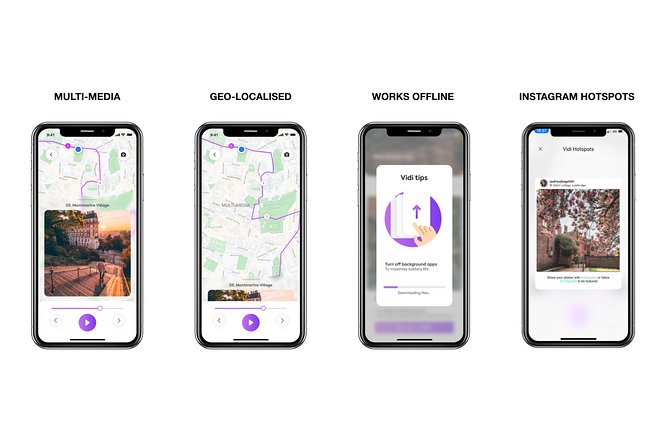
- GPS map and location aware guidance to keep you moving without constant backtracking
- Offline Mode lets you download in advance and listen without Wi‑Fi
- Photo-focused stops (including Instagram hotspots) to help you frame shots fast
- Small-group cap of 10 (even though it’s self-guided), which usually means less chaos around the starting area
Bastille in 60 minutes: where this route shines
Bastille is where Paris history and everyday life bump elbows. It’s not a museum day. It’s a street day. And that’s exactly why this tour works: you walk through real neighborhoods and get the story behind what you’re seeing.
You’re looking at a tight loop that’s easy to stitch into a larger Paris plan. The duration is about 45 minutes to 1 hour, so you can do it right after lunch, between longer sights, or as a warm-up walk before dinner. At the price point—$17.88 per person—it’s a low-risk way to add context to a part of town many people only pass through.
I also like the structure. Seven stops, each timed at around five minutes, plus a longer market stretch. That means you won’t get stuck listening to something while your feet beg for mercy.
You can also read our reviews of more walking tours in Paris



Starting at Place de la Bastille: the revolution anchor
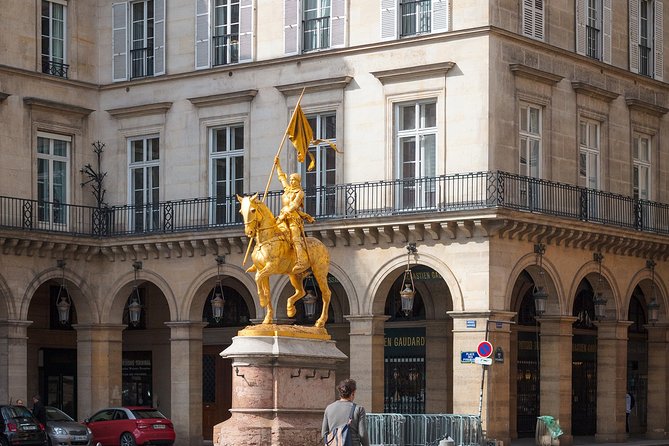
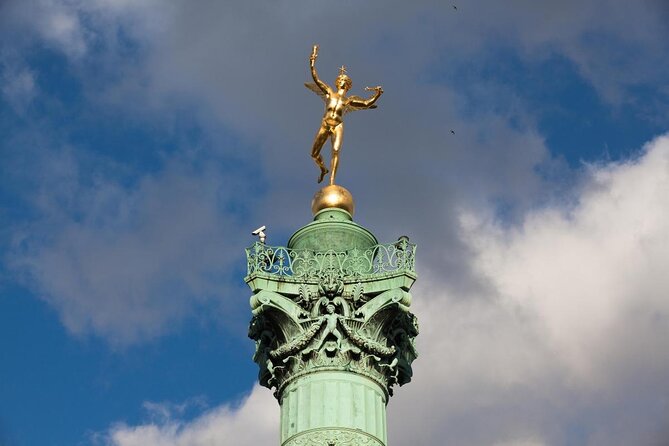
You begin at Place de la Bastille. This is the kind of Paris landmark that feels obvious once you’re there, but the audio helps you understand why it mattered so much in the French Revolution.
Here’s the practical value: this stop gives you a reference point before you move into smaller streets. When you later hear how the neighborhood’s identity ties into revolutionary energy, you’ll have a mental map of what the audio is connecting.
Tip: stand for a moment before you press play. Even without knowing every detail, take 30 seconds to look around—square layout, street directions, and how the area connects to the surrounding blocks. Then let the narration click you into place.
Rue du Faubourg Saint-Antoine: artisan roots you can still see
Next is Rue du Faubourg Saint-Antoine, one of those streets where the story feels stitched into the buildings and the street life. The audio focuses on the artisanal roots of the neighborhood and how that culture fed into revolutionary change.
Why I like this: it reframes Bastille. Instead of only thinking about political history, you’re encouraged to see the social and economic side—how skilled work, crafts, and daily life shape a place. Even if you’re not a history nerd, you’ll probably notice how the street feels practical and built for working rhythms.
One good approach here is to walk slightly slower than you think you need to. If you’re rushing, you’ll miss the “what to notice” cues from the audio.
Passage du Chantier: old-style architecture that rewards attention
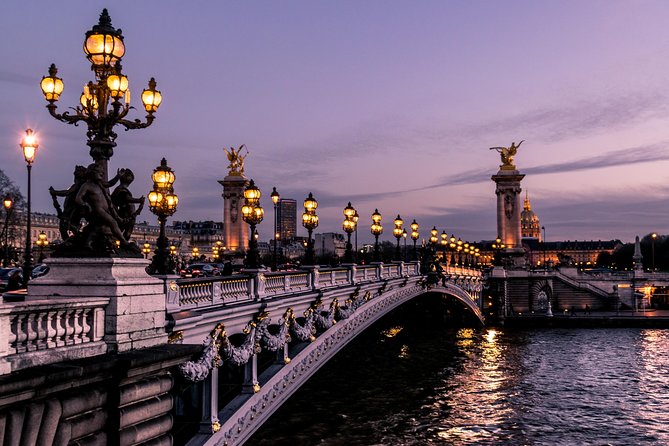
The tour then takes you into Passage du Chantier, where the audio pushes you to look at older architectural style in the Faubourg Saint-Antoine area.
This is where a self-guided format is a plus. In a guided group, you often get herded forward at a pace set by others. With this one, you can pause long enough to actually look. Small passages like this reward careful viewing: entrances, proportions, and the way the passage feels compared to the streets outside.
A small note: since this is location-aware, you don’t need to play “find-the-exact-corner” like you would with a paper map. But you still should give the GPS a second to lock in before you start walking quickly.
Fontaine de Charonne: history that blends, not freezes
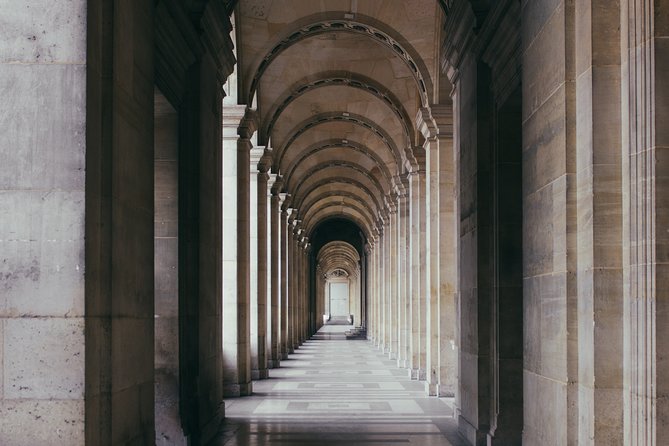
At Fontaine de Charonne, the narration highlights how an older fountain is preserved while still blending into present-day Paris.
This stop works well as a breather. You move from street to street, then suddenly you’re at something meant to be looked at—shape, texture, and placement in the urban scene. The practical takeaway is that Paris keeps layers. You’re not just seeing a relic; you’re seeing how the city carries it forward.
If you like photography, this is a decent moment for a close-up. Stand back once, then step closer for details. Don’t overthink it—just let the fountain be the subject.
You can also read our reviews of more guided tours in Paris






Square Trousseau: the green pause in the middle
Then comes Square Trousseau, a green oasis you’ll reach after the denser street sections. The audio treats it like more than a break area by explaining its history and why the space matters.
This is the spot where you’ll probably appreciate the tour’s pacing. After a series of urban stops, a small park gives your feet a reset and lets your mind catch up. You also get a chance to see the neighborhood in a different mood—quieter, less rush, more local.
If you’re timing this right, Square Trousseau is also a great place to check your phone battery. This tour relies on a mobile device, and you don’t want a low-battery surprise halfway through.
Bastille Market (Market d’Aligre/Beauvau): brocante-to-snack energy
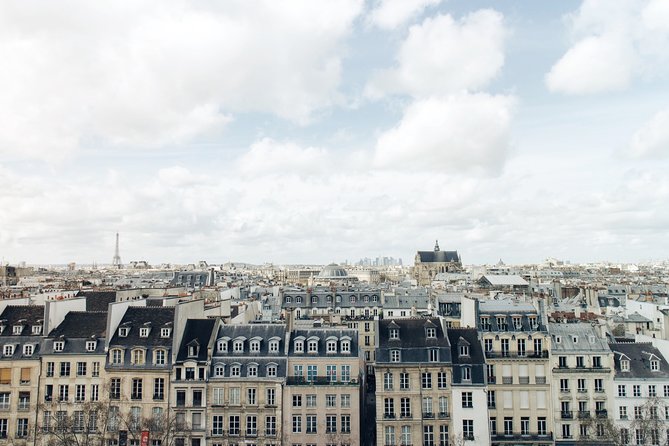
The tour’s longer stretch is Bastille Market, associated with the Market d’Aligre/Beauvau area. This stop is built around the atmosphere: brocantes, browsing, and local food.
This is where your self-guided freedom pays off. You can listen first, then wander with no guilt. Or you can skip parts of the audio if your attention is pulled by a stall. Either way, the route gives you a reason to focus: what to notice, where the vibe shifts, and how to enjoy the market without turning it into a checklist.
Practical advice: markets are tactile and visual, so earphones matter here. If you’re trying to read or glance at your phone constantly, you’ll break the flow. Use the audio during the first pass, then switch to pure browsing.
Coulée Verte René-Dumont: finishing with a forward-looking walk
You end at 1 Coulée Verte René-Dumont. This finish matters because it pulls you from neighborhood streets into a linear green space.
The audio wraps up the experience by recounting the past and pointing to its poetic present. Even without getting every historical reference, finishing here gives you a “what now?” moment—like the city is offering a way to continue walking and decompress.
If you’re pairing this with other sights nearby, this is a helpful landing zone. It’s a natural place to extend your walk, find a café, or head toward your next stop.
How to make the self-guided audio actually work
This experience lives and dies by your setup. It’s self-guided, so you’ll supply the mobile device and you’ll want your own earphones (not included). The good news is that it’s built with practical supports: Offline Mode and location aware GPS map.
Here’s what I’d do before you leave your hotel:
- Download the tour audio in advance for offline listening.
- Make sure the app has everything cached before you step away from Wi‑Fi.
- Bring a charged phone and consider a small power bank if your day is packed.
- Use earphones so you don’t have to keep your device at face level.
One more thing: the tour is listed as English. That’s helpful, but I still suggest using the first minute to adjust your volume. No one wants to miss key context because the audio was too quiet near street noise.
When to go and how long to stay loose
The route is open daily from 7:00 AM to 10:00 PM (per the provided schedule). For a walking tour like this, morning can feel calmer and easier on your pace. Late afternoon can be warmer for the photos and more alive for street atmosphere—especially near the market area.
Duration-wise, treat 45 minutes to 1 hour as a guideline, not a rule. The big advantage is that you can pause whenever something catches your eye. If a street feels worth slowing down for, do it. If you’re not in the mood for a particular stop, you can keep moving. That flexibility is one of the tour’s strongest selling points.
Also, the route is designed for most people to participate. It’s not described as overly technical—just a walk between specific points with audio prompts.
Price and value: why $17.88 isn’t just a bargain—it’s useful
At $17.88 per person, you’re paying for three things: the audio narration, the app experience (including offline mode and GPS), and the structure that ties the neighborhood together.
Where it feels like good value is the context. Bastille is full of recognizable locations, but without a guide, you might understand only the surface layer. The audio recorded by a local historian—and with Juan’s guidance—fills in why these places matter and what you should notice as you walk.
If you’re the type of traveler who normally reads a few plaques and calls it a day, this may feel like “almost too much.” But if you like history that connects to real streets, you’ll likely feel like it was worth it quickly.
Who this tour fits best
This tour suits you best if:
- you want a budget-friendly way to understand a neighborhood
- you like short walks with flexible timing
- you prefer learning through audio while you’re moving
- you want a market stop that doesn’t feel rushed
It may be less ideal if you want a human guide in real time. This is audio guidance, not a live escort. You’re steering, and the app is helping you navigate.
And if you’re the kind of person who hates tech steps, plan ahead. Get the offline audio downloaded before you start, and make sure you have the right hardware (device plus earphones).
Should you book Bastille’s Architecture & Artisans Self-Guided Tour?
Yes, if you want an easy, low-cost way to see Bastille as more than a name on a map. The route is short, the stops are varied (square, fountain, passage, market, green finish), and the audio is designed to give you context without locking you into a rigid schedule.
Hold off only if you know you’ll struggle with phone-based instructions. Since you need your own device and earphones—and because offline access matters—this works best when you can handle a little setup.
If you’re planning just one “neighborhood learning” walk in Paris outside the big-ticket museums, this is a strong choice.
FAQ
How long does the Bastille Architecture & Artisans self-guided tour take?
It takes about 45 minutes to 1 hour, based on the tour’s stop times.
What is the starting and ending point?
It starts at Place de la Bastille and ends at 1 Coulée Verte René-Dumont, 75012 Paris.
Is there an option to listen without Wi‑Fi?
Yes. The tour offers Offline Mode, so you can download the audio in advance and listen without Wi‑Fi.
What language is the audio guide available in?
The tour is offered in English.
Do I need to bring anything?
You’ll need a mobile device. Earphones are not included, so bring your own.
Are the stops free to enter?
The listed stops show free admission tickets (no paid entry is indicated for those points).