REVIEW · PARIS
Montmartre for Art Lovers – Walking tour with Expert Guide
Book on GetYourGuide →Operated by Trivial Guides · Bookable on GetYourGuide
Montmartre has a way of making art feel close. This walking tour for art lovers mixes classic landmarks with hands-on drawing, plus a trivia quiz that keeps you paying attention while you wander.
I really like the way the route starts in a quieter place and builds momentum: you learn how Montmartre’s creative scene grew out of everyday streets, studios, and performers. One heads-up: the tour is paced for a good walking day, with steep streets and hills, so you’ll want comfortable shoes and the ability to walk nonstop for about two hours.
Key Points You’ll Remember
- Sketch like the artists with a short drawing session on a small canvas
- Trivia questions with a chance to win a small prize
- A strong guided pace: lots of short story stops, not one long lecture
- Iconic Montmartre stops plus less-obvious corners along the way
- Cemetery-to-basílica arc: you start with past stories, you end with one of Paris’s best views
In This Review
- Montmartre Cemetery First: Why This Start Works
- The Best Part of the Walk: Short Stops That Add Up
- Moulin de la Galette and the Artist Scene Around It
- Le Passe-Muraille, Square Suzanne Buisson, and the Small-Scale Art Details
- Dalida Statue and the Street That Feel Like a Time Capsule
- La Maison Rose: Color, Character, and Why Artists Loved Corners
- Lapin Agile and Place du Tertre: Where the Bohemian Myth Takes Shape
- Saint-Pierre de Montmartre and the Sacré-Cœur Finish
- The Drawing Session: One Small Canvas, Big Perspective Shift
- Trivia Questions and the Small-Prize Motivation
- Price and Value: Why $17 Works Here
- Who This Tour Is Best For (And Who Should Skip It)
- My Booking Checklist Before You Go
- FAQ
- How long is the Montmartre for Art Lovers walking tour?
- Where do I meet the guide?
- What activities are included?
- Is entry to Sacré-Cœur included?
- Is the tour suitable for wheelchair users or people with mobility impairments?
- What should I wear or bring?
- Should You Book This Montmartre Art Lovers Tour?
Montmartre Cemetery First: Why This Start Works

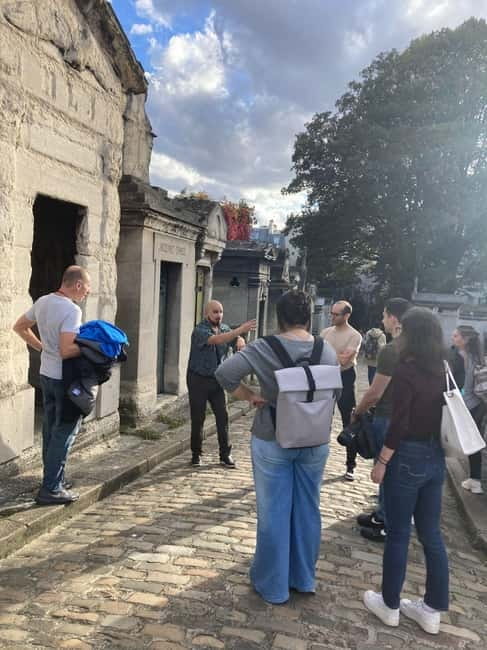
Most Montmartre tours rush straight to postcard views. This one starts at the Montmartre Cemetery, right at the meeting area by the cemetery entrance, and that changes how you see everything that follows.
You get a guided visit (about 20 minutes) in a setting that feels calmer than the surrounding neighborhood. Instead of treating Montmartre as just cafés and artists’ legends, you begin with the area’s real links to famous lives—singers, performers, and creatives whose names still echo through the streets.
Practical note: if you’re hoping for a loud “street-party” kind of introduction, this opening is more reflective. If you’re into art and stories, it’s an excellent way to set the tone.
The Best Part of the Walk: Short Stops That Add Up
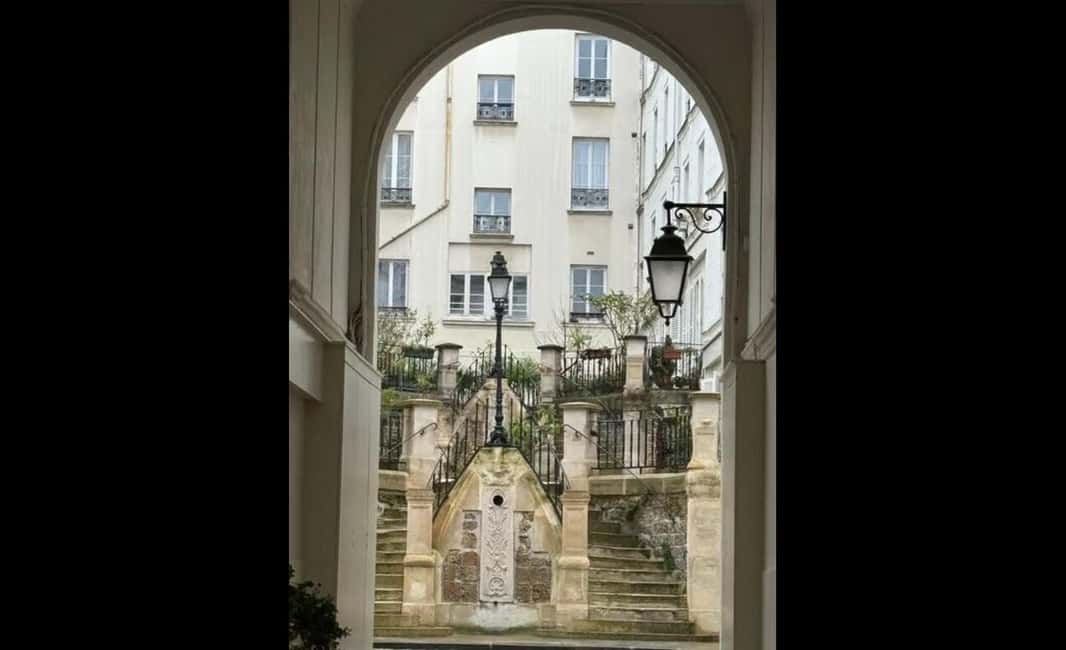
After the cemetery, the tour becomes a steady chain of guided segments—many around 10 minutes each—where you stop, look, and get context. That matters because Montmartre rewards attention. The charm is in the details: angles, facades, and small visual cues that hint at what made this hill so magnetic for artists.
Between named stops, you’ll likely get brief orientation moments and additional background tied to what you can see on the street. It’s a smart format if you want more than a simple route. You’ll leave knowing why specific spots matter, not just where to take photos.
If you’re traveling with kids or a mixed group, this kind of break-friendly structure can help everyone stay engaged. And if you’re more “art history nerd” than “museum person,” the pace keeps the facts from turning into a slog.
You can also read our reviews of more walking tours in Paris



Moulin de la Galette and the Artist Scene Around It
One of the classic Montmartre features on the route is Moulin de la Galette. Even if you’ve seen it in pictures, standing nearby helps you understand why artists kept returning to this hill.
What I like here is the connection between place and creativity. Montmartre wasn’t a blank stage—artists lived their days in these streets and nearby neighborhoods. The guide’s job is to connect landmarks to the people and routines that gave them meaning, and Moulin de la Galette is the kind of anchor point that makes that easy.
You get a short stop with guidance, not a long pause. That keeps you moving and prevents the walk from stalling. It also helps if you’re aiming to see multiple famous corners without losing time.
Le Passe-Muraille, Square Suzanne Buisson, and the Small-Scale Art Details

Montmartre isn’t only famous monuments; it’s also sculptural moments and street-level icons. Along the way, you’ll pass through stops tied to art in public spaces, including Le Passe-Muraille and Square Suzanne Buisson.
These locations are the kind of things you could walk by on your own. But guided commentary turns them into landmarks with a story—why they’re there, what they represent, and how they fit the Montmartre identity.
This is also where the tour feels most “alive” for art lovers. You start noticing that Montmartre’s creativity isn’t locked inside galleries. It’s written into everyday street culture, in small forms you might miss without a guide.
Dalida Statue and the Street That Feel Like a Time Capsule
You’ll also visit Le Buse de Dalida, a bronze tribute to the French singer Dalida. It’s the sort of stop that blends pop culture with Montmartre’s history-as-performance vibe.
Then comes Rue de l’Abreuvoir—known for its charming, older atmosphere. This is one of those streets where it’s worth slowing down and looking at the overall rhythm: the buildings, the sidewalks, the café presence, and how the street “frames” the hill’s artistic identity.
If you like to plan photo time, this is where you’ll benefit from that extra context. A good landmark becomes a repeatable memory: you’ll know what you were looking at and why it fits the broader story of Montmartre.
La Maison Rose: Color, Character, and Why Artists Loved Corners

Montmartre has plenty of pretty buildings. La Maison Rose is one of the most recognized, and that recognition is exactly why it’s useful in a guided tour.
When you stop here, you’re not just looking at a pink facade. You’re seeing how a place becomes part of an artistic reputation—how certain streets and corners gain “character” in public memory and then get repeated in art and postcards forever.
This is also a great moment to take a breath. The walk climbs, and the tour includes several 10-minute guided stops in a row, so it helps that the visits are short. You don’t feel trapped; you feel guided.
You can also read our reviews of more guided tours in Paris






Lapin Agile and Place du Tertre: Where the Bohemian Myth Takes Shape
Two stops that often define the Montmartre experience for people are Lapin Agile and Place du Tertre.
These are the kinds of places where you can feel the old performer energy. You’ll get guided explanation tied to the way artists and entertainers shaped Montmartre’s reputation over time. Even if you don’t know names of specific painters right away, the stories help you understand why the neighborhood developed a reputation for creative nightlife and public art.
Place du Tertre is especially important because it’s where you can see the “artist at work” idea in modern form. The guide’s context makes the space feel less like a tourist square and more like a continuing tradition.
If you’re traveling with someone who likes art but not long museum hours, these stops are a strong match. They turn “Montmartre folklore” into something you can read with your eyes.
Saint-Pierre de Montmartre and the Sacré-Cœur Finish
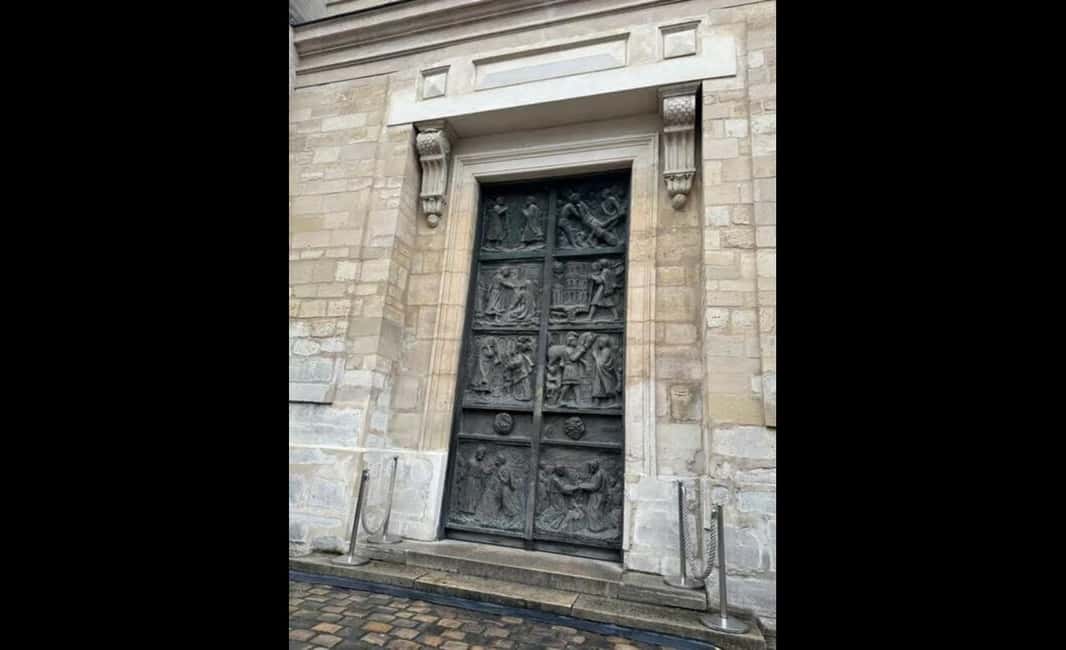
Near the end, you’ll visit Saint-Pierre de Montmartre, then finish at Sacré-Cœur (the itinerary lists Sacré-Cœur de Montmartre as the finishing point).
This final stretch is where you’ll feel the hill most. You’re walking toward one of the most famous views in Paris. The guide gives you structure for what to notice as you approach, so the finish doesn’t turn into a simple climb.
Also, keep expectations realistic: the tour includes entry to the cemetery, but it does not include entrance to Sacré-Cœur. That means you can treat the basilica area as your view-and-photos moment, and if you want inside time, plan it separately.
The Drawing Session: One Small Canvas, Big Perspective Shift

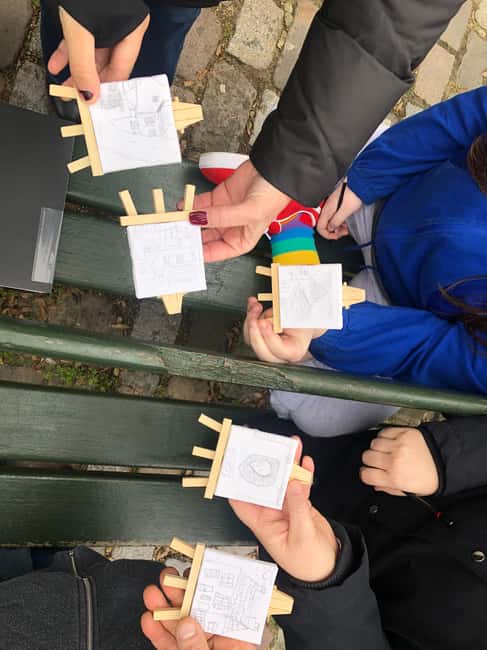
The standout “art lovers” feature is the drawing session. You’ll get a sketching session on a small canvas, and you’ll draw from the same perspective as the artist.
This isn’t just an activity checkbox. It trains your eyes. When you sketch what you’re seeing—angles, lines, and proportions—you stop treating Montmartre as scenery and start treating it as composition. You’ll likely remember the streets differently afterward: less postcard, more structure.
One more thing: the tour’s design uses drawing as a pacing tool. It gives you a break from constant walking and trivia-style listening, and it gives you a creative output you can bring home in a way photos can’t.
Tip: bring a calm mind. You don’t need to be good at drawing to get something out of it. The value is in slowing down and seeing like an artist for a short time.
Trivia Questions and the Small-Prize Motivation
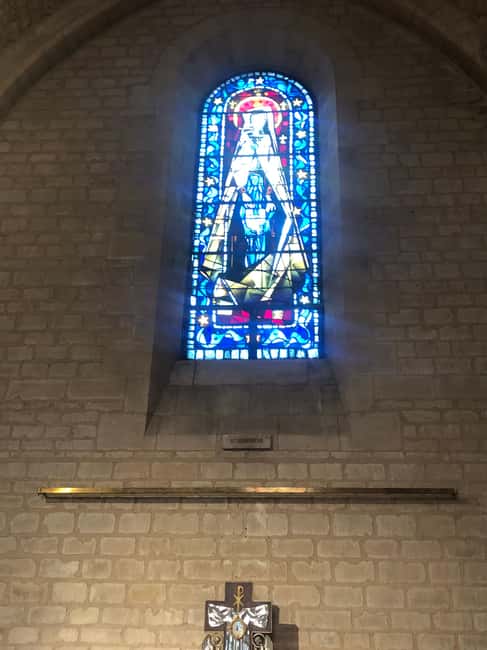
This tour runs an interactive format with trivia questions tied to Montmartre’s history, art, and culture. You answer as a group, compete with fellow participants, and you may win a small prize.
I like this approach because it turns “facts” into participation. It also helps you remember details afterward—especially if you’re the type who forgets museum dates the moment you step outside.
In practice, it keeps the group from zoning out during quiet stretches. When the streets get steep or the pace intensifies, the quiz gives you a reason to focus and stay present.
Price and Value: Why $17 Works Here
At $17 per person for a roughly 2-hour guided walking tour, the price makes sense because you’re getting three things that add up fast if priced separately:
- an experienced local guide
- a guided cemetery visit
- a sketching session on a small canvas
- plus the trivia-style interactivity
Most walking tours are either “mostly stories” or “mostly sights.” This one adds an art activity, and that’s where the value pops. You’re paying for time, but also for a structured way to see Montmartre through art and composition, not just sightseeing.
One more value point: the reviews associated with the guide often praise the tour’s pacing and engagement, which usually means you’re not just watching a guide talk—you’re learning, stopping, and doing something.
Who This Tour Is Best For (And Who Should Skip It)
This tour fits best if you want Montmartre’s creative story told with clear visual stops, and you like hands-on experiences.
It’s a great fit for:
- art lovers who also enjoy walking
- people who want a mix of famous landmarks and side streets
- families with older kids who can handle stairs and attention breaks
- couples or small groups who want a guide to keep the day flowing
It’s not the right choice if you:
- need wheelchair access or have mobility impairments, since the tour is not suitable for that
- are pregnant or prefer a lower-effort outing
- expect a fully flat route, because Montmartre has steep streets
For best results, wear comfortable shoes and plan for hills. The “steep streets” part isn’t a warning you can ignore.
My Booking Checklist Before You Go
If you’re deciding right now, here’s how I’d make the call.
Book this tour if you want:
- art-focused Montmartre with a sketching break
- a guide who organizes the day with frequent short story stops
- a fun, low-stakes competition format via trivia and a possible small prize
- cemetery-to-basilica storytelling, which helps the neighborhood feel connected
Consider a different option if you prefer:
- only one or two famous stops and lots of free time to wander
- inside-only basilica time (since Sacré-Cœur entrance isn’t included)
- a fully accessible experience
If you’re unsure, this one is a strong value gamble because the included cemetery entry and the drawing session make the ticket feel more substantial than many simple “walking talk” tours. And if plans change, the operator offers free cancellation up to 24 hours in advance and lets you reserve and pay later.
FAQ
How long is the Montmartre for Art Lovers walking tour?
It lasts about 2 hours.
Where do I meet the guide?
You meet right in front of the Montmartre Cemetery entrance, with the address listed as 20 Av. Rachel.
What activities are included?
You’ll have an experienced local guide, trivia questions during the walk, entry to the Montmartre Cemetery, and a sketching session on a small canvas.
Is entry to Sacré-Cœur included?
No. The tour does not include entry to Sacré-Cœur.
Is the tour suitable for wheelchair users or people with mobility impairments?
No. It’s not suitable for wheelchair users or people with mobility impairments.
What should I wear or bring?
Wear comfortable shoes. Montmartre has steep streets, so sturdy footwear matters.
Should You Book This Montmartre Art Lovers Tour?
Yes—if you want Montmartre to feel like more than landmarks, this is one of the better ways to do it. The cemetery start gives you context fast, the route mixes big names with street-level art moments, and the sketching session turns the neighborhood into something you actually practice seeing.
Skip it if your priority is a flat, easy walk or if you need basilica entry handled for you. But for art lovers, curious walkers, and anyone who likes learning through doing, this $17, 2-hour format is a smart deal.