REVIEW · PARIS
Louvre Private Tour in Paris with Entry Tickets
Book on Viator →Operated by NickInParis · Bookable on Viator
Trying to beat Louvre crowds? This helps.
This is a 100% private Louvre tour that uses skip-the-line entry, so you spend more time looking and less time shuffling. I like the relaxed pace and the way the plan can bend toward your interests, from Egyptian antiquities to famous paintings. The big “watch-out” is simple: the Louvre is massive, and two hours means smart choices, not a full museum sweep.
One more thing I really appreciate: you get a guide who can manage the maze and keep you moving, plus a broadcast system so you don’t have to strain to hear. If you want every room, every ceiling, and every side staircase, you’ll need more time on your own afterward.
In This Review
- Key takeaways before you go
- A Private Louvre Hit List, Not a Marathon
- The main downside to expect
- Skip-the-Line Entry That Actually Changes Your Day
- Your Two-Hour Route Through Egypt, Greece, and the Big Paintings
- Stop inside the Louvre: major antiquities and painting highlights
- Why that flexibility is valuable
- How the Guide Keeps the Pace Comfortable (and Customizable)
- The customized part isn’t just marketing
- A realistic expectation
- What You Really Pay For: Value Beyond the Ticket
- Price and what’s included
- Why this can be good value
- When it might not be the best fit
- Meeting Point at Passage de Richelieu: Simple Start, Real Help
- What to bring for an easier visit
- After the Tour: Keep Wandering Without Losing Your Day
- Should You Book This Louvre Private Tour?
- FAQ
- How long is the Louvre Private Tour?
- Is the tour really private?
- What’s included with the $290 price?
- Where does the tour start and end?
- Can I stay inside the Louvre after the guided portion?
- Is cancellation free, and do kids/young EU residents ever get free entry?
Key takeaways before you go
- Skip-the-line entry with your ticket included so you start seeing art fast.
- Headphones + a museum map to help you hear directions and keep your bearings.
- A route built around your pace and preferences to reduce the usual physical strain.
- Highlights covered in just 2 hours including the Mona Lisa, Venus de Milo, and the Victory of Samothrace.
- Official, certified guidance with a friendly, organized flow through key areas.
- You can stay inside after the tour ends so your afternoon doesn’t vanish.
A Private Louvre Hit List, Not a Marathon

The Louvre can feel like an endurance test. You walk in with good intentions, then—30 minutes later—you’re wandering, lost, and clock-watching. This tour fixes that with a private, structured experience built for a short visit.
At about 2 hours, you get an intentional route through major highlights and themed stops, without the usual “everyone follow the leader” stress. It’s also set up for comfort: the itinerary is designed to minimize physical exertion and discomfort, and the pace stays relaxed instead of frantic.
Price matters here, too. It’s $290 per person, which is not cheap by museum-standalone standards. But you’re paying for (1) a guide who can manage the space and flow, (2) the benefit of prebooked entry, and (3) the gear that makes the experience easier—headphones and a museum map. If you’re trying to compress your Louvre “first visit” into a single outing, this is one of the more realistic ways to do it without burning your day.
You can also read our reviews of more tours and experiences in Paris



The main downside to expect
Two hours means you’ll pick favorites. Even with a highlight-focused tour, you won’t see everything. If your dream is to read every plaque in every wing, you’ll want a longer plan—or to treat this as your “greatest hits” starter.
Skip-the-Line Entry That Actually Changes Your Day
The Louvre’s lines can eat your time. This tour includes skip-the-line entry and admission tickets, so you can get inside with less waiting. That matters because the museum is busiest at predictable hours, and timing usually decides whether you enjoy the art or just endure the logistics.
Once you’re in, the guide’s job is to keep you from zigzagging blindly. In practical terms, you get:
- A clear start at the meeting point
- Guided movement through the collection highlights
- Help staying oriented even when the galleries feel endless
There’s also a headphones broadcast system, which is huge in a crowded museum. Instead of leaning in to hear over background noise, you can keep your body positioned comfortably while still getting the story.
And yes, it can be very “first visit” friendly. People often love the feeling that the experience doesn’t start with chaos. In particular, I like that the tour aims to get you close to top works without turning the Mona Lisa visit into a slow-motion crowd jam.
Your Two-Hour Route Through Egypt, Greece, and the Big Paintings
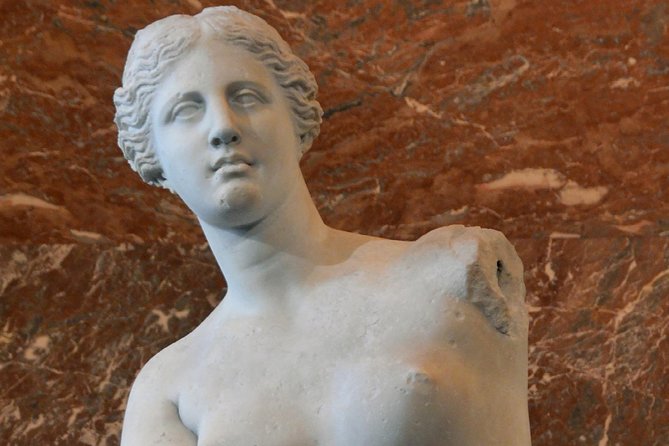
This tour isn’t just a random highlights walk. It’s built around major categories that show the Louvre’s range—so even within a short time, you get variety.
Here’s what you can expect as the guide moves you through the collection:
Stop inside the Louvre: major antiquities and painting highlights
You’ll see key works across:
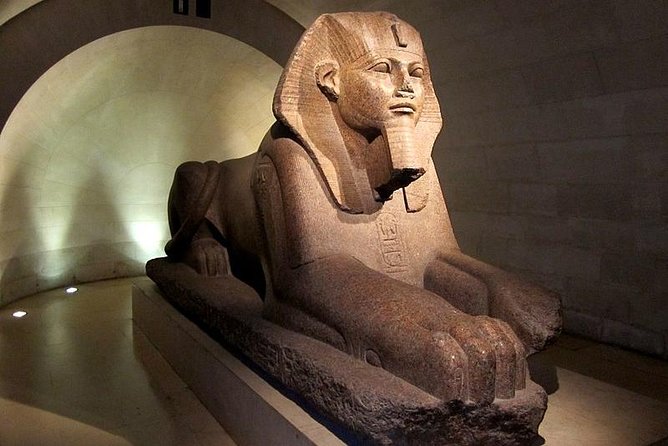
- Egyptian antiquities
- Greek antiquities
- Italian paintings
- French paintings
The itinerary is set to include famous anchor pieces like:
- Mona Lisa
- Venus de Milo
- Victory of Samothrace
- Plus much more along the way
One smart feature: the tour is described as flexible. That means you’re not forced into a one-size-fits-all checklist. If you care most about sculptures, you can steer the pace that way. If paintings are your priority, the route can adjust to match.
You can also read our reviews of more private tours in Paris






Why that flexibility is valuable
The Louvre has too many “can’t-miss” things to treat it like a single fixed script. If you’re traveling with kids, a multi-generational group, or someone with mobility limits, the ability to tailor the path can prevent the classic problem: you all start strong, then one person hits fatigue and the whole day collapses.
From the way this tour is structured, the guide focuses on keeping your group comfortable while still hitting the best-known works. That’s exactly what makes a short guided visit feel worth it.
How the Guide Keeps the Pace Comfortable (and Customizable)
The Louvre punishes bad planning. Long walks, standing in one spot, and sprinting between rooms are a recipe for sore feet. This tour tries to avoid that with a route designed to reduce strain, including guidance on where to go and how to move through crowds.
It’s built for a “listen and look” experience. You’re not expected to keep up with a constant shuffle. Instead, the guide moves you through key areas, pauses for important views, and adjusts where needed.
The customized part isn’t just marketing
The tour is described as tailored to your preferences, and the tone from real-world use is consistent: if you want more focus on the major paintings, you can shift the plan. If you want to go slower, you can.
Even better, the guide is set up for different comfort levels. People traveling with mobility challenges have highlighted that the tour approach includes practical help like locker use and pacing adjustments.
A realistic expectation
Even with the best plan, the Mona Lisa area can get crowded fast. The tour’s goal is to balance “up close” viewing with crowd management. That’s the kind of value you can’t reliably recreate on your own—especially if your visit window is tight.
What You Really Pay For: Value Beyond the Ticket

Let’s do a quick value check without pretending it’s cheap.
Price and what’s included
You pay $290 per person and the tour includes:
- €22 adult entrance ticket
- Expert guide with strong command of English, German, and French
- Headphones broadcast system
- Museum map
- 100% private experience (just your group)
Not included:
- Transport to/from the museum
- Food and drinks
Why this can be good value
Here’s how I think about value in a place like the Louvre:
- Time is the hidden cost. If you’re waiting in line, you’re not enjoying art. Skip-the-line access is doing real work here.
- Hearing a guide matters. In a huge museum, headphones turn information into something you can actually follow without straining.
- Short guided time is expensive, but practical. Two hours sounds brief, yet it’s long enough to see a meaningful set of highlights without tiring yourself out.
If you’re visiting for the first time, have limited hours, or simply don’t want to spend your trip planning routes, the total package can feel like paying for peace of mind.
When it might not be the best fit
If you have unlimited time and love wandering with no structure, you could build your own self-guided day. But if you want the Louvre’s greatest hits in a calm, organized way, this private format is usually a strong match.
Meeting Point at Passage de Richelieu: Simple Start, Real Help
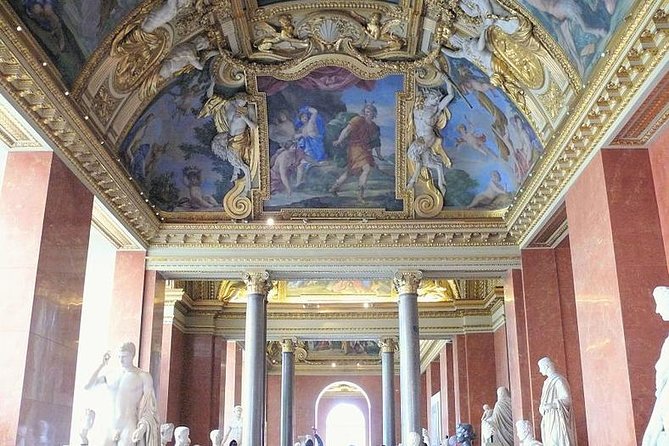
The meeting point is Passage de Richelieu (Pass. de Richelieu), 75001 Paris, France. The tour ends back at the meeting point.
That “back where you started” detail matters more than it seems. In the Louvre, you can lose track of exits and how to retrace steps. A guided loop means less stress and more time spent on the art.
What to bring for an easier visit
The tour includes headphones and a map, so you don’t need to bring anything special for that. Still, I’d plan like this:
- Wear comfortable shoes (the museum is large)
- Have a charged phone for photos and directions
- Keep water and snacks in mind, since food and drinks aren’t included
If you’re bringing a family, consider this a “controlled structure” experience. Kids often do best when the visit has clear targets and frequent “look here, then we move” moments.
After the Tour: Keep Wandering Without Losing Your Day

A nice perk is that once the guided part ends, you can stay in the museum as long as you wish. That turns the tour into a launchpad instead of a dead end.
In practice, this is helpful because the guide shows you where to focus first. After that, you can return to rooms you loved, slow down for extra time at a particular masterpiece, or just follow your curiosity without feeling like you’re wasting your one planned visit.
Think of it like: you get your bearings fast, then you steer.
Should You Book This Louvre Private Tour?
I’d book it if most of these sound like you:
- You have limited time in Paris and want a clean Louvre plan.
- You want skip-the-line entry and less museum wandering.
- You prefer a private experience where the guide can tailor the route.
- Your group includes kids, older adults, or anyone who’d benefit from pacing help.
- You care about the headline works: Mona Lisa, Venus de Milo, Victory of Samothrace, and key painting areas.
I wouldn’t book it if:
- You want to spend the whole day discovering everything at your own speed.
- Your group enjoys reading and wandering with no structure at all.
- You’re already comfortable navigating the Louvre independently and have plenty of time.
For a first or short Louvre visit, this kind of private highlight tour is one of the better ways to turn chaos into clarity. You pay for direction, comfort, and access—three things the Louvre is famous for making difficult.
FAQ

How long is the Louvre Private Tour?
It lasts about 2 hours. The experience focuses on seeing major highlights in a structured, easier-to-follow route.
Is the tour really private?
Yes. It’s a 100% private tour, meaning only your travel party participates.
What’s included with the $290 price?
You get the adult entrance ticket (€22), an expert guide (English, German, and French), headphones, and a museum map. Skip-the-line entry is included.
Where does the tour start and end?
It starts at Passage de Richelieu (Pass. de Richelieu), 75001 Paris and ends back at the same meeting point.
Can I stay inside the Louvre after the guided portion?
Yes. After the tour ends, you can stay in the museum as long as you wish.
Is cancellation free, and do kids/young EU residents ever get free entry?
Cancellation is free if you cancel up to 24 hours in advance for a full refund. Also, free admission applies to visitors under 18 and EEA residents under 26, with valid ID and proof of residency.