REVIEW · PARIS
Croissant Baking Class, Mastering the Art with a Pastry Chef
Book on Viator →Operated by Studio Pâtisserie · Bookable on Viator
Croissant perfection starts with butter and patience. This 3-hour class at Studio Pâtisserie is fun because you get small-group attention (up to 8) and learn the real layering technique from chefs like Leo or Maria. One catch: it is hands-on dough work, and you need enough strength to knead.
I also like the laidback pace. You’re not being rushed through pastry jargon. You roll, fold, shape, and then watch the oven do its magic, with clear step-by-step help along the way.
In This Review
- Key highlights at a glance
- Studio Pâtisserie on Rue de Rome: getting there without stress
- What you’ll actually make: croissants plus pain au chocolat
- The lamination lesson: where flaky croissant magic happens
- A realistic 3-hour flow: from dough to oven-ready pastries
- Instructor style: patient, funny, and tuned to beginners
- Quality ingredients and the recipe hand-off
- Price and value: why $143.92 can make sense in Paris
- Who should book this class (and who might pause)
- Tips for success if you want to bake again at home
- Should you book this croissant baking class?
- FAQ
- How long is the croissant baking class?
- What group size should I expect?
- Where does the class meet?
- Is the class offered in English?
- Is there an age requirement?
- Can I bring a service animal?
Key highlights at a glance
- Tiny class size (max 8) means less standing around and more coach time
- Lamination practice so butter layers turn into flaky, stacked dough
- Shaping croissants and pain au chocolat as part of the same session
- Chef energy and humor that keeps a tricky skill from feeling stressful
- Hands-on recipes and techniques you can try at home right away
Studio Pâtisserie on Rue de Rome: getting there without stress
The class starts at Studio Pâtisserie, 85 Rue de Rome, 75017 Paris. The good news: it is close to public transportation, and multiple people say the address is easy to find. Paris classes can be a maze, so I appreciate any setup that reduces friction before you even start kneading.
Plan to arrive a few minutes early. You’ll want time to settle in, wash up if needed, and get oriented before the dough work starts. A mobile ticket is part of the experience too, so you’re not scrambling for paper while you’re looking for the door.
This is also one of those activities that makes sense for a short Paris visit. You only need one evening block (about 3 hours) and then you’re done, back at the meeting point at the end.
You can also read our reviews of more cooking classes in Paris
What you’ll actually make: croissants plus pain au chocolat
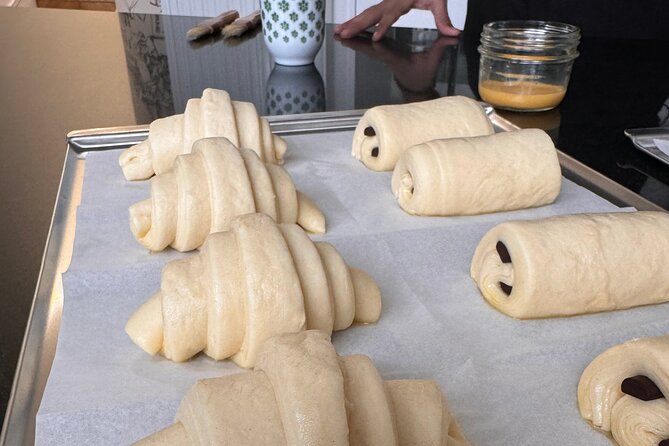
This isn’t a lecture-only pastry stop. You’ll make croissants from scratch and work with pain au chocolat as well. That matters, because croissants and chocolate pastries both rely on the same core skill: getting lamination right.
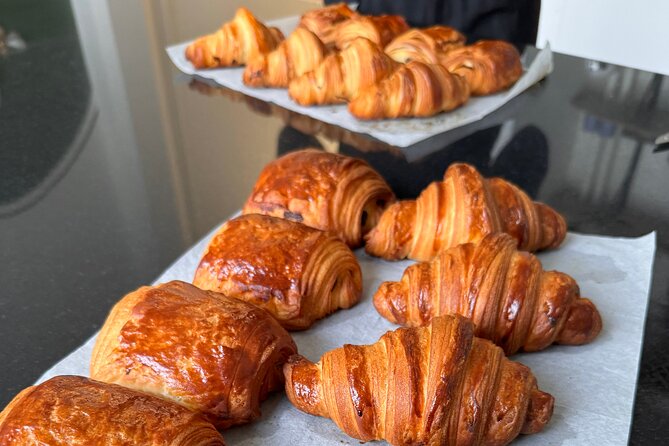
In past classes, people have reported leaving with a full batch such as 4 croissants and 4 pain au chocolat each. Even if your exact count varies by how your class finishes baking, the main idea is consistent: you create the dough, shape the pastries, and enjoy the results in a real, rewarding way.
And yes, it smells like victory. The best part is the shift from theory to touch. Once you feel the dough yield under guidance, the whole process starts making sense fast.
The lamination lesson: where flaky croissant magic happens
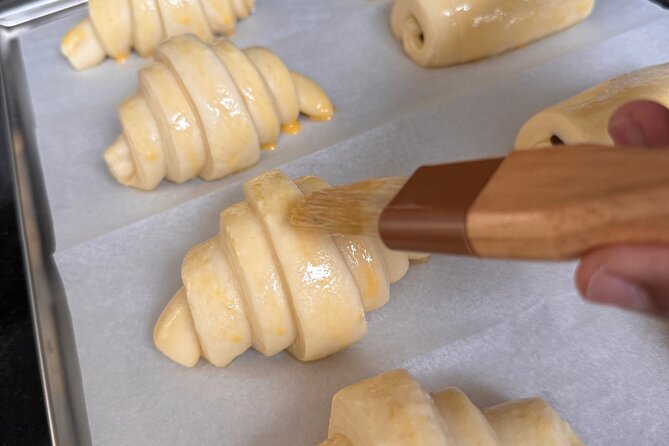
If you’ve only ever bought croissants, lamination can sound like some fancy French mystery. Here, you learn the method in practical pieces: rolling the dough, folding it, and working butter into layers so it bakes into that classic flaky structure.
The class focuses on precise measurements and the delicate balance of folding and rolling. That balance is the whole game. Get the butter distribution right, and you get layers. Rush it, and you get a buttery mess that tastes fine but does not perform like a real croissant.
One review even mentions working through steps that build a 16-layer pastry without trouble, which tells me the instructors are steering you through the process in a way that beginners can follow. When someone like Chef Leo or Chef Maria explains what to look for while you’re doing it, lamination stops being intimidating.
A realistic 3-hour flow: from dough to oven-ready pastries
The session is about 3 hours, and the rhythm is designed to keep you moving. You’ll start with an introduction to French pastry making basics, including why ingredient quality and method details matter. Then the work becomes hands-on fast.
You should expect to:
- prepare and handle the dough and butter
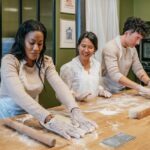
- practice the key folding/rolling steps for layering
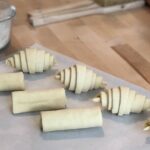
- shape croissants into crescent forms
- shape pain au chocolat into their pastry-ready shapes
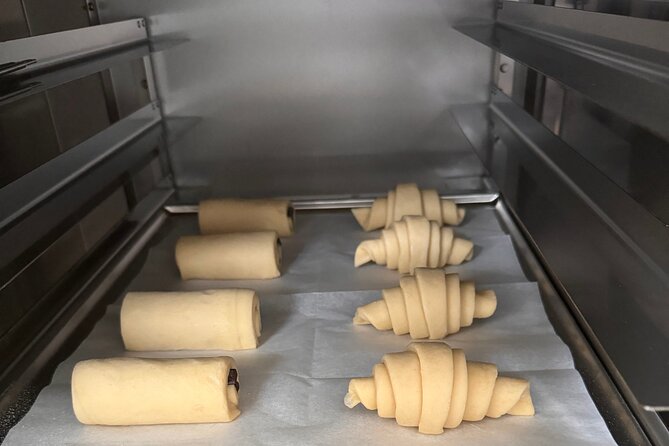
An interesting detail that people appreciate: the class structure often uses dough that has been made ahead so proofing goes the way it should. One person noted the dough they worked with was made by the previous day’s class, and then the dough they made helped the following day’s class. That kind of behind-the-scenes planning can make the difference between a great result and a frustrating one.
By the end, you have pastries that are baked to a golden finish and feel like real achievement, not a cookie-cutter souvenir.
Instructor style: patient, funny, and tuned to beginners
This class earns its 5-star reputation largely through the people teaching it. In the feedback, instructors like Chef Leo and Chef Maria repeatedly show up as patient, supportive, and genuinely engaging.
I’m especially drawn to how many reviews describe the same pattern: clear instructions, friendly energy, and help right when you need it. Croissants punish sloppy technique, so having an instructor who notices your dough and corrects course early is huge.
One person also said their teacher shared Paris tips while teaching. That’s a small thing, but it turns a food class into a mini travel moment. You’re learning craft, and you’re also learning how locals think about ingredients, timing, and simple quality.
If you like learning with personality, this is the setup. If you prefer silent, serious workshops, you’ll still get results here, but the vibe is more cheerful than stern.
You can also read our reviews of more tours and experiences in Paris





Quality ingredients and the recipe hand-off
One of the best value signals in the reviews is that the class uses top-of-the-line ingredients. That matters because croissant flavor is subtle. If the butter or flour is mediocre, you can still make something shaped like a croissant, but the taste won’t hit that real French note.
You’ll also get structure, not just vibes. People describe step-by-step guidance that makes the process easier to follow, and at least one review mentions that recipes were emailed afterward. Even if you don’t get every detail in the moment, having a written recipe or method notes helps you repeat the process at home instead of guessing.
And if you’re the kind of person who likes to reproduce precision, you’ll probably appreciate practical advice that comes up in reviews—like writing down dimensions for rectangles and triangles and using metric-to-English conversions.
Price and value: why $143.92 can make sense in Paris
At $143.92 per person for about 3 hours, this class isn’t cheap. But it can be fair value because you’re paying for three things most DIY croissant attempts never get right:
1) Coaching in a small group
Max 8 travelers is the difference between baking and practicing. You’re not waiting your turn while your dough sits.
2) The lamination method taught in sequence
Croissants are all sequence. Getting butter and folds wrong early ruins later stages. Here, the class is built to keep your timing on track.
3) A delicious, tangible outcome
Even one of the cited “leave with pastries” experiences (like 4 croissants + 4 pain au chocolat each) shows you’re not just learning for learning’s sake. You’re taking home a batch you helped create.
If you’ve been pricing Paris activities, a hands-on food class with real results can be worth more than a museum ticket—because you get skills you’ll actually use.
Who should book this class (and who might pause)
This is best for adults and teens 17+. The experience notes that participants need strength to knead the dough. So if you have mobility limitations or you know dough work is hard for you, I’d treat that as a real consideration, not a formality.
It also fits well if you:
- want a small-group activity where you can ask questions
- like learning by doing, not just watching
- enjoy baking but have never tackled croissants
- want a fun, social food experience with other enthusiasts
People also mention the class as a trip highlight. That makes sense: croissants take patience, but the class keeps you supported. You walk out feeling proud, and you get that fresh-baked aroma stuck in your memory.
Tips for success if you want to bake again at home
Croissants at home are doable, but you need to bring a few habits from the class back into your kitchen. A couple practical ideas showed up in the feedback:
- Write down the dimensions
One helpful note described rolling out different rectangles for butter/layering and final rollout, then cutting shapes. If you want to repeat the method, jot down those sizes. It saves you from guessing later.
- Plan for metric conversions
If you’re coming from the US or another non-metric system, conversions for length and weight can slow you down. Using your phone for metric/English conversions can help you keep moving.
- Expect the process to be detailed
Croissants reward attention to folding, rolling, and timing. If you treat it like a weekend shortcut, you’ll probably struggle. Treat it like a craft session, and it feels much more manageable.
If you keep those points in mind, you’ll get much closer to that flaky, layered texture.
Should you book this croissant baking class?
If you want a Paris activity that delivers more than a photo, I’d book it. The biggest selling points are the small group size, the hands-on lamination instruction, and the way instructors like Chef Leo and Chef Maria keep things clear and fun. You’re learning a technique that takes most people months to figure out on their own.
I’d only hesitate if you know kneading dough is tough for you, or if you prefer very low-effort activities. Otherwise, this is the kind of class that turns croissant dreams into something you can actually repeat.
FAQ
How long is the croissant baking class?
The class runs for about 3 hours.
What group size should I expect?
The class has a maximum of 8 travelers.
Where does the class meet?
The meeting point is Studio Pâtisserie, 85 Rue de Rome, 75017 Paris, France.
Is the class offered in English?
Yes, it is offered in English.
Is there an age requirement?
Participants need to be 17 years of age and above, and strength is needed to knead the dough.
Can I bring a service animal?
Yes, service animals are allowed.