REVIEW · PARIS
A Day of Exploring Black Paris
Book on Viator →Operated by AfroNomadik Tours & Experiences · Bookable on Viator
Paris turns new when you know where to look. This Black-centered day is designed to show you a different Paris, one tied to African and diasporic culture through real neighborhoods. My two favorite parts: you start with breakfast at Les Deux Magots, and you end with time to slow down at an African restaurant in the 10th. The main drawback to plan for is simple: it’s a lot of walking and transit, with some stairs.
The day also runs like a guided story, not a checklist. You’ll visit major cultural stops—Présence Africaine and La Rhumerie—and then move through neighborhoods where music, migration, markets, and community life shaped the city. One consideration: lunch at the final restaurant is not included, so you’ll want to budget a bit extra if you’re hungry.
With a maximum of 10 travelers and an English-speaking guide, you get real back-and-forth time. You’ll likely use the metro more than once, so this tour works best when you’re okay navigating public transport at a relaxed pace.
In This Review
- Key things that make this tour worth your time
- A Day of Exploring Black Paris: the big idea behind the route
- Price and what you actually get for $216.48
- Start at 6 Pl. Saint-Germain des Prés, with breakfast at Les Deux Magots
- Présence Africaine: where Paris became a publishing and ideas center
- La Rhumerie: French Caribbean roots and the trade links you can taste
- Pigalle on foot: Black performers, nightlife, and early 20th-century exchange
- Goutte d’Or: markets, everyday life, and a community built over time
- Ending at BMK Paris-Bamako in the 10th arrondissement
- How much walking and transit you should plan for
- The guide experience: Knight’s storytelling style and pacing
- Who this tour is for (and who should skip it)
- Should you book this A Day of Exploring Black Paris tour?
- FAQ
- How long is the tour?
- What is the tour price?
- Does the tour include breakfast?
- Is lunch included?
- What transportation is included?
- How many people are in the group?
- Where does the tour start and end?
- What language is the tour in?
- Is the tour suitable for people with mobility limitations?
- What if the weather is bad?
- What is the cancellation policy?
Key things that make this tour worth your time
- Breakfast at Les Deux Magots before you start the route makes the day feel grounded, not rushed
- Small group (max 10) means more questions, more interaction, and fewer bottlenecks on the street
- Présence Africaine shows Paris as a publishing and ideas hub, not just monuments
- La Rhumerie and Pigalle connect Caribbean roots and performance culture to the places you can walk through today
- Goutte d’Or markets bring the story into everyday life, not only history books
- BMK Paris-Bamako gives you a communal landing spot to regroup and share what you noticed
A Day of Exploring Black Paris: the big idea behind the route
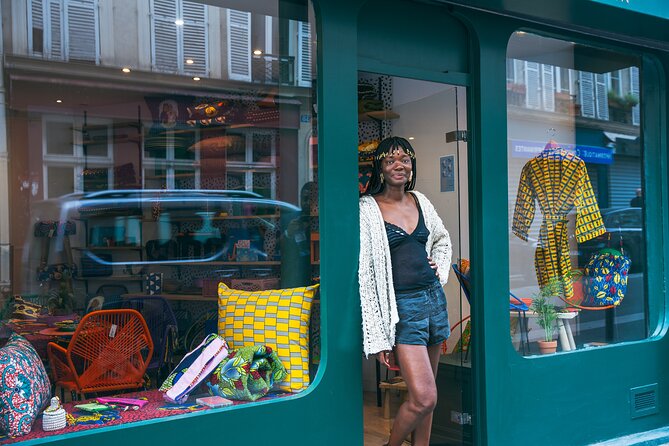
This is one of those Paris tours that changes how the city feels while you’re in it. Instead of starting with the usual “top sights,” the route uses specific cultural anchors—cafés, bookstores, a rum house with Caribbean ties, and neighborhoods shaped by African communities—to build a point of view.
I like that it’s not only about famous names. The day blends ideas (books and publishing), commerce and culture (rum and trade links), and street-level life (markets and local businesses). That mix matters, because it helps you see Black Paris as part of the city’s everyday fabric, not just a sidebar.
The tone also helps. The guide, Knight (who you may hear referred to as Chevalier in French), keeps the day conversational and paced so you can ask questions without feeling like you’re holding up a bus tour.
You can also read our reviews of more tours and experiences in Paris.


Price and what you actually get for $216.48
At $216.48 per person for about 6 hours, the price will only feel fair if you’re buying more than “tickets to places.” Here’s what you’re really paying for:
- Guided context at multiple stops, including cultural institutions like Présence Africaine and landmark food-and-culture spaces
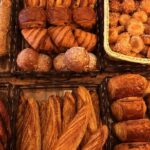
- Breakfast included: croissant, bread with Poitou-Charentes butter, plus a choice of hot drink
- An all-day metro pass, which can save you money if you’re planning transit anyway
- A small group size (max 10), which usually means fewer people competing for hearing the story and asking questions
All sites listed are admission free on the itinerary stops, so the core value is the route, the guide’s explanations, and the included meal plus transit.
One more practical note: lunch at the final restaurant (BMK Paris-Bamako) is not included. So if you want a full sit-down meal at the end, you’ll need extra spending money.
Start at 6 Pl. Saint-Germain des Prés, with breakfast at Les Deux Magots
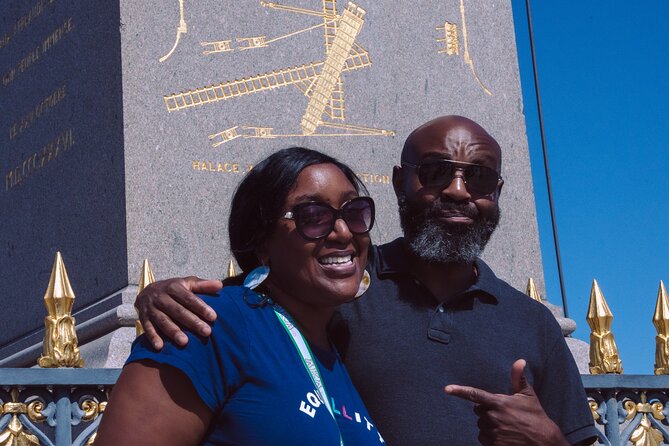
You begin in Saint-Germain-des-Prés, meeting at 6 Pl. Saint-Germain des Prés at 10:00 am. The first stop is Les Deux Magots, the classic literary café where you get a light French breakfast and a meet-and-greet before the day gets moving.
This first hour is smart. It gives you time to:
- settle your energy and wake up slowly
- meet the group and get a quick sense of the theme
- listen to the guide set the “why” behind Black presence in Parisian intellectual life
Les Deux Magots isn’t just a pretty café stop. The point here is how cafés can act like cultural engines—meeting points for writers, thinkers, and conversations that traveled far beyond Paris.
What to watch for: you’ll be starting the day ready to walk, so don’t overdo water right before the morning meal. After breakfast, the pace gradually shifts into neighborhood exploration.
Présence Africaine: where Paris became a publishing and ideas center
Next you head to Présence Africaine, a major bookstore and publishing house founded in 1949. This is about more than browsing book spines. The stop focuses on how the press and publishing world supported African and diasporic intellectual life, connecting ideas across Africa, the Caribbean, and Europe.
Why this stop matters: Paris often gets sold as art museums and grand boulevards. Présence Africaine reminds you Paris also shaped debates through print—through the people who edited, published, distributed, and argued.
You’ll get a focused, low-time commitment stop here (about 30 minutes), which is ideal if you want a strong cultural hit without turning the day into a museum marathon.
Tip for questions: ask the guide how publishing in Paris helped move ideas across borders. This tour is built for that kind of discussion.
La Rhumerie: French Caribbean roots and the trade links you can taste
Then comes La Rhumerie, a historic rum house founded in 1932 with roots in the French Caribbean. This stop is one of the more “everyday history” moments on the day because it connects culture to economic ties—how products, people, and commerce moved between places.
You’ll spend about 45 minutes there, and the goal is to understand the Paris–Caribbean relationship not as a vague connection, but as something you can trace through a business that still has a role in the story.
Why I like this for travelers: it makes diaspora history feel practical. You’re not only learning dates. You’re learning how a city’s consumption, trade, and social culture link back to migration and colonial-era networks.


Pigalle on foot: Black performers, nightlife, and early 20th-century exchange
From there, you move to Pigalle, historically associated with Black performers and cultural exchange in the early 1900s. This stop is about music, nightlife, and migration shaping what you see in the streets today.
You’ll spend about 45 minutes in the area. The tour approach here is street-level: you’re learning how cultural scenes can evolve, relocate, and leave traces in a neighborhood’s identity—even when the vibe changes over time.
Practical consideration: Pigalle is an active area. Expect normal city noise and foot traffic, and plan to stay close to the group when the guide is explaining key context.
Goutte d’Or: markets, everyday life, and a community built over time
Next is La Goutte d’Or (about 1 hour), where the focus shifts from cultural institutions to lived community life. You’ll walk through streets and market zones shaped by African communities, learning how the neighborhood became both a cultural and commercial hub.
This part is often where the tour starts to feel real in a new way. Instead of asking you to admire history, it asks you to notice everyday patterns:
- what people buy
- what’s offered in shops
- how the neighborhood works as a system
If you like travel that’s sensory and grounded, this stop delivers. It also helps answer the bigger question behind the whole day: what does Black Paris look like now, not only then?
Tip: wear comfortable shoes. You’ll be moving through uneven sidewalks and likely making several short stops to regroup.
Ending at BMK Paris-Bamako in the 10th arrondissement
Your final stop is BMK Paris-Bamako at 14 Rue de la Fidélité, 75010 Paris. You end with about 1 hour to relax, reflect, and share highlights from the day.
Here’s the key detail: the lunch meal is not included, so think of this as a chance to refuel at your own pace. The tour gives you the social landing spot; you decide what you order.
Why I like this ending: it turns the day’s learning into something you can digest. Food helps. Conversation helps more. And being in the 10th means you’re finishing in an area that makes it easy to keep exploring afterward.
Quick “smart order” idea: if you’re tired, go for something familiar-ish and shareable. You’ll want energy for the walk back to transit after.
How much walking and transit you should plan for
This is a moderate physical fitness tour. Translation: it’s not just a stroll, and it’s not a fully seated experience.
You should expect:
- lots of walking across neighborhoods
- public transportation between areas
- some stairs during metro travel
The good news is the group stays small, so the guide can slow down and check on people when needed. Still, you’ll get the best day if you show up prepared.
What to bring:
- comfortable walking shoes (don’t debate this)
- a small bottle of water
- a phone charged enough for maps and the day’s mobile ticket
Also, this tour uses a mobile ticket and runs in English.
The guide experience: Knight’s storytelling style and pacing
The name that matters most here is Knight. The tour is built around the guide’s ability to connect the dots between places and people—how literary life, publishing, Caribbean roots, performance culture, and neighborhood communities fit together.
Knight also keeps things human. You’re not treated like a passive audience. The day is structured for questions and quick back-and-forth, and the small-group size (max 10) supports that.
A practical courtesy tip you should keep in mind: while you’re in community spaces and local shops, act like a respectful visitor. If you want photos or video, ask first. It keeps the vibe good and helps avoid awkward moments.
Who this tour is for (and who should skip it)
This tour is a strong match if:
- you want a Black Paris perspective beyond the standard postcard route
- you like cultural stops tied to real institutions, like a major publishing house
- you enjoy walking and using public transit as part of the experience
- you travel solo or with friends and want a small-group feel
It may not be your best fit if:
- long walking and metro stairs are a deal-breaker
- you hate neighborhood strolling and prefer staying inside major museums
- you want lunch included no matter what (since lunch at BMK is not included)
Also, this experience is weather-dependent. If the weather is poor, you’ll be offered a different date or a refund.
Should you book this A Day of Exploring Black Paris tour?
Yes, if you’re the kind of traveler who wants Paris to feel like it has more than one story. I think it’s good value because the tour combines a real breakfast, all-day metro access, and multiple cultural stops that explain how Black Paris connects to wider African and diasporic history.
Book it if you:
- like walking tours with context
- want a guide-led route through meaningful neighborhoods
- plan to spend time at local food spots (and you can handle paying for lunch at the end)
Skip it only if mobility and transit stairs will stress you out. If you show up with comfortable shoes and a flexible mindset, this day is the kind that changes how you look at the city long after you leave.
FAQ
How long is the tour?
The tour lasts about 6 hours.
What is the tour price?
The price is $216.48 per person.
Does the tour include breakfast?
Yes. Breakfast includes a croissant, bread with Poitou-Charentes butter, and a choice of hot drink.
Is lunch included?
No. Lunch at BMK Paris-Bamako is not included.
What transportation is included?
An all-day Metro Pass is included, and the tour uses public transportation between stops.
How many people are in the group?
The tour has a maximum of 10 travelers, which keeps it small.
Where does the tour start and end?
It starts at 6 Pl. Saint-Germain des Prés, 75006 Paris and ends at 14 Rue de la Fidélité, 75010 Paris (BMK Paris-Bamako).
What language is the tour in?
The tour is offered in English.
Is the tour suitable for people with mobility limitations?
It recommends a moderate physical fitness level. The day involves walking and includes stairs during metro travel.
What if the weather is bad?
This experience requires good weather. If it’s canceled due to poor weather, you’ll be offered a different date or a full refund.
What is the cancellation policy?
You can cancel for a full refund up to 24 hours in advance of the experience start time. If you cancel less than 24 hours before, the amount paid is not refunded.