REVIEW · PARIS
Paris: Hôtel de la Marine Entry Ticket
Book on GetYourGuide →Operated by Distributor: GetYourGuide Tours & Tickets GmbH · Bookable on GetYourGuide
Hôtel de la Marine feels like a Paris palace with a mission. In the heart of the city, you walk through a newly restored 18th-century naval headquarters and let a 3D audio headset guide you room by room, with restored interiors that make the building feel alive. If you pick the right option, you also get access to the art-focused Al Thani Collection and the more everyday Intendant’s Apartments, including a famous look out toward Place de la Concorde.
What I like most is the way the experience connects architecture to stories you can actually follow, without needing extra reading. The small group size (up to 10 people) helps the visit stay calm. One thing to keep in mind: the format is timed and tour-specific, so if you’re hoping to wander freely forever, you’ll need to choose your option and respect the set route and time.
In This Review
- Key things to know before you go
- Hôtel de la Marine Entry: why this restored naval HQ is worth your time
- Choose your focus: Al Thani Collection, Intendant’s Apartments, and Salons and Loggia
- The 3D audio headset: how it changes the way you experience Paris interiors
- Inside the restored building: architecture, interactive tools, and the Concorde view
- The story tools that make the spaces easier to read
- The view toward Place de la Concorde
- How long is it, and how do you time it in a busy Paris day?
- Expect a structured route
- Group size, pace, and what it feels like to move through the building
- Wheelchair access note you should plan for
- Price and value: what $15 buys you in real-world terms
- What to bring (and what to avoid in a palace-like interior)
- Who should book this experience (and who might want to skip it)
- Quick decision rule
- FAQ
- How long is the audio-guided visit?
- What languages are available for the audio guide?
- Where do I meet for the tour?
- What should I bring with me?
- Are bags allowed inside?
- When is Salons and Loggia available?
- Final verdict: should you book this Paris Hôtel de la Marine ticket?
Key things to know before you go
- 3D audio headset turns the rooms into a guided story, with Spanish, Chinese, English, French, German, Italian, Japanese, Arabic, and Russian options
- 18th-century restoration helps you see how Ange-Jacques Gabriel’s design works in real life
- Two big tour paths: the art-forward Al Thani Collection or the life-of-the-office Intendant’s Apartments (plus Salons and Loggia during certain dates)
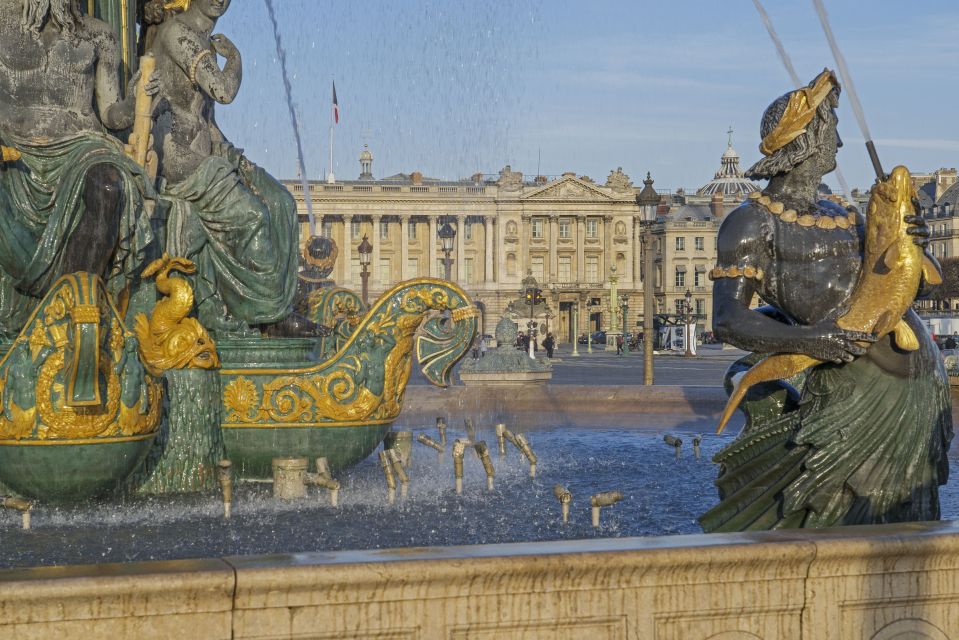
- A standout Paris view toward Place de la Concorde is part of the experience
- Small group limits the room pressure to a manageable level (max 10 participants)
- Busiest windows are 10:30–11:30 AM and 2:30–4:00 PM, so timing matters
Hôtel de la Marine Entry: why this restored naval HQ is worth your time
Paris has plenty of places that look grand from the outside. Hôtel de la Marine is different because the real payoff is inside: you get to see an old naval headquarters brought back with serious care, down to the stately rooms and details that make you slow down. The building’s story also has momentum—this is where history of France’s maritime administration was written, and later it became the navy ministry headquarters.
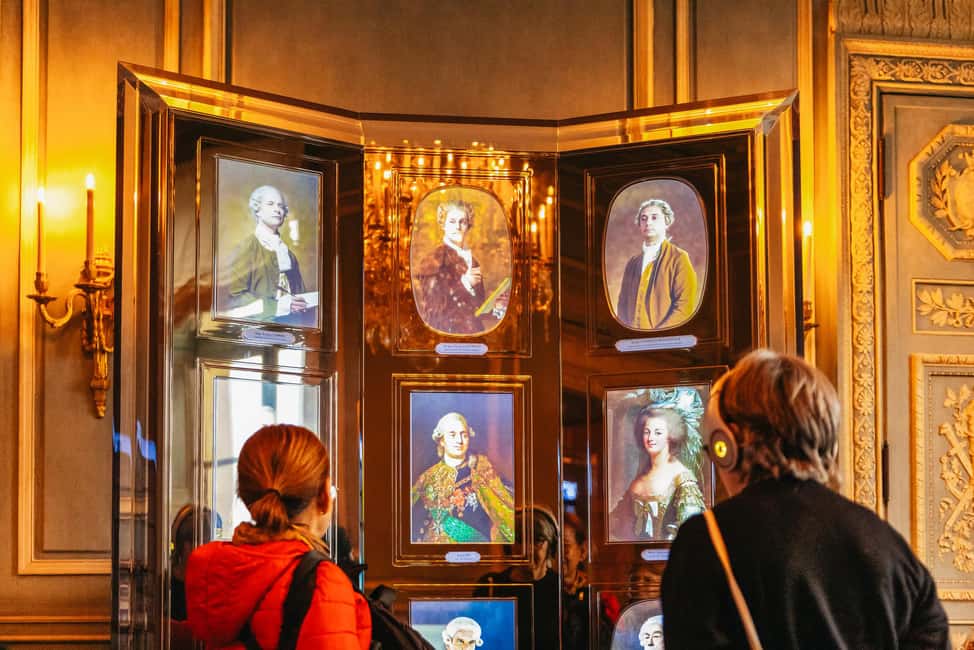
The experience is built for people who like context. You’re not just looking at rooms; you’re also learning what each space was for and how daily work happened behind these walls. Even the digital format supports that: you use guided tools with numeric-style info to understand the timeline and the purpose of what you’re seeing.
And yes, it’s still Paris, so your senses stay busy. One moment you’re inside with headsets explaining the setting; the next you’re thinking about how the city’s layout frames the view from the monumental spaces.
You can also read our reviews of more tours and experiences in Paris



Choose your focus: Al Thani Collection, Intendant’s Apartments, and Salons and Loggia
This ticket can mean different experiences depending on what option you select. That matters, because the building doesn’t feel like one single museum loop—it feels like a set of worlds, each with its own tone.
Intendant’s Apartments (great for story-driven visitors)
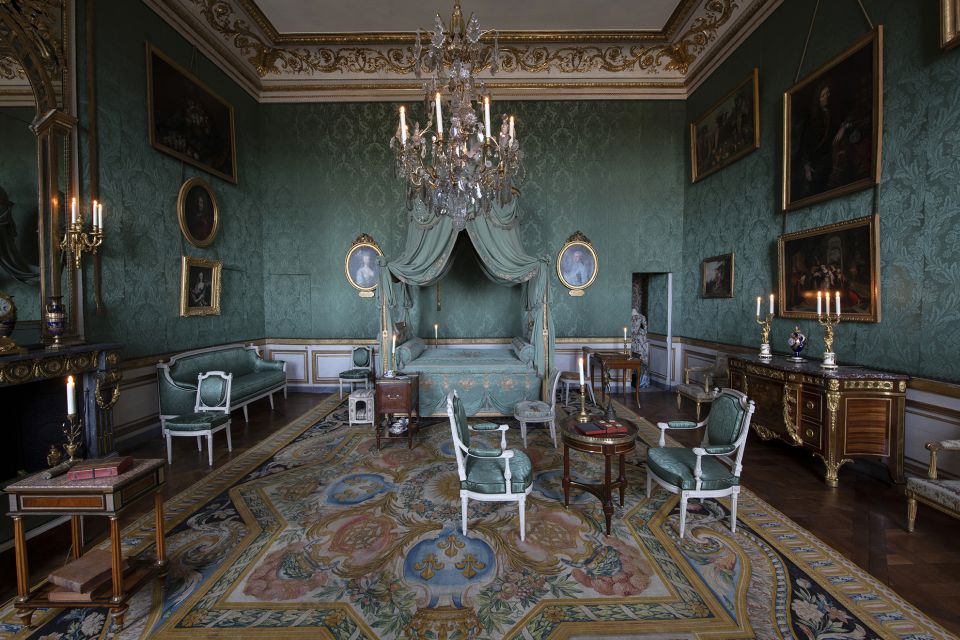
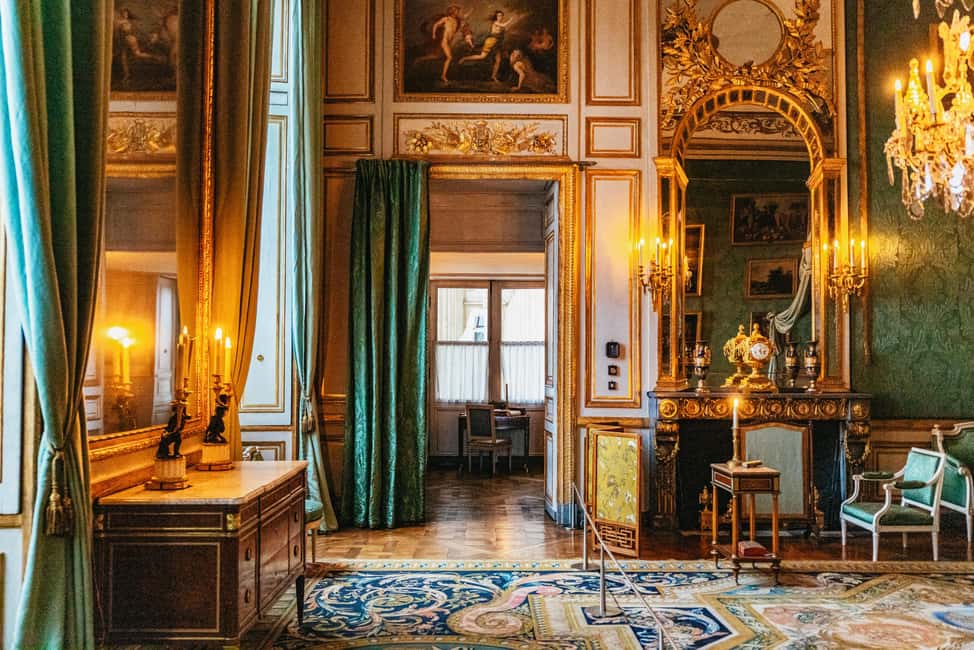
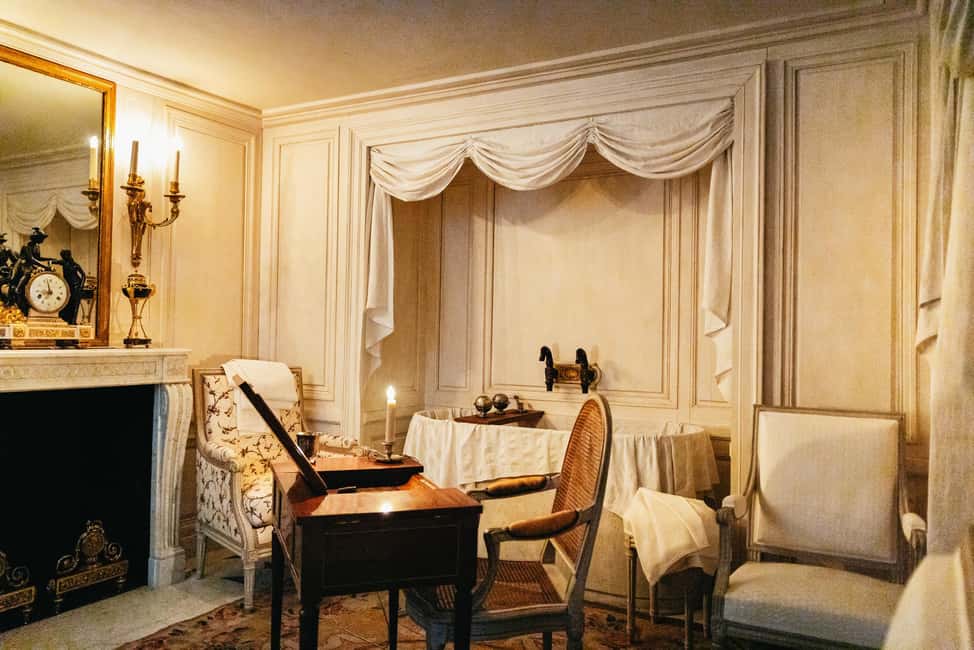
This is the option I’d steer most people toward if you want a more human, day-to-day feel. The apartments connect to the Garde-Meuble de la Couronne, the group that managed state furnishings, and then to the later naval ministry use. It’s the tour that most directly turns rooms into a timeline you can picture.
Al Thani Collection (great for art lovers)
If your priorities lean toward collections and cross-cultural art, this option is your match. The highlight here is the range of treasures and artworks from different cultures and civilizations, with the experience framing art as something that travels across time and geography.
Salons and Loggia (time-limited)
You can access Salons and Loggia only between 3 October and 28 November. If you’re visiting outside that window, you won’t miss a core “must-see,” but you should be ready that the view experience might depend on which other spaces are included in your chosen option.
A practical way to decide: if you want a calmer, office-life narrative with strong room-to-room guidance, pick Intendant’s Apartments. If you’re drawn to the art narrative and variety within the collection, pick Al Thani. If both are offered on your date and you can do them, you’ll get the broadest picture.
The 3D audio headset: how it changes the way you experience Paris interiors

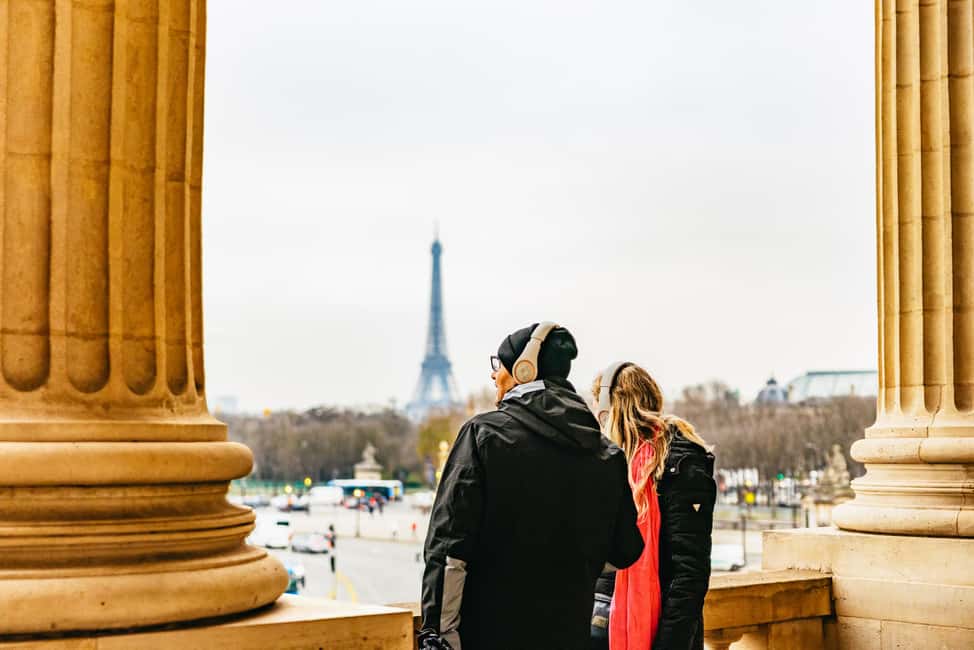
The headset is one of the smartest parts of this visit because it handles the main problem of historic buildings: too much space, too little context. Instead of reading plaques like a homework assignment, you hear the story timed to where you are. The audio guide includes 3D sound, which helps the rooms feel more dimensional than a standard audio tour.
You’re also not locked into one language. The audio guide is available in Spanish, Chinese, English, French, German, Italian, Japanese, Arabic, and Russian, which makes it easier to travel with friends or family without sacrificing understanding.
The pacing is also clearly planned. The audio-guided tour runs about 1 hour for the Al Thani Collection and about 1 hour and 15 minutes for the apartments tour. That’s long enough to feel you learned something, but short enough that you can fit it into an active Paris day.
One more point: the experience relies on technology, so plan to treat the headset like part of the tour, not an optional extra. Put it on when you’re instructed, keep it on for the main route, and you’ll get the most out of the storytelling design.
Inside the restored building: architecture, interactive tools, and the Concorde view
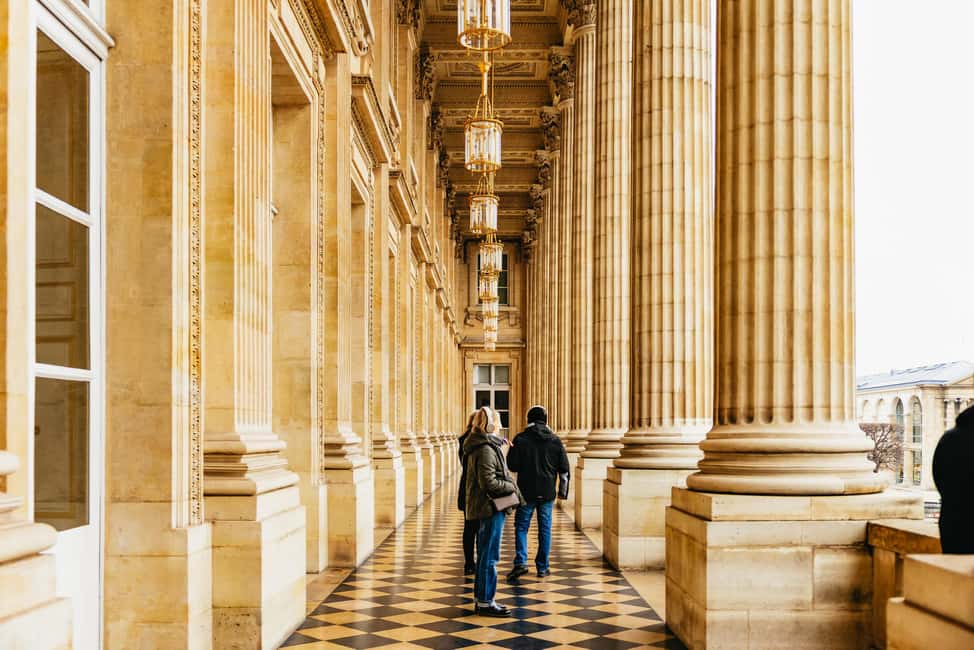
The Hôtel de la Marine experience starts with the architecture and then uses the building to teach you how power and administration looked in the 18th century. You’ll see Ange-Jacques Gabriel’s design reflected in the way the spaces are laid out and how they present authority without needing modern lighting tricks.
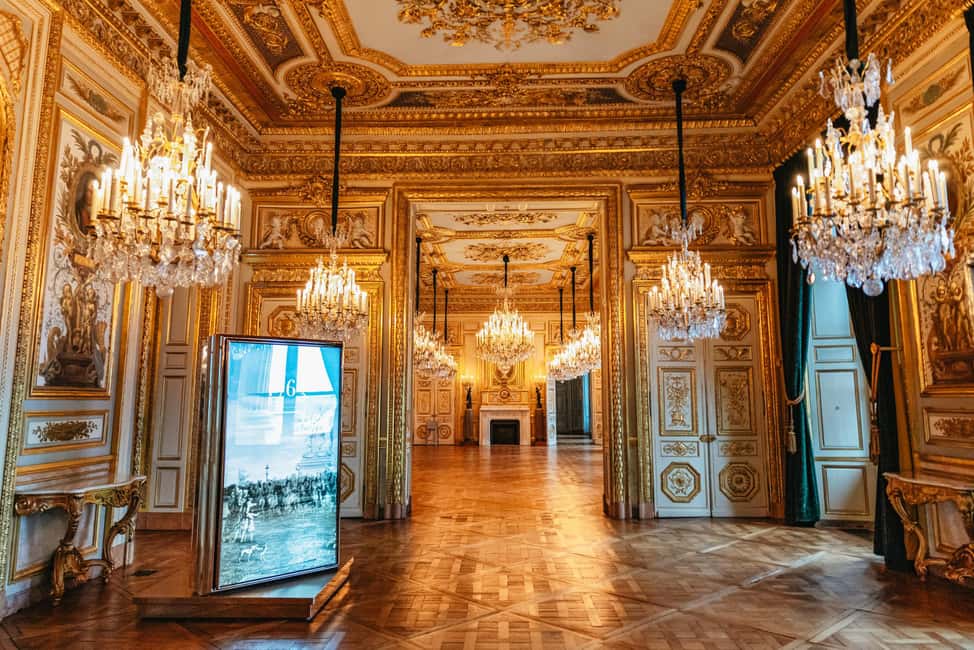
Then come the rooms that make restoration feel more than cosmetic. Visitors describe the renovation as remarkable, and you can feel why once you’re in there—ceilings, gold-toned details, and refined finishes don’t just look pretty; they help you understand what the building communicated to people at the time.
The story tools that make the spaces easier to read
This visit isn’t only audio. You’ll also encounter numerical and interactive-style tools designed to help you connect what you’re seeing to history and daily life. That’s the big value if you’re the type who likes to know why a room matters, not just that it looks impressive.





The view toward Place de la Concorde
There’s also a major payoff for anyone who loves those classic Paris picture moments. The experience includes a view on Place de la Concorde, and it’s the kind of angle that turns a museum stop into a location-based memory. In a city where you’re always walking between landmarks, getting a view from inside a restored historic space feels like a special shortcut.
If you’re planning photos, keep expectations realistic. The visit is designed around the headset route, so take photos quickly when you have a clear moment, then get back to the audio so you don’t miss the narrative.
How long is it, and how do you time it in a busy Paris day?

The visit is valid for 1 day, but the actual experience is scheduled by starting time. The official visit windows can vary, so check availability for the time you want when you book.
Busiest times are 10:30–11:30 AM and 2:30–4:00 PM. If you can choose, I’d aim a bit before the morning peak or after the afternoon rush. That’s not just about comfort; it also helps the headset storytelling feel less rushed.
Also note the timing rule that affects your plan: your last access is one hour before closing time. That means you should avoid late-day starts if you want a relaxed pace and time to use lockers and settle in before the tour begins.
Expect a structured route
This isn’t a place where you wander room-to-room at will for hours. The audio tour has a set duration (1 hour or 1 hour and 15 minutes depending on option), and your best experience comes from following the flow. If you’re the type who likes to read every sign slowly, you might find yourself tempted to go off-route—try to keep that instinct for later.
Group size, pace, and what it feels like to move through the building
This is a small group experience, limited to 10 participants. For historic buildings, that size matters. Smaller groups mean you don’t spend your time squeezing past people in tight corners, and it’s easier to hear the audio without stepping over others’ space.
The visit also runs with a headset format, so you’ll get more out of it if you keep your movements steady. Don’t rush from room to room with the headset still working quietly in your pocket—put it on and follow the route the way the experience is designed.
Wheelchair access note you should plan for
The attraction is wheelchair accessible, but there’s an important practical detail: the distribution of rooms in the Intendant’s Apartments prevents circulation for wheelchairs wider than 70 cm. If mobility is part of your planning, make sure you choose the option that matches your needs and allows comfortable movement.
Price and value: what $15 buys you in real-world terms
At about $15 per person, this ticket is priced like a smart museum add-on rather than a big-ticket attraction. The value comes from what’s included for that price: entry plus a 3D audio headset that guides you through the experience.
You’re also paying for more than audio. You’re paying for a restored, working monument interior—an environment that’s usually the hard part of Paris sightseeing (getting access to the inside). Add the optional inclusions (Al Thani Collection, Intendant’s Apartments, and—within dates—Salons and Loggia), and the ticket can cover a lot of ground quickly.
A good way to think about it: you’re buying a guided interpretation of an important building, and you get the payoff of a Paris view without needing to guess where to stand. For many people, that combination is the whole reason to spend time here instead of another stop across town.
What to bring (and what to avoid in a palace-like interior)
You’ll want to bring passport or ID card. That matters because free entrance is available for visitors under 18 and for EU citizens under 26 when presenting picture ID at the ticketing station.
You also should plan for restrictions inside the monument. Luggage or large bags and bags aren’t allowed, so expect to use storage if you’re arriving with items you can’t bring in. One practical tip: non-flash photography is allowed, so if you like to document details, keep your camera settings ready.
For a smoother visit, travel light. Paris days are already full—this is not the stop where you want to wrestle with a heavy bag or late locker lines.
Who should book this experience (and who might want to skip it)
This ticket is a strong match if you like historic interiors and you enjoy understanding what you’re looking at. The audio format is built for people who want stories tied to spaces, not just facts on walls.
It’s also a good fit if you want a quieter, controlled experience. The small group size and headset pacing make it easier to enjoy without constantly negotiating crowds.
I’d consider skipping it if you want a lot of freedom to wander without a set route, or if you’re expecting a full-day museum marathon. This experience is structured and timed, with the real impact happening in those one-hour or one-and-a-quarter-hour windows.
Quick decision rule
- Choose Intendant’s Apartments if you want the lived-in office story and room-by-room narrative.
- Choose Al Thani Collection if art and objects across cultures are your main goal.
- If you can do both options, you’ll leave with a fuller picture of the building’s two faces: daily administration and curated art.
FAQ
How long is the audio-guided visit?
The audio-guided tour lasts about 1 hour for the Al Thani Collection, and about 1 hour and 15 minutes for the apartments tour.
What languages are available for the audio guide?
The audio guide is available in Spanish, Chinese, English, French, German, Italian, Japanese, Arabic, and Russian.
Where do I meet for the tour?
The meeting point may vary depending on the option booked.
What should I bring with me?
Bring a passport or ID card.
Are bags allowed inside?
No. Luggage or large bags and bags are not allowed.
When is Salons and Loggia available?
Salons and Loggia are available between 3 October and 28 November.
Final verdict: should you book this Paris Hôtel de la Marine ticket?
Yes, book it if you want a high-impact Paris interior visit for a modest price, especially if you enjoy guided storytelling through real historic rooms. I’d lean toward the Intendant’s Apartments option for the stronger “how this place worked” feeling, and add Al Thani if you love art collections.
If your visit timing lands on a busy window (10:30–11:30 AM or 2:30–4:00 PM), plan for a slightly denser experience—but the headset route and small group size help you keep control of your pace.