REVIEW · PARIS
Invalides War Museum the World Wars Guided Tour
Book on GetYourGuide →Operated by Babylon Tours LLC · Bookable on GetYourGuide
History feels heavy at Invalides. This 2-hour tour makes the big turning points of World War I and II easier to track, with expert guidance and artifacts you can actually stand in front of. I love the skip-the-line access and the way the guide turns dates and names into stories you remember. One drawback to plan for: it includes a moderate amount of walking, and the semi-private option isn’t set up for mobility impairments or wheelchair users.
You’ll start by understanding the pressures behind WWI, then move through uniforms, equipment, and original footage tied to the worst parts of the wars. You’ll also see key symbols of the peace and its failure—plus WWII’s rise, from early threats to the Occupation of Paris. If you only want a quick overview, the museum’s scale plus the story-driven pace might feel like a lot in just two hours.
Key things that make this tour worth your time
- Skip-the-line entry into Invalides, so you spend more time inside the collections
- A guide who connects the WWI chain of events to WWII, so it clicks instead of memorizing
- Close-up viewing of weaponry, uniforms, and battlefield artifacts
- Built-in “aha” moments around leaders and turning points (like the assassination of Franz Ferdinand)
- Small groups of up to 8 guests per guide, which helps you ask questions
In This Review
- From Franco-Prussian Roots to Franz Ferdinand: How the Story Sets Up
- WWI Weaponry, Uniforms, and the Battle of the Marne Up Close
- The Treaty of Versailles, the Armistice Train Car, and Why Peace Didn’t Hold
- How WWII Takes Shape: Hitler, the Threat, and Occupation of Paris
- Pétain, De Gaulle, Normandy, and the Liberation Arc
- Price and Value: Is $128 for Two Hours a Smart Deal?
- Small Group Size, Languages, and What That Means for Your Experience
- Practical Tips: What to Bring, Bag Rules, and Timing Inside Invalides
- Who This Tour Fits Best (and Who Should Think Twice)
- Should You Book the Invalides WWI & WWII Guided Tour?
- FAQ
- How long is the Invalides War Museum guided tour?
- Does the tour include skip-the-line entry?
- What’s the group size like?
- Which languages are offered?
- What do you see during the tour?
- Is food or drinks included?
- Where does the tour start and end?
- Is it wheelchair accessible?
- Are large bags allowed?
From Franco-Prussian Roots to Franz Ferdinand: How the Story Sets Up

The tour starts with the idea that World War I didn’t come out of nowhere. You begin with the 19th century roots that fed the later conflict, including the Franco-Prussian War period and figures like Bismarck. For me, this is the best way to make WWI understandable: instead of jumping straight to 1914, the guide builds the pressure first.
From there, you move step by step through the chain of events that leads to the outbreak of war. The key moment is the assassination of Franz Ferdinand, which the guide uses as a hinge for what comes next. You’ll learn how that spark connects to the broader European tensions, so the war doesn’t feel like a random tragedy—you see it as a process.
The value here is practical. If you walk into a museum cold, you can end up with a pile of objects and no storyline. This tour gives you a timeline in your head before you start looking closely at uniforms, maps, and equipment.
WWI Weaponry, Uniforms, and the Battle of the Marne Up Close
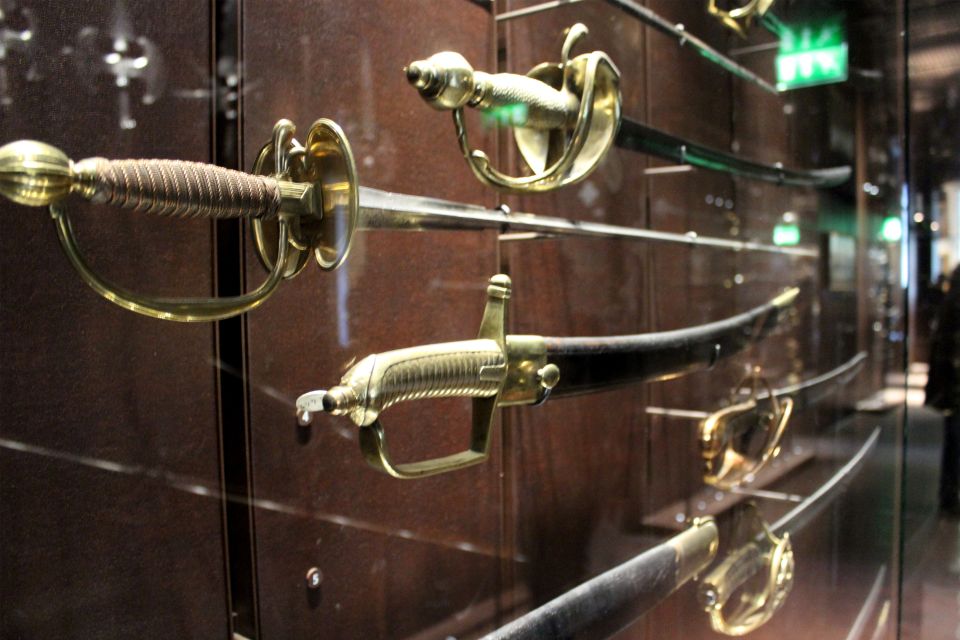
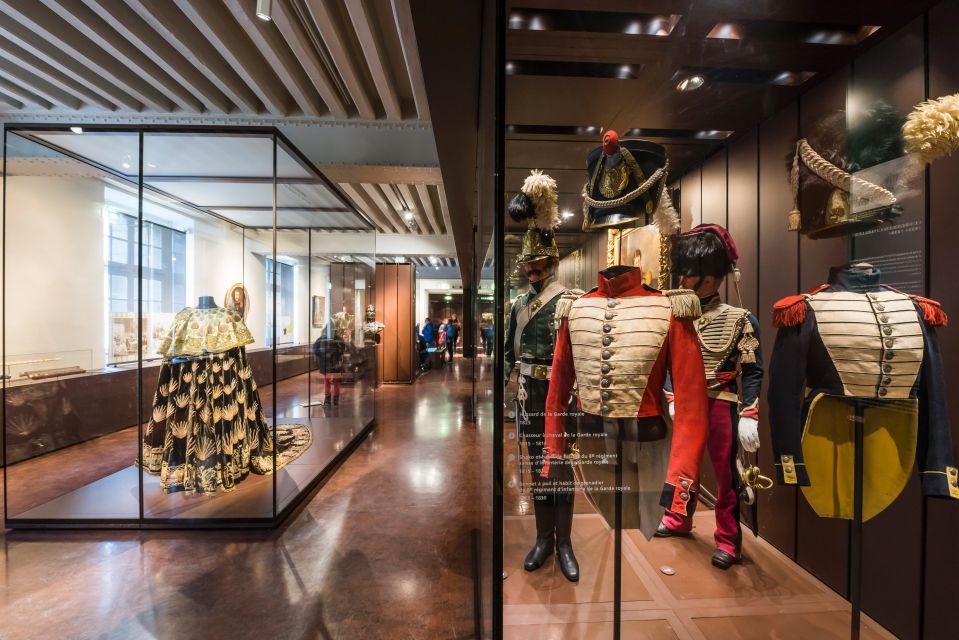
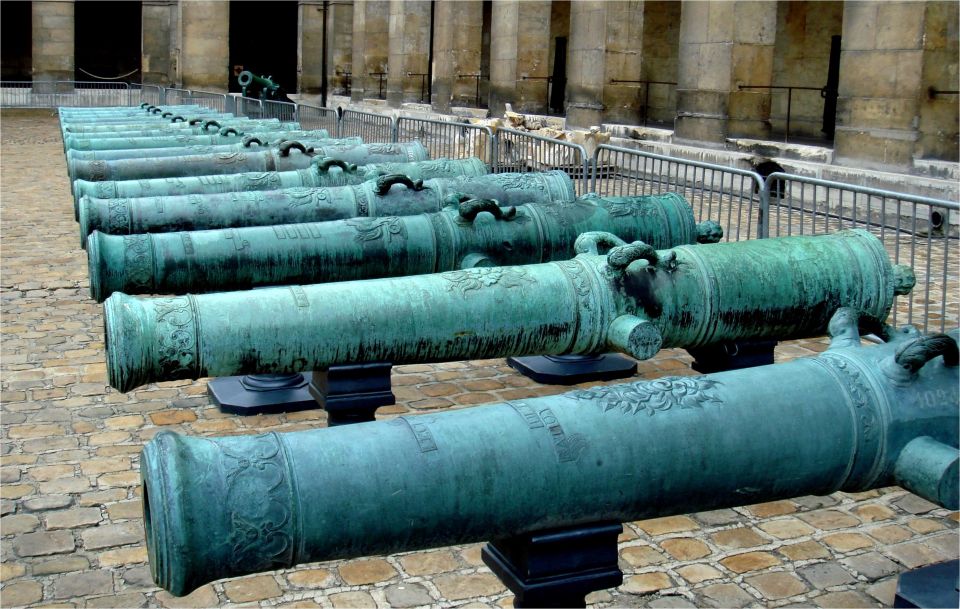
Once the setup is in place, the museum’s WWI material hits harder. You’ll come face to face with equipment, uniforms, weapons, and other artifacts used during the battles. The guide doesn’t treat them like display items; they become clues in the war story.
One highlight is the Battle of the Marne. You’ll relive it through the lens of the museum’s collections, and you’ll also encounter an iconic World War I detail: one of the taxis that played a crucial role. That kind of artifact works well for your brain because it’s specific. It helps you remember that the war affected ordinary life and logistics, not just trench lines.
You’ll also watch original footage tied to the atrocities. It’s not there for shock value. It’s there so the “why” behind the diplomatic and military decisions doesn’t float away into abstraction. You get the sense of consequences, not just strategy.
If you’re the type who likes history with concrete evidence, this portion is your sweet spot. The tour is built to keep you looking and thinking, not just listening.
You can also read our reviews of more guided tours in Paris



The Treaty of Versailles, the Armistice Train Car, and Why Peace Didn’t Hold
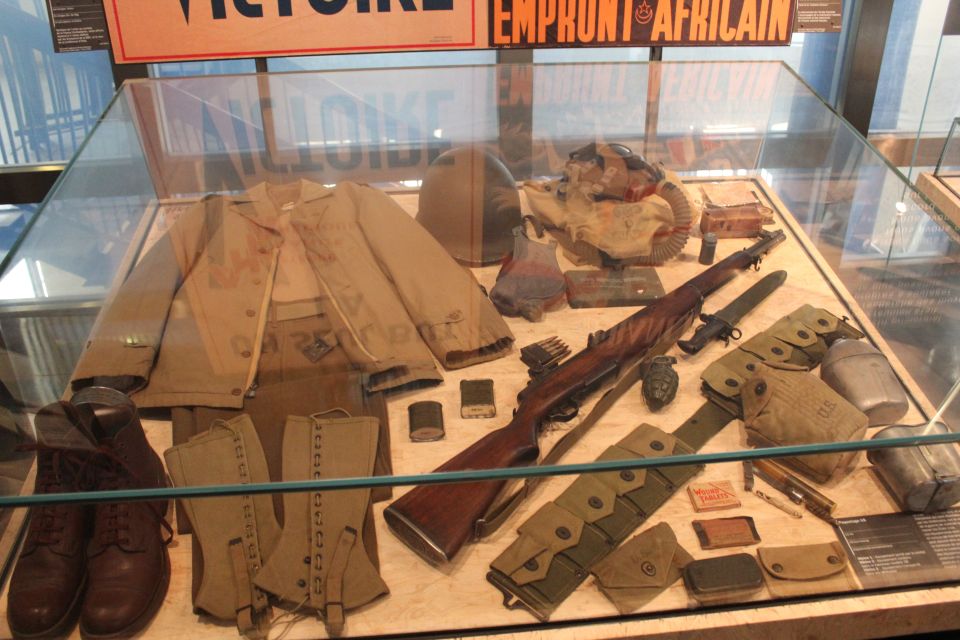
Then the tour turns to what happens when the fighting stops—at least on paper. You’ll understand how the Treaty of Versailles ended things and why that mattered later. The guide frames the treaty as more than a signature moment. You get a sense of why the postwar settlement couldn’t fully prevent the next catastrophe.
One of the most striking museum anchors is the train car where the armistice was signed. Even if you’ve seen photos before, standing near something like that changes your understanding. It’s a physical reminder that history turns on decisions made by real people under intense pressure.
This section helps you see the connection between WWI and WWII without forcing you to read a textbook. You’ll leave with the logic of how peace can still sow conflict, which is the main reason this tour feels more satisfying than a generic WWI walkthrough.
How WWII Takes Shape: Hitler, the Threat, and Occupation of Paris
After you’ve closed the WWI chapter, the guide pivots to how the threat of Adolf Hitler became reality, launching World War II. You don’t just get dates. You get the sequence of events that build toward the wider conflict.
This is where the museum story starts moving fast, because WWII involved many interconnected fronts and political realities. You’ll discuss major turning points and concepts tied to the war, including the Ligne Maginot, Dunkerque, and the Occupation of Paris. The guide also uses artifacts collected from battlefields, so the war history doesn’t stay locked in documents.
One of the strongest parts is that the tour doesn’t treat the Occupation like a single label. You’re given enough context to understand what changed for daily life. That makes later stories about resistance and liberation feel more grounded.
Also worth noting: you’ll be moving between collections and rooms, so your pacing matters. Going in with your attention set to the guide’s timeline makes the entire museum experience easier to navigate.
Pétain, De Gaulle, Normandy, and the Liberation Arc
As the tour moves deeper into WWII, you’ll meet key French leaders and what they represented during the conflict. The guide discusses men like Pétain and De Gaulle—figures you’ve likely heard of, but here you’ll understand them as part of the national story rather than just names in a history lesson.
Then comes the Normandy-to-Liberation segment: you’ll hear stories tied to the battles of Normandy and the Liberation of Paris. The guide ties these events to something you can actually experience after the tour—why the city’s preserved areas still matter today.
For me, this is where the tour earns its keep for repeat visitors and first-timers alike. It connects the museum to your walk outside. You’re not just learning history indoors; you’re learning what to look for later when you’re in Paris.
Price and Value: Is $128 for Two Hours a Smart Deal?

At about $128 per person for a two-hour guided tour, the value depends on what you want from your time in Paris.
Here’s the practical case for booking:
- You get skip-the-line access and museum entry handled as part of the experience.
- The guide is a professional art historian, not just a general escort.
- Group size stays small, with a maximum of 8 guests per guide, which usually means better pace control and more time for questions.
- The tour combines WWI and WWII into one connected explanation, which is rare in shorter museum tours.
If you were planning to enter Invalides on your own, you’d still face the same museum complexity—multiple rooms, lots of objects, and no guarantee you’ll connect them into a clear timeline. This tour pays for your mental sorting. Two hours is tight, but with a guide, that tightness becomes efficiency.
If you’re the kind of traveler who hates structured pacing or wants to linger for 30-minute chunks on one display, this may feel like a sprint. But if you want a high-impact overview with context, this price makes more sense than it looks.
You can also read our reviews of more museum experiences in Paris




Small Group Size, Languages, and What That Means for Your Experience

This is offered in multiple formats, including private and small-group options. The group size cap of 8 guests per guide is important because it shapes the whole experience: the guide can slow down when you have questions and can redirect attention to the most important objects without getting stuck herding a crowd.
Languages are also a plus. The tour runs with live guide options in Spanish, French, English, German, Italian, and Russian. That matters in a museum like Invalides, where nuance and names can get confusing fast if you don’t have the explanation in your strongest language.
If you’re traveling as a duo or small family, you can also benefit from the private/small-group formats. You’ll get more direct interaction and fewer awkward breaks in the flow of the story.
Practical Tips: What to Bring, Bag Rules, and Timing Inside Invalides
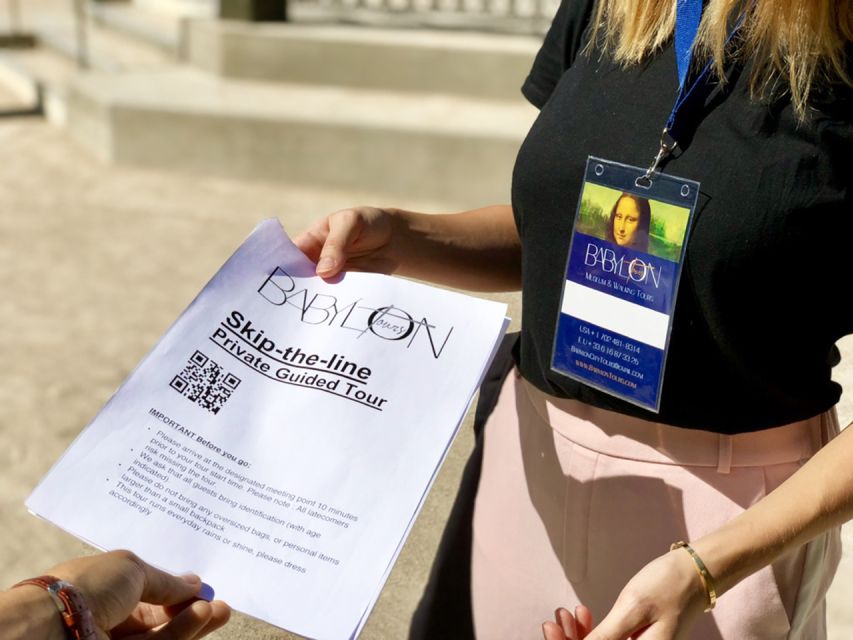
Plan for the museum’s rules before you arrive. You’ll need a passport or ID card, and you should bring some cash. You should also expect that luggage or large bags aren’t allowed. If you’re doing other things in Paris that day, think about where your bag will go before you head to Invalides.
Timing is another real-world factor. The tour is 2 hours, so you’re not building in extra buffer the way you would with an all-day museum visit. If you want photos, take them during the moments the guide gives you—otherwise you’ll end up rushing through the most meaningful stops.
One more heads-up: there can be occasional room closures without advance warning. If the museum opening time is delayed by more than 1 hour from the tour starting time, you’ll be offered an appropriate alternative, but refunds or discounts aren’t provided for that situation. In plain terms: it’s smart to keep your day flexible.
Who This Tour Fits Best (and Who Should Think Twice)
This tour is ideal if you:
- want the storyline of WWI leading into WWII without juggling multiple museum visits
- like learning from someone who can explain why key moments mattered
- enjoy artifacts like weapons, uniforms, and equipment paired with context
- prefer small groups, so you can ask questions and keep up with the timeline
It may not be your best fit if:
- you have trouble with walking (the tour includes a moderate amount of walking)
- you need the tour for wheelchair use, especially in the semi-private format
- you want a mostly self-paced museum wander
There’s also an accessibility wrinkle worth reading closely. The information says wheelchair tours are available only on request, but it also states the semi-private tour isn’t available for wheelchair users or those with walking disabilities. If accessibility is a concern, contact the operator before you book so you get the right format for your needs.
Should You Book the Invalides WWI & WWII Guided Tour?
I’d book it if you want a guided hit of WWI and WWII that turns objects into meaning. The combination of skip-the-line access, small-group pacing, and a guide who connects the timeline from Franco-Prussian roots to Franz Ferdinand, then to Versailles, and finally to the Occupation of Paris makes this a strong value for a short museum visit.
Skip it only if you need fully self-paced time, you can’t handle moderate walking, or you’re traveling with mobility needs that don’t match the tour’s formats. Otherwise, this is the kind of tour that helps you understand why Invalides feels like more than a building full of artifacts. It’s a story you can follow.
FAQ
How long is the Invalides War Museum guided tour?
The tour lasts about 2 hours.
Does the tour include skip-the-line entry?
Yes. Entrance fees and skip-the-line access to the museums are included.
What’s the group size like?
The tour has a maximum of 8 guests per guide for a more intimate, personalized experience. Private and small group options are available.
Which languages are offered?
Live tour guides are available in Spanish, French, English, German, Italian, and Russian.
What do you see during the tour?
You’ll see WWI and WWII equipment and artifacts, including weaponry and uniforms, plus items connected to major turning points such as the Battle of the Marne, the Treaty of Versailles, and the train car where the armistice was signed. WWII topics include the Ligne Maginot, Dunkerque, and the Occupation of Paris.
Is food or drinks included?
No. Food and drinks are not included unless specified.
Where does the tour start and end?
The meeting point can vary depending on the option booked, and the tour ends back at the meeting point.
Is it wheelchair accessible?
Wheelchair tours are available only on request, but the semi-private tour is not available for wheelchair users or those with walking disabilities.
Are large bags allowed?
No. Luggage or large bags are not allowed.