REVIEW · PARIS
Orsay Museum: Museum Ticket Entry & 2h Private Guided Tour
Book on GetYourGuide →Operated by TourUpinEurope · Bookable on GetYourGuide
Orsay has a built-in sense of drama. This private guided visit takes you into a former train station turned museum, and then into French painting from 1848 to 1914—with help from a real person who points out what you’re actually looking at. I like that the tour isn’t just names on a wall; it’s tied to artists’ intentions, technique, and how color does the talking.
Second, I like the personal fit: you choose your language (English, French, Spanish, Italian, German, Russian, Japanese, or Korean) and the guide is ready to adjust to what you want most—whether that’s Van Gogh or Manet. One drawback to keep in mind: this option includes tickets and a guide, but it does not include a skip-the-line entry, so you’ll want to arrive on time and plan for normal museum flow.
In This Review
- Key Points to Know Before You Go
- Why Orsay Feels Different From Other Paris Museums
- Your 2–3 Hours: What the Tour Actually Gives You
- Van Gogh and Manet: How the Guide Helps You See the Point
- Beyond the Headliners: The 1848–1914 Story You’ll Start to Feel
- The Meeting Point: Six Continents Statues and Mr. Llama
- Language Choices and Customization (and What to Watch)
- Pace Inside Orsay: Private Doesn’t Mean Rush-Proof
- Price and Value: What $224 Per Person Really Buys
- Wheelchair Access and Comfort Notes
- Who Should Book This Orsay Private Tour
- Should You Book This Orsay Museum Private Guided Tour?
- FAQ
- Where do I meet the guide?
- How long is the private guided tour?
- Is museum admission included?
- Does this tour include skip-the-line entry?
- What languages are available for the guide?
- Is the tour wheelchair accessible?
- Is this a group tour or private?
- Can I cancel for a refund?
- Can I reserve without paying now?
Key Points to Know Before You Go
- Private guide + museum tickets are included, so you’re not piecing together multiple parts on arrival.
- Language options include English, French, Spanish, Italian, German, Russian, Japanese, and Korean.
- Orsay’s 1848–1914 focus helps you see the Impressionism-to-Post‑Impressionism shift without getting lost in the whole museum.
- Van Gogh and Édouard Manet are clear centerpieces of what the guide will spotlight.
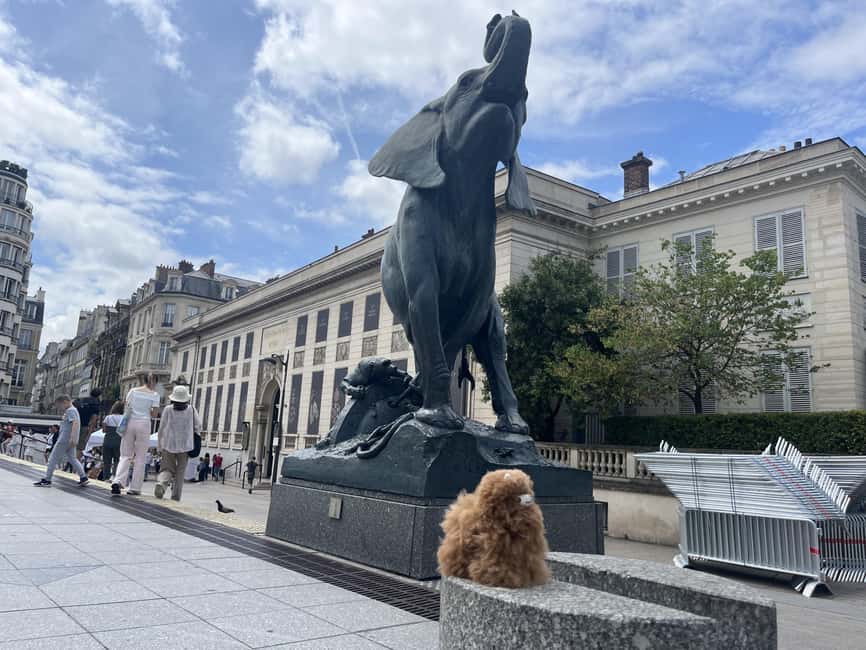
- Meet by the six Continents statues near the main entrance, with your guide holding the Mr. Llama mascot.
- Two to three hours is enough time for big ideas and a handful of meaningful stops, without turning it into a sprint.
Why Orsay Feels Different From Other Paris Museums
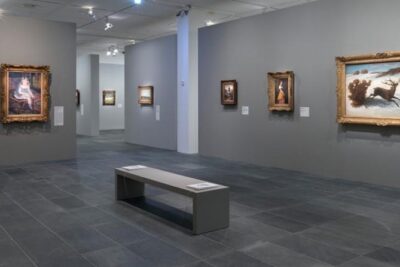
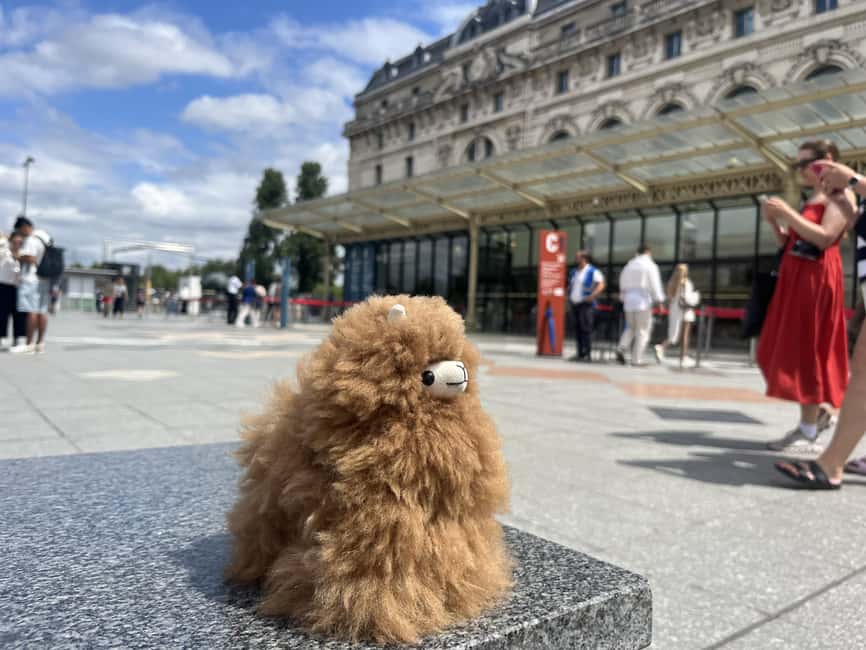
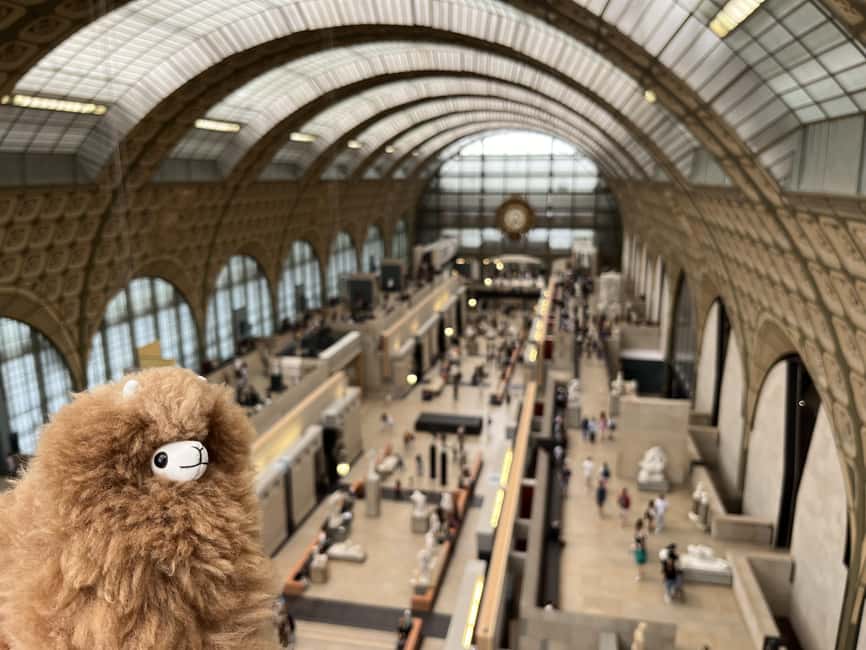
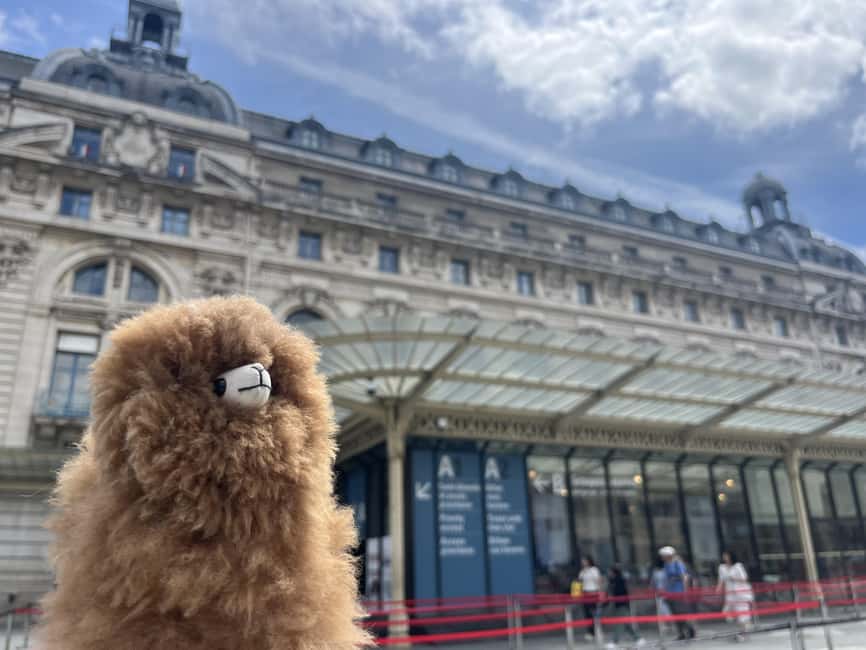
The Orsay Museum is housed in a building with real presence. It started life as a train station, then changed into the art museum you come for today, opening as a major museum in 1978. That transformation matters because it makes the visit feel like a journey—long views, wide spaces, and an atmosphere that’s more than “white walls and quiet rows.”
What you’re seeing inside is equally purposeful. Orsay holds French paintings from 1848 to 1914, a period that’s especially important in French art history. Instead of jumping randomly through masterpieces, the private guide can help you connect the timeline and the changes in style—so the art feels like it’s moving forward for a reason.
The value here is that you’re not just browsing. With a private group, you get a guide who can steer your attention to technique and meaning—things that are hard to catch when you’re on your own and trying to keep up with a museum’s size.
You can also read our reviews of more tours and experiences in Paris



Your 2–3 Hours: What the Tour Actually Gives You
The tour runs 2 to 3 hours, which is a sweet spot for Orsay. The museum is big enough that a first-time self-guided walk can turn into “look fast, remember later.” With a guide, you can slow down just enough to see brushwork, color choices, and storytelling in the paintings you care about.
Here’s the practical rhythm to expect:
- You meet at the entrance area, get oriented quickly, and step in with your guide.
- The guide then focuses on major works and themes from the Impressionism and Post‑impressionism world.
- You’ll spend enough time at the key stops to understand why those artists painted the way they did—rather than just admiring the finished result.
Also, the tour is described as customizable. That’s useful because Orsay can tempt you into doing everything. A guide can help you aim your time—so you don’t end up standing in front of a masterpiece you liked, without knowing what you were seeing.
Van Gogh and Manet: How the Guide Helps You See the Point
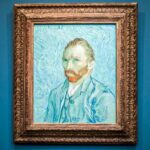
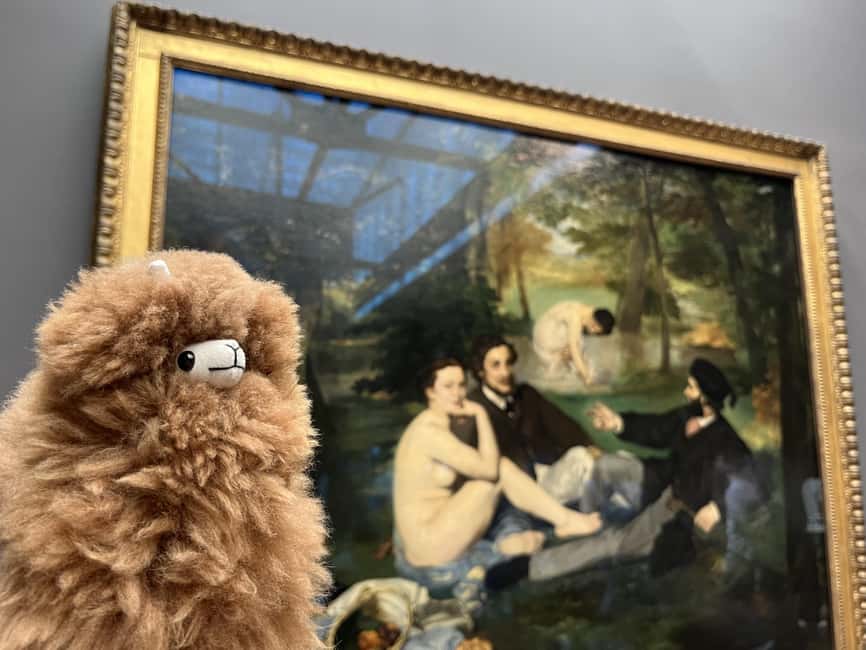
If you’re coming for Vincent van Gogh and Édouard Manet, this tour is built around that kind of payoff. The highlights specifically call out Van Gogh and Manet, and the tour approach is about artists’ intentions, technique, and color palettes.
That matters because these paintings often reward close looking. Without context, you might focus only on the subject—who’s in the scene, what moment it shows, what the mood is. With a guide, you get helped interpretation: why the artist chose certain colors, what the brushwork is doing, and what the painting is trying to say.
This is also where a good guide can save you from common first-time confusion. Orsay’s period is a bridge between older traditions and newer ways of seeing. A strong guide can explain the shift in style so that Impressionism and Post‑Impressionism don’t feel like separate boxes—you start seeing them as a conversation across time.
From the feedback tied to this experience, the most praised moments tend to be when the guide is passionate and clearly explains the art. For example, a booking praised Alessia for giving excellent explanations and showing genuine enthusiasm. Another booking highlighted Dani for making the visit feel quick and engaging, and for leaving additional advice for continuing on your own.
Beyond the Headliners: The 1848–1914 Story You’ll Start to Feel
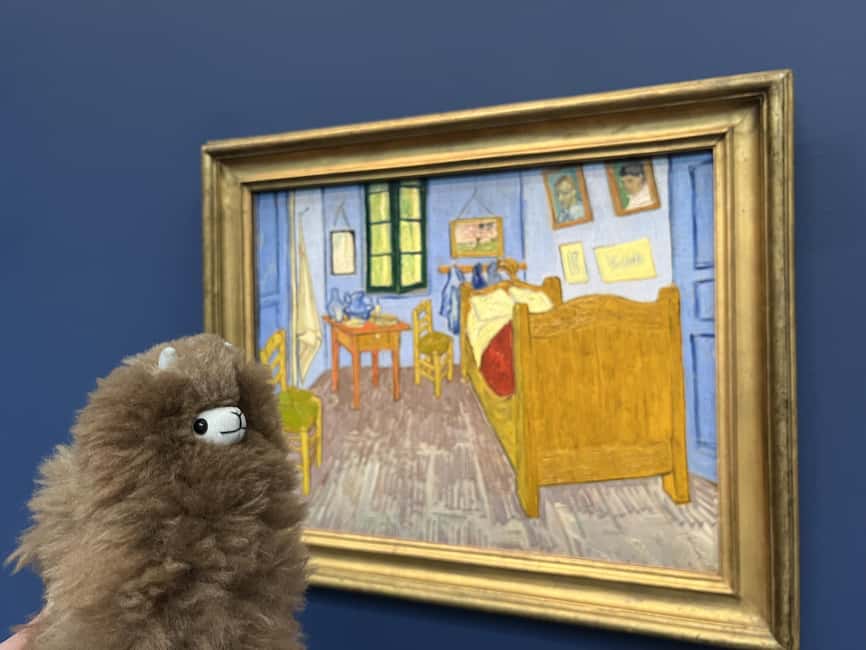
Orsay isn’t only for the famous names, even though it’s packed with them. The collection spans 1848 to 1914, and it includes major artists like Renoir, Monet, Cézanne, plus Van Gogh and Manet. The payoff of a guided approach is that you can start to understand how the museum’s timeline connects to the artwork’s evolution.
In practical terms, this helps you in two ways:
- You stop treating paintings like isolated postcards. Instead, you understand them as part of a wider move in French painting—especially the rise of Impressionism and the shift toward Post‑Impressionism.
- You learn a way of looking that carries to the rest of the museum. Once you’re thinking about technique and color palettes, you can spot patterns even when you’re just walking between highlights.
You also get a human layer. The tour description points to learning about the private lives of artists who faced resistance early on. That kind of framing helps you connect the emotional charge in certain works to the reality that artists weren’t always celebrated the moment they created.
The Meeting Point: Six Continents Statues and Mr. Llama
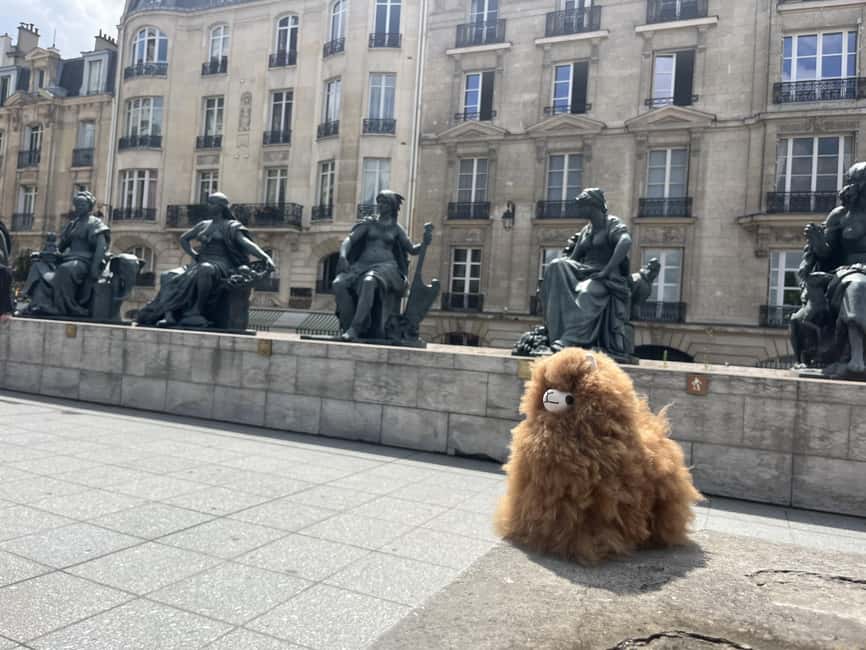
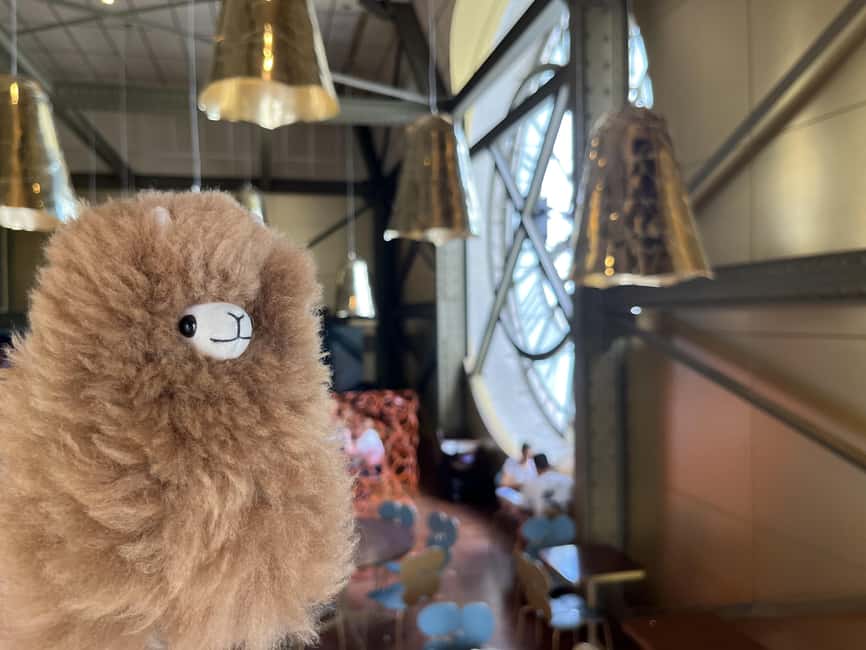
Let’s talk logistics, because this tour’s meeting point is specific. You’ll meet next to the six statues of Continents, located to the right of the main entrance. Your guide will be holding the mascot: Mr. Llama. It’s an easy landmark if you arrive with a little breathing room.
Arrive 20 to 30 minutes early. This isn’t just about punctuality; it’s about getting yourself calm before you step into a major museum. Orsay visits can feel hectic if you’re late and trying to match faces and languages while everyone’s already moving.
One more practical note: since the tour includes tickets but does not include skip-the-line entry, your early arrival time helps you handle any entry queues without stress.
You can also read our reviews of more guided tours in Paris






Language Choices and Customization (and What to Watch)
This private tour offers a wide list of languages: German, Japanese, Korean, English, French, Spanish, Russian, Italian. That’s a big deal because art talks can get lost if the explanation isn’t in your language. It’s also part of why the experience can feel either excellent or frustrating depending on the guide match.
The customization promise is clear: the guide aims to adapt to your wishes. That’s great if you have a narrow focus—like you only want Impressionism, or you want more time in the parts of the collection featuring Van Gogh and Manet.
But there’s one consideration you should treat seriously: language and timing need to be confirmed close to departure. One negative booking described a late change connected to guide language availability, and another complaint mentioned a late arrival and the stress that caused. I can’t sugarcoat it: if you’re paying for a private tour, you should expect solid communication and punctual execution.
If you care a lot about language and pacing, send a quick confirmation message after booking and again the day before. It’s not dramatic; it’s just good travel hygiene when money is on the line.
Pace Inside Orsay: Private Doesn’t Mean Rush-Proof
A private guide gives you control, but it doesn’t magically remove museum realities. Even when you pay for a guide, the museum’s entry and internal flow still affects your pace. And because this tour does not include skip-the-line station entry, you can’t assume the first minutes will be frictionless.
Here’s how to think about the 2–3 hour time window:
- You’ll likely move between the museum’s major focus areas without trying to see everything.
- You’ll get enough time to learn how to look at paintings—especially through technique and color.
- You should still expect that the museum environment is active, and some time goes into walking.
If you want a calmer experience, aim for an earlier start time when available. That way you spend your energy on art explanations, not on waiting.
Price and Value: What $224 Per Person Really Buys
At $224 per person, you’re paying for two things: your museum ticket and a private guide for 2 to 3 hours. For Paris, that can be reasonable when you compare it to the cost of museum admission plus the price of paying a guide separately.
The value isn’t only the price tag—it’s the cost of your time and attention. Orsay is not a quick museum. A private guide helps you avoid the common trap of spending 2 hours “wandering” and leaving with a blur of names but no clear understanding of what makes the paintings tick.
That said, some bookings can cost more depending on group size and arrangement. One review mentioned paying 380€ for a private visit for two people (with French language requested). If you’re comparing prices, don’t just compare the headline number—look at what’s included: in this case, tickets and a guide are included, while skip-the-line entry is not.
If you’re the type who likes art but hates uncertainty, this kind of private structure can be worth it. If you already know exactly which paintings you want and you’re happy reading walls and guidebooks on your own, you might decide you don’t need a private guide.
Wheelchair Access and Comfort Notes
This experience is marked as wheelchair accessible, and it’s a private group. In practical terms, that matters because Orsay is the kind of museum where your day can go smoother when mobility needs are considered from the start.
You’ll still want to wear comfortable shoes and keep your expectations realistic about museum walking. But with a guide, it’s easier to adjust when you need slower movement or extra time at specific works.
Who Should Book This Orsay Private Tour
This tour fits best if you want structure. If you love the idea of Impressionism and Post‑Impressionism but you don’t want to guess your way through Orsay, a guide can turn the museum into a clear story.
It’s also a great choice if you:
- have a short Paris window and want to hit the biggest artistic themes efficiently,
- care about Van Gogh and Manet and want more than surface-level descriptions,
- prefer an explanation in your language rather than relying on translations on your phone,
- like the idea of a customized experience.
It may be less ideal if you’re traveling on a tight budget and only want to browse. It’s also not the best pick if you’re extremely sensitive to timing and want guaranteed “no wait” entry, since skip-the-line entry isn’t included.
Should You Book This Orsay Museum Private Guided Tour?
I’d book it if you want a guided Orsay that focuses your time on the art’s meaning. The combination of included tickets, a private guide, and a language option list is strong value—especially if you want help understanding Impressionism and the Post‑Impressionism shift through technique and color.
I’d hesitate if punctuality and communication are dealbreakers for you, because the feedback includes complaints about lateness and language logistics. If you do book, I recommend you take the meeting point details seriously (six Continents statues, right of the main entrance, Mr. Llama) and arrive 20–30 minutes early. You’ll set yourself up for the kind of smooth start that lets the art take center stage.
FAQ
Where do I meet the guide?
You meet next to the six statues of Continents on the right side of the main entrance. Your guide will be holding Mr. Llama. Arrive 20–30 minutes early.
How long is the private guided tour?
The tour duration is listed as 2 to 3 hours.
Is museum admission included?
Yes. The ticket to the Orsay Museum is included with the tour.
Does this tour include skip-the-line entry?
No. Skip-the-line station entry is not included.
What languages are available for the guide?
The tour lists guides in German, Japanese, Korean, English, French, Spanish, Russian, and Italian.
Is the tour wheelchair accessible?
Yes, it’s described as wheelchair accessible.
Is this a group tour or private?
It’s a private group.
Can I cancel for a refund?
Free cancellation is listed up to 24 hours in advance for a full refund.
Can I reserve without paying now?
Yes. There is a reserve now & pay later option, described as booking your spot and paying nothing today.