REVIEW · PARIS
Small Group Walking Tour of Montmartre -10 people max
Book on Viator →Operated by SLL Paris Tours · Bookable on Viator
Paris rewards slow steps. Montmartre is where that idea clicks fast. This small-group walking tour (max 10) threads together the sights most people skim, with real-world context—history, art, and a few charming Montmartre legends—along a route that climbs and rewards your effort.
I especially liked the guide-led pacing and the way stories connect the dots. Hearing Sebastien’s mix of humor and local detail makes the neighborhood feel less like a postcard set and more like a place with lived-in character. One watch-out: the route involves a good amount of uphill walking, so bring comfortable shoes and a moderate fitness level.
In This Review
- Key things to know before you go
- Entering Montmartre from Place Pigalle (and why the group size helps)
- The Montmartre route: from Napoleon III to Sacré-Cœur inside
- Stop 1: Place Pigalle
- Stop 2: Église de Saint-Jean Montmartre
- Stop 3: Le Mur des Je t’aime
- Stop 4: Le Bateau-Lavoir
- Stop 5: Le Moulin de la Galette
- Stop 6: La Petite Maison Rose de Montmartre (since 1920)
- Stop 7: Vigne du Clos Montmartre
- Stop 8: Au Lapin Agile
- Stop 9: Place du Tertre
- Stop 10: Église Saint-Pierre de Montmartre
- Stop 11: Basilique du Sacré-Cœur (inside visit)
- Stop 12: Return down to Place Pigalle
- Guide impact: Sebastien’s humor, English, and off-script help
- How much walking is it, really? (Pace + physical consideration)
- Value for $60.34: what you’re really paying for
- Where to eat after: lunch ideas that don’t waste your time
- Should you book this Montmartre walking tour?
- FAQ
- How long is the Small Group Walking Tour of Montmartre?
- What time does the tour start, and where is the meeting point?
- What is the group size?
- Is the tour offered in English?
- Do I need to pay admission fees at the stops?
- Are service animals allowed?
- Can I get a full refund if I cancel?
Key things to know before you go
- Max 10 people means you get room to ask questions and take photos without feeling rushed
- English tour with clear explanations at each stop
- Free entry listed at each stop, so you focus on seeing and learning, not paying admission fees
- Route climbs the hill, ending back at Place Pigalle after visiting Sacré-Cœur
- Local restaurant help at the end, with practical ideas for lunch nearby
Entering Montmartre from Place Pigalle (and why the group size helps)
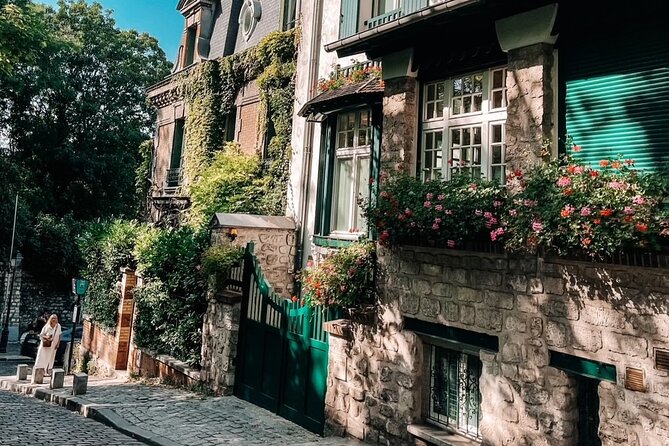
Montmartre can feel like two different places: the stage set you expect, and the real neighborhood behind it. Starting at Place Pigalle is a smart way in. You get a historical lens early, so when the street scenes turn charming or strange, you already know why they look the way they do.
With only up to 10 people, the tour works better than the big-bus style experience. Instead of hearing facts through a crowd, you’re walking in a tight band where the guide can keep the pace easy, answer side questions, and adjust on the fly. That matters on hilly streets where timing can go sideways if everyone moves at the same speed.
The tour runs about 2 hours 30 minutes, starting at 10:00 am, and returns to the meeting point at the end. You’ll be on your feet, with multiple short stops (usually 10–15 minutes each), so the whole experience feels packed but not heavy.
You can also read our reviews of more walking tours in Paris



The Montmartre route: from Napoleon III to Sacré-Cœur inside
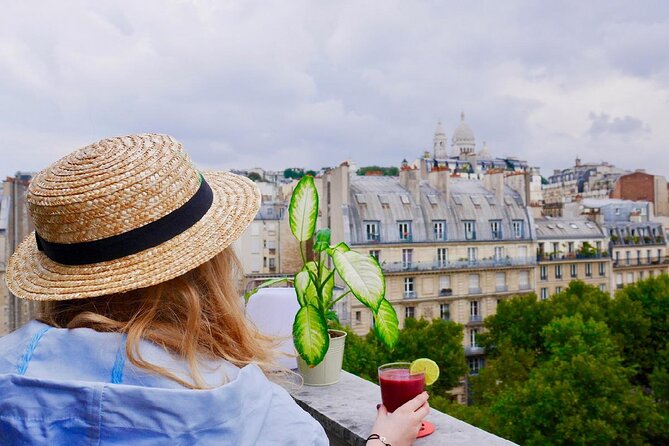
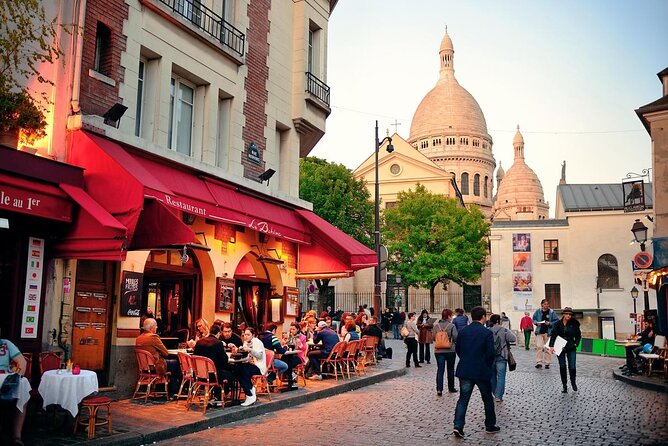
This walk is built like a storyline, with each stop acting as a chapter. You’ll see the famous names—Sacré-Cœur, Moulin de la Galette, Place du Tertre—but you’ll also learn the lesser details that make the place click.
Stop 1: Place Pigalle
You start by learning about the area both before and after Napoleon III. It sets the tone for Montmartre: a neighborhood shaped by changing times, not just one style of tourism. This early context makes later landmarks easier to read as you walk past them.
Stop 2: Église de Saint-Jean Montmartre
Next comes the church on stilts. Even if you’ve seen photos, it feels more real in person because you can actually sense the setting around it. The guide’s focus here is on how and why it ended up this way, turning a quick exterior glance into a small lesson.
Stop 3: Le Mur des Je t’aime
Then you reach Le Mur des Je t’aime, the wall built in 2000 with I love you in many languages. It’s simple, but it lands because it’s not just pretty—it’s a quiet reminder of how Montmartre became a magnet for artists, dreamers, and visitors from everywhere.






Stop 4: Le Bateau-Lavoir
At Le Bateau-Lavoir, you pass the kind of creative space where artists gathered. You’ll hear how it ties to Picasso, including the fact that he painted some of his famous works there. This is one of those stops where the street view alone doesn’t tell the full story, so the guide’s narration is the point.
Stop 5: Le Moulin de la Galette
You’ll walk past Le Moulin de la Galette, known as a famous restaurant area and a frequent haunt for artists like Renoir, Pissarro, and Van Gogh. The guide connects it to art history in a way that feels practical: you’re not just collecting names, you’re learning what scenes inspired famous paintings.
Stop 6: La Petite Maison Rose de Montmartre (since 1920)
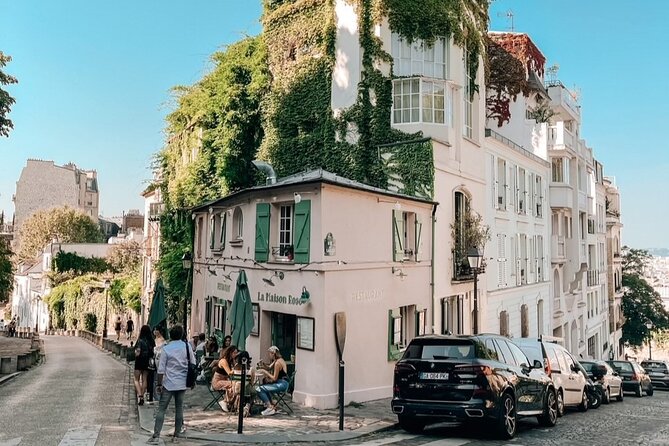
The pink house is more than a photo stop. You’ll hear its history—plus you get an easy chance to take pictures, since it’s right there where the streets open just enough to frame it well.
Stop 7: Vigne du Clos Montmartre
This is a fun pivot from buildings to agriculture. You’ll see the Vigne du Clos Montmartre, a small vineyard still producing wine today. It’s a reminder that Montmartre isn’t only about art studios and views—it still has pieces of everyday local life mixed in.
Stop 8: Au Lapin Agile
At Au Lapin Agile, the stop comes with an anecdote (including a donkey story). It’s the kind of legend that keeps Montmartre from turning into a museum hallway. You can look at the place, then carry away the story, which is how neighborhoods like this stay memorable.
Stop 9: Place du Tertre
Place du Tertre is where artists still gather. You’ll see the square and understand why it became a magnet: it’s the right blend of scenery, tradition, and visitor attention. The guide’s framing helps you spot what makes it Montmartre instead of just another scenic plaza.
Stop 10: Église Saint-Pierre de Montmartre
Here you’ll learn about a very specific feature: the oldest column in France dating to Roman times, plus the fact that this is the highest point in the city. That combination is a neat trick—one small architectural detail, tied to a big geographic fact.
Stop 11: Basilique du Sacré-Cœur (inside visit)
You’ll visit Basilique du Sacré-Cœur and go inside to learn about its history. Seeing the interior changes the experience. From outside, it’s a skyline landmark; inside, it becomes a historical and spiritual statement that helps explain why people still think of Montmartre as more than just nightlife and art cafés.
Stop 12: Return down to Place Pigalle
You finish by walking back down to Place Pigalle. This is also where the guide can help you choose where to eat. It’s useful because Montmartre can be tourist-trappy if you pick by looks alone.
Guide impact: Sebastien’s humor, English, and off-script help
The biggest reason this tour gets consistently top marks is the guide. In practice, it’s more than just knowing dates and names. Sebastien is described as friendly, funny, and clearly passionate about Montmartre. That shows up in how he tells stories—less like a lecture, more like walking and chatting with someone who genuinely loves the neighborhood.
A few things you can realistically expect when the guide is that strong:
- Fast clarity on what you’re looking at so you don’t feel lost
- An easy pace, even with hills, so the walk stays enjoyable
- Good photo handling, with flexibility when you want a stop for a shot
- Helpful answers beyond the script, because you can ask a real Paris local for context
Also worth noting: the tour is offered in English, with the guide delivering it in fluent, easy-to-follow language. That makes a big difference on a story-heavy walking tour—if you’re straining to understand, the whole point gets harder.
How much walking is it, really? (Pace + physical consideration)
The tour is listed for people with moderate physical fitness. You should also take seriously the fact that Montmartre is hilly, and this route covers that hill in a way that’s obvious once you start walking.
The pace is described as easy by guests, which helps. Short stop times (often 10 minutes) mean you’re not stuck in one spot forever, but you also shouldn’t expect a leisurely stroll at ground level. Plan for uphill effort. Comfortable shoes are non-negotiable.
If you’re traveling with kids, it can still work if everyone is okay with walking. In at least some groups, kids enjoyed the guide’s humor and stories—so the lesson is: bring curiosity, and the tour’s storytelling payoff tends to land.
Value for $60.34: what you’re really paying for
At $60.34 per person for about 2.5 hours, the price makes sense when you look at what’s included in the experience.
You’re paying for:
- A local guide who can explain what you’re seeing (and answer follow-up questions)
- A route that hits a lot of iconic spots without you needing to plan or connect the dots
- A format that keeps it small (max 10), which is where the quality usually comes from
You’re also not facing extra admission costs at the listed stops, since the tour specifies admission ticket free for each stop. That matters for value: your budget goes to the guide and the time, not surprise fees mid-route.
Where to eat after: lunch ideas that don’t waste your time
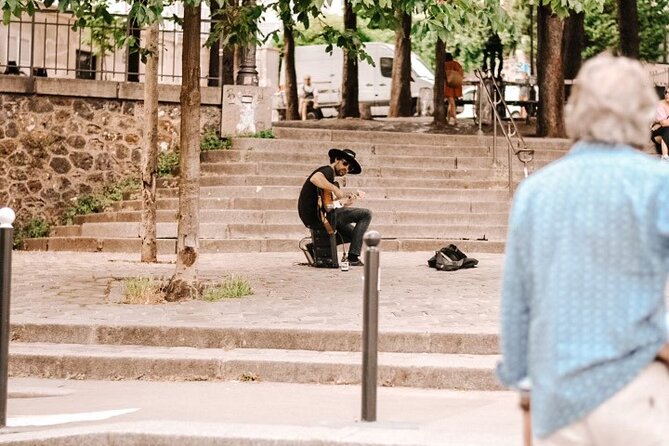
A good Montmartre day needs a good food plan. This tour helps with that. After you return to Place Pigalle, the guide can suggest a typical French restaurant for lunch.
In one standout example from the guide’s recommendations, the group was directed to a place serving steak frites, and it was recommended as an excellent dinner choice too. The practical win here is simple: you’ll finish the walk with a local’s sense of where to go next, instead of scanning menus while hungry and deciding on the fly.
Should you book this Montmartre walking tour?
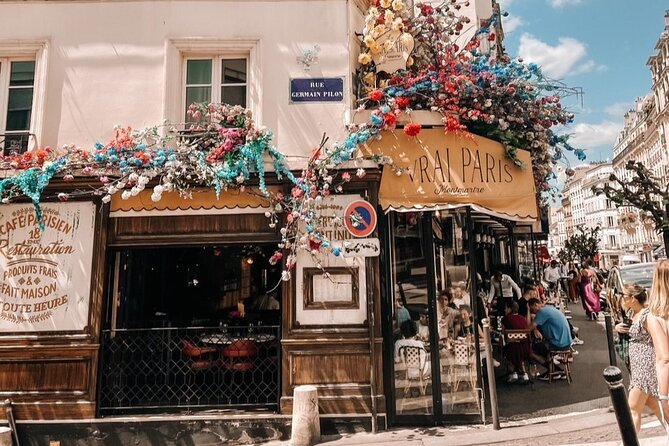
Yes, if you want Montmartre with context and momentum. This tour is built for people who like walking, hate sitting through vague tours, and want the neighborhood explained in plain terms as you move.
I would book it if:
- You want English storytelling with a real local voice (Sebastien is a big reason people rate this highly)
- You want a tight route that covers major highlights and a few smart surprises
- You prefer small-group comfort over crowds
Skip or reconsider if:
- Uphill walking is a problem for you. The route includes real hill climbing, even though the pace is managed.
If you’re even slightly curious about how Paris neighborhoods got their identities—artists, architecture, and local legends—this is a solid way to spend your morning.
FAQ
How long is the Small Group Walking Tour of Montmartre?
The tour lasts about 2 hours 30 minutes.
What time does the tour start, and where is the meeting point?
The meeting point is Place Pigalle, 75018 Paris, and the start time is 10:00 am. The tour ends back at the meeting point.
What is the group size?
The tour has a maximum of 10 travelers.
Is the tour offered in English?
Yes, it is offered in English.
Do I need to pay admission fees at the stops?
The listed stops are marked as admission ticket free.
Are service animals allowed?
Yes, service animals are allowed.
Can I get a full refund if I cancel?
Yes. You can cancel up to 24 hours in advance for a full refund. Canceling less than 24 hours before the start time is not refunded.