REVIEW · PARIS
The Louvre: art and love.
Book on Viator →Operated by Barbara & Boris · Bookable on Viator
Love and art collide at the Louvre. This private tour, The Louvre: art and love, looks at masterpieces through the lens of Eros and how Western art was shaped by faith, pain, and desire. I like that it pays attention to works you might miss on a standard route.
Two things I really like: the guides, Barbara & Boris, blend serious art history with jokes and a relaxed pace, and they actively invite you to talk through ideas instead of just lecturing. One drawback to consider is the subject matter: if you are not comfortable with the tour’s focus on BDSM-related themes and the veneration of pain, the title can feel misleading in tone.
In This Review
- Key points before you go
- A Louvre tour with an Eros lens (and why it works)
- Meeting at Arc du Carrousel: simple start, smart timing
- Inside the Louvre: fifteen masterpieces, plus time to breathe
- What you’ll actually be learning: love, power, and suffering
- A guide team built for jokes and real discussion
- Duration and flow: what you get in 2 to 3 hours
- Price and value: what $345.72 buys you
- Who should book this Louvre: art and love tour
- Practical notes that help your visit go smoothly
- Should you book The Louvre: art and love?
- FAQ
- How long is The Louvre: art and love tour?
- Where do we meet for the tour?
- Does the tour include museum admission?
- Is it a private tour?
- Do I need a paper ticket?
- What kinds of artworks will we see?
- What are the Louvre opening hours for this activity?
- Is service animal access allowed?
- Can I cancel for free?
- Who is this tour best suited for?
Key points before you go
- Private group experience with only your group participating
- Mobile ticket setup plus admission included
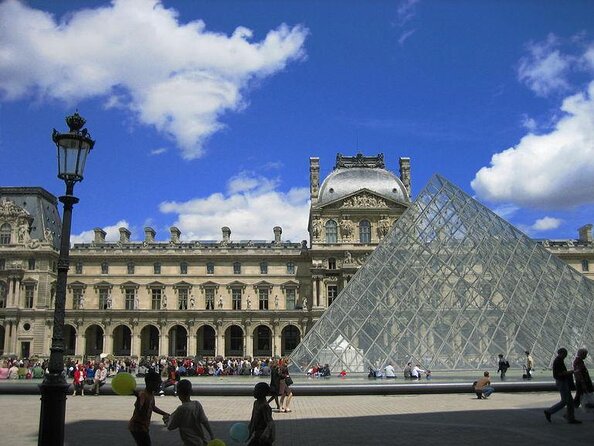
- Meet at Arc du Carrousel between the Louvre and the Tuileries gardens
- About fifteen masterpieces, including less-known works away from the biggest crowd routes
- Eros and Western art links through Catholicism, martyrs, and pain
A Louvre tour with an Eros lens (and why it works)
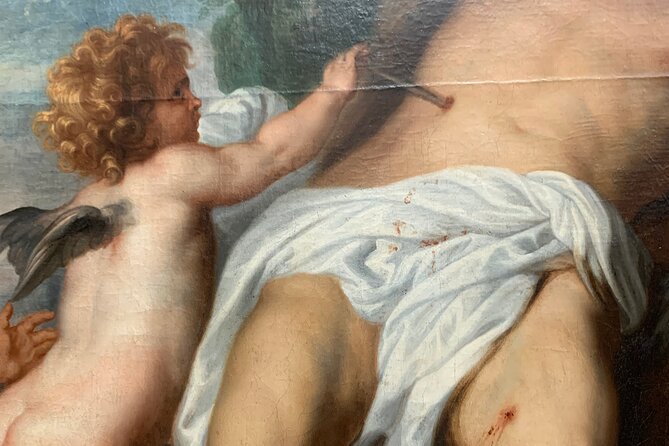
The Louvre can feel like a visual ocean. Rooms, crowds, labels, and the pressure to rush. This tour changes the mood fast. It treats art history like a story about love in many forms, then connects that story to how Western culture thought about desire, control, suffering, and devotion.
I like that the focus is not only on what a painting looks like, but why people made it. The tour frames history of art and culture as history of love, and then turns the spotlight on Eros in a specific way: BDSM (bondage, domination, sadomasochism). That may sound provocative, but the real payoff is how it helps you notice the emotional machinery behind certain images and themes you keep seeing across Western art.
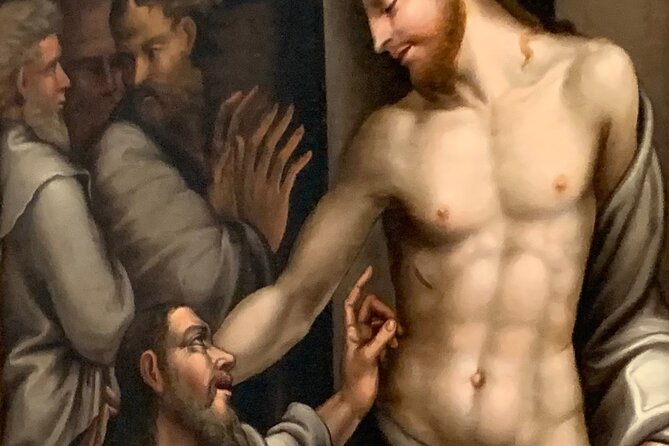
The second big idea is the cultural engine behind it all: the tour points at Catholicism, its cult of martyrs, and the way pain was venerated or given meaning. Even if you think you know what you’ll see inside the Louvre, this angle makes you re-read what you’re looking at.
You can also read our reviews of more tours and experiences in Paris.



Meeting at Arc du Carrousel: simple start, smart timing
You’ll meet at the Arc du Carrousel, right between the Louvre Museum and the Tuileries gardens. It’s a practical meeting spot because it’s easy to orient yourself in that part of central Paris, and it’s near public transportation.
This matters because a tour that starts smoothly saves your energy for the thinking part. The whole experience runs about 2 to 3 hours, so you do not have time to get lost, wait around, or fight crowds before the fun begins. Also, because it’s a private tour, your group doesn’t get mixed into a big herd, which tends to make the conversations feel more natural.
One more small detail that helps: the tour uses a mobile ticket. That cuts down on the usual line anxiety, especially when you’re dealing with a museum as famous (and busy) as this one.
Inside the Louvre: fifteen masterpieces, plus time to breathe
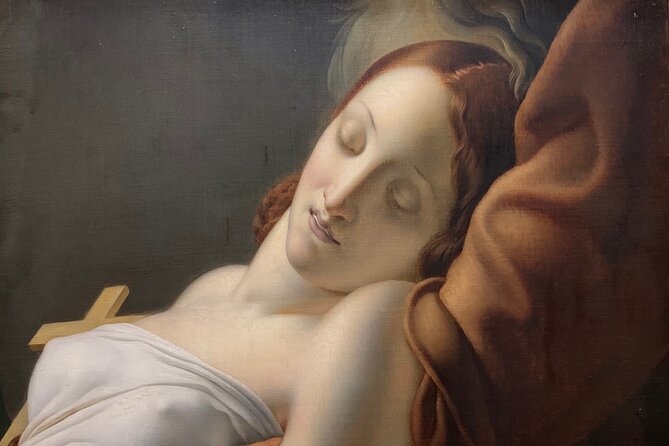
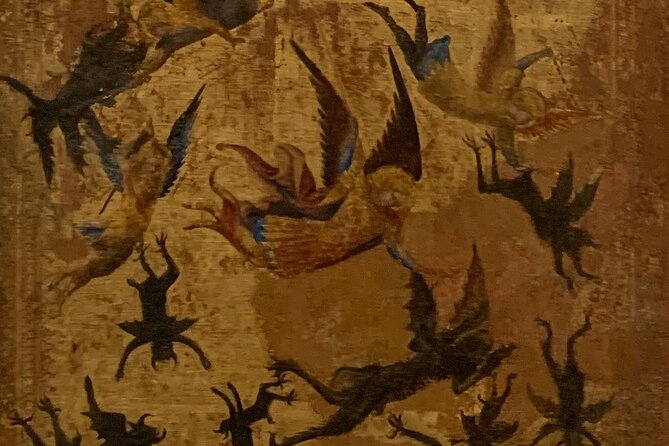
The itinerary stays focused. There’s one main stop: the Louvre Museum. Your guide brings you through around fifteen masterpieces, including both well-known works and less-known ones.
The best part of this approach is the pacing. A standard Louvre visit often forces you into a long checklist. Here, you get fewer stops with more meaning attached. That’s also where the tour finds value for your time: it helps you connect dots between works, instead of just collecting images.
You’ll likely get more out of this if you’re the kind of visitor who likes to ask why something is there. The tour gives space for consideration of older masters who may get pushed aside by the busiest tourist paths. So even if you have already visited the Louvre once, there’s a decent chance you’ll walk out feeling like you saw a different museum.
There’s a nice optional finish, too. The tour can end inside the museum, so you can keep wandering afterward on your own. That works well because it lets you choose what “clicks” for you once your brain has been re-trained.
What you’ll actually be learning: love, power, and suffering
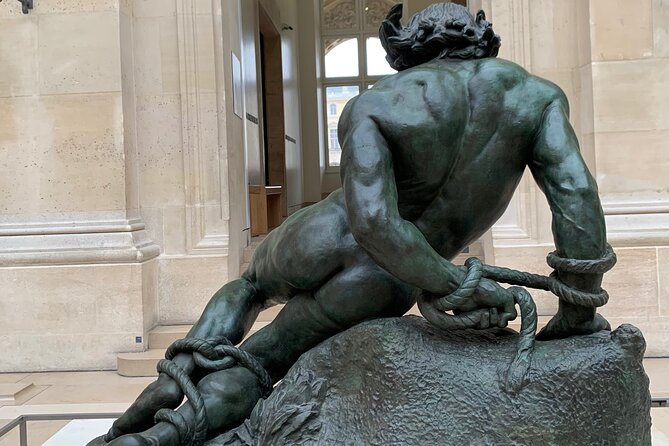
This is where the tour’s premise becomes more than a clever title. The guides use Western art’s recurring emotional themes—desire, control, devotion, pain—and read them in context.
The tour describes history of art and culture as history of love. That framing pushes you to watch for patterns: how artists represent intensity, how they show submission or authority, and how pain is turned into something symbolic rather than purely physical. You’re not just asked to look; you’re asked to interpret.
Then comes the religious layer. The tour emphasizes Catholicism and the cult of martyrs, plus the veneration of pain. If you’ve ever wondered why suffering shows up so often in Western masterpieces—why so many stories center on endurance—the tour’s approach gives you a cultural explanation. It suggests that some images weren’t made only to shock. They were made to persuade, teach, and move viewers emotionally.
And yes, the tour’s Eros angle includes BDSM-related themes. The point is not graphic detail. The point is context: how Western art grew up alongside ideas of passion, discipline, and power. If you approach it like a history lesson on symbolism, it tends to make more sense. If you approach it with discomfort, you might feel the tone is sharper than you expected.
A guide team built for jokes and real discussion
Guides can make or break a museum tour, especially at the Louvre where attention is easy to lose. With Barbara & Boris, the vibe is intellectually serious but not stuffy. You get clear explanations, and the guides use humor to keep big concepts from turning into a lecture fog.
I also appreciate that the format encourages discussion. Instead of you silently collecting facts, you get pulled into the ideas. That’s a big deal for a concept-heavy tour like this one, because the subject isn’t just about technique or dates. It’s about meaning. If you like talking with your group—asking questions, disagreeing politely—you’ll probably enjoy the experience more than you expect.
The comfort factor matters, too. The guides keep the tone so you’re not left hanging in confusion. When a tour tackles sophisticated concepts, your attention needs a handhold. Here, the humor and clarity act like that handhold.






Duration and flow: what you get in 2 to 3 hours
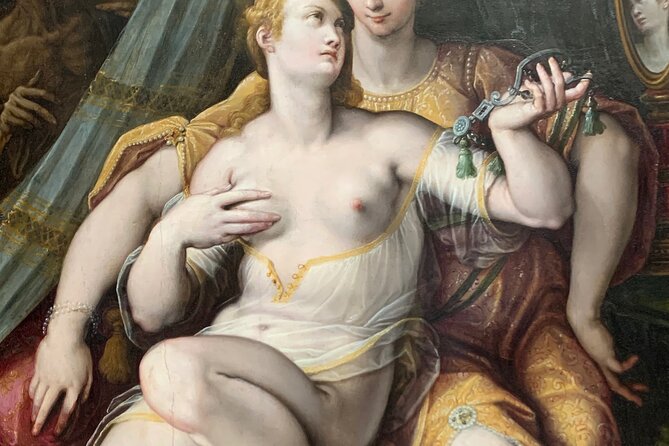
A Louvre visit can eat an entire day, but this one is shorter by design. At roughly 2 to 3 hours, the tour works like a high-impact primer.
Here’s what that usually means for your expectations:
- You’ll see a selected set of works rather than trying to cover everything.
- You’ll spend more time thinking about each stop, including the social and religious forces behind it.
- You’ll finish with ideas you can test as you continue self-guided wandering.
If you want a full day at the museum, this tour can still fit well. You do the guided portion first to set your lens, then you pick what to chase next. If you only have a couple hours total in Paris, this tour can be a strong choice because it doesn’t waste your time with aimless walking.
Price and value: what $345.72 buys you
The price listed is $345.72 per person, and it includes admission. That sounds steep until you remember what you’re paying for: a private experience built around a very specific theme, not a generic walkthrough.
So where’s the value?
- You get access without paying extra museum entry fees.
- You get a focused route through about fifteen works.
- You get a guide team (Barbara & Boris) bringing interpretive depth, plus discussion and humor.
- You get a private format that keeps the group size from ballooning.
The fair way to think about it: this tour is for people who care about meaning and context, not just exposure. If your goal is to see as many famous paintings as possible, you may decide that a more basic route is cheaper per hour. But if you want your Louvre visit to change how you see Western art, the cost can feel justified fast.
Who should book this Louvre: art and love tour
This is a strong fit for you if:
- You like art history that connects to culture, religion, and human behavior.
- You enjoy guided interpretation more than marker-by-marker museum navigation.
- You want less time in the biggest crowd streams and more time with overlooked works.
- You’re open to the tour’s talk of Eros and power dynamics as cultural symbolism.
It might be a less ideal fit if:
- You strongly prefer neutral or purely technical art commentary.
- You expect a light, casual overview based only on the playful title.
- You want your museum visit to avoid themes connected to BDSM-related concepts and veneration of pain.
Practical notes that help your visit go smoothly
The tour is offered on Monday through Sunday, with opening hours listed as 9:30 AM to 3:00 PM (for the period shown on the experience info). That means you’ll likely want to plan an early start in your day so you’re not cutting it close.
Service animals are allowed, and the experience is described as suitable for most travelers. It’s also near public transportation, which makes it easier to link with the rest of your Paris day.
One more practical tip: because the tour uses a mobile ticket and starts at a specific outdoor landmark, don’t treat the meeting point as optional. Be there a few minutes early so your group can step into the museum together without delays.
Should you book The Louvre: art and love?
Book it if you want the Louvre to feel like a conversation, not a checklist. I’d choose this tour when you’re curious about why certain emotions and symbols show up again and again in Western art, especially through the lenses of love, Catholicism, martyrs, and pain. The Barbara & Boris style—humor plus clear explanations—makes heavy ideas easier to track.
Skip it if you’d rather keep the focus strictly on technique, artists, and chronology, or if the BDSM/Eros framing will distract you instead of deepening your understanding.
If you’re on the fence, think about your own travel style. If you like interpretive tours that change how you see a museum, this one is worth serious consideration.
FAQ
How long is The Louvre: art and love tour?
It lasts about 2 to 3 hours.
Where do we meet for the tour?
You meet at the Arc du Carrousel, between the Louvre Museum and the Tuileries gardens.
Does the tour include museum admission?
Yes. An admission ticket is included.
Is it a private tour?
Yes. It’s private, and only your group participates.
Do I need a paper ticket?
No. The tour uses a mobile ticket.
What kinds of artworks will we see?
The tour covers around fifteen masterpieces, including both known and less-known works.
What are the Louvre opening hours for this activity?
The listed hours are Monday through Sunday from 9:30 AM to 3:00 PM.
Is service animal access allowed?
Yes. Service animals are allowed.
Can I cancel for free?
Free cancellation is available. You can cancel up to 24 hours in advance for a full refund.
Who is this tour best suited for?
It’s best for travelers who want a themed art history experience that connects masterpieces to ideas about love, Eros, and the cultural context behind Western art.