REVIEW · PARIS
The Musée d’Orsay Guided Tour Orsay Museum Semi-Private 6ppl Max
Book on Viator →Operated by Babylon Tours Paris · Bookable on Viator
A converted train station. A tightly focused art story. And a small group that actually lets you ask questions. This Musée d’Orsay semi-private tour is built for first-timers and art lovers alike, with priority entrance and a guide who leads you through Impressionists and the artists around them. I love the small-group feel, and I love how the tour follows an art-history timeline so the paintings make sense together. One possible drawback: it is not ideal if you need a wheelchair or you have major walking limits, and the museum’s security rules mean you’ll want a light bag.
Orsay is huge and can overwhelm you fast. With this tour, you trade aimless wandering for a clear route and “what to look for” guidance. The best part is the pacing: you get guided highlights like Manet, Renoir, Monet, and Van Gogh, plus time to absorb before the crowd moves on.
In This Review
- Key things I’d watch for before you book
- Why Orsay feels perfect for a semi-private tour
- Priority entrance and the Orsay logistics you should know
- Your 2.5-hour timeline: what the guide actually does with the art
- Stop 1: Musée d’Orsay, framed as “art history in motion”
- The Orsay must-sees you’ll plan your route around
- Manet and the shock of modern life
- Renoir and the social energy of a scene
- Monet: the color lesson you can see and feel
- Van Gogh and the “close-up” reality
- Degas and the art of motion
- Millet’s The Gleaners: the stage before Impressionism
- If a highlighted artwork isn’t there
- What you’re really paying for: technique + storytelling
- Pace, questions, and the end-of-tour time to re-see
- Price and value: is $144.21 per person a good deal?
- Who this tour suits best (and who might want a different plan)
- Practical tips to get more out of every minute
- Should you book this Musée d’Orsay semi-private tour?
- FAQ
- How long is the Musée d’Orsay guided tour?
- What does the price include?
- Is the tour in English?
- How big is the group?
- Which famous artworks are usually included?
- Are temporary exhibitions included?
- Are there mobility or accessibility limits?
- Do I need a mobile phone number for the booking?
Key things I’d watch for before you book
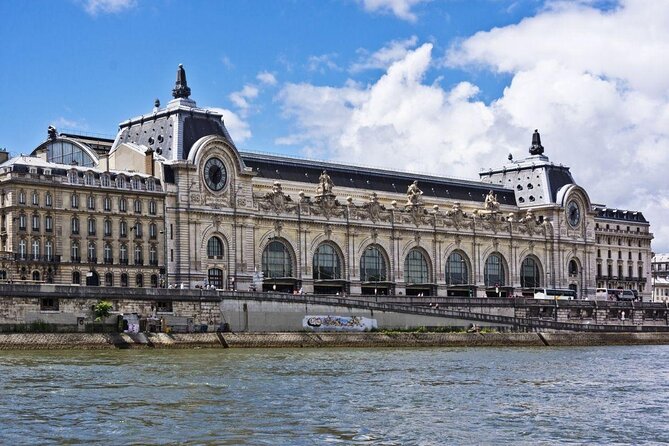
- Max 6-person semi-private group means you can ask questions and keep up without getting lost.
- Priority entrance is included, so you start seeing art instead of standing in line.
- Chronological art story ties together Academism, Realism, Impressionism, and beyond.
- Top Orsay hits are planned (Manet’s Luncheon on the Grass, Renoir’s Dance at Le Moulin de la Galette, Monet’s poppies/waterlilies, Van Gogh’s Bedroom in Arles, Degas’s ballerinas, Millet’s The Gleaners).
- You’ll learn techniques, not just dates—so the brushwork and choices feel more personal.
- Guide style varies by person, but the most praised guides (like Lilly, Eduardo, Christophe, Kotryna, Ivanna, Ana, and Daniel) tend to be funny, story-first, and quick to answer questions.
Why Orsay feels perfect for a semi-private tour
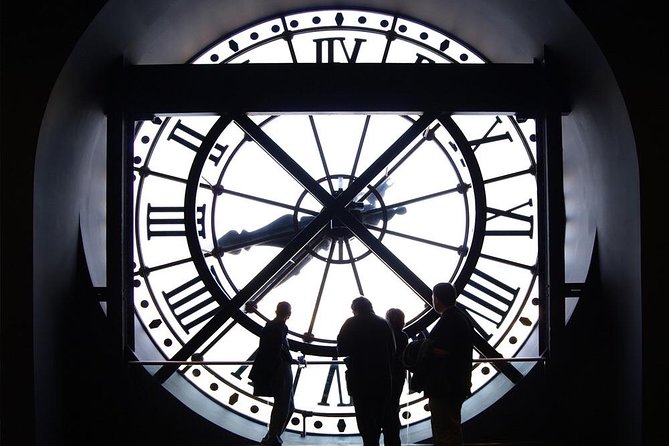
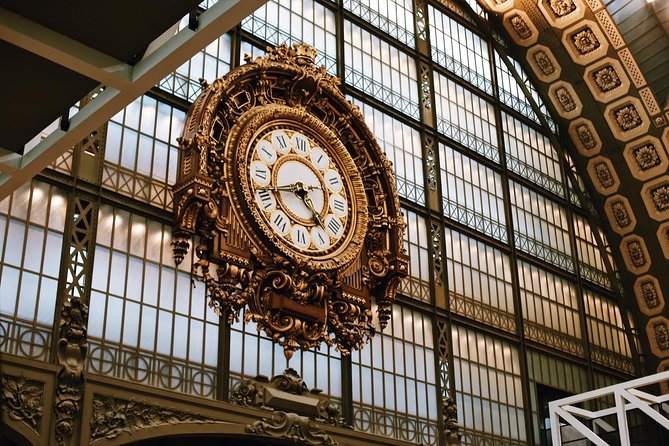
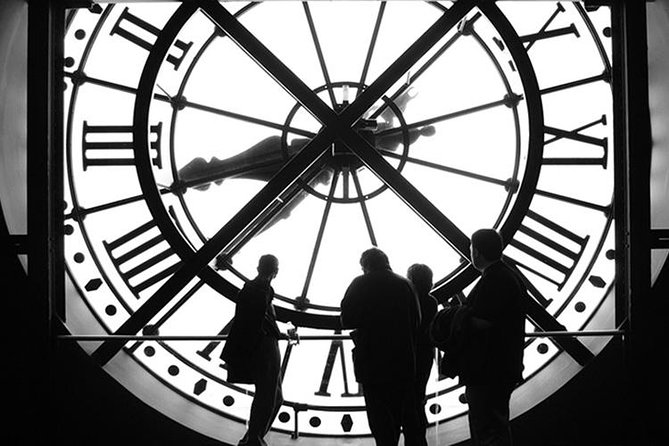
Musée d’Orsay sits in the former rail station, a Beaux-Arts building that already looks dramatic before you even reach the galleries. It helps that Orsay’s collection is concentrated around a specific era—late 1800s art moving toward Impressionism—so a guided, timeline-style tour actually works.
This specific tour is priced like a serious guided experience, but you’re paying for two things that matter in Paris: expert guidance and the time saved with reserved entry. For many people, the value isn’t that the tour shows you “more art.” It’s that it shows you the right art in the right order, with enough explanation to make the museum feel smaller than it is.
The small group size (promised as never more than 6, and with a note of a maximum of 8) is the practical reason this tour works. Orsay can be noisy, and big groups can turn your visit into a walking lecture. With a semi-private group, you’ll usually be able to follow along, ask a question, and actually look at the paintings instead of trying to keep pace.
You can also read our reviews of more guided tours in Paris



Priority entrance and the Orsay logistics you should know
This tour includes all entrance fees and reserved entry, so you can skip the long line experience for general entry. That doesn’t mean there will be zero lines inside the museum—security flow and room crowding can still create waits. The good news is your guide helps manage the route so you spend your limited time where the art matters most.
A few Orsay rules are worth planning around:
- No large bags or suitcases are allowed inside—only handbags or small thin bag packs go through security.
- Dress rules can apply at some sites, so keep your outfit respectful and simple.
- Some rooms have quiet or restricted right to speak. Your guide will flag those moments before you enter, so you’re not startled mid-story.
- Orsay can have occasional closures. If opening is delayed by more than 1 hour from the tour start, you’ll get an alternative, but you won’t get refunds or discounts in that situation.
If you show up with a big bag, your “tour start” can shrink while you figure out security. Keep it light, and you’ll feel like the tour begins on time.
Your 2.5-hour timeline: what the guide actually does with the art
The tour’s core idea is simple: you’re not just watching famous works—you’re understanding how the movement changed. Your guide leads you through artistic evolution leading up to the Impressionists, then onward to Post-Impressionist impact.
Here’s how that plays out in the museum experience.
Stop 1: Musée d’Orsay, framed as “art history in motion”
You’ll start at the museum and spend about 2 to 2.5 hours walking a curated route through the key stages around Impressionism. Expect your guide to explain why these paintings were surprising for their time—then point out what you can still see today.
The most helpful feature isn’t any single masterpiece. It’s the way the tour links them. For example:
- You’ll see how earlier artists set the stage for the Impressionist shift.
- You’ll learn what Impressionists broke away from and what they changed visually.
- You’ll watch the next step forward through Post-Impressionist influence.
And because this is semi-private, your guide can slow down if your group has questions. In the best tours, this is where people stop treating museum visits like homework and start treating them like stories.
The Orsay must-sees you’ll plan your route around
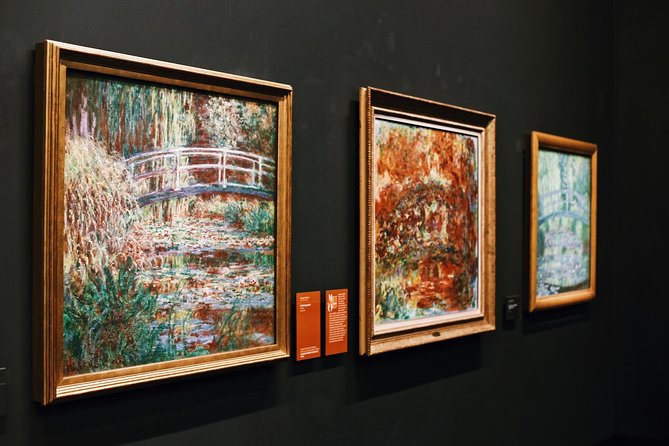
This tour is built around a set of highlights. Not every work is guaranteed every day (loans, restorations, and changing displays happen), but these are the planned favorites you’ll want to hope for.
You can also read our reviews of more private tours in Paris






Manet and the shock of modern life
Manet’s Luncheon on the Grass is one of the classic “why people argued” paintings. The point of including it early is smart: it shows how artists pushed boundaries before Impressionism became the mainstream label.
If you only know Manet from the name, you’ll likely leave with more than recognition. You’ll understand why the image landed like a challenge, and why the art movement didn’t appear out of nowhere.
Renoir and the social energy of a scene
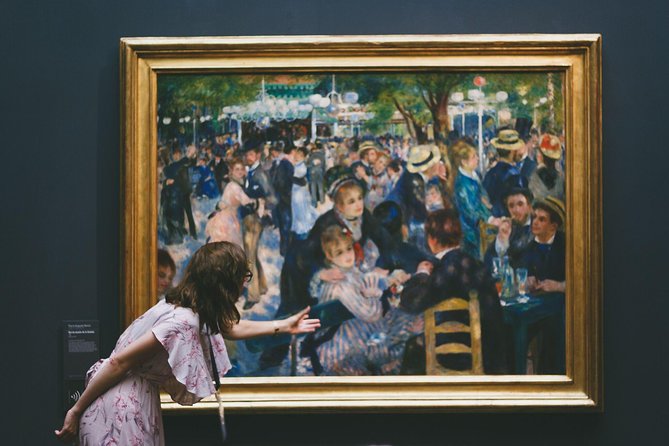
Renoir’s Dance at Le Moulin de la Galette is the other big anchor. This is the painting that makes many first-time visitors instantly care. The explanation helps you notice how the artist built a lively atmosphere—so it doesn’t feel like a pretty scene that could be any era.
Monet: the color lesson you can see and feel
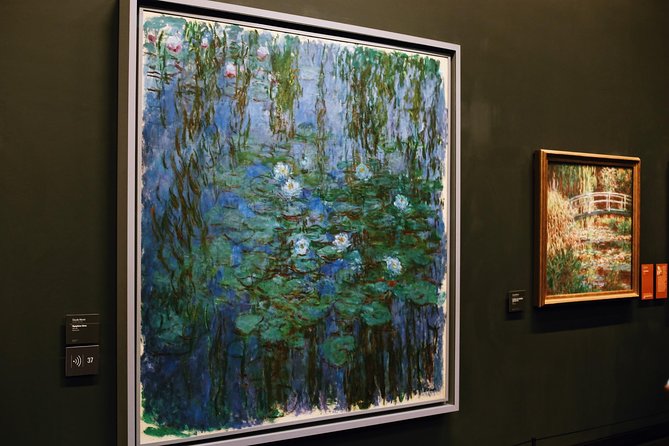
Monet shows up with Poppy Field plus Waterlilies (as listed among the highlights). This is where the tour becomes practical. You’ll get help recognizing what the brushwork is doing, and why the color choices look the way they do.
Even if you don’t consider yourself an art person, Monet’s pieces tend to work because they invite you to look longer. A guide helps you stop skimming.
Van Gogh and the “close-up” reality
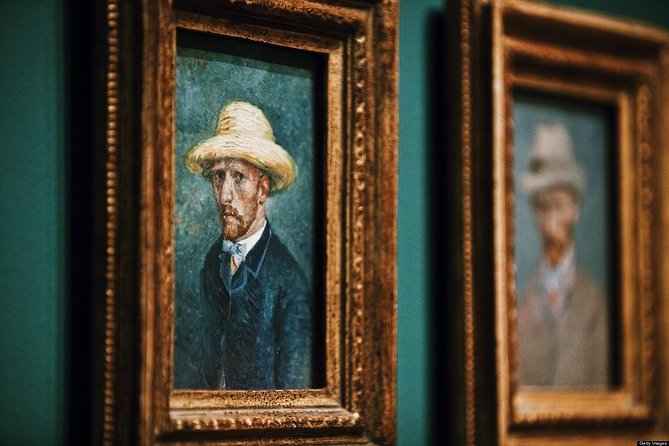
Van Gogh’s Bedroom in Arles is a powerful contrast to the outdoor scenes. The tour uses works like this to show how the movement changes from light-and-optics experiments toward more personal, emotional intensity.
This is also where you might learn a few technique pointers that make the painting feel less mysterious. You start seeing deliberate choices instead of random marks.
Degas and the art of motion
Degas’s Ballerinas is included as a highlight. The tour format is ideal here because Degas often feels “different” at first glance. Having context on technique and subject choices makes the painting click.
Millet’s The Gleaners: the stage before Impressionism
Millet’s The Gleaners appears as a look at what came before the Impressionist explosion. It helps you understand that Impressionism wasn’t the first time artists challenged traditions—it was a turn in a longer shift.
And yes, it’s also a reminder that the collection isn’t only about famous leisure scenes. Orsay has depth.
If a highlighted artwork isn’t there
If a planned piece is not on view due to loan or restoration, the tour still aims to keep the timeline and key ideas intact. You might swap into a related work rather than losing the whole point.
What you’re really paying for: technique + storytelling
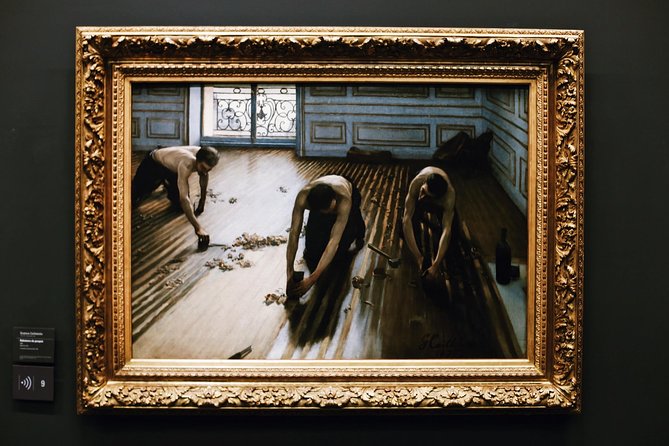
The best reviews emphasize the same outcome: the paintings become easier to understand because the guide connects dots. I don’t just mean “the guide explains stuff.” I mean you learn what to notice.
This tour explicitly includes learning about techniques used by artists such as Van Gogh and Renoir, plus how artistic choices relate to the movement’s evolution. When it goes well, you don’t leave with a list of names. You leave with a mental framework.
That’s also why the most praised guides—people like Eduardo and Lilly—come through as story-first and question-friendly. One strong theme from feedback is that guides keep the group engaged with humor and pacing, which matters when you’re sitting in front of art that can otherwise feel distant.
If you’re visiting with kids or teens, this matters even more. The tour includes an option for a special kid-friendly family version, and multiple guides are praised for keeping children involved while still giving adults real art context.
Pace, questions, and the end-of-tour time to re-see
This is not a speed-run. The structure gives you a guided pass through major works, plus you’re typically left with enough energy at the end to explore more on your own. Some guide styles are praised for allowing time for personal discovery near the end.
Two practical notes that affect your experience:
- Orsay can get very crowded, and crowding can change how relaxing the tour feels. If your schedule allows it, you might avoid days when the museum is unusually packed.
- Some rooms require quiet behavior or restrict speaking. If your group likes lively commentary, this can feel slightly different, but your guide will manage expectations before you enter.
Price and value: is $144.21 per person a good deal?
At $144.21 per person for about 2 to 2.5 hours, this tour isn’t bargain-priced. But the cost is easier to justify when you break down what’s included:
- a professional guide
- semi-private group size (up to 6)
- admission and reserved entry fees included
- a structured route built around the Impressionist-to-Post-Impressionist story
The money you’re spending is partly for convenience (priority entrance), but mostly for translation. Orsay can be overwhelming because it’s art plus context plus time period plus technique. A guided timeline turns it into something you can actually follow.
If you love art and want a visit that feels guided rather than chaotic, the price often lands as fair. If you’re the type who enjoys wandering freely with zero structure, you might find this costs more than you want to pay.
Who this tour suits best (and who might want a different plan)
This tour fits best if you:
- want a guided first-timer Paris museum experience
- care about Impressionism and want the timeline made clear
- like asking questions in real time (small group helps)
- want priority entrance and less stress than self-guided wandering
It may not be the best choice if you:
- use a wheelchair or need accommodations for walking disabilities (the tour is not available for those cases based on the stated restrictions)
- have very limited mobility, since you’ll need moderate physical fitness
- plan to bring a large bag (security rules make a lighter bag the smart move)
Practical tips to get more out of every minute
A few habits make this tour feel smoother:
- Bring a phone with service or Wi-Fi and be ready to share a mobile phone number with the operator when required (they request a number including country code).
- Pack light. Orsay security is strict about bag size.
- Wear comfortable shoes. Even a “2 to 2.5 hour” museum tour can include a surprising amount of walking.
- If you care about a particular artist, think of one question you’d love answered before you meet your guide. With a small group, your question time actually matters.
Also, keep your expectations flexible. Orsay occasionally faces closures. If the museum opening shifts by more than an hour, the operator provides an alternative, but refunds/discounts are not guaranteed for that scenario.
Should you book this Musée d’Orsay semi-private tour?
I’d book it if you want an Orsay visit that feels organized, story-driven, and small enough to ask questions. The combination of semi-private size, priority entrance, and the art-by-art timeline around Impressionism is exactly what makes the Musée d’Orsay experience click for many first-timers.
I would skip or reconsider if you strongly prefer self-paced wandering, if mobility is a concern, or if you’re bringing a lot of luggage and don’t want to deal with security restrictions.
If you’re on the fence, focus on this: Orsay is big and the art is tied to a period that can be confusing without context. This tour pays for that missing context.
FAQ
How long is the Musée d’Orsay guided tour?
The tour typically lasts about 2 to 2.5 hours.
What does the price include?
It includes a semi-private museum tour with a professional English guide, reserved/priority entrance, and all entrance fees. Admission is included.
Is the tour in English?
Yes, the tour is offered in English.
How big is the group?
It is semi-private, with a maximum of 6 travelers. The information also notes a maximum of 8 people per tour allowed.
Which famous artworks are usually included?
Planned highlights include Manet’s Luncheon on the Grass, Renoir’s Dance at Le Moulin de la Galette, Monet’s Poppy Field and Waterlilies, Van Gogh’s Bedroom in Arles, Degas’s Ballerinas, and Millet’s The Gleaners. Exact works can vary if something is on loan or restored.
Are temporary exhibitions included?
Temporary exhibitions are not included.
Are there mobility or accessibility limits?
The tour is not available for people with walking disabilities or for wheelchair users, and it asks for moderate physical fitness.
Do I need a mobile phone number for the booking?
Yes. The operator asks you to provide a mobile phone number (including country code).