REVIEW · PARIS
Small-Group Louvre Museum Masterpieces Tour with Access
Book on Viator →Operated by City Wonders Ltd · Bookable on Viator
The Louvre gets manageable with a guide. This 3-hour small-group tour focuses on signature masterpieces and key stories, with audio headsets so you can actually hear everything. You also get prioritized entry and then time to explore more on your own.
I love that the tour is capped at 12 people or fewer, so questions don’t get swallowed by the crowd. I also like the way the route moves through big-name art without turning the visit into chaos; you finish with enough freedom to continue at your own pace.
One thing to plan for: the museum is crowded and there are stairs, and on a rare day a group can be larger than promised. If you have significant mobility limits, this is something to weigh carefully.
In This Review
- Key things to know before you go
- Why this 3-hour Louvre tour is a smart use of time
- Meet-up, entry, and what that morning (or afternoon) feels like
- Stop-by-stop: what you’ll see and why it’s worth your time
- 1) The Louvre’s medieval roots to set the stage
- 2) Venus de Milo: the face of classical ideals
- 3) Apollo Gallery and royal power in art form
- 4) Canova’s Psyche and Cupid: love that feels sculpted, not staged
- 5) Delacroix’s Liberty Leading the People
- 6) Michelangelo in the Italian sculpture hall
- 7) Leonardo’s Mona Lisa: the crowd, the mystery, the moment
- The real value: what you get beyond a ticket
- Group size reality check: capped at 12, but crowds can change the plan
- Crowds, stairs, and hearing the guide in a huge museum
- Who this Louvre highlights tour suits best
- How to get the most from your guide (names you may hear on the day)
- Should you book this Louvre Museum Masterpieces tour?
- FAQ
- How long is the Louvre Museum Masterpieces Tour?
- What’s included in the tour price?
- Is the museum entrance ticket included?
- Does the tour provide audio headsets?
- What language is the tour offered in?
- Where do we meet, and where does the tour end?
- Is hotel pick-up or drop-off included?
- Do I need a mobile ticket?
- Is there any chance the tour could be delayed?
- Are there any free-admission rules for the Louvre?
Key things to know before you go
- Small group size (12 or fewer): more focus, easier navigation, and better odds of hearing your guide
- Included museum entry: adult ticket is covered as part of the tour price
- Audio headsets: you can keep up even in noisy galleries
- A highlights route with meaning: you learn why each masterpiece matters, not just what it shows
- Then roam on your own: the tour ends and you’re free to keep exploring
Why this 3-hour Louvre tour is a smart use of time
If you’ve ever stared at the Louvre map and felt your brain hit pause, this kind of tour can be a relief. The Louvre is massive, and it’s easy to waste your energy wandering between must-sees and ending up exhausted. This experience gives you a clear, guided path through a set of works that most people come for, plus a few stops that help connect the dots.
The small-group format matters. A group of 12 or fewer means you’re not just standing shoulder-to-shoulder hoping someone points out the art you came to see. And with headsets, you don’t have to crane your neck or compete with a wave of tour chatter. It’s especially useful in the Louvre, where sound and crowd flow can shift fast.
And then there’s the timing: it’s about 3 hours, and that’s long enough for stories and context, but short enough that you still have a chance to keep exploring afterward. That combo—guided highlights first, personal roaming after—is a great way to get the Louvre without losing your day.
You can also read our reviews of more museum experiences in Paris


Meet-up, entry, and what that morning (or afternoon) feels like
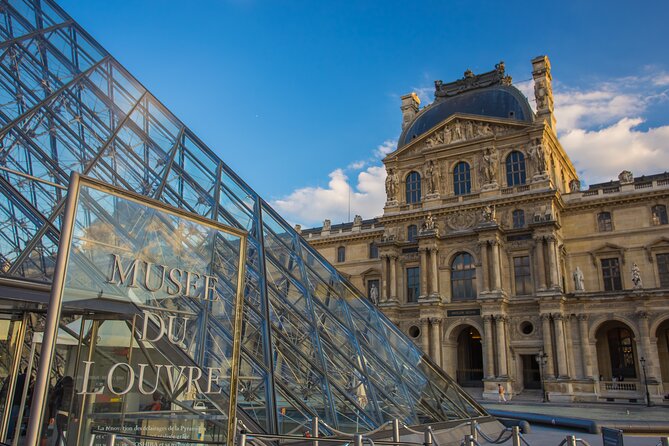
You’ll start at Arc de Triomphe du Carrousel, Pl. du Carrousel, 75001 Paris, and the tour ends at the Musée du Louvre (also 75001). There’s no hotel pickup, so you’ll want to plan your route in advance and give yourself a little buffer.
Most people can join, and the tour language is English. You’ll also receive a mobile ticket, which tends to make the arrival flow smoother. Still, be ready for mandatory security checks. Even with reserved entry, security lines can add delays at peak times.
Practical tip I’d follow: arrive early enough to find your guide before you’re stressed. One bad surprise with any crowded museum meeting point is the moment your timing slips and you can’t spot the exact flag or group. In one case, a meeting spot issue led to a missed tour start. You don’t want that.
Stop-by-stop: what you’ll see and why it’s worth your time
1) The Louvre’s medieval roots to set the stage
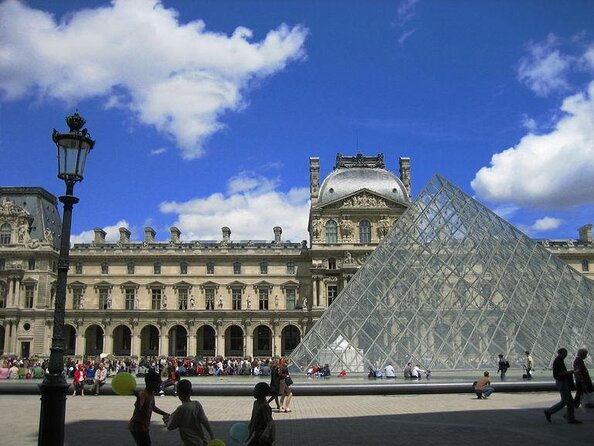
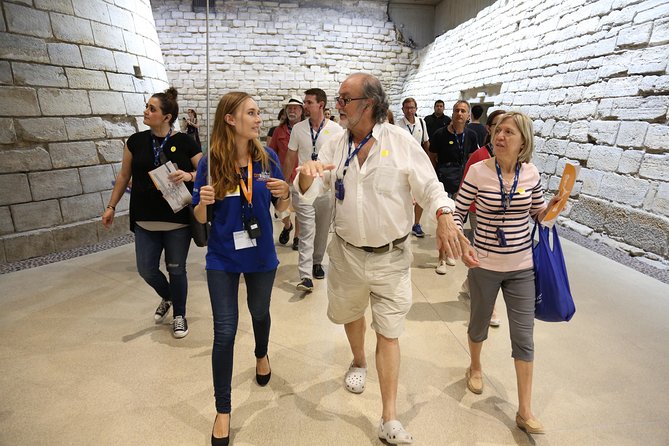
The tour begins by acknowledging that the Louvre wasn’t always an art museum. It started as a royal residence, and the early context helps you understand the building itself—why certain spaces and axes feel the way they do.
This opening matters because it changes how you look. Instead of treating the Louvre like a random collection of rooms, you start noticing how power, design, and architecture shaped the museum over time.
2) Venus de Milo: the face of classical ideals
Next, you’ll gaze at Venus de Milo. It’s one of those works where the crowd can be intense, but the sculpture’s influence is easier to appreciate when someone explains what makes it iconic—style, pose, and why it’s been copied, studied, and mythologized for centuries.
A guide’s job here isn’t to overstuff you with art-school terminology. It’s more about helping you slow down for a moment and actually see proportions and expression, even when you can’t step away from the flow of people.





3) Apollo Gallery and royal power in art form
Then the route moves toward the Apollo Gallery, where you’ll see the ornate royal crowns associated with Napoleon and King Louis XV. This is a nice pivot from sculpture to symbolism—because crowns in this context are about authority, legitimacy, and state power.
The tour keeps things lively here with stories tied to leaders and what their imagery was meant to communicate. If you’re the kind of person who thinks, I get it, but why does that matter, this is exactly where a guide earns their ticket price.
4) Canova’s Psyche and Cupid: love that feels sculpted, not staged
At Canova’s Psyche and Cupid, the focus shifts to emotion and craftsmanship. This is where the Louvre stops being only about big names and starts showing why certain artists mastered the feel of flesh, movement, and tenderness through marble.
Even if you only see a quick view, having context helps. You’ll be looking for details instead of just thinking, yes, it’s famous.
5) Delacroix’s Liberty Leading the People
Next comes a work by Delacroix: Liberty Leading the People. This painting is tied to the French struggle for freedom, and the story behind it turns what could feel like just another dramatic scene into something more specific.
The useful part of this stop is how your guide connects the symbolism (figures, setting, mood) to the historical moment. It’s a strong lesson in how art can behave like a message that outlives the event.
6) Michelangelo in the Italian sculpture hall
Then you’ll reach Michelangelo’s work in the Italian sculpture hall. This stop is valuable because it adds “how” to your understanding. You start noticing the difference between artists’ styles—especially how emotion and form are expressed in three dimensions.
If you’re a first-time Louvre visitor, this is one of the best ways to avoid feeling lost. You get an organized path through major centers of artistic influence.
7) Leonardo’s Mona Lisa: the crowd, the mystery, the moment
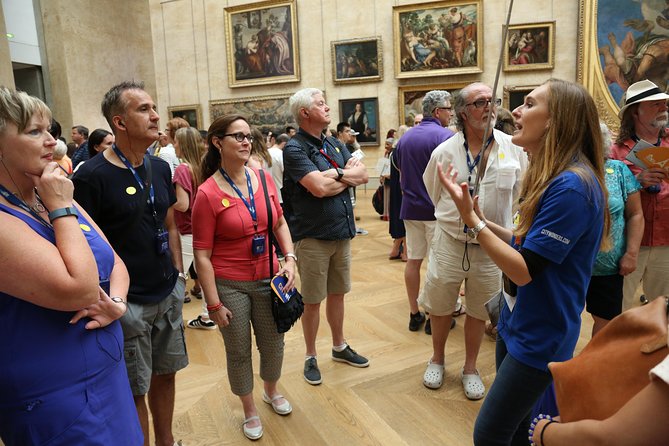
Finally, you’ll see Leonardo da Vinci’s Mona Lisa. Yes, the area around it is usually packed. But with a guide, you’re not just pushed into a wall of people and told to look.
What I like about a guided approach at Mona Lisa isn’t controlling the crowd. It’s the framing. You’ll be guided to pay attention to details you might otherwise miss and understand why the portrait is so enduringly enigmatic.
After the tour ends, you can revisit on your own with a clearer sense of what you want to see next.
The real value: what you get beyond a ticket
The tour price is $118.27 per person, and the museum entry is built in (the adult ticket is included). There’s also a reservation component included in the overall cost. When you bundle guide time, headsets, and included entry, you’re not just buying access—you’re buying momentum.
And that’s the point. The Louvre is a place where people often spend half the time thinking about logistics. This format trades that stress for a plan:
- You move from section to section without guessing.
- You hear explanations that make masterpieces feel less random.
- You leave with enough familiarity to explore more confidently afterward.
It’s also one reason I like the end-of-tour freedom. The best part of the Louvre isn’t only the checklist—it’s the second pass, where your preferences show up and you start chasing what you personally connected with.
Group size reality check: capped at 12, but crowds can change the plan
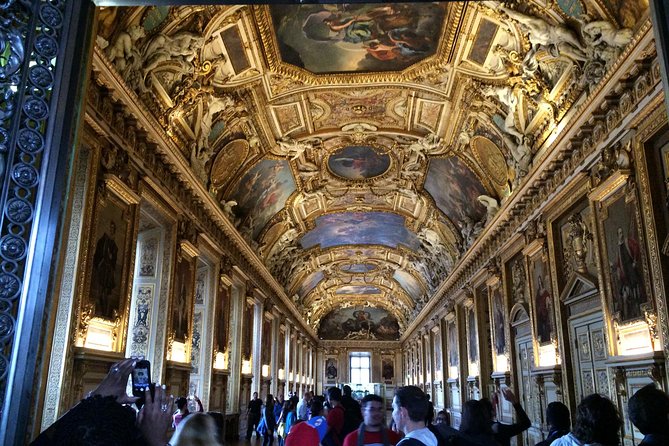
The tour is supposed to be limited to 12 travelers or fewer. That’s a huge part of why it feels personal.
Still, on rare days, operational issues can change group size. One situation described a guide illness leading to groups being merged and a larger total group size. That’s not something you can fully predict, but it’s worth knowing.
If you come for the small-group feel, aim for the best version of the tour by arriving early, staying near the front of the group, and keeping your pace steady.
Crowds, stairs, and hearing the guide in a huge museum
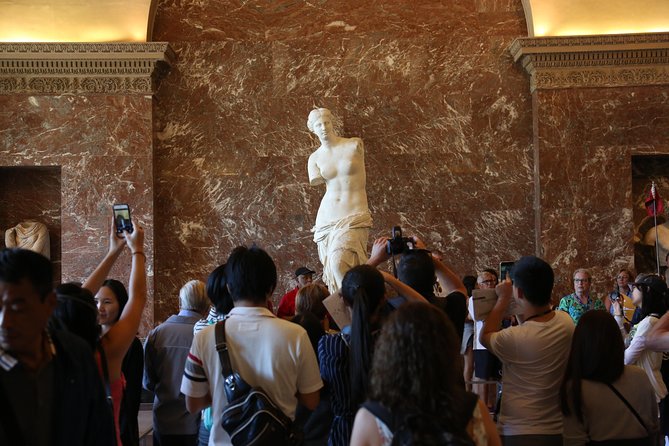
Even with prioritized entry, expect the Louvre to be busy. You should plan to stand for periods, and you should expect stairs. Some people can handle that easily; others may feel it more.
There’s also a difference between seeing art and seeing it well. In a crowded space, you might not have long viewing time. Headsets help a lot, but your best strategy is to focus on what the guide asks you to notice right then.
If you have mobility concerns: this isn’t a slow, bench-friendly stroll. It’s a highlights walk that may involve climbing and moving between rooms. If that’s a dealbreaker, you might prefer a different kind of tour style.
Who this Louvre highlights tour suits best
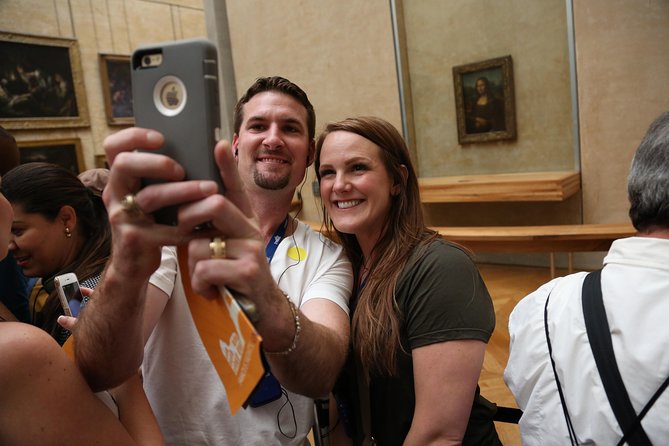
This tour fits best if you:
- Want a first-time Louvre visit that doesn’t overwhelm you
- Prefer a plan over wandering
- Like short, meaningful explanations tied to major works
- Want the option to explore longer after the guided portion ends
It also works well for families with kids who can stay engaged for a few focused hours. In one case, a family reported their kids ages 9 and 11 stayed interested throughout because the guide kept the pacing moving and the stories clear.
If you’re traveling with friends and you all want the same “must-sees” done efficiently, a small group can keep everyone together without turning the day into a herding project.
How to get the most from your guide (names you may hear on the day)
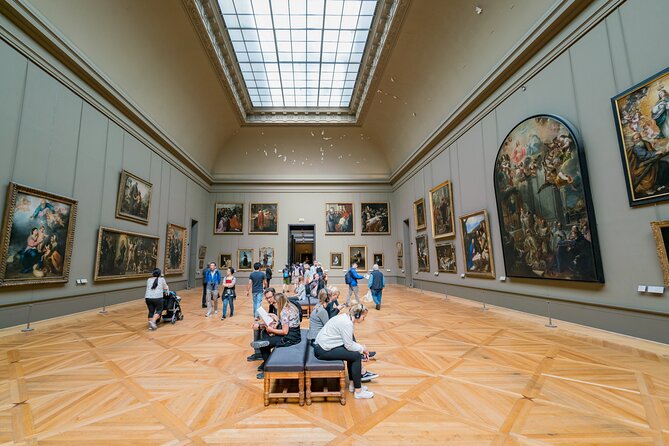
This tour can be led by different guides. From the experience details shared, you might meet people such as Maryam, Addie, Hamish, Toni, Florence, Severine, Nazli, Omar, or Maxim.
What matters most isn’t the name on the schedule—it’s the guide’s style. The guides listed here are described as energetic, focused on key masterpieces, and good at pacing. Some also try to help people who move slower by pointing out places to rest, which can be a big deal when you’re in a building full of stairs and bottlenecks.
If you want value, show up ready to listen and move. These tours work best when you stay close, keep your questions short, and let the guide steer.
Should you book this Louvre Museum Masterpieces tour?
Yes, if you want a high-clarity Louvre day: major works, real context, and headsets, wrapped into a manageable 3-hour route. It’s especially good value because the museum entry is included and the plan keeps you from wasting time guessing where to go next.
I would think twice if:
- You need step-free routes and long sitting breaks
- You strongly dislike crowds and quick viewing windows
- You’re worried about meeting-spot confusion—because arriving late can ruin the start
If you can handle some walking and you’re open to a highlights-style visit, this tour is an efficient way to experience what the Louvre is actually about—masterpieces you recognize, plus the stories that make them stick.
FAQ
How long is the Louvre Museum Masterpieces Tour?
It’s about 3 hours.
What’s included in the tour price?
The tour includes an English-speaking expert guide, small-group tour access (limited to 12 or fewer), audio headsets, and the museum admission ticket (adult admission). A reservation fee is also included.
Is the museum entrance ticket included?
Yes. An adult entrance ticket is included as part of the tour.
Does the tour provide audio headsets?
Yes. Audio headsets are provided so you can hear the guide.
What language is the tour offered in?
The tour is offered in English.
Where do we meet, and where does the tour end?
You meet at Arc de Triomphe du Carrousel, Pl. du Carrousel, 75001 Paris, France, and the tour ends at Musée du Louvre, 75001 Paris, France.
Is hotel pick-up or drop-off included?
No. Hotel pick-up and drop-off are not included.
Do I need a mobile ticket?
Yes, the tour uses a mobile ticket.
Is there any chance the tour could be delayed?
Yes. You may experience delays due to mandatory security checks when entering the venue.
Are there any free-admission rules for the Louvre?
Free admission applies to visitors under 18 and EEA residents under 26, if they present valid ID and proof of residency.