REVIEW · PARIS
Paris: UNESCO Headquarters Tour
Book on GetYourGuide →Operated by Cultival · Bookable on GetYourGuide
Modern Paris, UN-sized in 90 minutes. I like this tour because it gives exclusive access to UNESCO headquarters in the 7th arrondissement, a place you’d normally only see from the outside. You also get to connect the dots between the organization’s mission and the building itself, with a Japanese garden and standout modern art along the route.
The biggest drawback to plan for is time. At 90 minutes, it’s a smart overview, not a slow, in-depth crawl—and if you’re expecting a lush garden show with lively water, you might be a bit disappointed.
In This Review
- Key things worth knowing
- UNESCO House at 7 Place de Fontenoy: what you see first
- 90 minutes of UNESCO missions: how the tour stays focused
- Modernist architecture in action: Zehrfuss, Breuer, and Nervi
- Conference rooms, walkways, and the concrete corridor feel
- The only Japanese garden in Paris and Tadao Ando’s meditation space
- The art route: from Miró to Picasso, Giacometti to Calder
- Guides in French or English: when the storytelling lands
- Price and value at $23 with entrance tickets and a guide
- Who this tour suits best (and who might want more)
- Should you book the UNESCO headquarters tour?
- FAQ
- How long is the UNESCO headquarters tour?
- Where do I meet for the tour?
- Do I need an ID or passport?
- What languages is the live guide available in?
- Is the tour wheelchair accessible?
- What’s included in the ticket price?
Key things worth knowing
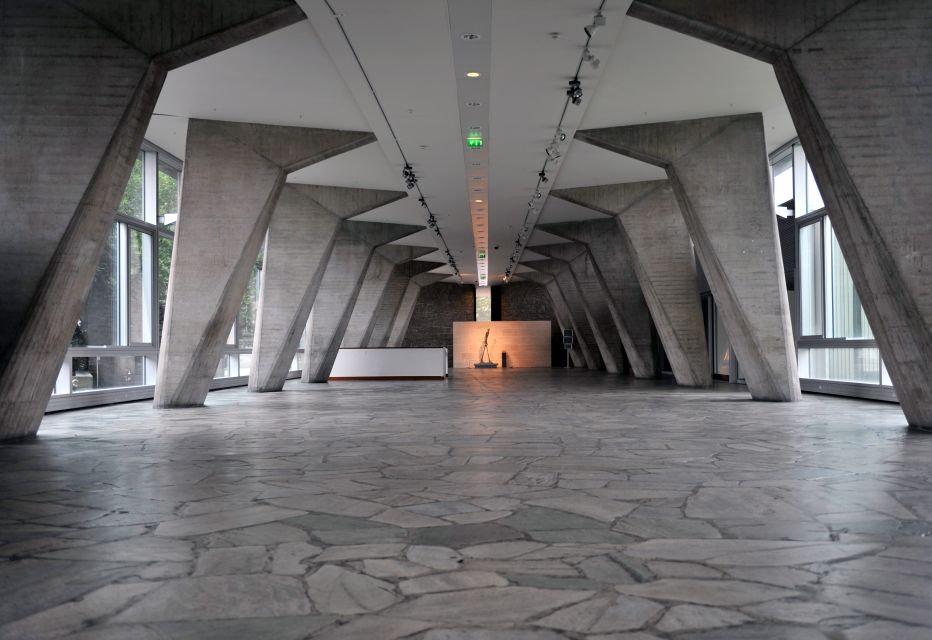
- Exclusive UNESCO access inside a working UN agency setting, not just photos from the sidewalk
- Modernist architecture walk-through across spaces linked to Zehrfuss, Breuer, and Nervi
- Only Japanese garden in Paris, plus a meditation space by Tadao Ando
- A highlight art route featuring works tied to Miró, Picasso, Giacometti, and Calder
- Guides can make or break it—the best tours are the ones where you get clear, mission-focused explanations
UNESCO House at 7 Place de Fontenoy: what you see first
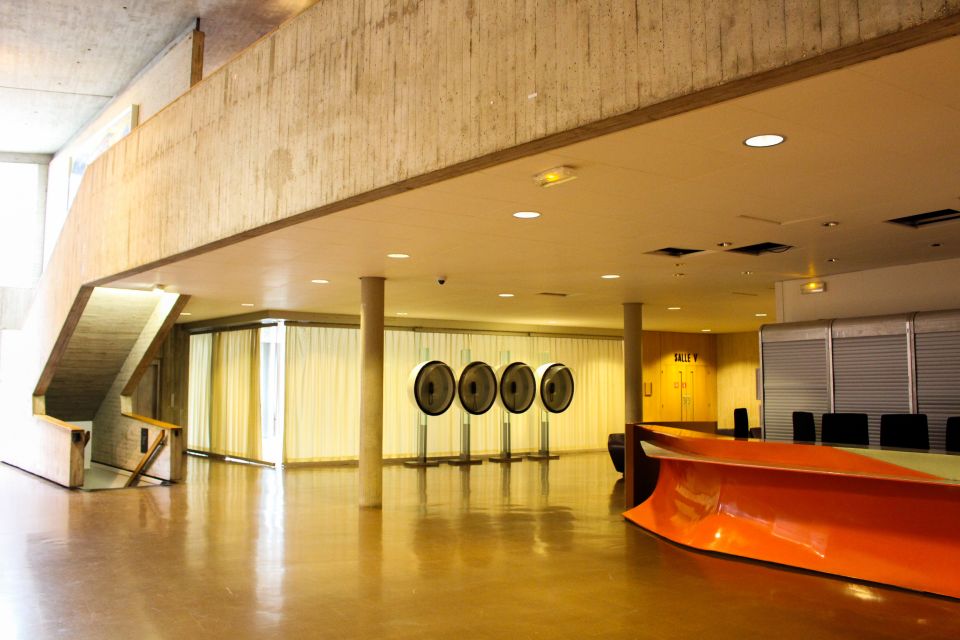
You start at UNESCO House inside the building, in front of the shop. Look for it on the left side of the reception desk, then be ready for the security check at the entrance on 7 Place de Fontenoy, 75007 Paris.
This matters more than it sounds. Security takes time, and you’ll enjoy the tour more if you arrive with a buffer. You’ll want to be there 15 minutes early, mainly so you don’t end up rushing at the exact moment your guide is getting everyone organized.
Once you’re past that initial gatekeeping, the tone shifts fast. Instead of a typical museum entrance vibe, you’re stepping into a calm, formal institution that was built to host meetings, thinking, and international collaboration.
You can also read our reviews of more tours and experiences in Paris.


90 minutes of UNESCO missions: how the tour stays focused
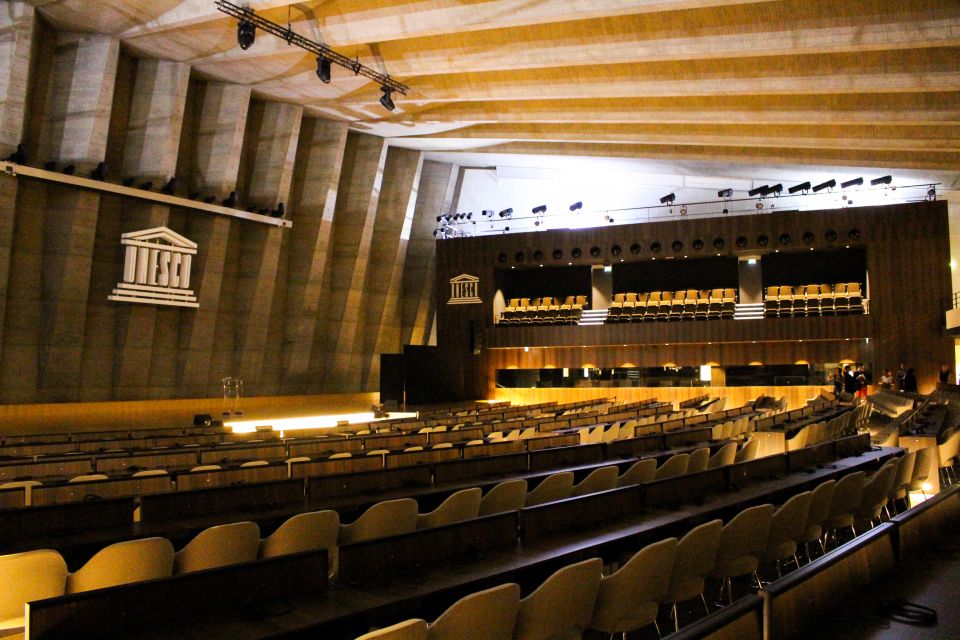
This isn’t a generic “look at pretty rooms” kind of tour. It’s built around UNESCO’s role as a specialized agency of the UN focused on education, science, and culture. Your guide connects that mission to what you’re seeing as you move through the building.
In practice, you’ll get a guided path through the institution’s iconic spaces, and the explanations are meant to help you understand how UNESCO’s work turns into real programs and values. It’s the difference between memorizing facts and actually getting the shape of the organization.
One more detail that helps you decide if the timing fits you: the tour is 90 minutes. That’s usually long enough to connect architecture, art, and mission, but it’s not long enough to feel like a full self-guided deep dive.
Modernist architecture in action: Zehrfuss, Breuer, and Nervi
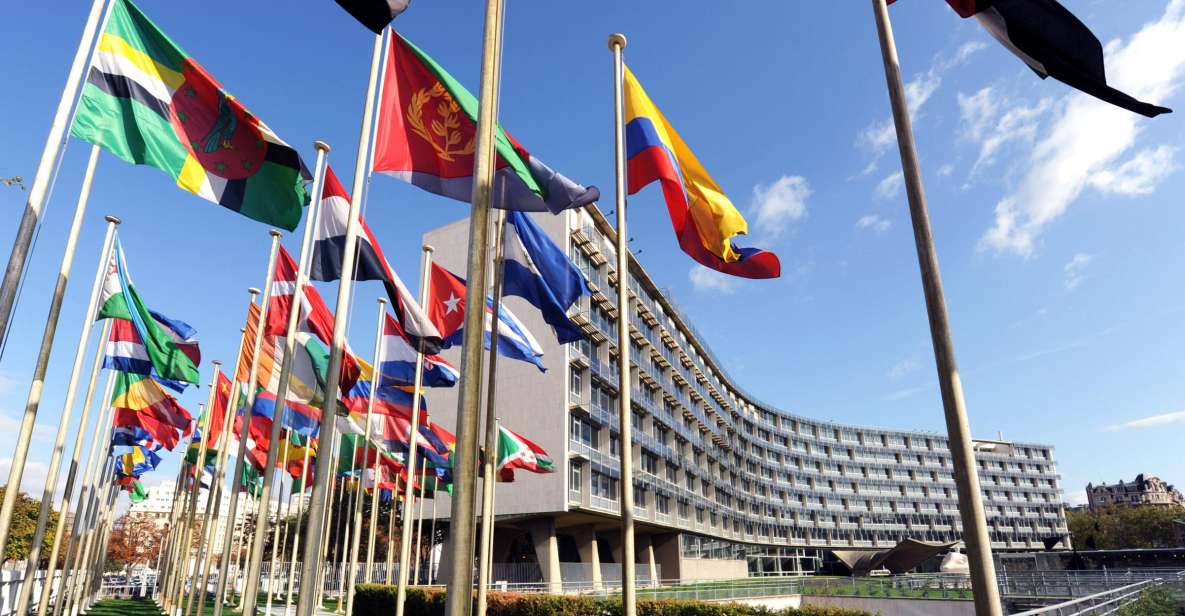
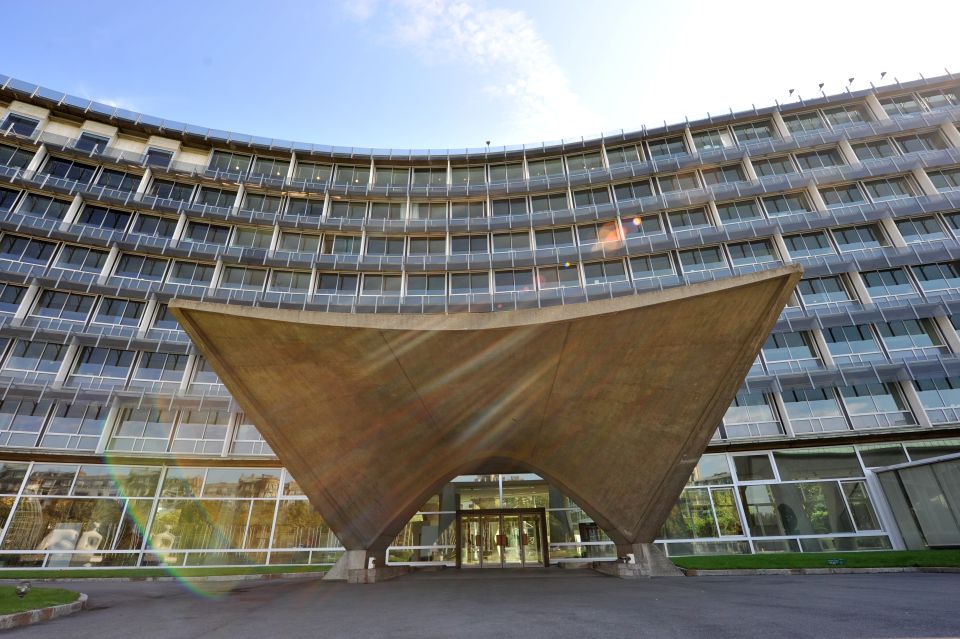
UNESCO House is a modern architecture statement, and the tour leans into that. The building is the result of a collaboration among three big names: Bernard Zehrfuss, Marcel Breuer, and Luigi Nervi. You’ll feel that mix as you move through the spaces.
You’ll see features like impressive conference rooms, walkways that guide you through the site, and concrete corridors that create a strong rhythm as you pass from one area to the next. That “movement” is part of the experience: the building isn’t just a backdrop, it’s part of how the institution presents itself.
Why this is valuable for you: architecture tours often stop at style. Here, the design becomes a way to understand how an international organization wants its spaces to function—clear routes, memorable rooms, and moments of quiet. Even if you’re not an architecture nerd, you’ll likely come away with a better sense of how the place was meant to work.
And yes, there’s some real wow-factor in walking through an office-world setting that still feels designed for public understanding.
Conference rooms, walkways, and the concrete corridor feel
One of the most satisfying parts is how the tour threads together different types of spaces. You’re not stuck in one room. You’re guided through areas that include conference rooms, walkways, and the building’s concrete corridors.
These corridors do something subtle: they keep you oriented. They also create contrast. You’re in a structured, modern environment, and that makes the later moments—garden, art, and meditation space—hit harder because they feel intentionally placed as pauses.
Drawback to keep in mind: if your goal is to spend lots of time at each stop for photos, questions, and slow looking, the tour pace may feel brisk. The architecture is impressive, but you’ll move through it like a guided highlight reel rather than a full architectural survey.
The only Japanese garden in Paris and Tadao Ando’s meditation space
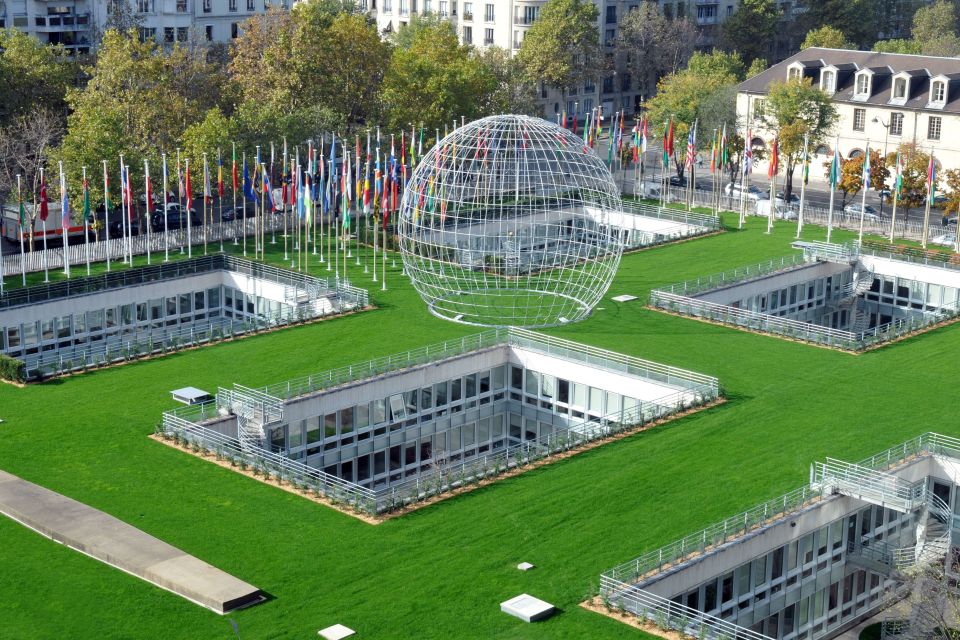
This is the part that turns the tour from “interesting” into “memorable.” UNESCO House includes what’s described as the only Japanese garden in Paris, a rare contrast to the city’s usual stone-and-glass feel.
The garden isn’t a random decoration. It’s tied to the experience because it leads into a more reflective space: a meditation area designed by the famous Japanese architect Tadao Ando.
If you like travel moments that slow your brain down for a minute, you’ll appreciate this stop. It’s one of those places where the point is quiet and intention, not speed or spectacle.
Now for the caution: one past experience noted that the garden visit wasn’t what they hoped for, including dry fountains. That doesn’t mean the garden is always disappointing, but it’s a useful reminder: nature-based features can vary, and the garden’s appeal may depend on conditions.





The art route: from Miró to Picasso, Giacometti to Calder
You also get an art component that’s easier to love than you might expect. Along the way, you’ll encounter an unexpected collection of modern and contemporary works—described as more than 600 masterpieces—with names that include Miró, Picasso, Giacometti, and Calder.
What I like about doing this inside a UNESCO tour is that the art isn’t floating in an unrelated gallery world. It’s integrated into the institution, so you’re seeing it as part of a larger cultural mission. That context makes the art feel purposeful rather than random.
Practical tip for you: if you’re someone who normally rushes through art because you’re not sure what to focus on, let the guide help you. This tour structure is basically built to point you at works and ideas you might miss on your own.
One more thing to remember: because the tour is 90 minutes, you won’t see everything. Instead, it offers a smart sampling—enough to make you curious, and just short enough to keep things moving.
Guides in French or English: when the storytelling lands
This tour lives or dies with the guide’s delivery. The information on the page lists live guides in French and English, and that matches what makes the experience work in real life.
Some guides bring a clear, well-structured explanation style. In particular, one guide named Valérie stood out for being available and giving explanations that were clear. Another guide named Joao was praised for knowing the subject deeply while also showing genuine attachment to the institution and what it represents.
What you should take from that: if you care about understanding UNESCO’s mission rather than just seeing rooms, prioritize a guide-led format like this one. A good guide turns architecture and art into meaning. Without that, it can feel like you’re just walking past highlights.
Potential drawback from a less ideal experience: a few people expected the tour to go further on the site. If you’re the type who wants more time in each section, plan for the fact that 90 minutes is an overview format.
Price and value at $23 with entrance tickets and a guide
At $23 per person for a 90-minute tour, the value comes from three things that are included: a guide, and entrance tickets to the spaces you visit.
This isn’t just a walking tour you can mimic with a quick pass by the building. It’s structured to grant you that controlled access inside UNESCO House, and it strings together architecture, garden, meditation space, and an art-focused route.
Also, the tour is positioned as a guided learning experience, not a self-guided museum visit. That matters in Paris, where you can sometimes pay for access but still feel like you’re left to interpret everything alone.
So the practical way to look at the price: you’re paying for time with a guide plus access to spaces that aren’t typically open as a casual wander. If that’s your style—guided, focused, and mission-based—you’re likely to feel the cost was fair.
Who this tour suits best (and who might want more)
This tour is a strong fit if you:
- Like a clear, guided explanation that connects place to purpose
- Care about modern architecture and want to see it from the inside
- Want a Paris stop that isn’t another line, another cathedral, or another famous painting museum
- Enjoy moments of calm, like Japanese garden and meditation space
- Are curious about UNESCO’s mission and how culture, education, and science are framed through an international institution
It may feel less satisfying if you:
- Want a very long art session where you can linger and read everything
- Expect the garden features to be at peak “showtime” every day
- Prefer a slower pace with lots of time for questions and extended photo stops
For the best match, go in with realistic expectations: this is a curated overview. You’ll leave with enough impressions to remember it, and enough curiosity to want more.
Should you book the UNESCO headquarters tour?
I’d book it if you want a smart mix of UNESCO’s mission, serious architecture, a rare Japanese garden moment, and an art highlight route—all in one tight format. The price makes it approachable, and the included entrance plus guide time helps you get beyond surface-level sightseeing.
Hold off if your top priority is deep, museum-style looking or you’re expecting a full day dedicated to gardens and art. In that case, this tour may feel too short, too fast, or too selective.
If you do book, do one thing that improves the whole experience: arrive early for the security check and keep your phone ready for wide angles and corridor views. The building’s layout is part of the story, and you’ll catch it better when you’re not rushing.
FAQ
How long is the UNESCO headquarters tour?
The tour lasts 90 minutes.
Where do I meet for the tour?
Meet inside the building in front of the shop, on the left of the reception desk. The entrance is at 7 Place de Fontenoy, 75007 Paris.
Do I need an ID or passport?
Yes. You should bring a passport or ID card.
What languages is the live guide available in?
The tour is guided in French and English.
Is the tour wheelchair accessible?
Yes, the tour is wheelchair accessible.
What’s included in the ticket price?
The ticket includes a guide and entrance tickets. Transfers are not included.