REVIEW · PARIS
Paris Private Seine River Cruise with your Captain Guide
Book on Viator →Operated by Paris River Cruise · Bookable on Viator
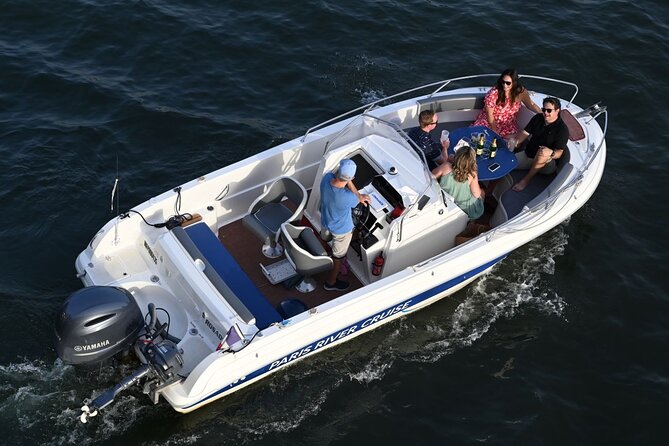
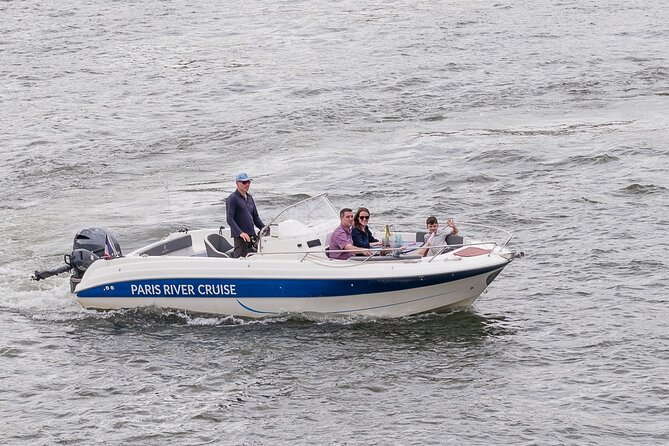
Private Seine time beats crowded boats. This is a private 1h45 cruise with an English-speaking captain guide, starting in Suresnes and winding through Paris sights from the water. I especially love how Captain Alexis-style guiding turns landmarks into clear, story-driven stops, and how the smaller boat keeps the vibe relaxed instead of hectic.
I also like that you get control over your moment—photo stops happen often, and you can bring your own snacks and drinks (with cups and a bottle opener provided). On hotter or cooler evenings, the boat stays comfortable enough that you can actually enjoy the passing views, including that helpful add-on of blankets some captains are known for.
One consideration: the boat does not have a toilet on board, so plan a quick stop at the restaurant near the departure port before you leave. And since the route depends on weather, heavy rain can change your plans.
In This Review
- Key highlights
- Why This Seine Cruise Feels Better Than Big Boat Tours
- The Start Point: Suresnes Is the Secret Sauce for a Smoother Trip
- How the 1h45 Cruise Works (and Why Timing Matters)
- Saint-Germain Island: Where Paris Learned to Grow (Without Overgrowing)
- Seine Musicale and Seguin Island: Culture Moves West
- Local Life on the Water: House Boats Along the Seine
- The Statue of Liberty at Grenelle: A Paris Detail You Might Miss on Land
- Eiffel Tower Pass: Your Chance for the Classic View From a Real Perspective
- Alexandre III Bridge: The Gold-Crowned Bridge Moment
- Orsay’s Station Building: A Museum That Was Once Something Else
- Louvre (From the Waterline): From Royal Spaces to Public Art
- Pont Neuf: Oldest Bridge in Paris, Still Doing Its Job
- Pont des Arts and the Padlocks: A Modern Tradition on Older Iron
- Île de la Cité and Île Saint-Louis: Paris’ Cradle, Explained Fast
- Pont Marie and Île Saint-Louis Planning: How “Virgin Land” Got Built
- Drop-Off Near Pont de Grenelle: Easy Access Back to the Eiffel Area
- What You’re Really Paying For: Value vs. Price
- Who This Cruise Suits Best (and Who Should Skip It)
- Should You Book This Private Seine Cruise?
- FAQ
- How long is the Seine River cruise?
- Does the boat have a toilet?
- What’s included in the price?
- Can I bring food and drinks?
- Where do we meet and where do we end?
- What if the weather is bad?
Key highlights
- Private captain guide for up to 7 people, so you’re not stuck in a crowd line.
- Sights all the way from Suresnes into the heart of Paris, with major bridges and islands.
- Photo-friendly cruising, with time to stop and plenty of chances to frame iconic views.
- Bring-your-own snacks and drinks with cups and a bottle opener included.
- No onboard toilet, but the departure restaurant area has facilities nearby.
- Weather-dependent cruise time, so flexible expectations help.
Why This Seine Cruise Feels Better Than Big Boat Tours
The biggest reason to pick this private format is simple: you cruise at your group’s pace. With a maximum group size of 7, you can hear your captain, ask questions, and actually enjoy the scenery without constant “excuse me” moments.
You also get a guide who works like a storyteller, not just a pass-by announcer. As the boat moves along the Seine, you’ll get context tied to each landmark—what changed, what was built for a purpose, and why it matters today.
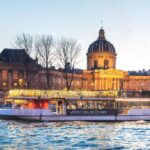
The route itself is a smart sampler of Paris. You hit the Eiffel area, cross the grand bridges, and glide past the old core islands, so you leave with a fast, useful mental map.
You can also read our reviews of more boat tours in Paris
The Start Point: Suresnes Is the Secret Sauce for a Smoother Trip
This cruise checks out from a private port in Suresnes, about 35 minutes by Uber taxi from Paris’ 75008 district. That’s not a random detail—it’s one of the ways you avoid the busiest tourist bottlenecks right at the center of things.
Before you board, there’s an on-site restaurant nearby with toilets. Since the boat doesn’t offer a restroom, I’d treat that toilet access as part of your prep routine, not a last-minute thought.
One practical tip: arrive 15 minutes early. The boat must leave on schedule, and if there’s any delay, the cruise time gets reduced.
How the 1h45 Cruise Works (and Why Timing Matters)
The advertised duration is about 1 hour 45 minutes, but it can shift based on navigation conditions and weather. Plan to keep your expectations flexible and don’t schedule a tight next-day connection right after.
You’ll be on the water for a continuous loop that passes through several classic zones of Paris: first the calmer stretch outside the center, then the busy “wow” section with bridges and famous architecture, and finally a drop-off back in the city near the Eiffel Tower area.
If you book for sunset or early evening, this kind of route can be especially rewarding because the Eiffel Tower area naturally turns into a light show. The water also gives you that “Paris from a new height” perspective—straight-on views that are hard to replicate from streets.
Saint-Germain Island: Where Paris Learned to Grow (Without Overgrowing)
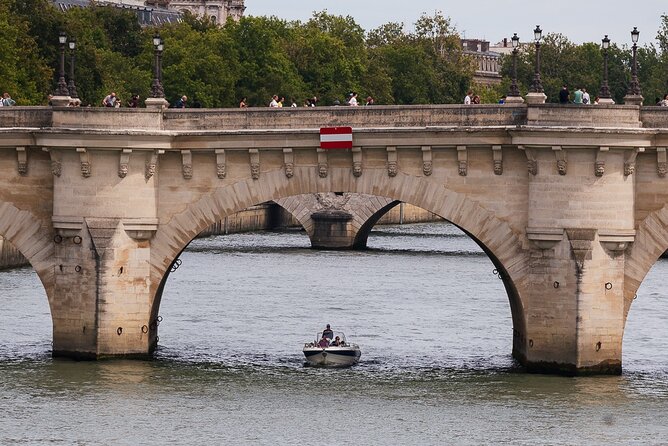
After departure, you get a little nature before fully entering the Paris core. This section matters because it sets the tone: the Seine isn’t just a postcard corridor; it’s a working landscape that shaped how Paris expanded.
You’ll hear about Saint-Germain Island, including how its story is tied to repeated battles against unchecked urbanization and industrial development. The island is described as having agricultural roots, then shifting as major buildings took hold—like the Central Comptoir of Crédit Bonnard et Cie and later the Agricultural Pavilion for the Universal Exhibition of 1867.
If you like history that explains why a place looks the way it does, this part delivers. You’re not just seeing houses; you’re seeing the logic of transformation along the river.
Seine Musicale and Seguin Island: Culture Moves West
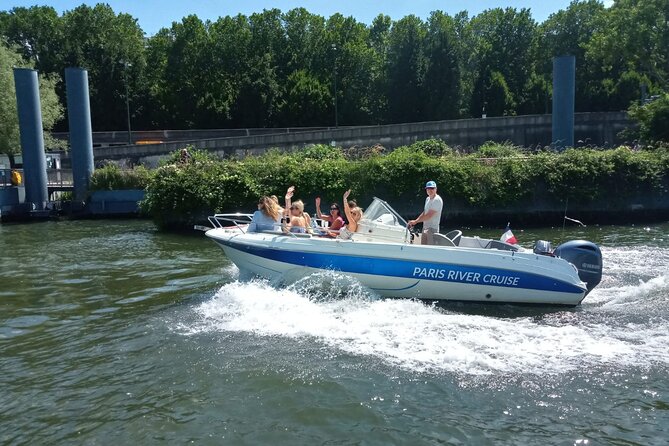
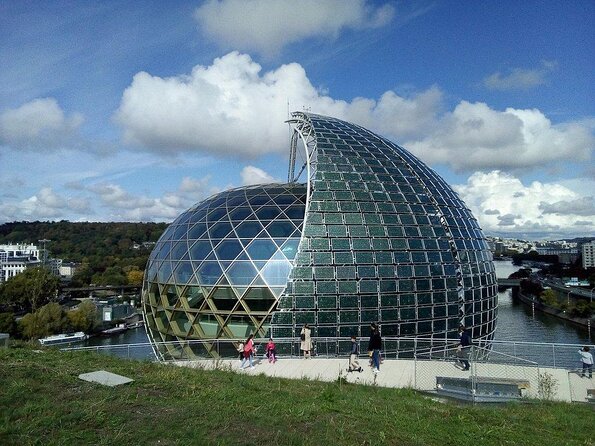
One of the stand-out segments is the approach to Seine Musicale, built in place of the former Renault factory area on Seguin Island in Boulogne-Billancourt. This is where the river starts feeling like a modern counterpoint to the historic center.
The description you’ll get focuses on how the venue aims to rebalance Paris’ cultural offerings by establishing a major stage in the west. You can also picture how different types of performances fit in here—amplified concerts, musicals, and musical theater—thanks to the scale of the main space.
This stop is also visually satisfying because it breaks the usual “all Paris is old buildings” assumption. On a single cruise, you’re seeing both the museum-age capital and a newer artistic hub.
You can also read our reviews of more guided tours in Paris


Local Life on the Water: House Boats Along the Seine
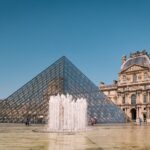
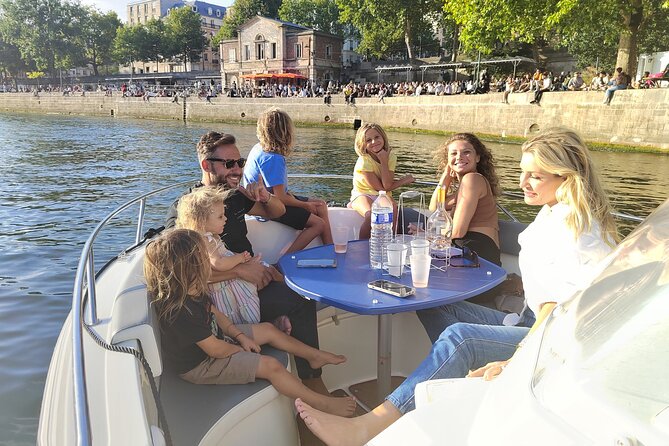
Between big monuments, the cruise also shows you locals’ house boats. This is one of those details that makes the Seine feel lived-in rather than staged.
You get a chance to notice how people build a life alongside the river—boats that don’t exist to impress tourists, but to function as home. Even if you’re not the type to visit “house boat districts,” you’ll probably find this interlude refreshing.
It’s also a nice mental reset: you’re between major landmark clusters, so the boat’s pace feels easier.
The Statue of Liberty at Grenelle: A Paris Detail You Might Miss on Land
Then comes one of the more fun facts along the route: the Statue of Liberty. Here’s the twist you’ll hear about—this statue was installed and inaugurated in 1889 at the Grenelle bridge, facing the Eiffel Tower at first, then later moved with her back to the Eiffel area in 1937 to face New York where her big sister stands.
From the boat, it’s a straightforward view, but the story makes it feel like a secret Paris variation rather than a random replica.
If you already associate Liberty with America, this moment helps you appreciate how Paris collects and repositions symbols over time.
Eiffel Tower Pass: Your Chance for the Classic View From a Real Perspective
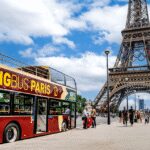
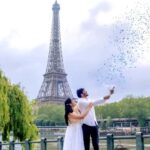
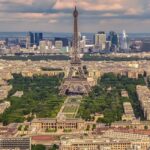
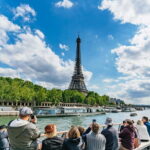
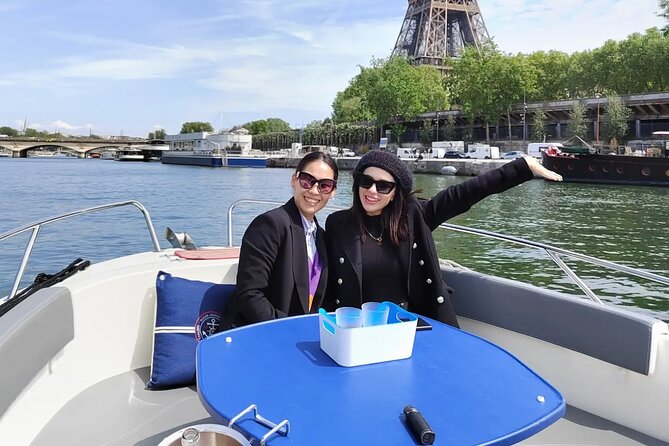
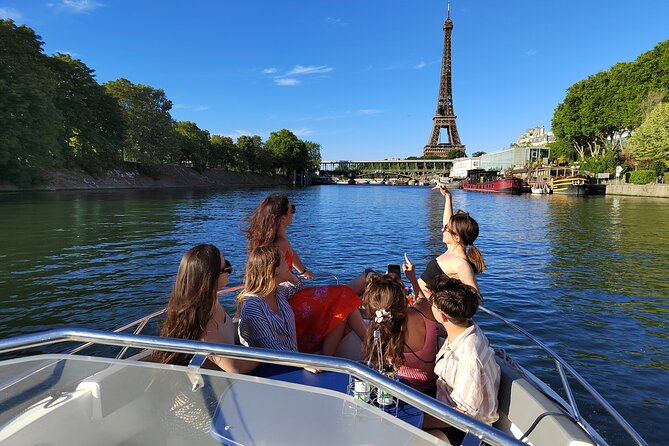
You’ll pass in front of the Eiffel Tower, built as a centerpiece for the Universal Exhibition of 1889. From the water, it’s less about “getting a photo” and more about understanding the tower’s relationship to the river corridor.
What I like here is the framing. Streets can hide angles; from the Seine, you get cleaner lines and a sense of scale. The tower also becomes a natural anchor for everything else you’ve seen before it.
If you’re timing this for later in the day, you’ll also be in position to catch light changes around the Eiffel area. That’s a big reason so many people love this cruise as a first or second evening activity.
Alexandre III Bridge: The Gold-Crowned Bridge Moment
One of the most beautiful bridge sequences is the cruise under Alexandre III Bridge. This cast steel bridge is about 160 meters long and packed with details: bronze candelabra, tall pillars topped with golden crowns, Louis XIV-style cast iron decoration, and lion statues at each end.
Since the boat goes under the bridge, you get a more complete view than you would from a street corner. You’ll notice the bridge’s ornamentation doesn’t feel random—it’s designed to impress.
This is also a great stop for group photos. The light under a bridge often makes monuments look extra sharp.
Orsay’s Station Building: A Museum That Was Once Something Else
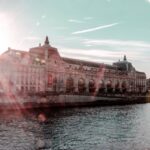
As you pass the museum in a station, you’re basically watching one of Paris’ best “old structure, new purpose” stories. The Orsay station was designed by Victor Laloux and built in 1900, with a style closer to the Second Empire than to Art Nouveau.
The fun part of this stop is the transformation logic: rather than converting old churches or palaces piece by piece, this station was delivered as a proper industrial building, ready to operate. Seeing the exterior while cruising gives you a sense of how the river connects the industrial city to the cultural one.
This is where the cruise earns its guide fee. The explanation helps you read the building like a timeline, not just as a façade.
Louvre (From the Waterline): From Royal Spaces to Public Art
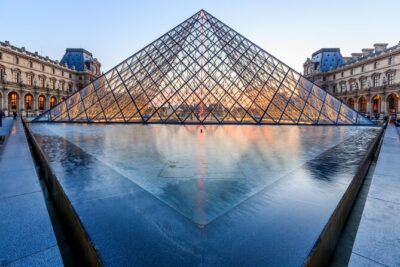
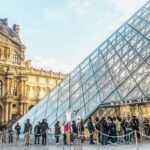
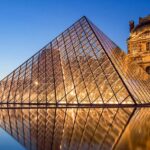
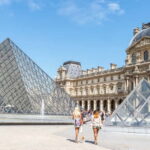
Next, you’ll pass the Louvre area. You’ll hear how the royal court shifted to Versailles, leaving the Louvre occupied by nobles, intellectuals, and artists. That led to planning for a museum project, which the French Revolution helped accelerate by opening the Grande Galerie to the public.
From the Seine, you don’t need to step inside to understand the shift. You see the big scale and placement, then your guide gives you the “how did it become this” story.
If you love museums but don’t want to commit to a full-ticket day, this kind of passing view is a smart compromise.
Pont Neuf: Oldest Bridge in Paris, Still Doing Its Job
Then you reach Pont Neuf, described as the oldest bridge in Paris. The plan began under Henry III in 1577, with the commission supervising construction and the first stone laid in 1578 with major royal presence.
Why this stop is valuable: bridges can look like “just a crossing,” but the age changes everything. From a river view, you’ll get a feel for how the city’s shape has persisted even as buildings around it have changed.
This is also a nice “breather” stop between the flashy bridge-with-photos moments.
Pont des Arts and the Padlocks: A Modern Tradition on Older Iron
You’ll pass the famous bridge where tourists add padlocks, known for its nine-arch cast iron design. Construction dates are 1801 to 1804, and the bridge was imagined as a base for a hanging garden concept.
The “first metal bridge in Paris” angle is the kind of fact that makes you pause and relook at something you might otherwise rush past. From the water, you can see the structure’s rhythm in a way that street-level angles don’t always show.
Expect a memorable photo moment here. The bridge is an easy visual anchor for your cruise pictures, especially if your captain pauses you briefly.
Île de la Cité and Île Saint-Louis: Paris’ Cradle, Explained Fast
Now you’re in the historical core: Île de la Cité is described as the cradle of Paris, tied to the earlier Lutetia settlement. Over time, powers—civil, military, and religious—coalesced here behind fortifications.
You’ll hear the Capetian kings built an early royal palace (linked to the current Palace of Justice), and that bishops established Notre-Dame Cathedral. Once that wasn’t enough for population growth, development moved outward to Saint Louis and both riverbanks.
This part of the cruise is where the guide’s explanations become especially useful. You can’t read centuries from buildings alone while moving, but your captain’s step-by-step story helps you assemble the puzzle in real time.
Pont Marie and Île Saint-Louis Planning: How “Virgin Land” Got Built
After the islands, you’ll pass near Pont Marie, described as a favorite walking route for Parisians. The bridge started in the early 17th century to create a new traffic route between the right bank and the University on the left bank, tied to a desire to develop still-virgin land.
Then the cruise shifts to Île Saint-Louis. The island, for a while, was described as two unused islets separated by a channel, with names tied to canons of Notre-Dame and the lack of urbanization—Notre-Dame Island and Vaches Island.
If you like city planning stories—who decided what went where—this is a satisfying payoff. It turns what looks like “pretty river neighborhoods” into a map of how Paris grew.
Drop-Off Near Pont de Grenelle: Easy Access Back to the Eiffel Area
You’ll end in central Paris, with the drop-off near the Pont de Grenelle area and about 950 meters from the Eiffel Tower. That makes it simple to keep enjoying the city right away without a long transfer.
The end point described as being near the Statue of Liberty makes sense too; the Grenelle connection ties it all together. If you’re doing this as an evening activity, you’ll probably find yourself walking toward dinner with a much clearer sense of where you are.
What You’re Really Paying For: Value vs. Price
At $541.85 per group (up to 7), this isn’t the cheapest Seine option. But value comes from three things you can feel right away:
1) Privacy (only your group on the boat), which improves comfort and attention.
2) A captain guide who explains what you’re seeing as you glide past it.
3) Flexibility: you can bring your own snacks and drinks, so you control costs and enjoy the cruise the way you want.
Compared with big dinner cruises, you’re also avoiding the “sit, wait, shuffle, repeat” experience. Several people highlighted how they felt like they had the boat to themselves, with better views and far less crowd pressure. If your group cares about photos and calm conversation, that alone can justify the price.
A smart move: bring a simple snack or a bottle of something you’ll actually enjoy. The boat includes cups and a bottle opener, so you’re set up to do a light celebration without paying for extras onboard.
Who This Cruise Suits Best (and Who Should Skip It)
This cruise is ideal if you want a first-rate Seine introduction without the stress of big crowds. It also fits families, couples, and small groups who want photos, quick history, and a relaxed pace.
It’s especially good for people who don’t want to commit to a full museum day. You’ll cover major landmarks—Eiffel Tower, bridges like Alexandre III and Pont Neuf, plus the island core—so you start your Paris trip with a strong mental map.
Two reasons to think twice: the boat is not accessible for people with reduced mobility, and the boat has no toilet on board. If either issue matters for your group, you’ll want to plan accordingly or pick a different format.
Should You Book This Private Seine Cruise?
If you can afford it, I’d book it. The private size, the guide-style storytelling, and the ability to bring your own drinks create a cruise that feels personal rather than ticketed and rushed.
Choose it when you want maximum satisfaction from limited time in Paris—especially if you want to see the Eiffel area plus the river’s historic core in one hit. And if you’re traveling with seniors or teens, the private setup helps everyone stay relaxed and engaged.
Just pick a day with reasonable weather, arrive early, and treat the departure restaurant toilets as part of your plan. Do that, and you’ll likely walk away feeling you saw the Seine the right way.
FAQ
How long is the Seine River cruise?
The cruise runs for about 1 hour 45 minutes, depending on navigation conditions.
Does the boat have a toilet?
No. The boat does not have a toilet on board, but there are toilets at the restaurant near the departure location.
What’s included in the price?
The tour includes a private captain and guide, plus a bottle opener and plastic cups.
Can I bring food and drinks?
Yes. You can bring your own drinks and snacks on board.
Where do we meet and where do we end?
You meet at 5 Quai Marcel Dassault, 92150 Suresnes, France. You end at 2 Port de Javel Haut, 75015 Paris, near Pont de Grenelle (about 950 meters from the Eiffel Tower).
What if the weather is bad?
The cruise depends on weather. If it’s canceled due to poor weather, you’ll be offered a different date or a full refund. For cancellations, you can cancel up to 24 hours in advance for a full refund.