REVIEW · PARIS
Paris Montmartre Private Walking Tour – Best Art, Culture, Food
Book on Viator →Operated by ExperienceFirst · Bookable on Viator
Montmartre is fun even before you reach Sacré-Cœur. This private, 90-minute walk strings together art, food stops, and local stories in the kind of order that makes the neighborhood click fast.
I like that the guide can slow down, speed up, or swap pacing if your group needs it, which matters a lot on steep streets.
Here are two things I really appreciate. First, you get a smart mix of big-name art references and street-level surprises, from the I Love You Wall to Bateau-Lavoir and the last windmill. Second, you’re not locked into museum-mode; you have built-in time for refreshments and photos, so the tour feels like you’re actually moving through Montmartre, not just ticking stops.
One possible drawback to plan for: it’s hilly and includes narrow, sometimes busy streets. The route avoids stairs, but you still need to be comfortable with uphill walking and crowding, especially near popular sights like the basilica area.
In This Review
- Key takeaways before you go
- Montmartre in 90 Minutes: why private beats random wandering
- Meeting point near Rue des Abbesses: start right so you don’t lose time
- The I Love You Wall: poetic Montmartre, not just a photo stop
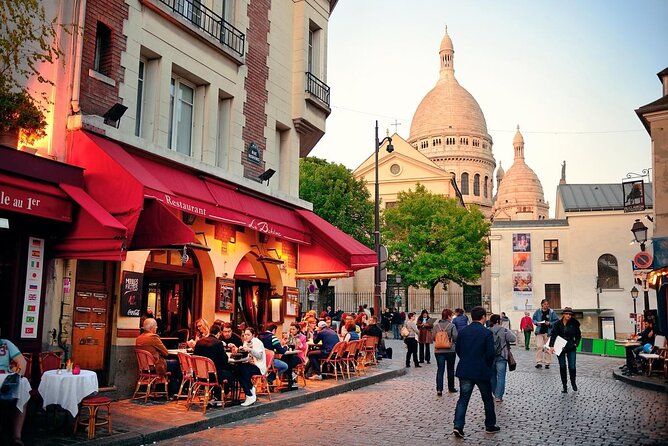
- Montmartre’s old lanes: cafés, boutiques, and the bohemian past
- Bateau-Lavoir: where modern art got its spark
- The last windmill: Renoir and Van Gogh in one iconic view
- The Marcel Aymé wall walker: surreal humor in plain sight
- Dalida’s bronze bust: the quiet tribute break in the middle of it all
- The pink house café stop: eat well, then keep walking
- Montmartre vineyard: wine in miniature since 1933
- Sacré-Cœur at the top: big views without the ticket stress
- Who should book this private Montmartre walk
- The one logistics lesson I’d stress
- Should you book it or skip it?
- FAQ
- Is this tour private?
- How long is the Montmartre walking tour?
- Is it offered in English?
- Does the tour include entry to Sacré-Cœur Basilica?
- What’s the walking like in Montmartre?
- Can I cancel for a full refund?
Key takeaways before you go
- Private guiding that adapts in real time when your group needs a different pace
- Art hits at street level, from Picasso-era Bateau-Lavoir to the Montmartre windmill
- Photo and snack timing, not just stop-and-go sightseeing
- Sacré-Cœur viewing without the entry pressure, since entry isn’t included
- Meeting-point clarity matters in a maze of side streets near Rue des Abbesses
Montmartre in 90 Minutes: why private beats random wandering
Montmartre can be chaotic in a fun way, but chaos is still chaos. This tour’s value is that it turns the area into a readable story: where the artists lived, what the neighborhood looked like, and how the place got its reputation for both creativity and scandal.
Because it’s private, you also get room for practical choices. Want more time to photograph the quirky corners, or you’d rather grab a coffee early and come back later for views? Your guide can flex. That sounds like a small detail, but on a hill-and-stairless route, pacing is everything.
You’ll also be guided in English, and the tour runs about 1 hour 30 minutes. For me, that’s the sweet spot: long enough to feel you made progress, short enough that you don’t dread the next set of hills.
About guides: you may meet people like Laura, Anastasia, Heidi, or Tamar. What they share in common is clear storytelling and attention to what your group actually needs, including food advice and adjustments when walking gets tough.
You can also read our reviews of more walking tours in Paris



Meeting point near Rue des Abbesses: start right so you don’t lose time
The tour starts at 19 Rue des Abbesses (75018). It ends at La Bonne Franquette, 18 Rue Saint-Rustique. If you rely on Google Maps blindly, you can get routed to a nearby spot instead of the exact meeting square or entrance. That matters more than people think, because the area’s streets are tight and there are several plausible “close enough” points.
My advice: before you leave, open the map once and visually match what you see on the street to what the app shows. If you’re traveling with kids, a stroller, or anyone who walks slowly, do this even more carefully, because regrouping costs time and patience.
Also, keep an eye on weather. Montmartre streets get slick quickly in rain, and crowding can get worse near the busiest photo zones.
The I Love You Wall: poetic Montmartre, not just a photo stop
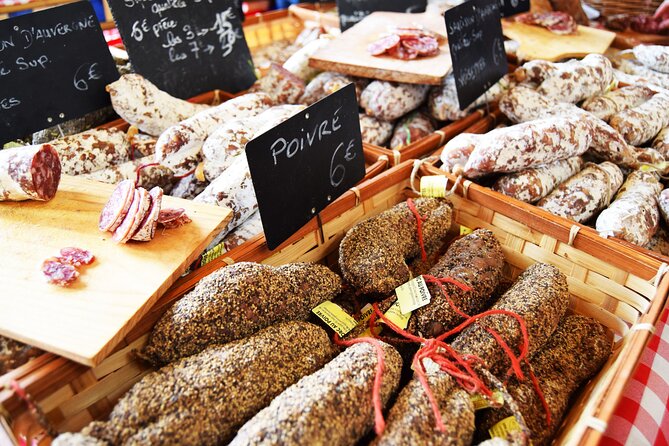
Your first stop is the I Love You Wall, a poetic installation with the words I Love You written in over 300 languages. It’s the kind of place you can enjoy in two ways: as a sweet, instantly readable artwork, and as a clue to Montmartre’s personality.
What I like about starting here is the mood shift. You’re not yet climbing the full sightseeing ladder. You’re easing in with something whimsical and human, then your guide can connect it to the neighborhood’s broader vibe: creativity that spills into everyday streets.
Practical tip: bring your phone strap or keep hands free for photos. The square can get crowded in peak hours, so take shots quickly, then step back to let others pass.
Montmartre’s old lanes: cafés, boutiques, and the bohemian past
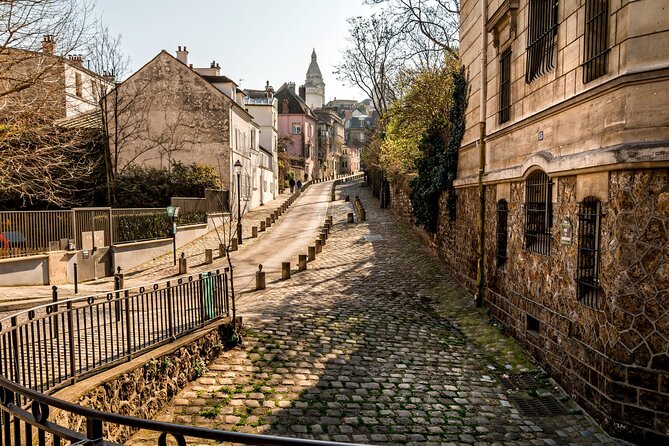
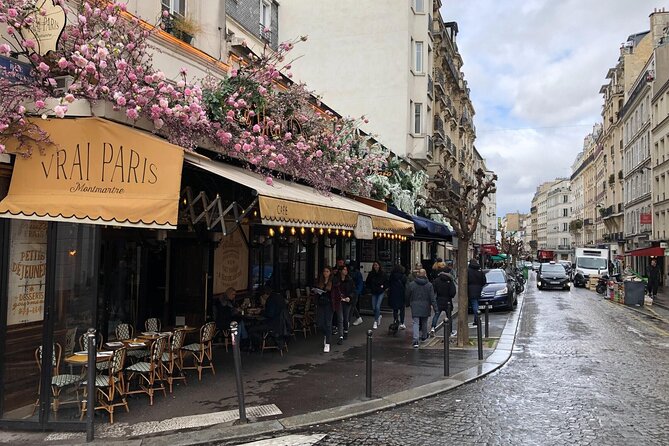
Next you’ll walk along one of Montmartre’s oldest streets. It’s busy, but it’s busy in the way that makes the neighborhood feel alive. You’ll see the eclectic mix of cafés, boutiques, and historic architecture that helped build Montmartre’s bohemian reputation.
This is also where your guide’s storytelling helps. Instead of just naming buildings, you get context on how artists and nightlife culture shaped what you see now. Montmartre has a famously “salacious” reputation, and a private guide is the best format for understanding it without getting lost in gossip.
What to watch for: signage, old façades, and the little street-level details that you’d miss if you were just power-walking to the next big sight. If you like street photography, this part can be gold.
Bateau-Lavoir: where modern art got its spark
Then you reach Bateau-Lavoir, once a humble artists’ residence and a launching pad for legends like Picasso, Modigliani, and Braque. This stop matters because it explains the shift from art as craft to art as revolution—exactly the kind of context that makes Montmartre feel more than scenic.
The setting is also a good reminder that major movements don’t always start in grand buildings. They start in messy, human spaces where people share ideas, argue, and experiment.
How to enjoy this stop: slow down for a moment. Look around the street and imagine the era your guide references. Even if you don’t know modern art details, you’ll probably connect the dots fast once your guide frames why these artists mattered.
You can also read our reviews of more food & drink experiences in Paris






The last windmill: Renoir and Van Gogh in one iconic view
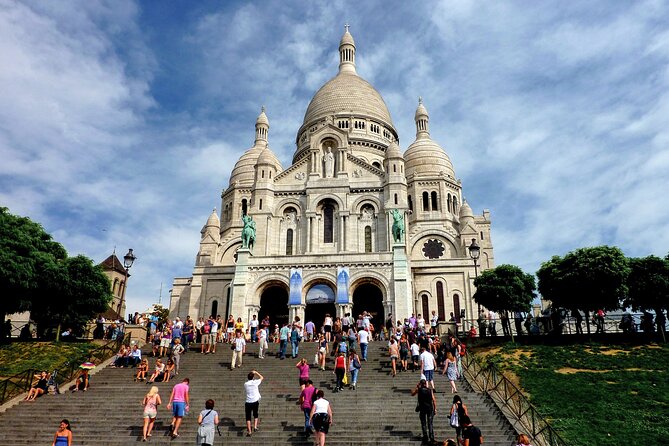
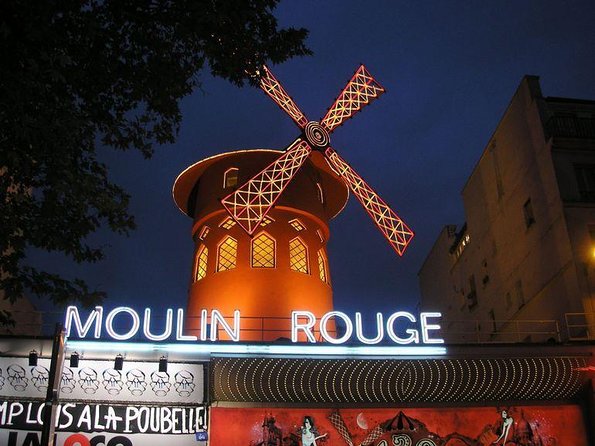
Montmartre’s windmill stop is a fan favorite for a reason. This is Paris’ last remaining windmill, featured in paintings by Renoir and Van Gogh and tied to the neighborhood’s lively past. Once a popular dance hall, it now stands like a little time machine.
Here’s the takeaway I’d want you to remember: landmarks work best when you know what they used to do. The windmill isn’t just a pretty symbol; it’s a reminder that Montmartre used to be an all-activity district, not just a viewpoint.
If it’s sunny, grab one photo from a slightly wider angle rather than only close-ups. Your guide can help you pick angles worth the climb.
The Marcel Aymé wall walker: surreal humor in plain sight
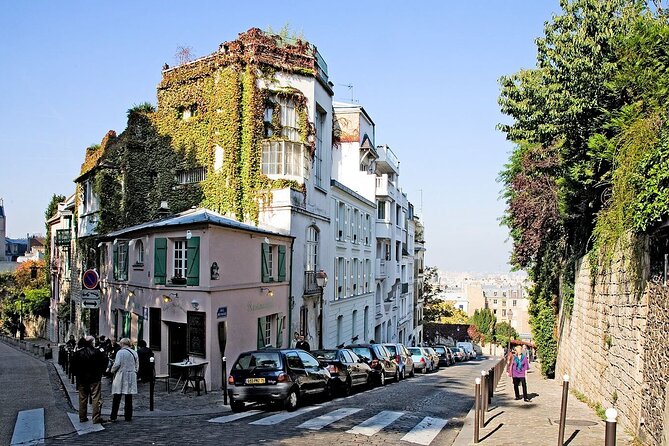
Near the author’s former home, you’ll see a whimsical sculpture inspired by a short story by Marcel Aymé: a man walking through a wall. This is Montmartre’s surreal side, but it’s also approachable. It’s funny. It’s visual. It doesn’t require art vocabulary.
I like this stop because it breaks up the more serious art-and-history themes. It gives your brain a breather and gives your camera a new kind of frame.
If you’re traveling with kids, this is often the kind of quirky moment they remember later, which matches the tour’s strong reputation for families.
Dalida’s bronze bust: the quiet tribute break in the middle of it all
One of the more peaceful stops is the Dalida bronze bust, marking the long-time Montmartre resident Dalida. It’s located in a calm square, which makes it a nice contrast after the busier streets.
This is an example of why a guided walk works here: you learn that Montmartre isn’t only painters. It also shaped and produced performers who became cultural symbols.
Practical note: treat it like a pause. Don’t rush the square. Sit for a moment if you need a reset, then keep going with the energy you saved.
The pink house café stop: eat well, then keep walking
A favorite stop is a quaint pink house that has been an emblem of Montmartre for decades. You’ll learn it was frequented by artists like Picasso and Utrillo, and it’s now a café where you can stop for French food.
This is where “food tour” actually matters. Even if you don’t eat a full meal, taking a break here makes the rest of the walk feel easier. Your guide can point you toward good choices, and you’ll get snack momentum instead of decision fatigue.
One family-friendly detail: if your group needs an easier rhythm, this café stop helps. It gives kids a chance to stretch and refocus, and it gives adults a chance to recharge before the final viewpoints.
And yes, guides have been known to share specific local tips like where to get excellent baguettes nearby, so if yours mentions a place, note it for later.
Montmartre vineyard: wine in miniature since 1933
Then comes a surprisingly charming pivot: a small vineyard hidden in the heart of Montmartre. It produces wine that connects directly to local winemaking heritage, established in 1933 to preserve Montmartre’s tradition.
This stop is brief, but it’s a great reminder that Montmartre isn’t only art and nightlife. It’s also about old local practices that survived changing times.
What to expect: the vineyard is compact. So the value is context, not scale. Listen closely to why this spot exists at all, then look at it as a tiny living archive.
If you enjoy unusual travel facts, you’ll like this segment. It’s different from the classic museum checklist, but it still fits perfectly into the story your guide is building.
Sacré-Cœur at the top: big views without the ticket stress
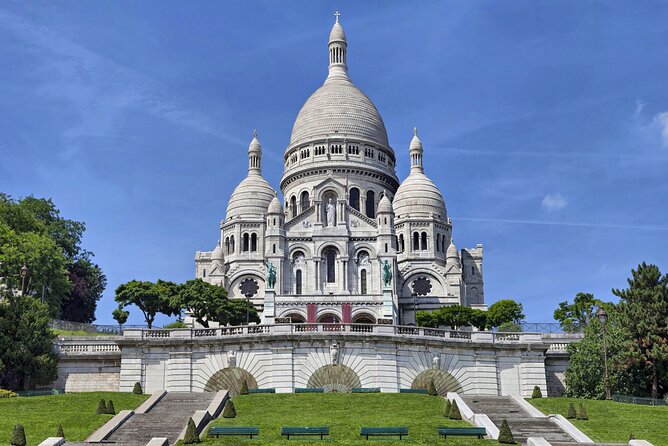
At the highest point in Paris, you’ll reach Sacré-Cœur Basilica. The tour passes the area and provides tips on what to see inside if you decide to enter on your own. Basilica entry is not included, so you don’t have to fight lines as part of the tour itself.
That matters because Sacré-Cœur is popular. By handling entry as optional, you keep the tour’s timing under control. You can also decide based on how you feel after the hills.
What I recommend: take in the outside first during your guided walk for context, then decide. If you go inside, you’ll get a fresh experience rather than treating entry as a rushed checkbox.
Even if you don’t enter, you’ll come away with why the basilica matters: white domes, intricate mosaics, and the elevated, serene feel that makes Montmartre feel like a world of its own.
Who should book this private Montmartre walk
This is a strong fit if you want:
- A short, high-impact Montmartre experience (about 90 minutes)
- Art and culture explained in a way that makes street details meaningful
- A guide who can tailor pacing and give food advice, not just history lines
- A tour that avoids stairs but still lets you see the “best of” Montmartre in one flow
It might be a tougher fit if:
- Your group struggles with uphill walking, even without stairs
- You need a very structured route with no flexibility
- Your primary goal is getting inside Sacré-Cœur as part of the tour (since entry isn’t included)
The one logistics lesson I’d stress
I’ll be blunt: meeting point confusion is the fastest way for a tour to feel bad, even if the guiding is great. Choose your meeting location carefully, and don’t assume “nearby” is enough in Montmartre.
Also, if rain hits, have a plan for arriving on time and staying dry enough to enjoy the walk. The streets can be narrow and busy, and crowding around iconic corners can slow you down.
In at least one tough case, a party missed the guide by a little and service didn’t continue as hoped, with refund requests denied. That’s not how you want your day to go. So take the meeting point seriously and aim to arrive early with a clear plan.
Should you book it or skip it?
If you want Montmartre art and culture plus practical food breaks in a tight 90-minute private walk, I’d book this. It’s the kind of tour that helps you stop seeing Montmartre as a postcard and start seeing it as a neighborhood with real creative roots, plus a very workable pace.
Skip it only if your group can’t handle hills or narrow busy streets, or if you specifically need Sacré-Cœur entry handled by the tour. Otherwise, a private guide here is worth it because the payoff is not just places, it’s the story that makes the places make sense.
FAQ
Is this tour private?
Yes. This is a private walking tour, meaning only your group participates.
How long is the Montmartre walking tour?
The tour lasts about 1 hour 30 minutes.
Is it offered in English?
Yes, the tour is offered in English.
Does the tour include entry to Sacré-Cœur Basilica?
No. The tour passes the exterior of Sacré-Cœur, and entry is not included.
What’s the walking like in Montmartre?
The route doesn’t include stairs, but it does involve hills and narrow, sometimes busy streets.
Can I cancel for a full refund?
Yes. You can cancel up to 24 hours in advance for a full refund.