REVIEW · PARIS
Paris: Macaron, Croissant or Pastry Class with a French Chef
Book on GetYourGuide →Operated by Pâtisserie à la Carte · Bookable on GetYourGuide
Macarons get easier with real technique. This English-taught French pastry class near Sacré-Cœur turns classic sweets into practical skills, taught in a small group kitchen in SoPi.
I like the chef-led focus on how the pastry works, not just what to do. I also like that you taste what you make right there, plus take home your box for later.
One thing to consider: each session centers on one pastry option. If you want to master multiple French classics in one go, you’ll need to book another class.
In This Review
- Key things to know before you book
- Why this Paris pastry class feels different
- Pick your pastry: macarons, croissants, tarts, or champagne ganache
- Inside the workshop near Sacré-Cœur (SoPi’s calm side streets)
- What happens during your 150 minutes to 3 hours
- English instruction that stays practical
- The real value: technique, not just a sweet souvenir
- Chef-led guidance in a group of 6 (and why it changes everything)
- Location + timing: pairing the class with Montmartre
- Price and what you actually get for $112
- Who should book this class (and who may want to skip)
- Quick comparison: which option suits your goals
- Should you book this French pastry class near Sacré-Cœur?
- FAQ
- What pastry options can I choose?
- Is the class taught in English?
- How many people are in the group?
- Where is the meeting point?
- What do I take home?
- How long is the class?
- Are there age restrictions?
- Can I cancel for a full refund?
Key things to know before you book
- Small group (up to 6) means you get real attention while you mix, pipe, and shape
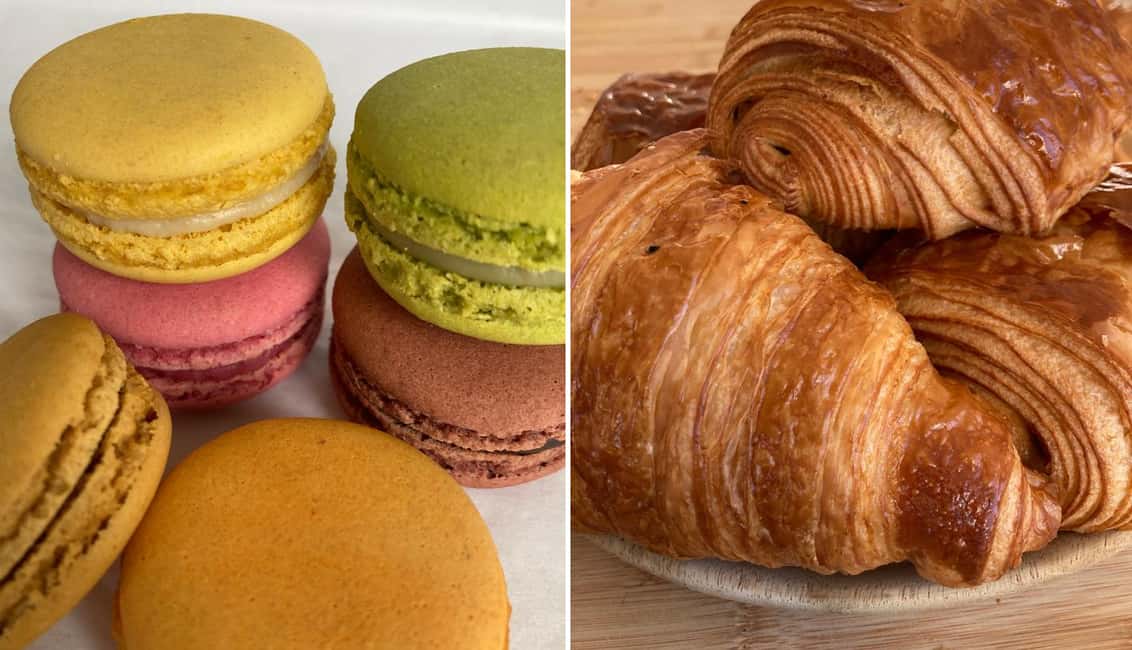
- Option-based class: macarons, croissants, French tarts, or luxury macarons with champagne ganache
- English recipes copy plus aprons and all equipment keep you from scrambling for gear
- Tasting on the spot plus a take-home box (and bags) make the time feel worth it
- SoPi location near Sacré-Cœur is great for combining baking with a Montmartre wander
- Age limits apply (notably under 12 for macarons, under 15 for croissants and tarts)
Why this Paris pastry class feels different
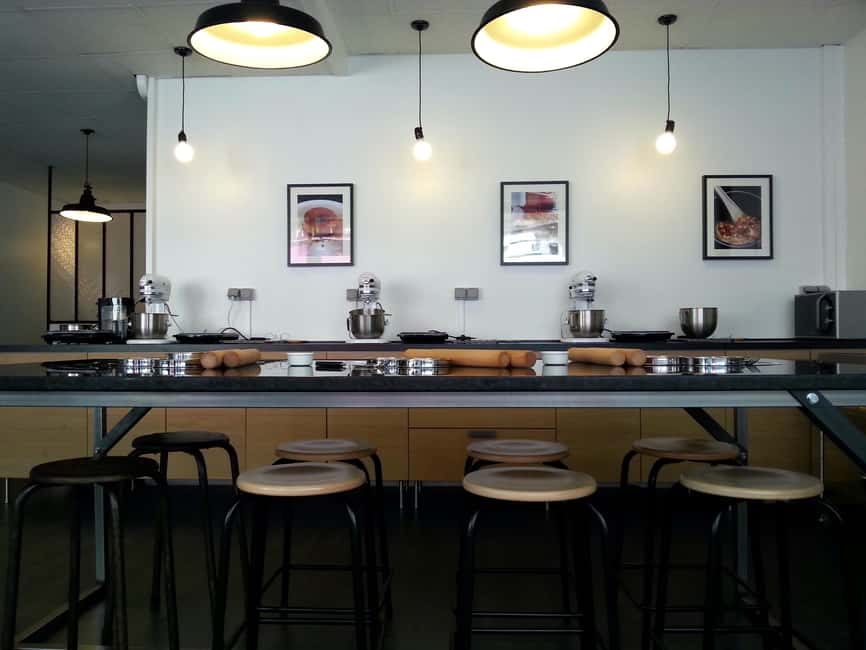
Paris has no shortage of food classes, but this one has a clean, practical goal: teach you French pastry technique in a way you can repeat later. You’re not just watching. You’re doing, step by step, with the chef guiding the texture, timing, and method that separate good pastries from showstoppers.
The setting also helps. The workshop is in SoPi, on a quiet side street just a short walk from Sacré-Cœur and Montmartre. You get that classic Paris pairing: morning or afternoon baking inside, and the city’s postcard energy outside the door.
You can also read our reviews of more tours and experiences in Paris

Pick your pastry: macarons, croissants, tarts, or champagne ganache
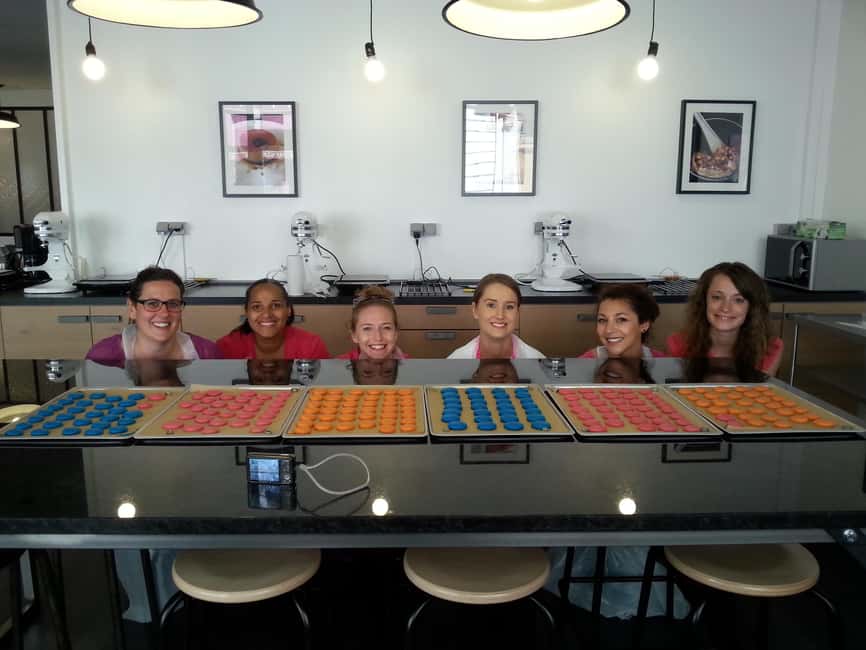
Before you book, you choose one of the experience styles. That choice matters because each one teaches a different set of skills.
Macarons (Italian meringue technique)
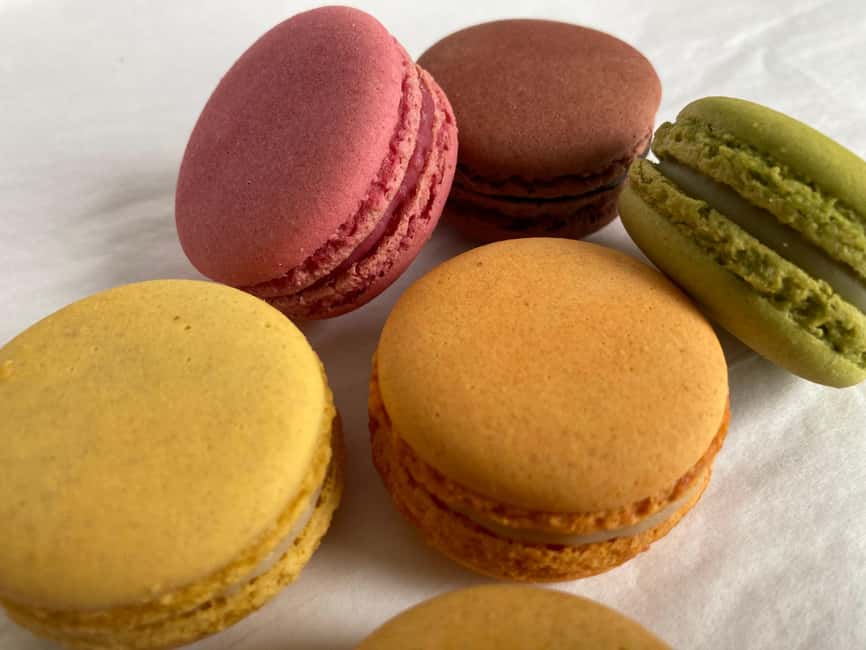
This option is built around getting macarons right, especially the Italian meringue step that affects structure and the final finish. If you’ve ever tried at home and ended up with hollow shells or cracked tops, this is the class that targets those issues directly.
Croissants (light, crisp, melt-in-your-mouth)
Croissant-making is all about lamination and control, from butter consistency to folding rhythm. Expect a more technical session, where precision beats speed.
French tarts
For tarts, you’re working toward a result that’s part pastry, part filling balance, and part clean presentation. The class runs up to the full 3 hours for a reason: pastry crusts and finishing steps take time to get right.
Luxury macarons with champagne ganache
This is macarons plus a fancier filling—chocolate ganache infused with champagne—then paired with a glass of bubbly during the class. If you want the workshop to feel like a small celebration while still learning technique, this option is the one.
If you’re a beginner, each option is still designed to be accessible. The key is that the chef explains the why behind the steps, so you’re not relying on luck.
Inside the workshop near Sacré-Cœur (SoPi’s calm side streets)
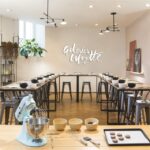
Your meeting point is a boutique on the ground floor in SoPi, close to Sacré-Cœur. It’s a small space, which is part of the appeal. You’re not bouncing between stations or rooms. You’re in the kitchen where the work happens.
Getting there is straightforward with multiple metro options nearby, including Anvers (Line 2), Cadet or Poissonnière (Line 7), and Gare du Nord. If you’re arriving by car, plan extra time. Finding parking around Montmartre can be slow, and you’ll want buffer time so you can start cooking without stress.
One small tip: the workshop is on a quiet street, and the entry can be easy to miss. Keep your eyes open for the ground-floor boutique setup.
What happens during your 150 minutes to 3 hours
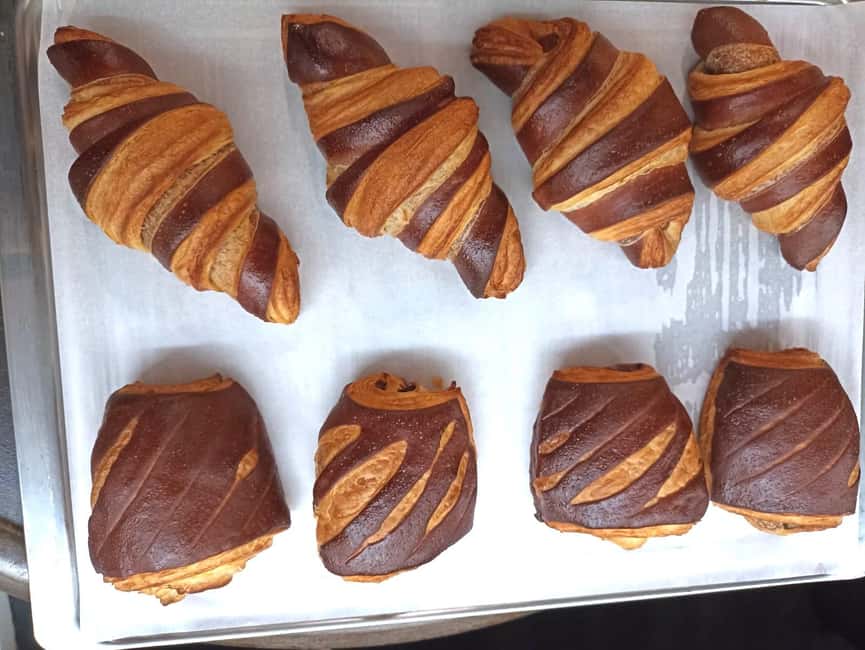
Even though you choose a specific pastry, the overall rhythm of the class stays similar: settle in, learn the method, then produce a final result you can taste and take home.
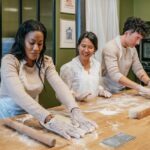
You typically arrive and get settled with the other participants. Then you meet your fellow bakers before the chef starts connecting technique to results. The tone is friendly and hands-on, and the chef walks you through each stage so you know what success looks like.
After that, you put the essential techniques into practice. This is where the class earns its keep: you’re not just mixing once and hoping for the best. You’re working through the key steps that shape texture—like how meringue behaves, how butter layers respond, or how tart components come together.
Toward the end, you taste what you made. It’s served with tea or coffee on-site, which is a nice touch because it lets you evaluate your own work immediately. Then you pack up your pastries in take-home bags, ready for friends, family, or your own future self.
English instruction that stays practical
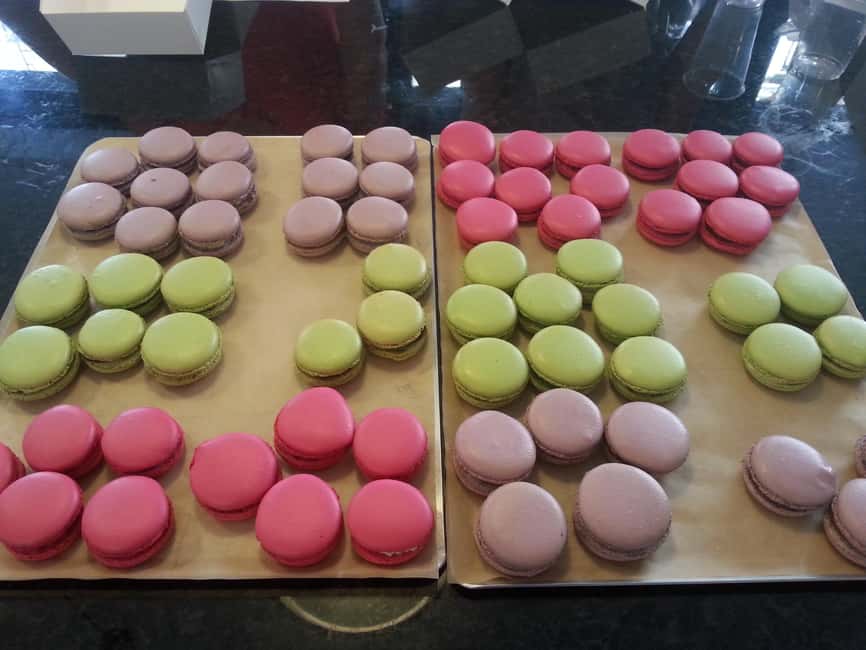
Classes are taught in English, and you also get an English language copy of the recipes. That combination matters more than it sounds. During pastry work, you need clarity fast—especially when the chef is explaining texture cues, consistency, and timing.
In a smaller group setting, questions are easy to ask. You can get help before a batch goes off track. That’s also why the up-to-6 limit is a big deal: you’re not competing for attention while your batter sits waiting.






The real value: technique, not just a sweet souvenir
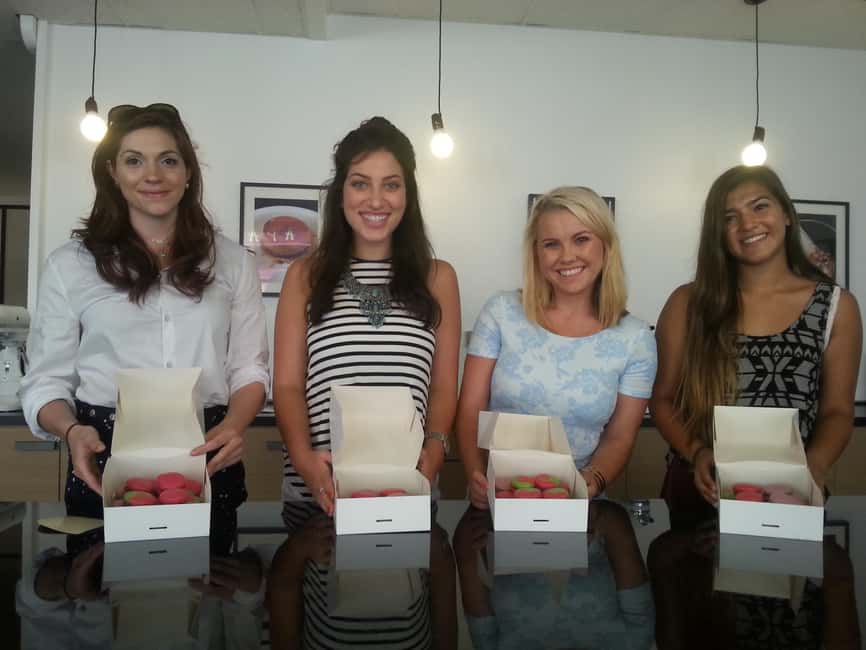
At $112 per person for about 150 minutes to 3 hours, you’re paying for more than ingredients. You’re paying for technique you can reuse.
Here’s what I think makes the value feel real:
- You learn the science behind what you’re doing
Pastry can be frustrating because it’s sensitive—heat, humidity, ingredient temperatures. This class aims to explain how those variables affect results.
- You work hands-on until you see the outcome
Several people note the instruction is very hands-on and step-by-step. You’re actively making the pastries, not just assembling parts at the end.
- You leave with a meaningful take-home box
One person specifically called out croissants at about eight per person. Another described taking home around 15 macarons per person in the macaron class. Even if your exact count depends on the session, the takeaway is consistent: you don’t just taste a bite—you take your work home.
- You get documentation for home practice
You receive an English copy of the recipes, plus an anniversary bonus eBook: Everyday Gourmet French Tarts. That’s helpful even if you didn’t choose the tart option, because it supports repeat baking later.
Chef-led guidance in a group of 6 (and why it changes everything)
A recurring theme in the feedback is the small-group size. With only a handful of people in the kitchen, the chef can correct small issues early—like consistency problems or piping technique.
Names that came up in the experience include Gaëlle (also written as Gael/Gail in some bookings). People describe her as patient and supportive, and that kind of teaching style is crucial for pastries. When you’re learning something technical, you don’t just need instructions—you need reassurance and correction in the moment.
If you’re the type who learns best by doing, this format tends to click. If you’re hoping for a passive food tasting with a little baking on the side, you might find the pacing more active than expected.
Location + timing: pairing the class with Montmartre
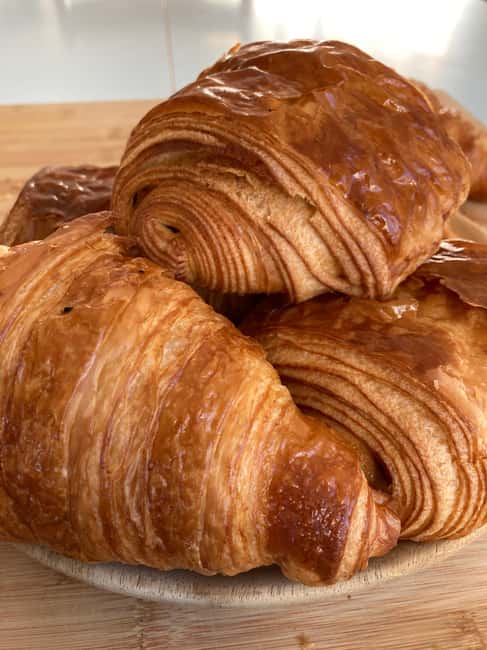
This class sits in a part of Paris that’s easy to turn into a half-day plan. After class, you’re close to Montmartre sights, and you can keep the momentum going with a walk through the area around Sacré-Cœur.
Try to plan your schedule so you’re not sprinting right after you finish piping or packing. Your hands will be busy, and your pastries will be fresh—so giving yourself a comfortable window helps.
Also, keep in mind that the workshop is a boutique space. Only participants enter the workshop, so don’t plan on dropping off companions inside.
Price and what you actually get for $112
The price point can look like a splurge until you break it down. You’re paying for:
- instructor-led technique in a kitchen setting
- aprons and all cooking equipment
- English recipe materials
- take-home bags and a take-home box
- tasting with tea or coffee
- plus the anniversary eBook for Everyday Gourmet French Tarts
Compared to buying a few macarons from a pastry shop, it’s not a cheap substitute. But it’s closer to a skill-building workshop than a food-themed tour. If you come away able to reproduce even one of these pastries at home with better results, that’s where the value lands.
Also, the small group format reduces the typical “line in a demo kitchen” problem. You get real time with the chef.
Who should book this class (and who may want to skip)
This is a great fit if you:
- want an English-speaking Paris food experience with real hands-on practice
- like learning technique and not just eating
- prefer a small group (up to 6) over crowded classes
- want a take-home result that feels impressive
It may not be the best fit if:
- you’re mainly looking for a sightseeing-focused activity with minimal work
- you want multiple different pastry skills in one session
Age rules matter here. Unaccompanied minors aren’t allowed. And the pastry type has its own minimum ages:
- children under 12 can’t participate in the macaron class
- children under 15 can’t participate in the croissant and French tart classes
- children under 12 also can’t participate in the boutique-style pastry option
If you’re booking with a teen, note that participants aged 12 to 17 must be accompanied by a participating adult.
Quick comparison: which option suits your goals
- Choose macarons if you want structured technique for shells and texture, and you like exacting results.
- Choose croissants if you’re ready for a more technical process where lamination skills matter.
- Choose French tarts if you want a fuller 3-hour session focused on crust and composition.
- Choose luxury macarons with champagne ganache if you want the learning plus an extra-special filling and a bubbly pairing.
Should you book this French pastry class near Sacré-Cœur?
If you’re deciding between a quick food stop and a hands-on Paris skill, I’d lean toward booking. The class is small, English-taught, and focused on technique you can repeat. The take-home box turns it into something you actually use, not just something you taste once.
I’d book especially if:
- you want the chef to correct you in real time
- you care about learning the science behind the pastry
- you’d enjoy making one French classic properly, then recreating it at home
Skip it if your goal is a casual stroll with minimal cooking. This is work with flour, piping bags, and timing—and that’s exactly why it’s satisfying.
If you want a memorable, practical Paris experience in about 2–3 hours, this is a strong choice.
FAQ
What pastry options can I choose?
You can choose between a macaron class, a croissant-making class, a French tarts class, or luxury macarons filled with champagne ganache.
Is the class taught in English?
Yes. The classes are taught in English, and you also receive an English copy of the recipes.
How many people are in the group?
The class is limited to a small group of up to 6 participants, so the chef can give more individualized guidance.
Where is the meeting point?
The workshop is in SoPi on a quiet side street, on a ground-floor boutique near Sacré-Cœur and Montmartre. Nearby metro options include Anvers (Line 2), Cadet or Poissonnière (Line 7), and Gare du Nord.
What do I take home?
You’ll pack up your creations in take-home bags. You also get aprons and all cooking equipment used during the class, plus a recipes copy in English. An anniversary eBook called Everyday Gourmet French Tarts is included with each course booking.
How long is the class?
The experience lasts about 150 minutes to 3 hours, depending on the option and schedule.
Are there age restrictions?
Yes. Unaccompanied minors are not allowed. Children under 12 can’t participate in the macaron class, and children under 15 can’t participate in the croissant and French tart classes. Teens aged 12 to 17 must be accompanied by a participating adult.
Can I cancel for a full refund?
You can cancel up to 24 hours in advance for a full refund.